Agriculture remains one of the world’s largest industries, generating trillions of dollars in crops, livestock, dairy products, and other farm goods every year. When ranked by the value of agricultural production, certain countries stand out as true powerhouses that feed billions of people while driving massive export industries.
From sprawling rice paddies in Asia to vast soybean fields in South America, these nations shape what ends up on dinner tables around the globe. Get ready to explore the top 15 countries dominating agricultural sales worldwide.
China

No country on Earth grows more food by value than China, and the numbers are almost hard to believe. With over $1.6 trillion in annual agricultural output, China leads the world by a wide margin.
That figure covers everything from rice and wheat to pork, vegetables, and tea.
China’s farming success comes down to sheer scale combined with centuries of agricultural knowledge. The country feeds roughly 1.4 billion people, which means its farmers are under constant pressure to produce more each year.
Regions like the Yangtze River Delta are famous for their incredibly productive farmland.
China is the world’s top producer of rice, vegetables, fruit, pork, and eggs. It also leads in aquaculture, meaning fish and seafood farming count toward those jaw-dropping totals.
Despite rapid urbanization, China continues to invest heavily in modernizing its farms with new technology and irrigation systems. The country’s agricultural dominance is not going anywhere anytime soon.
India

India’s agricultural sector is so massive that it supports more than half the country’s workforce. Generating over $500 billion in annual output, India ranks as one of the most productive farming nations on the planet.
That kind of scale means agriculture is not just an industry here, it is a way of life for hundreds of millions of people.
Rice and wheat are the backbone of Indian farming, feeding a population of over 1.4 billion. But the country also excels in sugarcane production, milk, fruits, and spices.
India is actually the world’s largest producer of milk, which surprises many people who picture wheat fields when they think of Indian agriculture.
Farmers across India work in wildly different climates, from the snowy foothills of the Himalayas to the tropical south. This geographic diversity allows the country to grow an enormous variety of crops year-round.
India is also a leading exporter of rice, spices, and cotton, sending its farm goods to markets all over the world. Its agricultural story is one of both tradition and impressive modern growth.
United States

Everything is bigger in American agriculture. The United States produces nearly half a trillion dollars in farm goods annually, combining massive scale with some of the most advanced farming technology anywhere in the world.
From the Corn Belt of the Midwest to the Central Valley of California, American farms are engineering marvels.
Corn and soybeans dominate the landscape, but the U.S. is also a global leader in beef, dairy, poultry, and a huge range of specialty crops. California alone produces most of the country’s almonds, strawberries, and tomatoes.
The sheer variety of climates across the country gives American agriculture a flexibility that few nations can match.
American farmers export enormous quantities of food each year, making the U.S. one of the world’s top agricultural exporters. Countries across Asia, Latin America, and Europe regularly import American corn, soybeans, and wheat.
Precision farming tools, GPS-guided tractors, and drone technology have helped boost yields while reducing waste. The U.S. farm sector is a blend of old-fashioned hard work and cutting-edge innovation that keeps it near the top of global rankings year after year.
Brazil

Brazil went from a largely undeveloped agricultural nation just decades ago to becoming one of the world’s most powerful food exporters. Today, it ranks among the top producers of soybeans, beef, corn, sugar, coffee, and orange juice.
That rise is one of the most remarkable agricultural success stories of the 20th and 21st centuries.
The country’s vast interior, known as the Cerrado, was once considered too dry and acidic for large-scale farming. Scientists and farmers transformed it into some of the most productive agricultural land on the planet.
Brazil now supplies a huge share of the world’s soy, much of which feeds livestock in China and Europe.
Brazilian beef is exported to more than 150 countries, and its sugar industry powers both food production and biofuel. Coffee from Brazil fills cups in cafes from Tokyo to Toronto.
The country’s tropical climate allows for multiple harvests per year on some crops, giving it a natural advantage. Brazil’s agricultural influence keeps growing as it continues to open up new farming regions and refine its production methods.
Iran

Iran might not be the first country that comes to mind when thinking about agricultural giants, but its farm output is genuinely impressive. The country produces a wide range of fruits, vegetables, grains, and nuts, with pistachios and saffron being among its most famous exports.
Iran is actually one of the world’s largest pistachio producers, which alone gives it serious agricultural credibility.
Despite dealing with water scarcity and arid conditions across large parts of the country, Iranian farmers have developed clever irrigation techniques over thousands of years. Ancient underground water channels called qanats still help deliver water to crops in dry regions today.
That kind of long-standing agricultural ingenuity keeps Iran competitive on the world stage.
Wheat, barley, rice, and sugar beet are major staple crops grown domestically. The country also produces significant quantities of dates, pomegranates, and cherries.
Livestock farming contributes substantially to Iran’s agricultural value as well. Even with the challenges posed by sanctions and climate stress, Iran’s agricultural sector remains a major economic pillar.
Its combination of ancient farming traditions and modern techniques makes it a surprisingly strong player in global food production rankings.
Indonesia

Palm oil put Indonesia on the global agricultural map in a major way. The country is the world’s largest producer of palm oil, an ingredient found in everything from cooking oil to cosmetics to biofuel.
That single crop gives Indonesia enormous influence over global commodity markets, and it is just one part of a much bigger agricultural picture.
Rice is the daily staple for over 270 million Indonesians, and the country grows enormous quantities of it across Java and Sumatra. Beyond rice and palm oil, Indonesia also produces rubber, cocoa, coffee, and coconuts at scale.
Its fisheries are among the most productive in the world, adding significant value to the country’s total agricultural output.
Indonesia’s tropical climate is a natural gift that allows crops to grow year-round. The volcanic soil on many of its islands is incredibly fertile, which helps explain why food grows so abundantly there.
However, expanding farmland has come at a cost to rainforests, sparking ongoing environmental debates. The country is working to balance agricultural growth with sustainability goals.
Indonesia’s agricultural sector is a powerhouse that influences dinner plates and supply chains far beyond Southeast Asia.
Russia

Russia was not always known as an agricultural giant, but that has changed dramatically over the past two decades. Today it is the world’s largest exporter of wheat, a title that carries enormous geopolitical weight.
Countries across the Middle East and North Africa depend heavily on Russian grain to feed their populations.
The country’s agricultural comeback is one of modern farming’s most striking turnarounds. After decades of struggling under Soviet-era collective farming, Russia embraced private ownership and investment in the 1990s and 2000s.
The result was a surge in productivity, especially in wheat, barley, and sunflower oil production.
Russia’s vast land area gives it a natural advantage, with enormous stretches of fertile black soil called chernozem in its southern regions. These soils are among the richest on Earth for growing grains.
Sunflower oil is another major export, and Russia competes with Ukraine for the title of top global supplier. Livestock and dairy farming also contribute to the country’s agricultural totals.
Climate change is actually opening up new farmland in Siberia, which could push Russia’s agricultural output even higher in the coming decades.
Japan

Japan proves that you do not need massive farmland to generate serious agricultural value. Despite being one of the world’s most mountainous and densely populated countries, Japan squeezes extraordinary productivity out of a very limited amount of arable land.
Its farmers are known for their precision, quality obsession, and willingness to try innovative growing techniques.
Rice is the cultural and agricultural heart of Japan, grown in beautifully maintained paddies across the country. Japanese farmers also produce high-quality beef, such as the famous Wagyu, which commands some of the highest prices of any meat in the world.
Premium fruits like perfectly round melons and flawless strawberries are also grown here, sometimes selling for hundreds of dollars apiece.
Greenhouse farming and hydroponics are widely used in Japan to maximize output in small spaces. The country invests heavily in agricultural research and technology to keep yields high.
Fish and seafood production also add significantly to Japan’s agricultural figures. While Japan imports a large share of its food, its domestic production is focused on quality over quantity.
That philosophy has created a farming culture that is genuinely unlike anything else in the world.
France

France has been feeding Europe for centuries, and it still does the job better than almost anyone else on the continent. As Europe’s largest agricultural producer, France generates enormous value from wheat, wine, dairy products, poultry, and a dazzling variety of fruits and vegetables.
Its reputation for food quality is legendary, and that reputation is backed by real agricultural muscle.
French wine alone is a global industry worth billions of euros each year. Regions like Bordeaux, Burgundy, and Champagne are known worldwide, and their vineyards are treated with almost artistic care.
Cheese production is equally serious business, with France producing hundreds of distinct varieties that are exported around the globe.
Beyond wine and cheese, France is a major wheat exporter and a leading producer of sugar beets. Its livestock sector is strong, with beef, pork, and poultry all contributing to the country’s agricultural output.
The French government has historically supported its farmers through subsidies and trade protections, which helps maintain the sector’s strength. France also benefits from a diverse climate that supports farming from the cool north to the sunny Mediterranean south.
It is a country that takes its farming as seriously as its food.
Turkey

Turkey sits at the crossroads of Europe and Asia, and its agriculture reflects that remarkable geographic position. The country produces an astonishing variety of crops, from hazelnuts and figs to wheat, tomatoes, cotton, and dairy products.
Turkey is actually the world’s top hazelnut producer, supplying about 70 percent of the global total. That means there is a good chance the Nutella in your kitchen has a Turkish connection.
The country’s diverse climate zones allow farmers to grow Mediterranean fruits along the coasts while producing grains and livestock on the inland plateaus. Turkey consistently ranks among the world’s top ten producers of many fruits and vegetables, including apricots, cherries, and cucumbers.
Its agricultural sector is both large and impressively varied.
Livestock farming is also a major part of Turkey’s agricultural economy, with cattle, sheep, and poultry all contributing significantly. The country exports agricultural goods to Europe, the Middle East, and beyond.
Turkish farmers benefit from fertile river valleys and a long growing season in many regions. Government investment in irrigation and rural infrastructure has helped expand production over recent decades.
Turkey’s agricultural output is a quiet powerhouse that often gets overlooked in global conversations about food production.
Pakistan
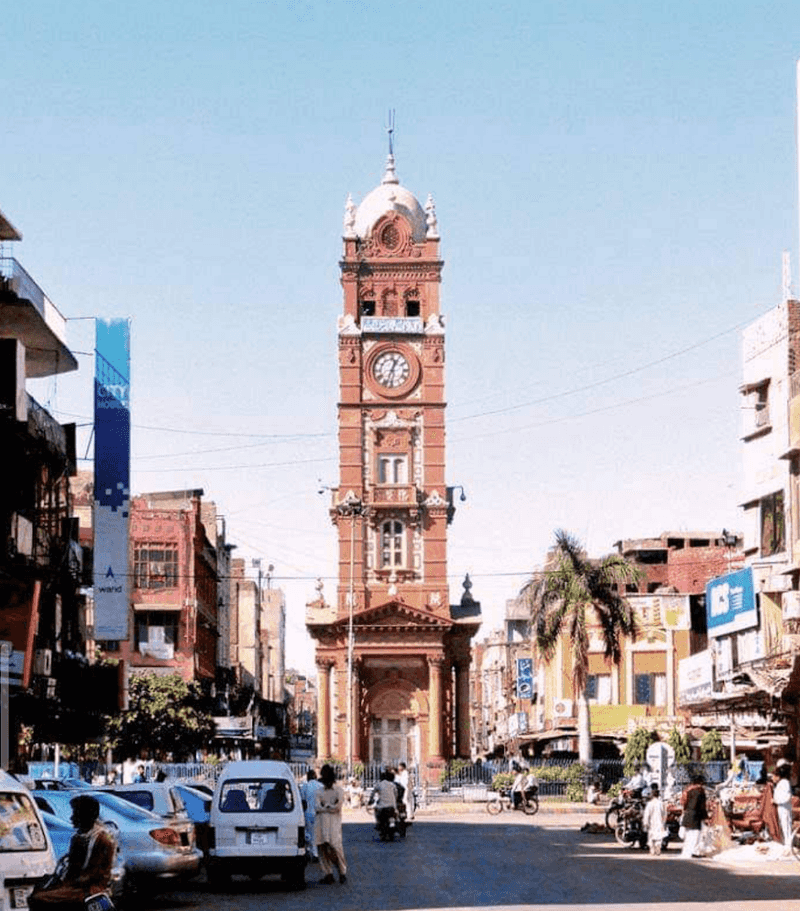
Agriculture is the backbone of Pakistan’s economy in a way that is hard to overstate. The sector employs nearly 40 percent of the country’s workforce and contributes significantly to its GDP.
Pakistan’s fertile Indus River plain is one of the most productive farming regions in all of Asia, supporting massive harvests of wheat, rice, sugarcane, and cotton.
Wheat is Pakistan’s most important crop, serving as the staple food for its 230 million people. The country is also one of the world’s top producers of sugarcane and cotton, the latter being central to its massive textile industry.
Mango production is another point of national pride, with Pakistani mangoes considered among the finest in the world by enthusiasts.
Milk production in Pakistan is staggeringly large, making it one of the world’s top dairy-producing nations. Livestock farming contributes about half of the agricultural sector’s total value.
However, Pakistan faces serious challenges including water scarcity, soil degradation, and the effects of climate change, which have caused devastating floods in recent years. Despite these obstacles, Pakistani farmers continue to produce enormous quantities of food.
Investment in modern farming methods and better water management could unlock even greater potential in the years ahead.
Germany

Germany might be more famous for its cars and engineering, but its agricultural sector is quietly one of Europe’s strongest. Known for efficiency and precision, German farmers apply the same methodical approach to growing food that the country applies to manufacturing.
The result is a highly productive sector that generates billions in annual output from a relatively compact land area.
Dairy farming is a cornerstone of German agriculture, producing milk, cheese, and butter that are consumed domestically and exported across Europe. The country is also a major producer of pork, poultry, and beef.
Grain crops including wheat, barley, and rye are grown extensively across the northern plains.
Germany is famous for its sugar beet production, which feeds a large domestic sugar industry. Hops, used in beer brewing, are grown in Bavaria and exported worldwide, feeding the global craft beer craze.
German farms are increasingly adopting organic and sustainable practices, responding to growing consumer demand for environmentally friendly food. The country’s food processing industry adds extra value to its raw agricultural output, making Germany a key player in European food supply chains.
Organized, efficient, and forward-thinking, German agriculture punches well above its weight on the world stage.
Mexico

Avocado toast owes a big thank-you to Mexico. The country is the world’s largest producer of avocados, and its dominance in that market has made guacamole a truly global obsession.
But avocados are just the beginning of Mexico’s impressive agricultural resume, which also includes tomatoes, corn, sugarcane, chili peppers, and livestock products.
Corn holds a special place in Mexican agriculture, both economically and culturally. Mexico is actually the origin of domesticated corn, which was first cultivated by indigenous peoples thousands of years ago.
Today the country produces millions of tons of corn annually, forming the foundation of its cuisine and food supply.
Mexico’s location between North and South America, combined with its varied climates, allows it to grow an extraordinary range of crops. Its proximity to the United States makes it one of the most important agricultural trade partners for American consumers.
Berries, limes, mangoes, and jalapeu00f1os are among the many products that flow north across the border every day. The country’s agricultural exports have grown dramatically over the past two decades, driven by trade agreements and rising global demand for fresh produce.
Mexico’s farms are feeding not just their own people but much of North America.
South Africa

South Africa stands out as the clear agricultural leader across the African continent, producing a remarkable variety of farm goods that are exported to dozens of countries. Its wine industry alone is world-class, with the Western Cape producing bottles that compete with French and Italian labels on international shelves.
The country’s agricultural story is one of diversity, resilience, and growing global ambition.
Citrus fruits are among South Africa’s biggest export earners, with oranges, lemons, and grapefruits shipped to Europe and Asia in enormous quantities. Grapes, apples, pears, and stone fruits also thrive in the country’s temperate southern regions.
Maize is the dominant staple crop grown domestically, feeding both people and livestock.
South Africa’s wool industry is significant on the global stage, with Merino sheep farming concentrated in the Eastern Cape. Livestock products including beef, dairy, and poultry contribute substantially to total agricultural output.
The country faces real challenges, including water scarcity, land reform debates, and the effects of climate variability. However, its farmers have shown impressive adaptability.
South Africa’s ability to produce high-value export crops alongside staple foods for domestic consumption makes it a uniquely versatile agricultural economy that continues to grow its influence on world markets.
Argentina
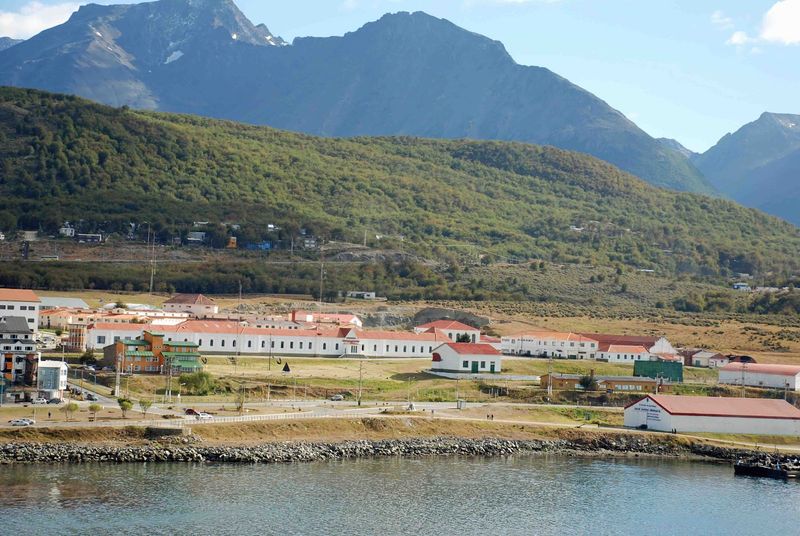
The Pampas grasslands of Argentina are some of the most naturally fertile lands on the planet, and Argentine farmers have made the most of every acre. The country is one of the world’s top exporters of soybeans, corn, wheat, and beef, making it a critical supplier in global food markets.
Without Argentina, grocery shelves and feed lots in many countries would look very different.
Argentine beef has a legendary reputation worldwide, celebrated for its flavor and quality. The country’s grass-fed cattle roam vast estancias, producing meat that is exported to Europe, Asia, and beyond.
Soy, however, has become the country’s biggest agricultural earner, with vast fields covering much of the interior.
Argentina also produces significant quantities of sunflower oil, wine, lemons, and pears. Its wine industry, centered in the Mendoza region, has earned international acclaim for Malbec grapes grown at high altitude.
Agriculture contributes a major share of Argentina’s export earnings, making the sector central to the country’s economic health. Fluctuating commodity prices and occasional droughts create challenges for farmers, but the Pampas remain extraordinarily productive.
Argentina’s agricultural heritage runs deep, and its farms continue to supply the world with food it genuinely cannot do without.
Share this story