You don’t always need a passport to experience the magic of Europe. Scattered across the United States, you’ll find towns and cities that look and feel like they were lifted straight from Bavaria, Denmark, Spain, Switzerland, and beyond.
From cobblestone streets to tulip festivals, these places deliver serious Old World charm without the jet lag. Pack your bags and get ready to explore some of the most delightfully European corners of America.
Leavenworth, Washington — Bavaria
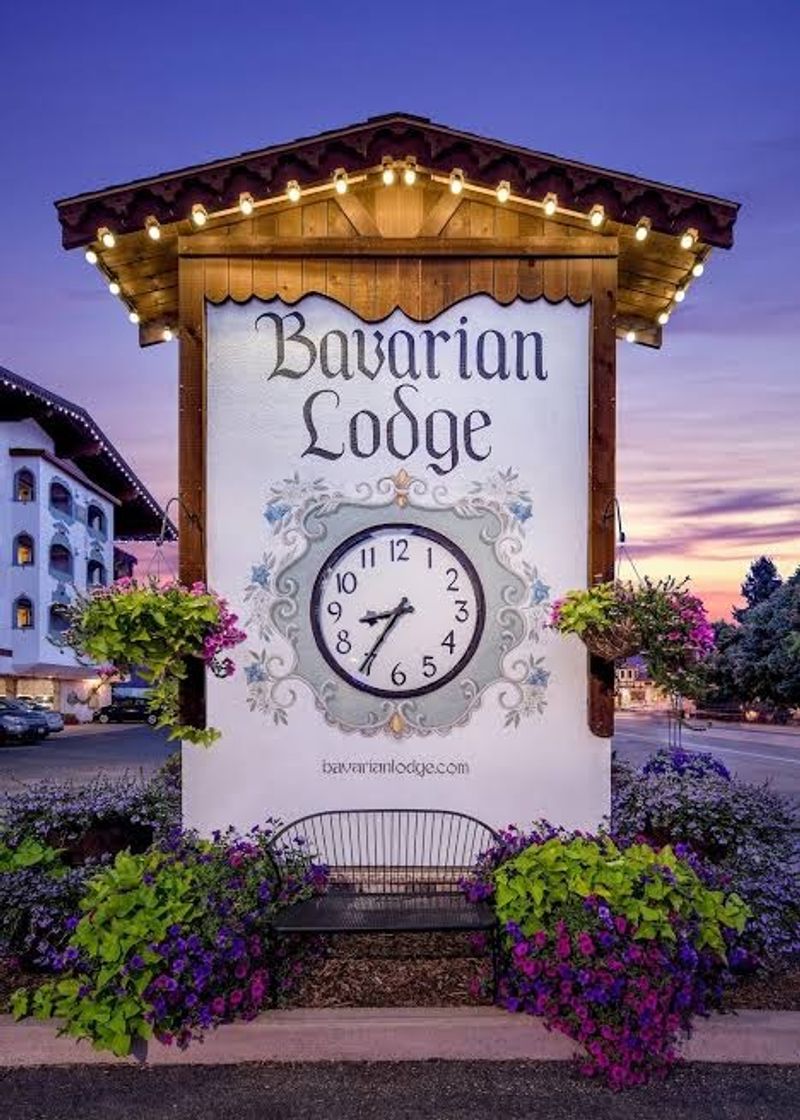
Tucked inside the Cascade Mountains like a snow globe come to life, Leavenworth is the kind of place that makes you double-check your map. The entire town was reimagined in the 1960s as a Bavarian village, and the transformation was so thorough it almost feels like a movie set.
Except it’s completely real, and the pretzels are absolutely delicious.
Every building follows strict Bavarian architectural guidelines, featuring painted facades, flower boxes overflowing with geraniums, and steep rooflines. Beer gardens line the main street, and the smell of bratwurst drifts through the air on weekends.
During Oktoberfest, the crowds rival those of Munich itself.
Winter turns Leavenworth into something truly magical. Christmas lights cover nearly every surface, and horse-drawn sleigh rides glide through town.
Summer brings outdoor concerts and white-water rafting nearby. Visitors consistently say Leavenworth feels more authentically Bavarian than some actual Bavarian towns.
Whether you visit in July or December, this Washington gem always delivers something worth celebrating.
Solvang, California — Denmark
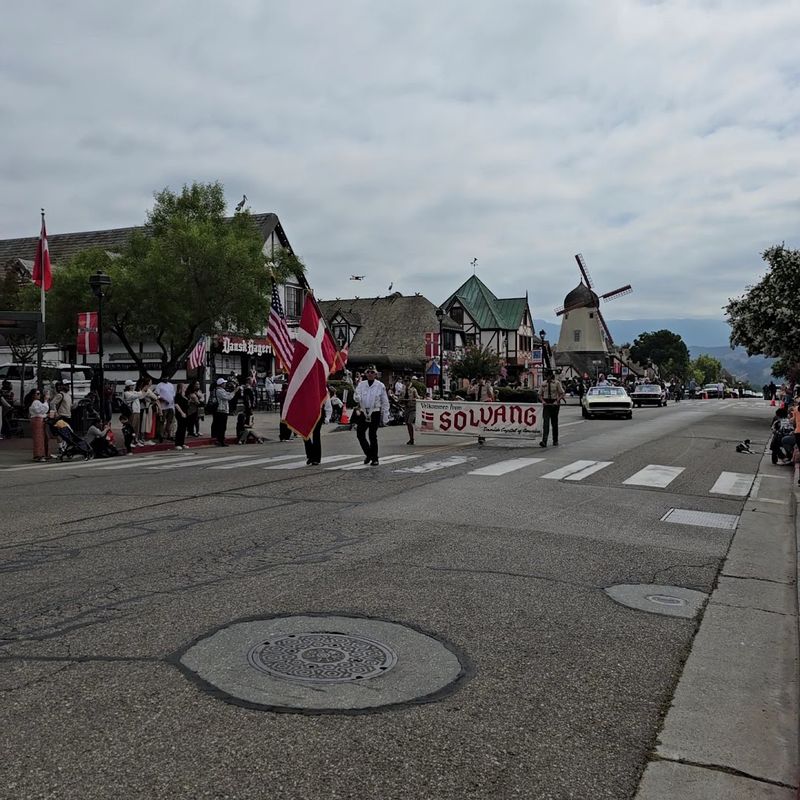
Somewhere in California’s Santa Ynez Valley, Denmark quietly set up shop and never left. Solvang was founded in 1911 by Danish immigrants who wanted to preserve their culture, and more than a century later, they absolutely succeeded.
Walking down Copenhagen Drive feels genuinely disorienting in the best possible way.
Windmills spin lazily above the rooftops. Half-timbered buildings painted in warm yellows and whites line every block.
Danish bakeries sell aebleskiver, those irresistible round pancake puffs dusted with powdered sugar, alongside buttery pastries that would impress any Copenhagen local. The Hans Christian Andersen Museum is a cozy tribute to the legendary storyteller.
Solvang sits in wine country, so pairing a Danish pastry with a local Pinot Noir is practically a cultural obligation here. The town hosts a Danish Days festival every September, complete with folk dancing and traditional costumes.
It draws families, couples, and curious solo travelers year-round. For a town of just under 6,000 residents, Solvang punches far above its weight in charm, character, and carbohydrates.
Helen, Georgia — Bavaria
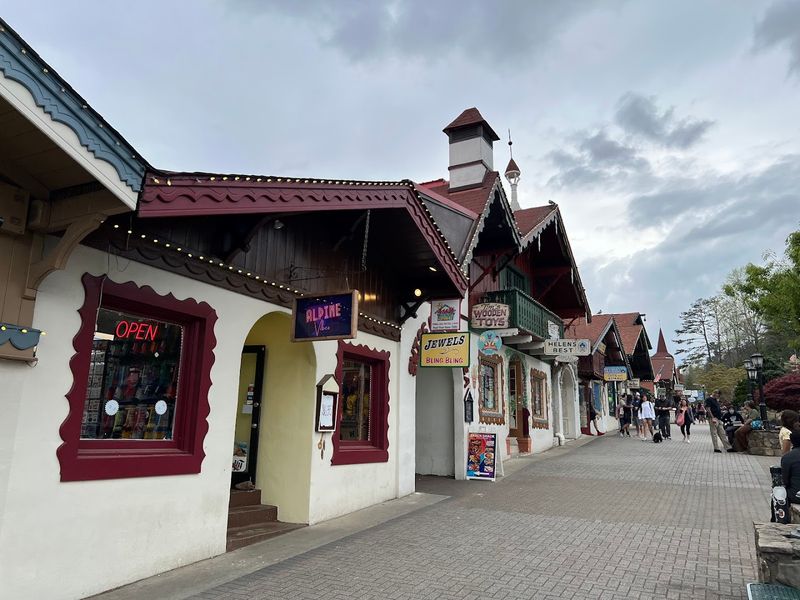
Back in 1969, a struggling mountain town in Georgia decided to reinvent itself, and the idea they landed on was gloriously unexpected: become Bavaria. Helen, Georgia, transformed its storefronts and buildings into a Bavarian alpine village, and tourists have been showing up ever since.
The Blue Ridge Mountains in the background actually help sell the illusion remarkably well.
Painted facades, flower-draped balconies, and cobblestone-style walkways give Helen its storybook appearance. German restaurants serve hearty schnitzel and spaetzle alongside cold German lagers.
The Oktoberfest celebration here runs for weeks, making it one of the longest-running Oktoberfest events in the country outside of Munich.
Helen sits along the Chattahoochee River, which adds tubing and kayaking to the list of activities beyond eating and festival-going. Nearby Unicoi State Park offers hiking and waterfalls for those who need a break from the bratwurst.
The town stays lively year-round, with Christmas markets in winter adding another layer of European atmosphere. Helen proves that a bold idea, executed with genuine commitment, can completely transform a place’s destiny.
New Orleans, Louisiana — France
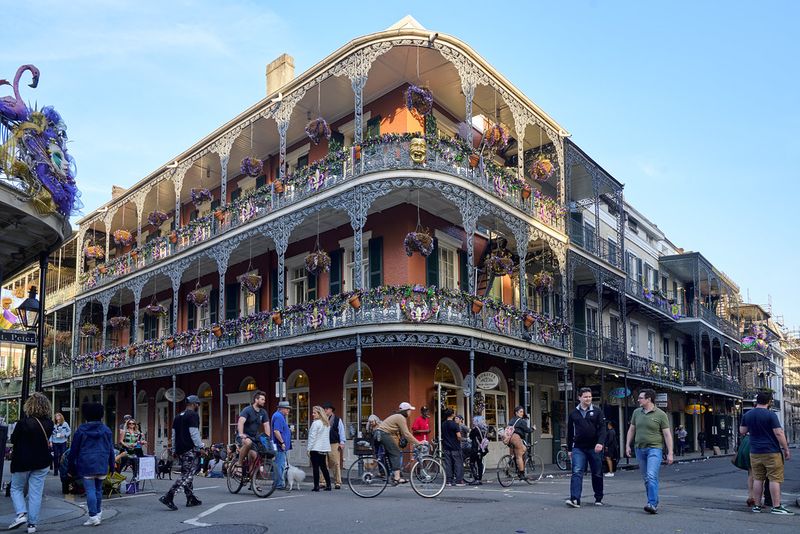
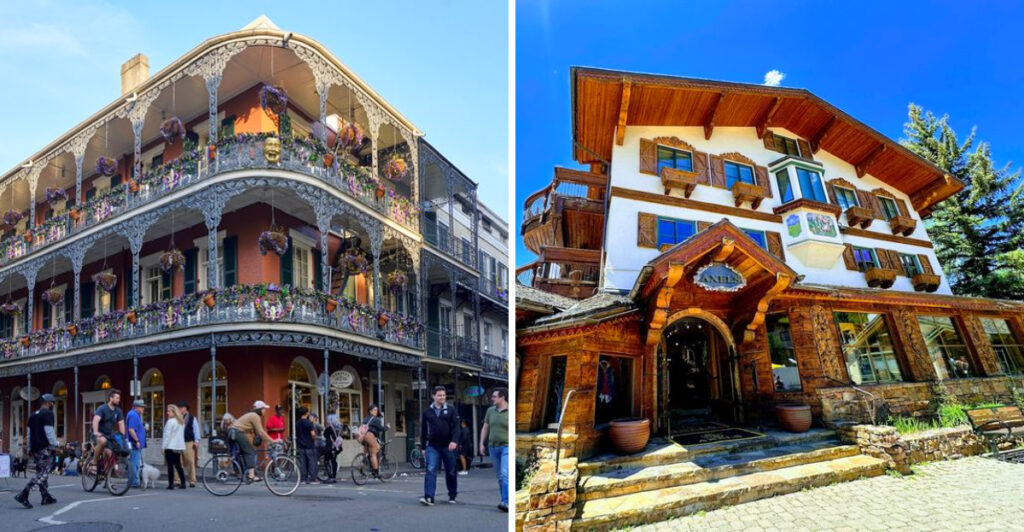
No American city carries its European soul quite as openly as New Orleans. The French Quarter’s wrought-iron balconies drip with ferns and hanging lights, casting the kind of moody, romantic glow you’d expect to find in Lyon or Bordeaux.
French and Spanish colonial history didn’t just shape this city; it became the city’s entire personality.
Café Du Monde has been serving beignets and chicory coffee since 1862, and the line rarely gets shorter. Narrow streets like Royal and Chartres are lined with galleries, antique shops, and restaurants where the cuisine is a full-on cultural experience.
Creole cooking blends French technique with African, Spanish, and Caribbean ingredients in ways that are completely unique to this city.
Jazz spills out of every doorway on Frenchmen Street after dark. Mardi Gras transforms the whole city into a spectacle that borrows from French carnival traditions and amplifies them to an almost theatrical extreme.
Even the above-ground cemeteries, called Cities of the Dead, echo French and Spanish burial customs. New Orleans doesn’t just remind you of Europe; it shows you what happens when European culture gets delightfully reinvented over centuries.
St. Augustine, Florida — Spain
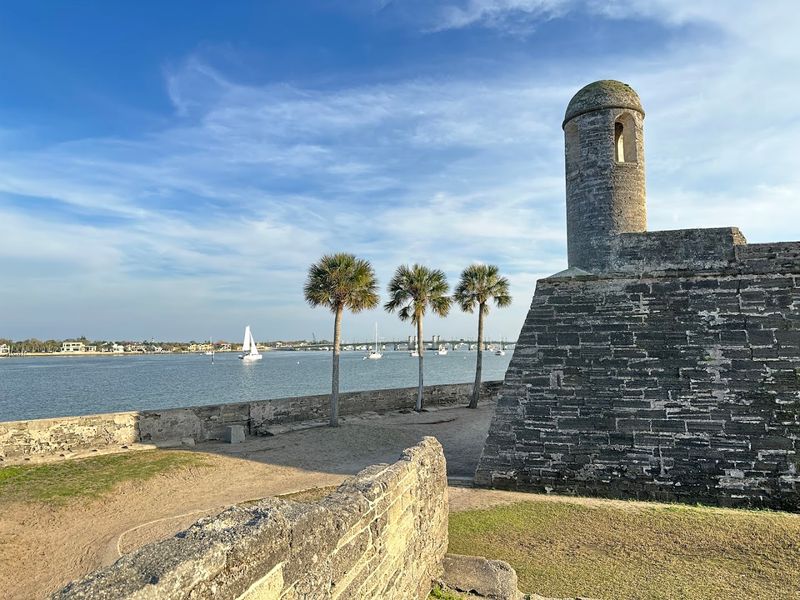
Founded in 1565, St. Augustine holds the title of the oldest continuously inhabited European-established city in the continental United States. That’s not a small claim.
Walking through its narrow streets, you feel the weight of centuries pressing pleasantly against you, especially near the old city gates and the impressive Castillo de San Marcos fortress.
Spanish colonial architecture defines the historic district, with thick coquina stone walls, wrought-iron details, and shaded plazas that could easily pass for neighborhoods in Seville or Cadiz. The Flagler College building, a former luxury hotel, adds Gilded Age grandeur to the Spanish colonial bones of the city.
Every block seems to hold another story worth stopping for.
St. George Street is the heart of the pedestrian experience, filled with shops, cafes, and historic sites within easy walking distance. Ghost tours are enormously popular here, given that centuries of history tend to accumulate interesting legends.
The beaches are just minutes away, making St. Augustine equally appealing to history lovers and sun seekers. Few American cities offer this particular combination of genuine antiquity and easygoing Florida warmth.
Charleston, South Carolina — Southern Europe
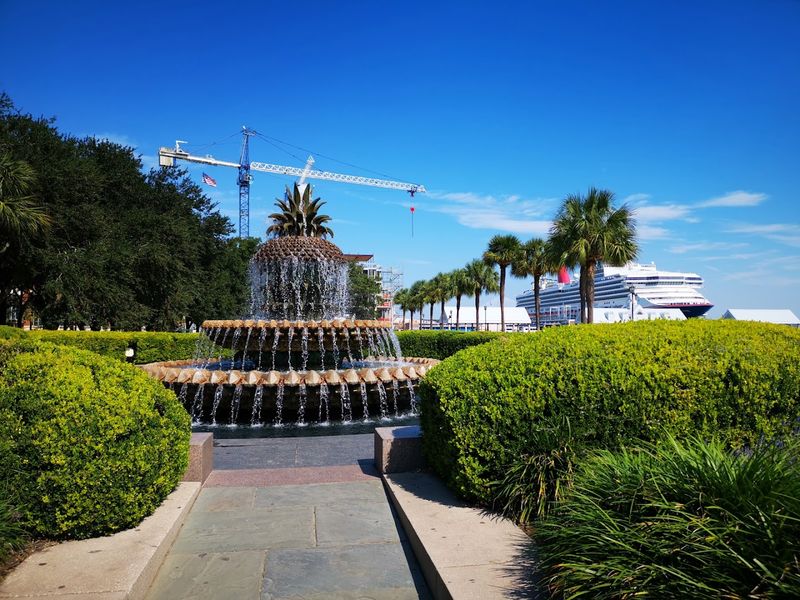
Charleston has a color palette that seems borrowed from the Mediterranean coast. Pastel pinks, soft yellows, and faded blues line the famous Rainbow Row, a stretch of Georgian row houses that photographers can’t resist.
The city’s graceful architecture, ironwork gates, and hidden garden courtyards consistently draw comparisons to cities along the French and Italian Riviera.
The historic district is completely walkable, and every street rewards slow exploration. Church Street, Broad Street, and the Battery waterfront all carry that unhurried, elegant atmosphere that feels distinctly European.
Horse-drawn carriage tours are a genuinely lovely way to absorb the history, and drivers tend to deliver their commentary with just the right amount of Southern storytelling flair.
Charleston’s food scene has become world-class in recent years, blending Lowcountry traditions with French and Italian culinary influences in ways that feel both rooted and refined. Shrimp and grits, she-crab soup, and oyster roasts are local staples worth seeking out.
The city also hosts the Spoleto Festival USA every spring, an international arts festival that further cements Charleston’s cultural connection to Europe. This is a city that rewards visitors who take their time.
Santa Barbara, California — Spain
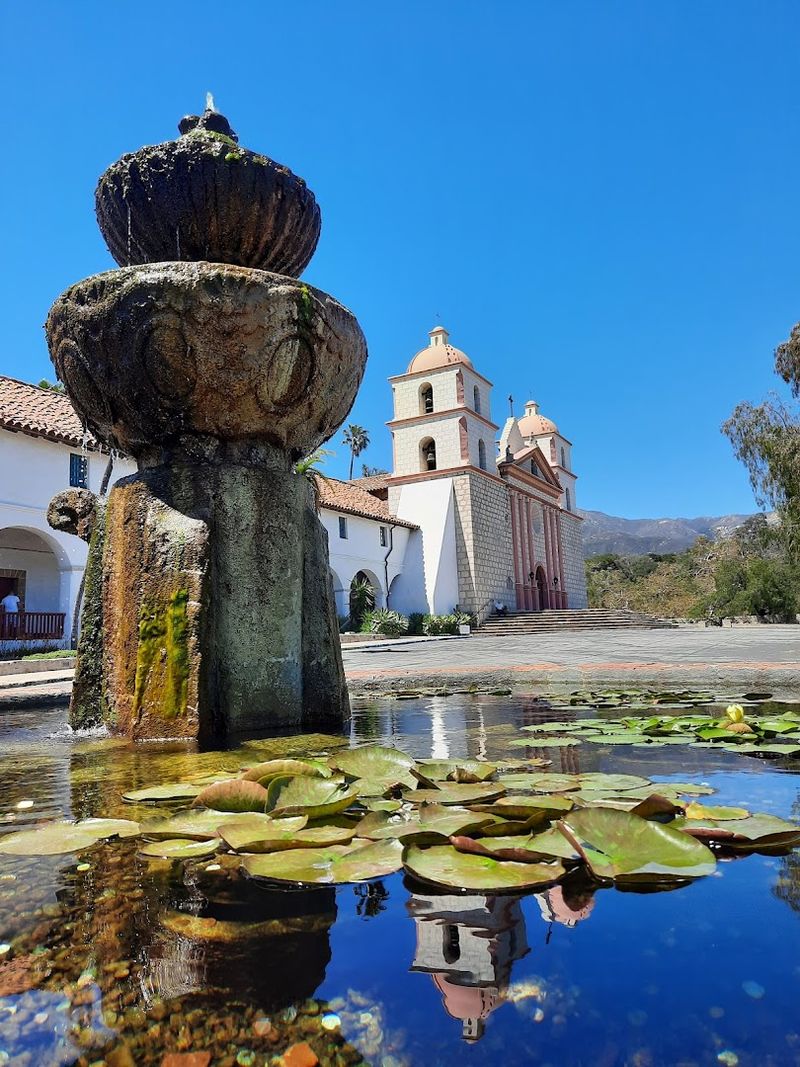
Santa Barbara wears its Spanish heritage like a perfectly fitted suit. After a devastating earthquake in 1925, the city rebuilt itself with a unified Spanish Colonial Revival style, and the result is one of the most architecturally consistent downtowns in America.
White stucco walls, red tile roofs, and arched doorways stretch from the waterfront all the way up the hills.
The Santa Barbara County Courthouse is arguably the most beautiful public building in California, with hand-painted ceilings, Moorish tiles, and a clock tower offering panoramic views over the city. State Street runs through the heart of downtown, lined with boutiques, wine bars, and restaurants spilling onto sunny sidewalks.
It genuinely feels like a Spanish paseo on a warm afternoon.
The Santa Barbara Mission, founded in 1786, anchors the city’s Spanish colonial history and remains an active parish today. Stearns Wharf juts into the Pacific, offering seafood restaurants and harbor views that feel more like the Costa del Sol than California.
Wine tasting rooms from the nearby Santa Ynez Valley have set up shop downtown, making Santa Barbara an effortless blend of history, beauty, and seriously good wine.
Vail, Colorado — Switzerland
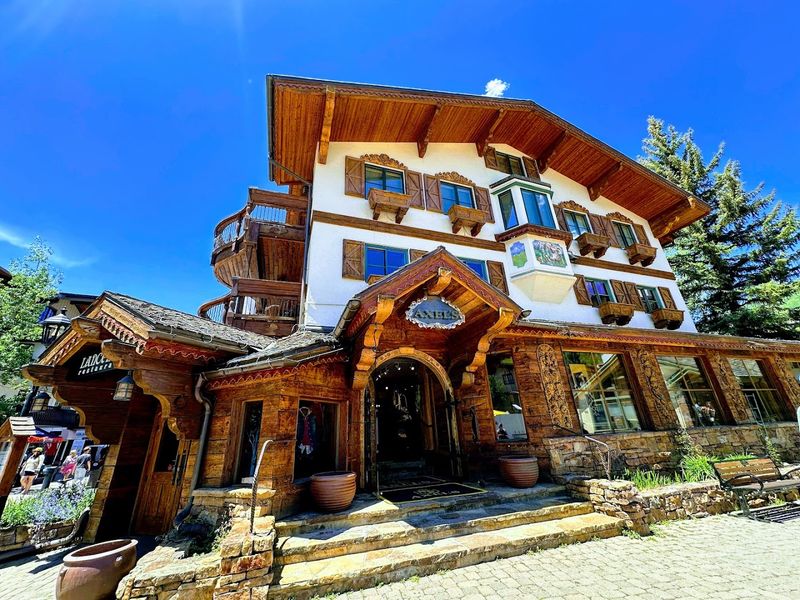
Vail didn’t happen by accident. When it was developed in the early 1960s, founders Pete Seibert and Earl Eaton specifically modeled it after Zermatt and other famous Swiss alpine resorts, right down to the pedestrian-only village core and chalet-style architecture.
The result is the most convincingly European ski town in North America, sitting at over 8,000 feet above sea level.
Vail Village and Lionshead are connected by a free gondola and designed entirely for foot traffic, which gives the whole place a relaxed, walkable energy that big American cities rarely manage. Stone and timber buildings house world-class restaurants, boutiques, and apres-ski bars where the conversation flows as freely as the fondue.
The mountain backdrop is genuinely stunning in every season.
Summer in Vail is surprisingly underrated. Hiking, mountain biking, fly fishing, and outdoor concerts fill the calendar once the snow melts.
The Gerald R. Ford Amphitheater hosts the Bravo!
Vail music festival, drawing classical and jazz performers from around the world. Whether you visit for powder skiing in January or wildflower hiking in July, Vail delivers a mountain resort experience that holds its own against anything the Swiss Alps can offer.
New Glarus, Wisconsin — Switzerland
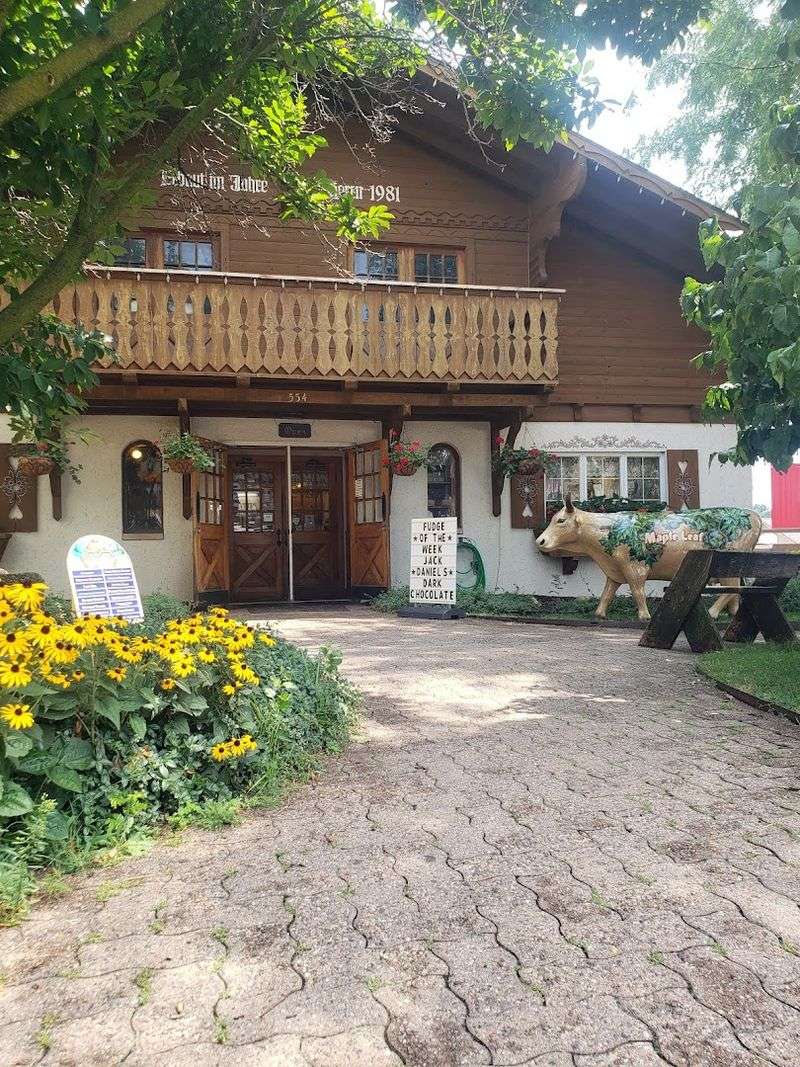
They don’t call it America’s Little Switzerland just to be polite. New Glarus, Wisconsin, was founded in 1845 by immigrants from the Canton of Glarus in Switzerland, and the town has guarded its heritage with impressive dedication ever since.
The painted building facades, Swiss flags, and window boxes full of flowers make it look like a village that got accidentally teleported from the Alps to the American Midwest.
The New Glarus Brewing Company is the town’s most famous export, producing Spotted Cow, a farmhouse ale so beloved that Wisconsin residents reportedly smuggle it across state lines. The Wilhelm Tell Festival, held every Labor Day weekend, features performances of Friedrich Schiller’s classic Swiss play and draws visitors from across the country.
Swiss cheese and sausage are taken seriously here.
The Swiss Historical Village Museum tells the story of the original settlers through preserved buildings, artifacts, and exhibits that bring 19th-century immigrant life vividly to life. Rolling green hills surround the town, making it especially scenic in spring and fall.
New Glarus has a population of barely 2,000 people, yet it manages to pack in more cultural identity per square mile than most cities ten times its size.
Frankenmuth, Michigan — Germany
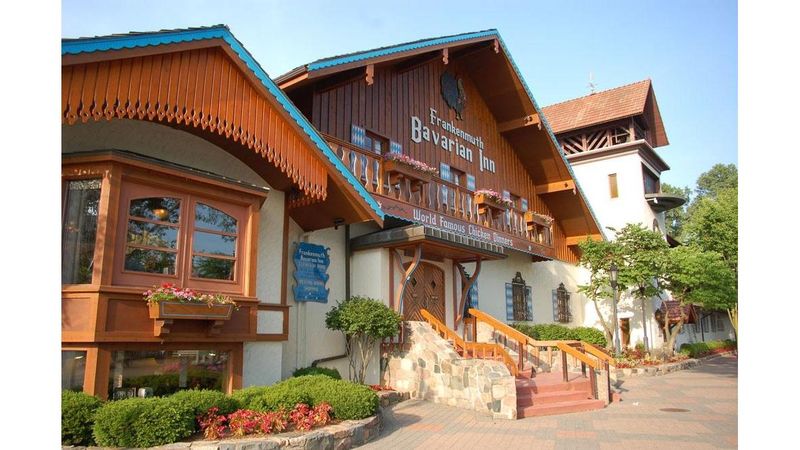
Frankenmuth is the kind of place where Christmas feels like it lasts all year, and somehow that’s not exhausting; it’s actually wonderful. Bronner’s CHRISTmas Wonderland, the world’s largest Christmas store, covers 2.2 acres of retail space and attracts nearly two million visitors annually.
But Frankenmuth’s appeal goes well beyond ornaments and tinsel.
The town was settled in 1845 by Bavarian Lutheran missionaries from Franconia, Germany, which explains its name and its deeply rooted German identity. Half-timbered buildings, the Holz Brucke covered bridge, and the Bavarian Inn Lodge give the town a storybook quality that photographs almost too well.
The annual Oktoberfest celebration fills the streets with polka bands, steins of beer, and enough schnitzel to satisfy the most enthusiastic appetite.
Zehnder’s Restaurant and the Bavarian Inn Restaurant are both legendary for their all-you-can-eat family-style chicken dinners, a tradition stretching back decades. The Cass River runs through town, offering paddle boating and scenic walks along its banks.
Frankenmuth is a genuine family destination that manages to be charming without feeling forced. It’s one of Michigan’s top tourist attractions, and a visit makes it very easy to understand why.
Holland, Michigan — Netherlands
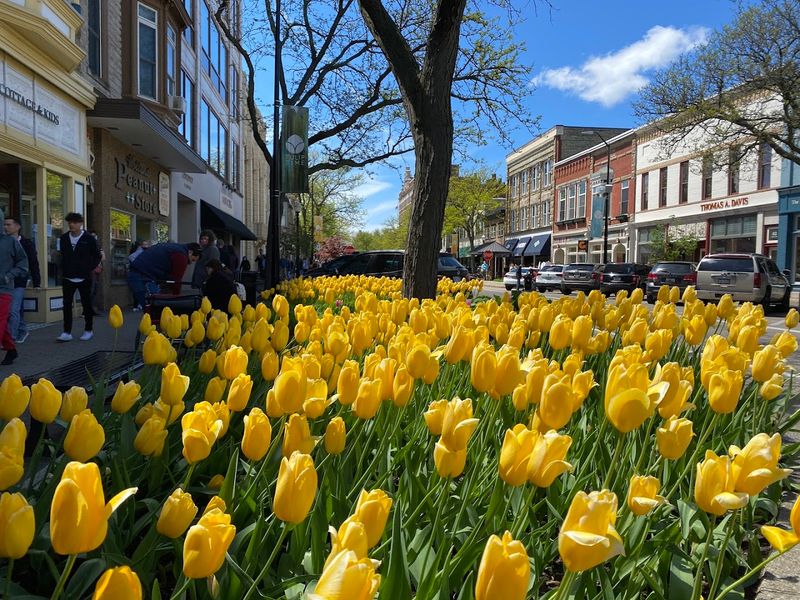
Every May, Holland, Michigan, turns into one of the most colorful places in the entire country. The Tulip Time Festival plants over five million tulip bulbs across the city, transforming streets, parks, and medians into an explosion of red, yellow, pink, and purple that rivals the famous Keukenhof Gardens in the Netherlands.
Dutch dancers in traditional costumes perform on street corners, and the whole city leans hard into its heritage.
Holland was founded in 1847 by Dutch settlers seeking religious freedom, and their influence shaped everything from the city’s layout to its architecture. Windmill Island Gardens is home to De Zwaan, an authentic 18th-century Dutch windmill imported from the Netherlands and still in working condition.
It’s one of only a handful of authentic Dutch windmills operating in the United States.
Downtown Holland has evolved into a vibrant mix of Dutch-inspired storefronts, excellent restaurants, and locally owned shops. Lake Macatawa and nearby Lake Michigan provide beaches, boating, and sunset views that give the town a resort-like quality beyond its cultural identity.
Holland manages the rare trick of being both a living, working community and a genuinely immersive cultural destination. Come in May for the tulips, but honestly, any time of year works beautifully.
Pella, Iowa — Netherlands
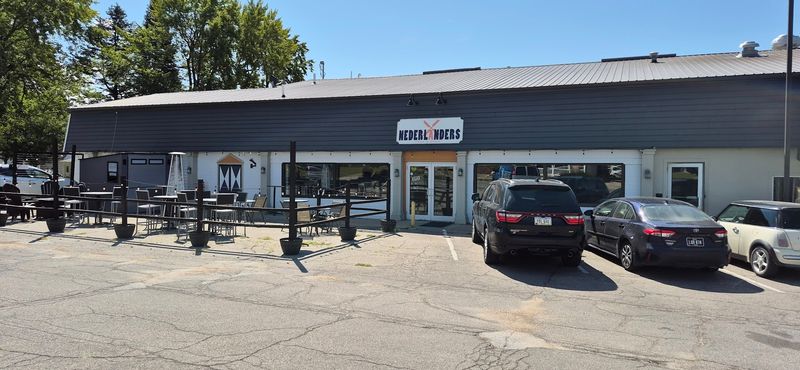
Pella, Iowa, takes its Dutch roots so seriously that the town square features a working windmill that stands 124 feet tall, making it the tallest working windmill in the United States. Built in 2002 and modeled after traditional Dutch design, the Vermeer Mill grinds grain and serves as the centerpiece of a downtown that genuinely earns its European comparisons.
This is a town that committed fully to its identity.
Founded in 1847 by Hendrik Scholte and 800 Dutch followers seeking religious freedom, Pella has maintained its heritage through architecture, food, and community traditions. The annual Tulip Time Festival in May draws over 100,000 visitors to a town of just 10,000 residents, which is a remarkable ratio by any measure.
Klompen dancers in wooden shoes, Dutch street scrubbing ceremonies, and canal boat rides fill the festival weekend with genuine cultural energy.
The Pella Historical Village preserves the story of the original settlers through a collection of 21 historic buildings. Dutch letter pastries, made with almond paste and shaped into letters of the alphabet, are a local specialty worth tracking down at any of the town’s bakeries.
Pella may be small, but its cultural pride is enormous and completely infectious to anyone who visits.
Boston, Massachusetts — England
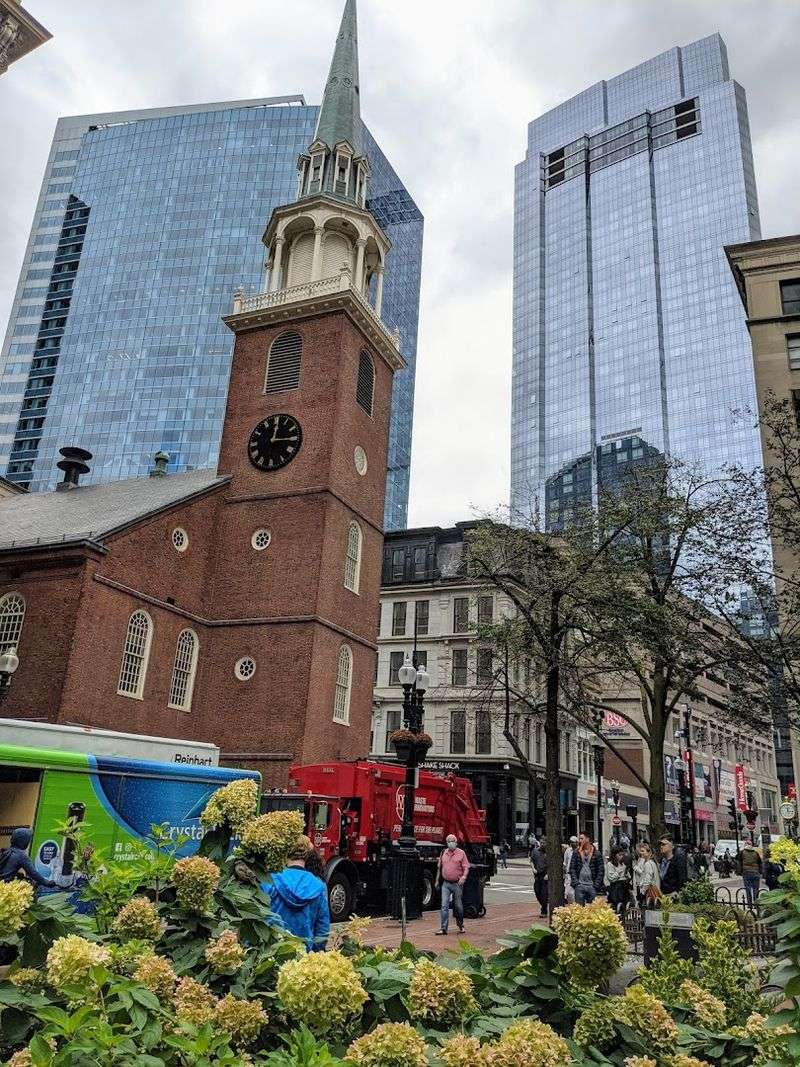
Boston doesn’t just feel old by American standards; it feels old by almost any standard. Beacon Hill’s gas-lit cobblestone streets, Federal-style brick rowhouses, and centuries-old churches create an atmosphere that visitors from London often describe as surprisingly familiar.
The city’s bones were laid in the 1630s, and large sections of it have been carefully preserved ever since.
The Freedom Trail is a 2.5-mile walking route that connects 16 historically significant sites, including Paul Revere’s house, the Old North Church, and Faneuil Hall. Following the red-brick path through the city feels like walking through a living history textbook, except the food stops along the way are significantly better than any textbook ever promised.
Boston Common, America’s oldest public park, dates to 1634 and remains a beloved green space in the heart of the city.
Neighborhoods like the South End and the Back Bay add Victorian brownstones and tree-lined boulevards to Boston’s architectural mix, reinforcing that distinctly English urban feel. The Charles River, Harvard Square just across the bridge in Cambridge, and the city’s legendary sports culture all layer onto a destination that somehow manages to feel both deeply historic and completely alive.
Boston rewards curious walkers more than almost any other American city.
Savannah, Georgia — Europe’s Historic Port Cities

Savannah was designed to be beautiful, and it shows. City founder James Oglethorpe laid out the city in 1733 using a grid of squares, parks, and wide boulevards that was revolutionary for its time and remains one of the most elegant urban plans in North America.
Those 22 original squares, shaded by ancient live oaks draped in Spanish moss, give Savannah a dreamy, unhurried quality that reminds visitors of cities like Porto, Edinburgh, and Bath.
The Historic District is one of the largest National Historic Landmark Districts in the country, filled with antebellum mansions, Federal-style townhouses, and ornate churches. River Street runs along the Savannah River waterfront, where old cotton warehouses have been converted into restaurants, galleries, and shops.
The cobblestones underfoot were originally ballast stones carried in the hulls of ships, a small but perfectly poetic detail.
Savannah’s food scene draws serious attention, with restaurants ranging from classic Southern cooking to James Beard-recognized fine dining. The city’s walkability is exceptional; you can cover most of the highlights on foot in a long weekend.
Ghost tours are popular and genuinely atmospheric, given that centuries of history have left behind more than a few compelling legends. Savannah is one of those rare cities that feels like it was built specifically to be wandered through.
San Antonio, Texas — Spain
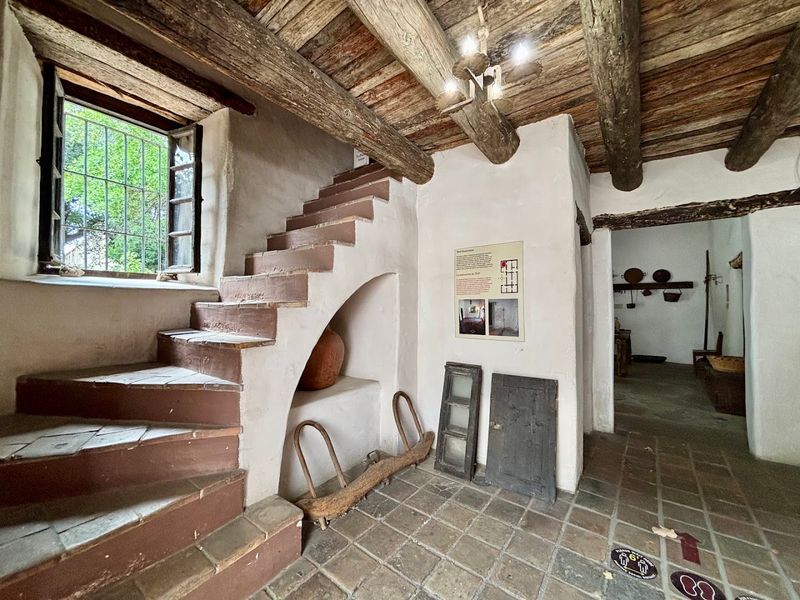
San Antonio carries 300 years of Spanish colonial history in its streets, plazas, and mission walls, and the city wears all of it with quiet pride. The San Antonio Missions National Historical Park preserves four Spanish frontier missions, including the iconic Alamo, along a stretch of the San Antonio River that feels genuinely ancient compared to most of Texas.
UNESCO recognized the missions as a World Heritage Site in 2015, placing San Antonio in rare global company.
The River Walk, known locally as the Paseo del Rio, is a network of pedestrian paths running alongside the San Antonio River one level below street traffic. Restaurants, bars, and hotels line both banks, with cypress trees arching overhead and lights reflecting off the water at night.
The atmosphere has an undeniable Mediterranean quality, especially during warm evenings when the whole city seems to migrate outdoors.
Market Square, the largest Mexican market in the United States, adds another layer of Iberian cultural heritage through its crafts, food, and music. The city’s festivals, including Fiesta San Antonio in April, celebrate Spanish, Mexican, and Texan traditions in a week-long explosion of color and flavor.
San Antonio is proof that Spanish colonial culture didn’t just pass through Texas; it planted roots deep enough to last forever.
Share this story