There is a state park in North Carolina that sits quietly in the eastern part of the state, surrounded by farmland, ancient cypress trees, and one of the most pristine freshwater lakes you will ever see. Most people drive right past it without a second thought.
That is honestly their loss, because Pettigrew State Park holds layers of natural beauty, fascinating history, and the kind of peaceful atmosphere that is nearly impossible to find anymore. I stumbled onto this place somewhat by accident, and what I found there completely changed how I think about North Carolina’s wild spaces.
Where Exactly You Will Find This Hidden Treasure
Pettigrew State Park sits at 2252 Lake Shore Rd, Creswell, NC 27928, tucked into Washington County in the northeastern corner of North Carolina. Getting there feels like peeling back layers of the state that most tourists never bother to find.
The drive through the flat farmland of the coastal plain is surprisingly meditative. You pass wide open fields, tree lines that stretch forever, and the occasional small-town crossroads before the road finally narrows toward the park entrance.
The park is open daily from 8 AM to 8 PM, which gives you a solid window to explore without feeling rushed. You can reach the park office by phone at +1 252-797-4475 or check out the official site at ncparks.gov for the latest updates on trails and facilities.
One thing worth knowing before you go is that Google Maps sometimes routes visitors incorrectly to the park. Double-checking directions ahead of time will save you a frustrating detour.
Once you do arrive, though, the setting makes every wrong turn feel completely forgiven.
Lake Phelps: A Body of Water Unlike Anything Else in the State
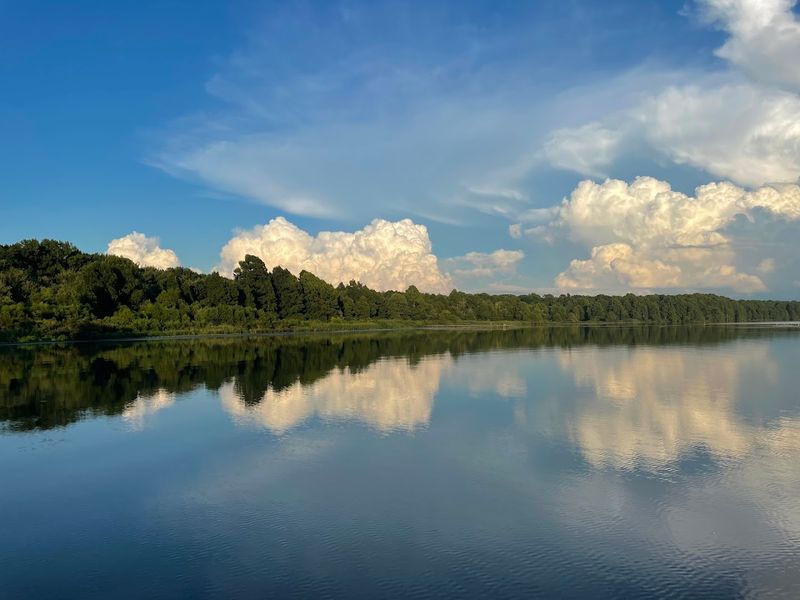
Lake Phelps is the centerpiece of the entire park, and the first time you see it from the shore, your brain takes a moment to process the scale of it. The lake covers roughly 16,000 acres, making it one of the largest natural lakes in North Carolina.
What makes it truly remarkable is that no rivers or streams feed into it. The water comes almost entirely from rainfall and groundwater, which means it stays exceptionally clean compared to most lakes in the region.
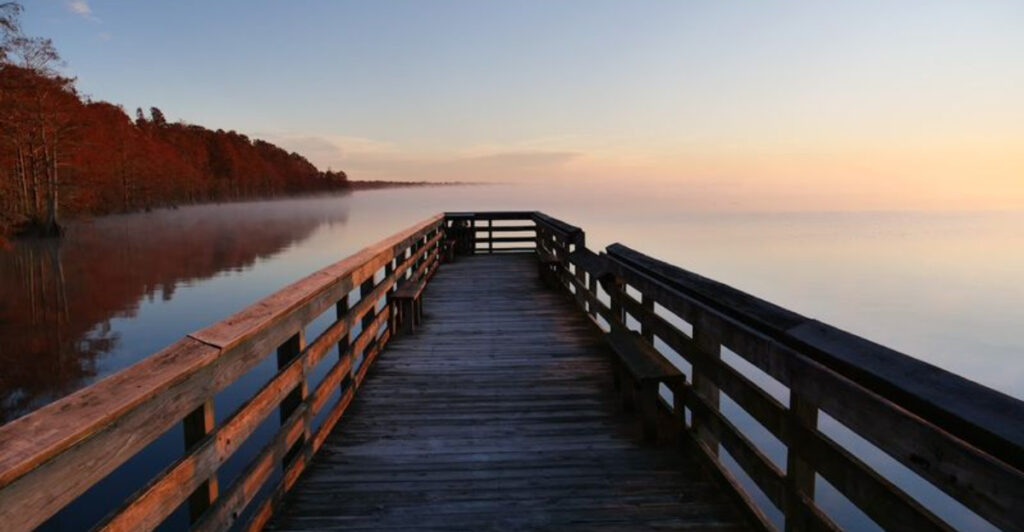
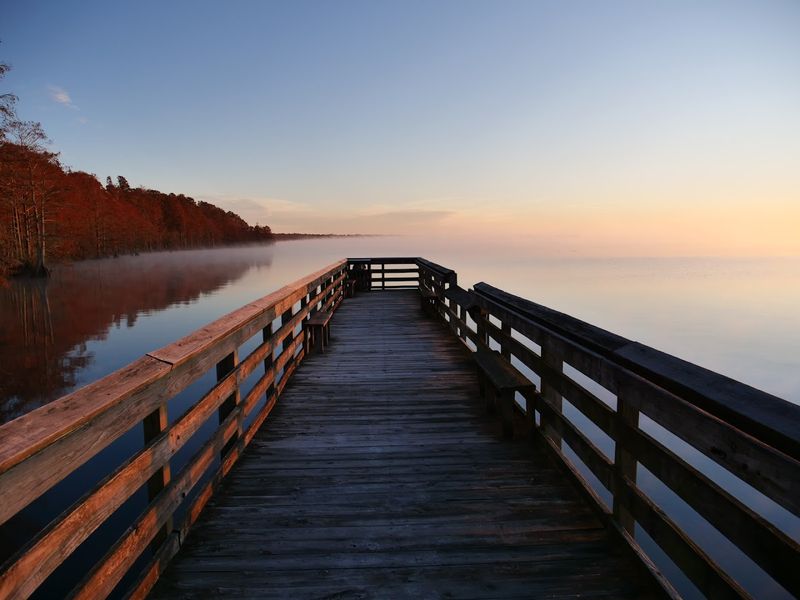
The surface is often described as smooth as glass, especially in the early morning hours before any breeze picks up. On calm days, the reflection of the sky on the water creates a mirror effect that photographers absolutely love.
Large power boats are not permitted on the lake, which keeps the noise level low and the water surface undisturbed. That rule alone transforms the experience into something more serene than most people expect from a public park.
The lake rewards patience, and those who sit quietly by its edge for a while are usually treated to something memorable.
The Ancient Cypress Trees That Make Every Trail Feel Otherworldly
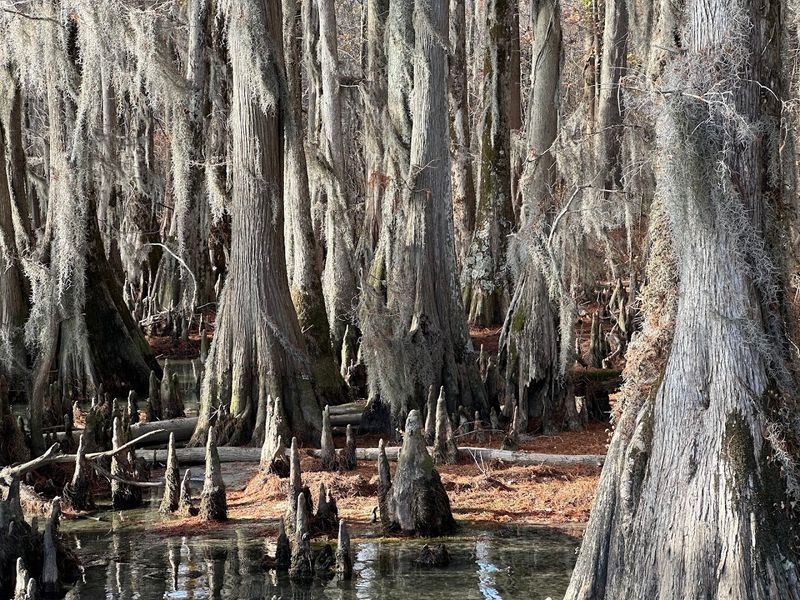
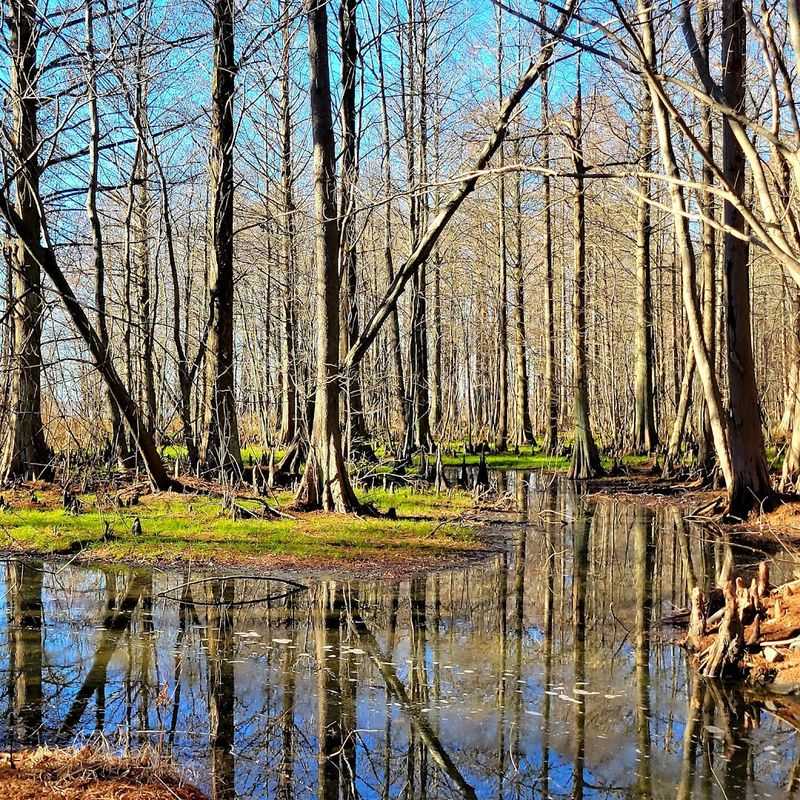
One of the first things that stops you in your tracks at this park is the cypress trees. These are not young, scrappy trees planted along a path.
These are enormous, ancient specimens with wide, gnarled bases and canopies that block out the sky overhead.
Old-growth bald cypress trees like these are increasingly rare, and seeing them in person carries a weight that photographs simply cannot convey. Some of these trees have been standing for centuries, quietly watching the landscape change around them.
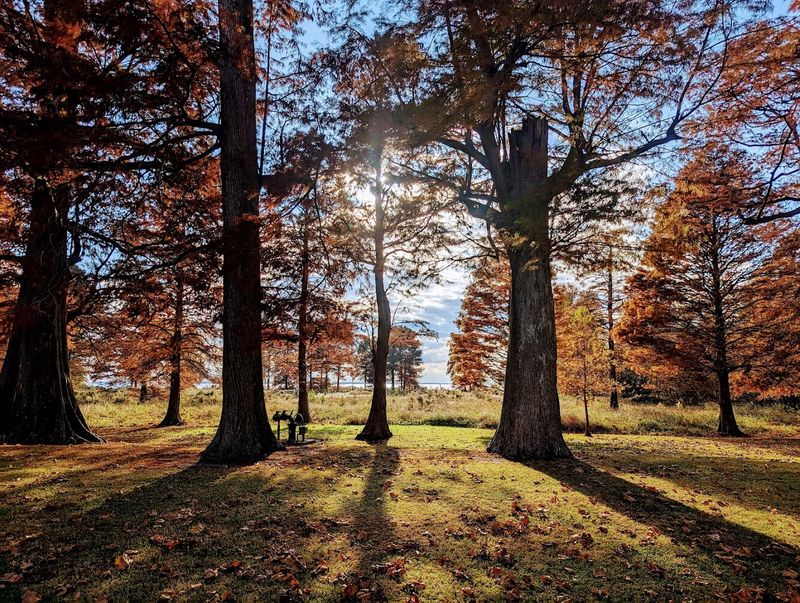
The way the light filters through the canopy in the late afternoon creates a soft, golden effect that makes the whole forest feel like it belongs in a nature documentary. The ground beneath the trees is soft and spongy from layers of decomposed organic matter, which muffles footsteps and adds to the overall sense of stillness.
Visiting during the off-season, particularly between October and April, means you will likely have these trails almost entirely to yourself. There is something uniquely satisfying about standing alone among trees that have outlasted entire generations of human history.
The Boardwalk Trail and What Waits at the End of It
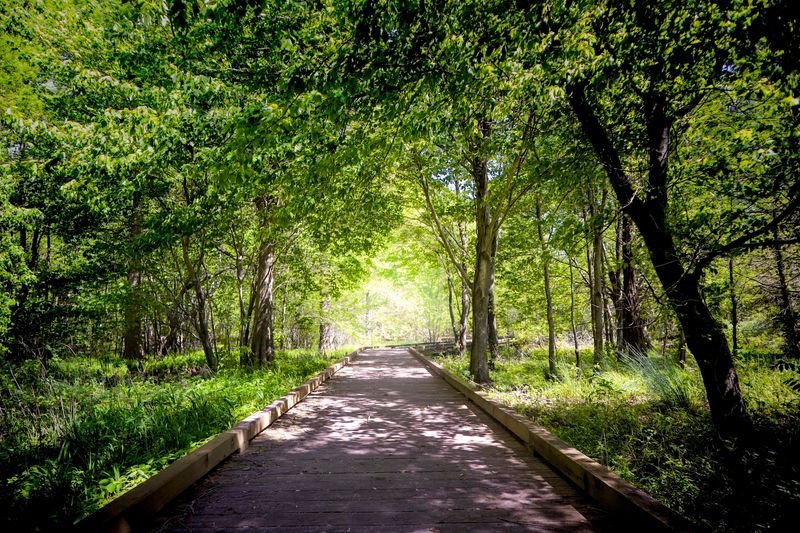
The boardwalk at Pettigrew is one of those simple features that ends up being the highlight of the whole visit. It stretches for about a quarter mile through the wetlands, raised just enough above the waterline to give you a clear view of the swampy terrain on both sides.
Walking it feels like crossing a bridge between two worlds. On one side, the forest is dense and shadowy.
On the other, the lake opens up wide and bright, offering one of the clearest views of Lake Phelps you will find anywhere in the park.
The boardwalk is well maintained and solid underfoot, which matters a lot when you are walking it in the dark during one of the park’s popular evening events. Rangers have organized haunted hikes along this route, which adds an entirely different dimension to an already atmospheric trail.
Benches are scattered along the route, and sitting on one while watching the sun drop toward the water is the kind of moment that makes you forget about your phone. The boardwalk connects to the swimming area, though conditions at that access point can vary depending on the season and recent rainfall levels.
Moccasin Overlook and Cypress Point: The Trails Worth Every Step
Not every overlook in a state park earns its name. Moccasin Overlook at Pettigrew absolutely does, and the walk to get there is half the reward.
The main trail from the park entrance to Cypress Point runs about seven miles one way, which means a round trip of roughly fourteen miles for those who want to go the full distance.
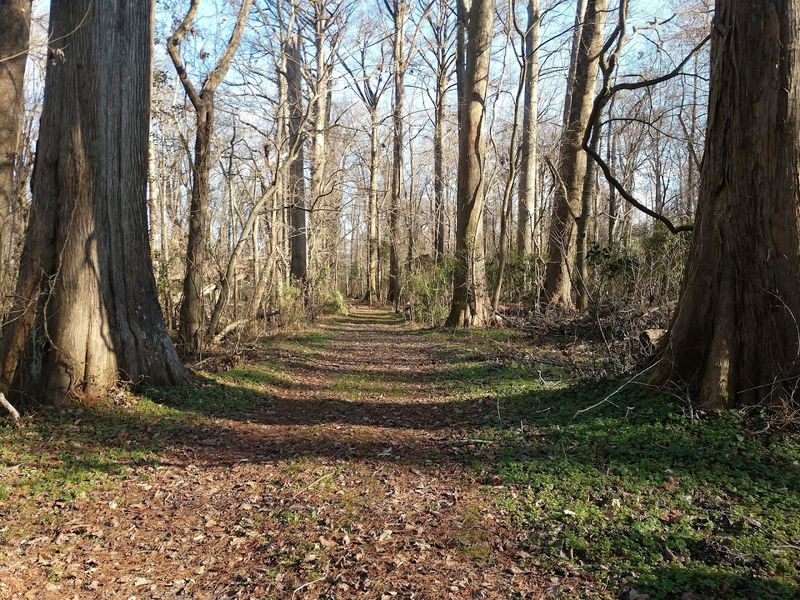
The trail surface is wide and wonderfully soft, made up of packed earth that cushions each step in a way that paved paths never do. Runners and hikers alike have praised this trail for how comfortable it feels even after several miles.
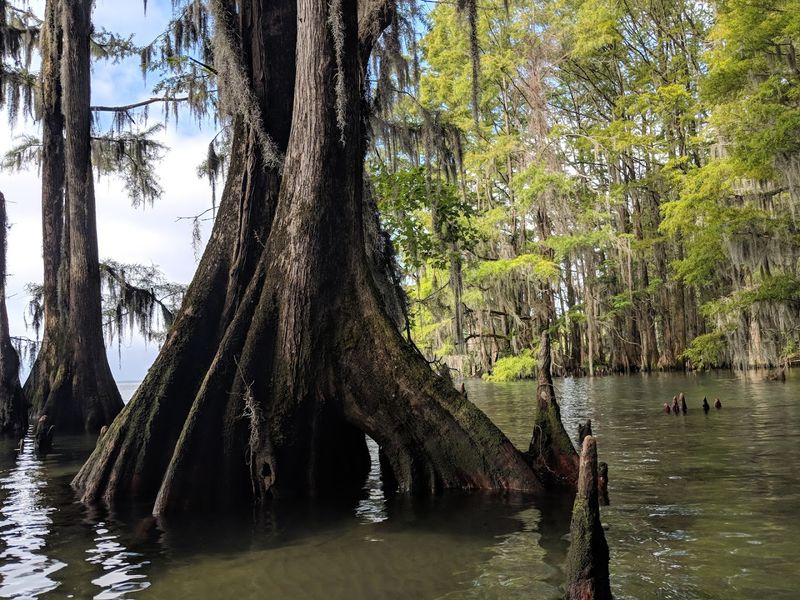
Cypress Point offers some of the most remote and visually striking views in the entire park. You are surrounded by water on multiple sides, with cypress trees framing the scene in a way that feels almost staged, though nothing about it is artificial.
The Moccasin Overlook section adds a slightly elevated vantage point that lets you look out over the lake and surrounding wetlands with real depth and distance. Both spots reward those who put in the effort to reach them, and the return walk back through the forest is just as satisfying as the journey out.
Somerset Place Historic Site: History That Sits Right Next Door
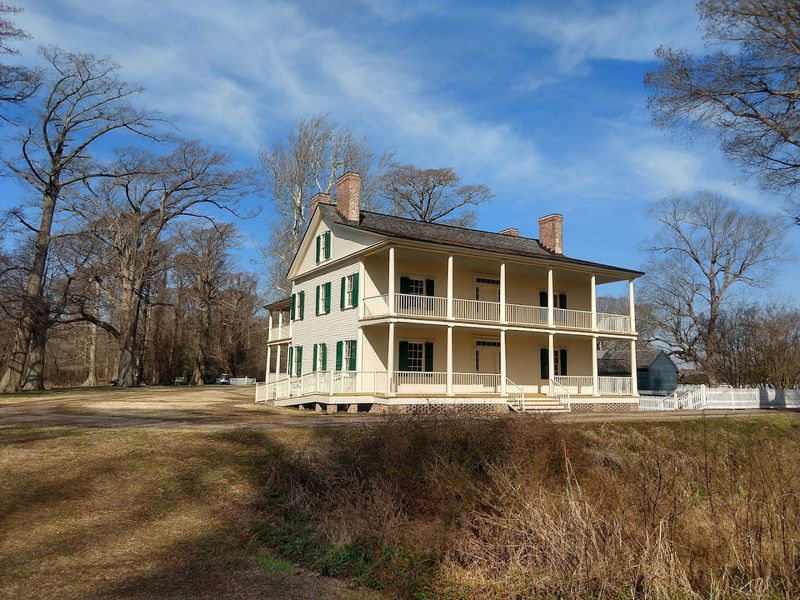
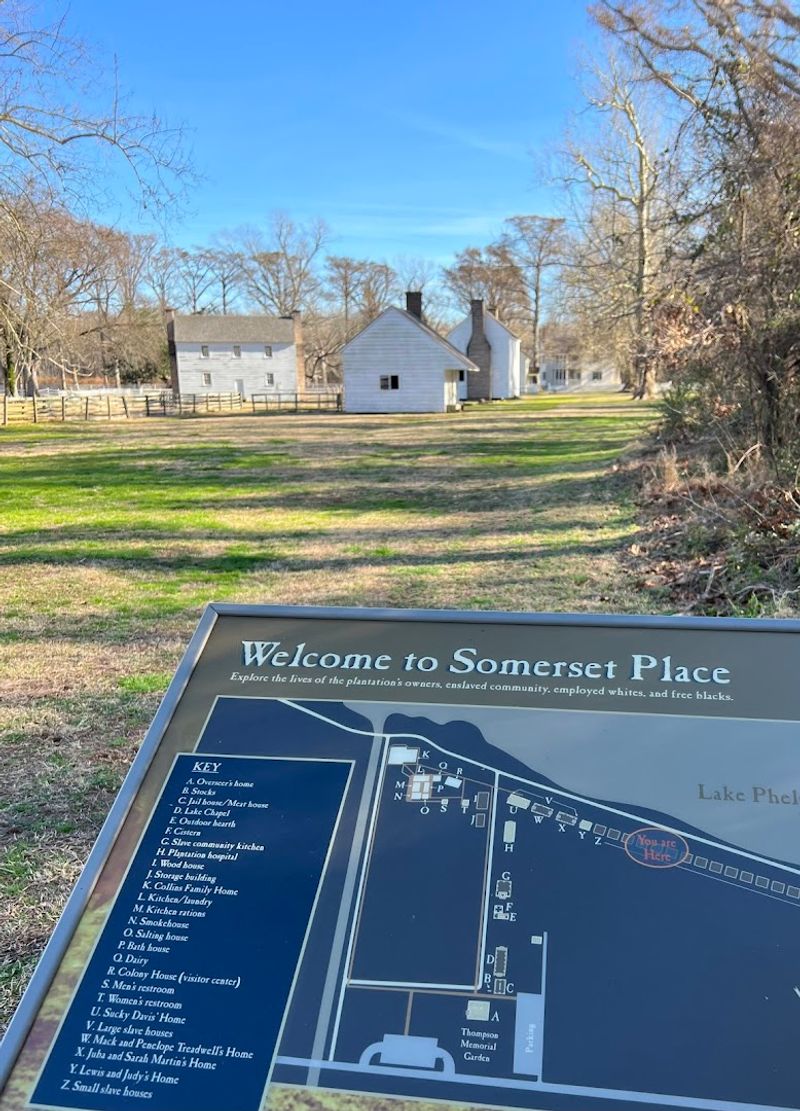
Right beside the park sits one of the most thought-provoking historic sites in the entire state. Somerset Place is a preserved antebellum plantation that tells the story of both the Collins family, who owned the land, and the hundreds of enslaved people who built and maintained it.
The site is within easy walking distance from the park campground, which means you can pair a morning hike through the cypress forest with an afternoon spent learning about a chapter of American history that deserves more attention than it typically receives.
Rangers and staff at the historic site are knowledgeable and genuinely engaged with the material they present. The experience is sobering in the best possible way, meaning it prompts real reflection rather than just passive observation.
Trails from the park actually connect to the Somerset Place grounds, so the transition between natural beauty and historical context happens seamlessly. One trail also leads visitors to the old Pettigrew family cemetery, which adds yet another layer to the story of this land.
Combining the park and the historic site in a single visit turns a simple camping trip into something much richer and more meaningful than most people expect when they first pull into the parking lot.
Camping at Pettigrew: Small Sites, Big Atmosphere
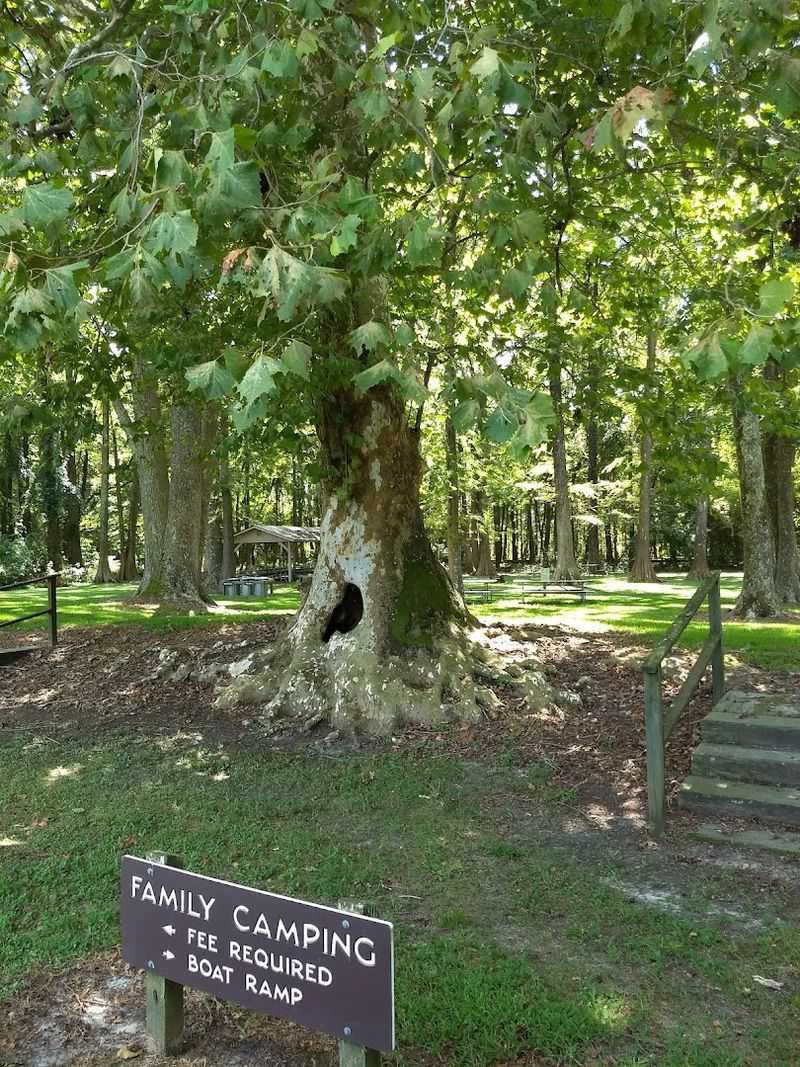
The campground at Pettigrew is small by state park standards, but that is actually one of its best qualities. Fewer sites mean fewer neighbors, which translates to a quieter and more personal camping experience than you will find at larger, more popular parks.
Each site comes equipped with a fire pit and a picnic table, and the spacing between sites feels generous enough that you do not spend the night listening to the conversations of strangers. The sites are spacious and easy to navigate, even for those pulling a trailer or towing an Airstream.
There are no electrical or water hookups, and no dump station on site, so this is a primitive camping setup by design. The park website is upfront about this, and bringing the right gear ahead of time makes the whole experience much smoother.
A water spigot is available on the property, and the bathhouse is generally kept clean and functional. Nightly rates have historically been very reasonable, making this one of the more affordable camping options in the North Carolina state park system.
The forest around the campsites stays quiet after dark in a way that feels like a genuine luxury. Waking up to birdsong and the smell of pine and cypress is a solid reason to come back again.
Kayaking and Paddling on One of NC’s Cleanest Lakes
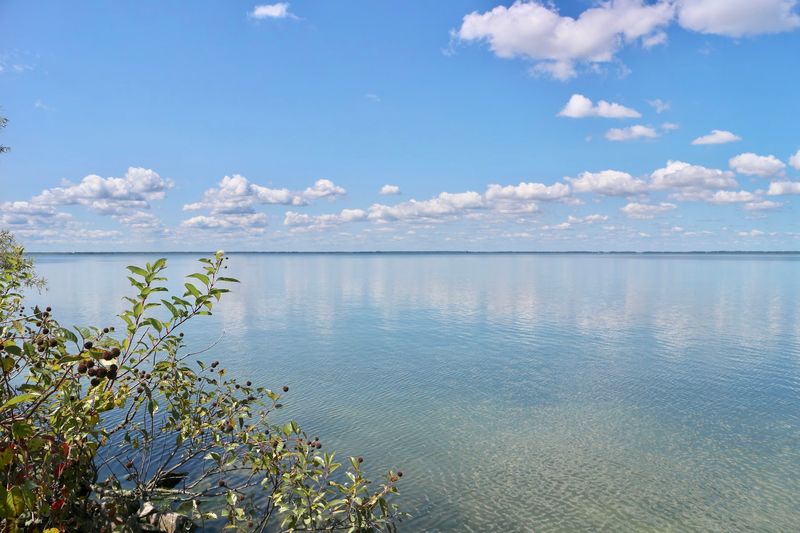
Paddling on Lake Phelps is a genuinely different experience from most kayaking you can do in North Carolina. The water is exceptionally clear, the surface is often completely calm, and the absence of large motorized boats means you can hear your paddle cutting through the water without any background roar.
The park has a boat ramp available for those bringing their own kayaks or canoes. Sunset paddles on the lake have become something of an informal tradition among repeat visitors, and it is easy to understand why once you see the colors that spread across that glassy surface as the sun drops.
The shallow depth of much of the lake actually works in favor of paddlers, since it keeps the water surface stable and reduces wave action. Swimming is also available seasonally, though the lakeshore conditions can vary quite a bit depending on recent weather and water levels.
Fishing from a kayak or canoe is another popular activity, and the lake supports a variety of freshwater species. The combination of clean water, calm conditions, and beautiful surroundings makes this one of the most underrated paddling destinations in the entire eastern half of the state.
Wildlife Encounters That Keep You on Your Toes
Wildlife sightings at Pettigrew are the kind that remind you that you are genuinely in nature rather than a manicured park designed to feel wild. An Eastern Kingsnake crossing the trail is the sort of encounter that sharpens your attention for the rest of the hike.
The wetland and lake environment supports a wide range of species. Birdwatchers will find plenty to keep their binoculars busy, as the mix of open water, forested trails, and marshy edges creates habitat for both resident and migratory birds throughout the year.
The cypress forests attract species that prefer shaded, humid conditions, while the lake edges draw wading birds and waterfowl in impressive numbers. Early mornings tend to produce the most activity, so arriving right when the park opens at 8 AM gives you the best odds of seeing something worth remembering.
Stargazing is also worth mentioning here. The park sits far enough from major urban centers that the night sky gets genuinely dark.
One visitor reportedly set up a telescope at the campground and spent an evening tracking a comet, which says a lot about the quality of the sky above this park.
The Best Times to Visit and What Each Season Offers
Pettigrew is one of those parks that rewards visitors in every season, though each time of year offers a noticeably different experience. The off-season window from October through April tends to be the sweet spot for those who want the trails and campsites mostly to themselves.
Fall brings cooler temperatures and the slow color change of the cypress trees, which turn a warm russet before dropping their needles. The lake reflects the autumn palette in a way that makes every photograph look effortless.
Spring is when the park feels most alive. Birds return in force, wildflowers push up through the soft forest floor, and the air carries that particular freshness that only comes after a long winter.
The trails are at their most vibrant, and the lake begins to warm enough for kayaking in comfort.
Summer brings heat and humidity, which is standard for eastern North Carolina, but the shade provided by the cypress canopy makes hiking tolerable even on the warmest days. Water activities become the main draw during summer months.
Winter visits are surprisingly rewarding for those willing to bundle up. The bare trees open up sightlines through the forest, and the park takes on a spare, quiet beauty that feels entirely different from the lush green of warmer months.
The Park Rangers Who Make the Experience Worth Having
One of the consistent themes across visitor experiences at Pettigrew is how much the rangers add to the overall trip. The staff here are described repeatedly as knowledgeable, approachable, and genuinely enthusiastic about sharing what makes this park special.
The visitor center is a good first stop, and the ranger on duty tends to be a reliable source of trail conditions, wildlife tips, and local history. The kind of specific, practical advice you get from a ranger who actually knows the land is far more useful than anything a general travel guide can offer.
Rangers have organized special events at the park, including evening haunted hikes along the boardwalk trail that draw visitors who might not otherwise make the trip. These events are a clever way to experience a familiar trail in a completely new context.
The staff also have a solid grasp of nearby state parks and attractions, which makes them a useful resource for planning a broader trip through the region. A brief conversation at the front desk has reportedly turned a quick stop into a full itinerary more than once.
Parks are only as good as the people who care for them, and at Pettigrew, it is clear that the staff take that responsibility seriously every single day.
Why This Park Deserves a Spot on Every NC Nature Lover’s List
Pettigrew ranks among the least visited state parks in North Carolina, a fact that is genuinely puzzling once you have spent any time there. The combination of a massive, pristine lake, ancient cypress forests, miles of quality trails, and a historic site right next door is not something most parks can offer.
The low visitor numbers are partly a result of geography. The park sits in a part of the state that most people pass through rather than stop in, and it does not benefit from the name recognition of more famous destinations like Hanging Rock or Crowders Mountain.
That obscurity is both a drawback and a gift. The trails stay uncrowded, the campsites stay available on weekends when other parks are fully booked, and the lake surface stays calm and undisturbed.
For those who value space and quiet, this park delivers in a way that more popular parks simply cannot match.
Every visit here feels like a discovery rather than a routine outing. The park has enough variety in its offerings to reward multiple trips across different seasons, and the sense that you are experiencing something most people have overlooked adds a quiet satisfaction that is hard to put into words.
Share this story