This downtown Bentonville park offers a unique mix of nature, history, and outdoor recreation. Spanning seven acres, it features native plant gardens, scenic walking paths, and direct connections to the city’s extensive trail network.
The park also preserves the former home of conservationist Dr. Neil Compton, whose work helped protect the Buffalo River. With champion trees, pollinator habitats, and easy access to nearby attractions, it provides a peaceful escape in the heart of the city.
Where History and Nature Share the Same Address
Right in the heart of downtown Bentonville, at 312 N Main St, Bentonville, AR 72712, sits a place that feels like a quiet exhale in the middle of a busy city. Compton Gardens and Arboretum covers seven acres of carefully tended greenspace that manages to be both a living museum and a fully functioning natural landscape at the same time.
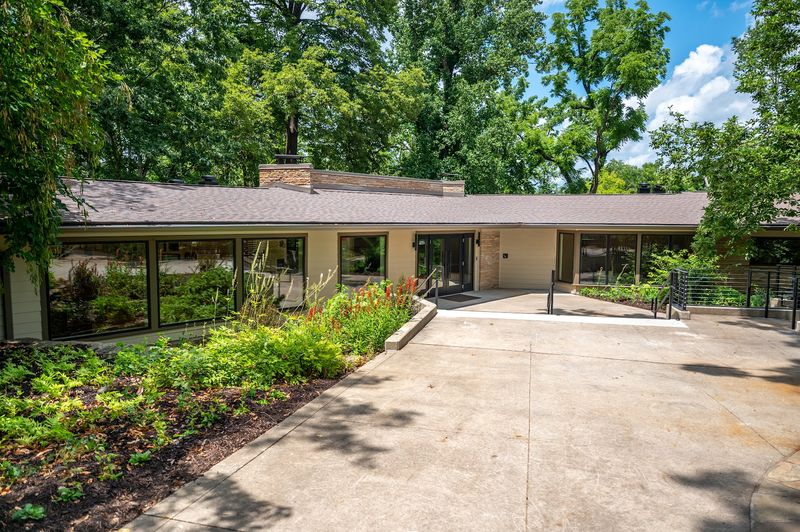
The property centers around the historic Compton family home, a mid-century modern residence built in 1951 and designed by architect Cecil Stanfield. That house has been thoughtfully renovated, most recently in 2025, to welcome the public while preserving its original character and charm.
The gardens are open Monday through Friday from 8 AM to 5 PM, and the phone number for inquiries is 479-254-3870. Free parking is available on site, making it an easy stop whether you are visiting for an hour or spending a full morning exploring every corner of this remarkable property.
The Vision That Shaped the Landscape
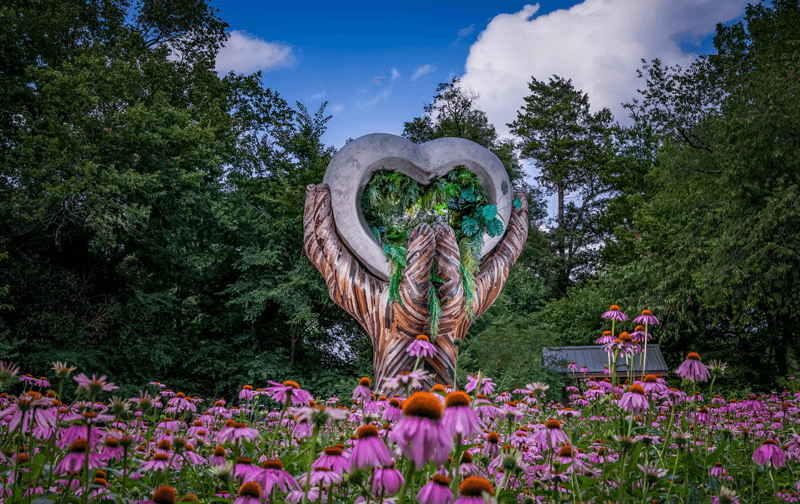
Not every garden is built around a person’s philosophy, but this one is. Dr. Neil Compton was a Bentonville physician who spent his career healing people while simultaneously fighting to protect the natural world around him.
He was also a talented photographer and writer, and his documentation of the Buffalo River helped build the public case for its preservation.
His most celebrated achievement came in 1972, when the Buffalo River was designated as the first National River in the United States, a title that protects it from development to this day. That fight took years of organizing, advocacy, and persistence, and Dr. Compton was at the center of it all.
He originally cultivated the grounds of his Bentonville home with native plants and trees, setting in motion the ecological vision that still guides the arboretum today. Every labeled shrub and flowering plant on the property carries a quiet nod to his belief that knowing nature is the first step toward protecting it.
A Level II Arboretum With Champion Trees You Can Actually Touch
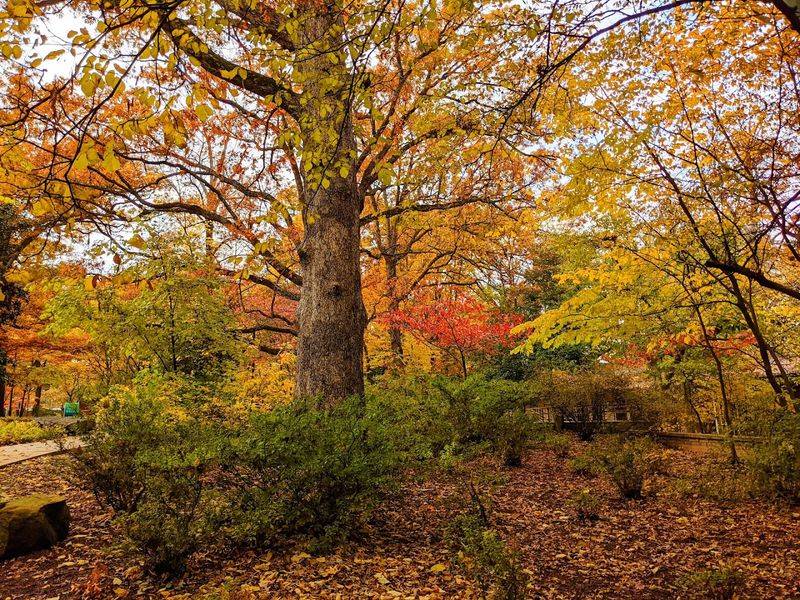
Compton Gardens holds official recognition as a Level II Arboretum by ArbNet, which means it maintains a documented collection of over 100 species of woody plants, employs dedicated staff, and offers public education programs. That is not a small distinction, and the grounds absolutely deliver on that promise.
Three Arkansas Champion Trees grow here, and that detail alone is worth pausing on. The American Chinese Chestnut Hybrid, the Black Willow, and the Pagoda Dogwood all hold state champion status, meaning they are the largest known examples of their species in Arkansas.
You can walk right up to them, read their labels, and feel genuinely awed by something that has been growing quietly for a very long time.
The arboretum also showcases a broad collection of native Arkansas shrubs, grasses, and flowering plants, all carefully labeled so visitors can learn as they walk. It rewards curiosity at every turn, and the more slowly you move through it, the more you notice.
Five Garden Spaces That Each Tell a Different Story
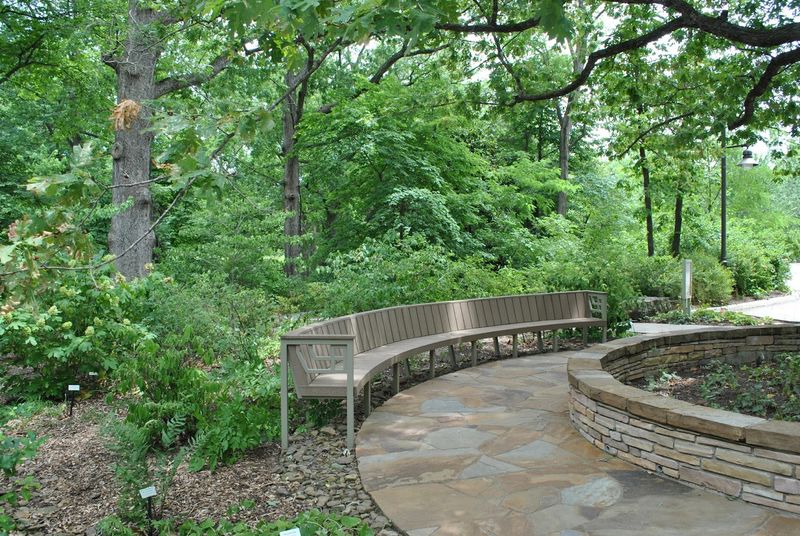
The arboretum is not one continuous open lawn. Instead, it is organized into five distinct garden areas, each with its own character and purpose, which keeps the experience feeling fresh no matter which direction you wander.
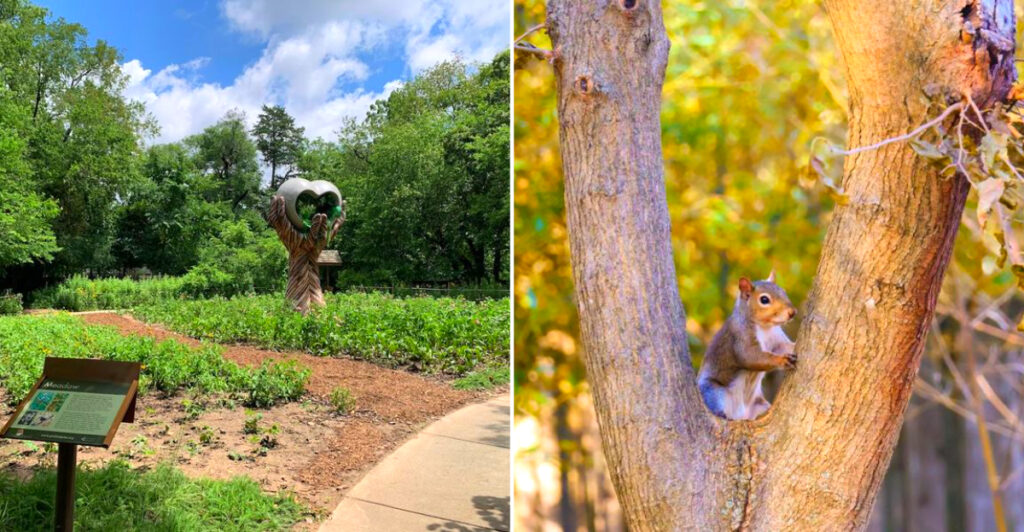
The Meadow is a wide, open expanse of native grasses and wildflowers that shifts dramatically with the seasons, from early spring bloomers to the rich golds and bronzes of autumn. The Butterfly Waystation is a certified habitat designed specifically to support pollinators, and on a warm afternoon, it earns its name with an impressive variety of winged visitors hovering among the coneflowers and milkweed.
The Living Wall is one of those features that stops people mid-stride. It is a vertical planting structure that demonstrates how native plants can thrive in unexpected configurations, and it photographs beautifully in almost any light.
Together, these five spaces give the arboretum a sense of variety and intention that makes repeat visits feel worthwhile rather than repetitive.
What the Exhibit Room Inside the Historic House Reveals
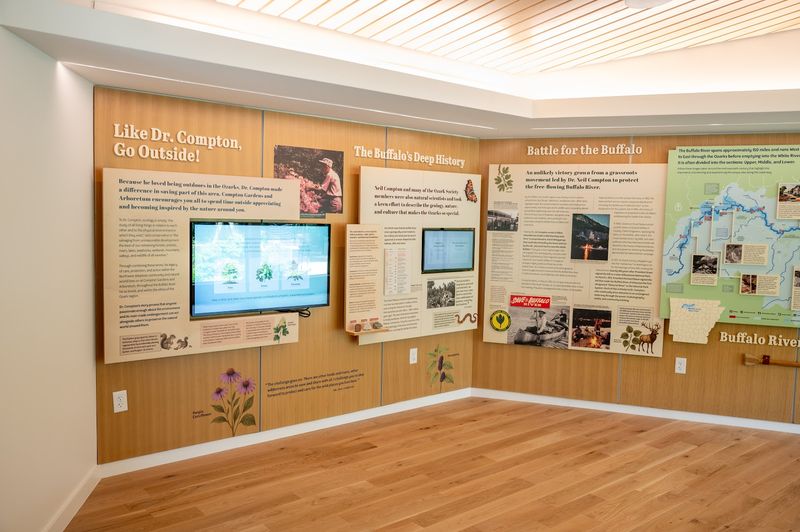
The Compton family home is more than a pretty facade. Inside, a dedicated exhibit room brings Dr. Compton’s life and legacy into sharp focus through historical artifacts, personal photographs, and documents that trace his career as both a physician and an environmental advocate.
The exhibit offers a surprisingly intimate look at the man behind the gardens. His personal photography of the Buffalo River region is particularly striking, capturing the raw beauty of a landscape he spent years trying to protect.
Seeing those images alongside the written records of his conservation campaigns gives visitors a fuller sense of what was at stake and what was ultimately saved.
The house underwent significant renovations in 2018 and again in 2025 to improve public access while keeping the original mid-century design intact. Note that the indoor exhibit is only accessible during weekday hours, so plan your visit accordingly if the historical side of Compton Gardens is what draws you most.
The building itself is worth seeing from the outside on any day.
Trails That Connect You to the Wider Ozark Landscape

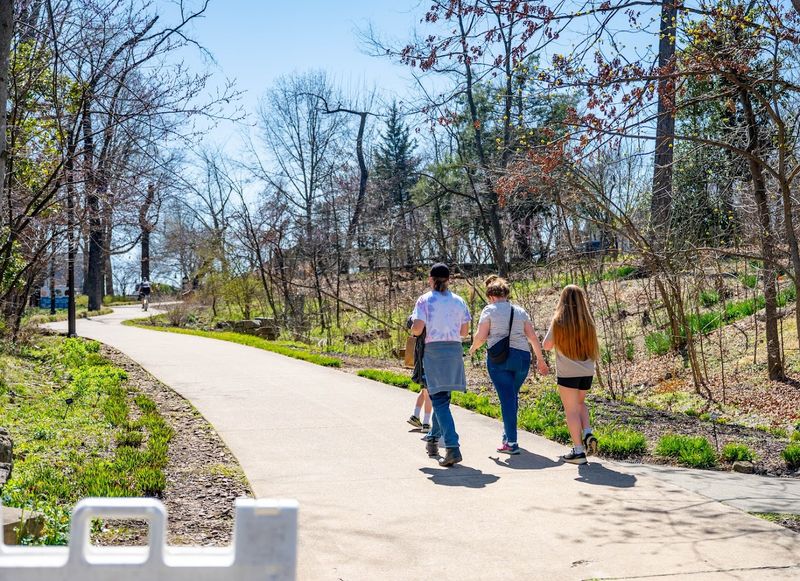
The trail network at Compton Gardens is one of its most compelling features, and it extends well beyond the seven-acre property itself. The Razorback Greenway passes directly through the gardens, linking visitors to a regional trail system that stretches across Northwest Arkansas and offers miles of paved, well-maintained riding and walking paths.
The All-American Trail also runs through the property, and it serves as a popular access point for mountain bikers heading toward the Slaughter Pen trail system, which is considered one of the premier mountain biking destinations in the country. Even if you are not on a bike, watching riders navigate the terrain adds a lively energy to the space.
Perhaps the most appealing trail connection for first-time visitors is the path that leads directly to Crystal Bridges Museum of American Art, a world-class institution just a short walk away through beautiful natural scenery. That combination of art and nature in a single stroll is genuinely hard to beat, and it keeps people coming back for more.
Wildlife Encounters That Happen When You Least Expect Them
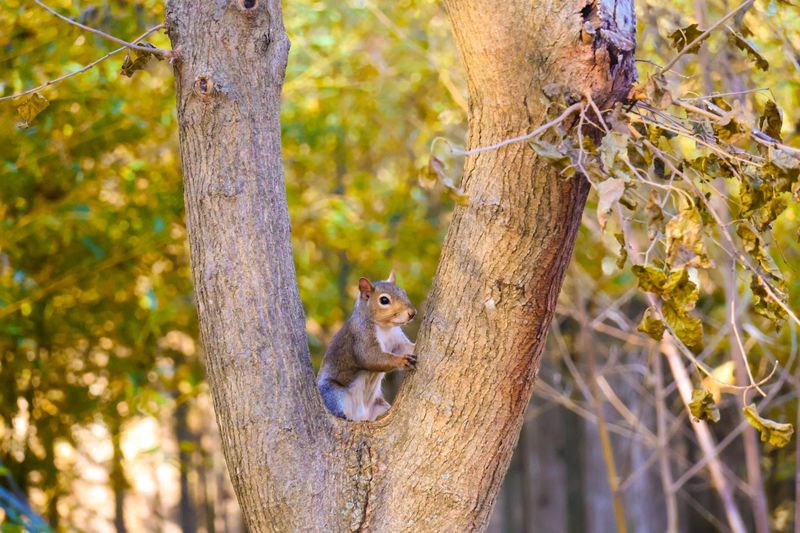
One of the quiet joys of spending time at Compton Gardens is the wildlife that shows up without any announcement. White-tailed deer have been spotted along the trails, nibbling leaves with complete indifference to the people nearby.
They seem so accustomed to the foot traffic that they barely glance up, which makes for a surprisingly close and memorable encounter.
The Butterfly Waystation draws pollinators throughout the warmer months, and the native plant selection across the entire arboretum is deliberately designed to support local insects, birds, and other wildlife. That ecological intention is visible in the variety of species that use the space throughout the year.
Early morning visits tend to reward the most patient observers. The trails are quieter before the midday crowd arrives, and the combination of birdsong, rustling leaves, and occasional deer sightings makes the whole experience feel a lot more remote than a downtown location would suggest.
The arboretum proves that urban greenspace and genuine wildlife habitat are not mutually exclusive ideas.
Art Woven Into the Natural Setting
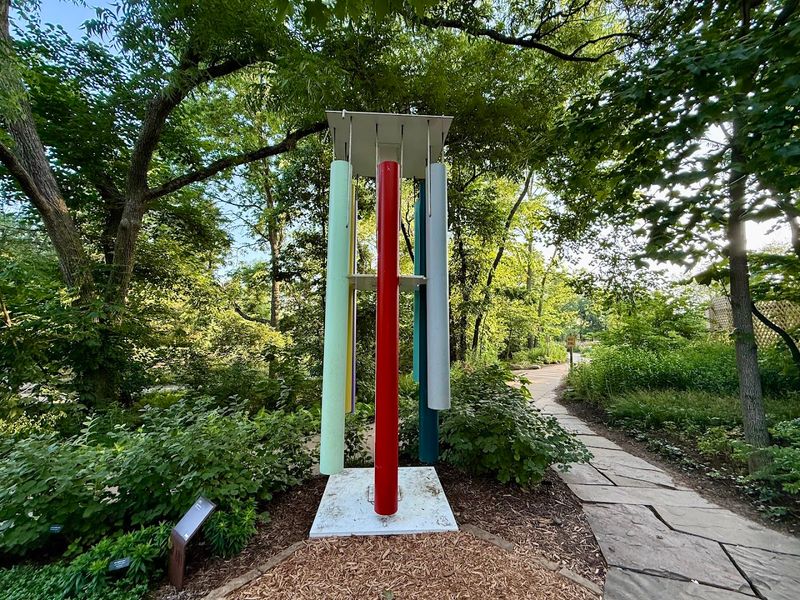
Nature and art share the trails at Compton Gardens in a way that feels organic rather than forced. Sculptures are placed throughout the property, appearing at unexpected moments along the walking paths and adding a layer of visual interest that complements rather than competes with the surrounding plantings.
The pieces range in style and scale, and they tend to photograph beautifully against the backdrop of native trees and seasonal blooms. For visitors who make the connection to the nearby Crystal Bridges Museum of American Art, the presence of outdoor artwork here feels like a natural extension of that cultural conversation happening across Bentonville as a whole.
The combination of labeled plants, conservation history, and thoughtfully placed sculpture gives the arboretum a depth that surprises first-time visitors who expect a simple park. It functions as an outdoor classroom, a gallery, and a nature trail all at once, and that layered identity is exactly what makes it worth visiting more than once throughout the year.
Seasonal Changes That Make Every Visit Feel New
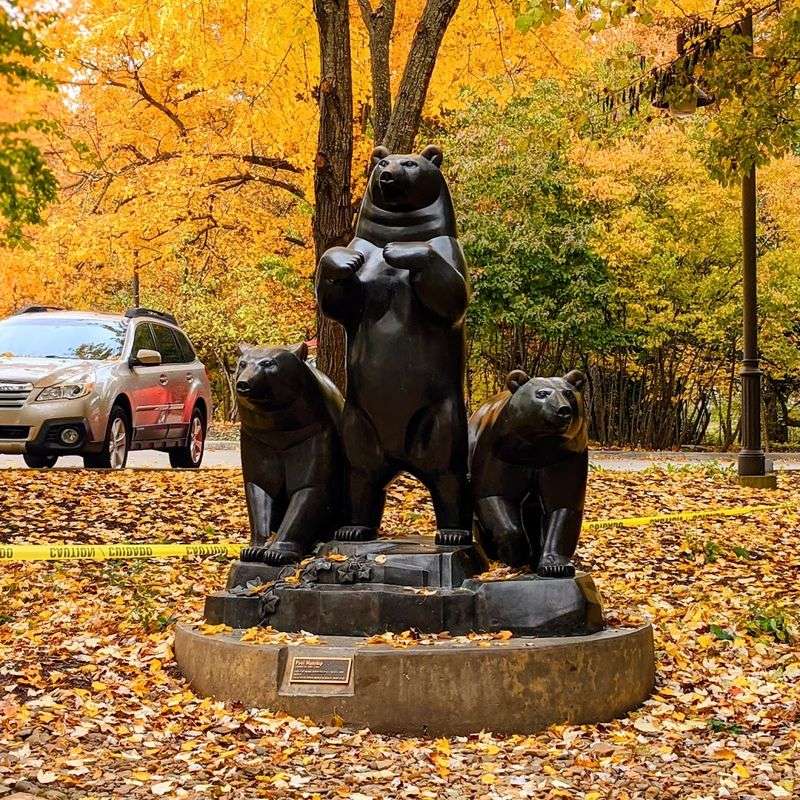
The arboretum looks different in every season, and that variety is one of its strongest arguments for repeat visits. Spring brings early wildflowers and fresh green growth that makes the whole property feel like it just woke up from a long nap.
Summer fills the Butterfly Waystation with activity and turns the meadow into a dense, buzzing landscape of native grasses and blooms.
Autumn is when the tree collection really earns its arboretum credentials. The diverse mix of native Arkansas species means the fall color display unfolds in layers, with different trees peaking at different times between mid-October and early November.
Even after the leaves drop, the labeled branches and interesting bark textures give plant enthusiasts plenty to study.
Winter visits are quieter, but the bones of the landscape are still worth seeing, and the lack of crowds gives the space a contemplative quality that feels different from the busier months. Each season offers something genuinely distinct, which is rare for a property this size.
A Scavenger Hunt That Turns a Walk Into an Adventure
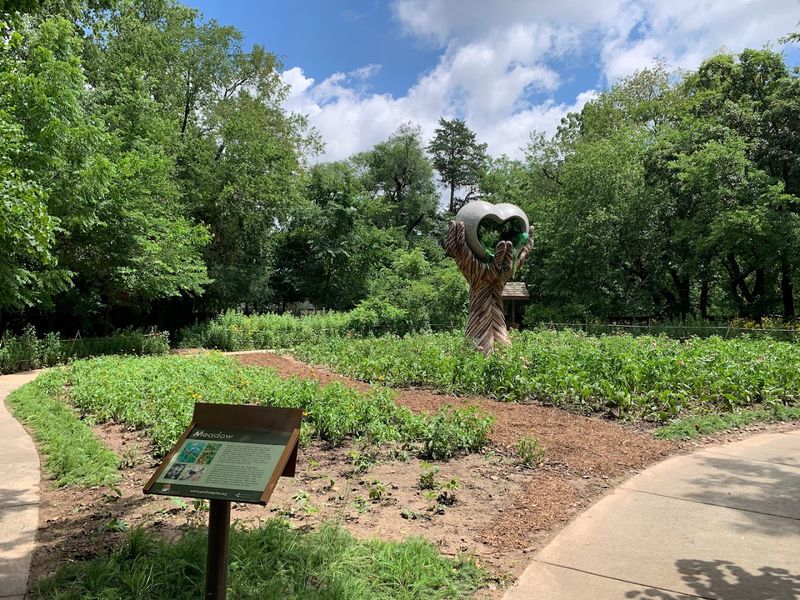
Most parks hand you a map and wish you luck. Compton Gardens goes a step further by offering a printed scavenger hunt that sends visitors on a mission to locate specific points of interest throughout the property.
It is a small detail, but it completely changes the energy of a visit, especially for families with kids who need a little extra motivation to explore.
The scavenger hunt encourages visitors to look closely at labeled plants, read informational signage, and engage with the conservation history woven into the landscape. It transforms a casual stroll into something more purposeful without making the experience feel like homework.
Adults tend to get just as absorbed in the hunt as children do, partly because the clues direct attention to features that are easy to walk past without noticing. The Pagoda Dogwood, the Living Wall, and the various garden zones all reveal themselves more fully when you are actively searching for them.
It is a clever educational tool dressed up as a fun afternoon activity.
An Event Venue That Lets Nature Do the Decorating
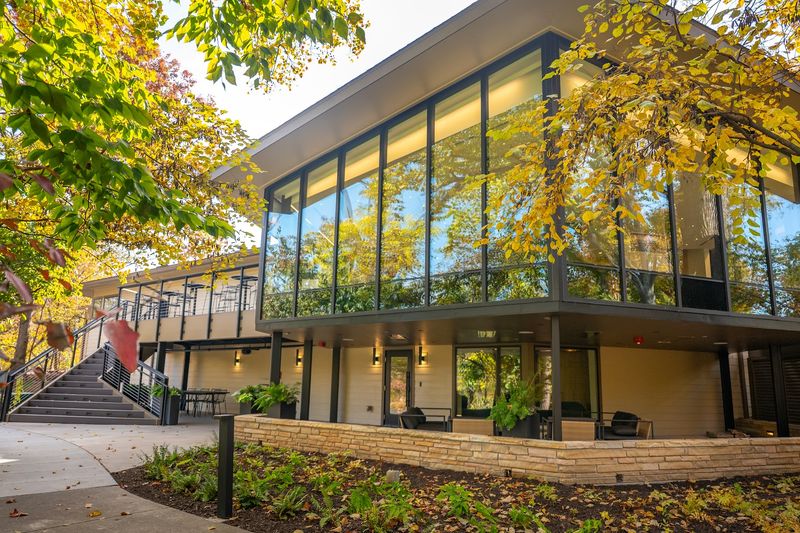
Beyond its role as a public garden and trail hub, Compton Gardens has built a strong reputation as an event venue, and the space earns that reputation honestly. The renovated Compton home provides a warm, modern interior that works equally well for corporate gatherings, holiday parties, and intimate celebrations.
The outdoor setting handles the heavy lifting when it comes to atmosphere. Native trees, seasonal plantings, and the quiet dignity of the historic property create a backdrop that no rented decor package could replicate.
Evening events in particular benefit from the way the landscape softens into something almost dreamlike once the sun drops below the tree line.
The staff consistently receives high praise for their responsiveness and professionalism throughout the planning and execution of events. Booking is handled through the Peel Compton Foundation, and the process is described as smooth and well-organized by those who have used it.
For anyone planning a gathering in the Bentonville area, this venue offers a combination of natural beauty and genuine hospitality that is difficult to find elsewhere.
Practical Tips for Getting the Most Out of Your Visit
A few simple pieces of information can make the difference between a good visit and a great one. The gardens are open Monday through Friday from 8 AM to 5 PM, and the property is closed on weekends.
If you want access to the indoor exhibit room and the historic home interior, a weekday trip is essential.
Parking is free and conveniently located on site, which removes one of the usual friction points of visiting a downtown attraction. The trails are well-maintained and clean, and the paved greenway sections are accessible to a wide range of visitors, including those with strollers or limited mobility.
Cyclists sharing the trails with walkers is worth keeping in mind, particularly near the connections to the Razorback Greenway and the All-American Trail. Wearing comfortable shoes, bringing water, and arriving in the morning for the best light and the most wildlife activity will serve you well.
The full address is 312 N Main St, Bentonville, AR 72712, and the website at peelcompton.org has current event and rental information.
Share this story