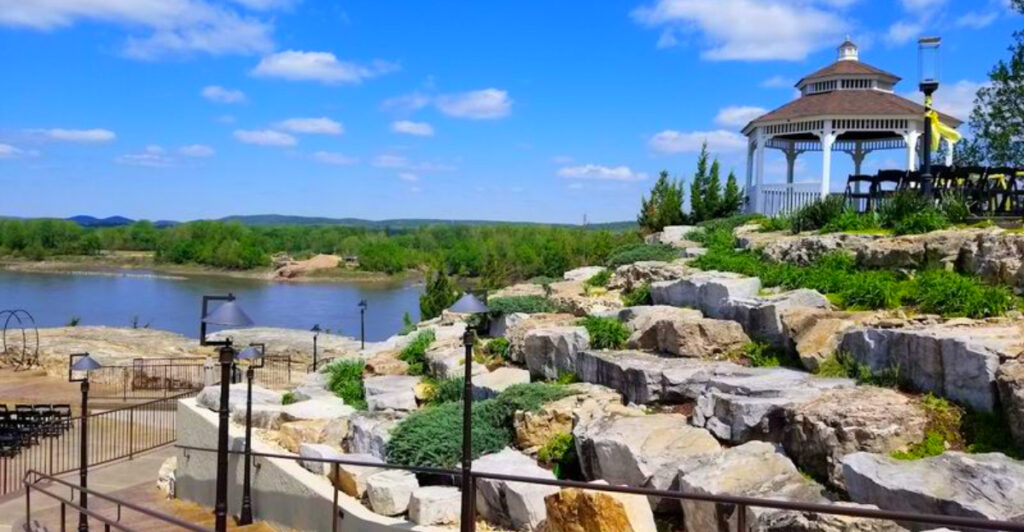
Missouri has a quiet talent for making you forget the rest of the world exists. Tucked between rolling hills, river bluffs, and centuries-old architecture, the state is full of towns that seem to have been designed by a movie set decorator with an eye for perfection.
Brick streets, historic storefronts, cozy cafes, and friendly locals create the kind of backdrop that makes you want to stay forever. These are not just pretty places on a map.
Each town on this list has its own personality, its own history, and its own reason to visit. Some are famous for festivals, others for architecture, and a few for being so well-preserved that stepping into their downtown feels like flipping back the calendar by a century.
Get ready to discover eleven Missouri towns that could easily pass as the setting for the most heartwarming movie you have ever seen.
1. Weston, Missouri
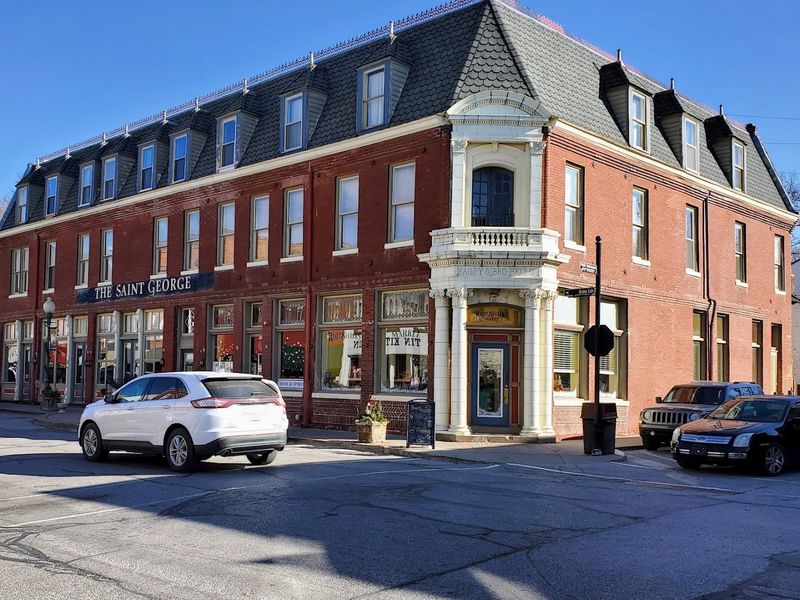
Not every town can claim that its entire downtown is listed on the National Register of Historic Places, but Weston wears that distinction like a badge of honor it has fully earned.
Located just north of Kansas City, this compact town features brick buildings that predate the Civil War, many of which now house antique shops, boutiques, and locally owned cafes that are easy to spend an afternoon in.
Weston moves at its own pace, and that is a large part of its appeal. The streets are walkable, the locals are genuinely welcoming, and the architecture gives every corner a timeless quality that cameras love.
Come autumn, the surrounding countryside shifts into full color mode. Apple orchards open for picking nearby, and the crisp air and golden leaves turn the whole area into a seasonal postcard.
For a town of its size, Weston punches well above its weight in charm, history, and the kind of warmth that keeps visitors coming back.
2. Ste. Genevieve, Missouri
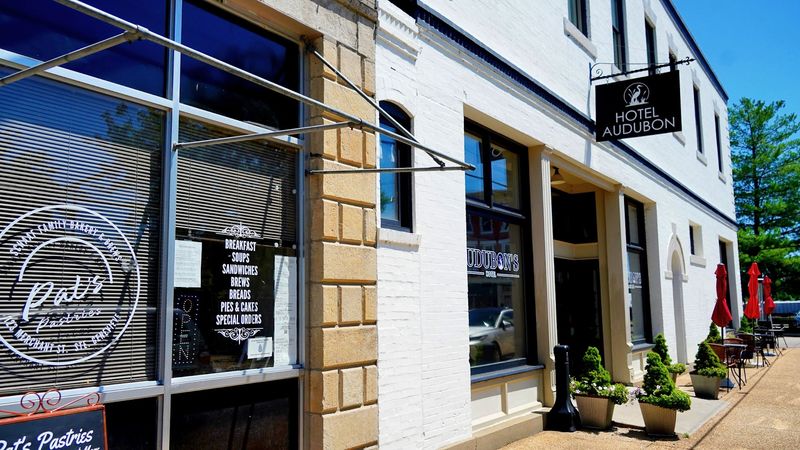
Missouri’s oldest permanent European settlement has had a few centuries to perfect its charm, and Ste. Genevieve has used every single year wisely.
Founded by French Creole settlers in the early 1700s, the town retains an architectural identity unlike anywhere else in the state. French colonial structures with wide porches and vertical log construction still stand throughout the historic district, many of them open for tours.
The downtown is compact and walkable, lined with bed-and-breakfasts, specialty shops, and local restaurants that operate out of buildings old enough to have stories you would not believe.
What makes Ste. Genevieve especially appealing is how unhurried everything feels.
There is no rush here, no noise, and no crowds pushing you along.
The town was designated a National Historical Park by the federal government in 2020, adding a new visitor center to an already well-preserved destination. History enthusiasts and casual weekend travelers alike find plenty to appreciate in this quietly remarkable Missouri town.
3. Rocheport, Missouri
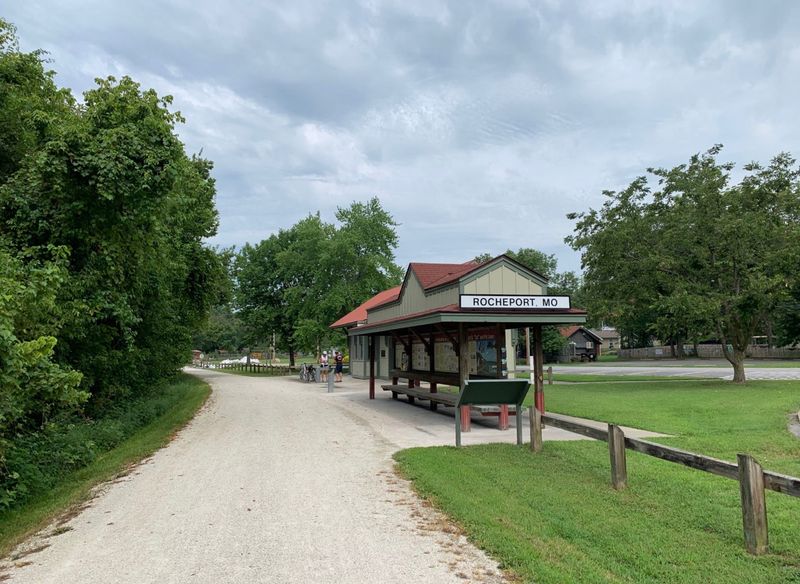
Rocheport has a population of just a few hundred people, which makes it all the more impressive that it manages to pack in galleries, inns, a renowned winery, and some of the most scenic river views in the entire state.
Perched above the Missouri River on limestone bluffs, the town has a naturally dramatic setting that requires very little embellishment. The historic buildings along the main street are well-preserved and house a rotating mix of art galleries, antique dealers, and cozy bed-and-breakfasts that attract weekend visitors from across the region.
The Katy Trail, a converted rail trail that runs for over 200 miles across Missouri, passes directly through Rocheport and draws cyclists who often end their rides with a stop at one of the local spots.
Rocheport never feels crowded, even during peak season. That quiet, unhurried quality is exactly what gives it the kind of peaceful, picture-perfect atmosphere that Hallmark scriptwriters would find very useful indeed.
4. Hermann, Missouri
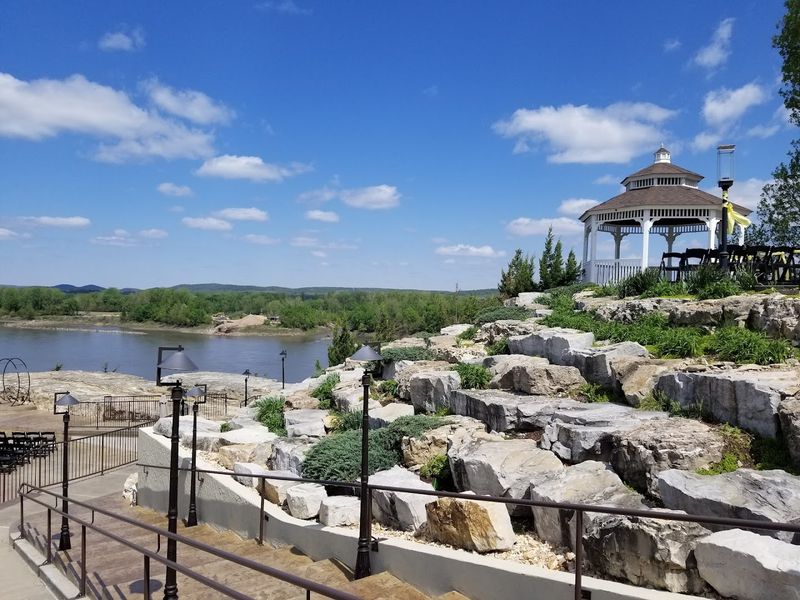
Few towns in Missouri wear their heritage as proudly as Hermann, a German settlement planted along the Missouri River in 1836 by immigrants who wanted to recreate the homeland they left behind.
The results are nothing short of remarkable. Colorful brick buildings line the main street, and the surrounding hillsides are draped in vineyards that have been producing wine for generations.
Hermann is home to some of the oldest family-run wineries in the Midwest, and the downtown is packed with shops, bakeries, and restaurants that keep the German tradition alive in very delicious ways.
During the holidays, the town goes all out. A Lantern Parade winds through the streets, a Tree Lighting Ceremony draws crowds, and the whole place takes on a festive energy that feels straight out of a holiday film.
The courthouse square and the riverfront views complete the picture, making Hermann one of Missouri’s most genuinely photogenic destinations year-round.
5. Kimmswick, Missouri
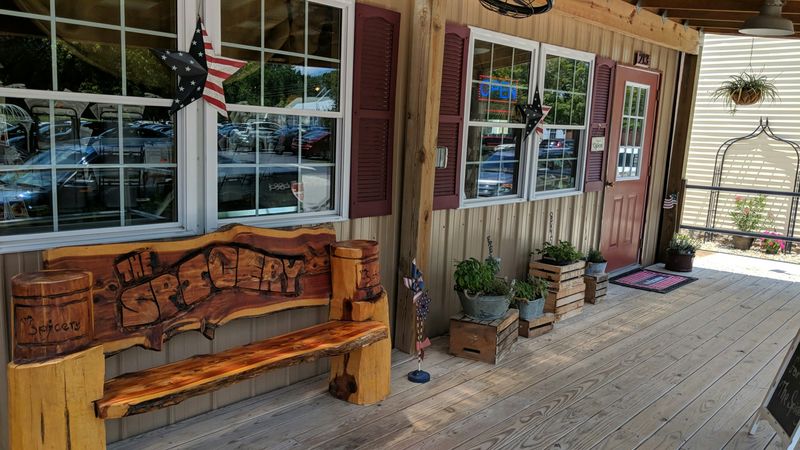
Kimmswick is the kind of place that people stumble upon by accident and then tell everyone they know about for the next six months.
This tiny riverside town south of St. Louis has maintained a 19th-century appearance that most towns abandoned decades ago. Colorful historic buildings line the short main street, filled with homegrown boutiques, art galleries, antique stores, and bakeries that operate out of structures with serious history behind them.
The town is famous for the Blue Owl Restaurant, a local institution known for its towering apple pie that has been featured in national publications. It is the kind of detail that makes Kimmswick feel both specific and special.
Seasonal festivals bring the town to life in a big way. Halloween and Christmas celebrations draw visitors from across the St. Louis metro area, and the decorations during those events are genuinely impressive for such a small community.
Kimmswick proves that good things absolutely come in small packages.
6. Arrow Rock, Missouri
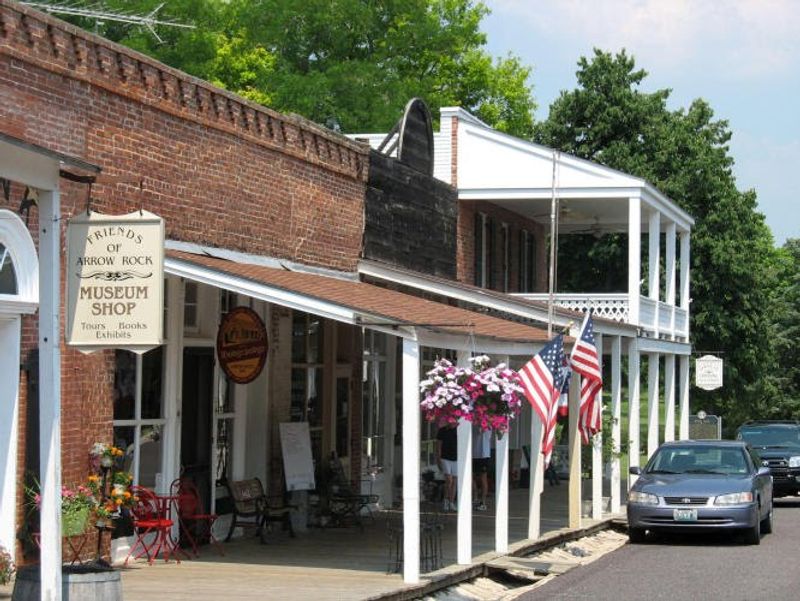
Arrow Rock is essentially a living museum that forgot to put up the velvet ropes, and that is exactly what makes it so appealing to visit.
Designated a National Historic Landmark, this small community in Saline County preserves an extraordinary collection of 19th-century buildings that once served travelers heading west on the Santa Fe Trail. Wooden sidewalks, brick storefronts, and a general store that dates back to 1872 give the town a frontier-era character that is genuinely rare.
The Lyceum Theatre has operated in Arrow Rock since 1961 and continues to stage professional productions each summer, drawing audiences who combine culture with a trip through history.
The town’s permanent population hovers around fifty people, which means it is quiet almost every day of the year. Scenic walking trails wind through the surrounding area, offering views of the Missouri River valley that have changed very little over the past 150 years.
Arrow Rock rewards visitors who appreciate authenticity over spectacle.
7. St. Charles, Missouri
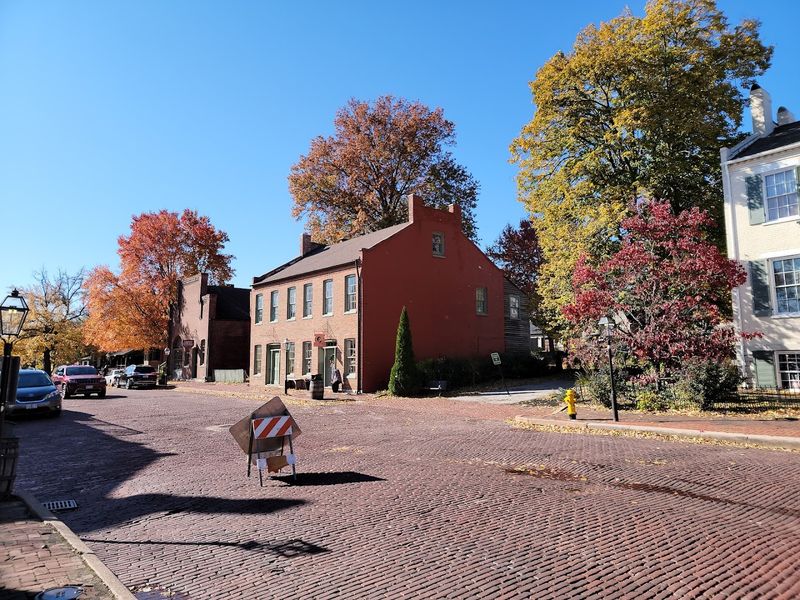
The Today Show once called St. Charles the Merriest Main Street in America, and anyone who has visited during the holiday season would have a hard time arguing with that assessment.
The historic district along Main Street is a genuine showstopper. Brick-paved roads, gas-style lamps, and beautifully restored buildings dating back to the early 1800s create a visual consistency that feels almost theatrical in the best possible way.
St. Charles was Missouri’s first state capital, which gives it a historical foundation that goes well beyond good looks. The town offers over 125 eclectic shops and more than 25 restaurants within the historic district alone, making it easy to fill an entire day without covering much ground.
Horse-drawn carriage rides are available during the holiday season, and carolers perform along the street, adding layers of festivity that feel organic rather than forced.
Year-round, the combination of riverfront scenery and centuries-old architecture keeps St. Charles near the top of every Missouri must-visit list.
8. Parkville, Missouri
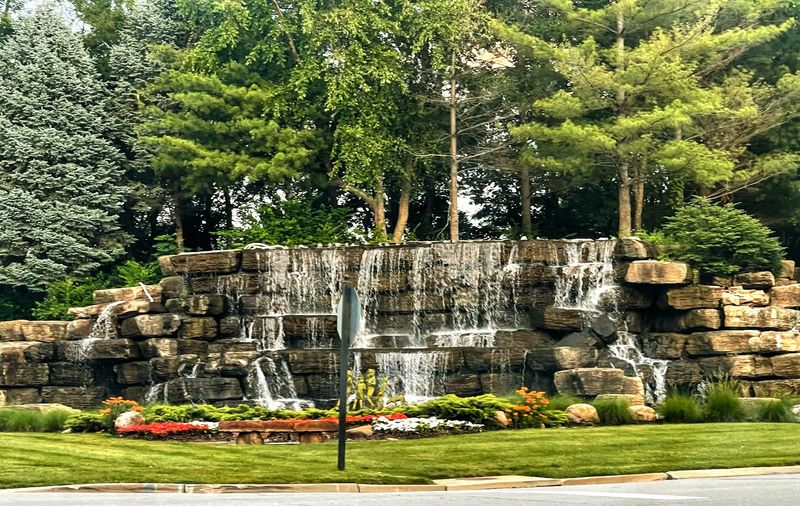
Parkville has managed to do something most suburban towns near major cities completely fail at: it kept its soul intact.
Located just minutes from Kansas City, this small community along the Missouri River has a historic downtown that operates on its own charming terms. Brick sidewalks connect a walkable stretch of boutique shops, local restaurants, and art galleries that reflect genuine community investment rather than generic development.
English Landing Park runs along the riverfront and provides open green space with views of the Missouri River that make a simple afternoon walk feel like a proper outing.
Park University sits on a bluff above the town and adds an academic presence that gives Parkville a slightly bookish, creative energy. The campus itself is scenic and worth a walk if you have extra time.
Seasonal decorations throughout downtown add visual interest during the holidays and fall months. Parkville is the kind of place that rewards slow exploration and a willingness to wander into shops without a specific destination in mind.
9. Excelsior Springs, Missouri
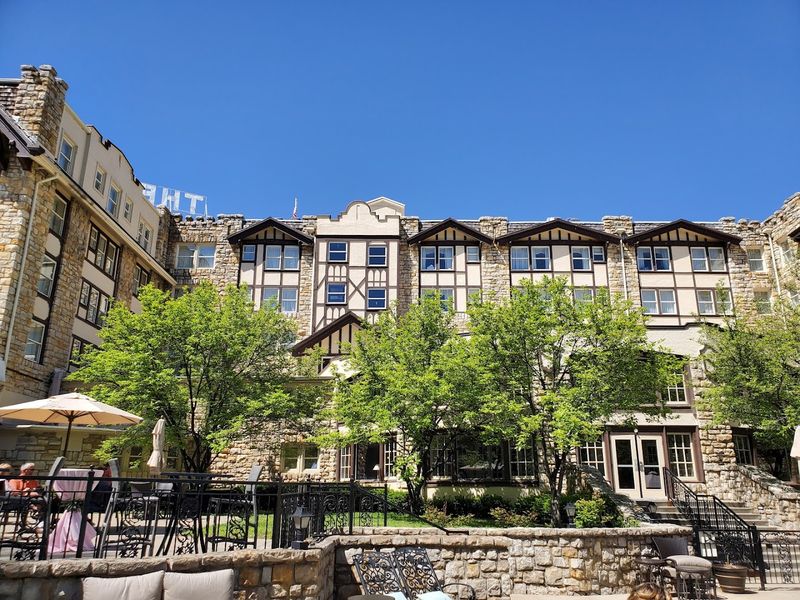
Excelsior Springs had its golden age in the early 20th century when visitors traveled from across the country to drink from its mineral springs, and the architecture it built during that era is still standing and still turning heads.
The Hall of Waters, an Art Deco building completed in 1937, anchors the downtown and remains one of the most visually striking civic buildings in Missouri. It now houses a small museum and event space, and its facade alone is worth the drive.
The surrounding streetscape features restored historic buildings that give the downtown a cohesive, timeless character. Local shops and restaurants have moved into many of these spaces, keeping the commercial strip active and worth exploring on foot.
Excelsior Springs sits about 30 miles northeast of Kansas City, making it an easy and very rewarding day trip from the metro area.
The town has a quiet confidence about it, the kind that comes from knowing it has been a destination for well over a century.
10. Cape Girardeau, Missouri
Cape Girardeau earns its place on this list through a combination of things that individually would be impressive and together are hard to beat.
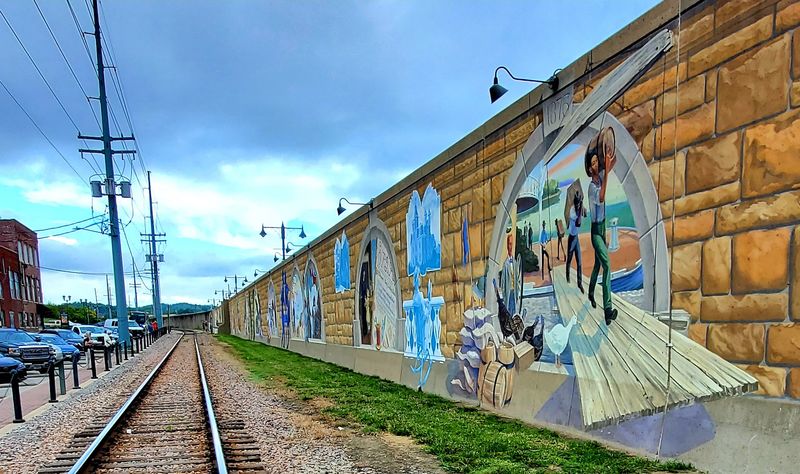
The city overlooks the Mississippi River from a series of bluffs, giving its riverfront district a dramatic natural backdrop that most river towns would envy. Historic brick buildings line the downtown streets, and a remarkable collection of large-scale murals painted directly on exterior walls tells the story of the region’s history in vivid detail.
The floodwall murals are particularly well known and stretch for nearly a thousand feet along the riverfront. They cover everything from Native American history to the Civil War era and have become one of the most photographed attractions in southeast Missouri.
Downtown Cape Girardeau is active and commercially diverse, with locally owned restaurants, coffee shops, and retail stores that give it a genuine community feel.
The combination of river views, public art, and well-preserved architecture makes Cape Girardeau one of Missouri’s most visually layered small cities.
11. Carthage, Missouri
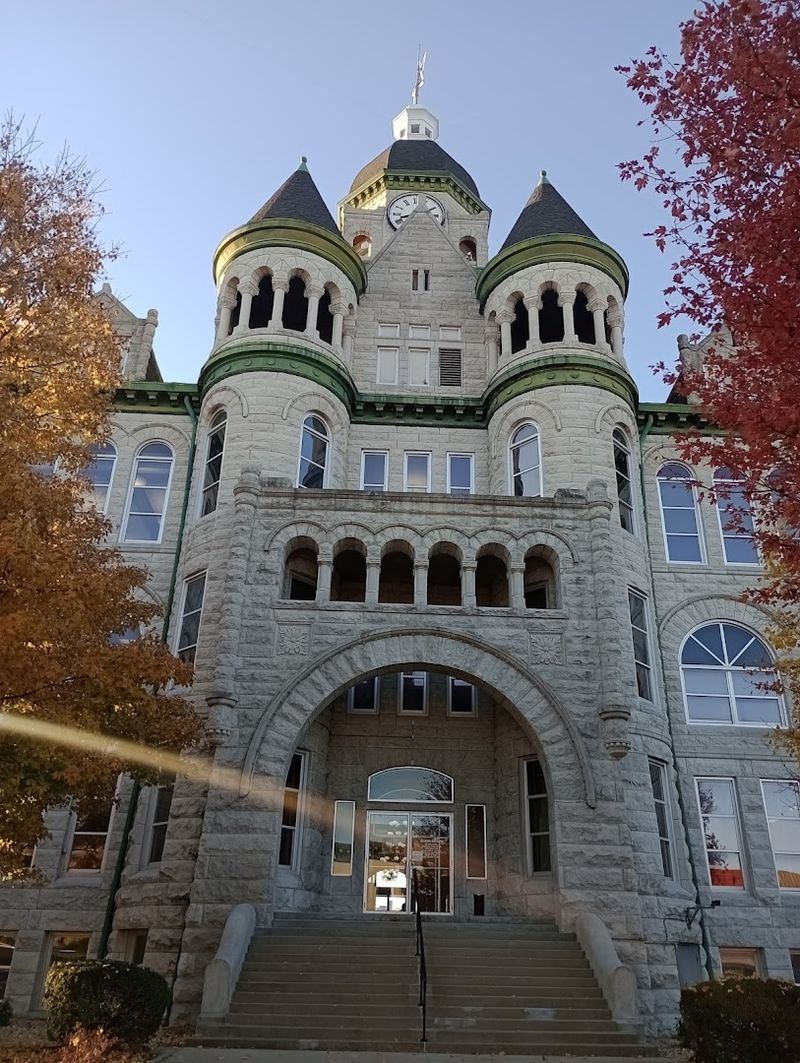
Carthage takes Victorian architecture seriously, and the results are on full display everywhere you look in this southwest Missouri city.
Known informally as America’s Maple Leaf City, Carthage is home to hundreds of vibrant maple trees that line its streets and historic neighborhoods. In October, the annual Maple Leaf Festival brings the community together for a celebration that has been running for decades and draws visitors from several surrounding states.
The courthouse square is a standout feature of the downtown, anchored by the Jasper County Courthouse, a Romanesque Revival structure completed in 1895 that dominates the skyline and provides a genuinely impressive backdrop for the surrounding shops and restaurants.
Grand Victorian homes are scattered throughout the residential neighborhoods, many of them meticulously maintained and available for self-guided tours.
Carthage also has a notable connection to Civil War history, with several sites and a dedicated museum located within the city.
For a town of its size, Carthage delivers an architectural and cultural experience that consistently surprises first-time visitors.
Share this story