Gettysburg is best known for its Civil War history, but one of the area’s most impressive museums tells a very different story. Just minutes from the battlefield, this expansive World War II museum preserves the experiences of the generation that shaped the modern world through a collection of artifacts, vehicles, personal accounts, and immersive exhibits.
Spread across multiple buildings, the museum brings history to life through authentic military equipment, reconstructed period settings, and firsthand stories from those who lived through the war. Rather than focusing only on major battles, the exhibits highlight the everyday experiences of soldiers and civilians alike, creating a deeply personal look at one of the most important chapters in modern history.
It’s a destination that consistently surprises visitors and stands among Pennsylvania’s most remarkable museums.
Where to Find This Hidden Corner of History
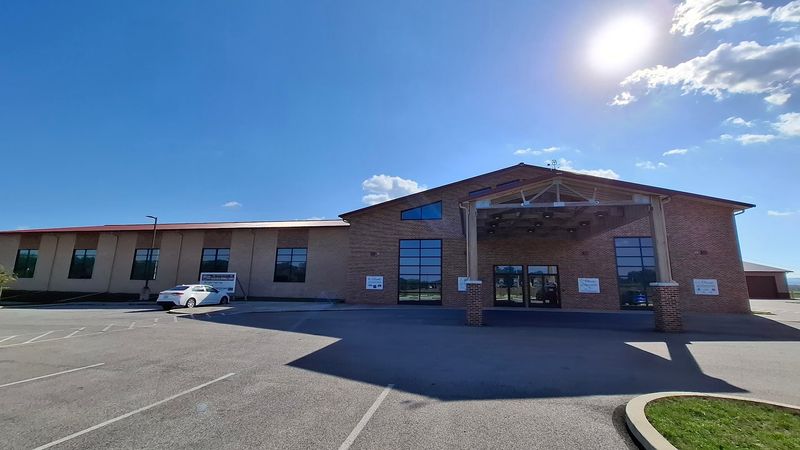
The address alone tells you something interesting: 845 Crooked Creek Rd, Gettysburg, PA 17325. That rural road name fits perfectly for a museum that feels like a discovery rather than a tourist stop.
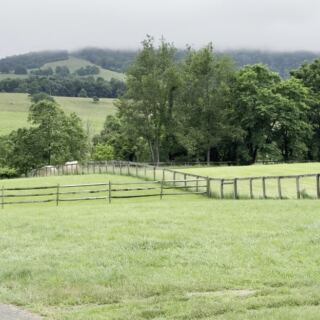
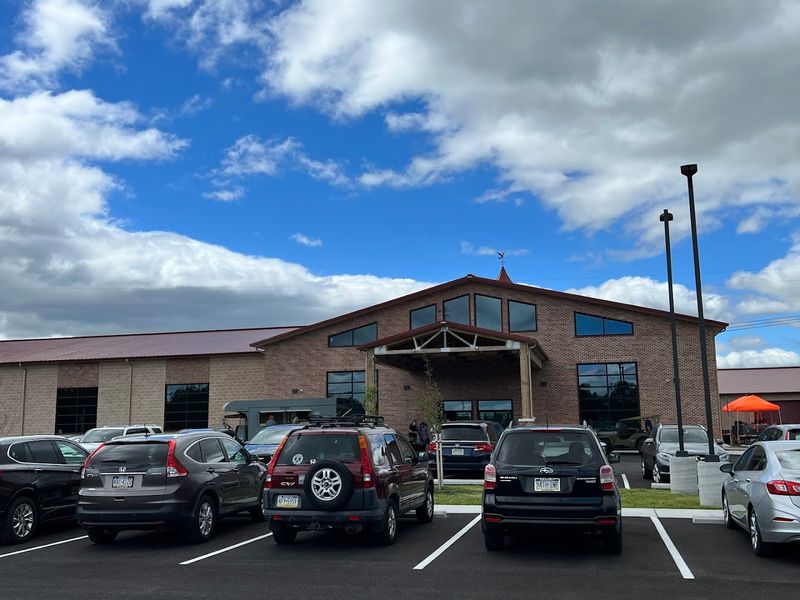
Fair warning, Google Maps has a habit of directing visitors to a nearby field and a mailbox instead of the actual entrance. The building itself is hard to miss once you are close, a large structure sitting beside open farmland with military vehicles visible from the road.
The museum sits about ten minutes from the main shops and hotels of Gettysburg, making it an easy side trip that ends up becoming the highlight of the whole visit. Parking is plentiful and free, and the quiet rural setting actually adds to the atmosphere before you even step inside.
The phone number is 717-253-3414, and the website is visitww2.org. Hours run Wednesday through Saturday from 10 AM to 5 PM, Sunday from noon to 4 PM, and Monday from 10 AM to 5 PM.
The Family Mission Behind Every Exhibit
Not every museum has a founding story worth telling, but this one does. The Buck family built the World War II American Experience as a 501(c)(3) nonprofit, driven by a genuine desire to preserve the stories of the WWII generation before those stories disappear entirely.
The collection started with one person’s passion for authentic vehicles and equipment, and it grew into something far larger than most people expect when they pull up to a rural Pennsylvania building. Every restored piece on the floor represents hundreds of hours of careful work.
What makes the family-driven origin feel tangible is how the exhibits are curated. Nothing here feels cold or corporate.
The personal touches, handwritten notes, individual soldiers’ belongings, and small hometown memorabilia, give the whole space a warmth that larger national museums sometimes lose.
The staff and volunteers carry that same spirit forward every single day, and that human energy is something you notice within the first five minutes of your visit.
An Armored Fleet That Actually Runs
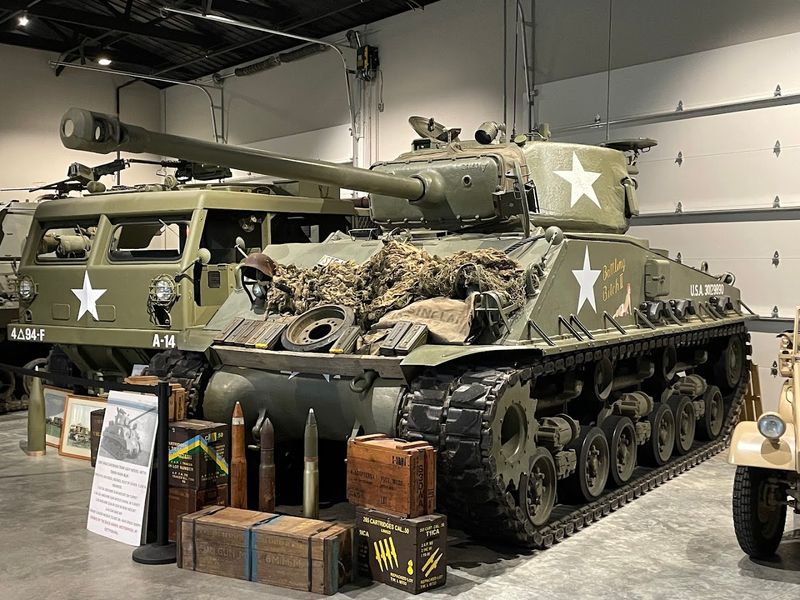
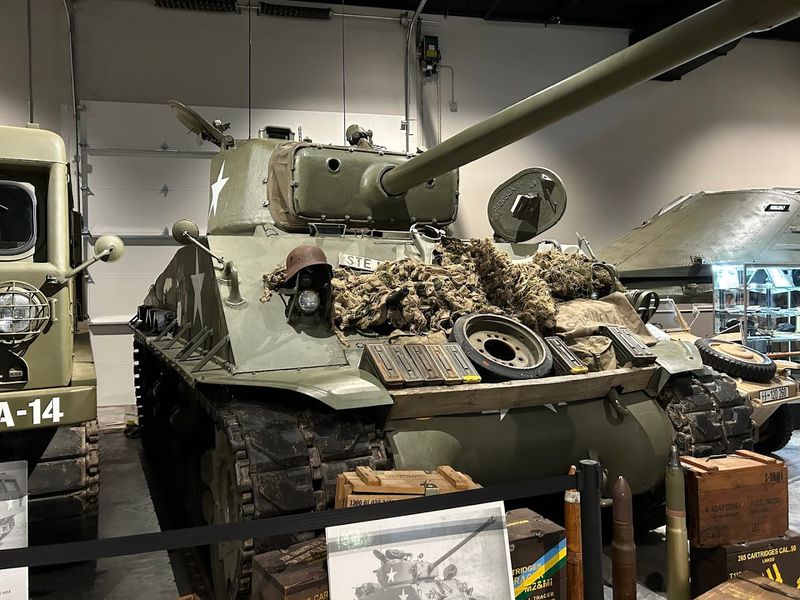
The vehicle collection here is genuinely one of the most impressive things I have seen in any museum, military or otherwise. The centerpiece is an M4 Sherman tank named Eagle, fully restored and sitting in the main hall with a presence that commands the entire room.
There is also a distinctive yellow and black checkered Follow Me Jeep, a fuel tanker truck, a tracked landing vehicle, and a Red Cross Clubmobile, each one authentic and most of them operational. The museum is described as housing one of the largest operational WWII vehicle collections in the entire country, and once you see it in person, that claim feels completely believable.
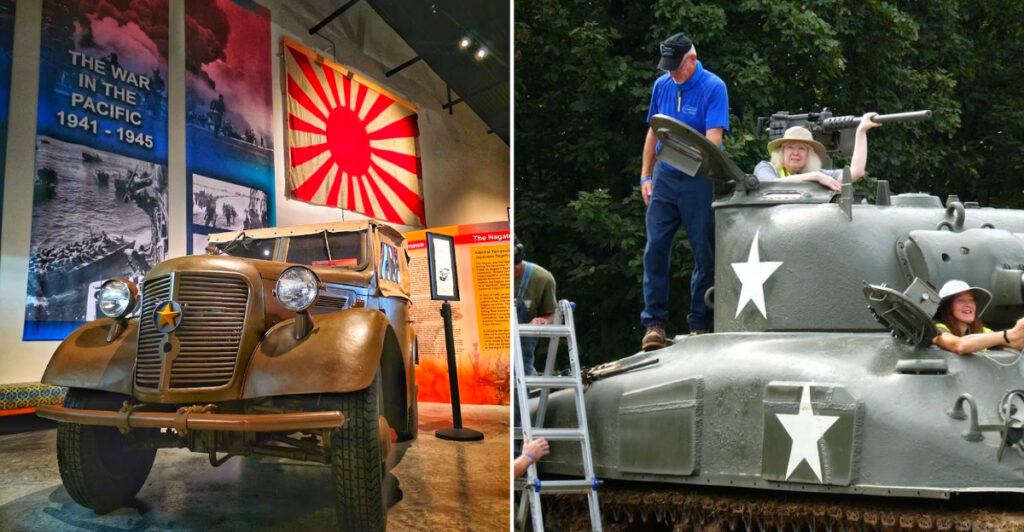
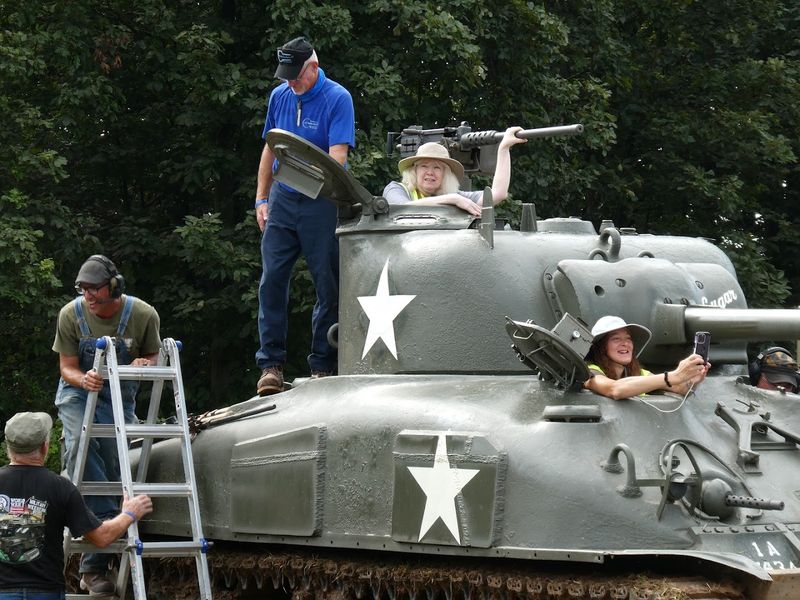
For visitors who want to go beyond just looking, there is an M4A1 Sherman known as Grizzly that you can actually climb aboard for a small additional fee of around ten dollars. On select event days, tank and jeep rides are offered on the property, which turns an already memorable visit into something genuinely thrilling.
Uniforms That Tell Stories Patches Cannot Keep Quiet
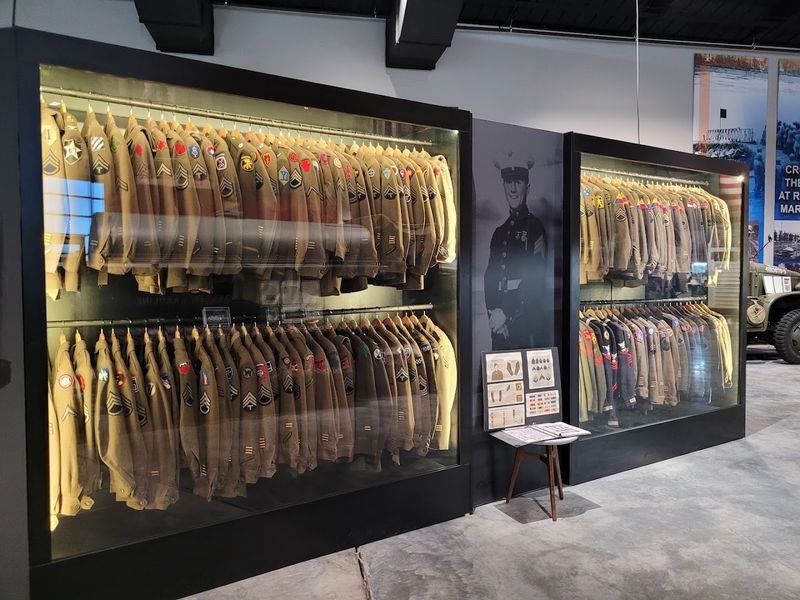
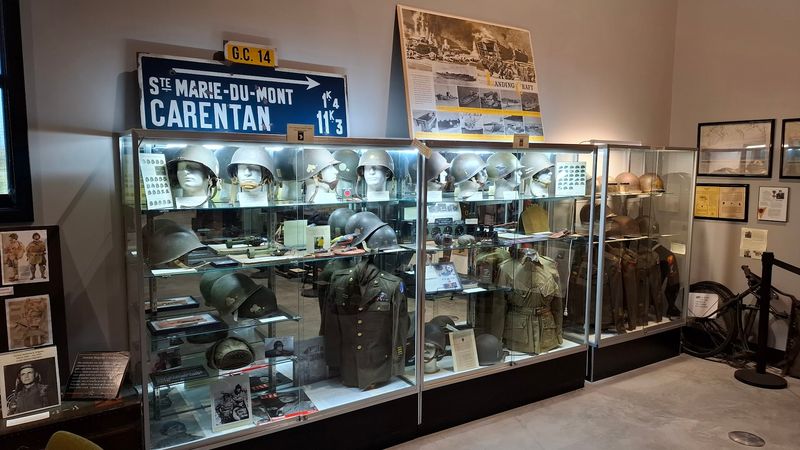
Military uniforms might sound like a dry subject until you stand in front of one that belonged to a real soldier who crossed the English Channel in June 1944. The uniform collection at this museum is extensive, with each piece displaying its original patches, rank markings, and unit insignia intact.
What the curators do especially well here is give context to each uniform. You are not just looking at fabric and thread.
You are reading the story of which division that soldier served in, where they deployed, and what role they played in the larger war effort.
The variety is also worth noting. The collection covers both the European and Pacific theaters, so visitors get a broad view of the American military experience rather than just one campaign.
Seeing the differences between a Pacific theater uniform and a European one side by side makes the global scale of the war feel immediate and real.
A few of the rarer pieces in the collection are genuinely one-of-a-kind finds that even seasoned history enthusiasts stop and study carefully.
A 1940s Kitchen That Brings the Home Front to Life
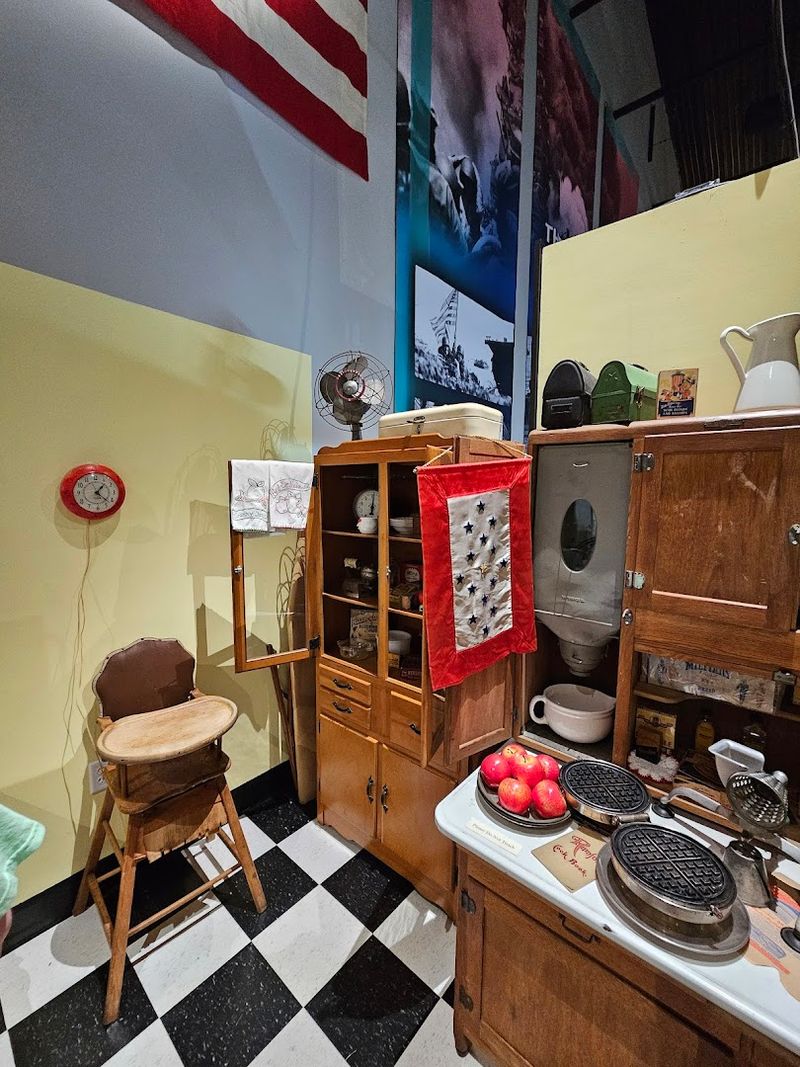
One of the most unexpected and genuinely moving exhibits in the museum is a full replica of a typical American kitchen from the WWII era. Every detail is period-correct, from the appliances on the counter to the decorations on the walls, and it gives visitors a window into daily civilian life during the war years.
The home front experience is something many WWII museums gloss over in favor of battlefield hardware, but this exhibit treats it with equal seriousness. Rationing, victory gardens, and the everyday sacrifices of American families are all represented in this small but powerful room.
Standing in that kitchen, you realize that the war was not only fought on beaches and in forests. It was fought at kitchen tables where families stretched their food budgets, wrote letters to deployed relatives, and listened to radio broadcasts for news they both needed and feared.
The exhibit connects the military story to the human story in a way that younger visitors especially seem to respond to with real curiosity and quiet reflection.
Pearl Harbor Posters and the Power of Propaganda
Few things capture the emotional climate of wartime America quite like its posters, and the museum’s comprehensive display of Remember Pearl Harbor materials is one of the most striking sections in the entire building. The collection brings together original posters, memorabilia, and documents that show how a nation channeled shock and grief into collective resolve.
Wartime propaganda is a fascinating and sometimes uncomfortable subject, and the museum presents it honestly. The posters are displayed with enough historical context to help visitors understand why they were created and what effect they had on public morale and civilian behavior.
The graphic design of 1940s wartime posters is also surprisingly powerful from a purely visual standpoint. Bold colors, stark imagery, and direct language made these pieces effective tools, and seeing originals rather than reproductions adds a layer of authenticity that no textbook photograph can replicate.
This section pairs well with the home front kitchen exhibit nearby, together painting a vivid picture of what American civilian life looked and felt like during those years.
Normandy Up Close: Dioramas That Drop You Into D-Day
The Normandy campaign takes center stage in the main exhibit hall, and the dioramas created to depict it are detailed enough to make your eyes work hard to take everything in. These are not simple tabletop models.
They are full-scene reconstructions that place you visually inside the chaos of the invasion.
The museum also holds personal diaries written by soldiers who were present during the Normandy landings, and reading even a few lines of those entries changes the emotional weight of everything you see around you. History becomes biography very quickly in this section.
One rotating exhibit that caught my attention was called The Longest Yarn: a Thread Through History, a crocheted and knitted display detailing D-Day and the initial hours of the invasion. It sounds quirky, and it is, but it is also genuinely creative and surprisingly detailed in how it tells the story of those first hours on the beach.
The combination of large-scale dioramas, personal documents, and unexpected art installations makes this section feel layered and worth spending serious time in.
Rare Finds That Stop Even the Experts Cold
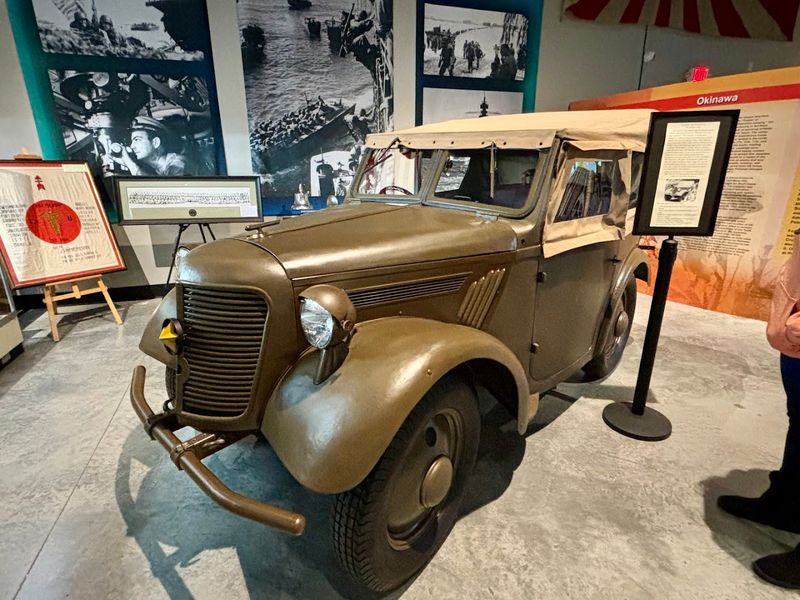
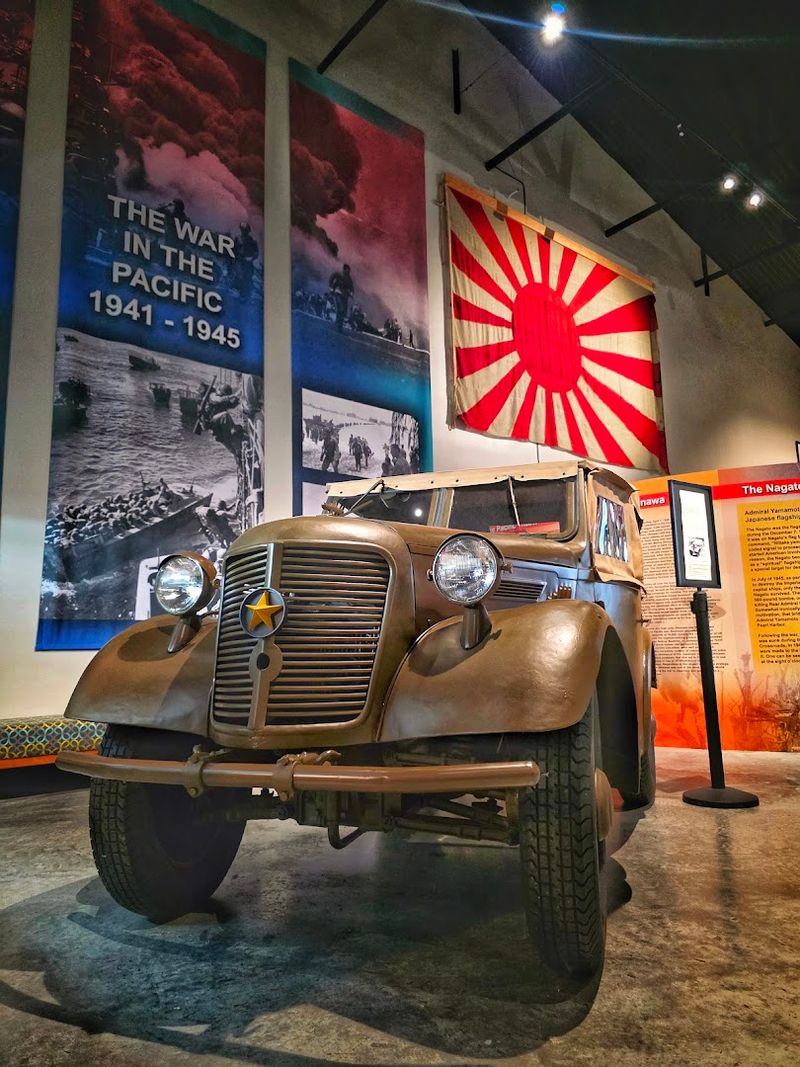
Every serious museum has its crown jewels, and this one has several that even veteran history enthusiasts do not expect to encounter in Pennsylvania. The Japanese Kurogane Type 95 scout car is described as ultra-rare, and seeing it in person alongside a flag from the Japanese flagship Nagato gives the Pacific theater section a depth that many WWII museums fail to achieve.
The collection also includes one of only a handful of surviving Japanese military trucks of its type anywhere in the world, a fact that makes the drive out to Crooked Creek Road feel very much worth the effort.
What strikes you about these rare pieces is how well-maintained they are. Nothing here looks like it was dragged out of a barn and dusted off for display.
The restoration work is meticulous, and the museum staff clearly treats each item with the kind of care that a rare artifact deserves.
Discovering something this unexpected in a relatively new museum is exactly the kind of surprise that makes a visit memorable long after you have driven home.
The Guided Tour Experience Worth Every Penny
General admission runs about sixteen dollars for adults, with lower rates for military personnel, senior citizens, and children. That price already feels reasonable given the size of the collection, but the real value comes from the optional guided tour that is included in the admission cost.
The guides here are passionate volunteers and staff members who clearly know their subject inside and out. A full tour runs about ninety minutes and covers each section of the museum in depth, with the guide answering questions along the way and offering details that no information plaque could ever fully capture.
The difference between walking through on your own and having a guide beside you is significant. Vehicles that might seem like impressive metal objects on their own become stories about specific campaigns, specific units, and specific people when someone knowledgeable is standing next to you explaining their history.
Plan for at least ninety minutes if you take the guided tour, and budget more time if you are the type of person who reads every single information panel, because there is a lot worth reading here.
Events, Tank Rides, and Living History Programs
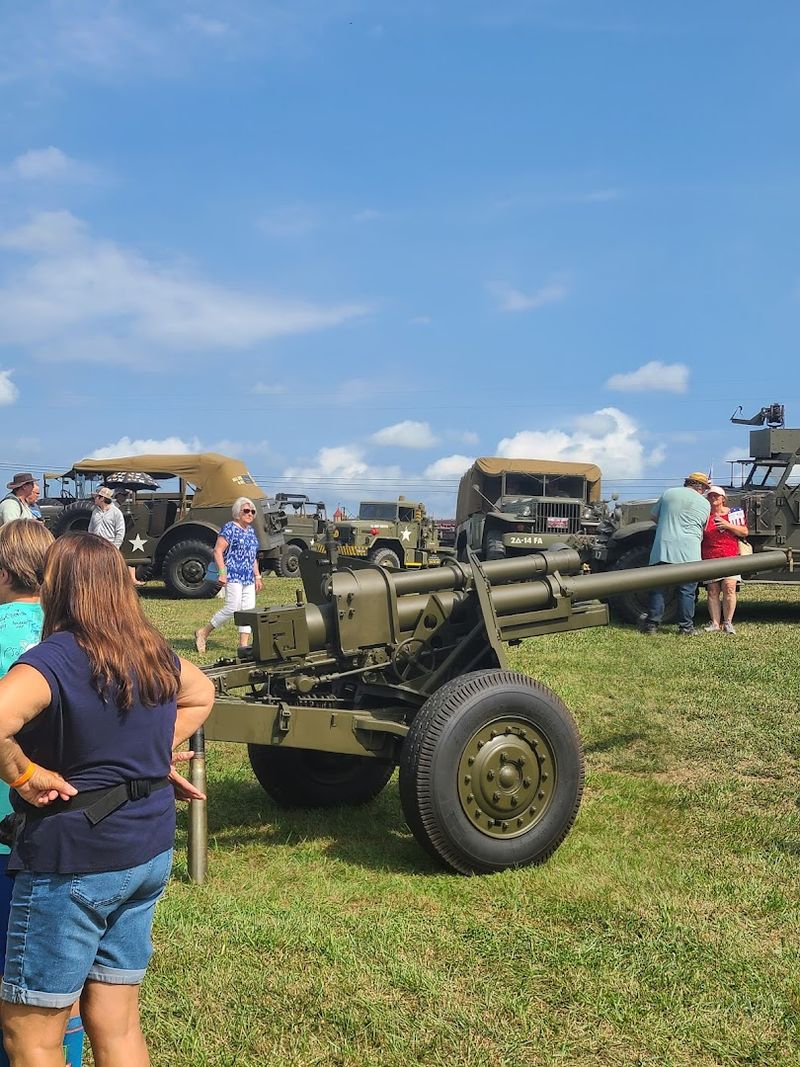
The museum is not just a static collection. It hosts a full calendar of events throughout the year, including conferences, seminars, guest speakers, BBQs, concerts, and even dances themed to the era.
The late July three-day outdoor event is a particular highlight, when vehicles are brought outside, run under their own power, and in some cases fired for demonstration purposes.
The Battle of the Bulge conference drew historians and WWII veterans to the same building, creating a kind of living history experience that no exhibit can fully replicate on its own. Hearing a firsthand account in a room full of authentic vehicles from the same conflict is a genuinely rare thing.
For families with kids, the interactive and educational programs make the museum far more engaging than a standard school field trip. Tank rides, jeep rides, and hands-on demonstrations give younger visitors a physical connection to history that sticks with them long after the visit ends.
Checking the events calendar before planning your trip could easily turn a good visit into an unforgettable one.
The Gift Shop, Cafe, and Practical Details You Need
After spending a couple of hours absorbing history, the gift shop at the exit is the kind of place that is genuinely hard to rush through. The selection goes well beyond the usual tourist fare, with books, collectibles, apparel, antique toys, and WWII paintings, many of them signed by veterans, lining the walls and shelves.
The cafe in the lobby area offers food and drinks, though it tends to operate more reliably on busier days and weekends. On quieter weekday visits, lighter snack options are usually still available if you need something to keep you going between the tank displays and the diorama hall.
The bathrooms are clean and conveniently located near the eatery, and the Eisenhower Room across the hall offers a small but worthwhile stop with photos and memorabilia connected to Dwight Eisenhower, who famously had a home in Gettysburg.
The whole facility is air-conditioned, well-lit, and genuinely accessible for visitors of all ages, making it a comfortable experience from start to finish regardless of the season.
Share this story