Marriage has long been one of history’s most powerful tools for gaining influence, wealth, and status. Across centuries and cultures, strategic unions helped ambitious individuals secure thrones, forge alliances, and dramatically change the course of their lives.
The figures on this list include rulers, nobles, and outsiders who used marriage to achieve goals that might otherwise have been impossible. Their stories show how a single relationship could reshape fortunes, alter political landscapes, and leave a lasting mark on history.
1. Grace Kelly
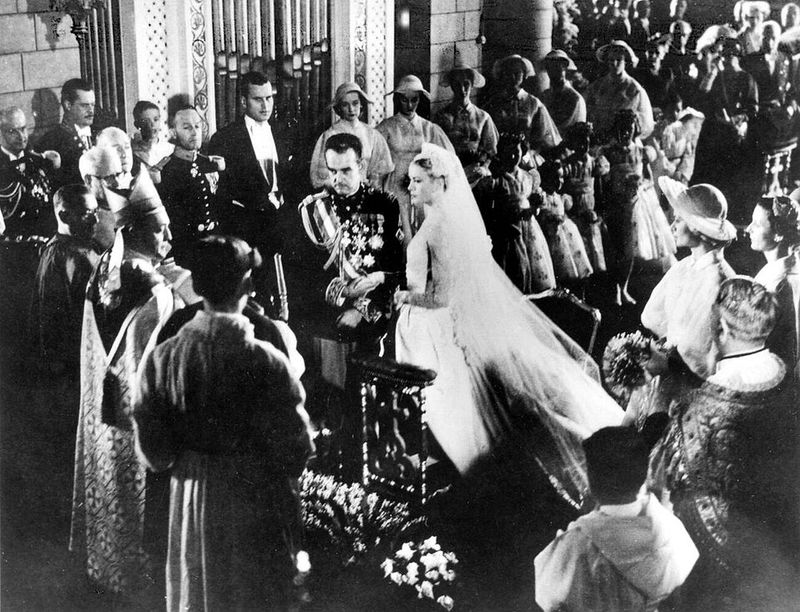
By 1955, Grace Kelly had already won an Academy Award and starred in films directed by Alfred Hitchcock, but her most consequential role came off-screen. At the Cannes Film Festival that year, she met Prince Rainier III of Monaco during a photo opportunity arranged by a French magazine.
Their courtship moved quickly, and in April 1956 they married in a ceremony watched by an estimated 30 million television viewers across Europe. Grace permanently retired from acting at age 26 and took on her new identity as Princess Grace of Monaco with remarkable seriousness and dedication.
She became an active patron of the arts, founded the Princess Grace Foundation, and significantly raised Monaco’s international profile during the Cold War era. The principality, which covers less than one square mile, gained enormous global attention largely through her presence.
Grace Kelly’s marriage transformed not just her own life but the cultural identity of an entire small nation for generations.
2. Catherine the Great
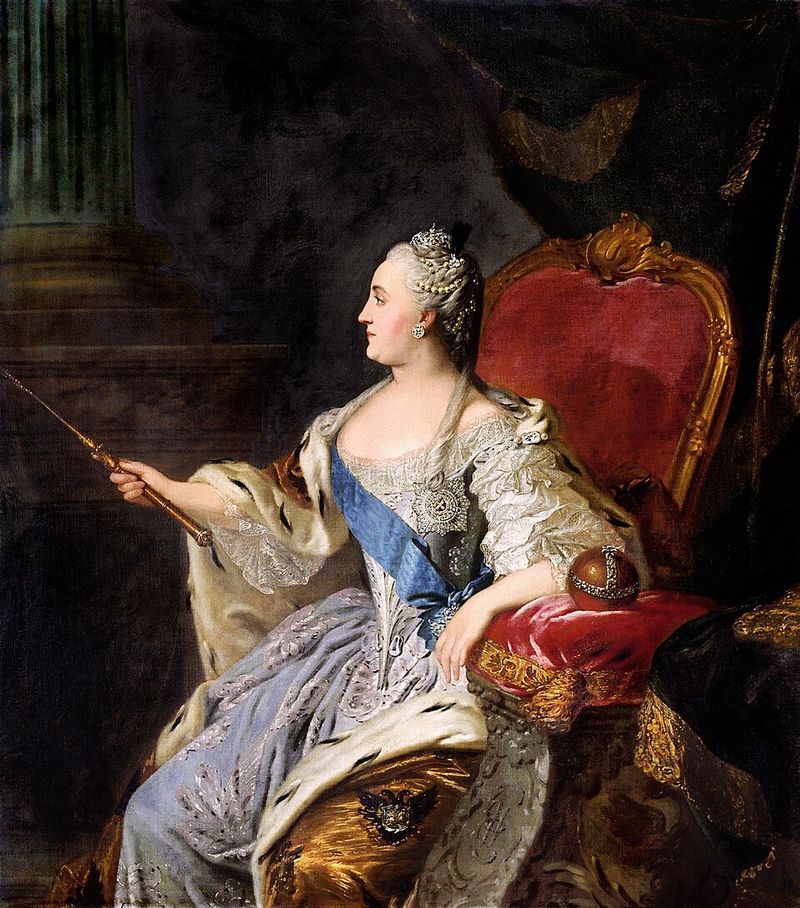
A minor German princess from the small duchy of Anhalt-Zerbst had no obvious path to greatness until one invitation changed everything. In 1745, Sophie Augusta Fredericka married the Russian Grand Duke Peter III, a match arranged entirely for political reasons by Empress Elizabeth of Russia.
Sophie converted to Russian Orthodoxy, learned the language fluently, and reinvented herself completely, adopting the name Catherine. While Peter proved to be an ineffective and deeply unpopular ruler, Catherine spent years building alliances within the Russian military and nobility.
By 1762, she had gathered enough support to stage a successful coup against her own husband. Peter was removed from power within days, and Catherine was declared Empress of All Russia.
She ruled for 34 years, expanded Russian territory significantly, reformed education and law, and corresponded with leading Enlightenment thinkers. Her marriage was simply the door she walked through to reach absolute power.
3. Thomas Seymour
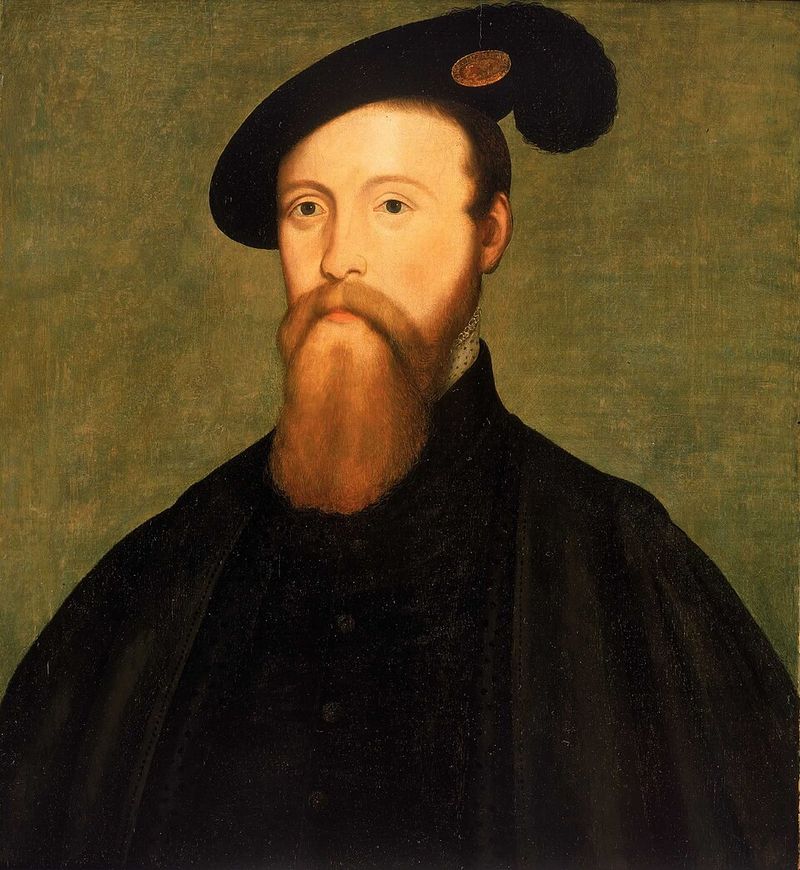
Thomas Seymour was already connected to the royal family through his sister Jane, who had been Henry VIII’s third wife, but he wanted more direct access to power and wealth. When Henry VIII passed away in 1547, Seymour moved quickly and secretly married Catherine Parr, the king’s widow, within months of the king’s passing.
Catherine was not just wealthy in her own right. She had been Henry’s sixth queen, which meant her household still carried enormous prestige and political weight.
The marriage gave Seymour access to royal residences, significant income, and proximity to the young Princess Elizabeth, who lived in Catherine’s household.
Seymour also served as Lord Admiral of England and attempted to build an independent power base separate from his brother Edward, who served as Lord Protector. His ambitions ultimately outpaced his caution, and he was arrested in 1549.
However, his short-lived marriage to Catherine Parr had briefly made him one of the most influential men in Tudor England.
4. Camilla Parker Bowles
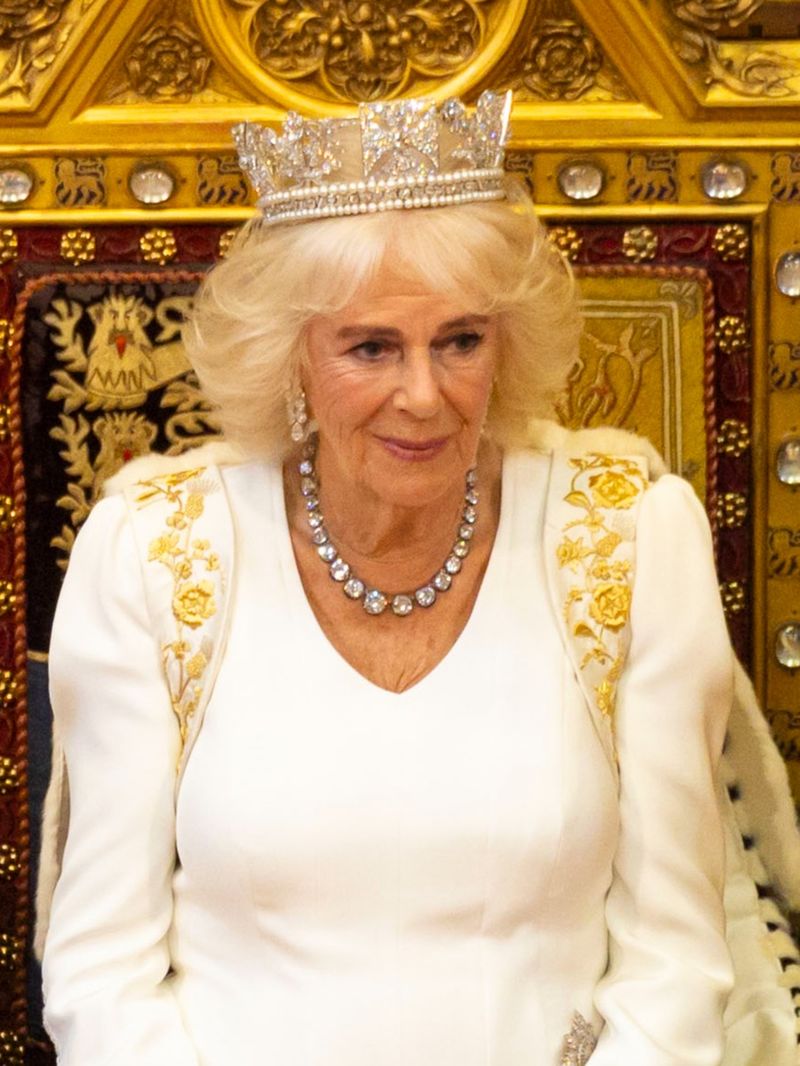
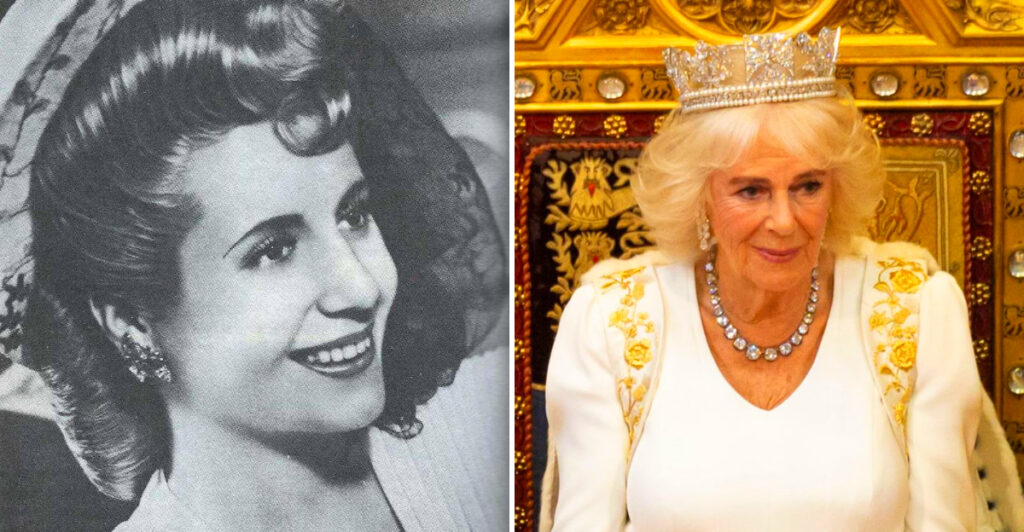
For much of the late twentieth century, Camilla Parker Bowles was known primarily as the woman at the center of one of the British monarchy’s most public scandals. Few observers would have predicted that she would eventually become queen.
Camilla first met Prince Charles in the early 1970s, but both married other people. As Charles’s troubled marriage to Princess Diana came under increasing public scrutiny, Camilla became one of the most controversial figures in Britain.
Her reputation suffered enormously, and many believed she would never be accepted by either the royal family or the public.
Everything changed when Charles and Camilla married in a civil ceremony in 2005. Although public opinion remained divided at first, Camilla gradually took on royal duties and built a reputation for steady service and charitable work.
When Queen Elizabeth II died in 2022 and Charles became king, Camilla assumed the title of Queen Consort, later known simply as Queen Camilla. The transformation was extraordinary.
A woman once viewed as an outsider had become one of the most senior figures in the British monarchy.
Her marriage to Charles did more than alter her social standing. It completed one of the most unlikely journeys in modern royal history, elevating her from a controversial private citizen to the queen of the United Kingdom.
5. Jiang Qing (Madame Mao)
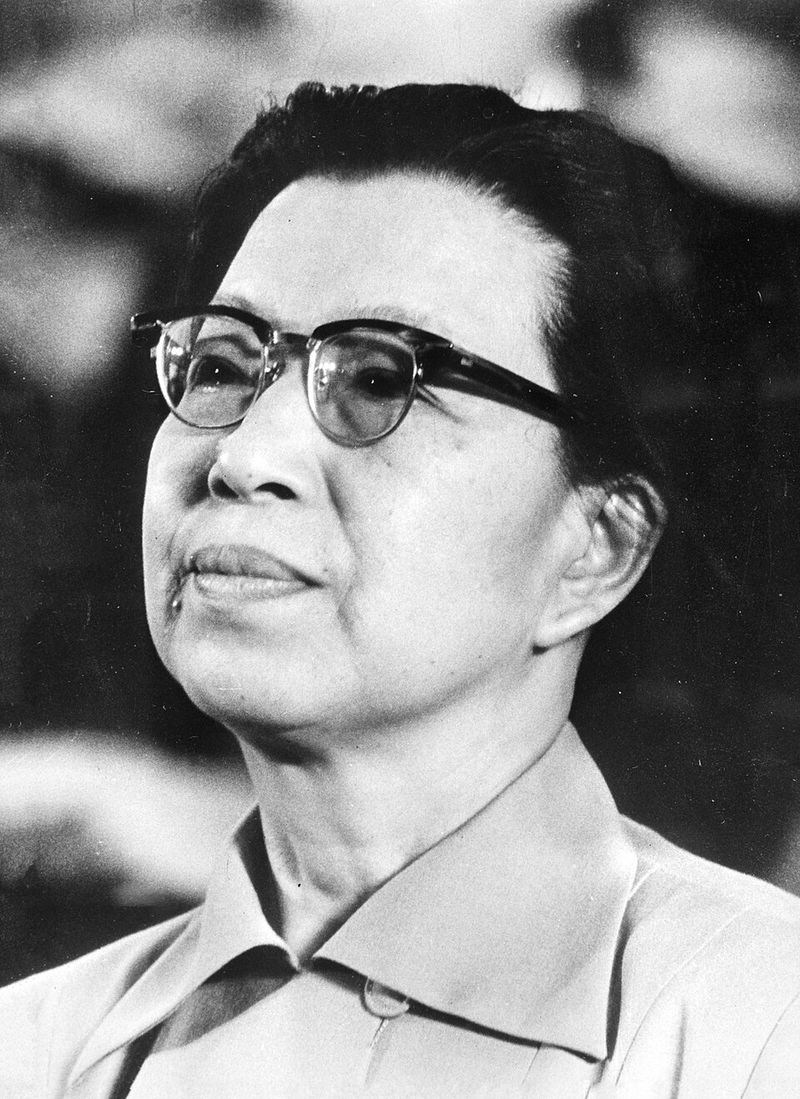
Jiang Qing spent years pursuing an acting career in Shanghai before her life took a dramatic turn through marriage. In 1938, she married Mao Zedong, the leader of China’s Communist movement, a union that would eventually place her at the center of one of the twentieth century’s most powerful governments.
For many years, Jiang remained largely in the background while Mao consolidated power after the Communist victory in 1949. However, her influence expanded dramatically during the Cultural Revolution, which began in 1966.
Mao entrusted Jiang with overseeing large parts of China’s cultural and ideological campaigns. She helped shape what books, films, plays, and artistic works were permitted, giving her extraordinary authority over Chinese public life.
By the early 1970s, she was widely regarded as one of the most powerful women in the country. Her political fortunes, however, were tied closely to her husband’s.
Following Mao’s death in 1976, Jiang was arrested as a member of the so-called Gang of Four and blamed for many of the Cultural Revolution’s excesses.
6. Eva Perón
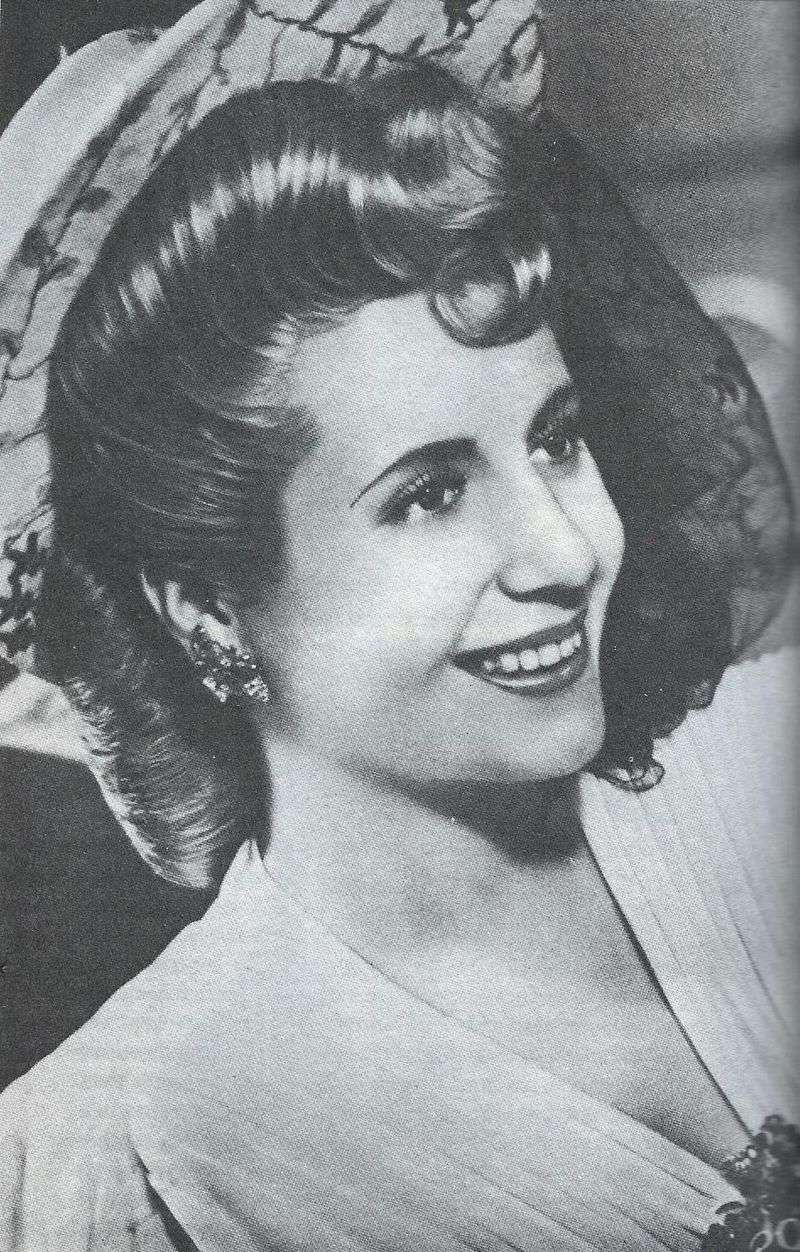
Eva Duarte was a struggling actress and radio performer in Argentina when she met Colonel Juan Perón at a charity event in 1944. At the time, Perón was a rising political figure, but neither could have predicted how dramatically their marriage would reshape both of their lives and the future of Argentina.
The couple married in 1945, just as Perón was building the political movement that would soon carry him to the presidency. Eva quickly became far more than a traditional political spouse.
She traveled the country, spoke directly to workers, championed labor rights, and became one of the most beloved public figures in Argentina.
Her influence was so significant that many supporters viewed her as a co-leader of the Peronist movement. Through the Eva Perón Foundation, she distributed aid on a massive scale and helped secure voting rights for Argentine women in 1947.
By the time of her death from cancer in 1952 at just 33 years old, Eva had risen from poverty to become one of the most powerful women in the Western Hemisphere. One marriage transformed her from an aspiring actress into a national icon whose legacy continues to shape Argentine politics decades later.
7. Jacqueline Kennedy Onassis
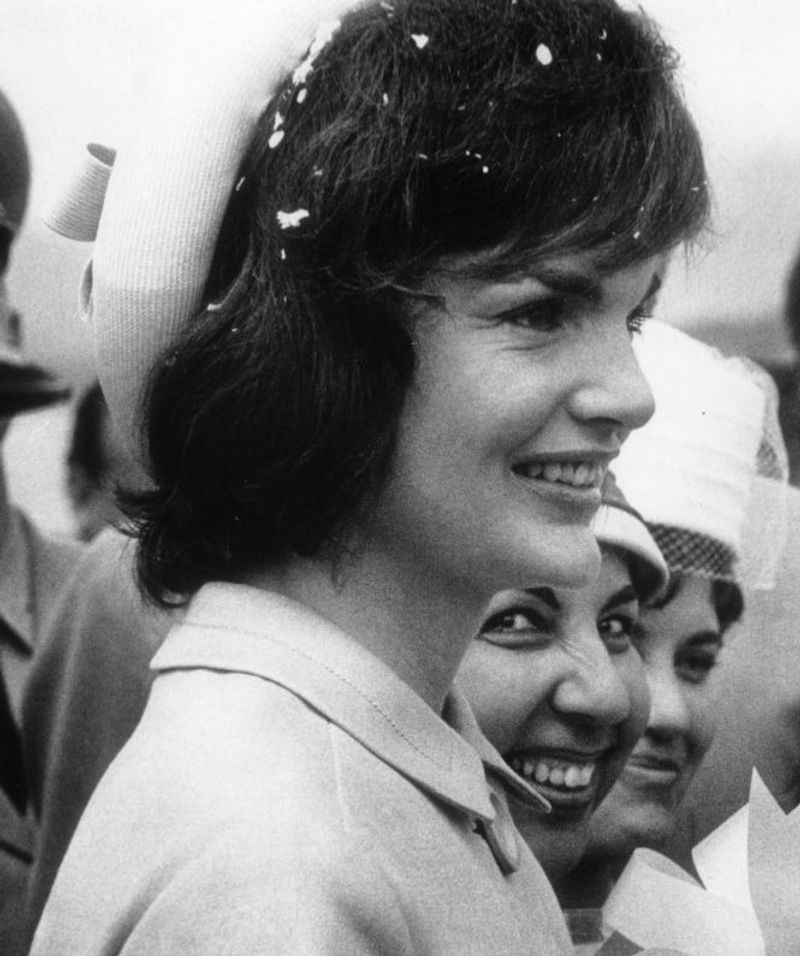
Already one of the most recognized women on the planet after serving as First Lady of the United States from 1961 to 1963, Jacqueline Kennedy made a surprising and widely debated decision in October 1968. She married Aristotle Onassis, a Greek shipping magnate worth an estimated 500 million dollars at the time.
The marriage drew sharp criticism from the American public, which had placed her on something of a national pedestal following President Kennedy’s passing. However, the union provided Jacqueline with financial independence on a scale that few individuals in history have ever achieved, along with access to private islands, a personal yacht, and properties across multiple continents.
Onassis passed away in 1975, and Jacqueline inherited a portion of his estate following a legal settlement with his daughter Christina. She later built a respected second career as a book editor at Doubleday in New York.
Her 1968 marriage fundamentally changed her financial circumstances, her public identity, and her relationship with American celebrity culture in ways that persisted for the rest of her life.
8. George Villiers
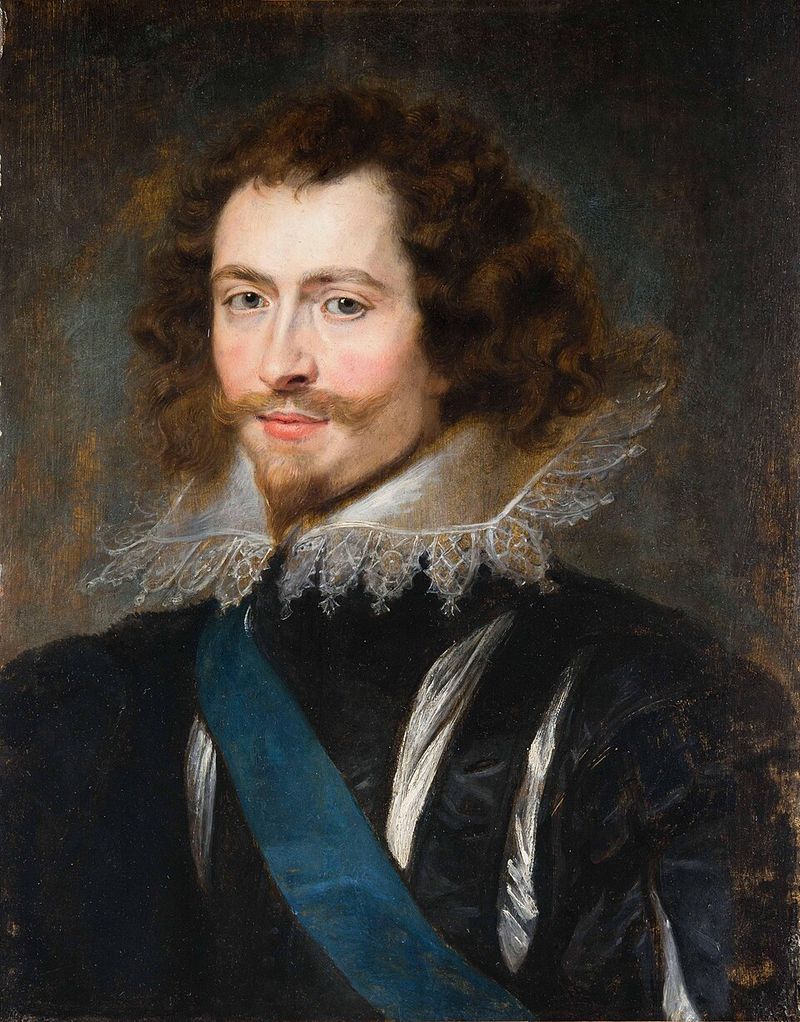
George Villiers came from minor Leicestershire gentry with limited prospects in an era when birth and title determined almost everything. His rise began when he caught the attention of King James I around 1614, and royal favor rapidly propelled him through the ranks of English nobility.
His marriage to Lady Katherine Manners in 1620 was a carefully calculated move. Katherine was the daughter of the Earl of Rutland, one of England’s most established noble families, and the match gave Villiers roots in the traditional aristocracy that his rapid court ascent had not yet provided.
By the time of his marriage, Villiers had already been made Duke of Buckingham, the highest non-royal title in England. However, the Katherine Manners connection legitimized his position among older noble families who viewed his rise with skepticism.
He went on to serve as the most powerful political figure in England under both James I and Charles I, controlling foreign policy and military appointments until his removal from public life in 1628.
9. Cosimo I de’ Medici
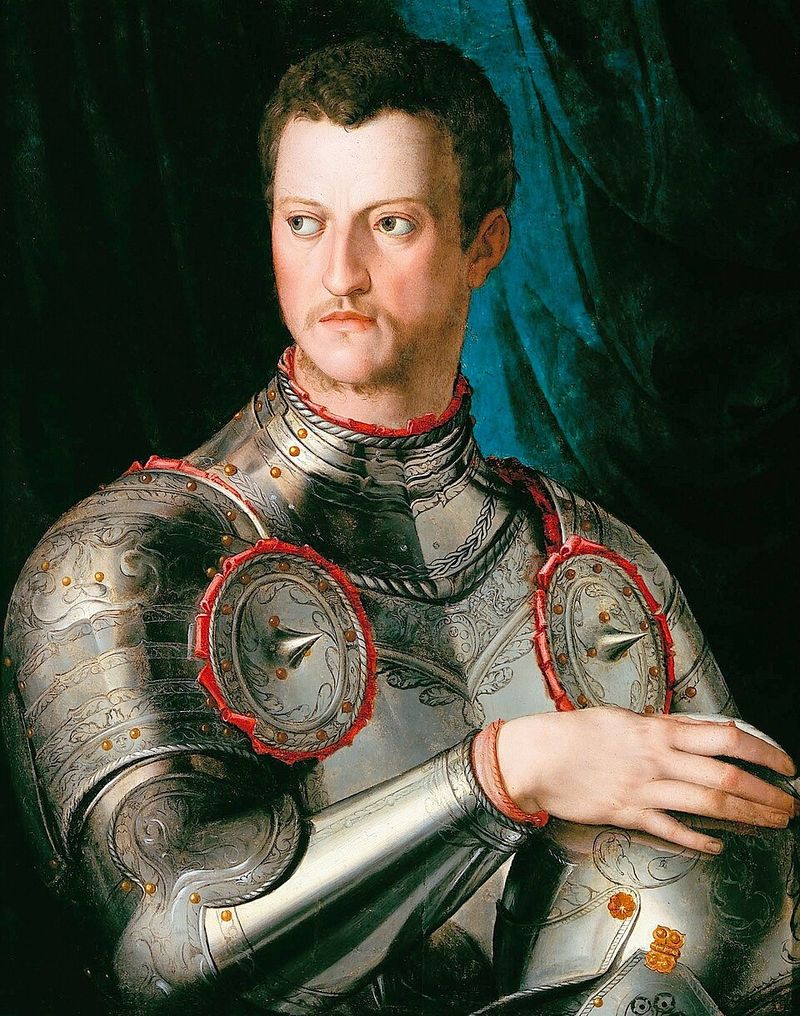
When Cosimo I de’ Medici became Duke of Florence in 1537 at just 17 years old, his political position was far from secure. The Medici family had powerful enemies, and Florence’s relationship with the dominant Habsburg empire was a constant source of tension and vulnerability.
His marriage to Eleonora of Toledo in 1539 was a strategically brilliant solution to multiple problems at once. Eleonora was the daughter of Pedro Alvarez de Toledo, the Spanish Viceroy of Naples and one of the most powerful representatives of Habsburg authority in Italy.
The match signaled to Charles V, Holy Roman Emperor, that Florence was firmly aligned with Spanish interests.
The union brought substantial financial resources, which Eleonora used to purchase the Pitti Palace in 1549, expanding Medici real estate holdings significantly. The marriage also produced eleven children, ensuring dynastic continuity.
Through one wedding, Cosimo secured foreign protection, internal legitimacy, and the financial foundation needed to transform Florence into the Grand Duchy of Tuscany by 1569.
10. Nur Jahan
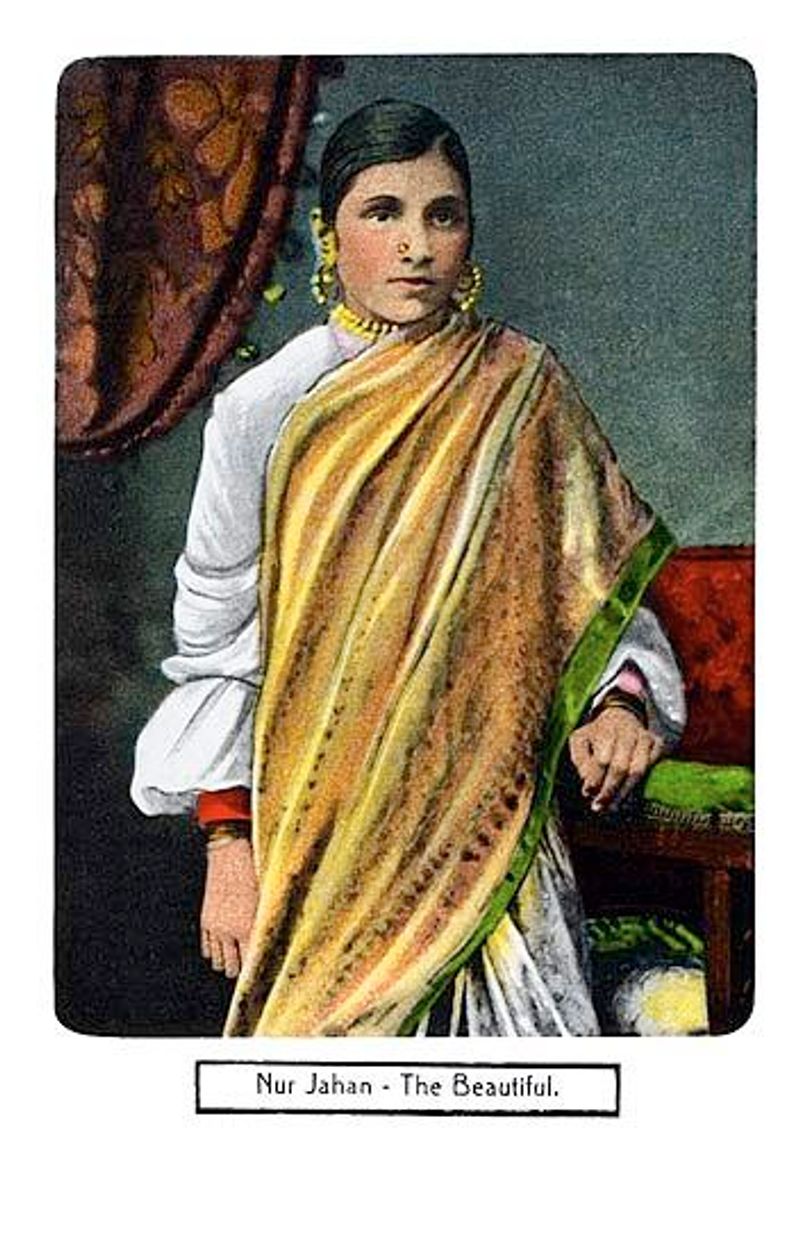
Born Mehr-un-Nissa in 1577 to a Persian immigrant family that had fled financial hardship to seek fortune at the Mughal court, her path to power was neither obvious nor guaranteed. Her father Mirza Ghias Beg rose through the Mughal bureaucracy to become a respected official, which gave his daughter access to court life.
Her first marriage to a Mughal military officer ended when he was executed for participating in a rebellion. For several years she lived as a widow at court.
Then, in 1611, Emperor Jahangir met her and was captivated. Their marriage elevated her to the position of Empress and gave her an unprecedented level of formal authority.
Nur Jahan issued imperial orders, appeared on coinage alongside Jahangir, negotiated with foreign dignitaries, and managed significant portions of imperial administration. Historians estimate she exercised more direct political power than almost any other woman in Mughal history.
Her marriage transformed her from the daughter of a Persian refugee into the effective co-ruler of one of the world’s largest empires.
11. John of Gaunt
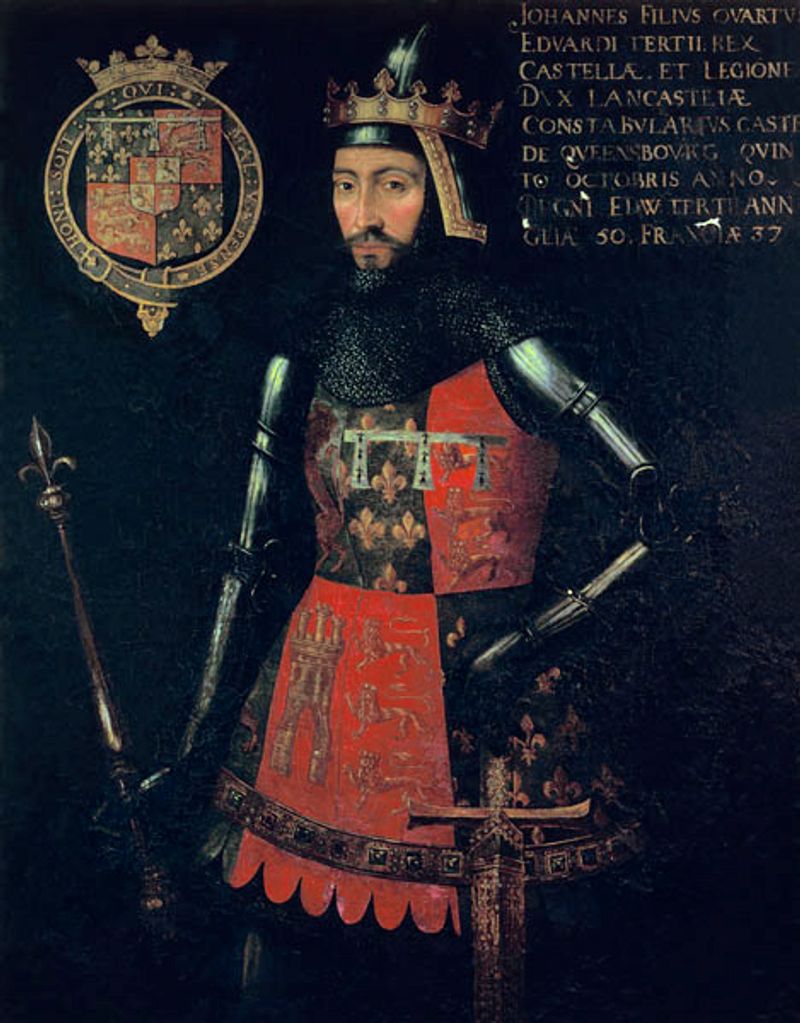
As the fourth son of King Edward III, John of Gaunt held a respectable but not extraordinary position in English royal hierarchy. Fourth sons did not typically inherit thrones, and without significant land or income, royal birth alone could not sustain the kind of power he clearly desired.
His marriage to Blanche of Lancaster in 1359 changed the calculation entirely. Blanche was co-heir to the vast Lancaster estates, one of the largest accumulations of private land and income in all of England.
When her father and sister passed away, John inherited the entire Lancaster inheritance, making him one of the wealthiest individuals in the kingdom.
The wealth funded a private army, extensive patronage networks, and political ambitions that reached as far as the throne of Castile in Spain, which he claimed through a later marriage. John of Gaunt became the dominant political figure in England during the troubled reign of his nephew Richard II.
His son Henry Bolingbroke eventually seized the throne as Henry IV, founding the House of Lancaster.
12. Bess of Hardwick
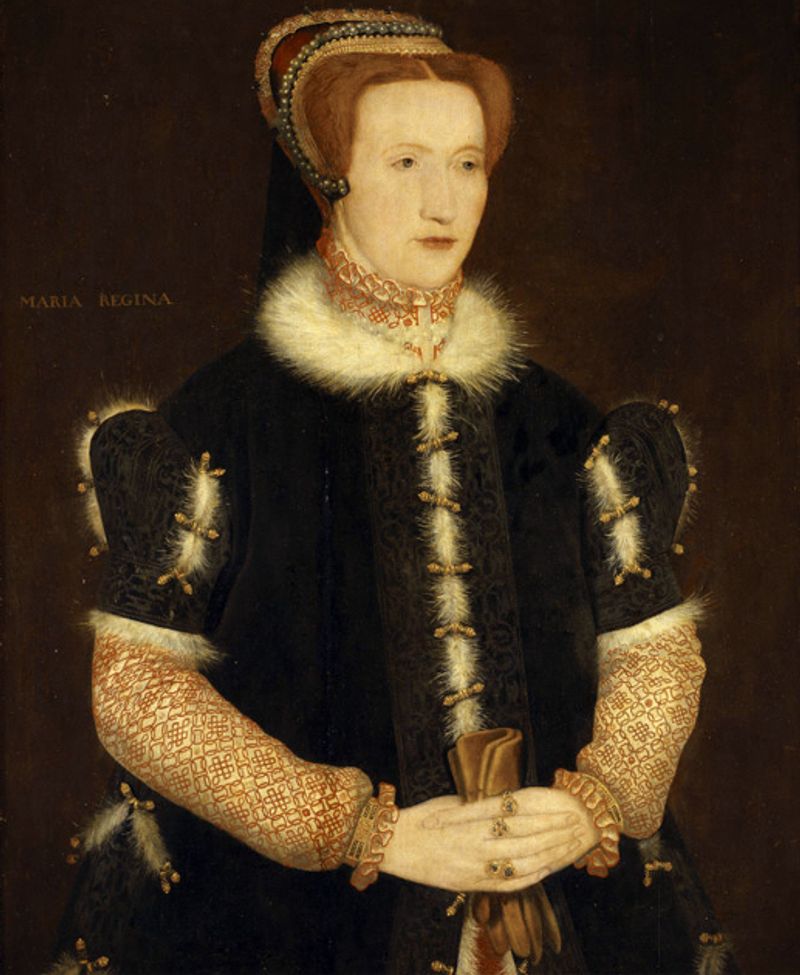
Starting life in the minor gentry of Derbyshire in the 1520s, Elizabeth Talbot, known universally as Bess of Hardwick, turned four marriages into one of the most remarkable social and financial ascents in English history. Each husband she outlived left her wealthier and more influential than before.
Her first marriage at around age 12 was to a sickly neighbor who passed away quickly. Her second, to Sir William Cavendish in 1547, was far more significant.
Cavendish was a wealthy royal official, and together they purchased Chatsworth House in Derbyshire, establishing the family estate that still stands today.
Her fourth and final marriage to George Talbot, Earl of Shrewsbury, in 1568 made her a countess and placed her at the very top of Elizabethan society. At one point, she was considered the second wealthiest woman in England after Queen Elizabeth I herself.
13. Marcus Vipsanius Agrippa
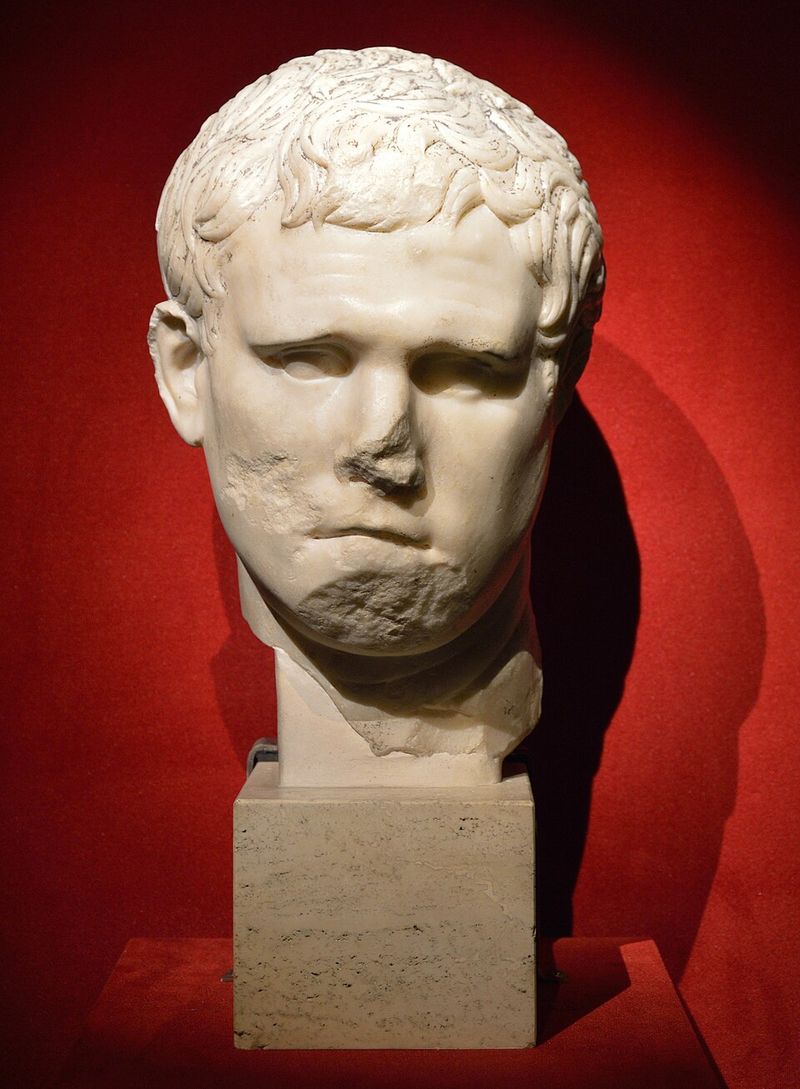
Marcus Vipsanius Agrippa was born into an obscure family with no senatorial rank, which in the Roman Republic meant a ceiling on how far ambition alone could carry a man. His exceptional military talent brought him close to Octavian, the future Emperor Augustus, and he played a decisive role in the naval victory at the Battle of Actium in 31 BC.
Agrippa served Augustus as his most trusted general, engineer, and administrator for decades. He built Rome’s infrastructure including aqueducts, roads, and the original Pantheon structure.
But it was his marriage to Julia, Augustus’s only daughter, in 21 BC that formally secured his place within the imperial family.
The union produced five children, including Gaius and Lucius Caesar, whom Augustus adopted as his own heirs. Agrippa became not just a trusted ally but a member of the ruling dynasty itself, positioned as a likely successor had he outlived Augustus.
Share this story