Some birds are so extraordinary that dedicated birdwatchers will book flights, pack gear, and cross entire continents just for a single glimpse. We are talking about species so rare, so visually stunning, or so biologically bizarre that spotting one feels like winning a lottery you did not even know you entered.
From flightless parrots on protected New Zealand islands to prehistoric-looking giants in African swamps, these birds represent the pinnacle of a birder’s wish list. A few have clawed their way back from near-extinction through heroic conservation programs, while others cling to survival in shrinking habitats.
What unites them all is the magnetic pull they exert on anyone with a pair of binoculars and a passport. Whether you are a lifelong birder or a curious newcomer, these 13 species prove that the natural world still holds wonders worth chasing.
Read on to discover which birds are worth crossing an ocean for.
1. Kakapo (New Zealand)
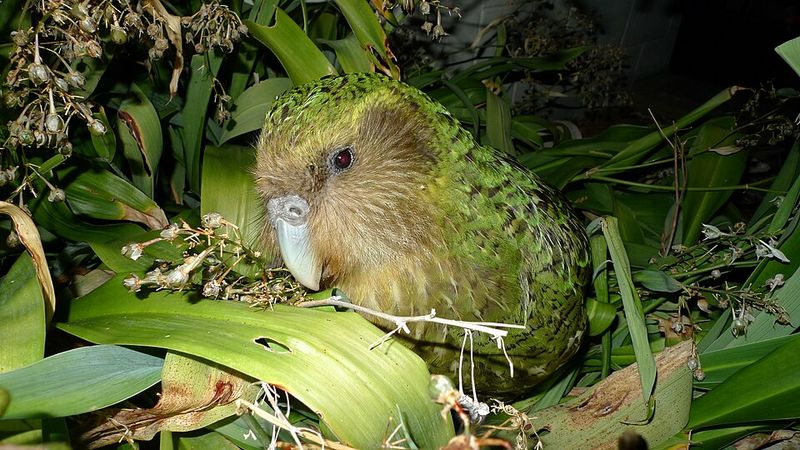
Imagine a parrot that decided wings were overrated and simply gave up flying altogether. The kakapo is exactly that bird, a plump, nocturnal, flightless parrot native to New Zealand that can weigh up to nine pounds, making it the heaviest parrot on Earth.
Its round, owl-like face and slow, lumbering gait give it a personality unlike any other bird species on the planet. Once found across New Zealand’s mainland, introduced predators like rats, stoats, and cats devastated the population over centuries.
Today, fewer than 300 kakapos exist, all living on carefully managed, predator-free offshore islands. Public access to these islands is strictly controlled, meaning most birdwatchers never get the chance to see one in person.
For those lucky enough to participate in official conservation programs or research visits, encountering a kakapo ranks among the most memorable wildlife experiences on Earth. The species has its own dedicated recovery team working tirelessly year-round.
2. Shoebill (Uganda and South Sudan)
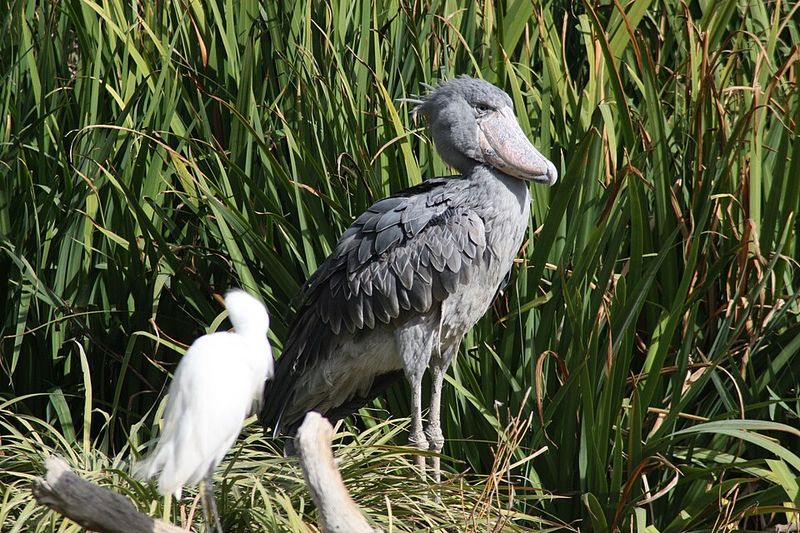
Prehistoric is the first word that comes to mind when you come face to face with a shoebill. Standing nearly five feet tall with a bill the size of a Dutch clog, this bird looks like it wandered off the set of a dinosaur documentary.
The shoebill inhabits the vast papyrus swamps of Uganda and South Sudan, where it hunts fish with a patience that would humble most anglers. It can stand completely motionless for hours before lunging with terrifying speed.
Uganda’s Murchison Falls National Park and the Mabamba Swamp near Kampala are among the top destinations for birders hoping to spot one. Local guides navigate narrow papyrus channels by canoe, which adds a genuine sense of adventure to the search.
The global population is estimated at fewer than 5,000 individuals, and habitat loss continues to threaten their numbers. Seeing one remains a bucket-list achievement for serious birdwatchers worldwide.
3. Philippine Eagle (Philippines)
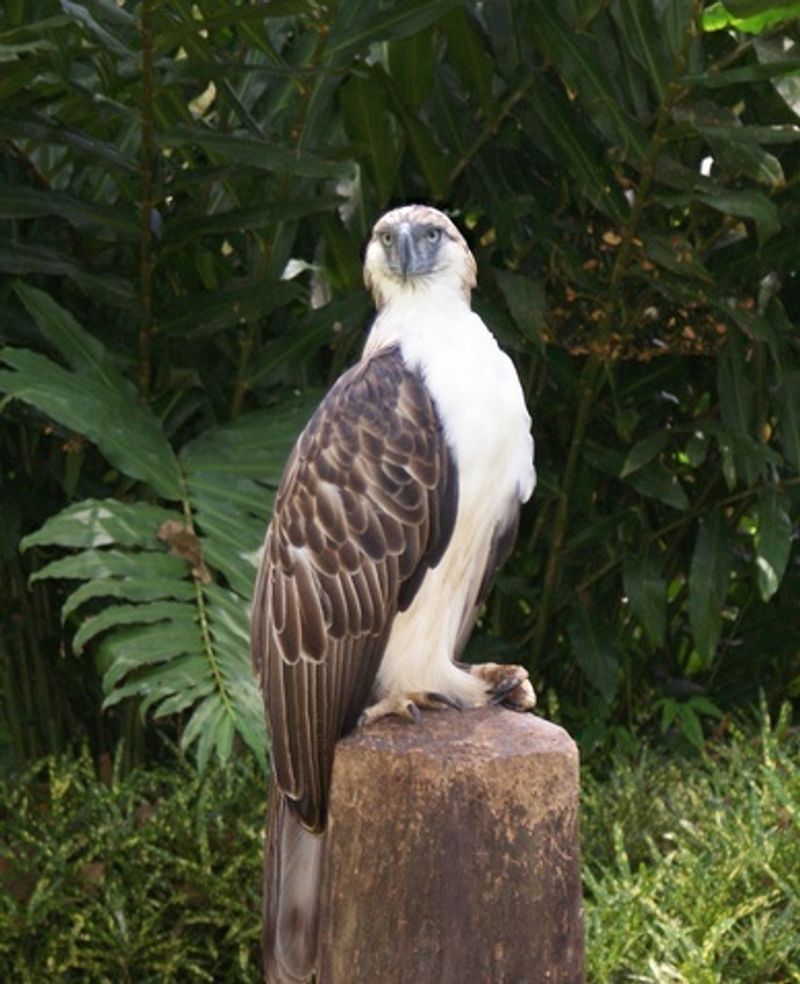
Only a few hundred of these birds remain on Earth, yet the Philippine eagle carries itself with the authority of a creature that does not know it is endangered. It is the national bird of the Philippines and one of the largest, most powerful eagles anywhere on the planet.
A wingspan reaching over seven feet and a dramatic mane of brown and white feathers around its face make it instantly recognizable. It hunts flying lemurs, large bats, and even small deer in the old-growth forests of Mindanao and Luzon.
Deforestation has reduced its habitat to fragmented patches, pushing breeding pairs into increasingly isolated territories. Researchers estimate fewer than 800 individuals survive in the wild today.
Birding tours into the remote forests of Mindanao offer the best, though never guaranteed, chances of a sighting. The Philippine Eagle Center in Davao also maintains a conservation breeding program that visitors can tour year-round.
4. Resplendent Quetzal (Central America)
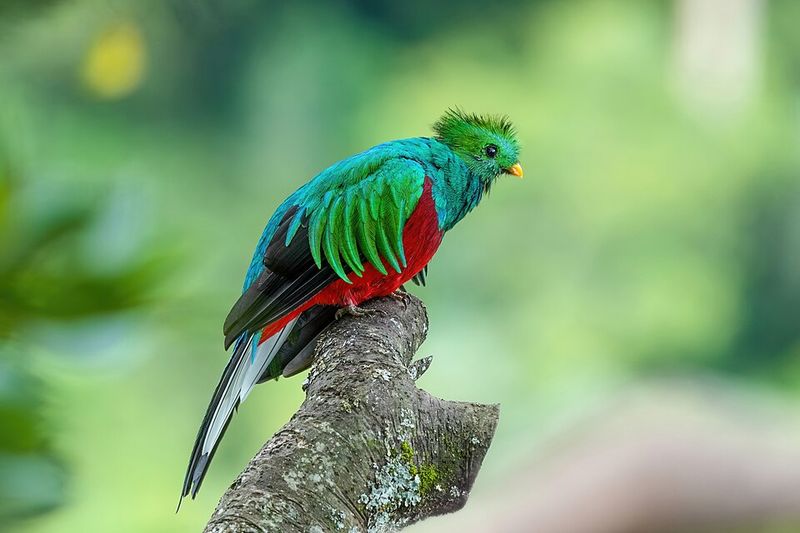
Ancient Mayan and Aztec civilizations considered this bird so sacred that harming one was punishable by death, and honestly, once you see a resplendent quetzal in person, that reaction starts to make complete sense.
The male’s tail feathers can grow up to three feet long, and its iridescent green and red plumage catches light in ways that make even experienced photographers question whether their camera settings are correct.
Cloud forests in Costa Rica and Guatemala provide the best opportunities to find this species, particularly during the March to June nesting season. Birders typically hike early in the morning to montane forest trails where quetzals feed on wild avocados.
The Monteverde Cloud Forest Reserve in Costa Rica and the Sierra de los Cuchumatanes in Guatemala are consistently rated among the top quetzal-watching destinations. Because the species is sensitive to habitat disturbance, responsible ecotourism practices are strongly encouraged by local guides.
5. California Condor (United States)
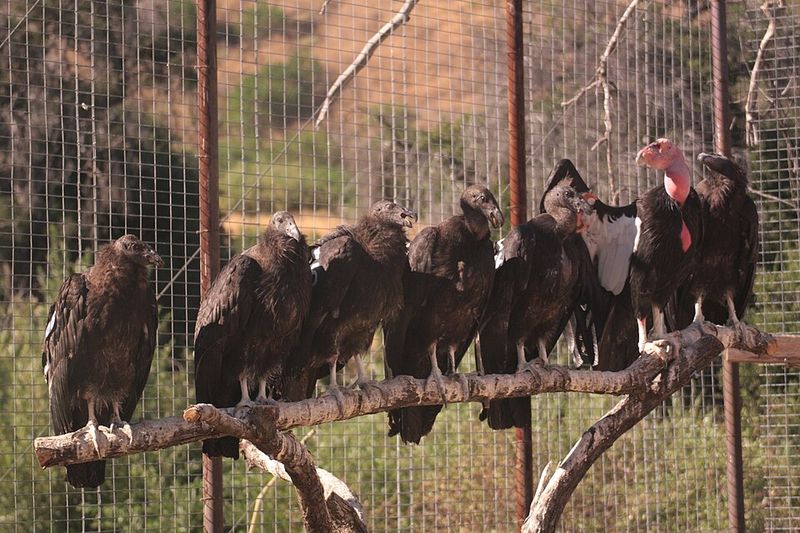
By 1987, every single California condor on Earth had been captured and placed in a zoo, because the alternative was watching the species vanish entirely. That dramatic last-ditch conservation effort is now considered one of wildlife biology’s great success stories.
Captive breeding programs at the San Diego Zoo and Los Angeles Zoo gradually rebuilt the population, and wild reintroductions began in 1992. Today, over 500 condors exist, with more than 300 flying free across California, Arizona, Utah, and Baja California.
With a wingspan approaching ten feet, these birds are unmistakable in flight. The Grand Canyon’s South Rim is one of the most reliable places to spot them soaring on thermal currents above the canyon walls.
Each condor is individually tagged and monitored by biologists, so sightings often come with the bonus of knowing exactly which bird you are watching. North American birders treat a condor sighting as one of the continent’s ultimate wildlife experiences.
6. Wilson’s Bird-of-Paradise (Indonesia)
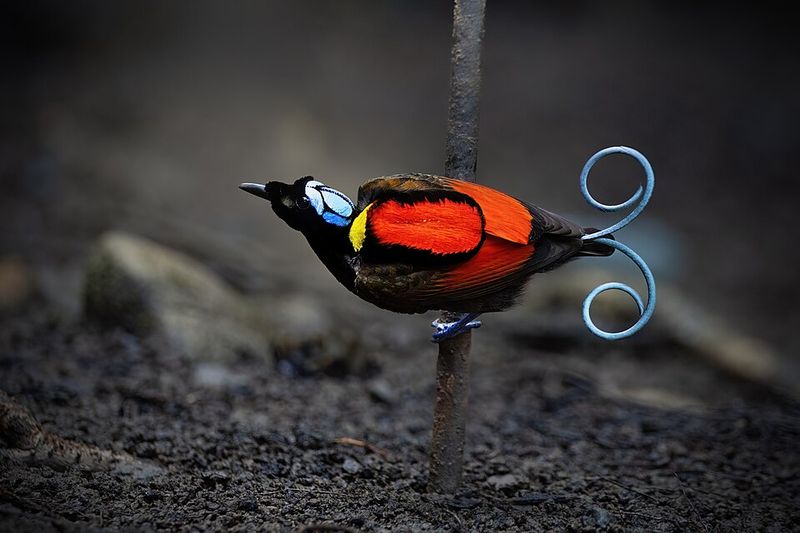
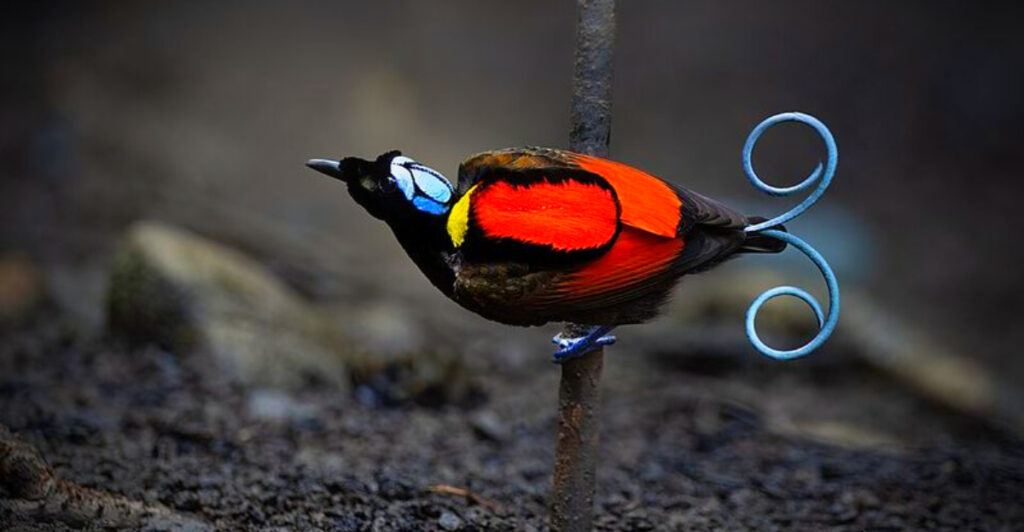
No other bird on Earth wears a color palette quite like Wilson’s bird-of-paradise, a species so visually outrageous that naturalists who first described it struggled to convince colleagues back home that the specimens were real.
Found only on the tiny islands of Batanta and Waigeo in West Papua, Indonesia, this small bird combines a crimson back, electric blue crown, and curled violet tail wires into one jaw-dropping display. Males meticulously clear patches of forest floor, removing leaves and debris to create a clean stage for their courtship dances.
Reaching the bird’s habitat is genuinely challenging, requiring flights to remote Indonesian airports followed by boat journeys and forest treks. Most serious birdwatchers hire local guides from the Papuan community, who know exactly where individual displaying males can be found.
The effort required to see Wilson’s bird-of-paradise is part of what makes the encounter so prized. Very few birdwatchers in the world can say they have witnessed this display firsthand.
7. Harpy Eagle (Central and South America)
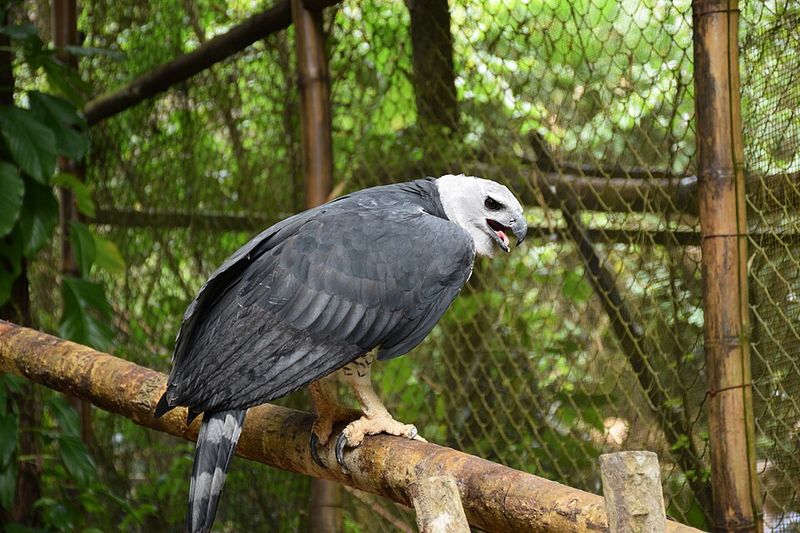
The harpy eagle has talons the size of a grizzly bear’s claws, and it uses them to pluck monkeys and sloths directly out of the forest canopy with alarming efficiency. This is not a bird you want to be small around.
Found across lowland tropical forests from southern Mexico through the Amazon Basin, the harpy eagle is widely considered the most powerful raptor in the world. Despite its impressive range on paper, it occurs at very low densities because each breeding pair requires a vast territory.
Panama, Ecuador, and Brazil are the top destinations for birders chasing this species. Soberania National Park in Panama and the Yasuni National Park in Ecuador have produced consistent sightings for guided birding groups.
Spotting a harpy eagle perched near its nest is the gold standard sighting, and local guides who monitor known nest sites give visitors the best odds. The bird’s sheer physical presence makes every photograph taken of it look almost unbelievably dramatic.
8. Spoon-billed Sandpiper (Russia and Southeast Asia)
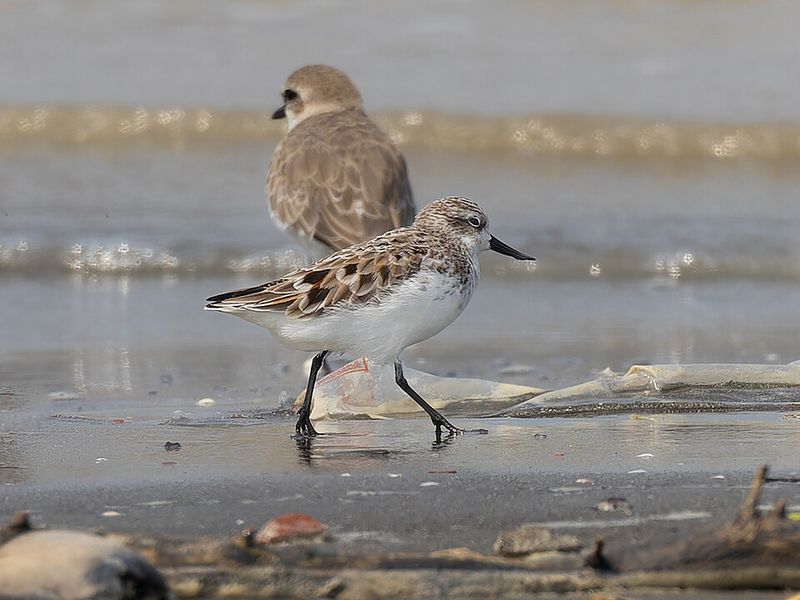
At first glance, the spoon-billed sandpiper looks like a regular small shorebird, until you notice the bill, which ends in a flattened, spatula-shaped tip that appears almost cartoonishly impractical yet works perfectly for sweeping through shallow mudflats to find food.
This critically endangered species breeds on the remote Chukotka Peninsula in Russia and migrates through China and South Korea before wintering on the mudflats of Thailand and Myanmar. The entire global breeding population is estimated at just 300 to 600 individuals.
Habitat destruction along its migration route has been devastating, with key staging sites drained for aquaculture and coastal development. International conservation groups now run captive breeding programs in the United Kingdom and Russia to bolster wild numbers.
For birdwatchers, adding the spoon-billed sandpiper to their list requires timing a visit to key wintering sites in the Gulf of Martaban in Myanmar or Pak Thale in Thailand. Spotting one among thousands of similar-looking sandpipers is a genuine test of skill.
9. Orange-bellied Parrot (Australia)
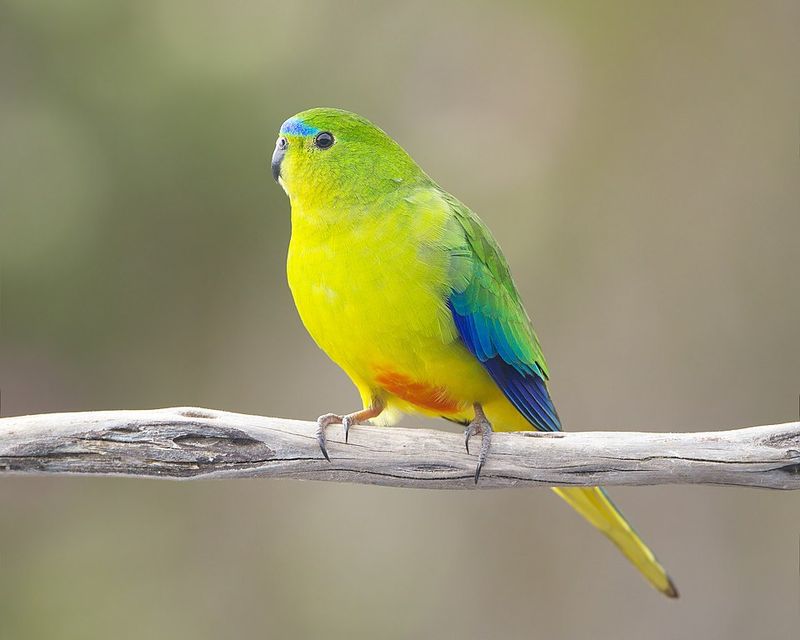
Australia has no shortage of colorful parrots, but the orange-bellied parrot stands apart not just for its looks but for the razor-thin margin by which it continues to exist. At one point, fewer than 50 individuals survived in the wild.
Every year, the entire wild population migrates from its breeding grounds in southwest Tasmania across the Bass Strait to winter on the coastal saltmarshes of Victoria and South Australia. That crossing alone is a remarkable feat for a bird weighing barely two ounces.
Captive breeding programs have helped stabilize numbers, and the current wild population hovers around 50 to 100 birds, supplemented by captive-raised individuals released each year. Migration monitoring sites near Werribee in Victoria attract dedicated birders during the autumn arrival period.
Spotting an orange-bellied parrot requires patience, timing, and often the help of expert local guides who track banded individuals. Among Australian birders, a confirmed sighting of this species carries enormous prestige.
10. Blue-crowned Laughingthrush (China)
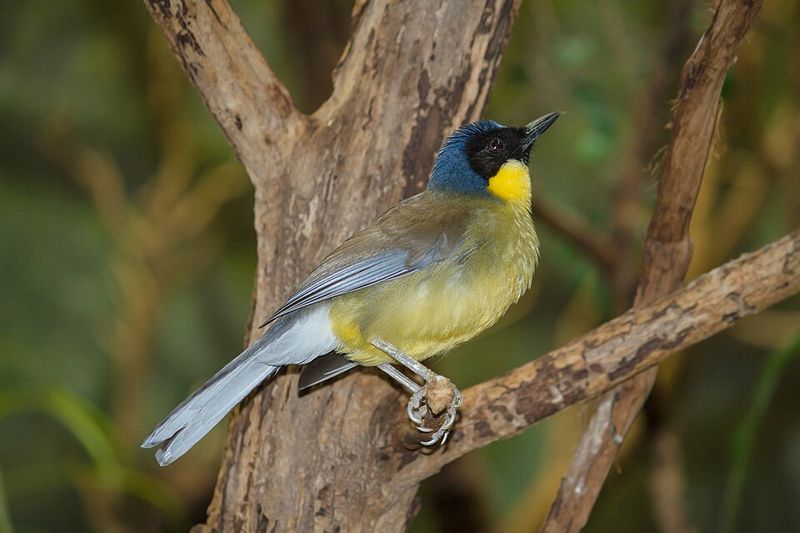
For a period, ornithologists genuinely feared the blue-crowned laughingthrush had vanished from the wild entirely, known only from cage birds traded in Chinese markets with no verified wild population recorded for decades.
Then, small groups were rediscovered in Wuyuan County in Jiangxi Province, eastern China, sending ripples of excitement through the global birdwatching community. The species is still listed as critically endangered, with the wild population estimated at fewer than 250 mature individuals.
Its striking appearance, a warm orange-brown body topped with a vivid blue crown, makes it visually unmistakable once encountered. The challenge is actually getting that encounter, since the birds are wary, move quickly through dense vegetation, and occupy a very limited geographic range.
Conservation efforts in Wuyuan now include habitat protection and community engagement programs. Birding tours to Jiangxi Province have grown steadily, with the laughingthrush serving as the primary draw for international visitors willing to make the journey.
11. Steller’s Sea Eagle (Russia and Japan)
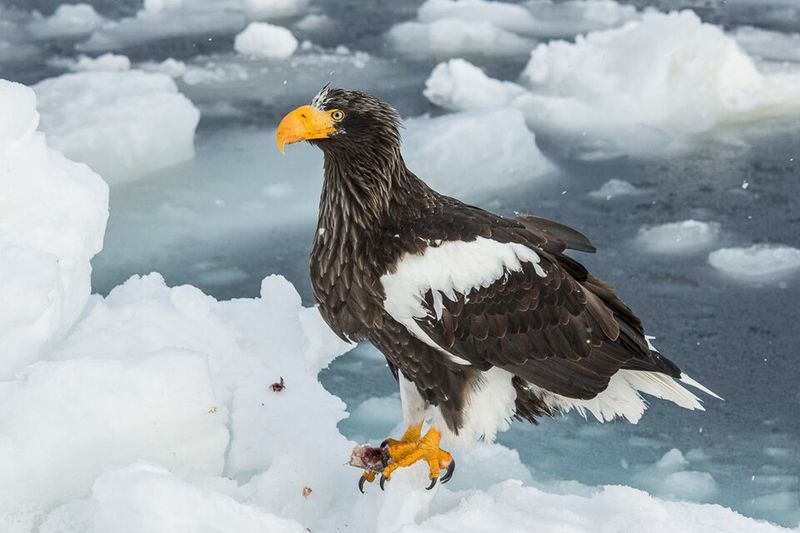
Weighing up to 20 pounds with a wingspan pushing eight feet, Steller’s sea eagle is built on a scale that makes other large birds look like they skipped gym class. It is arguably the heaviest eagle on Earth, and it knows how to use that bulk.
Breeding along the coastlines of Russia’s Kamchatka Peninsula and the Sea of Okhotsk, these eagles migrate south each winter to the rivers and coastal areas of Hokkaido, Japan’s northernmost island.
Hokkaido’s Rausu and Shiretoko Peninsula become pilgrimage sites for birdwatchers and photographers from January through March, when dozens of Steller’s sea eagles gather to feed on fish along the semi-frozen coastlines. Boat tours operate specifically to give observers close views of these birds.
The global population is estimated at fewer than 4,000 individuals, and the species faces ongoing threats from lead poisoning caused by ingesting shot prey. Conservation campaigns in Japan focus heavily on promoting the use of non-lead ammunition among hunters.
12. Golden-cheeked Warbler (United States)
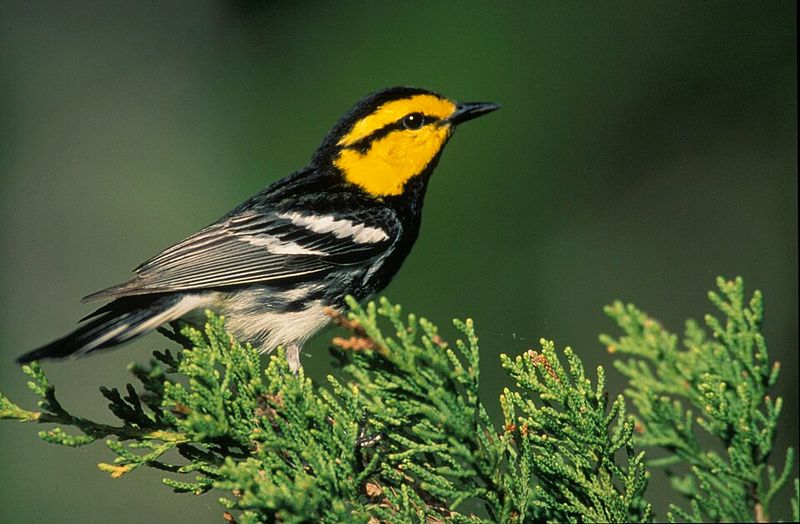
Every single golden-cheeked warbler on Earth hatches in one specific part of the world, the juniper and oak woodlands of central Texas, making it the only bird species with a breeding range entirely confined to the state of Texas.
The male’s bold pattern of black and yellow on its face makes it a genuinely striking bird for its small size, and its buzzy, ascending song carries clearly through the Hill Country cedar breaks where it nests each spring.
Birders from across North America converge on the Balcones Canyonlands National Wildlife Refuge and Pedernales Falls State Park during April and May to catch breeding season activity. The species winters in the pine-oak forests of Mexico and Central America, where its habitat faces separate pressures.
Habitat loss through cedar clearing and urban expansion in Texas has reduced available nesting territory significantly. The species remains listed as endangered under the U.S.
Endangered Species Act, adding weight to every confirmed sighting a birder records.
13. Helmeted Hornbill (Southeast Asia)
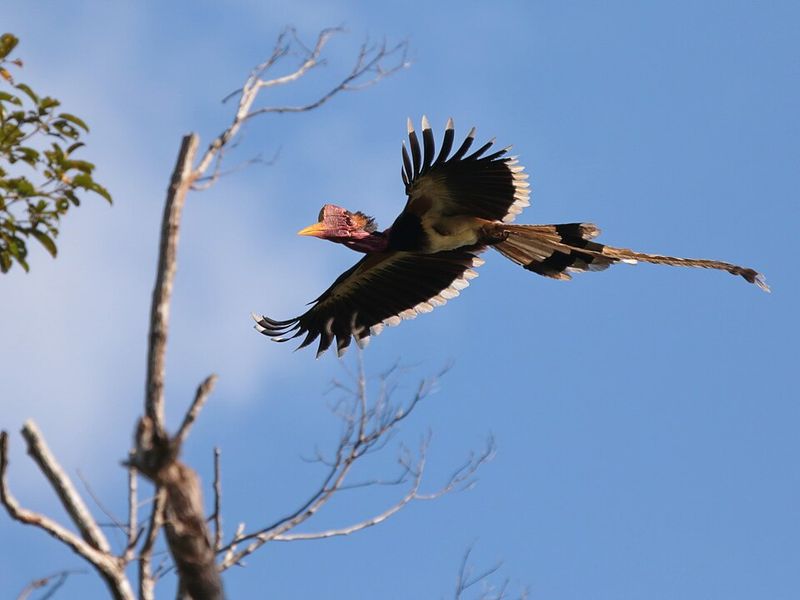
Unlike most hornbills, whose casques are hollow and lightweight, the helmeted hornbill’s casque is solid ivory, making up nearly ten percent of the bird’s total body weight and giving it a head-to-body proportion that looks almost structurally questionable.
That solid casque has tragically made the helmeted hornbill a prime target for poachers, as it can be carved like elephant ivory and commands extremely high prices in illegal wildlife markets. The species is now critically endangered across its range in Borneo, Sumatra, Thailand, and the Malay Peninsula.
Males use their heavy casques in aerial jousting contests, crashing bill-first into rivals in mid-flight, a behavior so unusual that early naturalists had difficulty believing the reports. Their loud, distinctive calls carry far through the forest canopy and are often the first sign of the bird’s presence.
Birding expeditions into the forests of Borneo, particularly around Danum Valley in Sabah, Malaysia, offer the best current opportunities for a sighting. Conservation organizations are working urgently to reduce poaching pressure before populations decline further.
Share this story