Every third weekend of August, something extraordinary happens near the headwaters of the Mississippi River in northern Minnesota. Giant steam engines rumble back to life, antique sawmills start cutting lumber, and the smell of fresh-cut wood and homemade food fills the air.
I had no idea what to expect on my first visit, but what I found was a celebration of pioneer history that felt surprisingly alive, hands-on, and genuinely fun for every age. This is the kind of place where a kid can ride a small train, watch a blacksmith hammer hot metal, and build a birdhouse all before lunch.
The Lake Itasca Region Pioneer Farmers show is a working, breathing tribute to the people who built rural Minnesota, and once you see a 350-horsepower Corliss steam engine fire up a massive bandsaw, you will not want to leave.
The Story Behind the Show
Some events exist simply to entertain, but this one was built to remember. The Lake Itasca Region Pioneer Farmers organization was founded by a group of passionate volunteers who wanted to preserve the tools, techniques, and traditions of early Minnesota farm and logging life before they disappeared entirely.
The grounds at 16914 N Entrance Dr, Park Rapids, MN 56470, sit just north of Itasca State Park, making the location itself a piece of living Minnesota history. Volunteers have spent years constructing period-accurate buildings, relocating original equipment, and creating a campus that feels like a working pioneer settlement rather than a dusty exhibit hall.
What makes this organization special is that it is entirely community-driven. Families pass down membership like an heirloom, with grandparents bringing grandchildren year after year.
The whole operation runs on pride, hard work, and a shared belief that history is worth keeping loud and running.
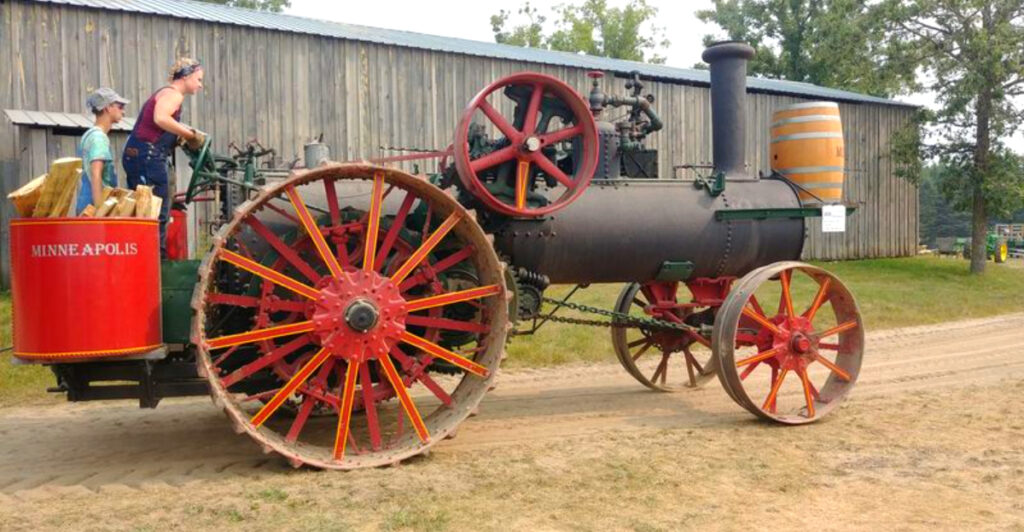
The Crown Jewel: The Corliss Steam Engine
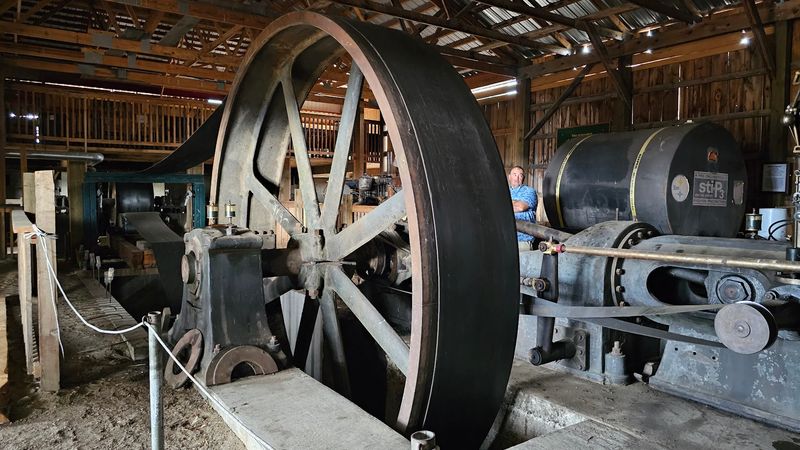
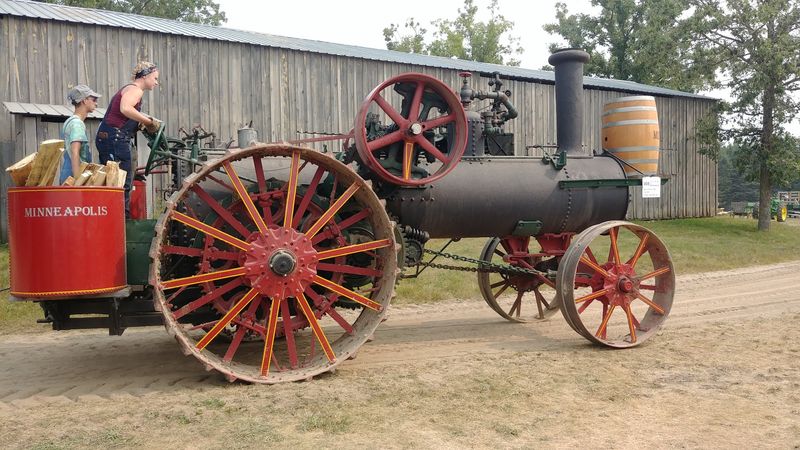
There is nothing quiet about a 350-horsepower Corliss steam engine, and that is exactly the point. When this giant piece of 19th-century engineering roars to life at the LIRPF show, you feel it in your chest before you even see it.
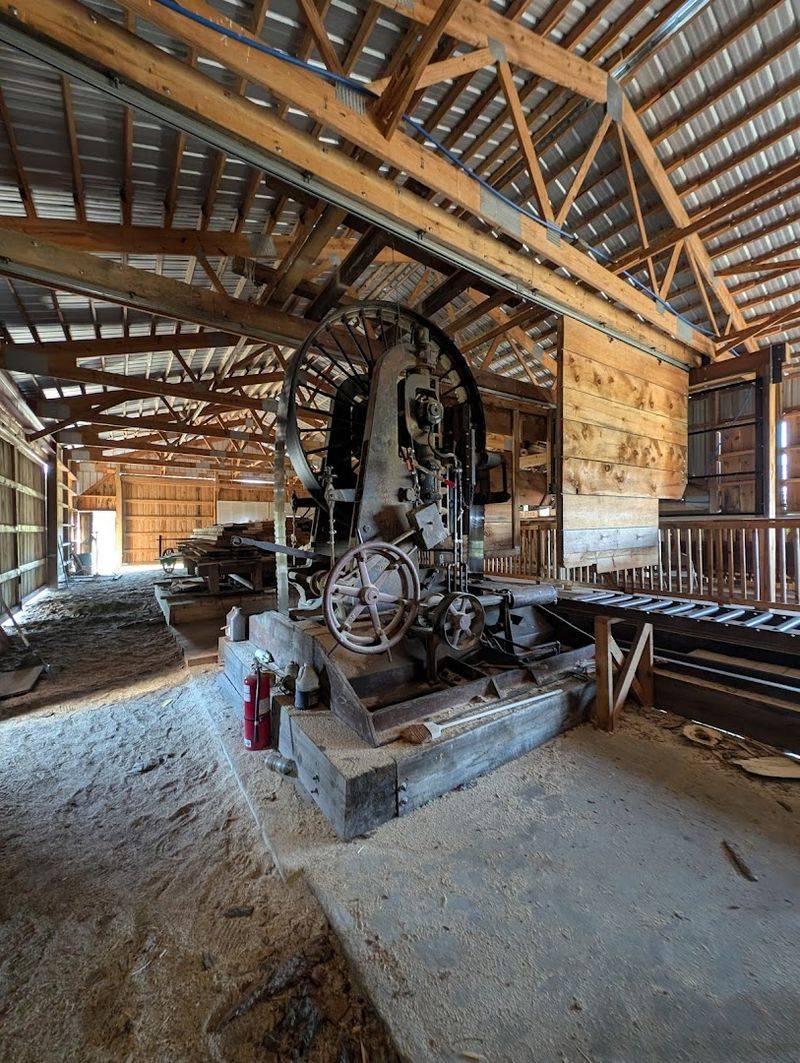
The Corliss is the mechanical heart of the sawmill operation on the grounds, and watching it power an 8-foot bandsaw through a massive log is genuinely jaw-dropping. The sheer scale of the machine, with its spinning flywheels and rhythmic pistons, makes it clear why steam power changed the world.
Volunteers who operate and maintain this engine know it inside and out, and they are more than happy to explain how it works while it is running. Watching their faces light up as they talk about it adds a whole extra layer to the experience.
This is not a static display, it is history in motion.
Sawmill Hill and the Logging Legacy
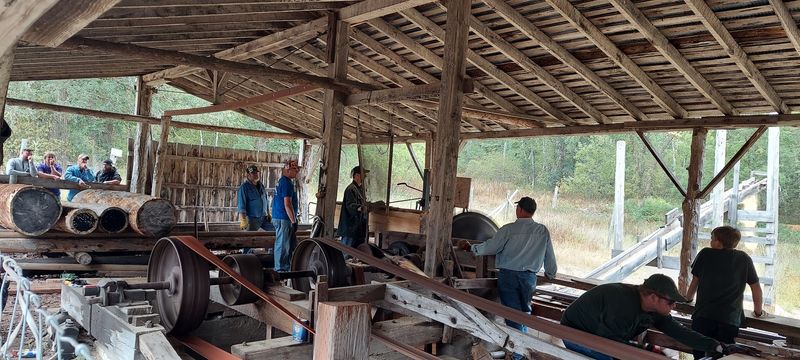
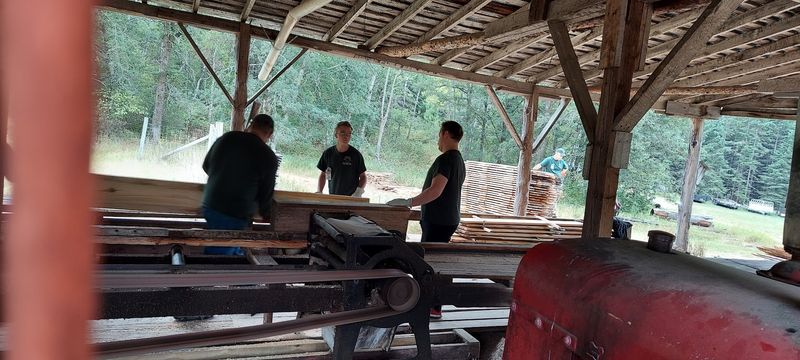
Logging shaped northern Minnesota more than almost any other industry, and Sawmill Hill at the LIRPF grounds tells that story in the most direct way possible: by actually cutting wood. The working sawmill demonstration is one of the most popular stops on the property, drawing crowds of all ages who want to see how timber was processed before modern machinery took over.
The smell of fresh sawdust is thick in the air, and the sound of the blade biting into a log carries across the entire fairground. It is loud, raw, and completely captivating in a way that no museum display could replicate.
The buildings surrounding the sawmill were carefully constructed and moved to this location by dedicated volunteers who wanted the full context of a working logging operation to be preserved. Walking through this area feels less like a tour and more like a time shift back to when timber was king in Minnesota.
Tractor Parades That Stop the Show
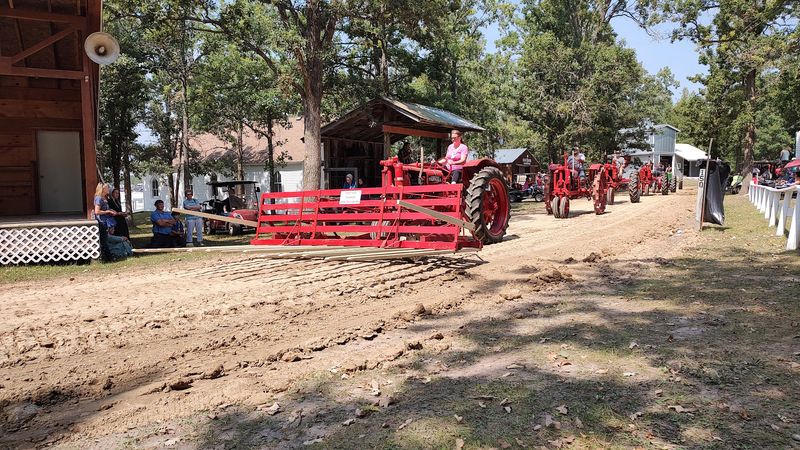
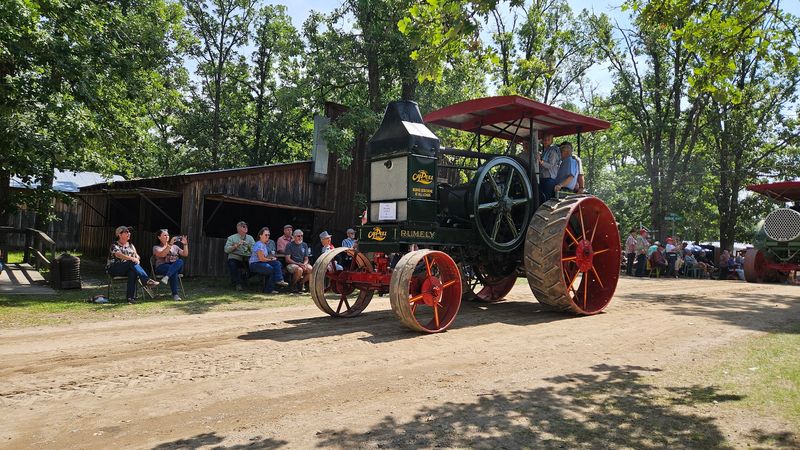
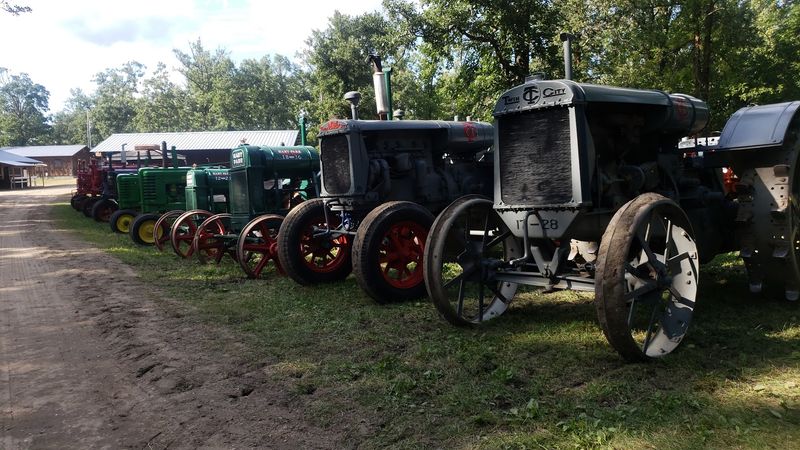
Few things at the LIRPF show generate as much pure joy as the tractor parade. Rows of beautifully maintained antique tractors roll across the grounds in a procession that feels part celebration, part rolling museum exhibit.
Some of these machines have been in the same family for generations, with uncles and grandparents driving the same tractor they showed decades ago. That generational pride is visible on every face behind the wheel.
One recent year saw more tractors in the parade than ever before, which says a lot about how the event keeps growing.
The variety is impressive, from early two-cylinder Deere models to Farmall reds and Oliver greens, each one polished and running strong. Spectators line up along the route, and kids press to the front to get a closer look.
For anyone who grew up around farm equipment, this parade is a moving, rumbling piece of personal history.
Kidz Place: Where Young Visitors Become Junior Pioneers
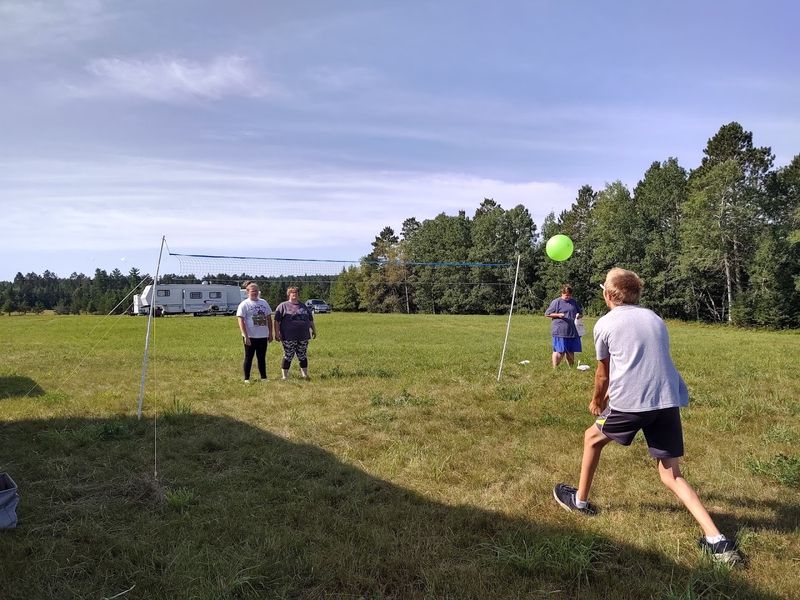
The LIRPF show has never been just for adults who remember when this equipment was new. Kidz Place is a dedicated activity zone designed to pull younger visitors into the pioneer experience through hands-on projects they can actually take home.
Kids can try their hand at birdhouse building, rope making, and other crafts that connect directly to the skills pioneer families used every day. Most activities are free or available for a small donation, which means families do not have to budget carefully just to keep the little ones engaged and happy.
Watching a seven-year-old figure out how to twist rope the same way a homesteader did 150 years ago is the kind of moment that sticks with both the child and the parent. The volunteers running these stations are patient, enthusiastic, and genuinely skilled at making history feel approachable and fun for kids who might otherwise tune out.
Small Train Rides Across the Grounds
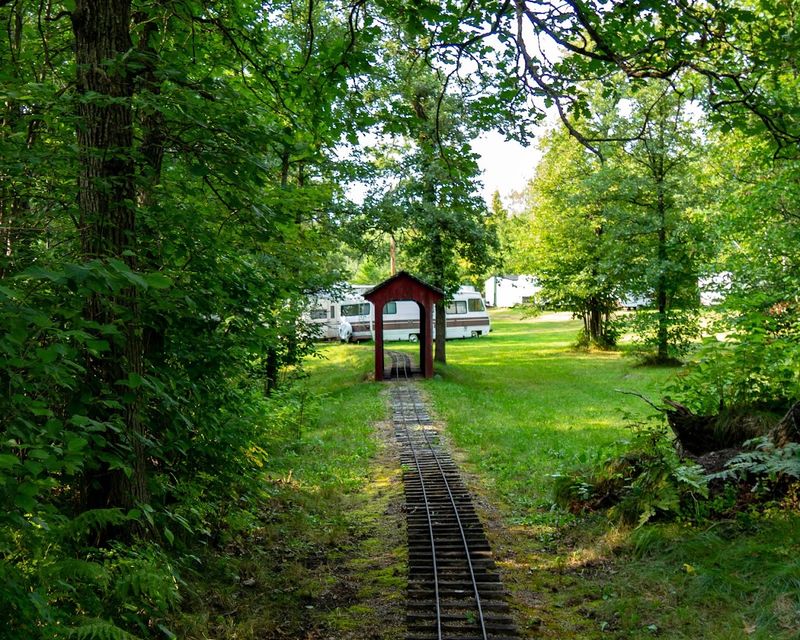
A miniature train winding around the festival grounds might seem like a small detail, but ask any kid who has ridden it and you will get a very different answer. The train rides at LIRPF are a genuine highlight for younger visitors, offering a breezy loop around the property that doubles as a surprisingly good way to get the lay of the land.
The trains themselves fit the theme of the event perfectly, connecting the celebration of early transportation and machinery to something children can experience directly. There is something deeply satisfying about riding a small train surrounded by giant steam engines and antique tractors.
Lines form early on busy show days, so getting there in the morning gives families the best shot at a short wait. The ride is brief but cheerful, and most kids immediately want to go around again.
It is one of those simple pleasures that makes the whole event feel complete.
Blacksmithing Demonstrations and the Fire of Old Craft
Blacksmithing is one of those crafts that most people have only ever seen in movies, which makes the live demonstration at LIRPF all the more striking. A real forge, real fire, and a real smith shaping hot metal with a hammer and anvil create a sensory experience that is hard to forget.
The heat radiating from the forge is noticeable even several feet away, and the rhythmic clang of metal on metal draws a crowd almost immediately. The demonstrators explain each step of the process, making it educational without ever feeling like a lecture.
Blacksmithing was essential to pioneer communities, producing everything from horseshoes and nails to tools and farm hardware. Seeing the craft performed live gives visitors a genuine appreciation for the skill and physical effort that went into everyday objects that modern life takes completely for granted.
It is one of the most viscerally engaging stops on the grounds.
Threshing Demonstrations and Grain History
Before combines turned grain harvesting into a one-machine operation, threshing was a communal effort that brought entire neighborhoods together for days at a time. The threshing demonstration at LIRPF brings that lost tradition back in a way that is both educational and genuinely exciting to watch.
Grain goes in, straw flies out, and the whole machine shakes and rattles with the kind of mechanical enthusiasm that modern equipment simply does not have. The demonstrators explain the process clearly, connecting the mechanics to the broader story of how Minnesota became one of the most productive agricultural states in the country.
For visitors who grew up on farms, this demonstration triggers a wave of recognition and nostalgia. For those who did not, it opens a window into a world of physical labor and community cooperation that shaped the upper Midwest more deeply than most textbooks acknowledge.
Either way, it is worth watching from start to finish.
Stationary Engines: The Unsung Workhorses
Before tractors became common on every farm, stationary engines did much of the heavy lifting. These compact, single-purpose machines powered everything from water pumps and grain grinders to cream separators and wood saws, and the LIRPF show puts a remarkable collection of them on working display.
Walking through the stationary engine area feels like browsing a mechanical zoo where everything is alive and moving. Each engine has its own rhythm, its own sound, and often its own story told by the owner standing proudly nearby.
The Ole Berge building on the grounds houses a particularly notable collection that has been a centerpiece of the show for many years.
Engine enthusiasts travel from across the region specifically to see this display, and the conversations that happen around these machines are as entertaining as the engines themselves. Owners swap stories, compare restoration techniques, and debate the finer points of carburetor adjustments with the kind of passion usually reserved for championship sports.
The Antique Store and Flea Market Finds
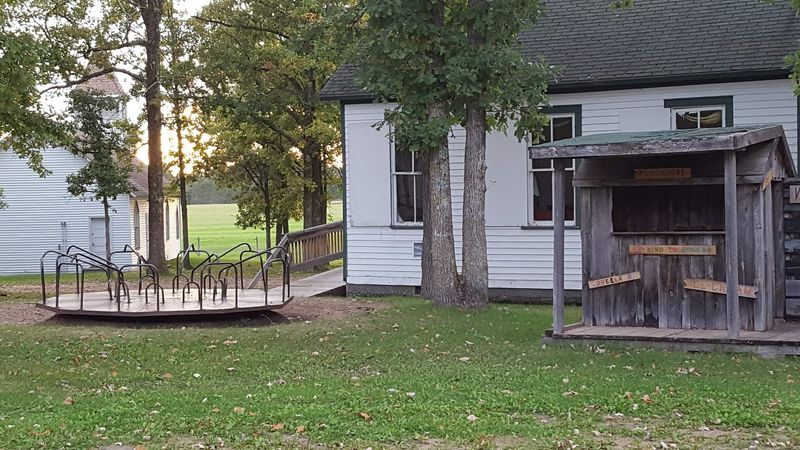
Part of what makes a full day at LIRPF so satisfying is that the surprises keep coming, and the flea market and antique display area is where some of the best ones happen. Vendors spread out an eclectic mix of old farm tools, vintage household items, and rural collectibles that range from genuinely rare to wonderfully weird.
The antique convenience store recreation on the grounds adds another layer to the shopping experience, giving visitors a sense of what rural retail looked like before chain stores arrived in small-town Minnesota. Shelves stocked with period packaging and old product displays create a surprisingly immersive atmosphere.
Browsing this area is best done without a strict schedule, because the interesting things tend to reveal themselves slowly. A hand-painted seed sign here, an old cream can there, and suddenly an hour has passed without anyone noticing.
Bring cash, because not every vendor accepts cards, and prices are generally very reasonable.
Old Trucks, Excavators, and Heavy Iron
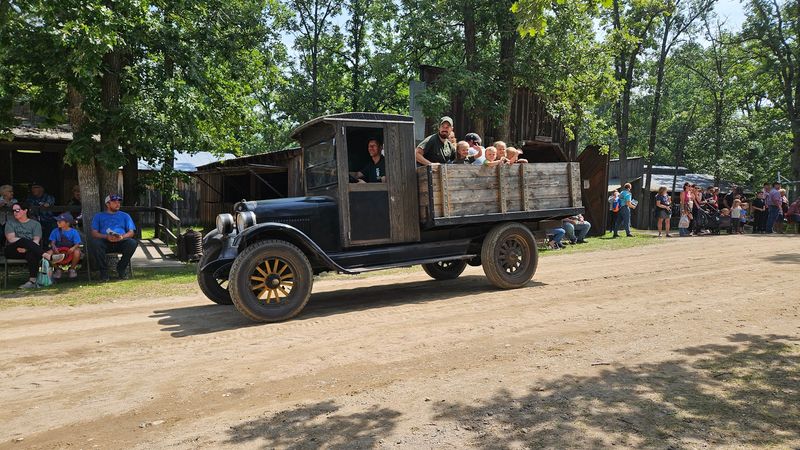
Tucked across the grounds are some mechanical surprises that even seasoned equipment fans do not always expect. The LIRPF property holds a remarkable collection of old trucks, including multiple 1960s-era models with straight-six engines that have been preserved in impressive condition.
One of the more unusual pieces in the collection is an antique chain-driven excavator that draws a steady stream of curious visitors who have simply never seen anything like it before. The machine is a reminder of how differently heavy construction was approached before hydraulic systems became standard.
Spending time in this area rewards patience and curiosity in equal measure. The more closely you look at each piece of equipment, the more details emerge, from hand-painted cab lettering to original manufacturer badges that somehow survived decades of use and weather.
For anyone who loves the history of working machines, this section of the grounds alone justifies the drive to Park Rapids.
The Grounds and Their Year-Round Role
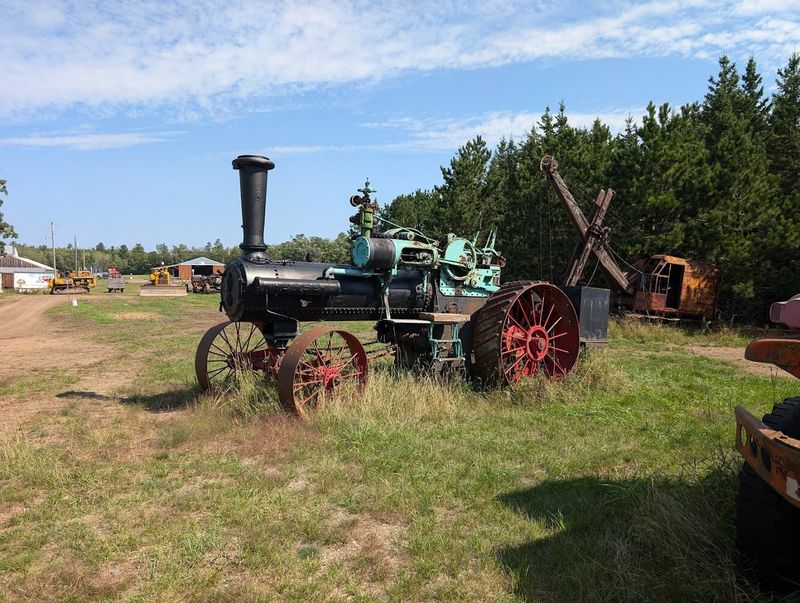
The LIRPF property is not just a fairground that wakes up once a year for the pioneer show. The grounds also host the Lake Itasca Family Music Festival on the first full weekend of August each year, bringing bluegrass and folk music to the same historic setting where steam engines run a few weeks later.
The buildings, displays, and historic photographs are visible during music festival weekends as well, giving attendees an unexpected bonus history lesson alongside their live entertainment. The grounds have been continuously improved and updated over the years, with new additions making each visit slightly different from the last.
The physical setting itself is worth noting. Surrounded by northern Minnesota forest and sitting just outside Itasca State Park, the property has a natural beauty that makes spending a full day outdoors genuinely pleasant rather than just tolerable.
The combination of open fields, mature trees, and historic structures creates an atmosphere that feels curated without feeling artificial.
Pairing the Show With the Mississippi Headwaters
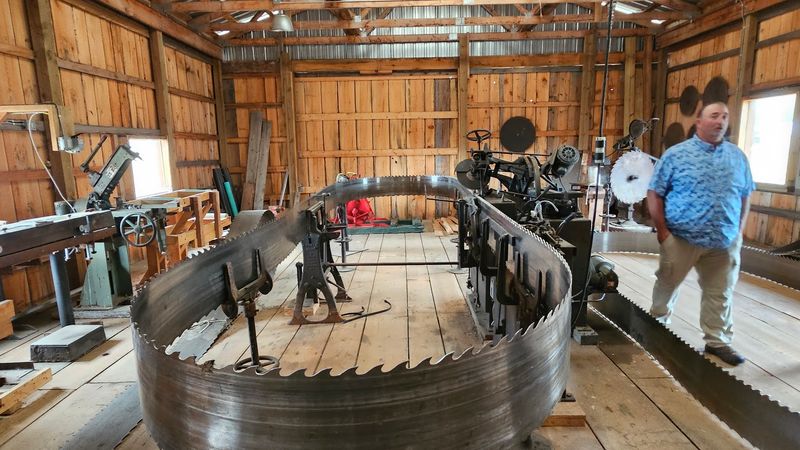
Less than a mile from the LIRPF grounds sits one of the most famous geographic landmarks in the entire United States: the headwaters of the Mississippi River inside Itasca State Park. Combining both stops into a single visit turns a good day trip into an exceptional one.
At the headwaters, visitors can literally walk across the Mississippi River on stepping stones, crossing the very beginning of a waterway that flows nearly 2,400 miles to the Gulf of Mexico. The moment is surprisingly moving for something that involves getting your feet wet in ankle-deep water.
The sawmill trail from Itasca State Park actually connects directly to the LIRPF property, making it possible to walk between the two attractions without getting in a car. Spending a half day between the pioneer show and the headwaters creates one of the most satisfying itineraries northern Minnesota has to offer, especially for families with curious kids in tow.
Planning Your Visit: Timing, Camping, and Tips
The LIRPF annual show takes place on the third weekend of August each year, running Friday through Sunday at the north entrance to Itasca State Park between Park Rapids and Bemidji. Arriving on Saturday morning tends to offer the best balance of full programming and manageable crowds.
Several campgrounds within walking distance of the grounds make it easy to turn the show into a full weekend rather than a rushed single-day visit. Families who camp nearby get the luxury of returning to the grounds multiple times, catching demonstrations they missed and revisiting favorites without the pressure of a long drive home.
Comfortable walking shoes are a must, since the property covers a lot of ground and the best discoveries happen when you wander rather than follow a strict route. Bringing cash for food and flea market vendors is smart planning, and arriving early guarantees the freshest food and the shortest lines at the most popular demonstrations.
Share this story