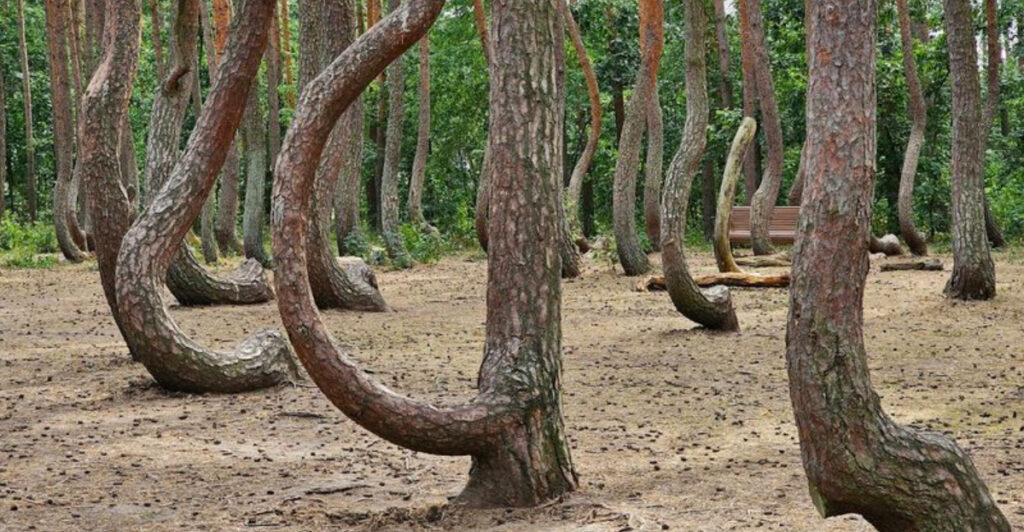
Some forests on Earth are so breathtaking and mysterious that they seem to belong in a fantasy story rather than real life. From ancient trees older than recorded history to woodlands wrapped in thick mist and legend, these remarkable places remind us just how extraordinary our natural world can be.
Whether shaped by millions of years of evolution or centuries of folklore, each forest on this list has its own personality and power. Get ready to explore 15 forests from around the globe that truly feel almost unreal.
1. Amazon Rainforest (South America)
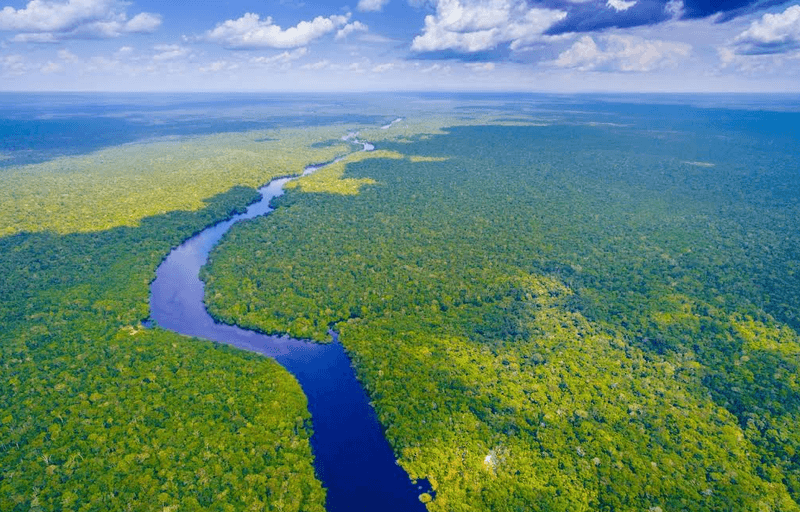
Spanning nine countries and covering roughly 5.5 million square kilometers, the Amazon Rainforest is the largest tropical forest on the planet. It holds about 10 percent of all species on Earth, many of which scientists have not yet fully discovered or named.
The sheer scale of this forest makes it feel like an entirely different world.
The Amazon produces around 20 percent of the world’s oxygen, earning it the nickname “the lungs of the Earth.” Its rivers, flooded forests, and towering canopy layers create countless ecosystems layered on top of each other. Jaguars, river dolphins, poison dart frogs, and thousands of bird species all call it home.
Visiting the Amazon is a humbling experience. The sounds alone, a constant chorus of insects, birds, and rushing water, are unlike anything found elsewhere on Earth.
2. Black Forest (Germany)
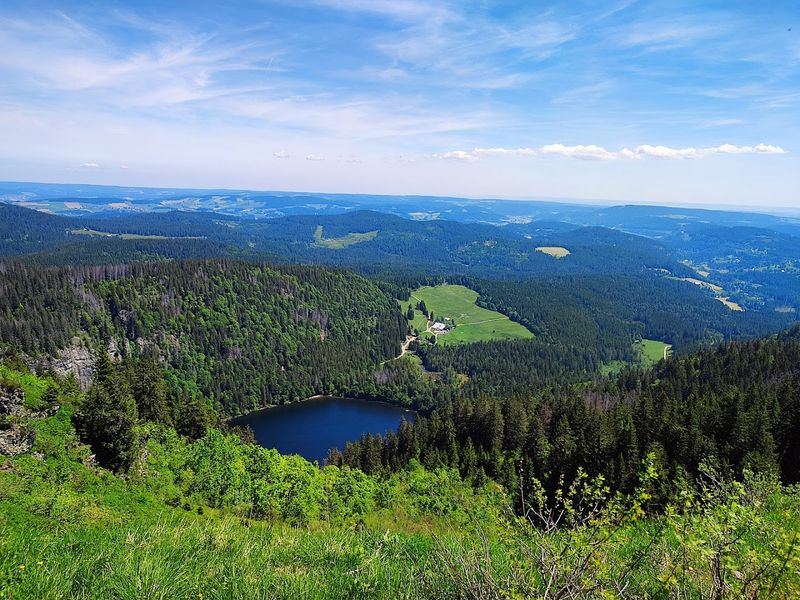
Germany’s Black Forest earned its moody name from the dense canopy of dark spruce and fir trees that block out sunlight on the forest floor. Walking through it on a cloudy morning, with mist curling between the trunks, genuinely feels like stepping into a Brothers Grimm fairy tale.
Many of those classic stories, including Hansel and Gretel, were inspired by this very landscape.
Nestled within the forest are charming villages, ancient castles, and clear mountain streams that add to its storybook atmosphere. The forest stretches about 160 kilometers through southwestern Germany and rises to over 1,400 meters at its highest peaks.
Hikers, cyclists, and nature lovers visit year-round to enjoy its quiet trails and dramatic scenery.
Beyond its looks, the Black Forest is also famous for cuckoo clocks, Black Forest cake, and hearty regional cuisine that reflect centuries of local tradition.
3. Daintree Rainforest (Australia)
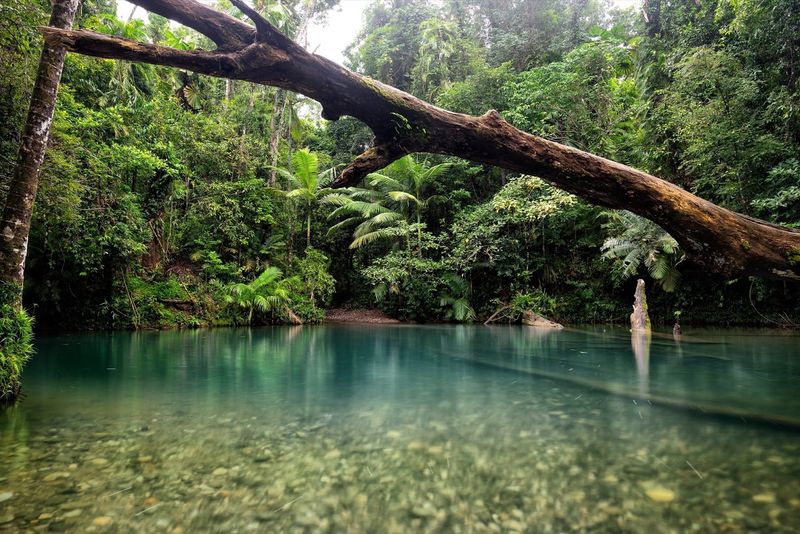
At an estimated 180 million years old, the Daintree Rainforest in Queensland, Australia, is one of the oldest surviving tropical forests on Earth. To put that in perspective, it was already ancient long before dinosaurs disappeared.
Walking its trails feels like time-traveling to a prehistoric era when the world was wild and untamed.
The Daintree is home to an astonishing number of species found nowhere else, including rare birds, reptiles, and plants with roots stretching back to the age of Gondwana. Where the forest meets the Great Barrier Reef along the coast, two UNESCO World Heritage Sites touch each other, creating one of the most biodiverse meeting points on the planet.
Local Indigenous Kuku Yalanji people have lived in and cared for this land for thousands of years. Their deep cultural connection to the Daintree adds another layer of meaning to its remarkable history.
4. Bialowieza Forest (Poland and Belarus)
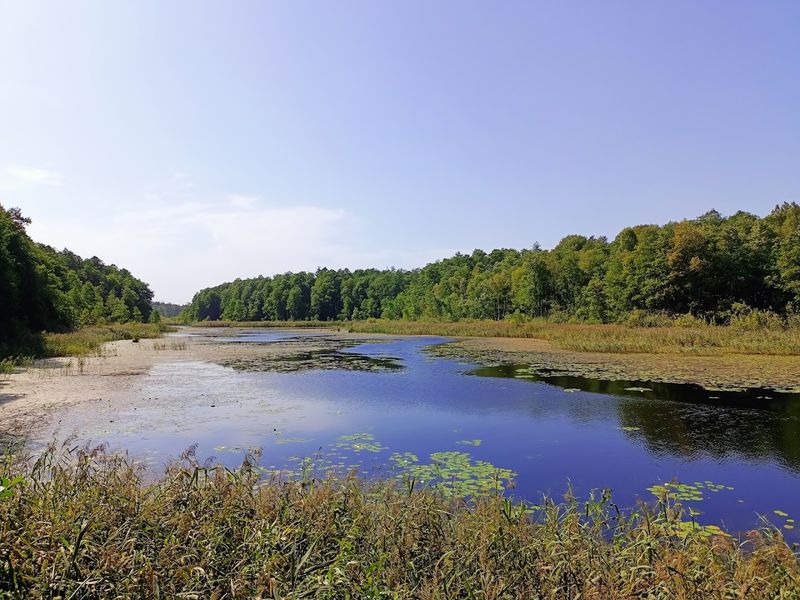
Bialowieza Forest is often described as Europe’s last true primeval forest, a place where nature has been largely undisturbed for thousands of years. Straddling the border between Poland and Belarus, it is a UNESCO World Heritage Site and home to one of the continent’s most iconic animals: the European bison.
These massive creatures once roamed across the entire continent before nearly going extinct in the early 20th century.
The forest’s ancient trees, some over 500 years old, create a cathedral-like atmosphere that feels nothing like a managed woodland. Enormous oaks, towering linden trees, and moss-covered fallen logs define its character.
Many trees have grown so large that several adults cannot wrap their arms around the trunks.
Strict conservation protections keep much of the forest off-limits to visitors, preserving its raw, untouched quality. That protective effort is a major reason it still feels so genuinely wild today.
5. Redwood National and State Parks (California, USA)
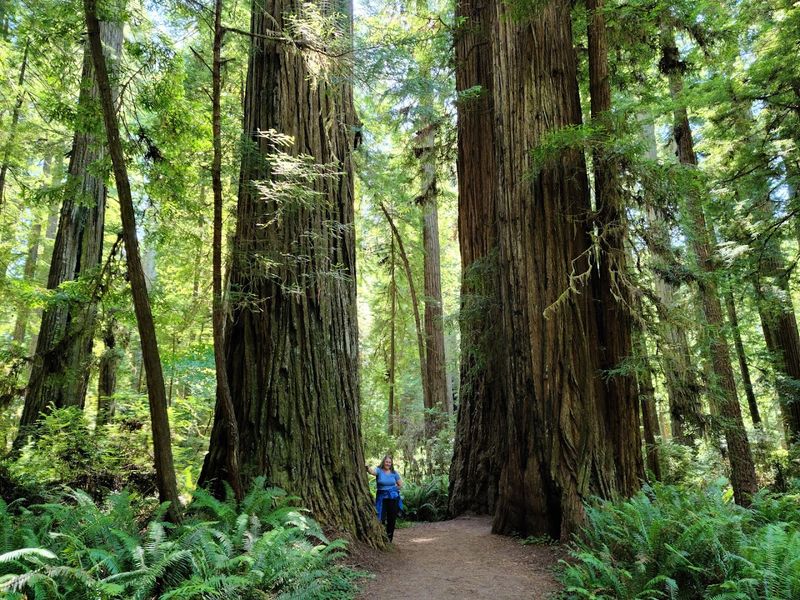
Standing beneath a coast redwood tree is one of the most humbling experiences nature can offer. These giants can grow over 115 meters tall, making them the tallest trees on Earth, and some individuals have been alive for more than 2,000 years.
The sheer height of the forest canopy creates a sensation of smallness that is hard to describe until you experience it yourself.
Redwood National and State Parks in northern California protect about 45 percent of all remaining old-growth coast redwood forests. The trees thrive in the foggy coastal climate, drawing moisture from Pacific mists when rainfall is scarce.
Their thick, spongy bark also makes them remarkably fire-resistant, helping them survive for millennia.
Hiking trails wind between these ancient columns, past fern-covered floors and crystal-clear streams. Wildlife including Roosevelt elk, black bears, and spotted owls share the forest with visitors who arrive from all over the world.
6. Yakushima Forest (Japan)
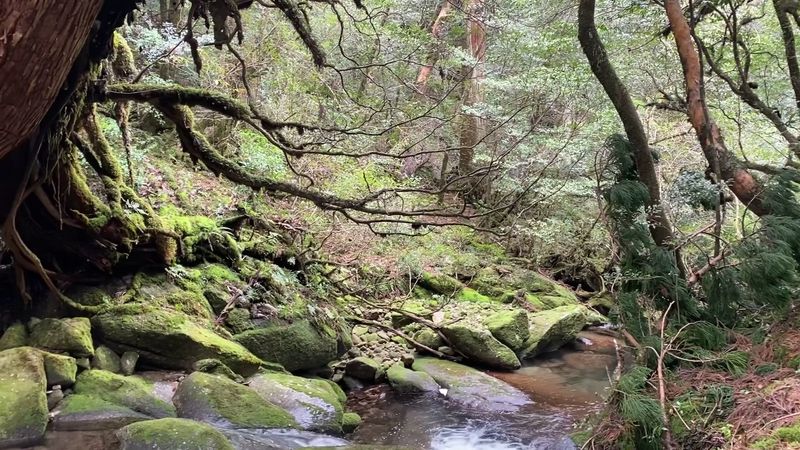
Few forests in the world look as otherworldly as Yakushima. Located on a small island off southern Japan, this ancient cedar forest is blanketed in thick, vivid moss that covers every rock, root, and fallen log.
The effect is deeply magical, like walking through a living painting where the entire world has turned a hundred shades of green.
The forest is home to Jomon Sugi, a cedar tree believed to be between 2,170 and 7,200 years old, making it possibly the oldest living tree in Japan. Yakushima was designated a UNESCO World Heritage Site in 1993.
Director Hayao Miyazaki drew direct inspiration from this forest when creating the visual world of his celebrated film Princess Mononoke.
Getting there requires a ferry ride from the mainland, and the forest rewards the effort with a quiet, almost sacred atmosphere. Rainfall here can exceed 10,000 millimeters per year, feeding the extraordinary moss growth.
7. Monteverde Cloud Forest (Costa Rica)
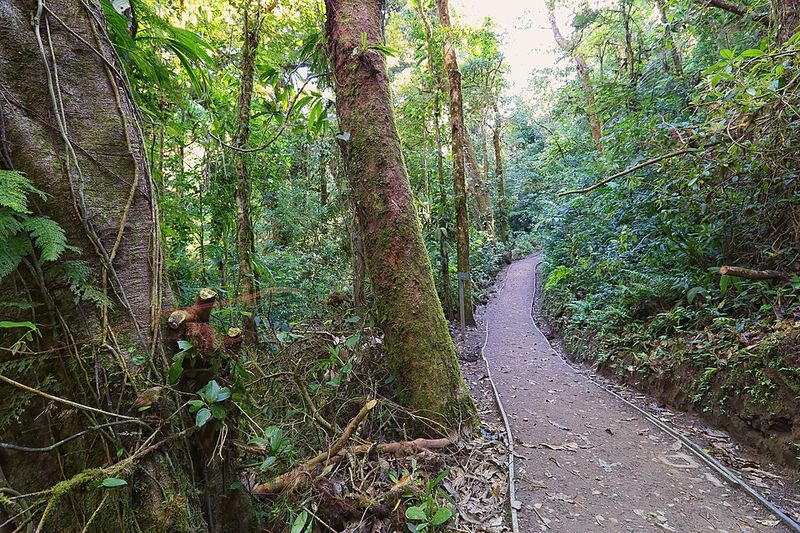
Hovering between 1,400 and 1,800 meters above sea level, the Monteverde Cloud Forest in Costa Rica exists in a near-permanent state of mist. Clouds roll through the canopy so frequently that the forest never truly dries out, creating conditions where orchids, mosses, and bromeliads grow in extraordinary abundance.
Over 500 orchid species have been recorded here, more than in many entire countries.
The forest is also a paradise for birdwatchers. The resplendent quetzal, a bird so dazzlingly colorful it was once considered sacred by ancient Mesoamerican civilizations, lives here.
Howler monkeys, glass frogs, and pumas also inhabit this misty highland ecosystem.
Suspension bridges stretch across the forest canopy, giving visitors a bird’s-eye view of the treetops without disturbing the ground below. Conservation efforts in Monteverde began in the 1950s and have been remarkably successful at protecting this rare and fragile habitat.
8. Sundarbans Mangrove Forest (India and Bangladesh)
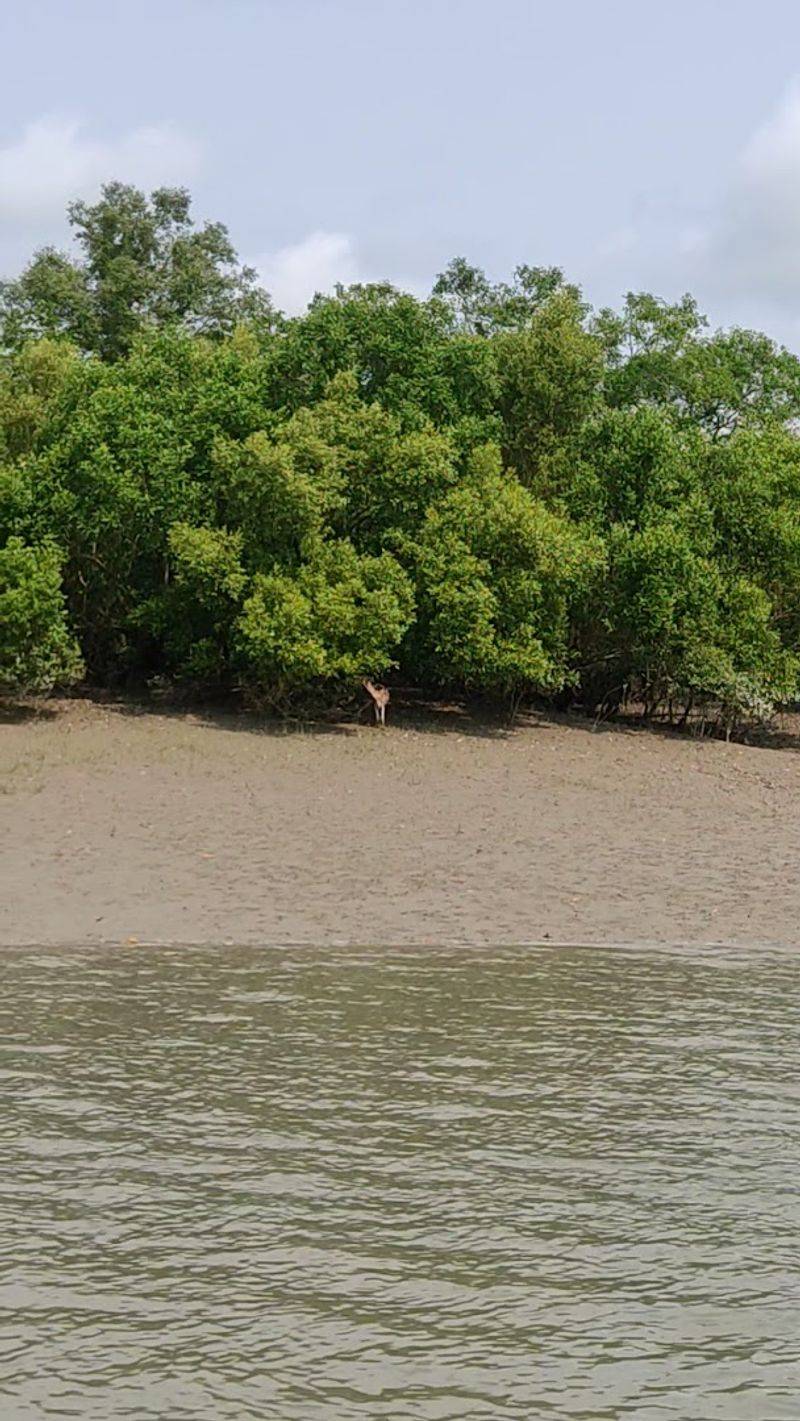
The Sundarbans is the largest mangrove forest on Earth, stretching across the delta where the Ganges, Brahmaputra, and Meghna rivers empty into the Bay of Bengal. Shared between India and Bangladesh, this UNESCO World Heritage Site covers roughly 10,000 square kilometers of tidal waterways, mudflats, and dense mangrove trees whose tangled roots rise dramatically from the water.
What makes the Sundarbans truly extraordinary is its population of Bengal tigers. These animals have adapted to swimming between islands and hunting in tidal zones, a behavior unusual for tigers anywhere else in the world.
Exact population counts are difficult, but estimates suggest several hundred tigers live here.
The local fishing communities who live along the forest’s edge have developed a complex relationship with the land and its tigers for generations. Visiting by boat through the winding channels reveals a landscape unlike any other forest environment on the planet.
9. Crooked Forest (Poland)
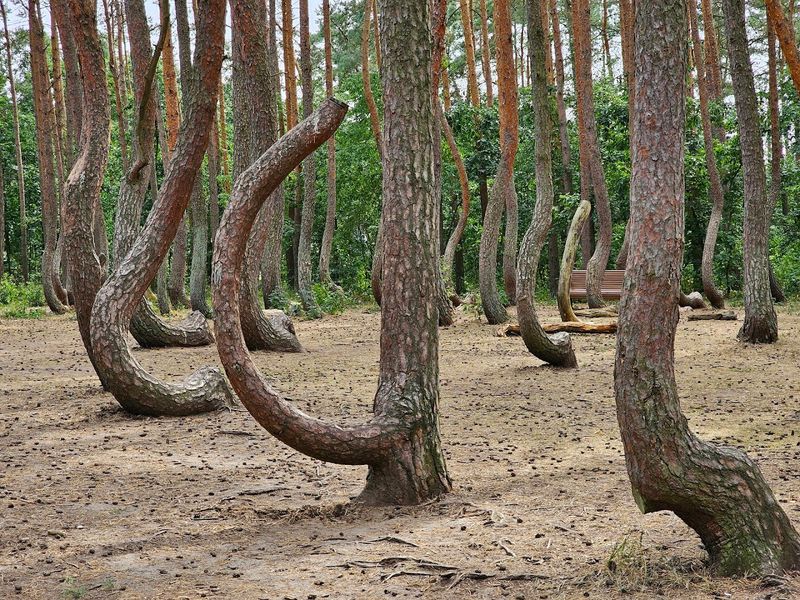
Near the town of Gryfino in northwestern Poland, a grove of roughly 400 pine trees grows with a bizarre and unexplained curve. Each tree bends sharply near its base, curving northward before straightening and growing upward in a fairly normal way.
The result is a forest that looks like something out of a surrealist painting, frozen mid-movement.
The trees were likely planted around 1930, but no one knows for certain what caused the unusual shape. Theories range from heavy snowfall during a critical growth period to deliberate human manipulation to produce curved wood for furniture or boat-building.
None of these explanations has been confirmed, and the mystery remains officially unsolved.
The Crooked Forest is now one of Poland’s most photographed natural attractions. Surrounding the bent grove is a much larger forest of normally shaped pines, which makes the curved trees stand out even more dramatically when you come upon them.
10. Hoh Rain Forest (Washington, USA)
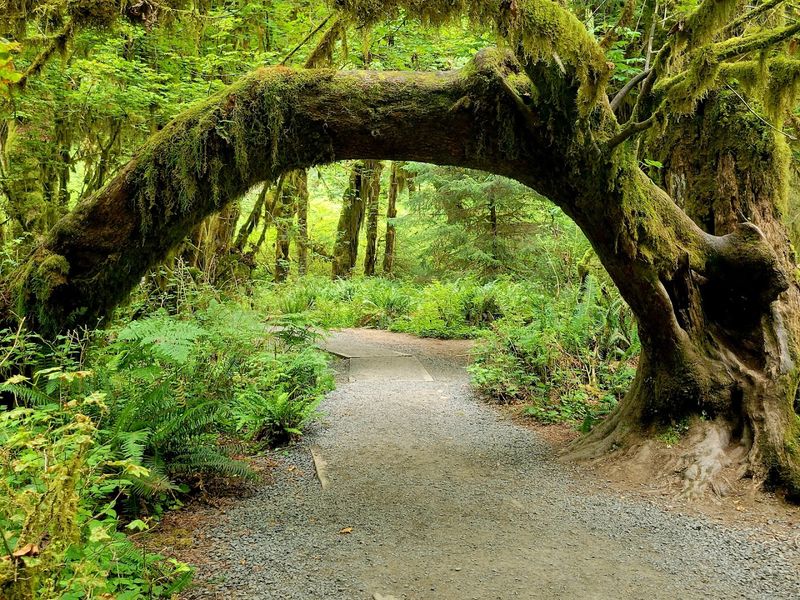
One of the wettest places in the continental United States, the Hoh Rain Forest in Olympic National Park receives up to 3,700 millimeters of rainfall every year. That constant moisture feeds a landscape so thickly covered in moss and ferns that nearly every surface, trees, rocks, fallen logs, and even low-hanging branches, disappears under a carpet of vivid green.
The effect is deeply immersive and genuinely dreamlike.
Bigleaf maple trees draped in club moss are the visual signature of the Hoh. These mossy curtains hang from branches like soft green waterfalls, creating tunnel-like corridors through the forest.
Roosevelt elk roam through the undergrowth, and the forest floor is constantly soft and spongy underfoot.
The Hoh is also famous for being one of the quietest places in the lower 48 states. Acoustic ecologist Gordon Hempton once identified it as one of the last truly silent natural spaces remaining in America.
11. Sherwood Forest (England)
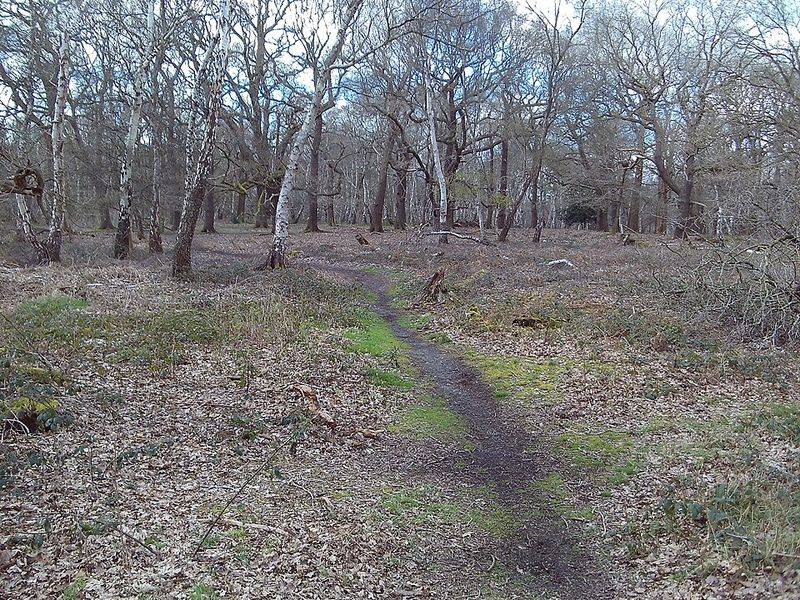
Ask almost anyone to name a famous forest, and Sherwood Forest is likely to come up quickly. Located in Nottinghamshire, England, this ancient woodland is forever tied to the legend of Robin Hood, the outlaw who supposedly hid among its trees while robbing from the rich to give to the poor.
The legend has been retold in countless books, films, and television series over the centuries.
At the heart of the forest stands Major Oak, a massive tree estimated to be between 800 and 1,000 years old. According to local tradition, Robin Hood and his Merry Men sheltered inside its hollow trunk.
Today the tree is supported by a framework of metal poles to help its enormous, heavy branches stay upright.
Sherwood Forest covers around 1,000 acres and welcomes hundreds of thousands of visitors each year. Its combination of genuine natural beauty and deep cultural mythology makes it one of England’s most treasured woodlands.
12. Great Bear Rainforest (British Columbia, Canada)
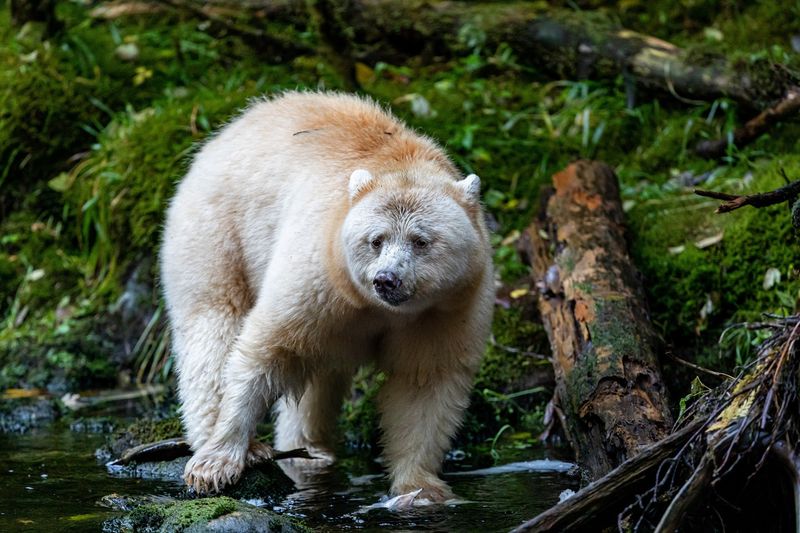
Stretching along 64,000 square kilometers of British Columbia’s central and north coast, the Great Bear Rainforest is one of the largest intact temperate rainforests left on Earth. Ancient Sitka spruce, western red cedar, and hemlock trees tower over a landscape of fjords, salmon-filled rivers, and mist-covered mountains.
The scale and wildness of the place feel almost impossible to fully take in.
The forest is home to the Kermode bear, also called the spirit bear, a rare white-coated black bear found nowhere else on Earth. Indigenous First Nations communities, including the Heiltsuk and Gitga’at peoples, have lived in harmony with this landscape for thousands of years and played a central role in negotiating its protection.
In 2016, the Canadian government and First Nations groups reached a landmark agreement protecting the majority of the forest from logging. That agreement is widely celebrated as a model for conservation efforts worldwide.
13. Aokigahara Forest (Japan)
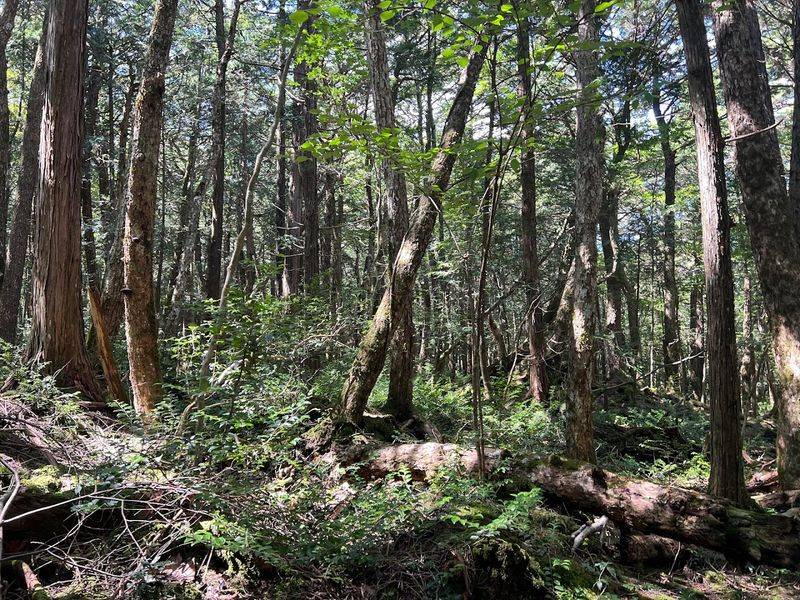
Growing directly on top of ancient lava flows from a Mount Fuji eruption in 864 AD, Aokigahara is a forest unlike almost any other. The hardened lava beneath the surface creates a jagged, uneven floor where tree roots twist and curl dramatically around rock formations.
Compasses are known to behave erratically here due to the high iron content in the volcanic rock below.
Aokigahara is remarkably dense and quiet. Wind barely penetrates the thick canopy, animals are sparse, and the forest absorbs sound in an unusual way that creates an almost total silence.
That eerie stillness, combined with the twisted landscape, gives it an atmosphere that many visitors describe as deeply unsettling yet strangely compelling.
Japanese folklore links the forest to spirits and supernatural stories. Despite its dark reputation, many visitors come simply to experience its raw geological character and witness one of the more genuinely unusual natural environments found anywhere in Japan.
14. Congo Rainforest (Central Africa)
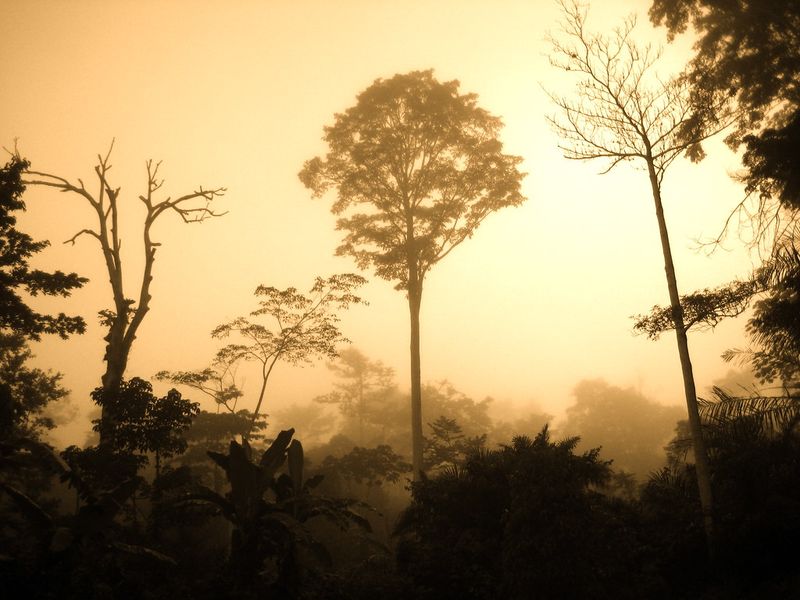
Second only to the Amazon in size, the Congo Rainforest covers approximately 3.3 million square kilometers across six Central African countries. It represents the largest tropical forest in Africa and one of the most biologically rich ecosystems on the planet.
Scientists believe it holds more undiscovered species than almost any other region on Earth.
The forest is home to remarkable wildlife found nowhere else, including forest elephants, okapis, chimpanzees, bonobos, and western lowland gorillas. The Congo Basin also plays a critical role in regulating global climate, absorbing enormous amounts of carbon dioxide each year.
Protecting it is considered one of the most important environmental priorities of the 21st century.
Many parts of the Congo Rainforest remain genuinely unexplored by scientists. Indigenous communities including the Baka and Aka peoples have lived sustainably within its boundaries for thousands of years, carrying knowledge of the forest that no outside researcher has fully documented.
15. Tongass National Forest (Alaska, USA)
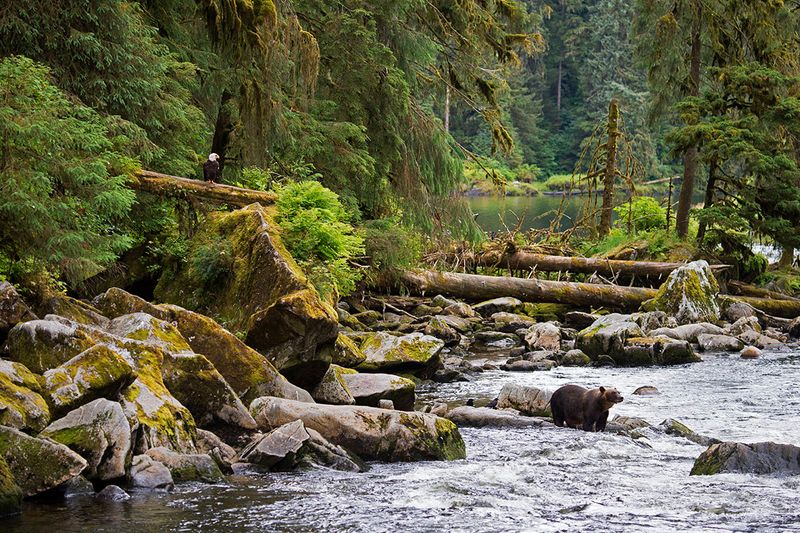
Covering roughly 68,000 square kilometers, the Tongass National Forest in southeast Alaska is the largest national forest in the United States by a wide margin. It is a temperate rainforest of ancient Sitka spruce, western hemlock, and red cedar trees, many hundreds of years old, draped in lichen and moss.
Glaciers, fjords, and jagged mountain peaks frame the forest on all sides.
The Tongass supports an incredible concentration of wildlife. Brown bears, wolves, Sitka black-tailed deer, humpback whales, and five species of Pacific salmon all depend on this ecosystem.
Bald eagles are so common here that seeing a dozen in a single afternoon is entirely normal for visitors.
Indigenous Tlingit, Haida, and Tsimshian peoples have lived within this landscape for thousands of years, and their cultural heritage is deeply woven into its identity. The forest’s raw, glacier-carved beauty gives it an almost otherworldly quality that photographs rarely do full justice.
Share this story