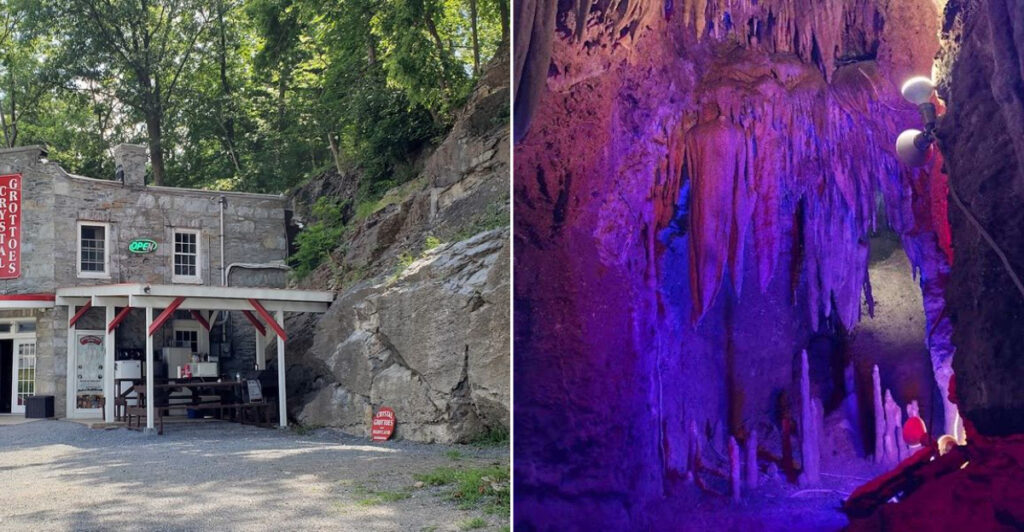
Somewhere beneath the rolling hills of western Maryland, a drill bit disappeared into the earth and accidentally changed history. Back in 1920, a road construction crew was boring into a limestone hillside when their equipment suddenly dropped into a hidden void below.
That accidental puncture opened the door to one of the most remarkable geological wonders on the East Coast. This is the state’s only commercial show cave, and it has been welcoming curious visitors ever since.
The cave is packed with natural formations that took hundreds of millions of years to build, and a guided tour through its narrow passages feels like flipping through the pages of Earth’s own autobiography. Whether this is your first cave or your tenth, this underground world has a way of making everything above ground feel a little less interesting by comparison.
The Accidental Discovery That Started It All
Few geological wonders have as quirky an origin story as this one. In 1920, a road construction crew was drilling into a limestone hillside along what is now Shepherdstown Pike in Boonsboro, Maryland, when their drill bit vanished straight down into nothing.
The bit had punched through the ceiling of a hidden underground chamber, and the void below swallowed the equipment whole. Workers quickly realized they had not hit a sinkhole but something far more interesting.
The site was investigated, and what they found inside was a cave system loaded with crystalline formations that had been growing in complete darkness for hundreds of millions of years. The cave opened to the public just a year later, in 1921, making it one of the earlier commercial show caves on the East Coast.
That one lost drill bit essentially handed Maryland its only show cave, which is a pretty solid return on a piece of misplaced equipment.
What Makes This Cave Different From the Others
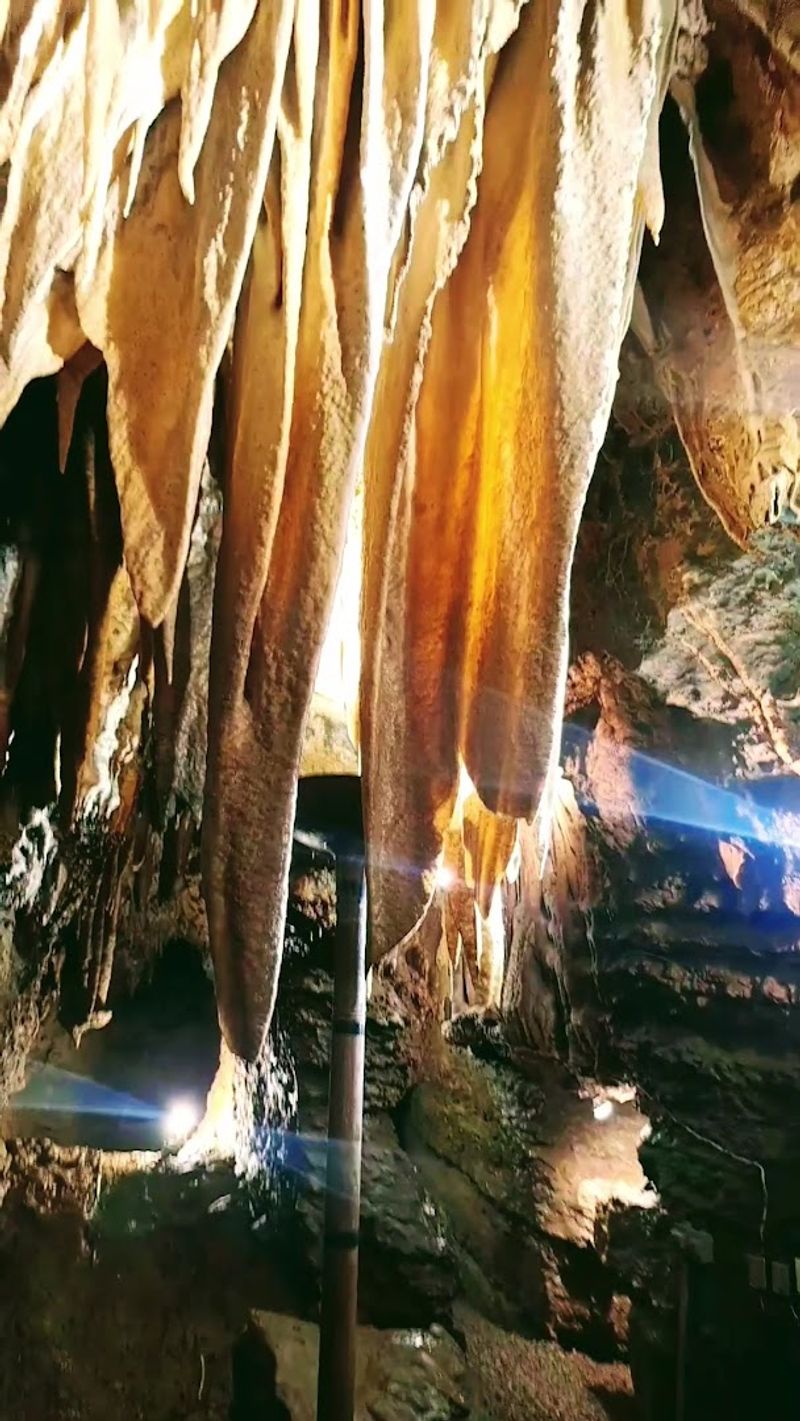
Most commercial caves in the eastern United States have been widened and smoothed out to accommodate large tour groups, but Crystal Grottoes took a different path. The passages here remain close to their natural dimensions, which means some sections require ducking down or turning slightly sideways to get through.
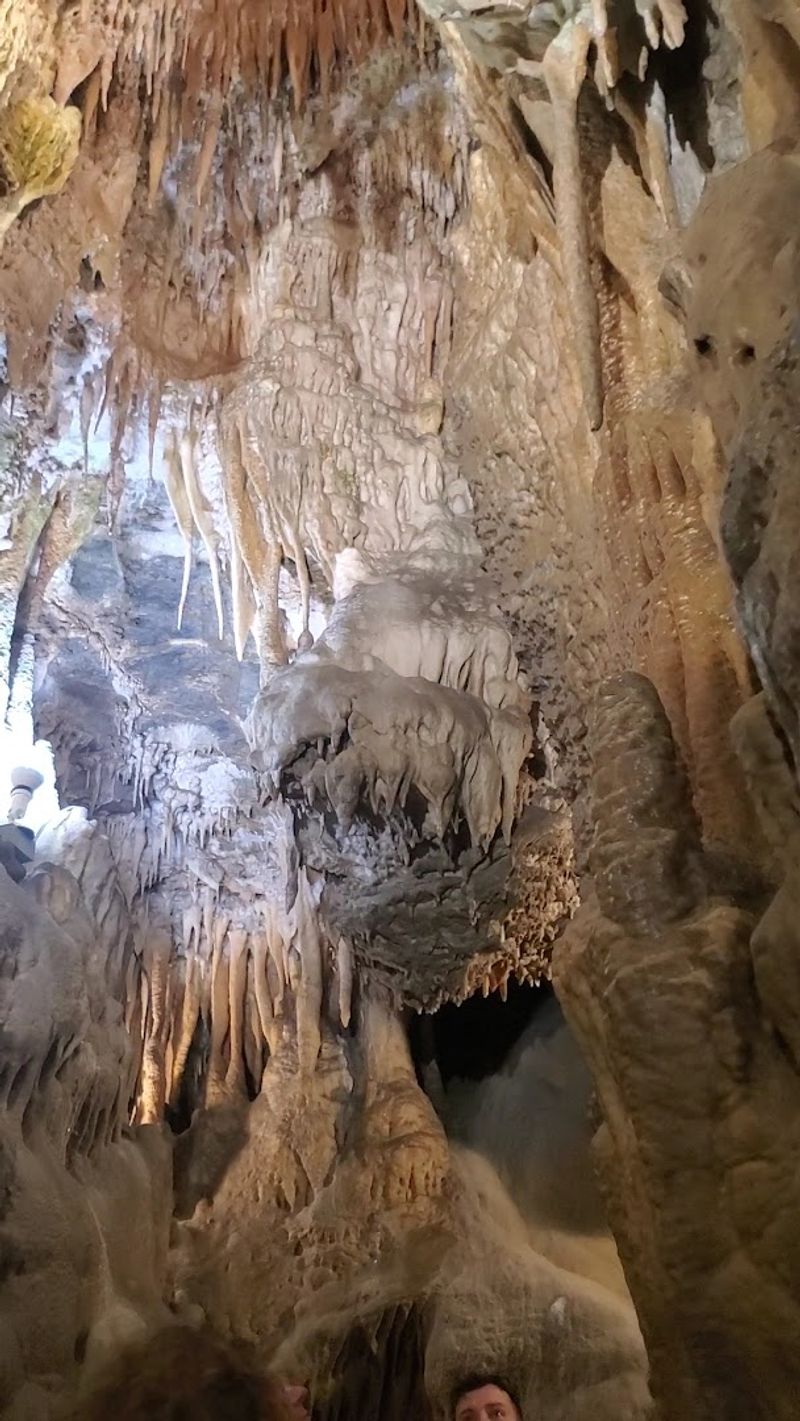
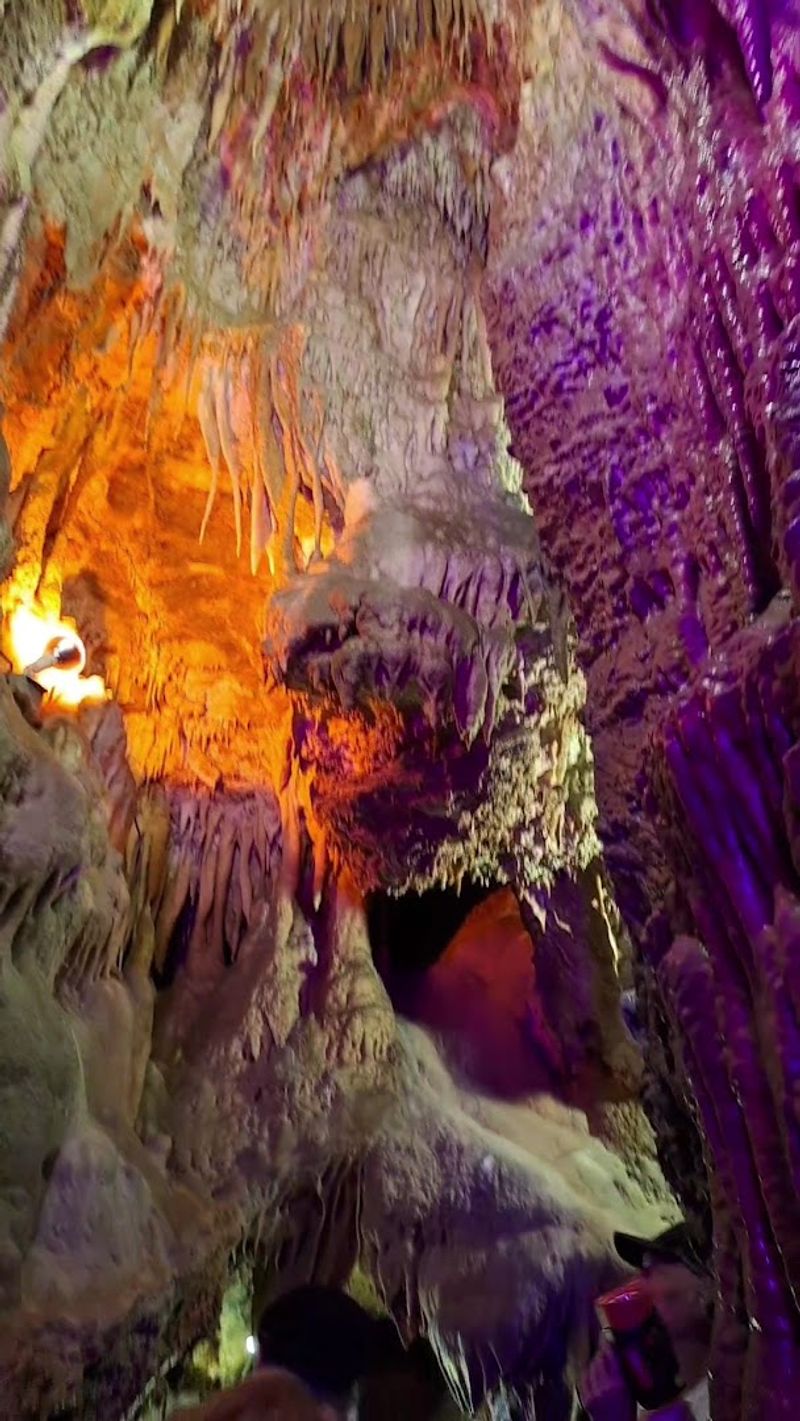
That tight, unaltered layout is actually one of the cave’s biggest selling points. The formations cover nearly every surface, top to bottom and wall to wall, in a density that is not typical of larger, more heavily developed caverns.
There are no vast cathedral rooms here, but what the cave lacks in scale it more than makes up for in raw geological detail.
Compared to nearby Luray Caverns in Virginia, Crystal Grottoes is smaller and more intimate, and that compressed scale means the formations feel almost within reach at every turn. The cave’s untouched quality gives the whole experience a more authentic underground character.
Hundreds of Millions of Years in the Making
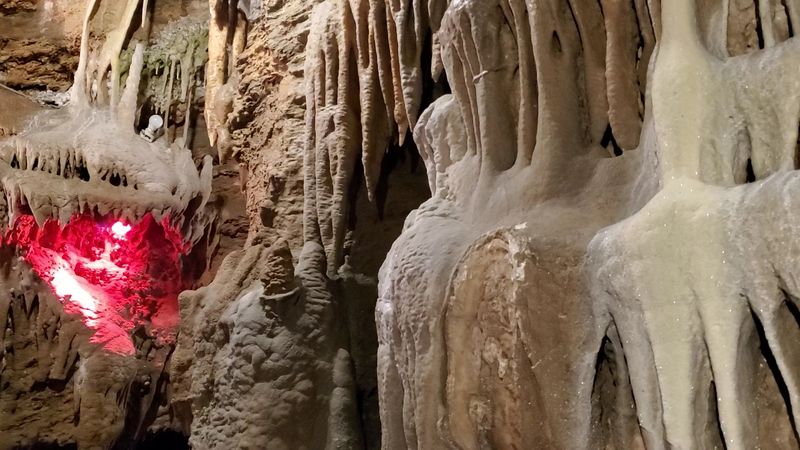
The formations inside Crystal Grottoes did not appear overnight. The cave itself formed within ancient limestone bedrock that dates back hundreds of millions of years, shaped by the slow movement of slightly acidic groundwater dissolving the rock over geological time.
Once the cave chambers opened up, mineral-rich water began depositing calcite in thin layers, building the stalactites, stalagmites, flowstone, and crystal formations that visitors see today. That process continues at an almost imperceptible pace, measured in fractions of an inch per century.
Some formations inside the cave have taken on unusual shapes that tour guides have given memorable names over the years. One particularly well-known formation is called Andre the Giant, and there are others that resemble strips of bacon, octopus tentacles, and other surprisingly recognizable shapes.
The variety of forms packed into a relatively small space makes the cave feel like a natural sculpture gallery that has been quietly building itself for longer than humans have existed.
The Guided Tour Experience Inside the Cave
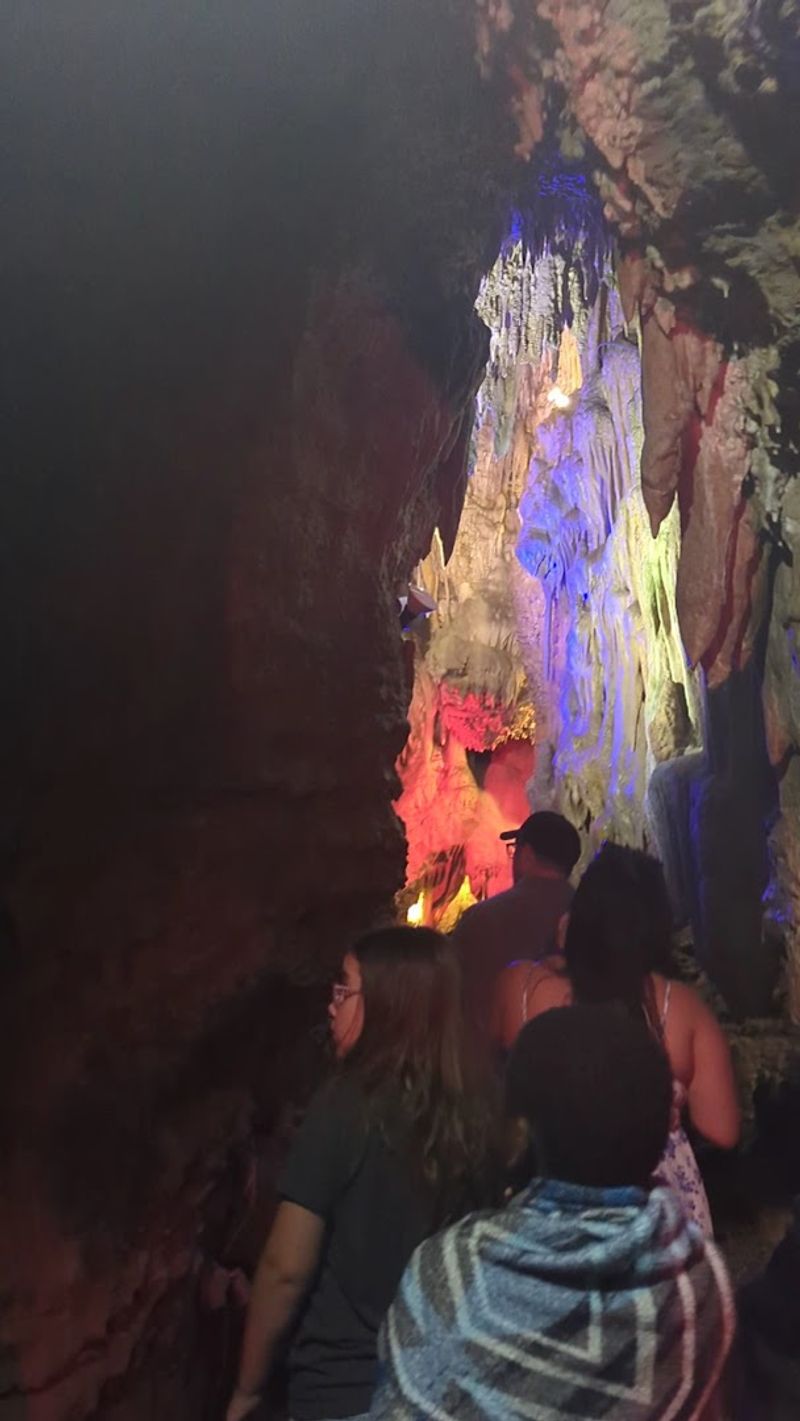
Tours at Crystal Grottoes run approximately 30 to 45 minutes and are always led by a guide rather than being self-directed. That structure keeps the experience organized and ensures that every visitor gets context for what they are looking at, rather than just walking past formations without understanding their significance.
The guides here have a reputation for being both knowledgeable and entertaining. The tours tend to blend geology, local history, and a fair amount of humor, which keeps the pacing lively even for younger visitors who might otherwise lose interest in a science lecture underground.
One of the most talked-about moments in the tour is when the guide switches off all the lights, leaving the group in a darkness that is genuinely total. That brief blackout is a startling reminder of just how far underground the group has traveled, and it tends to be memorable for everyone, adults and kids alike.
Smaller group sizes make the whole experience feel more personal and less rushed.
Temperature, Terrain, and What to Wear
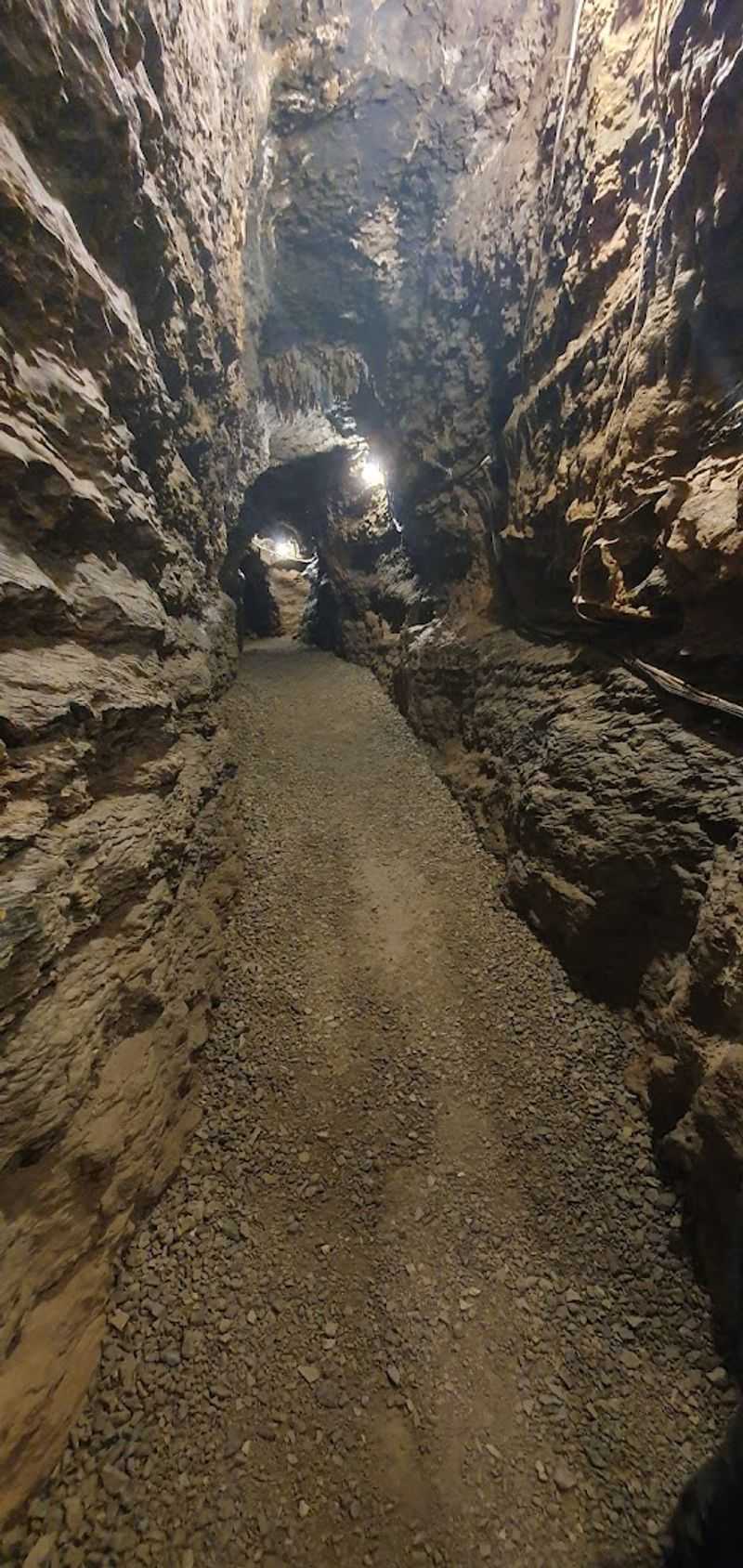
The temperature inside Crystal Grottoes stays at a consistent 52 to 54 degrees Fahrenheit year-round, which is a useful fact to know before showing up in shorts on a July afternoon. A light jacket or long-sleeved layer makes a real difference, especially for anyone who runs cold or plans to spend extra time in the cave.
The path through the cave is not paved or leveled to the same degree as larger commercial caves, and some sections involve low ceilings that require taller visitors to bend down. The terrain is walkable for most people, including those with minor mobility limitations, though the path is not wheelchair accessible.
Strollers cannot fit through the passages, so parents with infants or toddlers should plan to use a carrier or baby sling instead. Closed-toe shoes with decent grip are a practical choice given the uneven surfaces.
The cave stays consistently cool regardless of the season outside, making it a surprisingly refreshing stop during hot summer months.
The Gem Mining Activity Outside the Cave

After the underground tour wraps up, there is a second activity waiting outside that tends to be a major hit with younger visitors. The gem mining station gives participants a bag of rough material and a sluice tray, and the goal is to wash away the sediment to reveal what is hidden inside.
Bags are available at different price points ranging from around five dollars to thirty-six dollars, with higher-priced bags typically containing a greater variety or higher quality of material. The contents can include gems, fossils, geodes, arrowheads, coins, and mineral specimens, and each bag comes with a reference card that helps identify what has been found.
The activity works in any season, though warm weather makes the water-based experience more comfortable. Even in colder months, the excitement of finding something real and tangible tends to override any discomfort from the temperature.
For many kids, the mining station ends up being the part of the visit they talk about longest on the drive home.
How Crystal Grottoes Fits Into the Broader Region
Boonsboro sits in Washington County, Maryland, right at the edge of the Appalachian foothills, and the surrounding area is thick with history and outdoor attractions. Antietam National Battlefield is just a few miles away, and South Mountain State Park offers hiking trails within easy reach of the cave.
The town of Boonsboro itself has a small, walkable historic district with a handful of shops and local businesses, making it easy to turn a cave visit into a longer half-day or full-day outing. The region also sits along the C&O Canal National Historical Park corridor, which adds even more options for outdoor exploration before or after a tour.
Crystal Grottoes is often combined with visits to nearby Harpers Ferry in West Virginia, which is only about 15 miles away, or with stops along the historic National Road. The cave works well as a standalone destination but fits even more naturally as part of a broader western Maryland road trip that takes in the area’s layered history.
A Cave That Has Been Open for Over a Century
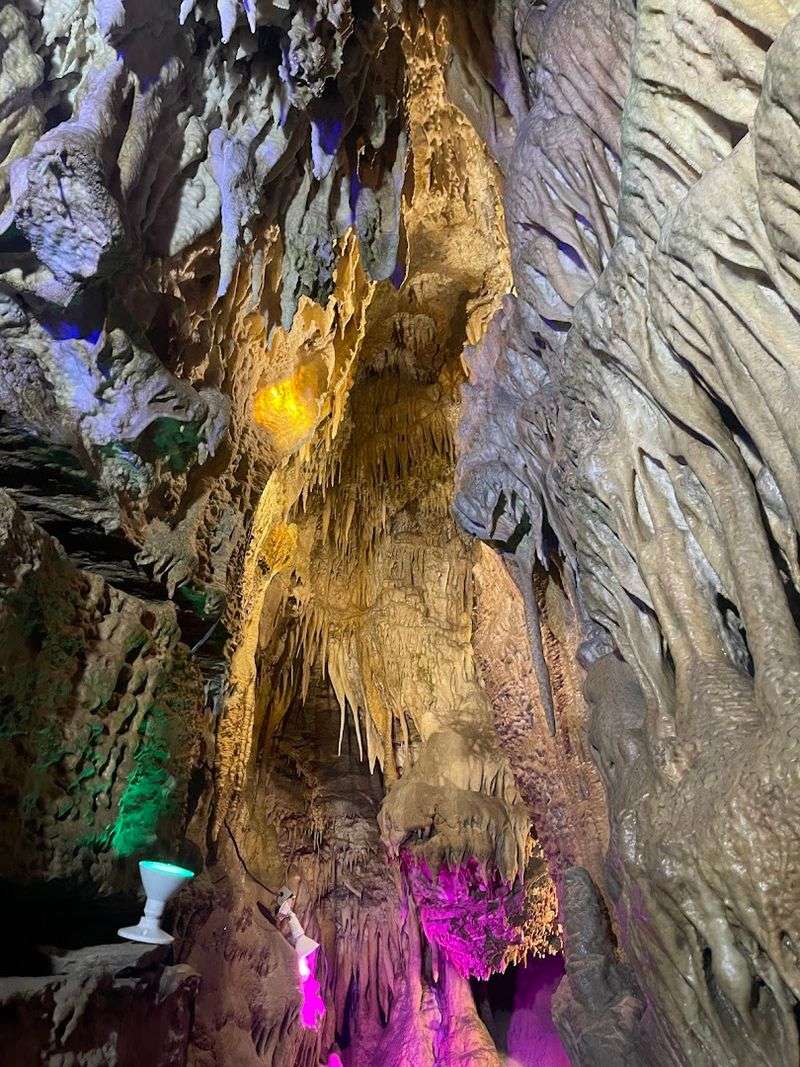
Crystal Grottoes Caverns opened to the public in 1921, just one year after that fateful drill bit disappeared into the hillside. That makes it one of the longer-running commercial cave attractions on the East Coast, with over a hundred years of continuous operation behind it.
The cave has changed hands and undergone various updates over the decades, but its fundamental character has remained intact. The decision not to blast the passages wider or install elaborate infrastructure has preserved the cave in a form that still reflects its natural state, which is increasingly rare among commercial show caves that have been modified for mass tourism.
The longevity of the attraction speaks to its enduring appeal. Generations of Maryland families have passed through its entrance, and there are regular visitors who have returned multiple times over the years and still find something new to notice.
A cave that has been drawing crowds since the early days of American road tourism has clearly earned its place on the map.
Practical Tips Before You Visit
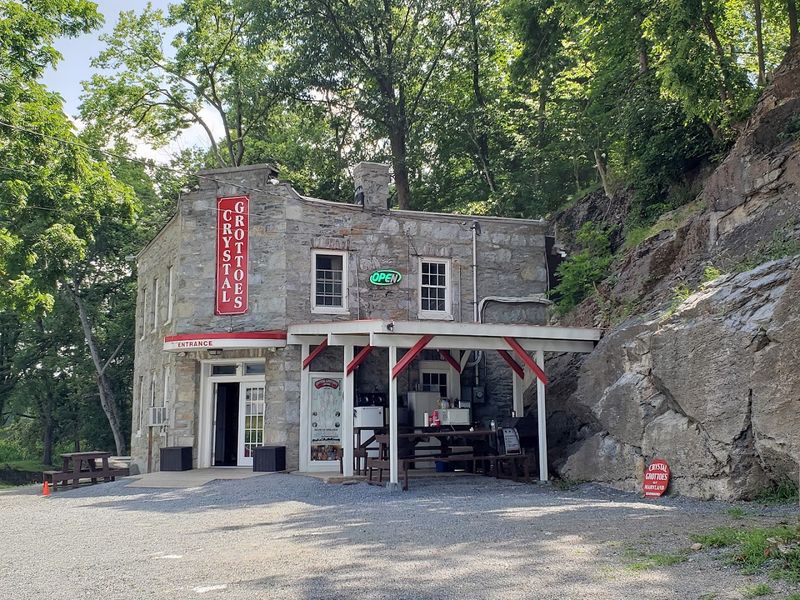
A few practical notes can make the visit go more smoothly. The cave is open daily from 10 AM to 5 PM, but calling ahead at +1 301-432-6336 is genuinely recommended, as posted hours online have not always matched actual operating schedules.
The website at crystalgrottoescaverns.com can also provide current information on pricing and tour availability.
Tours run on a rolling basis throughout the day, and wait times are generally short, often under 15 minutes even on busy weekends. Smaller group sizes tend to make for a more relaxed experience, so arriving early in the day or on a weekday can help avoid larger crowds.
The restroom facilities on site are outdoor portable units, which are kept clean but worth knowing about in advance. There is a small gift area where visitors can browse rocks, minerals, and other souvenirs after the tour.
Bringing cash or confirming payment options ahead of time is also a smart move before making the drive out to Boonsboro.
Where Exactly is This Place
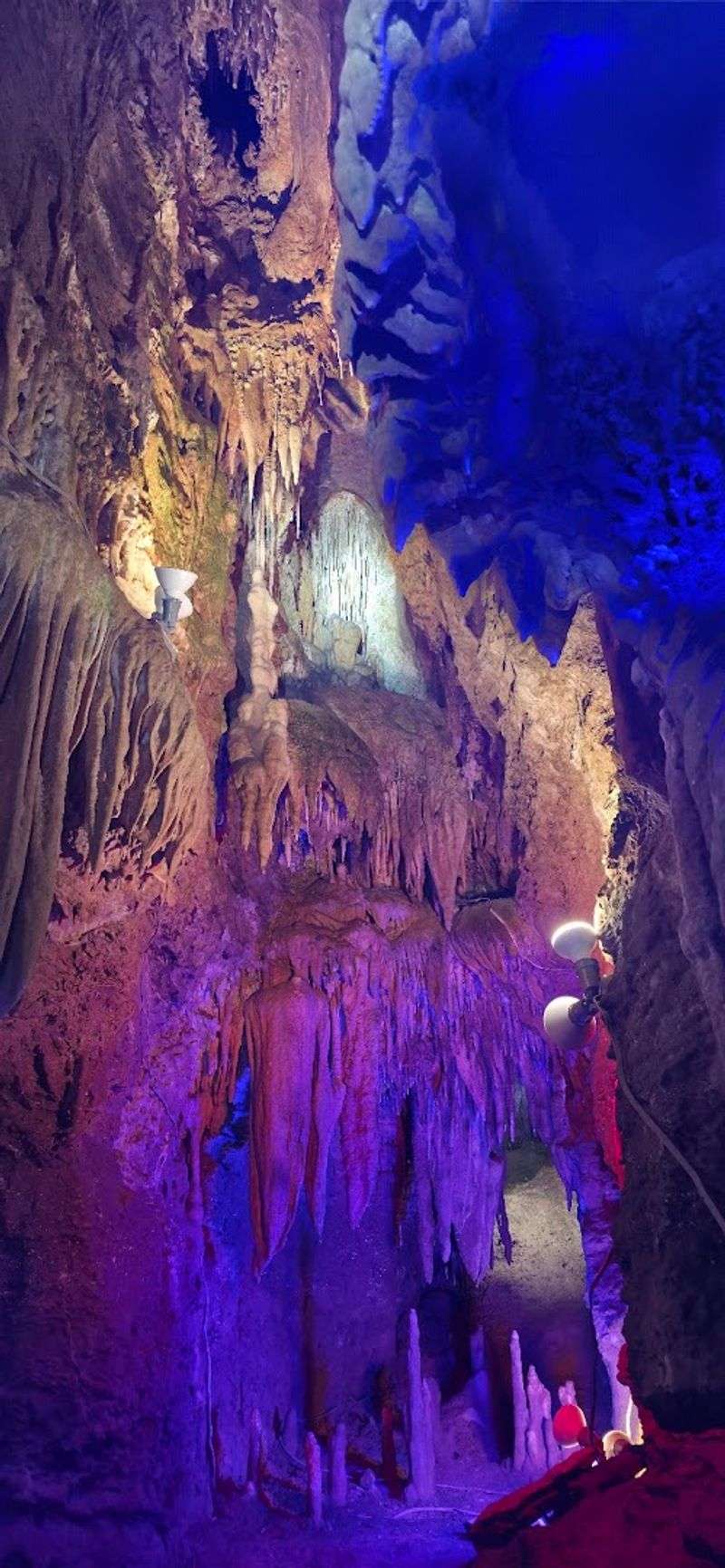
Crystal Grottoes Caverns sits at 19821 Shepherdstown Pike, Boonsboro, MD 21713, tucked into the western Maryland countryside near the border with West Virginia. The location puts it within easy driving distance of the Washington D.C. metro area, making it a practical half-day trip for families and history buffs alike.
Boonsboro itself is a small historic town surrounded by Civil War battlefields, state parks, and scenic byways, so the cave fits naturally into a full day of regional exploration. The property has a modest, no-frills appearance from the outside, which actually adds to the charm once you realize what is hiding just beneath the surface.
The cave is open Tuesday through Sunday from 10 AM to 5 PM, and it is worth calling ahead to confirm hours, as posted times online do not always reflect real-time scheduling. The address is easy to plug into any navigation app, and parking is available on site.
Share this story