
Homelessness across the United States hit a record high in 2024, with nearly 771,480 people counted on a single night. Rising rents, a shortage of affordable housing, and economic pressures have pushed more Americans onto the streets than ever before.
Some cities are feeling this crisis harder than others, and understanding why can help us find better solutions. Here is a closer look at 20 American cities where homelessness challenges are most severe.
New York City, New York
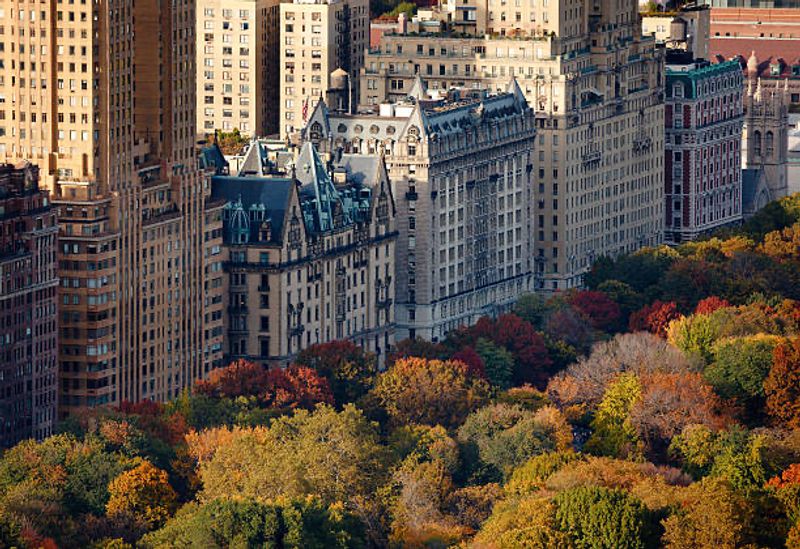
No city in America shelters more unhoused people than New York City, and the numbers are staggering. With well over 100,000 people experiencing homelessness on any given night, the city operates the largest municipal shelter system in the entire United States.
Families, single adults, and recent migrants all rely on this massive network.
New York has a legal “right to shelter” policy, which means the city must provide a bed to anyone who asks. That sounds great on paper, but it also puts enormous pressure on an already stretched system.
Shelters are crowded, and many people cycle in and out repeatedly.
Housing costs in New York are among the highest in the world. A one-bedroom apartment in Manhattan can easily top $3,500 per month, making stable housing almost impossible for low-income residents.
Advocates argue that building more affordable units is the only real long-term fix. The city has launched several major initiatives, but the scale of the problem keeps growing faster than solutions can keep up.
Los Angeles, California
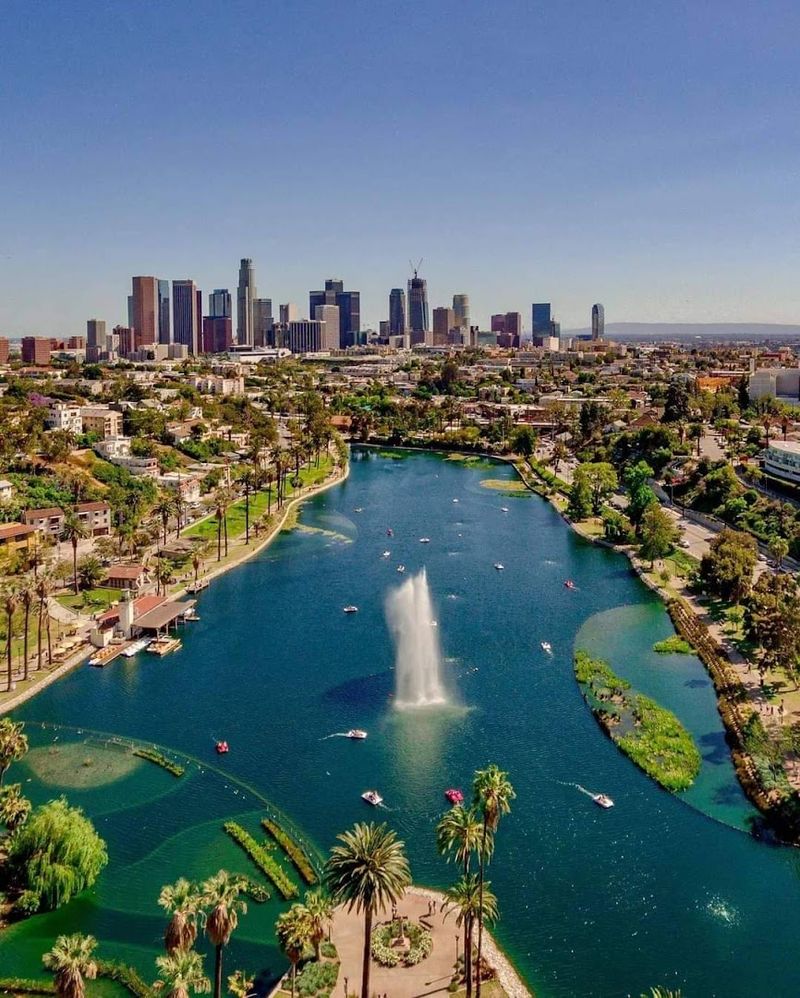
Skid Row in downtown Los Angeles is one of the most well-known stretches of urban homelessness anywhere in the world. Thousands of tents line city sidewalks, and the images have become a symbol of America’s broader housing crisis.
Los Angeles consistently ranks second in the nation for total homeless population, trailing only New York City.
What makes LA’s situation especially tough is the high rate of unsheltered homelessness. Unlike New York, many people in Los Angeles live outside rather than in shelters.
Mild weather year-round makes outdoor survival more possible, but it does not make it safe or acceptable.
Housing costs in Los Angeles have exploded over the past decade. The median rent for a one-bedroom apartment hovers around $2,200, putting stable housing out of reach for thousands of working-class residents.
The city and county have spent billions through Measure H and Measure HHH to build supportive housing, but construction is slow and expensive. Progress is happening, just not fast enough to match the pace of people falling into homelessness each month.
Seattle, Washington
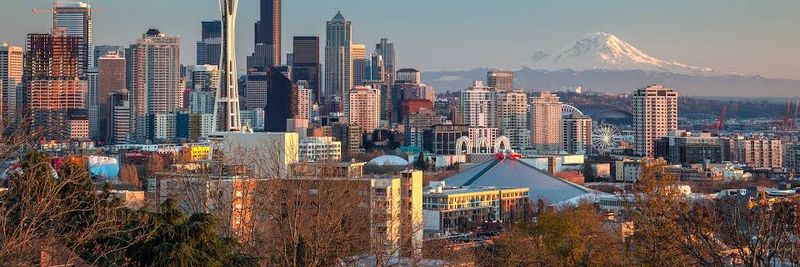
Seattle gets more rain than almost any major American city, which makes living outside especially brutal. Despite that, King County consistently reports one of the largest unsheltered homeless populations in the nation.
Thousands of people call tents, vehicles, and makeshift shelters home across the Seattle metro area.
The tech boom that made Seattle famous for innovation also made it nearly unaffordable for regular workers. As Amazon and Microsoft grew, so did rents.
Many longtime residents were priced out of their neighborhoods, and some ended up without housing altogether. The irony is hard to ignore.
King County has invested heavily in outreach programs and tiny home villages, which offer small individual structures with basic amenities. These villages have shown real promise in getting people off the streets and into stable environments.
However, neighborhood opposition often slows down the opening of new shelter sites. Seattle also faces challenges around mental health and substance use, which are tightly connected to homelessness in the region.
Local leaders continue to debate the right balance between enforcement, compassion, and long-term housing investment as the crisis shows no sign of slowing down.
Denver, Colorado
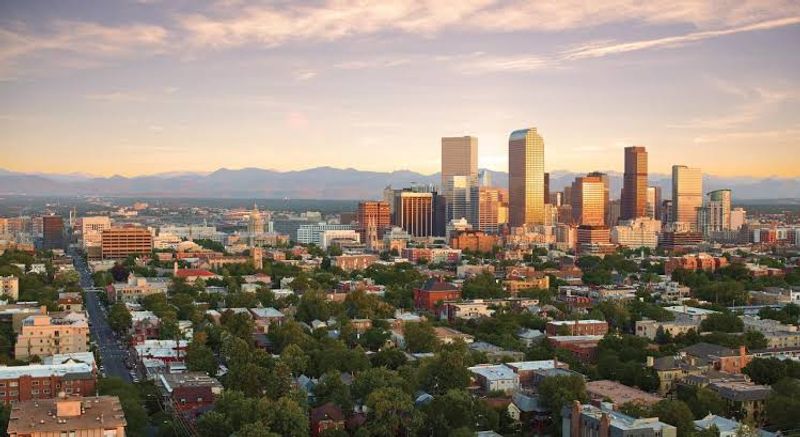
Denver used to be known as a laid-back mountain city, but rapid growth has brought big-city problems along for the ride. The Denver metro area has seen its homeless population surge in recent years, driven by soaring housing costs and an influx of new residents from across the country.
What was once an affordable alternative to California has become nearly as expensive.
Colorado winters are no joke, and surviving outside in Denver when temperatures drop below freezing is genuinely life-threatening. The city has worked to expand emergency shelter capacity during cold snaps, but demand often outpaces available beds.
Frostbite and hypothermia are real risks for those sleeping outdoors.
Denver has also become a destination for people experiencing homelessness from other states, which has added pressure to local services. The city launched a “Social Impact Bond” program aimed at helping chronically unhoused individuals find stable housing, and early results showed promise.
However, rising rents continue to undercut those gains. Advocates point out that without more deeply affordable housing units, the city will keep running on a treadmill, helping some people while new cases emerge just as fast.
Denver’s growth story has a complicated and unfinished chapter.
San Jose, California
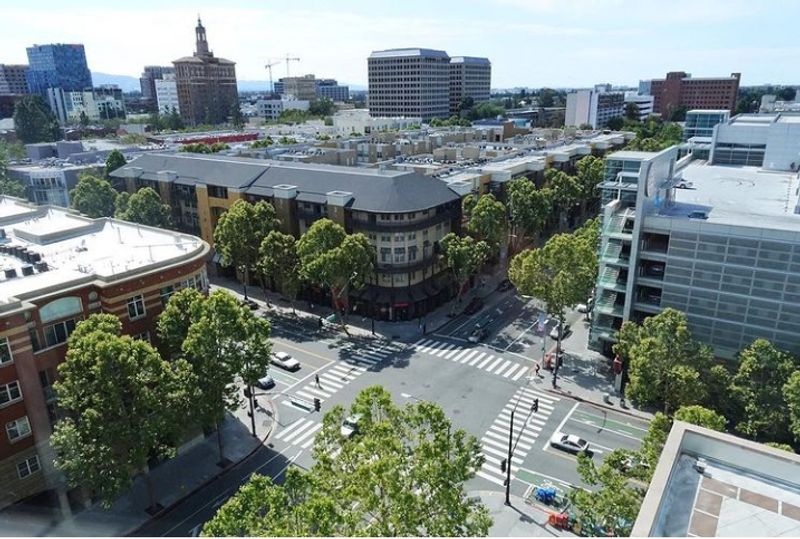
Silicon Valley is home to some of the wealthiest companies on the planet, and San Jose sits right at its heart. Yet just a short drive from the gleaming campuses of tech giants, thousands of people live in tent cities along creek beds and highway overpasses.
The contrast is jarring and hard to explain away.
San Jose has one of the highest costs of living in the nation. A modest two-bedroom apartment can cost more than $3,000 per month, which is simply out of reach for anyone earning minimum wage or less.
Even many middle-class workers struggle to keep up with rent increases. When people lose housing here, getting back in is extraordinarily difficult.
The city has made efforts to address the crisis through programs like “HomeFirst” and various rapid rehousing initiatives. These programs connect unhoused individuals with temporary vouchers and case management services to help stabilize their lives.
Results have been mixed, largely because there are not enough affordable units to place people in even when funding is available. San Jose’s homelessness crisis is, at its core, a housing supply problem.
Building more units at prices regular people can afford remains the most pressing challenge facing city leaders today.
Portland, Oregon
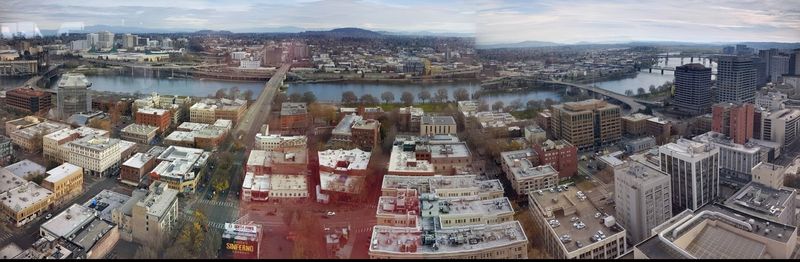
Portland has become one of the most talked-about cities in the national homelessness conversation, and not always for positive reasons. Visible tent encampments throughout the city made headlines for years, and the debate over how to respond became deeply political.
The city sits at a crossroads between compassionate outreach and calls for stricter enforcement.
Oregon made history in 2020 by decriminalizing small amounts of hard drugs through Measure 110. The idea was to treat addiction as a health issue rather than a criminal one.
However, the rollout struggled, and many residents felt the policy made street conditions worse. Measure 110 was ultimately repealed in 2024 amid public pressure.
Portland’s housing market, while slightly less expensive than San Francisco or Seattle, has still become unaffordable for many low-income residents. Rents have climbed sharply, and the vacancy rate for affordable units remains extremely low.
The city has invested in new shelter beds and transitional housing, but demand consistently exceeds supply. Portland’s homelessness challenge is deeply tied to mental health, addiction, and housing affordability all at once, making it one of the most complex urban crises in the Pacific Northwest.
Solutions require coordination across multiple systems simultaneously.
San Diego, California
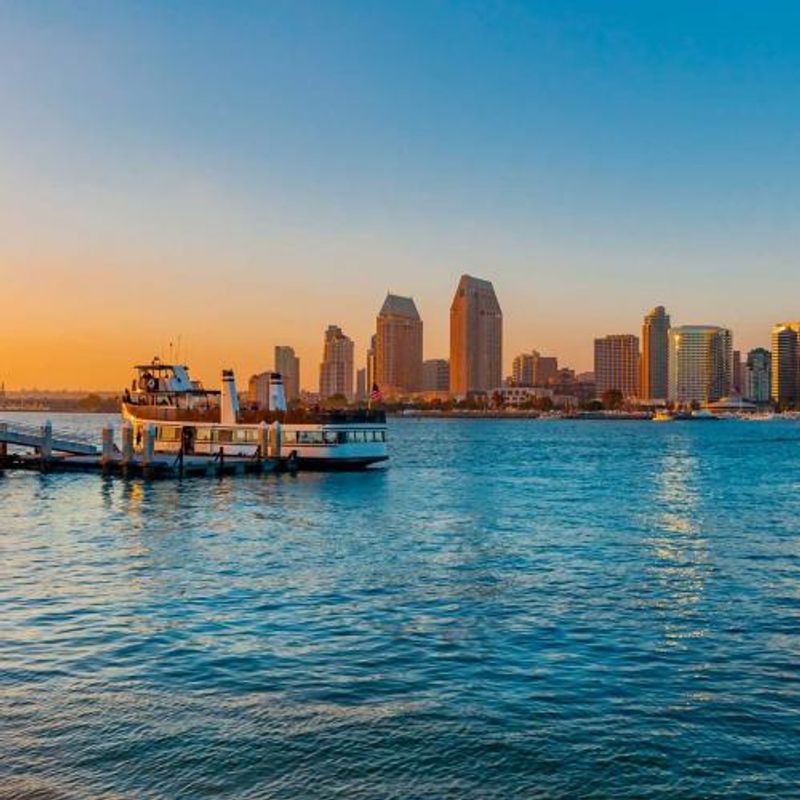
San Diego enjoys 266 sunny days a year, which sounds like paradise until you realize that mild weather also makes it one of the more livable cities in the nation for people without shelter. That climate factor, combined with a severe shortage of affordable housing, has contributed to one of the country’s largest homeless populations.
San Diego consistently ranks in the top ten nationally.
The city made grim headlines in 2017 when a hepatitis A outbreak swept through its homeless population, killing 20 people and infecting hundreds more. That public health crisis forced a serious reckoning about sanitation, hygiene stations, and the dangers of large unsheltered encampments.
The city responded with new facilities and handwashing stations, but the underlying housing shortage remained unchanged.
San Diego has since launched several ambitious programs, including a large shelter known as the Golden Hall and various navigation centers designed to connect people with services. The region also benefits from strong nonprofit partnerships, including Father Joe’s Villages, which provides thousands of shelter beds and supportive housing units.
Still, the number of people experiencing homelessness in San Diego remains stubbornly high. Advocates say that without major investment in permanent affordable housing, the city will keep managing symptoms rather than solving the root problem.
Phoenix, Arizona

Phoenix summers are brutal, with temperatures regularly topping 110 degrees Fahrenheit. For people living outside, that kind of heat is not just uncomfortable, it is deadly.
Maricopa County has recorded alarming numbers of heat-related deaths among its unhoused population in recent years, drawing national attention to the life-or-death stakes of street homelessness in the desert Southwest.
The area known as “The Zone” near downtown Phoenix became one of the largest homeless encampments in the American Southwest before city officials moved to clear it in 2023. That clearance sparked significant legal and political battles, raising questions about where displaced residents would go and whether enforcement without housing solutions actually helps anyone.
Phoenix has grown explosively over the past two decades, attracting hundreds of thousands of new residents. That growth has driven up housing costs in a city that was once considered affordable by national standards.
Apartment rents have risen sharply, and the supply of low-income housing has not kept pace. Arizona has also struggled with limited state investment in behavioral health and substance use treatment, both of which are closely linked to chronic homelessness.
Phoenix leaders are working on new shelter capacity and supportive housing projects, but progress feels slow against the scale of the need.
Oakland, California
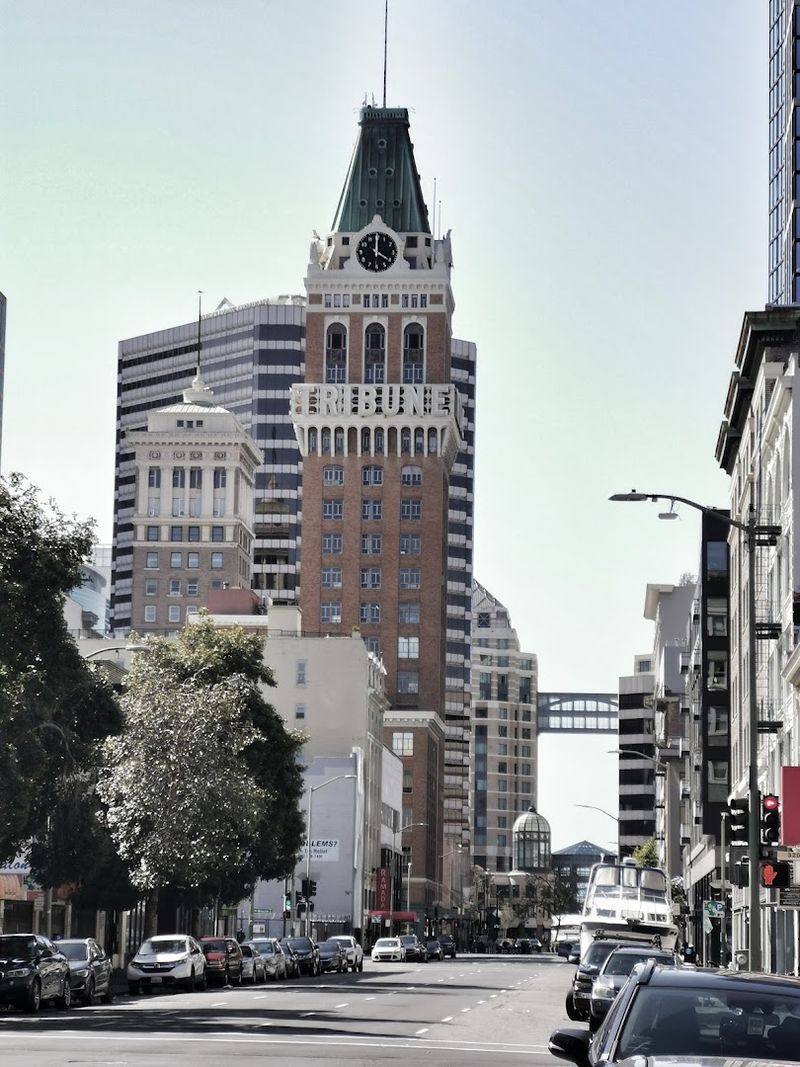
Oakland carries a reputation as one of the Bay Area’s most culturally vibrant cities, known for its music, food, and community spirit. It also carries the weight of one of California’s most severe homelessness crises.
The Oakland-Alameda County region consistently ranks among the largest Continuums of Care in the nation, with tens of thousands of people experiencing homelessness each year.
The Bay Area’s astronomically high housing costs hit Oakland especially hard. Although Oakland is cheaper than San Francisco, it is still wildly expensive by national standards.
Many residents who were priced out of San Francisco moved to Oakland, which in turn drove up rents there too. The ripple effect has pushed lower-income residents further out or onto the streets entirely.
Oakland has long struggled with a high rate of unsheltered homelessness, meaning many people live in tents and vehicles rather than in shelters. Large encampments have formed near Lake Merritt, along freeway underpasses, and in city parks.
The city has attempted sweeps and cleanups, but without sufficient housing options to offer displaced residents, those actions often just move the problem rather than solve it. Advocates continue to push for permanent supportive housing investments as the only lasting answer to Oakland’s homelessness challenge.
San Francisco, California
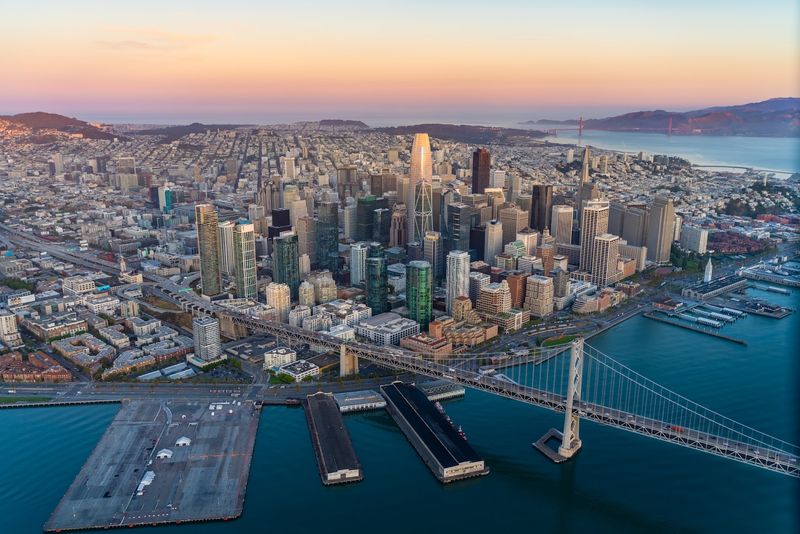
San Francisco spends more money per homeless resident than almost any other city in the world, yet its streets remain among the most visibly impacted by the crisis. That paradox has made the city a lightning rod in national debates about homelessness policy.
Critics question whether the money is being spent wisely, while advocates argue the city simply needs more of it directed toward permanent housing.
The median home price in San Francisco regularly exceeds $1.2 million, and even renting a one-bedroom apartment costs more than $3,000 per month on average. Those numbers make it nearly impossible for anyone earning a low or even moderate income to remain stably housed.
One unexpected job loss or medical bill can be enough to push a person onto the street.
The Tenderloin neighborhood has long been the visible center of San Francisco’s homelessness crisis, with open drug use and large encampments drawing constant media attention. The city launched a “Tenderloin Emergency Intervention” in 2021 aimed at reducing street conditions, with some short-term results.
Mayor London Breed and her successor have both made homelessness a top priority. New safe sleeping sites, navigation centers, and tiny home villages have helped, but the overall numbers remain stubbornly high compared to national peers.
Las Vegas, Nevada
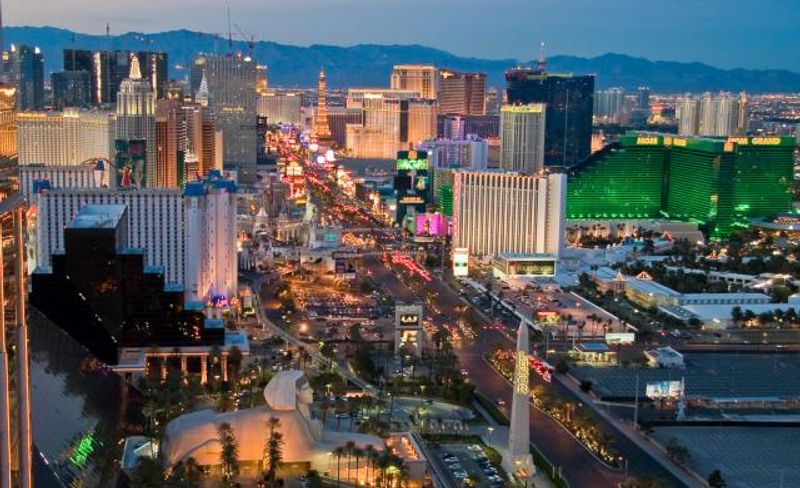
Most people picture neon lights and casino floors when they think of Las Vegas, not tent cities tucked behind the famous Strip. But Southern Nevada has been quietly dealing with a growing homelessness crisis that gets far less national attention than its glitzy image suggests.
The region’s homeless population has risen steadily alongside rapid population growth and climbing housing costs.
Las Vegas summers rival Phoenix for punishing heat, making outdoor survival dangerous for months at a time. The city operates a 24-hour outdoor shelter called the Courtyard Homeless Resource Center, which is designed to serve as a hub connecting people with services.
It is a creative solution, but critics note that an outdoor facility in desert heat has obvious limitations.
Nevada has historically had limited state-level investment in social services compared to neighboring California, which means fewer resources for mental health treatment, addiction recovery, and housing subsidies. The affordable housing shortage in Las Vegas has worsened significantly since the pandemic, with rents rising sharply in a market that once offered relatively cheap options.
Many service workers who keep the casino industry running are themselves one crisis away from housing instability. Las Vegas is learning that prosperity on the Strip does not automatically trickle down to everyone living in the valley below.
Orange County, California

Orange County surprises many people when it shows up on lists like this one. Known for Disneyland, wealthy beach communities, and manicured suburbs, it is not the first place most Americans picture when they think about homelessness.
Yet the Santa Ana and Anaheim area consistently reports one of the largest homeless populations outside of a major central city in the entire country.
The Santa Ana River trail became a national flashpoint in 2018 when authorities cleared a massive encampment that had grown to house more than 700 people. The clearance prompted lawsuits and intense debate about civil rights, shelter access, and the responsibilities of local government.
It drew attention to a population that had been largely invisible to wealthier parts of the county.
Orange County has extremely limited affordable housing stock, and rents in even its less glamorous cities have climbed steeply. Many of the county’s unhoused residents are working adults who simply cannot find housing they can afford.
The county has since opened new shelter facilities and expanded outreach services, but the gap between housing costs and wages remains the core challenge. Local advocates continue pushing for more permanent supportive housing units as the only durable solution for people experiencing chronic homelessness in the region.
Chicago, Illinois
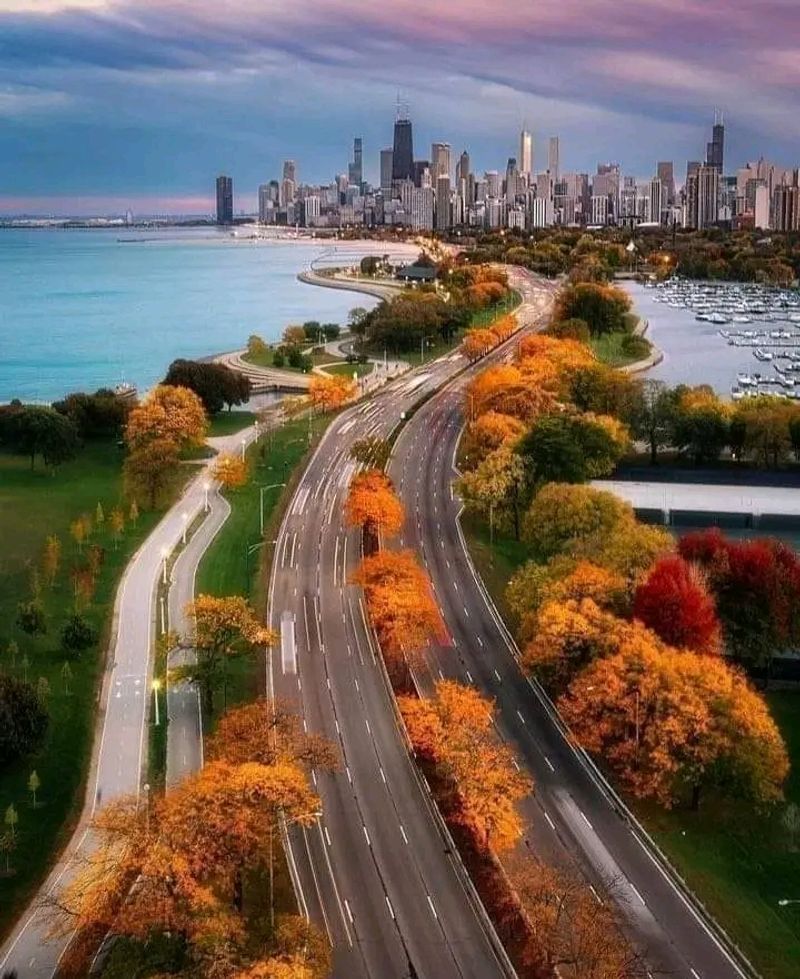
Chicago does homelessness differently than most West Coast cities, and that distinction matters. A much larger share of Chicago’s homeless population is sheltered compared to cities like Los Angeles or Portland.
That means more people are sleeping in beds rather than on sidewalks, which is a genuine measure of progress even if the overall numbers remain high.
Chicago winters are famously brutal, and that climate reality has long pushed the city to prioritize indoor shelter capacity. Temperatures regularly drop below zero, making outdoor survival genuinely impossible for extended periods.
The city’s network of overnight warming centers and emergency shelters has saved lives over decades of harsh winters.
Still, Chicago faces deep structural challenges. Poverty is concentrated in specific South and West Side neighborhoods where disinvestment, lack of affordable housing, and high unemployment create conditions that push people toward homelessness.
The city also has a significant population of unaccompanied youth experiencing homelessness, many of whom are LGBTQ+ teens who have left unsafe home environments. Chicago has invested in youth-specific shelter and housing programs, but demand outpaces capacity.
Mayor Brandon Johnson has made homelessness a priority, calling for increased investment in affordable housing production and supportive services. Progress is real but uneven across the city’s many neighborhoods.
Sacramento, California
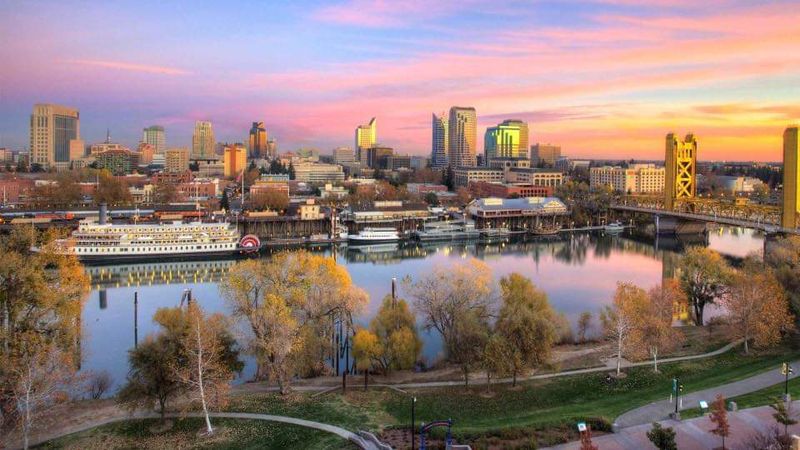
California’s state capital has a homelessness crisis that often gets overshadowed by the louder emergencies in Los Angeles and San Francisco. But Sacramento has seen some of the steepest percentage increases in homelessness of any major California city over the past several years.
The numbers have climbed sharply, and the city’s resources have struggled to keep pace.
The American River Parkway, a beloved recreational trail that winds through the city, became home to one of the largest encampments in California. Thousands of people set up camp along the riverbanks, raising serious concerns about public health, fire risk, and environmental damage.
The city has cleared portions of the encampment multiple times, but without sufficient housing alternatives, residents often return or move nearby.
Sacramento’s housing market, once considered affordable by California standards, has become significantly more expensive over the past decade. Remote workers fleeing the Bay Area drove up demand and prices, squeezing out low-income residents.
The city has invested in new shelter facilities and Navigation Centers, which offer lower-barrier access to services than traditional shelters. Governor Gavin Newsom has also used Sacramento as a testing ground for new state homelessness policies.
Results have been promising in isolated cases, but the overall scale of the problem in Sacramento continues to grow year over year.
Boston, Massachusetts

Boston has one of the highest rates of sheltered homelessness in the nation, which reflects the city’s long-standing commitment to providing indoor accommodations. That is genuinely worth recognizing.
However, the area known as “Mass and Cass,” the intersection of Massachusetts Avenue and Melnea Cass Boulevard, became a national symbol of open-air drug use and street homelessness that tested that reputation severely.
The Mass and Cass area attracted people struggling with addiction from across New England, creating a concentrated crisis that was visible, chaotic, and heartbreaking. The city made several attempts to clear and reorganize the area, drawing both praise from frustrated residents and criticism from advocates who worried about where displaced individuals would go without adequate treatment options.
Boston’s housing market is among the most expensive in the Northeast. College students, young professionals, and longtime residents all compete for a limited supply of apartments in a dense, walkable city with world-class universities and hospitals.
That demand keeps rents high and vacancy rates low, making it extremely difficult for low-income residents to find or keep stable housing. Boston has invested in addiction treatment beds and transitional housing, but the intersection of substance use, mental illness, and housing scarcity creates a challenge that no single program can fully address on its own.
Philadelphia, Pennsylvania

Kensington Avenue in Philadelphia became one of the most photographed streets in America for all the wrong reasons. The neighborhood, long struggling with poverty and industrial decline, became the epicenter of the nation’s opioid crisis, with open-air drug markets and large numbers of people living outside drawing documentary crews and news cameras from around the world.
Homelessness and addiction are deeply intertwined in this part of the city.
Philadelphia’s overall homelessness numbers are significant, but the city has made meaningful investments in shelter capacity over the years. Many of the city’s unhoused residents do have access to overnight shelter, though the quality and safety of those facilities vary widely.
Long waiting lists for permanent housing mean many people cycle through shelters repeatedly without ever achieving stability.
Philadelphia is one of the poorest large cities in the United States, with a poverty rate that consistently exceeds 20 percent. That level of economic hardship creates a massive pool of residents who are just one crisis away from losing their housing.
The city has pursued various anti-eviction programs and rental assistance initiatives, which have helped some households stay housed. But without addressing the deeper roots of poverty and the shortage of truly affordable housing units, Philadelphia’s homelessness challenge will remain one of the most pressing issues facing city leadership for years ahead.
Washington, D.C.
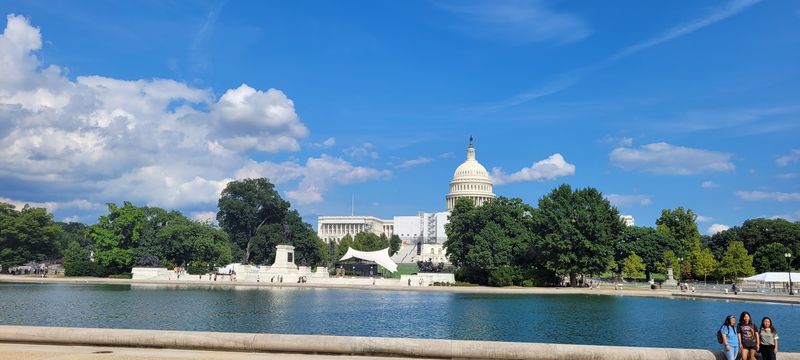
There is something uniquely pointed about homelessness being so visible in the shadow of the United States Capitol. Washington, D.C. consistently ranks among the top cities in the nation for homeless population relative to its size, and the contrast between political power and street-level poverty is impossible to ignore.
Tourists visiting the National Mall often encounter people sleeping on benches just blocks from the most powerful institutions in the world.
D.C. has a legal right to shelter, similar to New York City, which means the city must provide emergency shelter to anyone who requests it. That policy has resulted in a relatively high rate of sheltered homelessness compared to West Coast cities.
Still, many people remain on the streets, particularly those with complex needs related to mental health or substance use.
Housing costs in D.C. have climbed dramatically over the past two decades as the city has gentrified rapidly. Neighborhoods that were once home to working-class Black families have been transformed by new development, displacing longtime residents.
The city has invested in permanent supportive housing and various prevention programs, and advocates point to measurable reductions in family homelessness as a genuine success story. But single adult homelessness remains stubbornly persistent, and the gap between wages and rents in the District continues to widen each year.
Honolulu, Hawaii

Hawaii is one of the most beautiful places on earth, and also one of the most expensive places to live in the entire United States. That combination creates a homelessness crisis with a painful irony built right in.
Honolulu consistently ranks as one of the cities with the highest rates of unsheltered homelessness per capita in the nation, with many residents sleeping on beaches, in parks, and under highway overpasses.
The cost of housing in Hawaii is staggering. The median home price in Honolulu regularly exceeds $800,000, and even modest apartments rent for thousands of dollars per month.
For service workers, hotel employees, and others who keep Hawaii’s tourism economy running, stable housing is increasingly out of reach. Some workers commute from other islands or live in overcrowded conditions with multiple families sharing a single unit.
Hawaii’s geographic isolation makes the homelessness problem especially challenging. There is no neighboring state to draw resources from, and building new housing is complicated by limited land, strict zoning rules, and high construction costs.
The state has launched various Housing First initiatives and tiny home projects, with some documented success in moving chronically homeless individuals into permanent housing. But the pipeline of affordable units remains far too small to meet the enormous demand that exists across the Hawaiian islands today.
Fresno, California
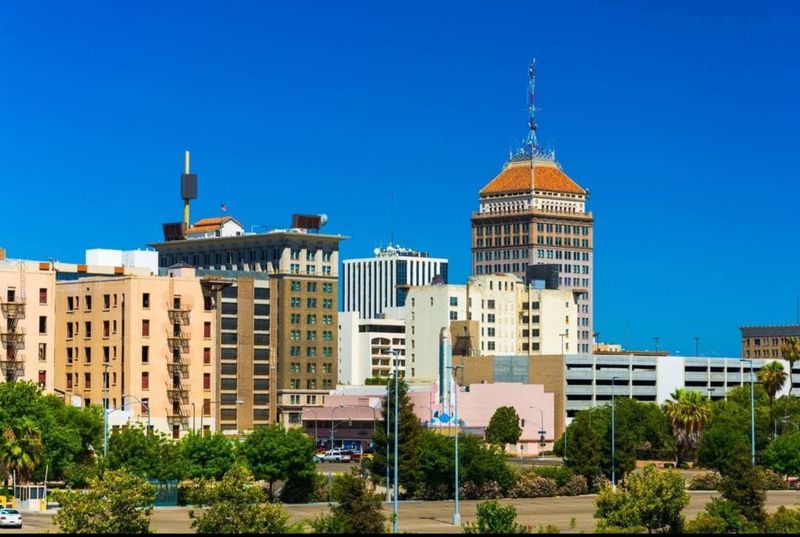
Fresno does not make the homelessness headlines as often as Los Angeles or San Francisco, but its numbers tell a serious story. The city has one of the highest proportions of unsheltered homelessness among major American communities, meaning a large share of its unhoused residents are living outside rather than in shelters.
The Central Valley heat makes that reality especially dangerous during summer months.
Fresno is one of the poorest large cities in California, with unemployment and poverty rates that consistently exceed state and national averages. The agricultural economy that surrounds the city provides seasonal work but not the kind of stable, year-round income that supports consistent housing.
Many farmworkers and their families live in extremely precarious housing situations that can tip into homelessness with little warning.
The city has worked to expand shelter capacity and has partnered with organizations like Turning Point and the Poverello House, which provide meals, shelter, and transitional housing services to thousands of residents each year. Fresno also received significant state funding through California’s Homekey program, which converts motels and other buildings into permanent supportive housing.
Those investments have made a real difference for some individuals. But Fresno’s combination of poverty, heat, and limited affordable housing stock means the city will be managing a significant homelessness challenge for the foreseeable future without major structural economic changes.
Stockton, California
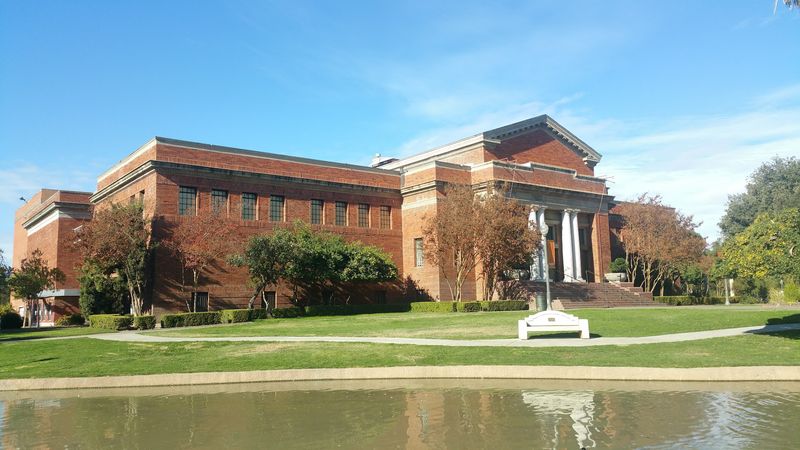
Stockton made international news in 2019 for launching one of America’s first guaranteed income pilot programs, giving residents $500 per month with no strings attached. That bold experiment showed real promise in reducing financial stress and improving employment outcomes.
Yet even as Stockton was celebrated for innovation, its homelessness numbers were climbing steadily, reflecting deeper housing and economic challenges that cash transfers alone could not fully solve.
Located in California’s Central Valley, Stockton sits at the intersection of agricultural poverty and urban disinvestment. The city filed for bankruptcy in 2012, making it the largest American city ever to do so at the time.
Recovery has been slow, and the city still lacks the robust tax base needed to fund comprehensive social services at the scale the community needs.
Stockton’s housing market, while cheaper than coastal California cities, has still seen rents rise faster than wages over the past decade. The city has a significant population of residents living in overcrowded or substandard housing, which increases the risk of homelessness when anything goes wrong financially.
Local nonprofits and city agencies have worked to expand shelter options and connect residents with rental assistance programs. Stockton’s story is one of resilience and experimentation, but the gap between need and available resources remains wide, and the homelessness challenge here is very much ongoing.
Share this story