A museum dedicated to cleaning may not sound like a must-see attraction, but this Pocatello landmark has been surprising visitors for decades. Spread across 75,000 square feet, it explores the history of cleanliness through interactive exhibits, unusual collections, and displays that are as entertaining as they are educational.
Founded by cleaning expert Don Aslett, the museum goes far beyond mops and brooms. Visitors can explore one of the world’s largest collections of vacuum cleaners, see creative exhibits built from everyday cleaning tools, and discover how sanitation has shaped daily life throughout history.
With hands-on activities, family-friendly attractions, and plenty of unexpected humor, it’s the kind of place that challenges expectations and leaves a lasting impression.
Where It All Began: The Address, the Building, and the Vision
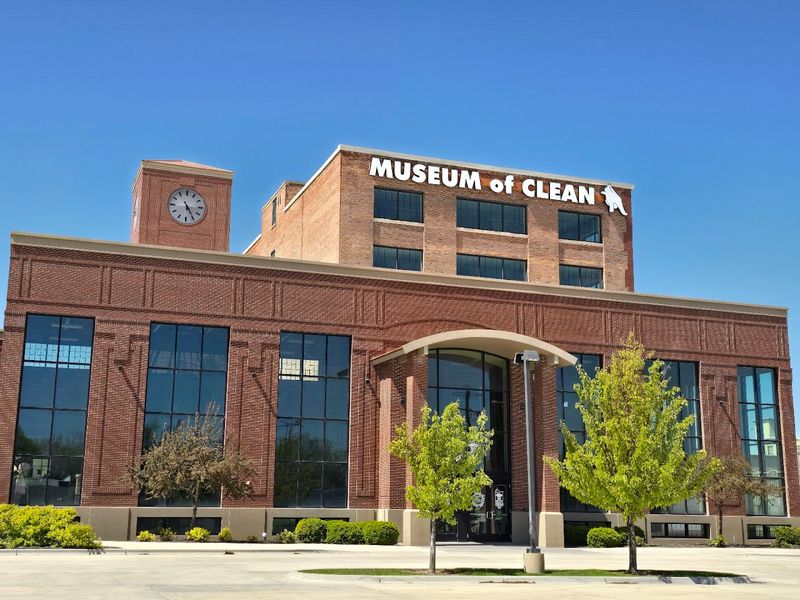
The Museum of Clean sits at 711 S 2nd Ave, Pocatello, Idaho 83201, inside a beautifully restored 1916 brick warehouse that took six years to renovate before opening to the public in November 2011.
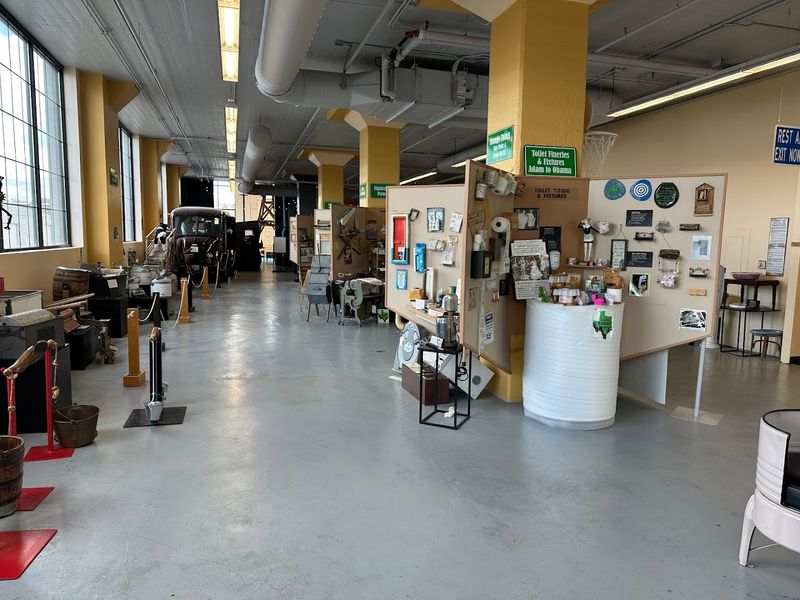
The building alone tells a story. What was once an industrial space has been transformed into a polished, thoughtfully organized museum spanning 75,000 square feet across multiple floors.
Don Aslett first conceived the idea back in 1985, inspired by a visit to the Edison Museum. He spent decades collecting artifacts, writing books, and building a career as one of America’s most recognized cleaning professionals before finally bringing his dream to life in southeastern Idaho.
The moment you arrive, the building’s scale surprises you. It does not look like a typical small-town attraction from the outside, but once you step inside, the sheer breadth of what Aslett assembled makes it clear this project was a lifelong labor of genuine passion and purpose.
The Man Behind the Mop: Don Aslett’s Story
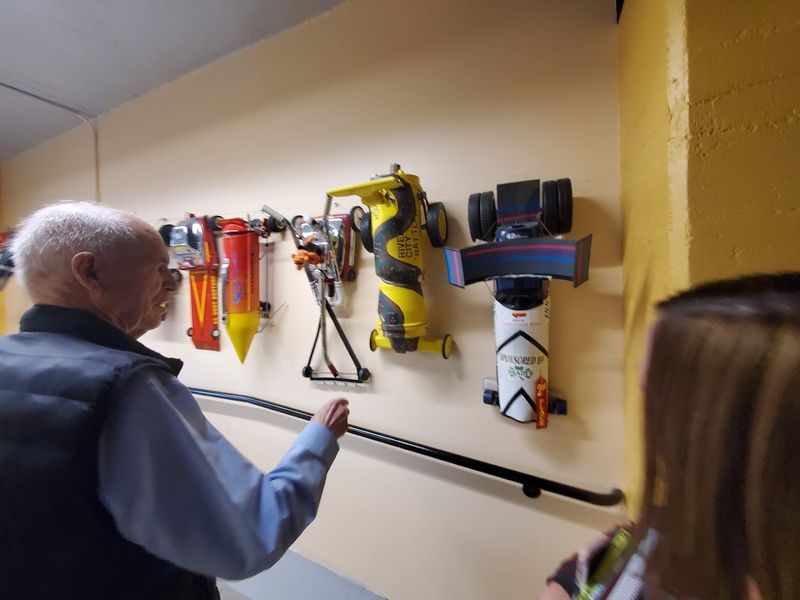
Don Aslett is not a name most people know, but his story is genuinely remarkable. He built a cleaning business from scratch as a college student in Idaho, eventually growing it into one of the largest commercial cleaning companies in the United States.
Along the way, he wrote over 40 books on the subject of cleanliness, decluttering, and organization, many of which became bestsellers. His humor and personality are woven into every corner of the museum he created.
Visitors who were lucky enough to meet him in person described conversations full of wit, anecdotes, and a contagious enthusiasm for his subject. Even now, his presence is felt throughout the exhibits in the form of clever captions, playful displays, and a philosophy that goes far beyond household chores.
Aslett believed that cleanliness was not just a practical habit but a moral and social value, and the museum reflects that belief in ways that are surprisingly thought-provoking for a place that also features a giant toilet exhibit.
A Century of Suction: The Vacuum Cleaner Floor
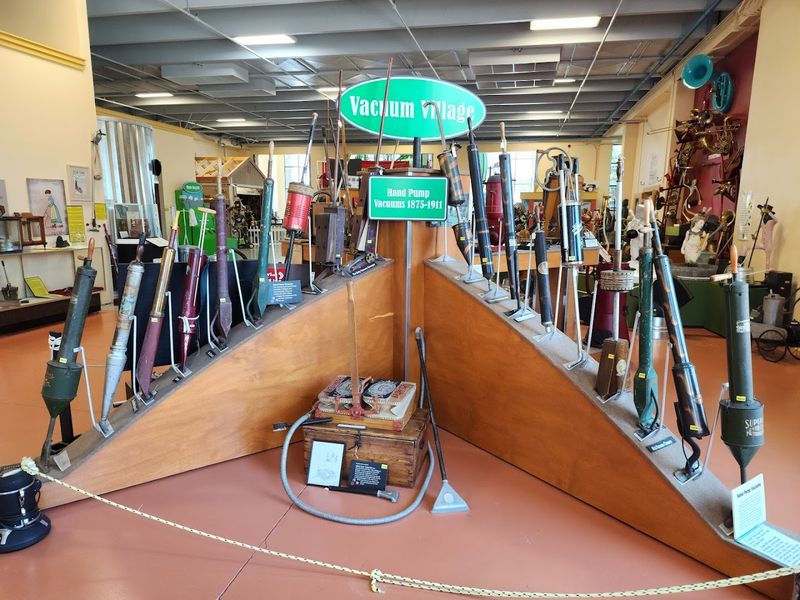
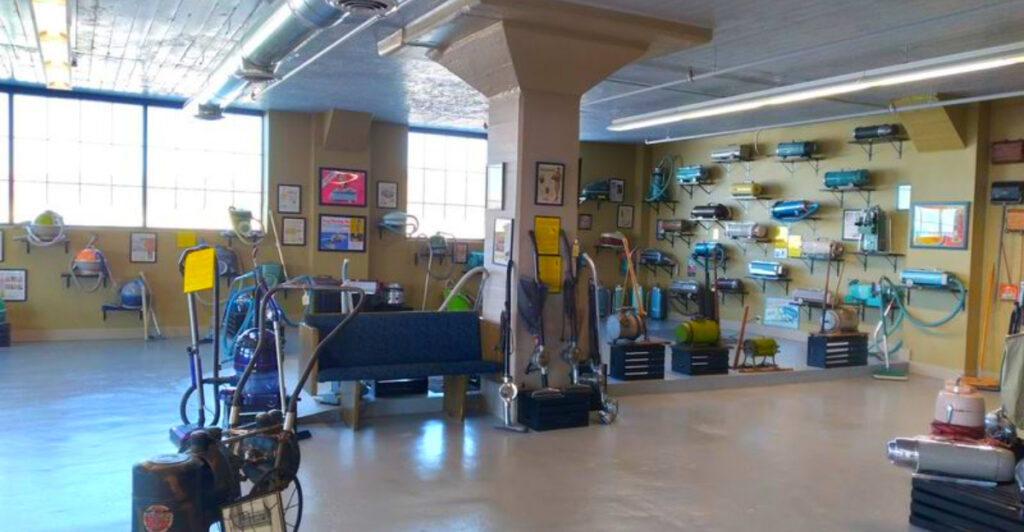
An entire floor dedicated to vacuum cleaners sounds like a punchline, but it is one of the most genuinely fascinating parts of the whole museum. The collection includes nearly 1,000 vacuums spanning a full century of design, engineering, and household innovation.
The oldest piece on display is the Daniel Hess Carpet Sweeper from 1860, considered by many historians to be the world’s first vacuum cleaner. Right next to it, you can trace the evolution through bulky early-electric models, sleek mid-century designs, and everything in between.
The world’s first motor-powered vacuum from 1902 is also part of the collection, and seeing it next to modern equivalents puts a hundred years of domestic progress into sharp visual perspective.
What keeps this section from feeling like a storage room is the thoughtful curation. Each machine has context, a story, and often a touch of humor in its label.
By the time you reach the modern models, you realize just how much engineering effort went into something most people take completely for granted.
The Orchestra of Clean: When Brooms Make Music
One of the most talked-about displays in the entire building is the Orchestra of Clean, a collection of musical instruments assembled entirely from cleaning tools. Brooms, mops, brushes, and scrubbers are arranged and modified to form recognizable instrument shapes in a way that is genuinely clever.
It is the kind of exhibit that makes you stop, tilt your head, and then grin because you did not expect to find something this creative inside a museum about hygiene. The craftsmanship involved in constructing each piece is impressive, and the visual effect of seeing them all together is both whimsical and artistic.
This section captures something important about the museum’s overall spirit. Don Aslett was not trying to build a dry historical archive.
He wanted visitors to see cleaning as something worthy of celebration, creativity, and even joy.
The Orchestra of Clean manages to communicate that message without a single word of explanation. It is the kind of display that sticks with you long after you have left the building, and it photographs beautifully if you are visiting with a camera.
Kid Planet: The Three-Story Playground That Kids Beg to Return To
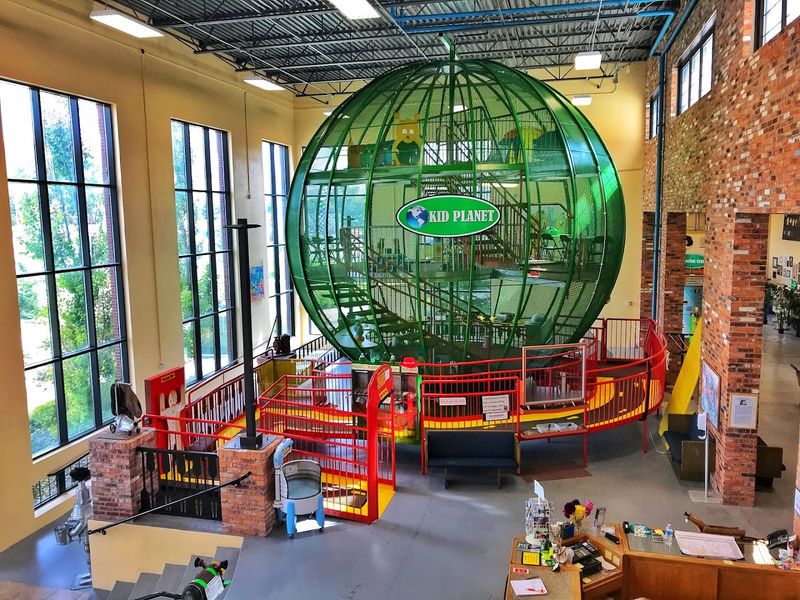
Families with young children will find that Kid Planet is the undisputed highlight of the visit for anyone under ten. This three-story playground is built into the museum and designed so that kids can participate in cleaning-themed activities while burning off serious amounts of energy.
Children can squeegee windows, sweep marbles into targets, and explore a series of tunnels and climbing structures that make the whole experience feel more like a play center than a museum exhibit.
The genius of this setup is that kids are actually learning about cleaning tasks while having so much fun that they do not notice the educational component at all. Parents, meanwhile, get to explore the rest of the museum knowing their children are safely entertained in a dedicated, supervised space.
Multiple families have noted that their kids ranked Kid Planet above far more famous attractions, which says a lot about how well-designed and genuinely fun the space is. The museum has also been expanding and remodeling this area to make it even more engaging for younger visitors.
More Than Mops: The Broader Philosophy of Clean
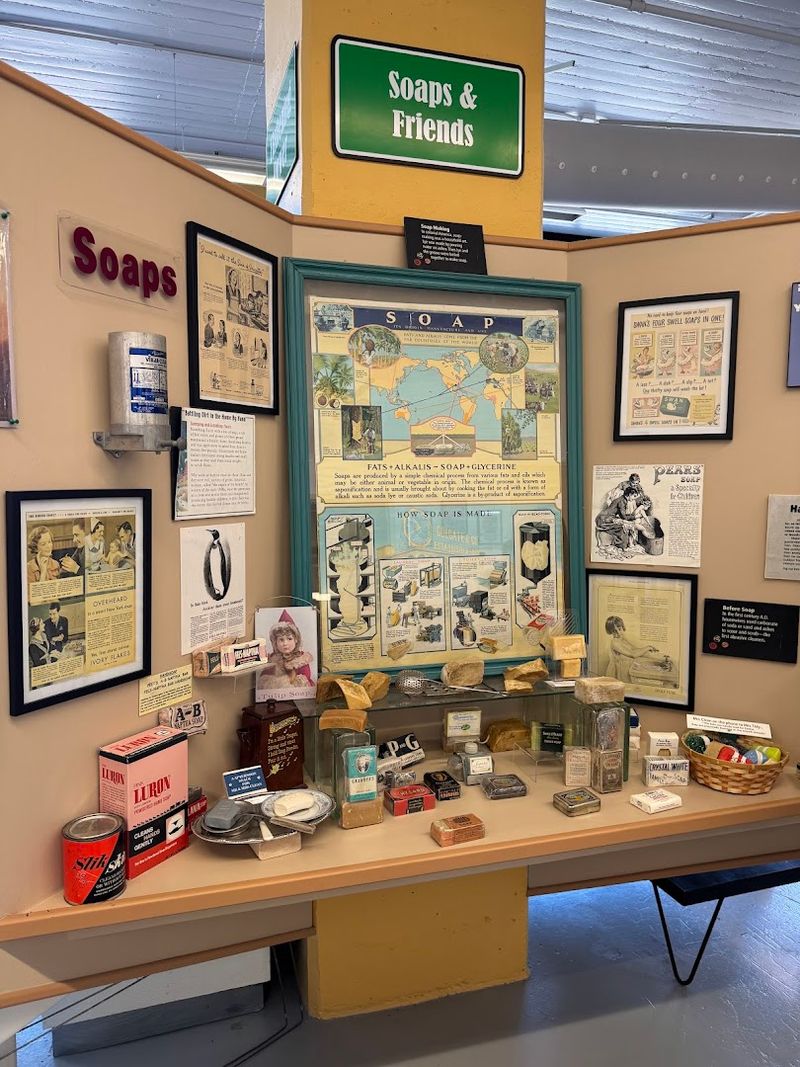
What separates this museum from a simple collection of household antiques is the philosophical framework that holds everything together. The exhibits do not just show how people cleaned their homes throughout history.
They argue that cleanliness as a concept extends into nearly every area of human life.
Clean air, clean water, clean language, clean politics, and even clean art are all explored through displays that provoke genuine thought. The museum asks visitors to consider what it means to live cleanly in the broadest possible sense, and the question lingers with you in a way that a typical history exhibit rarely does.
This approach is what gives the Museum of Clean its unusual depth. You can spend time with the playful, humorous sections and then find yourself standing in front of a display about environmental pollution or political honesty, feeling unexpectedly moved.
Aslett built this place to change how people think, not just to entertain them, and that ambition shows in the range and variety of what is on display throughout the building’s many rooms and floors.
The Garage Exhibit and the Texas-Sized Trashcan
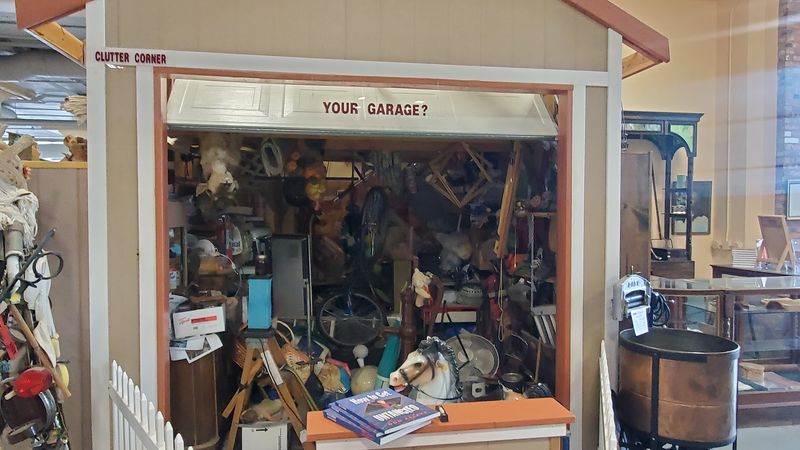
Clutter is one of Don Aslett’s biggest targets, and the Garage exhibit makes that point in a way that is equal parts funny and uncomfortable. The display recreates the kind of overstuffed, disorganized garage that most people either have or have definitely seen, and it holds up a mirror to the wastefulness of modern consumer habits.
Right alongside it, the Texas-sized Trashcan visualizes the scale of the waste problem in a way that plain statistics never quite manage. Seeing the physical representation of how much gets thrown away makes the message land differently than reading about it.
These two exhibits together form one of the more thought-provoking corners of the museum. They are not preachy or heavy-handed, but they do leave you thinking about your own habits in a way that sneaks up on you.
Aslett had a talent for wrapping serious ideas in accessible, even entertaining packaging, and these displays are a perfect example of that skill. They also happen to be great conversation starters for families visiting together, sparking discussions that continue well past the museum doors.
Noah’s Ark and the Power of Water
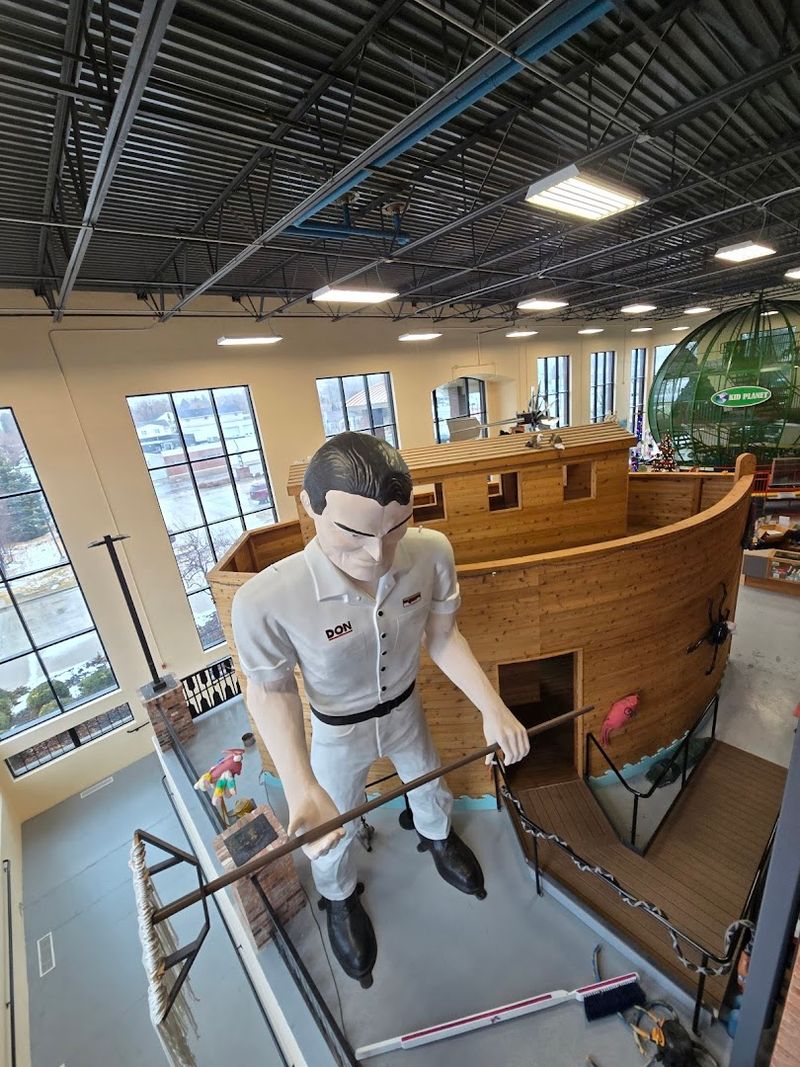
Near the museum’s entrance, a replica of Noah’s Ark greets visitors and immediately signals that this is not a conventional museum experience. The ark is used as a conceptual anchor to explore the role of water in cleanliness throughout human history, and it sets an unexpectedly grand tone for everything that follows.
Water is central to almost every form of cleaning across every culture and every era, and the museum uses this display to make that connection explicit right from the start. It is an unusual choice, but it works because it immediately frames cleanliness as something ancient, essential, and universal rather than just a modern domestic concern.
The ark also adds a visual drama to the entrance area that makes arriving at the museum feel like the beginning of something genuinely interesting. First-time visitors tend to pause here longer than they expect to.
The display connects naturally to other water-related exhibits throughout the building, creating a thread that ties the museum’s broader message together in a way that feels intentional and well-considered from the very first step inside.
Global Cleanliness: Brooms, Books, and Artifacts from Around the World
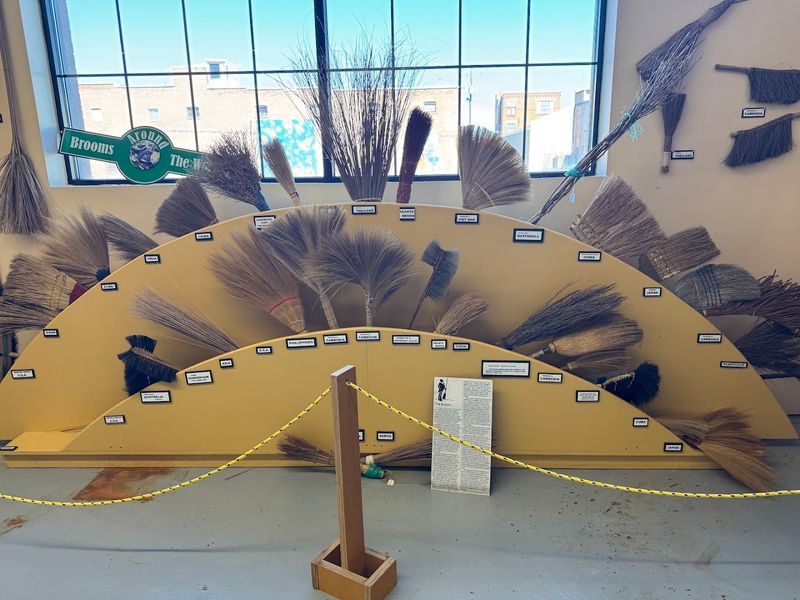
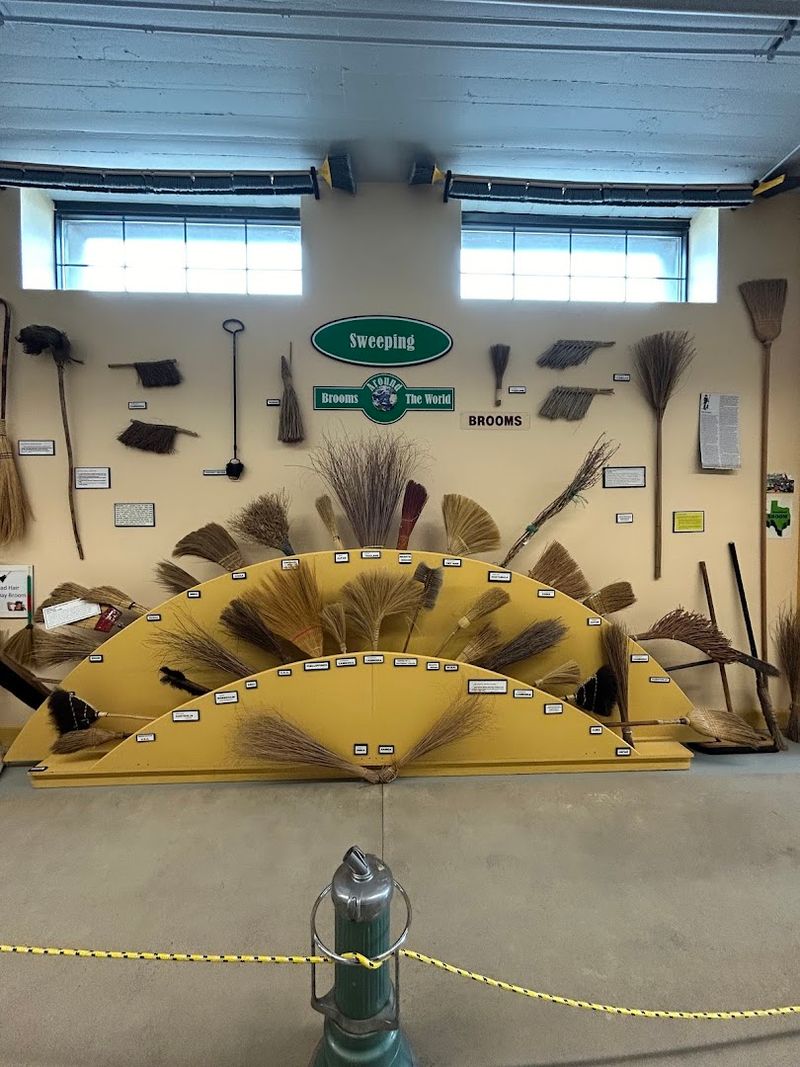
One detail that catches many visitors off guard is the international scope of the collection. The museum includes brooms, books, and cleaning artifacts from countries around the world, including items sourced from Thailand and other parts of Asia, demonstrating that the impulse to clean is genuinely universal.
Seeing a Thai broom displayed next to an American counterpart from the same era is a small but powerful reminder that different cultures developed their own tools, techniques, and traditions around cleanliness long before the age of global communication.
This global perspective elevates the museum beyond what you might expect from a regional attraction in southeastern Idaho. The collection reflects years of deliberate, worldwide sourcing by someone who took his subject seriously as a matter of cultural history, not just domestic habit.
The international items also provide a natural counterpoint to the American-focused exhibits, broadening the conversation and making the museum feel relevant to visitors from many different backgrounds. It is one of those quiet details that adds real credibility and depth to the whole enterprise.
Unexpected Artifacts: Military Helmets, Toilet History, and a Space Shuttle Trash Compactor
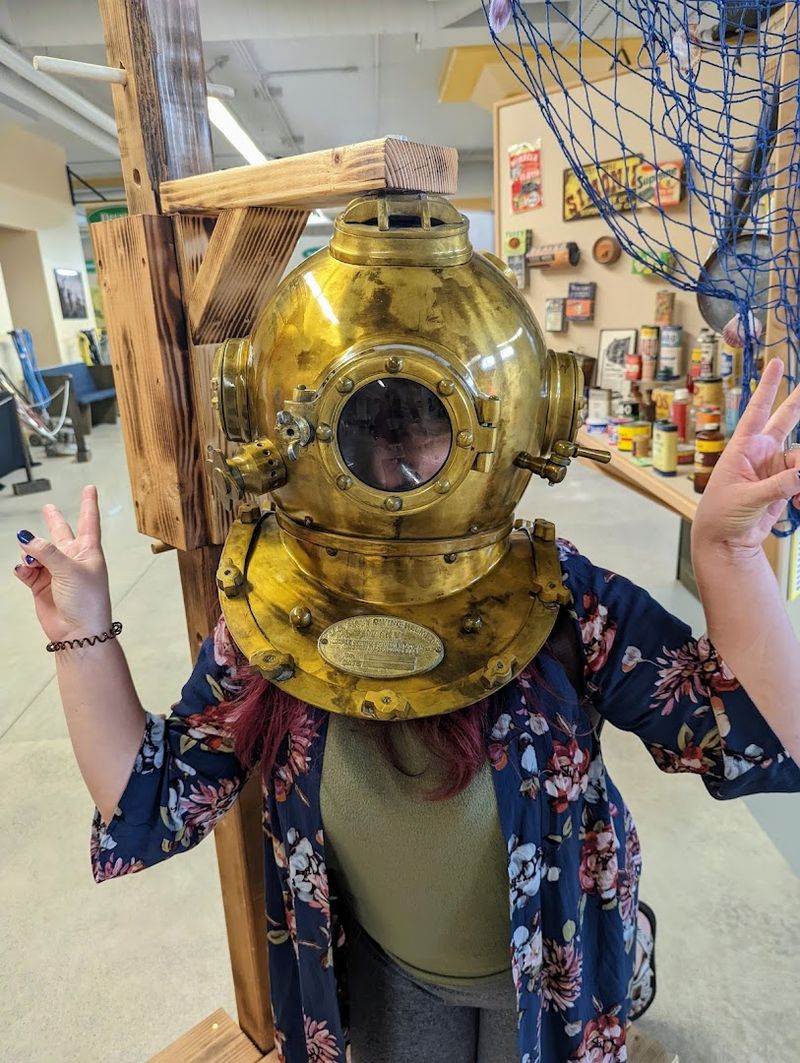
Some of the most memorable moments in the museum come from its most unexpected items. Military helmets used historically for hygienic purposes sit in display cases next to exhibits tracing the full, surprisingly fascinating history of the toilet, complete with captions that manage to be educational and gently amusing at the same time.
Then there is the trash compactor from an actual space shuttle, which is exactly as cool as it sounds. The idea that NASA engineers had to think carefully about waste management in zero gravity is the kind of detail that makes you realize cleanliness is not just a household concern but a genuine engineering challenge at the highest levels of human achievement.
These unexpected artifacts are what keep the museum from ever feeling predictable. Just when you think you have seen the main attractions, another display case reveals something that stops you mid-step.
The combination of humor, history, and genuine rarity in these sections is what earns the museum its unusually high ratings and its reputation as one of the more surprising stops on any road trip through Idaho.
Planning Your Visit: Hours, Tips, and What to Expect
The Museum of Clean is open Tuesday through Saturday from 10 AM to 6 PM, and it is closed on Sundays and Mondays. The phone number is +1 208-236-6906, and more information is available at museumofclean.com/visit.
Plan to spend at least two hours, especially if you are visiting with children.
The staff consistently earns praise for being warm, knowledgeable, and genuinely enthusiastic about the collection. First-time visitors are often given a brief orientation so they know where to find each floor and section, which helps a lot in a building this large.
At the end of your visit, you may be invited to choose a free book written by Don Aslett himself, which is a generous and fitting send-off from a museum built by a man who spent his life writing about his passion.
The restrooms, predictably, are spotless. The gift shop offers a range of unique souvenirs, and the overall atmosphere is welcoming enough that many visitors leave already planning a return trip, which is the best possible endorsement for any museum of any kind.
Share this story