Forest Park is one of the largest and most impressive urban parks in the United States. Covering roughly 1,371 acres in the heart of St. Louis, it is home to many of the city’s top attractions, including a renowned zoo, multiple museums, a historic greenhouse, lakes, trails, and outdoor performance venues.
What makes the park especially remarkable is how much it offers at little or no cost to visitors. Originally developed as the site of the 1904 World’s Fair, it has evolved into a cultural and recreational hub that welcomes millions of people each year.
Whether you’re interested in history, nature, art, or family-friendly activities, Forest Park delivers an experience that rivals some of the nation’s most famous public spaces while remaining distinctly St. Louis.
The Park That Rewrote the Rulebook on Urban Green Spaces
Most city parks give you a patch of grass and a few benches. Forest Park, located at St. Louis, MO 63112, gives you 1,371 acres of trails, lakes, museums, athletic fields, and cultural landmarks, all woven together in one of the most thoughtfully designed urban parks in the United States.
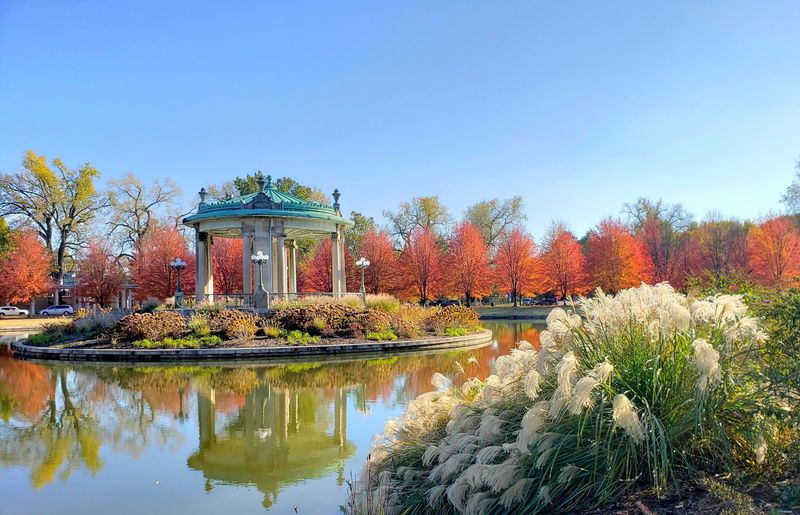
Opened in 1876, the park sits just west of downtown St. Louis and has served as the city’s outdoor living room ever since. Its sheer scale means that two visitors can spend the same afternoon here and have completely different experiences, one watching swans on a quiet pond while the other bikes past a historic pavilion.
The park is open daily from 6 AM to 10 PM, and its main website at forestparkforever.org keeps visitors updated on events and restoration news. With a 4.8-star rating from over 34,000 Google reviews, the numbers speak clearly about what people find here.
How a World’s Fair Shaped Everything You See Today
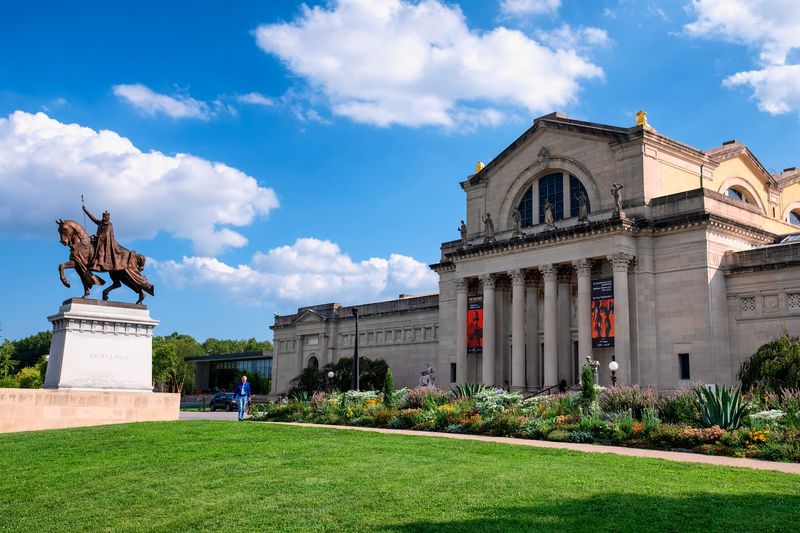
In 1904, Forest Park hosted the Louisiana Purchase Exposition, better known as the 1904 World’s Fair, one of the largest international exhibitions ever held at that time. Over 19 million people visited, and the fairgrounds covered nearly the entire park.
That single event left a permanent mark on the landscape. The Saint Louis Art Museum, the Missouri History Museum, and the World’s Fair Pavilion all trace their origins directly back to structures built for the exposition.
The 1904 Summer Olympics were also held here, making this the only park in the country that can claim both a World’s Fair and an Olympic Games on its resume.
Wandering past the World’s Fair Pavilion today, it is easy to picture the crowds that once filled these grounds more than a century ago. The architecture carries a quiet grandeur that no renovation can fully replicate, and that sense of history adds a layer to every visit that you simply cannot manufacture.
A Free Zoo That Holds Its Own Against Any in the Country
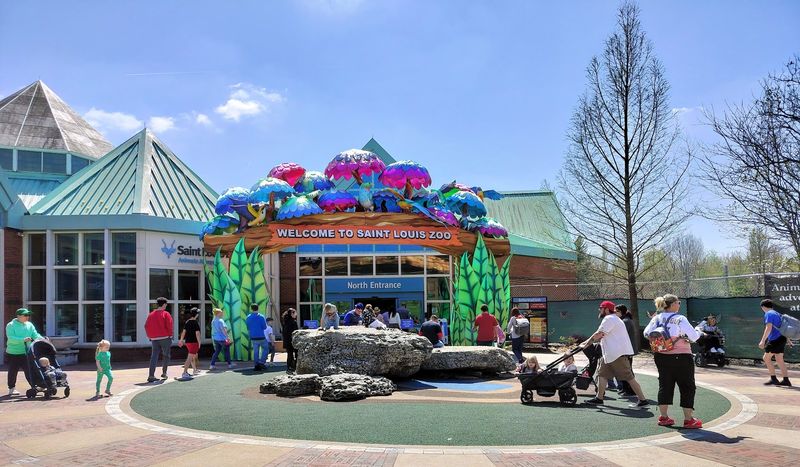
The Saint Louis Zoo sits inside Forest Park and charges absolutely nothing for general admission, which still feels like a trick the city is playing on the rest of the country. Over 18,000 animals live across five distinct zones, covering everything from polar bears and penguins to cheetahs and Komodo dragons.
The zoo opened its current home in 1916, though its roots go back to the 1904 World’s Fair, where a collection of animals was displayed and later donated to the city. Today it consistently ranks among the top zoos in the United States and draws millions of visitors each year.
Families tend to arrive early to beat the crowds, especially on weekends when the paths near the big cat exhibits fill up fast. Some premium experiences like the children’s zoo and certain rides do carry a small fee, but the core animal exhibits remain free, making this one of the most generous public attractions anywhere in the Midwest.
Art Hill and the Grand Basin: The Park’s Most Iconic View
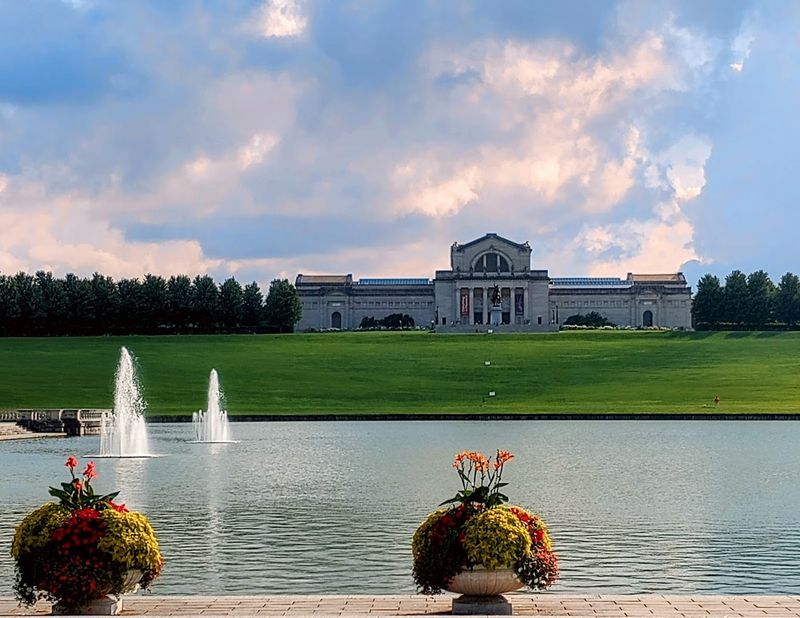
There is one spot in Forest Park that shows up in more photos than anywhere else in the city, and that is the view from the base of Art Hill looking up toward the Saint Louis Art Museum. The grassy slope stretches down to the Grand Basin, a long reflecting pool that mirrors the sky and the museum’s neoclassical facade in equal measure.
In summer, families spread blankets across the hill for picnics and the occasional outdoor movie screening. Come winter, that same slope transforms into one of the best sledding hills in St. Louis, with kids and adults sharing the run with equal enthusiasm.
The Saint Louis Art Museum at the top is itself worth the climb. Built originally for the 1904 World’s Fair, it houses a collection spanning 5,000 years of human creativity, and general admission is free every day of the week.
The view from the museum’s front steps looking back over the Grand Basin is the kind of panorama that makes you stop mid-sentence.
Science, Space, and a Planetarium That Will Reset Your Sense of Scale
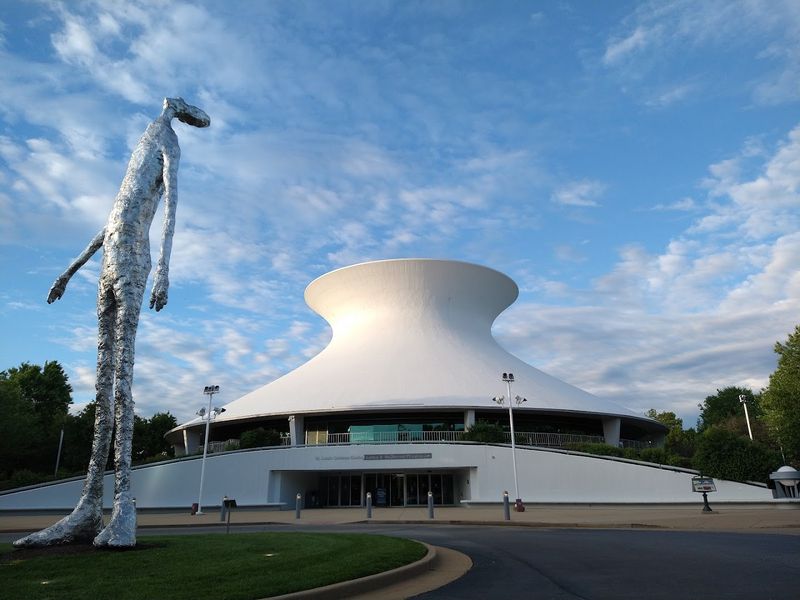
The Saint Louis Science Center and its attached James S. McDonnell Planetarium offer one of those rare combinations where kids drag their parents inside and then nobody wants to leave.
The science center itself is free to enter, though the planetarium shows and some special exhibits carry a separate ticket price.
The planetarium’s dome is a recognizable landmark visible from multiple points inside the park. Inside, full-dome shows project stars, galaxies, and planetary surfaces across a curved ceiling in a way that makes the universe feel both enormous and somehow personal.
Back in the main building, interactive exhibits cover physics, technology, natural history, and the human body in hands-on formats that work for every age group. A decommissioned fighter jet and a real NASA spacecraft model are among the more dramatic displays.
The science center also sits directly adjacent to Interstate 64, connected to the main park building by a pedestrian bridge that crosses the highway, which is a detail that surprises most first-time visitors.
Missouri History Museum: Where the City Tells Its Own Story
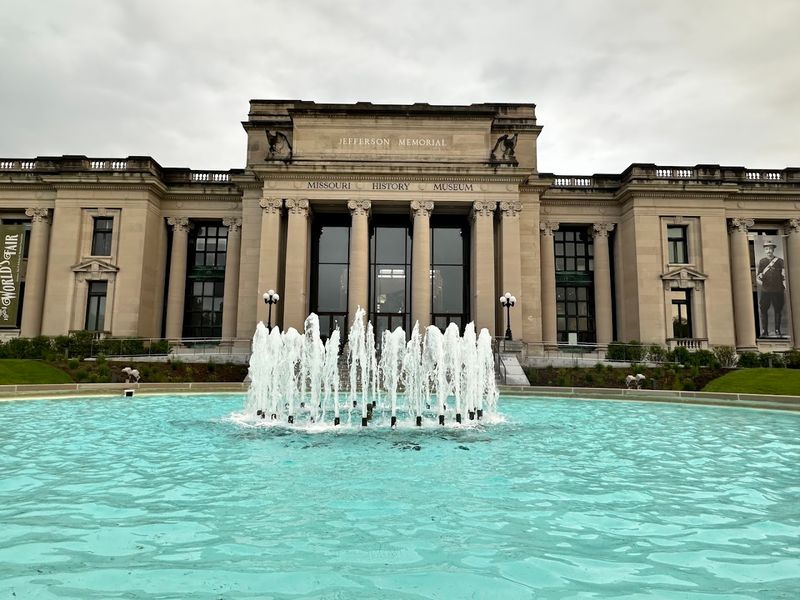
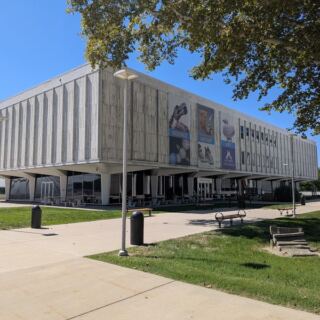
History museums can sometimes feel like homework, but the Missouri History Museum earns its reputation by making the past genuinely compelling. Free to enter, the museum sits in the northern section of Forest Park inside a building that itself dates back to 1913.
Permanent exhibits trace St. Louis from its earliest Indigenous inhabitants through the Lewis and Clark Expedition, the westward expansion era, the 1904 World’s Fair, and into the 20th century. The World’s Fair collection alone is worth a dedicated visit, with original artifacts, photographs, and immersive recreations that bring the exposition back to life in unexpected detail.
Rotating temporary exhibitions keep the experience fresh for repeat visitors, covering topics that range from local sports history to broader cultural movements that shaped the region. The museum also maintains an extensive research library for those wanting to go deeper.
For anyone trying to understand why St. Louis carries the particular character it does, this building offers more answers per square foot than almost anywhere else in the city.
The Muny: A Century of Outdoor Theater Under the Missouri Sky
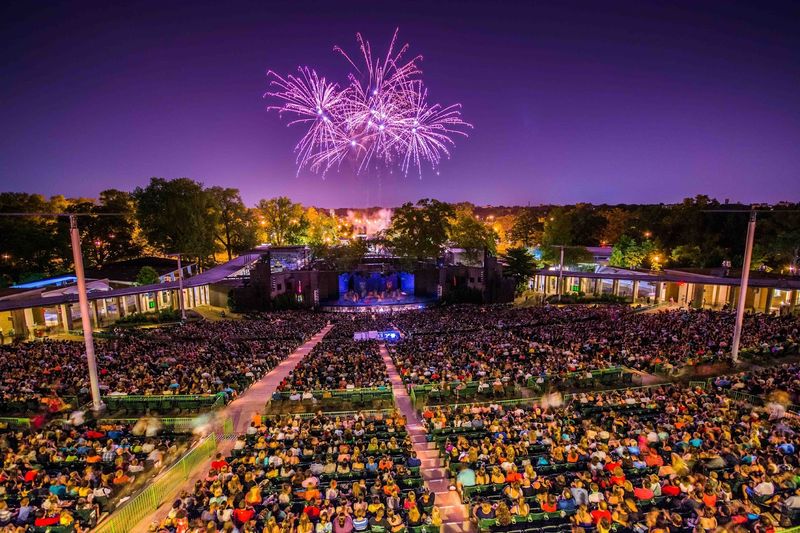
Every summer since 1919, the Muny has staged musical theater performances under the open sky in Forest Park, making it the oldest and largest outdoor musical theater in the United States. The amphitheater seats about 11,000 people, and each season typically runs from mid-June through mid-August.
What makes the Muny particularly remarkable is its tradition of reserving the last nine rows of seats, roughly 1,500 spots, as free admission every night of every performance. That policy has held for over a century and means that world-class Broadway-caliber productions are accessible to anyone who shows up at the right time.
Past seasons have featured productions of beloved classics alongside newer musicals, all performed with full professional casts, live orchestras, and elaborate staging. The experience of watching a show here on a warm summer evening, with fireflies occasionally drifting past the stage lights, is the kind of memory that tends to stick around long after the curtain comes down.
The Jewel Box: A Glass Greenhouse With Serious Old-School Charm
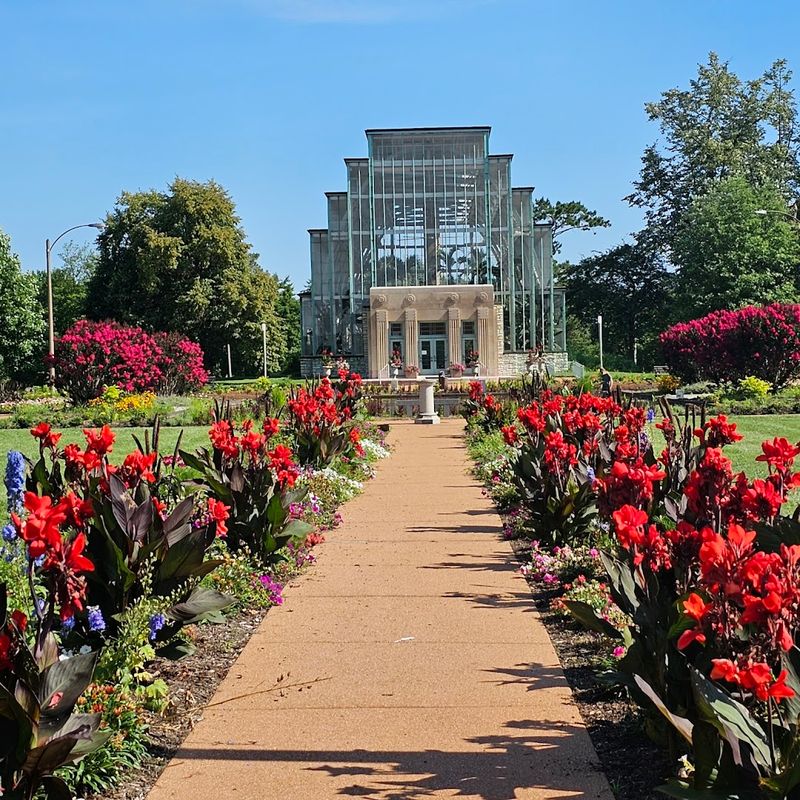
Tucked into the western section of Forest Park, the Jewel Box is an art deco glass greenhouse that opened in 1936 and has been turning heads ever since. The structure stands 55 feet tall and stretches 144 feet long, with floor-to-ceiling glass panels that flood the interior with natural light year-round.
Inside, rotating floral displays change with the seasons, so a visit in February looks nothing like a visit in October. Spring brings thousands of blooming flowers in dense, color-saturated arrangements, while winter displays lean toward dramatic tropical plants and poinsettias that turn the space into something close to a living painting.
The Jewel Box is also a popular venue for weddings and private events, which means some weekend mornings it may be reserved for private use, so checking ahead before visiting is a smart move. Admission is modest, just a few dollars per person, and the combination of historic architecture and living botanical displays makes it one of the most photogenic spots in the entire park.
Trails, Bikes, and 30-Plus Miles of Ways to Move Through the Park
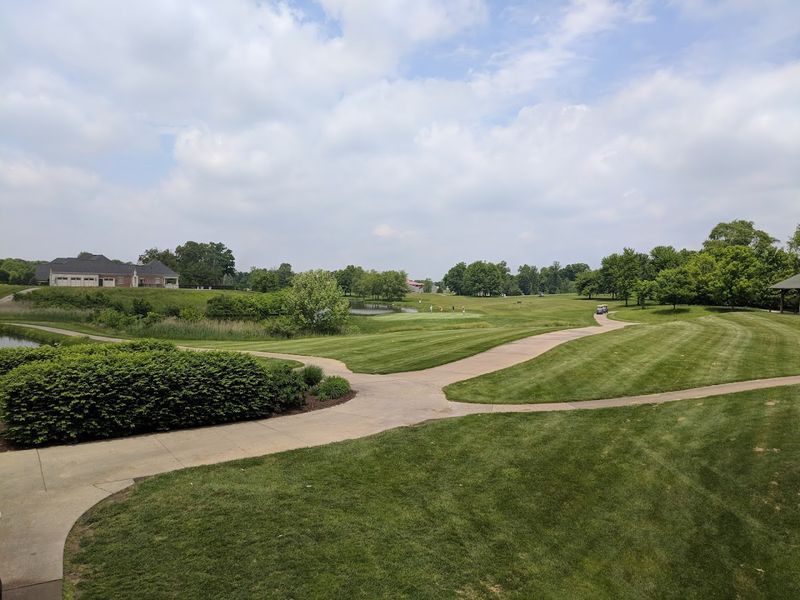
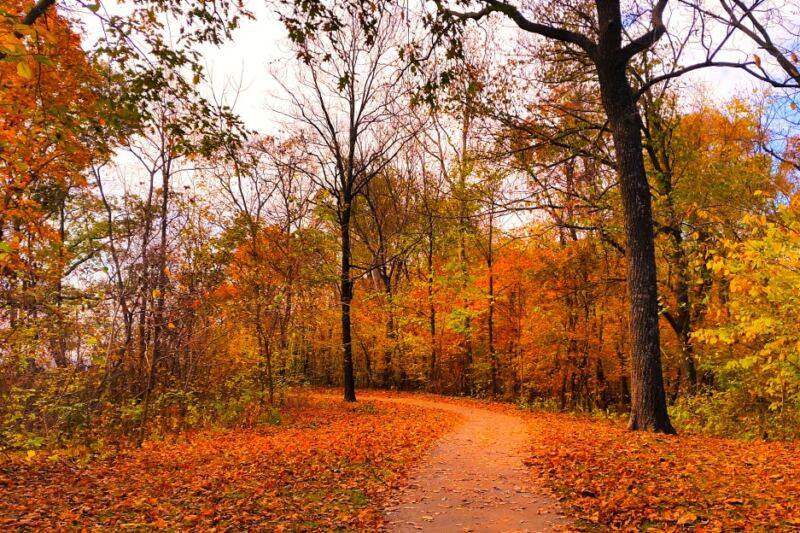
With over 30 miles of walking and biking trails winding through Forest Park, the park functions as a serious recreational corridor for St. Louis residents and visitors alike. The paths range from paved multi-use trails wide enough for cyclists and pedestrians to share comfortably, to quieter dirt paths that cut through the 172-acre Nature Reserve in the park’s southern section.
Bike rentals are available inside the park, making it easy to cover more ground without arriving with your own equipment. The trail system connects most of the major landmarks, so a single bike loop can take you past the zoo, the art museum, the science center, and the Boathouse all in one outing.
Trail runners and joggers use the paths heavily on weekend mornings, and the park’s relatively flat terrain makes it accessible for most fitness levels. Early morning visits offer the added reward of catching mist rising off the park’s ponds and fewer crowds on the paths, which is a combination that turns a simple jog into something genuinely pleasant.
The Nature Reserve: A Quieter Side of the Park Most Visitors Miss
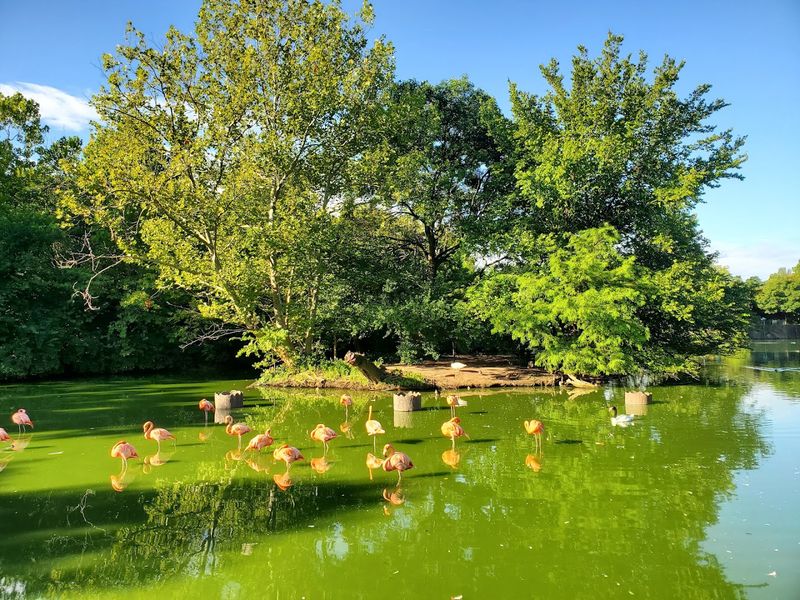
Most first-time visitors to Forest Park spend their time near the major cultural institutions and miss the 172-acre Nature Reserve entirely, which means they leave without seeing the park’s most ecologically interesting section. The reserve occupies the southern portion of the park and was restored as part of a broader $100 million rehabilitation effort that began in the early 2000s.
Native grasses, wildflowers, and woodland plantings have replaced what was once degraded turf, and the results have attracted a notable variety of bird species that use the area as a migratory stopover. Birders with binoculars are a common sight on the reserve’s quieter trails, particularly during spring and fall migration seasons.
The contrast between the reserve’s naturalistic landscape and the manicured lawns surrounding the museums creates an interesting sense of moving between two different parks within the same visit. If the rest of Forest Park is the main stage, the Nature Reserve is the backstage tour that reveals how much careful work goes into keeping the whole production running.
Practical Tips That Will Make Your Visit Noticeably Better
A park this large rewards a little planning. Parking is free throughout Forest Park, but lots near the zoo and art museum fill up quickly on sunny weekends and during special events.
Arriving before 9 AM or after 3 PM on weekends makes finding a spot significantly easier, and the lot near the golf course offers more space when the central areas are packed.
Most of the park’s biggest attractions, including the zoo, the art museum, the science center’s main building, and the Missouri History Museum, are free to enter, which makes a full day here surprisingly affordable for families. Bringing snacks and a blanket for Art Hill is a move that pays off at any time of year.
The park is open daily from 6 AM to 10 PM, and the website at forestparkforever.org lists current events, trail conditions, and seasonal programming. Cell service is generally reliable throughout the park, and the internal road system is easy enough to navigate, though a quick look at the park map before arrival saves time once you get there.
Share this story