Around the world, there are places that have declared themselves independent countries but are not fully accepted by the global community. Some have their own governments, flags, and armies, yet most nations refuse to officially recognize them.
These territories exist in a complicated space between being a country and not being one. Understanding them helps us see how complex questions of identity, politics, and power really are.
1. Taiwan
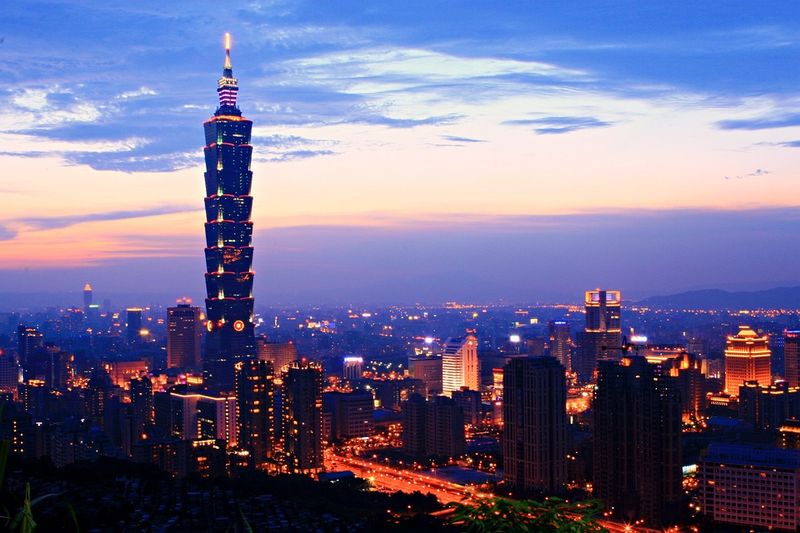
Few places on Earth carry as much political weight packed into such a small island as Taiwan. Officially called the Republic of China, Taiwan has functioned as a fully independent state since 1949, with its own elected government, military, currency, and passport.
Despite this, the People’s Republic of China claims Taiwan as part of its territory, and most countries avoid formally recognizing Taiwan to maintain ties with Beijing. Only about a dozen small nations officially recognize Taiwan as a country.
Still, Taiwan thrives. It has one of the strongest economies in Asia, a vibrant democracy, and a rich cultural identity.
Major countries like the United States maintain unofficial relations with Taiwan through special offices instead of embassies. The situation remains one of the most delicate and closely watched diplomatic puzzles in the world today, with millions of people living in the balance.
2. Kosovo
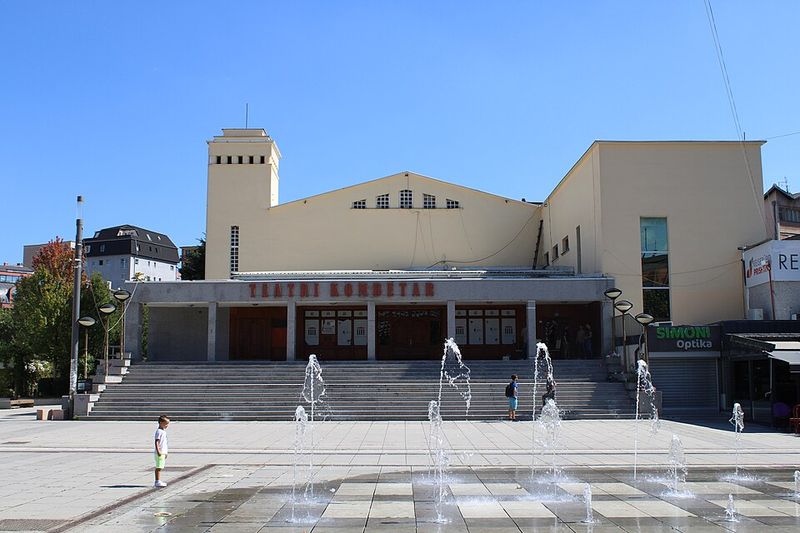
Kosovo declared independence from Serbia in February 2008, making it one of the newer entries on the list of disputed territories. The declaration came after years of ethnic conflict between Kosovo Albanians and Serbs, and a NATO military intervention in 1999 that ended a brutal war.
Today, over 100 countries recognize Kosovo as an independent state, including the United States and most of the European Union. However, Serbia, Russia, and China refuse to acknowledge its independence, keeping Kosovo out of the United Nations.
Life in Kosovo pushes forward despite the political uncertainty. The country has a young population, a growing economy, and strong cultural pride.
The famous Newborn monument in the capital Pristina is repainted every year on independence day as a symbol of hope and renewal. Kosovo’s story is far from finished, and its future remains closely tied to European integration efforts.
3. Palestine
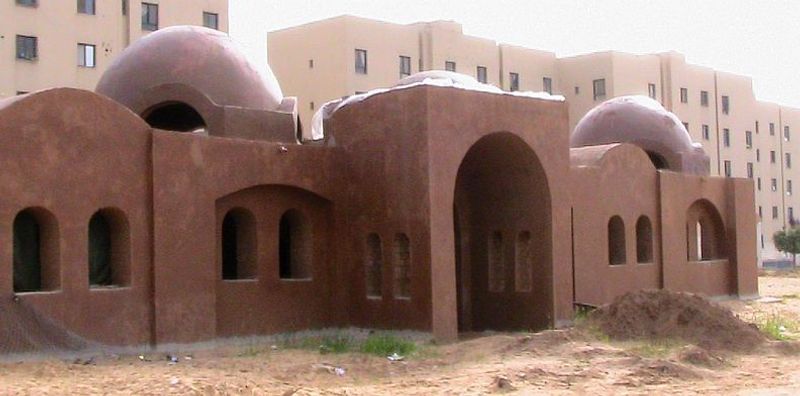
Palestine is recognized by more than 140 countries as a sovereign state, yet it still lacks full membership in the United Nations and does not control all the land it claims. The Palestinian territories include the West Bank and the Gaza Strip, two areas with very different political realities on the ground.
The Palestinian Authority governs parts of the West Bank, while Hamas controls Gaza. Both Israel and ongoing conflicts have made the creation of a fully functioning Palestinian state incredibly difficult.
Peace negotiations have stalled many times over decades.
For millions of Palestinians, the question of statehood is deeply personal. It touches on land, family history, identity, and daily life.
The international community remains divided on how to move forward, with some pushing for a two-state solution and others proposing different arrangements. Palestine’s recognition status continues to shift as global politics evolve.
4. Northern Cyprus
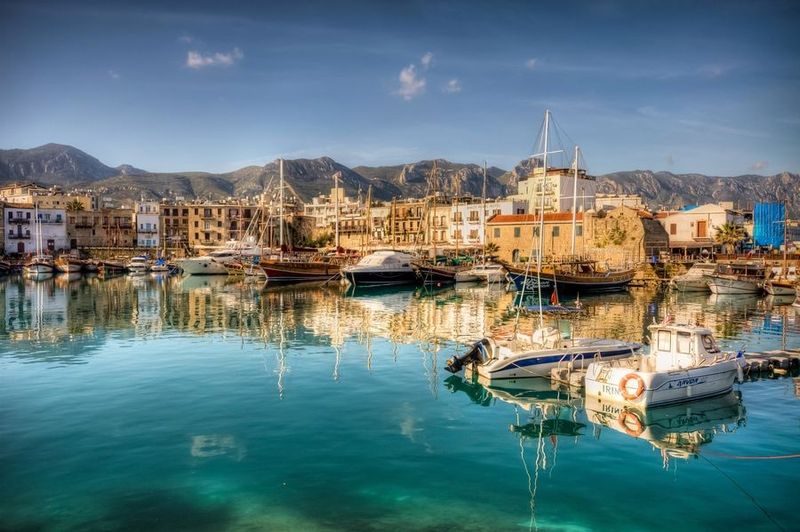
Tucked away in the northeastern part of the island of Cyprus, the Turkish Republic of Northern Cyprus has existed since 1983, when it declared independence following a Turkish military intervention in 1974. Despite nearly four decades of existence, only Turkey officially recognizes it as a sovereign nation.
The rest of the world considers Northern Cyprus to be occupied territory belonging to the Republic of Cyprus, an EU member state. The island remains physically divided by a United Nations buffer zone that cuts through the capital, Nicosia, making it the last divided capital city in the world.
Northern Cyprus has its own government, courts, and educational system, all operating in Turkish. Tourism is a growing industry there, and many visitors are surprised by its beautiful coastlines and ancient ruins.
Reunification talks have come and gone over the years without a lasting agreement, leaving the island in a prolonged state of political limbo.
5. Somaliland
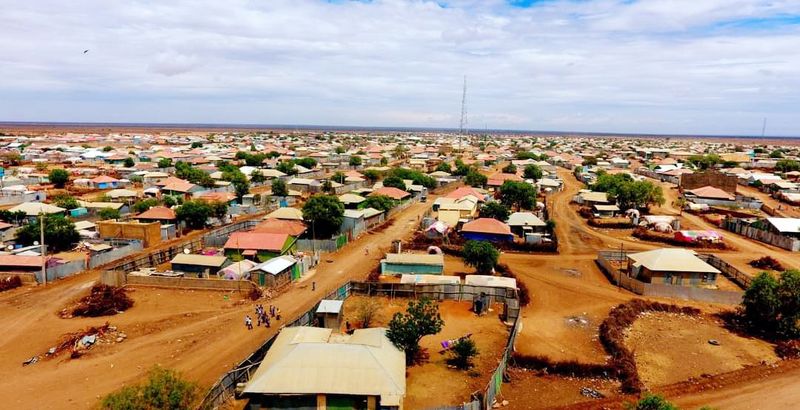
Somaliland quietly declared independence from Somalia in 1991 after the collapse of the Somali central government and a devastating civil war. Since then, it has built a functioning democracy, held multiple peaceful elections, and maintained relative stability in a region known for chaos.
No country in the world officially recognizes Somaliland as an independent state, even though it operates more like a real country than many recognized ones. It has its own currency, the Somaliland shilling, a police force, and a parliament.
International organizations and some foreign governments engage with Somaliland informally, but full recognition remains out of reach.
Many experts point to Somaliland as a model of self-governance that deserves more attention. Its capital, Hargeisa, has a lively economy and a population proud of what they have built without outside help.
The lack of recognition limits access to international funding and trade, making progress harder than it needs to be.
6. Transnistria
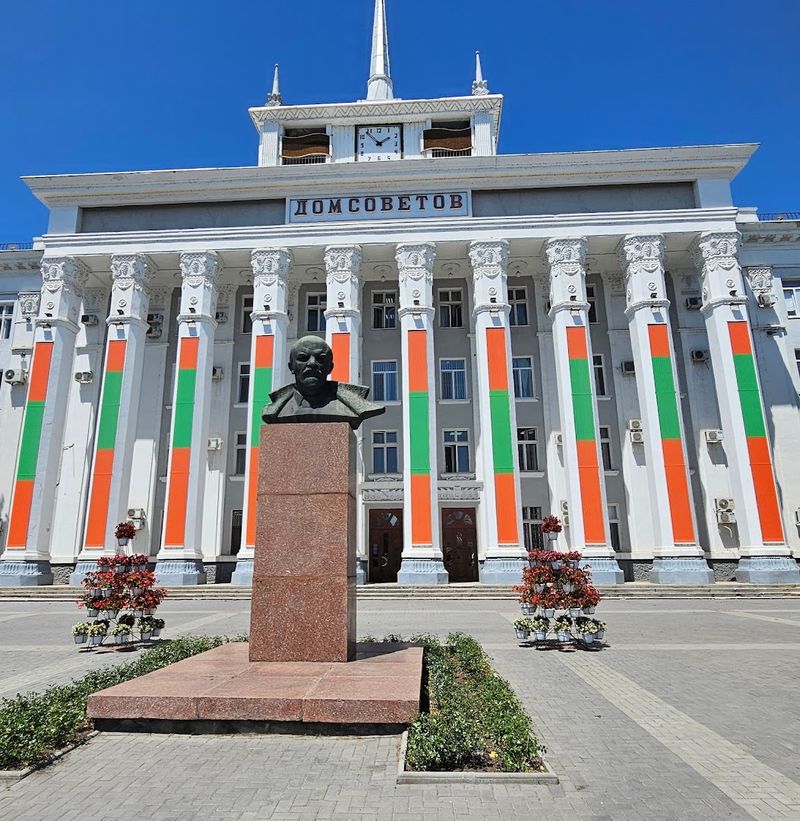
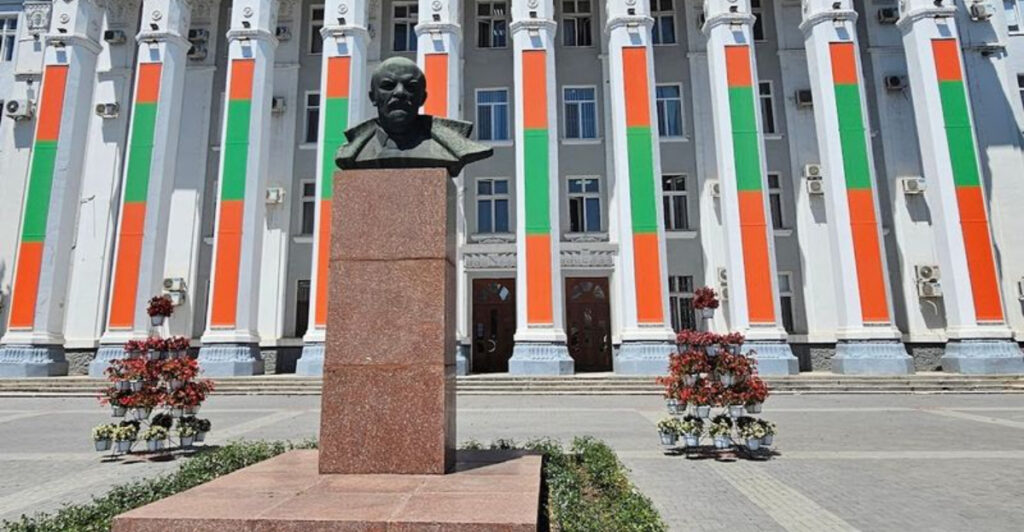
Transnistria is a thin strip of land wedged between Moldova and Ukraine that declared independence in 1990, just before the Soviet Union collapsed. It fought a brief but bloody war with Moldova in 1992 and has operated as a separate entity ever since, with Russian military troops still stationed there.
No United Nations member state officially recognizes Transnistria, not even Russia, which strongly supports it politically and economically. The territory uses its own currency, the Transnistrian ruble, and still displays Soviet symbols like the hammer and sickle on its flag, making it feel like a time capsule of the USSR era.
Daily life there is a mix of the old and new. People go to work, children attend school, and markets stay busy.
But economic opportunities are limited, and many young people leave to find better futures elsewhere. Transnistria remains one of Europe’s most frozen and overlooked conflicts, tucked far from most news headlines.
7. Abkhazia
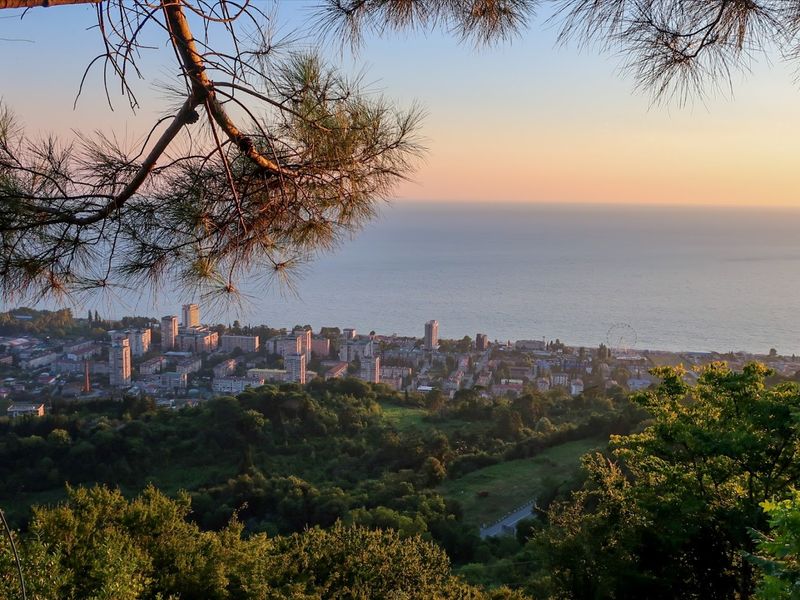
Abkhazia sits along the eastern coast of the Black Sea, nestled between Russia and Georgia. It declared independence from Georgia in 1999 after a brutal war in the early 1990s, and Russia recognized it as a sovereign state following the 2008 Russo-Georgian War.
A small handful of other countries followed, but the vast majority of the world still considers Abkhazia part of Georgia.
Russia’s recognition gave Abkhazia a significant boost, including financial support and security guarantees. However, it also made Abkhazia heavily dependent on Moscow, limiting its ability to act truly independently.
Georgia and most Western nations consider Russian troops in Abkhazia to be an occupying force.
The territory is strikingly beautiful, with subtropical forests, ancient ruins, and a warm coastline. Tourism from Russia has grown over the years.
Still, international isolation keeps investment low and opportunities limited for the roughly 240,000 people who call Abkhazia home.
8. South Ossetia
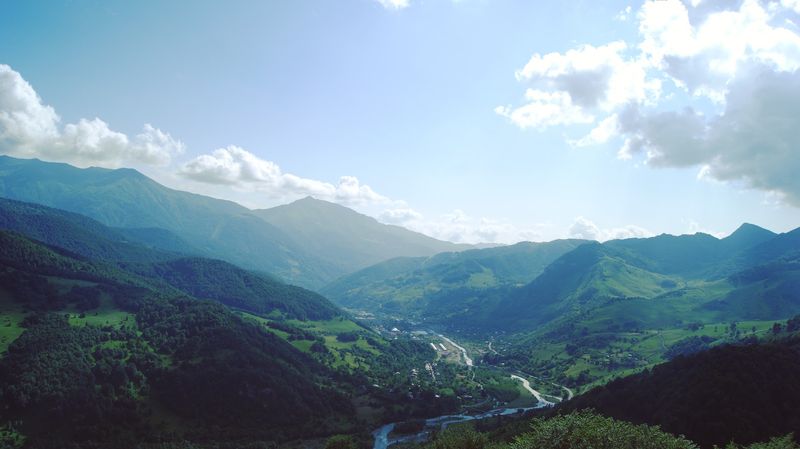
South Ossetia is a small, landlocked territory in the Caucasus Mountains that declared independence from Georgia. Its status became international news during the brief but intense 2008 war between Russia and Georgia, after which Russia and a few allies officially recognized South Ossetia as independent.
The territory covers only about 3,900 square kilometers and has a population of roughly 50,000 people. Most of them hold Russian passports and rely heavily on Russian financial support.
Georgia and the majority of the world still view South Ossetia as Georgian territory under Russian military occupation.
Life in South Ossetia is shaped by its isolation. Infrastructure is limited, and economic activity depends almost entirely on Russian subsidies.
The capital, Tskhinvali, still bears scars from the 2008 conflict. Despite all of this, local identity remains strong, and residents maintain a distinct sense of who they are and where they belong in a complicated region.
9. Western Sahara (Sahrawi Arab Democratic Republic)
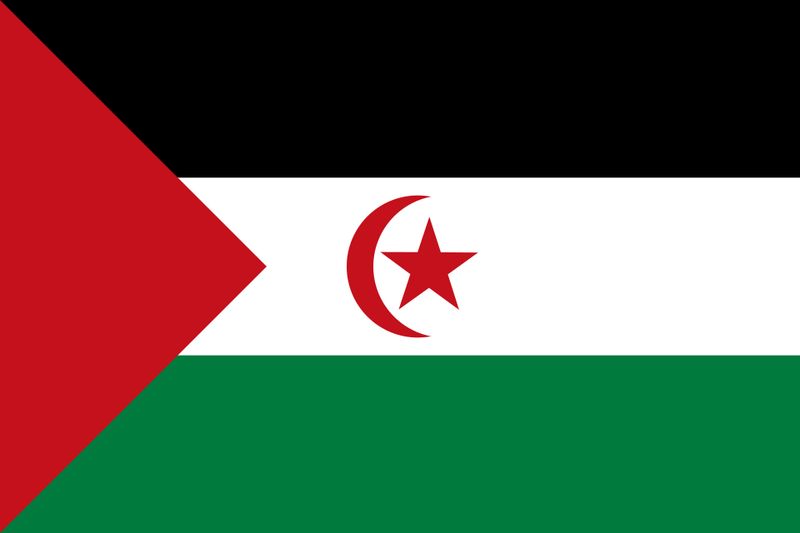
Western Sahara is often called Africa’s last colony. Spain withdrew from the territory in 1975, and Morocco quickly moved in, claiming it as its own.
The indigenous Sahrawi people, led by the Polisario Front, declared the Sahrawi Arab Democratic Republic (SADR) and have been fighting for independence ever since.
The SADR is recognized by over 80 countries, mostly in Africa and Latin America, and is a member of the African Union. However, it controls only a small slice of the territory.
Morocco administers the larger, more populated western portion and has built a massive sand wall, known as the Berm, to separate the two sides.
Tens of thousands of Sahrawi refugees live in camps in the Algerian desert, some for decades. A United Nations-backed referendum on self-determination was promised long ago but has never taken place.
The conflict is slow-moving but deeply felt by every Sahrawi family displaced from their homeland.
10. Donetsk People’s Republic
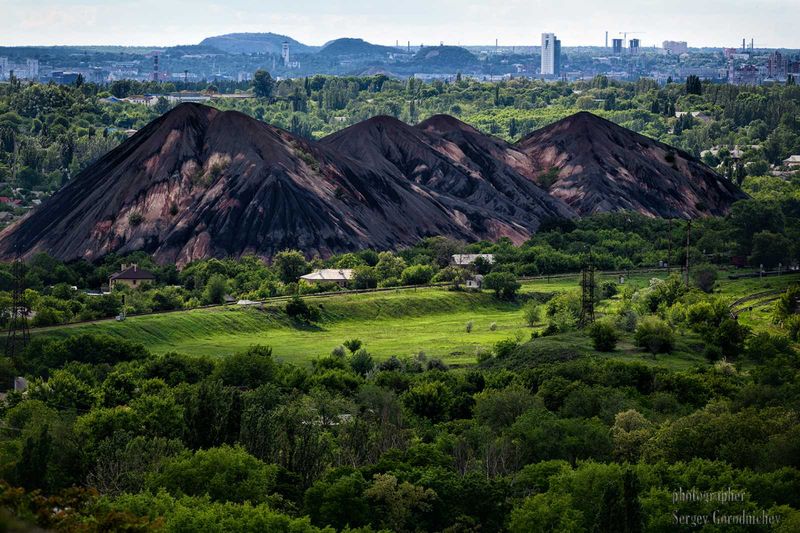
The Donetsk People’s Republic, or DPR, was declared in April 2014 after pro-Russian separatists seized government buildings in eastern Ukraine following the Euromaidan revolution in Kyiv. Armed conflict between Ukrainian forces and DPR fighters broke out almost immediately, leading to years of grinding warfare in the Donbas region.
Russia recognized the DPR as an independent state in February 2022, just days before launching its full-scale invasion of Ukraine. Almost no other country followed suit.
Ukraine and most of the world consider the DPR to be Ukrainian territory under illegal occupation.
The city of Donetsk, once a thriving industrial hub with over a million residents, became a frontline city. Civilians endured years of shelling, economic decline, and uncertainty.
The ongoing war has reshaped the region dramatically, and the final status of the DPR remains unresolved as the broader conflict in Ukraine continues to unfold with no clear end in sight.
11. Luhansk People’s Republic
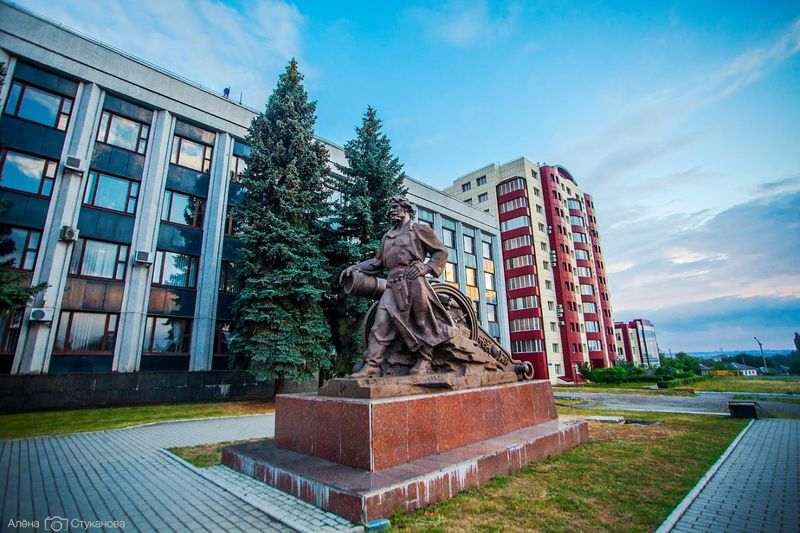
The Luhansk People’s Republic, known as the LPR, declared independence from Ukraine in May 2014 alongside the Donetsk People’s Republic. Together, these two territories make up what is often called the Donbas, a heavily industrialized region in eastern Ukraine with a large Russian-speaking population.
Like the DPR, the LPR was recognized by Russia in February 2022 before the full-scale invasion. The decision was widely condemned internationally, with Western countries imposing sanctions on Russia as a response.
Ukraine and the vast majority of the United Nations membership reject the LPR’s claimed independence.
Before the conflict, Luhansk was a city of culture and industry. The war turned it into a place of checkpoints, displacement, and loss.
Hundreds of thousands of people fled the region over the years. The LPR’s long-term future depends entirely on how the broader Russia-Ukraine war concludes, a question that remains deeply uncertain for everyone involved.
12. Ambazonia
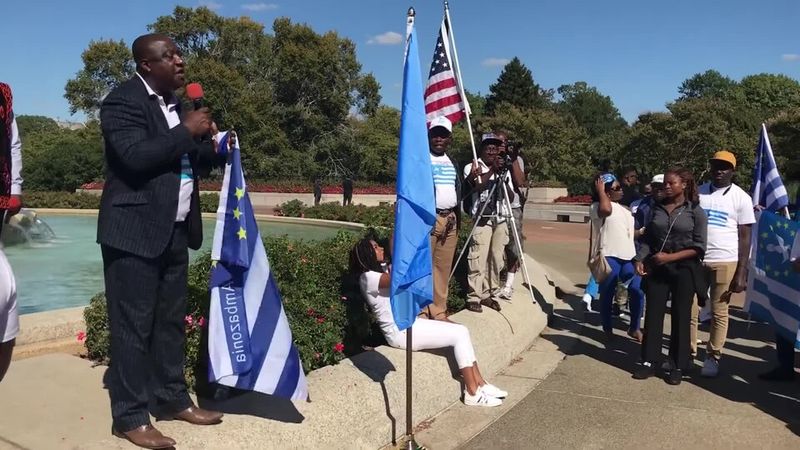
Ambazonia is the name used by English-speaking separatists in the two western regions of Cameroon, the Northwest and Southwest Regions, who want to break away from the French-dominated central government. The movement grew out of long-standing grievances about political and cultural marginalization of the Anglophone minority.
In 2017, separatist leaders declared the independence of the Federal Republic of Ambazonia. The Cameroonian government refused to recognize the declaration, and a brutal armed conflict erupted that has since claimed thousands of lives and displaced hundreds of thousands more.
No country in the world officially recognizes Ambazonia.
The crisis, sometimes called the Anglophone Crisis, receives relatively little international media coverage despite its devastating human cost. Schools have been shut down for years in some areas, and civilians are caught between separatist fighters and government forces.
Efforts at dialogue have repeatedly broken down, leaving communities in a painful state of ongoing conflict and uncertainty.
13. Cabinda
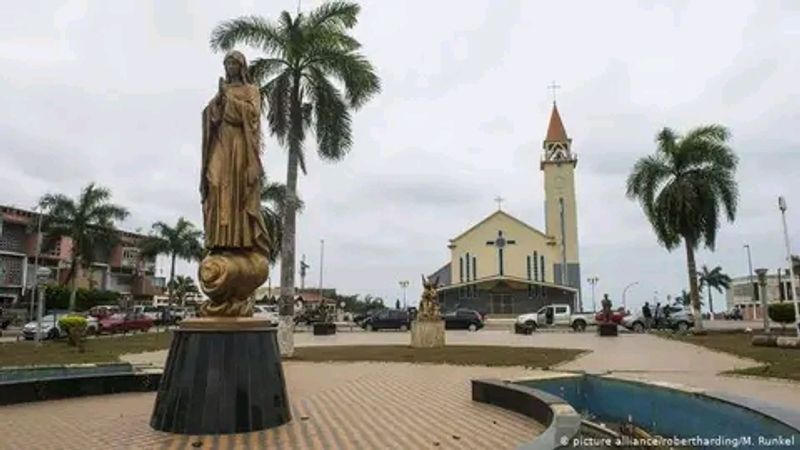
Cabinda is a small enclave of Angola, physically separated from the rest of the country by a strip of the Democratic Republic of Congo. It holds enormous offshore oil reserves that generate a significant portion of Angola’s national wealth.
Yet many Cabindans feel they receive little benefit from that wealth, fueling a long-running independence movement.
The Front for the Liberation of the Enclave of Cabinda, known as FLEC, has been fighting for independence since the 1960s. The movement declared the Republic of Cabinda in 1975, but no country has ever recognized it.
Angola considers Cabinda an inseparable part of its territory and has maintained a strong military presence there for decades.
The independence movement has lost momentum over the years, with many fighters laying down arms. Still, local grievances about oil revenue distribution and political representation persist.
Cabinda’s story is a reminder of how natural resources can both fuel and complicate the push for self-determination in the modern world.
14. Wa State
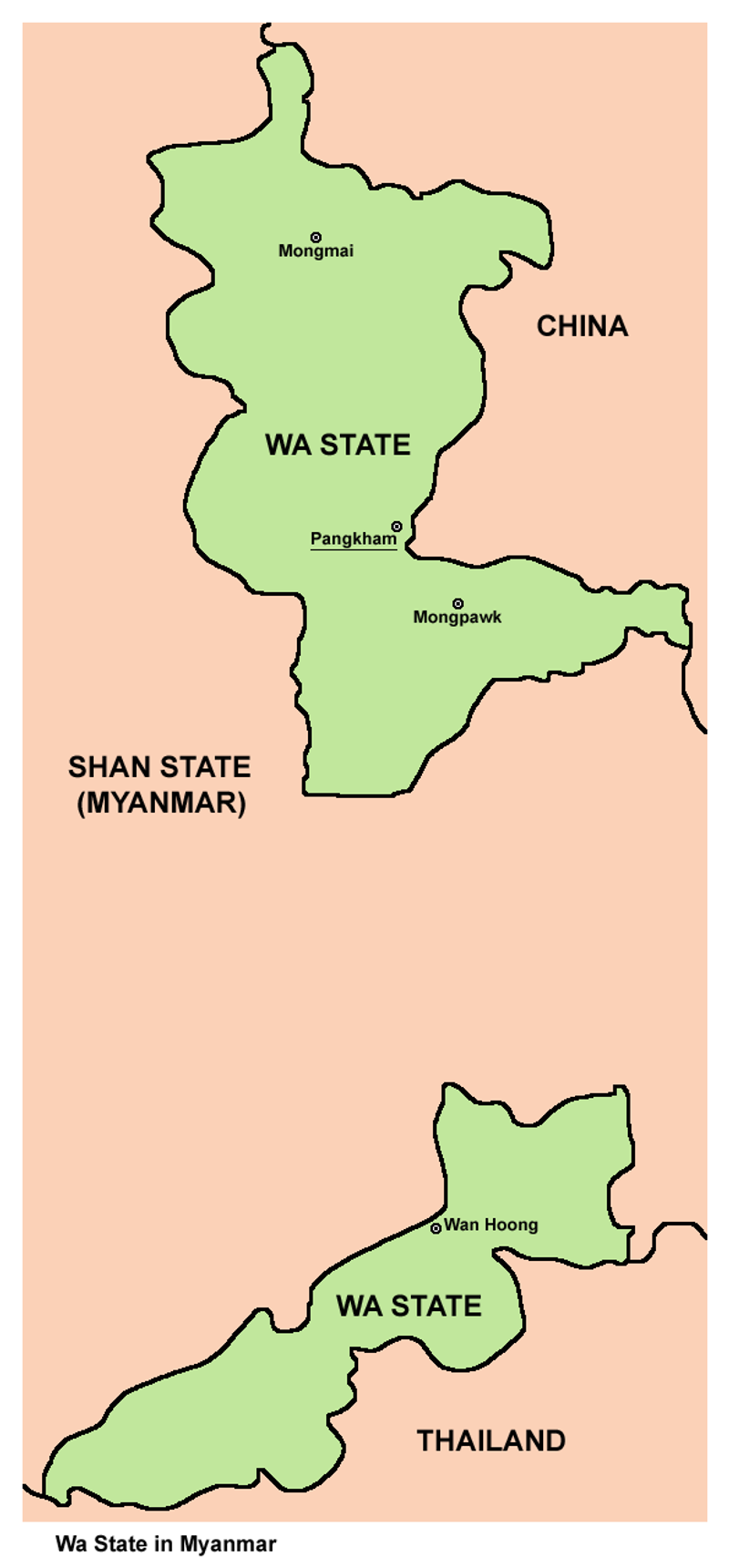
Wa State, formally known as the Wa Region or controlled by the United Wa State Army, is one of the most autonomous and least-known self-declared territories in the world. Located in the Shan State of Myanmar along the Chinese border, the Wa people have governed themselves since 1989 when they broke away from the Communist Party of Burma.
The United Wa State Army is considered the most powerful ethnic armed organization in Myanmar, with an estimated 20,000 to 30,000 soldiers. Wa State has its own administration, schools, and currency, and it maintains close economic and political ties with China, which informally supports its semi-autonomous status.
Myanmar’s central government has never had real control over Wa State, and no foreign country recognizes it as independent. The territory is also known for past involvement in drug trafficking, though the UWSA has officially banned opium cultivation.
Wa State is a fascinating and little-discussed example of de facto independence operating quietly in Southeast Asia.
Share this story