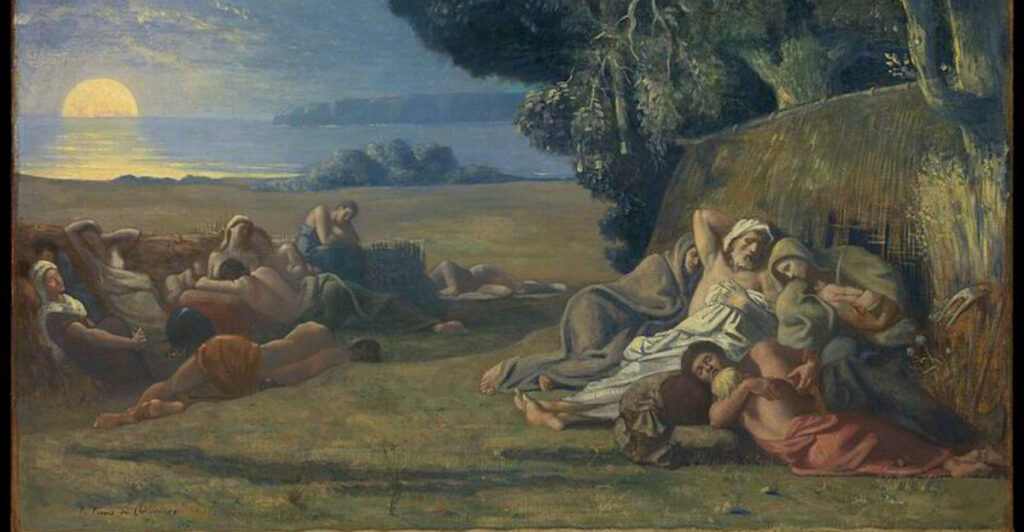
For most of human history, survival meant knowing how to read the stars, find food in the wild, and predict the weather just by looking at the sky. These were not optional extras but everyday necessities that kept people alive.
Today, technology has replaced almost all of them, from GPS navigation to grocery stores to weather apps. Most of us will never need these skills, but understanding them gives us a fascinating window into how resourceful and capable our ancestors truly were.
1. Navigating by the Stars

Long before GPS existed, sailors and explorers trusted the night sky to guide them safely across oceans and continents. The North Star, known as Polaris, was a fixed point that helped travelers determine true north with remarkable accuracy.
Ancient Polynesians crossed thousands of miles of open ocean using nothing but stars, wave patterns, and wind direction.
This skill required years of careful study and memorization of star positions across different seasons. Today, a smartphone can pinpoint your location within a few feet in seconds.
The need to learn celestial navigation has almost completely vanished for the average person.
Still, a small community of sailors and outdoor enthusiasts keeps this tradition alive as both a hobby and a backup skill. Knowing how to navigate by stars remains one of the most poetic and impressive abilities a human being can possess.
2. Memorizing Large Amounts of Information
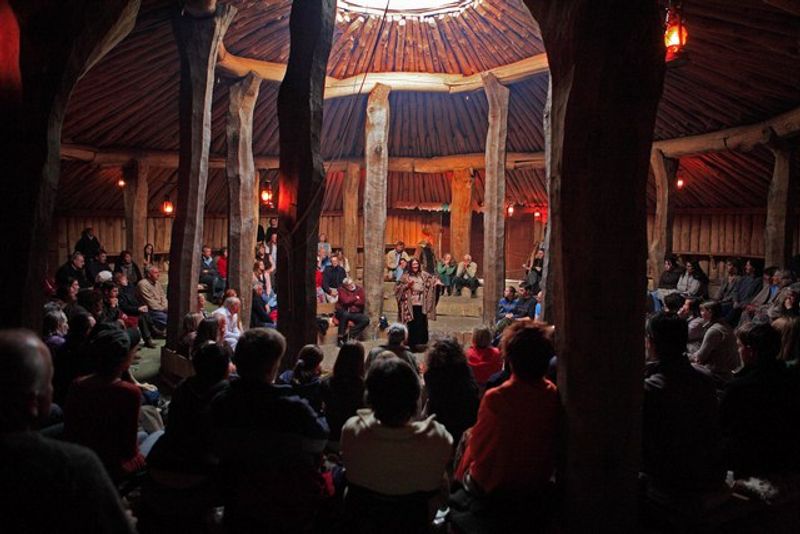
Before books, printing presses, or smartphones, the human brain was the primary storage device for culture, history, and law. Bards in ancient Greece memorized the Iliad and the Odyssey, epic poems spanning tens of thousands of lines.
West African griots carried entire genealogies and tribal histories entirely in their minds, reciting them on demand with stunning precision.
Memory training was once a respected and highly developed skill. Techniques like the Method of Loci, also called the memory palace, allowed people to store and retrieve enormous amounts of information by associating facts with vivid mental images placed along imaginary routes.
Today, search engines and cloud storage have made memorization largely unnecessary for daily life. Most people struggle to recall even a handful of phone numbers.
While the skill has faded from everyday use, competitive memory athletes still push the boundaries of what the human mind can hold.
3. Tracking Animals and People
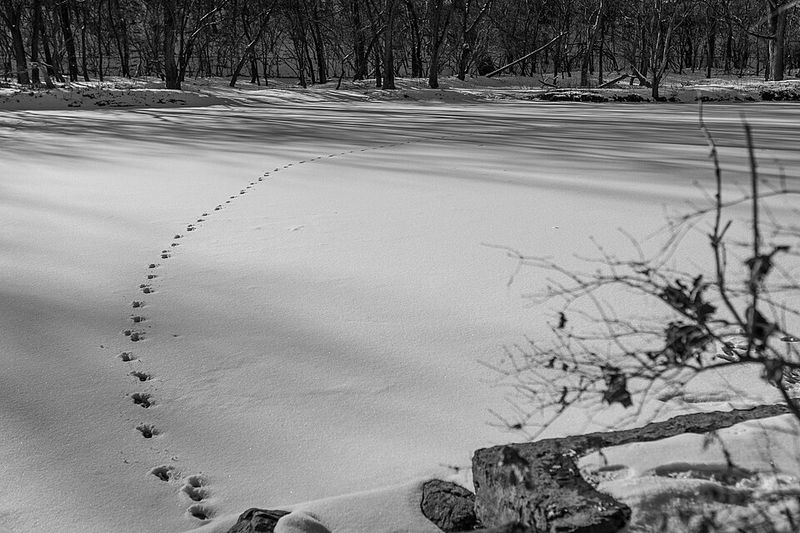
For tens of thousands of years, tracking was not a hobby but a matter of life and death. Skilled trackers could read the story of an animal’s movement from the faintest impression in soft earth, a bent blade of grass, or a smear of mud on a stone.
San Bushmen of southern Africa developed this ability to an almost supernatural level, tracking prey across vast, dry landscapes with breathtaking skill.
Reading tracks also helped communities stay safe by identifying when dangerous animals or rival groups were nearby. It required deep patience, sharp observation, and an encyclopedic knowledge of animal behavior.
Modern hunters may still practice basic tracking, but for most people it has become entirely irrelevant. Trail cameras, drones, and GPS collars now do what a skilled tracker spent decades learning to do with just their eyes and instincts.
The art is slowly fading from practical use.
4. Making Fire from Natural Materials

Fire was humanity’s greatest early technology, and creating it without matches or lighters was once a skill every person needed to survive cold nights and cook food safely. The bow drill method, where a spinning wooden spindle generates heat through friction, could produce an ember in minutes when done correctly.
Flint and steel striking was another reliable technique used across many cultures for centuries.
Learning to make fire this way demands practice, patience, and the right materials. The wood must be dry, the technique precise, and the tinder carefully prepared.
Most beginners fail many times before succeeding.
Today, lighters cost less than a dollar and matches are found in nearly every home. Wilderness survival courses still teach friction fire as a backup skill, and it remains deeply satisfying to master.
But for everyday life, it is one of the most thoroughly replaced skills on this list.
5. Identifying Edible Wild Plants
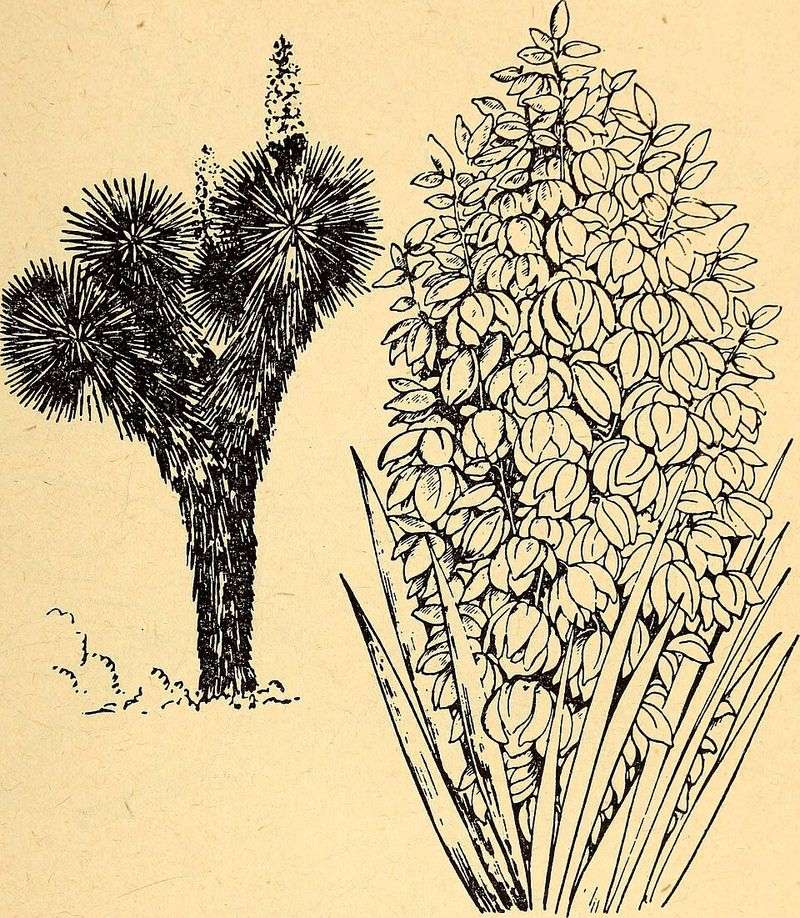
Walk through any forest or meadow and you are surrounded by food, if you know what to look for. For most of human history, people learned from childhood which plants were safe to eat, which were medicinal, and which could kill you.
Dandelions, cattails, wood sorrel, and wild berries fed communities through lean seasons and long journeys.
Foraging knowledge was passed down through generations and deeply tied to specific landscapes and climates. A person raised in the Pacific Northwest would know entirely different plants than someone from the Scottish Highlands.
This local knowledge was incredibly detailed and remarkably accurate.
Grocery stores and global food supply chains have made foraging unnecessary for most people today. Eating random wild plants without proper training is actually quite dangerous, since many edible species have toxic look-alikes.
A few dedicated foragers and herbalists keep this knowledge alive, but it has largely moved from survival necessity to weekend hobby.
6. Recognizing Medicinal Plants
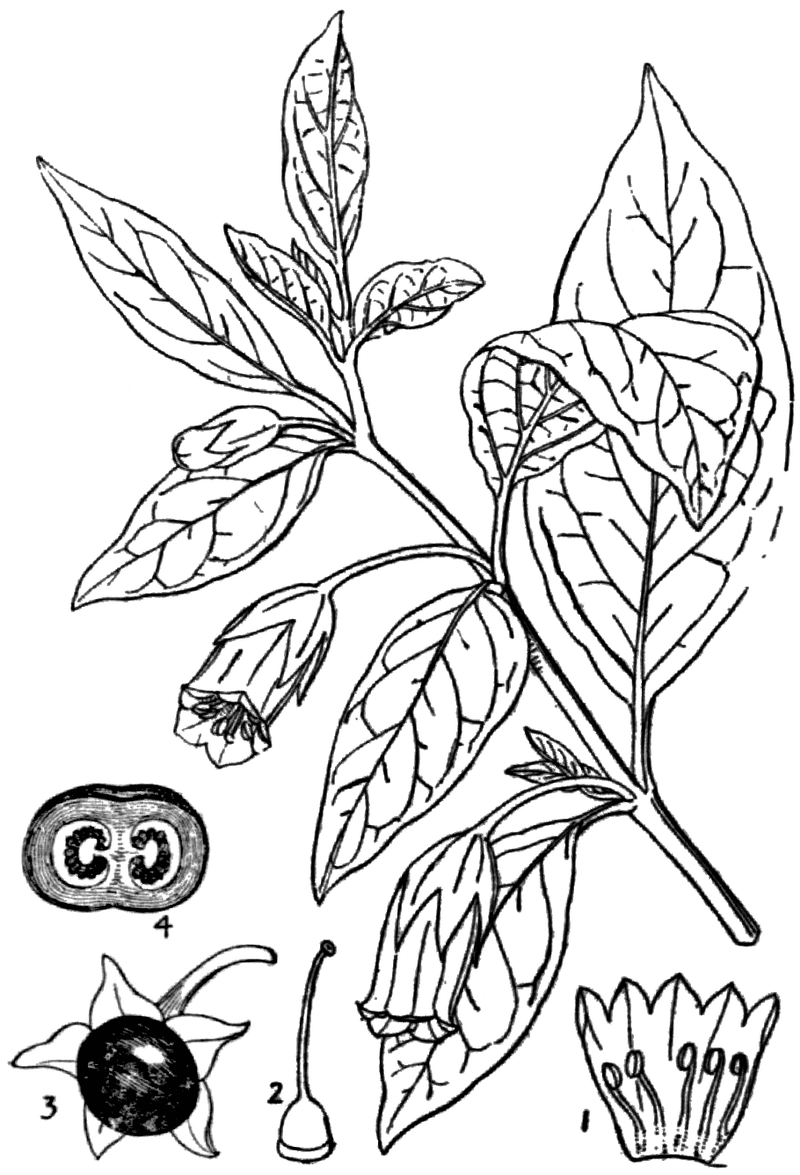
Before pharmacies existed, the forest and garden were the medicine cabinet. Healers, herbalists, and everyday people knew which plants could reduce fever, ease pain, stop bleeding, or calm an upset stomach.
Willow bark, the natural source of aspirin, was used for pain relief for thousands of years before anyone understood its chemistry.
This knowledge was painstakingly accumulated over generations and passed down through apprenticeship, family tradition, and oral teaching. In many parts of the world, traditional plant medicine was the only option available, and skilled healers were among the most respected members of their communities.
Modern medicine has replaced most herbal remedies with more reliable and thoroughly tested pharmaceuticals. While some plant compounds remain the basis of important drugs, the day-to-day knowledge of medicinal plants has become largely obsolete for most people.
Interest in herbal wellness has grown in recent years, but it is now more of a lifestyle choice than a survival necessity.
7. Predicting Weather from Natural Signs
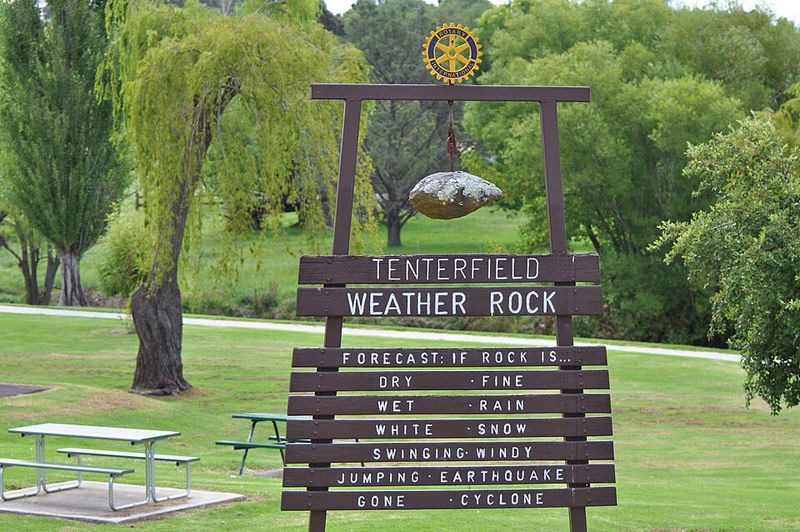
Red sky at morning, sailors take warning. That old saying is actually rooted in real meteorological observation.
Before weather satellites and forecasting apps, farmers, sailors, and hunters depended on reading the sky, wind, animals, and plants to anticipate what was coming. Cloud shapes, wind direction, humidity, and even the behavior of insects and birds all carried useful clues.
Getting the weather wrong could mean a ruined harvest, a ship caught in a storm, or a hunting party stranded far from shelter. Accurate weather reading was a skill developed through years of careful observation and passed down through communities over generations.
Today, weather apps provide hourly forecasts with satellite precision, making traditional weather reading largely unnecessary. Meteorologists track storms days in advance using complex computer models.
Still, some farmers and sailors maintain a working knowledge of natural weather signs as a reliable backup when technology is unavailable or out of reach.
8. Making and Repairing Everyday Tools

Not long ago, if something broke, you fixed it yourself or you went without. People routinely made and repaired shoes, clothing, furniture, farming tools, and household items using basic hand tools and locally available materials.
A broken axe handle was replaced, not discarded. A torn coat was carefully patched, not thrown away.
This culture of making and mending shaped communities in powerful ways. Craftsmanship was a source of pride, and practical skills were valued alongside academic knowledge.
Children learned to sew, carve, and repair things as a normal part of growing up.
Mass manufacturing and cheap consumer goods have made most of these skills unnecessary for modern life. When something breaks today, it is often cheaper and faster to replace it than repair it.
A small but growing repair culture is pushing back against this trend, with community repair cafes and DIY movements encouraging people to reclaim the satisfaction of fixing things themselves.
9. Preserving Food Without Refrigeration
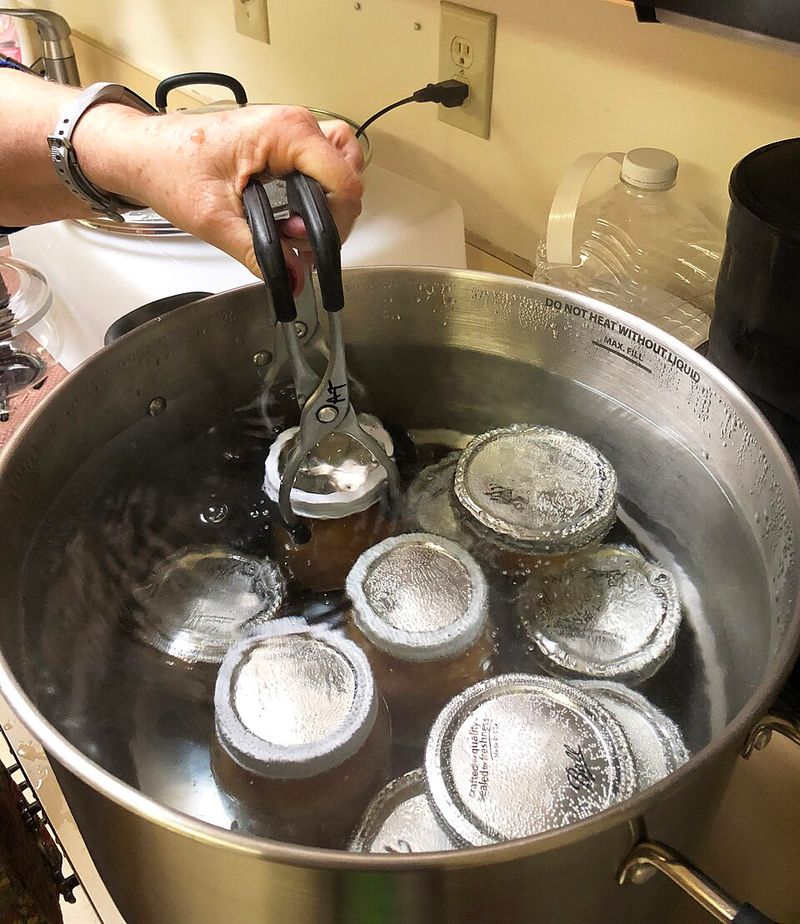
Before refrigerators became common in the mid-20th century, keeping food from spoiling was a daily challenge that required real skill and knowledge. Drying, smoking, salting, fermenting, pickling, and canning were not trendy hobbies but essential practices that stood between a family and hunger during long winters or food shortages.
Each method works differently. Salt draws moisture out of food, preventing bacterial growth.
Smoking adds preservative compounds while drying the surface. Fermentation uses beneficial bacteria to outcompete harmful ones.
Getting any of these processes wrong could lead to serious illness.
Modern refrigeration and industrial food processing have made home preservation largely optional. Supermarkets stock preserved and frozen foods year-round with minimal effort from consumers.
Fermentation and canning have recently enjoyed a strong revival among food enthusiasts, but they are now pursued out of interest rather than necessity. The urgency that once surrounded these skills has quietly disappeared from everyday life.
10. Reading the Landscape for Direction
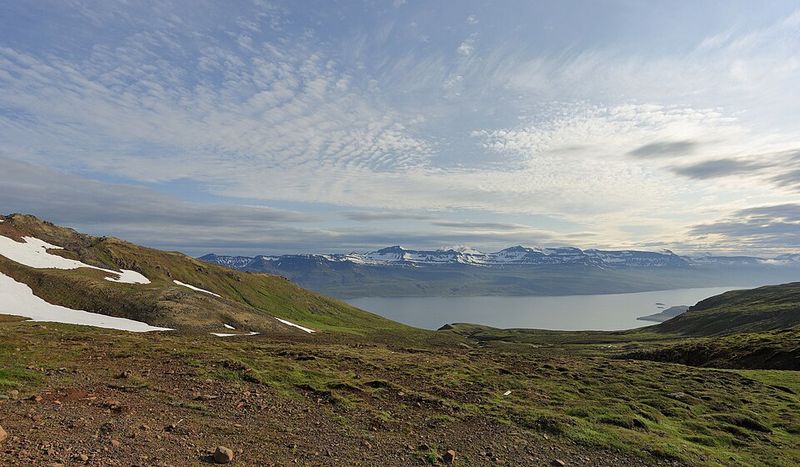
Before maps became widely available and long before GPS, people navigated using the land itself. The sun rises in the east and sets in the west, providing a basic compass.
Moss tends to grow thicker on the shaded, north-facing sides of trees in the Northern Hemisphere. Valleys usually lead to water.
High ground gives a broader view of the surrounding terrain.
Experienced travelers could move confidently through unfamiliar landscapes by reading these environmental clues with practiced ease. Indigenous communities across the world developed extraordinarily detailed geographic knowledge of their territories, passing it down through stories, songs, and direct experience.
GPS navigation has made this skill almost entirely redundant for most people today. Many drivers now struggle to find their way without turn-by-turn directions.
While outdoor educators and wilderness guides still teach landscape reading as a safety skill, it has become a niche ability rather than a universal human competency.
11. Oral Storytelling and Knowledge Preservation

For most of human history, there were no books, no hard drives, and no internet. Everything a community knew, its history, its values, its practical wisdom, had to be carried in the minds of its people and passed carefully from one generation to the next through spoken word.
This was not a casual activity but a serious and skilled practice.
Master storytellers used rhythm, repetition, vivid imagery, and emotional power to make information memorable and meaningful. The Homeric epics, the Vedas, and countless indigenous oral traditions survived for thousands of years before anyone wrote them down, preserved entirely through careful oral transmission.
Writing, printing, and digital storage have almost entirely replaced oral knowledge preservation in modern societies. We now outsource our collective memory to books, databases, and servers.
Oral storytelling still thrives as an art form and cultural tradition, but its role as the primary vehicle for knowledge transfer has been permanently handed off to technology.
12. Living with Natural Sleep Patterns
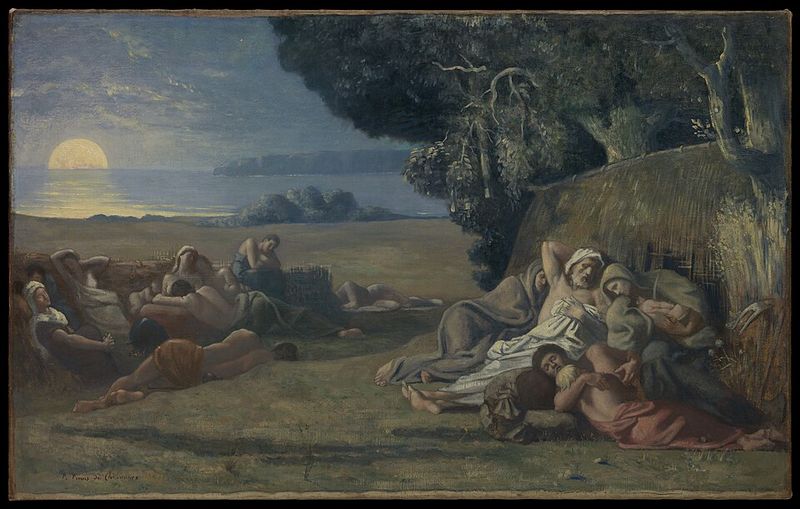
Artificial lighting has fundamentally changed the way humans sleep. Before electric lights, people naturally aligned their rest and activity cycles with the rhythms of daylight and the seasons.
Many historical accounts suggest that pre-industrial people often slept in two distinct phases, waking for an hour or two in the middle of the night before returning to sleep until morning.
This pattern was shaped entirely by natural light and darkness. Longer winter nights meant more sleep.
Summer brought earlier mornings and more active hours. The body’s internal clock, or circadian rhythm, evolved over millions of years to follow these natural cues.
Electric lighting, screens, and 24-hour schedules have broken this ancient connection between humans and natural light cycles. Sleep disorders are now widespread, and many researchers believe artificial light exposure is a significant contributing factor.
Living in sync with natural sleep patterns is something most modern people have never experienced and may not even realize they have lost.
Share this story