North Carolina is one of the best hiking states in America, offering everything from gentle waterfall strolls to rugged mountain climbs with jaw-dropping views. Whether you’re looking for a family-friendly nature walk or a full-day adventure in the Blue Ridge Mountains, these bucket-list hikes showcase the state’s incredible diversity.
Here they are, ranked from the easiest outings to the most challenging treks.
Crabtree Falls Trail — Blue Ridge Parkway, North Carolina
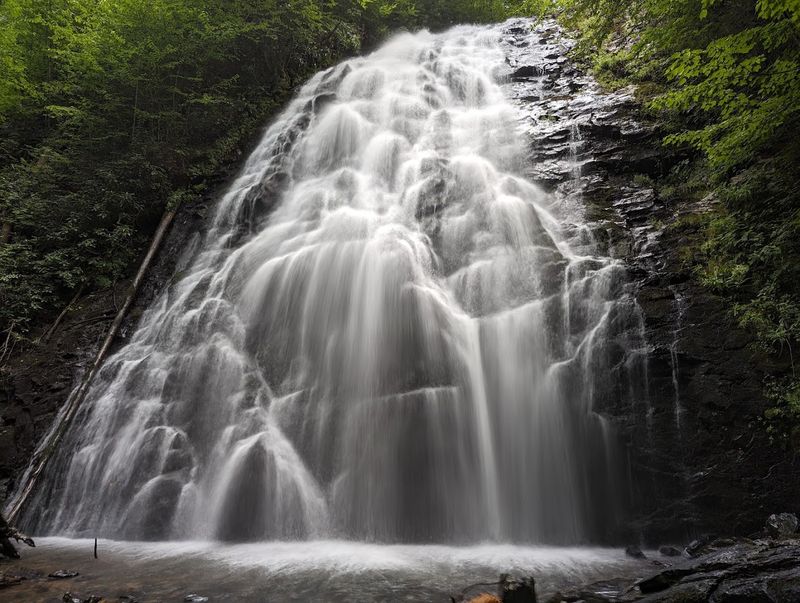
Tucked inside the Blue Ridge Parkway, Crabtree Falls Trail is the kind of hike that makes you feel like you stumbled onto a movie set. The 2.5-mile loop is well-maintained, clearly marked, and genuinely enjoyable from the first step to the last.
Families, beginners, and casual hikers all feel right at home here.
The trail winds through a dense, green forest before revealing the star of the show: a stunning 70-foot waterfall crashing into a rocky pool below. The sound of rushing water grows louder as you approach, building real anticipation.
Seeing the falls for the first time never gets old, no matter how many times you visit.
Spring and early summer bring the most dramatic water flow, making those seasons especially popular with photographers. The loop design means you never backtrack, which keeps the experience fresh from start to finish.
Pack a snack, bring your camera, and give yourself extra time to soak it all in.
Elk River Falls Trail — Elk Park, North Carolina
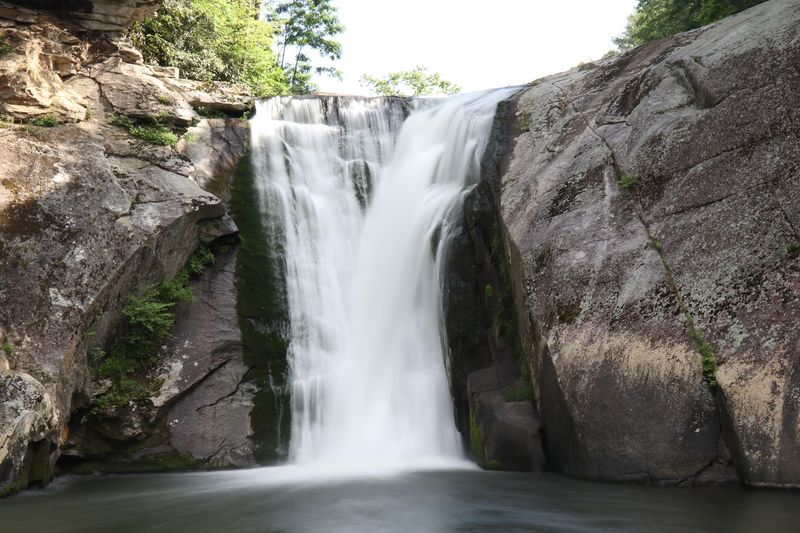
You barely have to break a sweat to reach one of North Carolina’s most jaw-dropping waterfalls. The Elk River Falls Trail is refreshingly short, making it the perfect choice when you want a big payoff without a big time commitment.
Even the parking area feels welcoming, with the sound of rushing water greeting you almost immediately.
The waterfall itself is a showstopper. A 50-foot curtain of whitewater drops straight into a wide, rocky pool that practically begs you to sit down and stare at it for a while.
On warm days, the cool mist drifting off the falls is genuinely refreshing after even a short walk.
Families with young kids love this trail because the terrain stays manageable throughout. There are no confusing trail junctions or tricky navigation challenges to worry about.
Arrive early on weekends to snag a good spot near the falls before the crowds roll in. It’s a small hike with an enormous personality.
Linville Falls Plunge Basin Trail — Pisgah National Forest, North Carolina
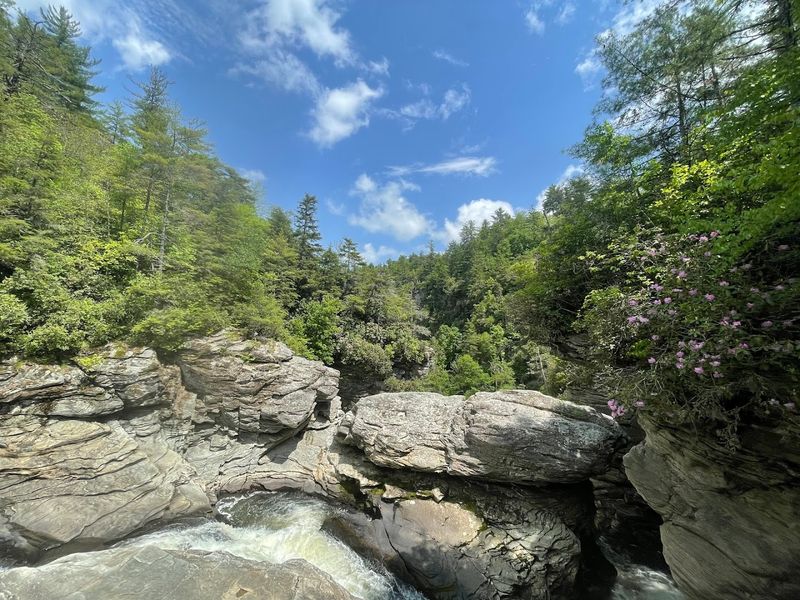
Most visitors to Linville Falls head straight for the overlooks, snap a photo, and call it a day. The plunge basin trail, however, offers something those overlook crowds completely miss: a close, personal encounter with one of the most powerful waterfalls in the Appalachians.
Getting right up to the base of the falls feels like a totally different experience.
The trail is relatively short but includes some steeper sections that give your legs a genuine workout. Rocky footing keeps you paying attention, which honestly makes the arrival at the plunge basin feel even more rewarding.
The roar of the falls echoes off the gorge walls in a way that’s hard to describe until you hear it yourself.
Linville Falls sits within Pisgah National Forest, and the surrounding landscape is stunning in every season. Fall foliage frames the cascades beautifully, while spring runoff cranks up the water volume to spectacular levels.
Waterproof shoes are a smart call here since the trail near the basin can get slippery. This one earns its spot on any serious hiking list.
Looking Glass Rock Trail — Pisgah National Forest, North Carolina
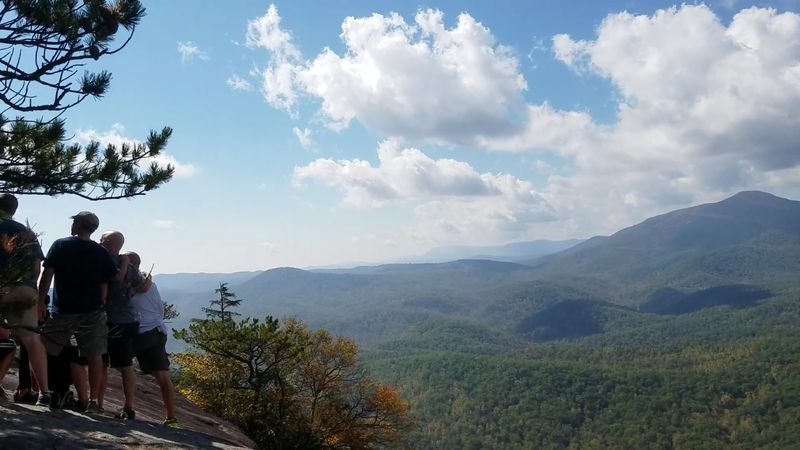
Looking Glass Rock earned its name because the massive granite dome reflects sunlight so brilliantly it was once used as a landmark by early settlers. Today, hikers earn those reflective views the old-fashioned way: by climbing a steady 6.5-mile round-trip trail that gains over 1,600 feet of elevation.
The effort is absolutely worth every step.
The trail moves through beautiful hardwood forest before breaking out onto the open rock face near the summit. That first glimpse of open sky after miles of trees is a genuine thrill.
From the top, the views sweep across Pisgah National Forest and the Blue Ridge Mountains in every direction.
Experienced hikers will find the pace comfortable, but beginners should prepare for a real workout. Trekking poles help on the descent, especially when wet granite can get slick.
Autumn is arguably the best time to visit, when the surrounding forest explodes in shades of orange, red, and gold. Looking Glass Rock is one of those hikes that earns a permanent spot in your memory long after the drive home.
Moore Cove Falls Trail — Brevard, North Carolina
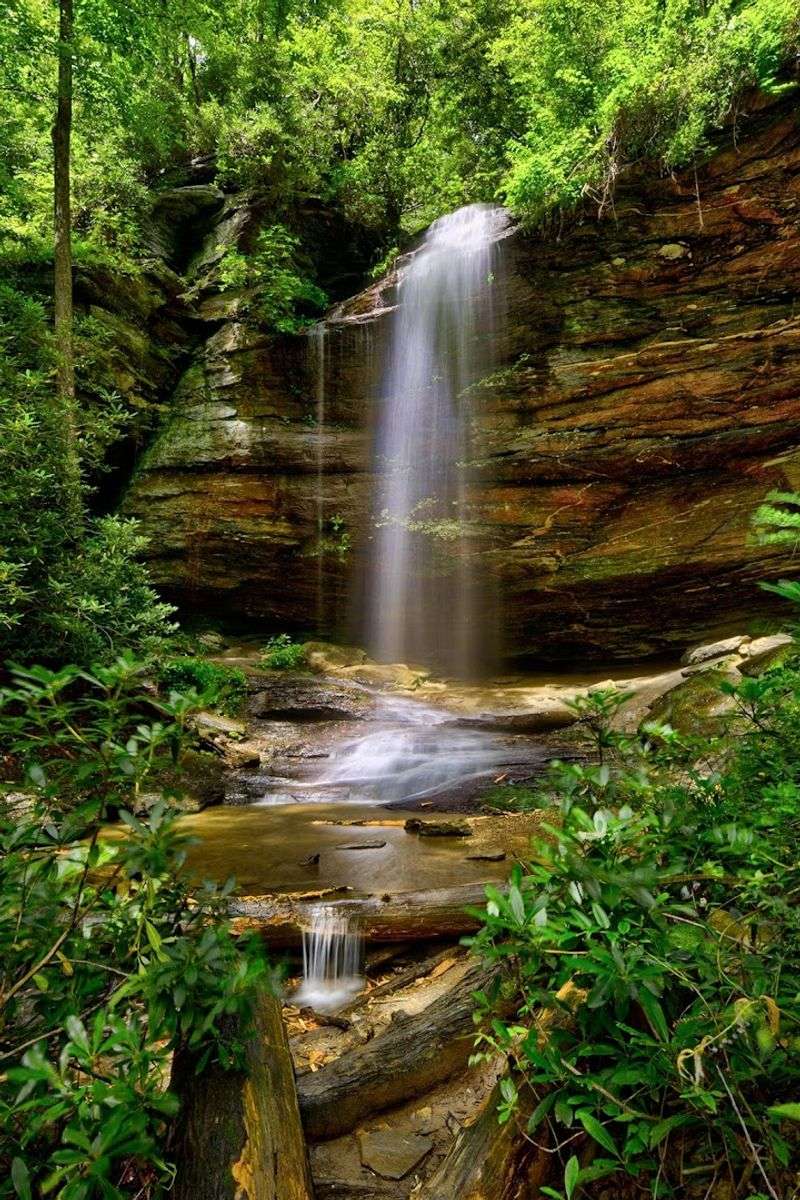
Walking behind a waterfall sounds like something out of an adventure novel, but Moore Cove Falls makes it completely real and surprisingly easy. Located near Brevard in Pisgah National Forest, this trail is short, scenic, and absolutely loaded with charm.
The forest floor stays mossy and cool, giving the whole walk a fairy-tale atmosphere.
The waterfall flows over a curved rock overhang, creating a thin curtain of water you can actually step behind without getting soaked. Kids absolutely love this feature, and honestly, adults do too.
Standing behind the falls and looking out through the water is one of those small moments that feels genuinely magical.
The trail itself is easy enough for most fitness levels, covering just over a mile round trip with minimal elevation gain. Brevard is known as the “Land of Waterfalls,” and Moore Cove Falls is a perfect introduction to why that nickname sticks.
Visit on a weekday if possible, since weekends draw larger crowds to this popular spot. Wear shoes with decent grip because the rocks near the falls can be slippery after rain.
Black Balsam Knob Loop — Pisgah National Forest, North Carolina
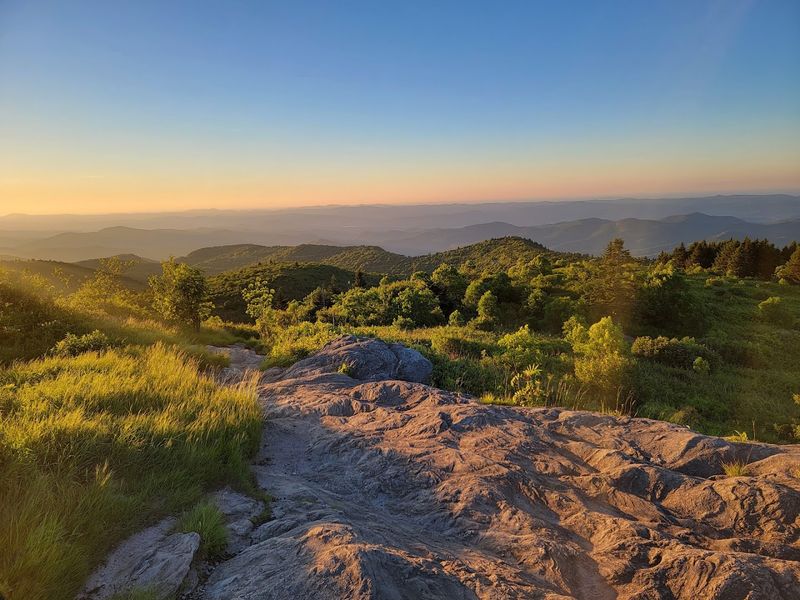
Standing on the open grassy balds of Black Balsam Knob, it is genuinely hard to believe you are still in North Carolina. The landscape feels closer to the Scottish Highlands than the American Southeast, with rolling treeless ridges stretching in every direction above 6,000 feet.
The wind up here has real personality, especially in the afternoon.
The loop trail covers roughly five to six miles depending on your exact route, combining sections of the Art Loeb Trail with the open ridgeline balds. Elevation gain is moderate, making this accessible to hikers with a solid base of fitness.
The payoff is some of the most dramatic panoramic scenery in the entire state.
Wildflowers cover the balds in late spring and early summer, adding bursts of color to the already stunning views. Sunsets from Black Balsam Knob are legendary among regular visitors to the area.
Bring layers because temperatures up here drop fast, even on warm lowland days. This hike sits at the sweet spot between effort and reward, delivering maximum scenery without requiring elite athletic ability.
Rough Ridge Trail — Blue Ridge Parkway, North Carolina
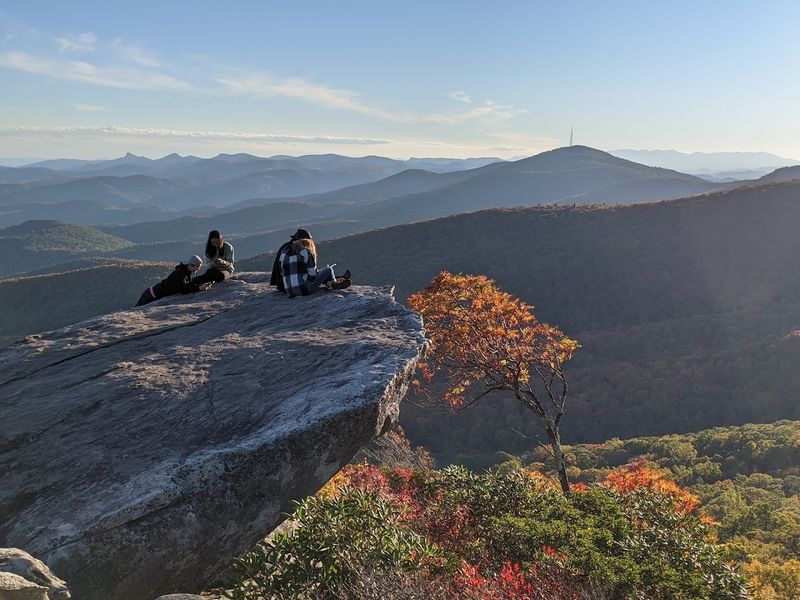
Photographers have been obsessing over Rough Ridge for decades, and one look at the view explains everything. Part of the Tanawha Trail system near Grandfather Mountain, this hike delivers some of the most dramatic and photogenic scenery found anywhere along the entire Blue Ridge Parkway.
Rocky outcrops jut out over the valley like natural viewing platforms.
The trail features a mix of wooden boardwalks and open granite slabs, keeping the experience varied and interesting throughout. Elevation changes are moderate, but the exposed sections require careful footing, especially in wet conditions.
The combination of forest walking and open rocky ridges gives this trail a dynamic quality that keeps you fully engaged.
Linville Valley spreads out below the ridge in a way that genuinely stops hikers mid-step. Autumn transforms the view into something almost unreal, with fall colors blanketing the mountains as far as the eye can see.
The trail connects with longer Tanawha Trail sections for hikers who want to extend the adventure. Rough Ridge is also a popular spot for watching hawks during the fall migration, adding a wildlife-watching bonus to an already outstanding hike.
Hawksbill Mountain Trail — Linville Gorge Wilderness, North Carolina
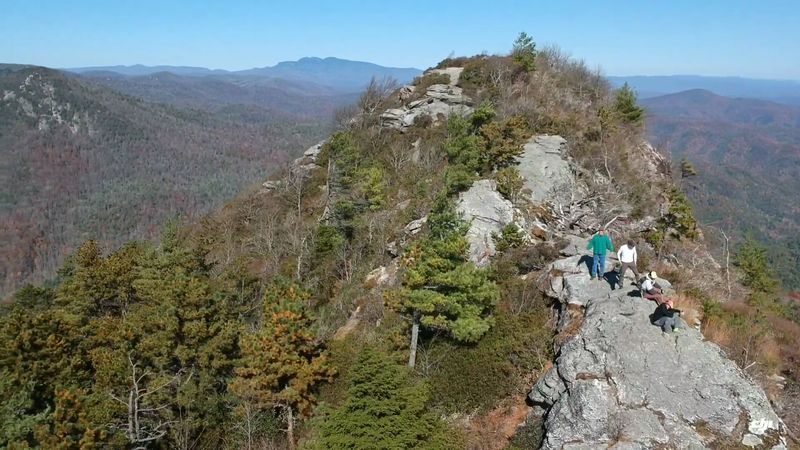
Hawksbill Mountain has a name that perfectly matches its personality: sharp, bold, and commanding. As the highest peak on the eastern rim of Linville Gorge, the summit delivers one of the most dramatic overlooks in the entire state.
The view from the top is the kind that makes people go completely silent for a few seconds.
The trail is relatively short, but do not let that fool you. Elevation gain happens quickly here, and the rocky terrain keeps you working throughout the ascent.
Sturdy footwear is a must, and trekking poles make the steep sections noticeably more manageable on the way back down.
Linville Gorge itself is often called the “Grand Canyon of the East,” and standing on Hawksbill’s summit makes that nickname feel completely justified. The rugged wilderness stretching below you looks untouched and wild in the best possible way.
Early morning visits reward hikers with mist rolling through the gorge, creating an almost cinematic scene. Hawksbill sits in a designated wilderness area, so expect fewer amenities and a more raw, backcountry feel throughout the entire experience.
Grandfather Trail — Grandfather Mountain, North Carolina
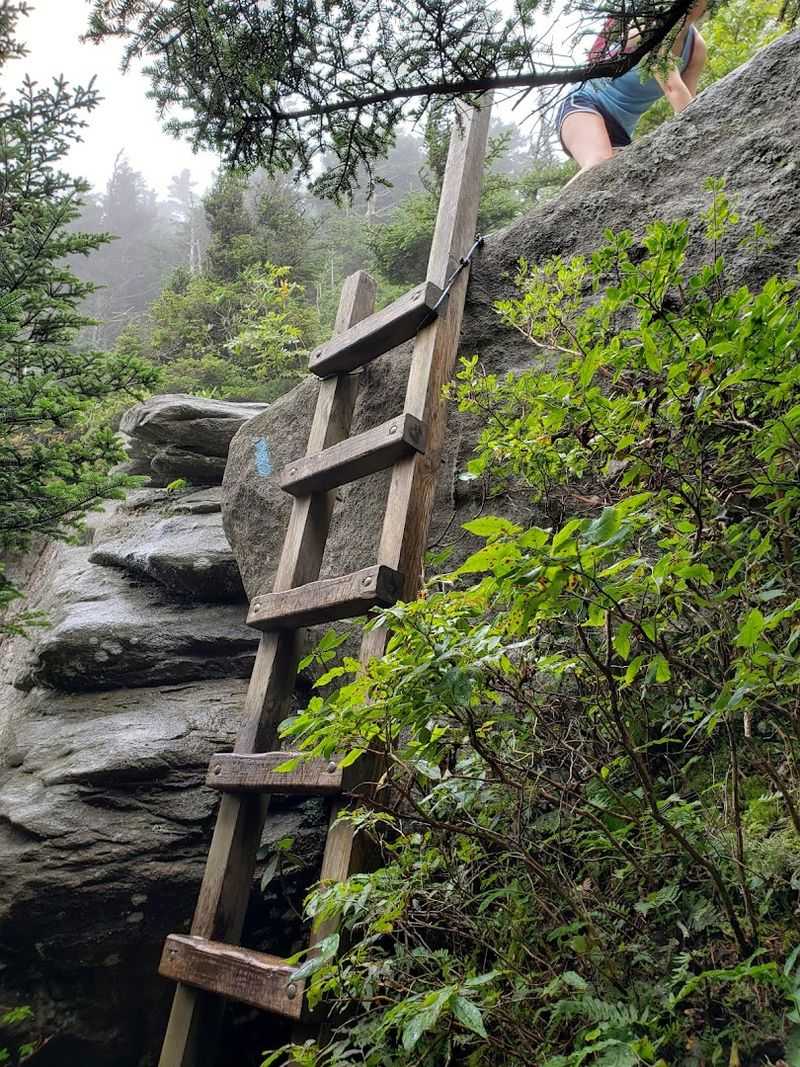
There are hiking trails, and then there is the Grandfather Trail, which occasionally requires you to climb a metal ladder bolted directly into a cliff face. This iconic route along the crest of Grandfather Mountain is unlike anything else in North Carolina, blending traditional hiking with genuine scrambling on cables and exposed rock.
It is thrilling in the best possible way.
The trail traverses the entire rugged ridge of Grandfather Mountain, delivering panoramic views from multiple high points along the way. Confident hikers who are comfortable with heights will find the experience exhilarating.
Anyone with a fear of exposure, however, should know exactly what they are getting into before starting.
Grandfather Mountain sits at over 5,900 feet, and the weather up top can shift dramatically in a short time. Checking the forecast before heading out is genuinely important here, not just a suggestion.
The park charges an entrance fee, and trail conditions are regularly updated online. Hikers who complete the full Grandfather Trail often describe it as one of the most memorable outdoor experiences of their lives, and it is easy to understand why after just the first ladder climb.
Mount Mitchell Summit Trail and Deep Gap Loop — Mount Mitchell State Park, North Carolina
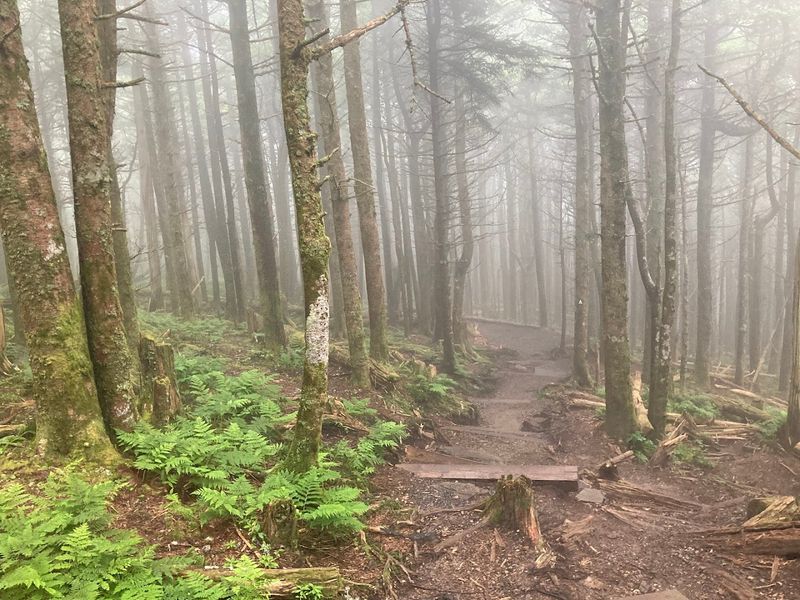
Mount Mitchell holds a title that still impresses people when they hear it for the first time: the highest peak east of the Mississippi River, reaching 6,684 feet above sea level. Most visitors ride up to the parking area and walk a short paved path to the summit.
That is perfectly fine, but combining the summit with the Deep Gap loop is where the real adventure begins.
The extended route takes hikers through ancient spruce-fir forest that feels nothing like the forests at lower elevations. These trees are gnarled, mossy, and draped in a quiet that feels almost prehistoric.
The ecosystem here is genuinely rare, found only at the highest elevations of the Southern Appalachians.
The full loop adds significant mileage and elevation change compared to the short summit stroll, so come prepared with water, snacks, and layers. Temperatures at the summit average about 15 degrees cooler than the surrounding valleys, even in summer.
Fog rolls through frequently, giving the spruce-fir forest an eerie, otherworldly quality that photographers absolutely love. Mount Mitchell deserves far more than a quick parking lot visit, and this loop delivers exactly that.
Calloway Peak via Profile Trail — Grandfather Mountain State Park, North Carolina
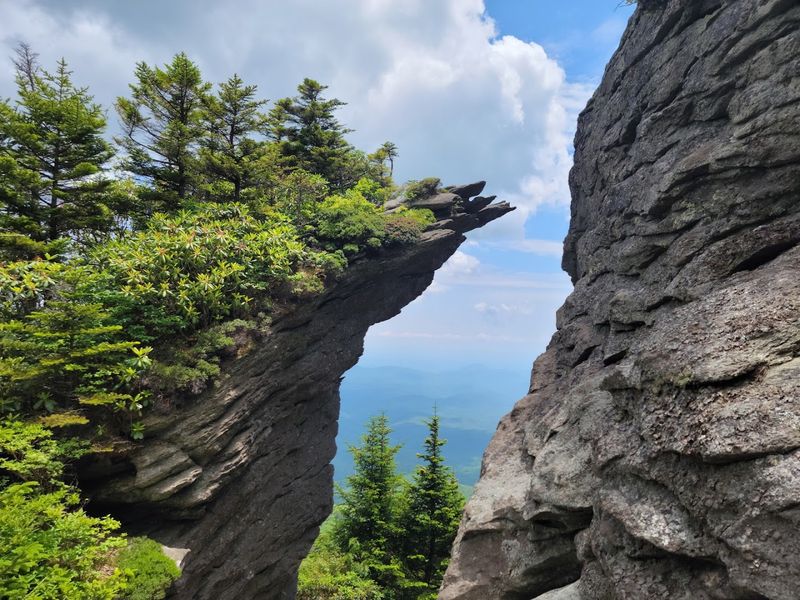
The Profile Trail approach to Calloway Peak is the kind of hike that earns serious respect from everyone who finishes it. Starting from the base of Grandfather Mountain, the trail climbs relentlessly upward through dense forest before reaching exposed rocky terrain near the summit.
By the time you reach Calloway Peak, the highest point on Grandfather Mountain, the views feel like a genuine reward for all that effort.
The round-trip distance runs about nine miles with nearly 3,000 feet of elevation gain, placing this firmly in the challenging category. Rocky scrambles, root-covered sections, and steep pitches keep the terrain interesting throughout.
Experienced hikers will find it demanding but deeply satisfying.
Calloway Peak sits at 5,946 feet and offers sweeping views across the Blue Ridge that stretch for miles on clear days. The Profile Trail is less crowded than the park’s other routes, giving the experience a more solitary, backcountry feel.
Starting early in the morning is strongly recommended to avoid afternoon thunderstorms, which build quickly over the mountains during summer months. Bring plenty of water and fuel because this trail asks a lot from your body before handing over those summit views.
Shining Rock Wilderness Loop — Pisgah National Forest, North Carolina
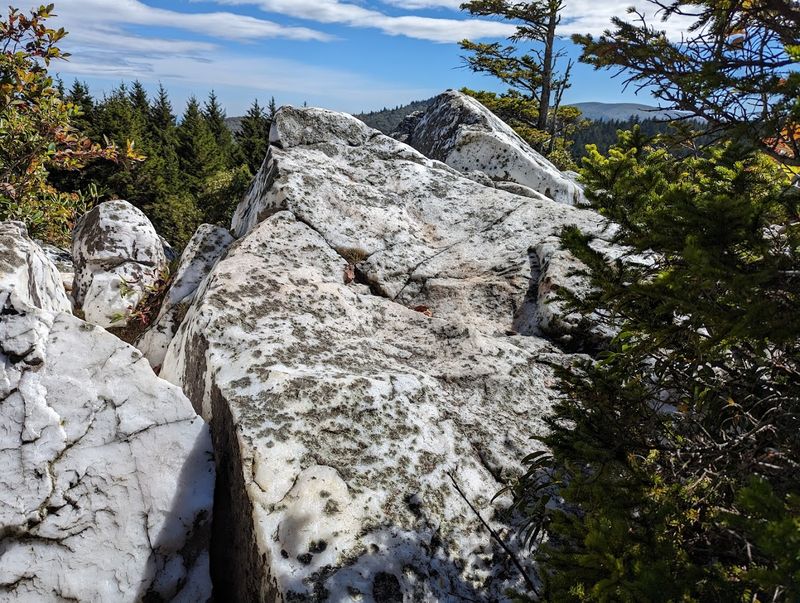
Massive chunks of white quartz rock glowing in the afternoon sun is not something most hikers expect to find on a North Carolina mountain, but Shining Rock Wilderness delivers exactly that. The enormous quartz outcrops that give this area its name are genuinely otherworldly, catching light in ways that make the ridgeline look like it is lit from within.
This place has a wild, remote energy that separates it from every other hike on this list.
The loop covers roughly thirteen miles through backcountry terrain with no official trail markers inside the wilderness boundary. Navigation skills and map-reading ability are important here, not optional extras.
Experienced hikers who are comfortable with route-finding will find this one of the most rewarding adventures in the entire state.
Camping inside the wilderness area is permitted, turning this into a memorable overnight trip for those who want to experience the area at a slower pace. The ridgeline views from Shining Rock and the surrounding peaks are extraordinary in every direction.
Weather can shift without warning at these elevations, so carrying rain gear is a non-negotiable piece of preparation. Shining Rock rewards those who come ready and penalizes those who do not.
Black Mountain Crest Trail — Yancey County, North Carolina
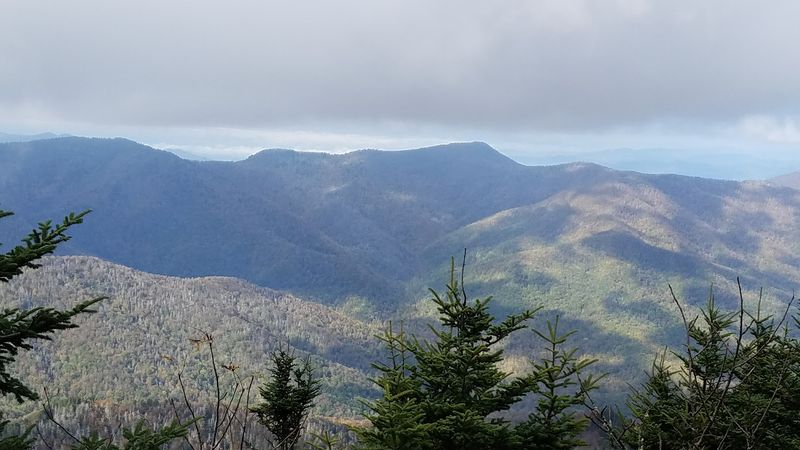
Seasoned hikers speak about the Black Mountain Crest Trail in hushed, reverent tones, the way people talk about things that genuinely tested them. This ridgeline route in Yancey County connects several peaks above 6,000 feet, including some of the highest summits in the entire eastern United States.
The terrain is relentless, the weather is unpredictable, and the scenery is absolutely extraordinary.
The full trail runs about twelve miles one way, making it a serious overnight or point-to-point adventure requiring vehicle shuttles. Steep climbs, dense spruce-fir forest, and constantly shifting conditions demand solid fitness, proper gear, and real backcountry experience.
This is not a trail to underestimate on any level.
What makes the suffering worthwhile is the alpine-like landscape that unfolds across the ridgeline. Views from the high peaks stretch across multiple states on clear days, offering a perspective of the Southern Appalachians that few hikers ever get to see.
The isolation up here feels complete and deeply satisfying. Black Mountain Crest Trail is the kind of experience that redefines what a hike can be, leaving a permanent mark on everyone bold enough to walk it from end to end.
Share this story