Italy has a way of getting under your skin. You visit once, and suddenly you are already planning the next trip before you have even unpacked your bags.
From ancient ruins to Renaissance masterpieces, from street food to stunning coastlines, this country packs more into one destination than most continents combined. These are the 15 Italian cities that travelers keep raving about, and honestly, it is not hard to see why.
Rome
Every city claims to have history, but Rome actually delivers. You can walk past a 2,000-year-old aqueduct on your way to grab a coffee.
That is just Tuesday in Rome.
The Colosseum and Roman Forum are essential stops, but the real magic happens between the landmarks. A random side street might lead you to a beautiful fountain, a hidden courtyard, or a tiny church with jaw-dropping frescoes inside.
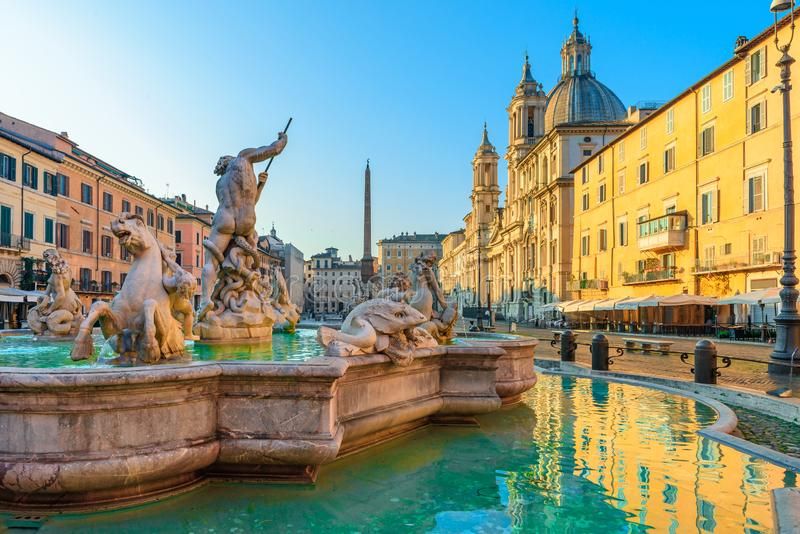
Trastevere is perfect for evening wandering, with cobblestone lanes and outdoor tables spilling onto the streets. Piazza Navona and the Pantheon are crowd-pleasers for good reason.
Cacio e pepe is non-negotiable.
Rome also rewards slow travelers. Staying two or three nights instead of one changes everything.
The city opens up, feels less rushed, and starts to feel like somewhere you actually belong. First-timers and repeat visitors both leave wanting more.
Florence
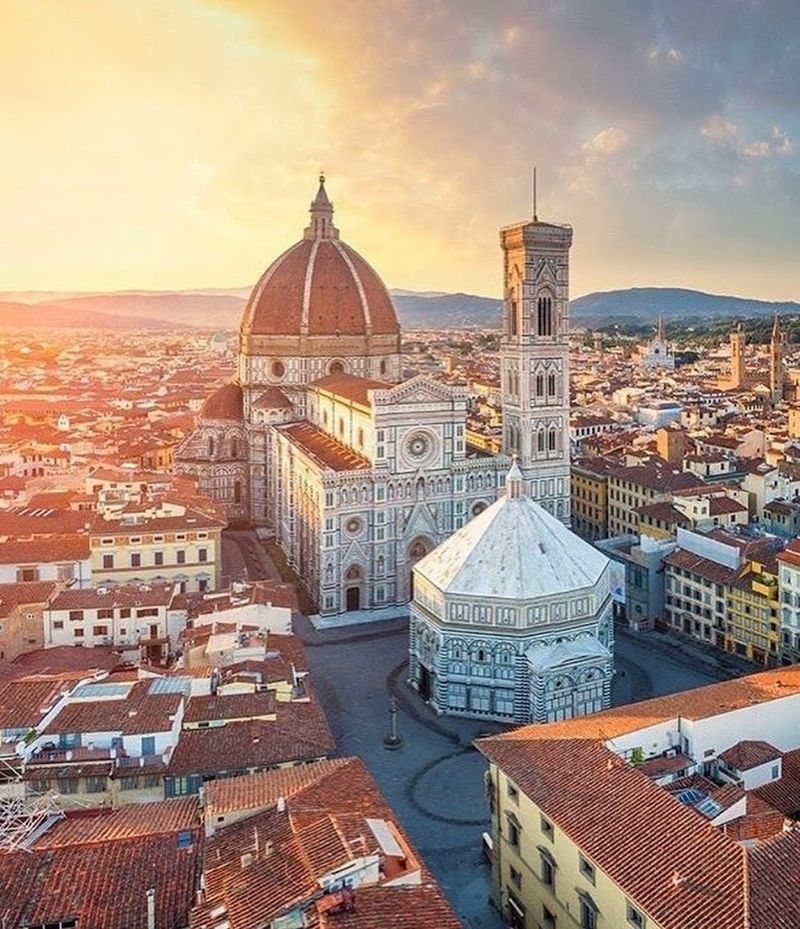
Florence is the city that made the Renaissance cool, and it has been coasting on that reputation ever since. Rightfully so.
The Uffizi Galleries alone could justify the flight. Botticelli’s Birth of Venus, Leonardo da Vinci originals, Michelangelo’s work, all under one roof.
Booking ahead is strongly advised unless you enjoy very long queues in the heat.
Brunelleschi’s dome over the Cathedral of Santa Maria del Fiore is one of those sights that genuinely stops you mid-stride. Ponte Vecchio, Piazzale Michelangelo at sunset, and the Boboli Gardens round out the classic checklist beautifully.
Florence also has fantastic artisan shops, leather markets, and Tuscan wine bars tucked into narrow streets. It feels grand and walkable at the same time.
My first visit lasted three days and still felt too short. The city has a quiet confidence that makes it endlessly revisitable.
Venice
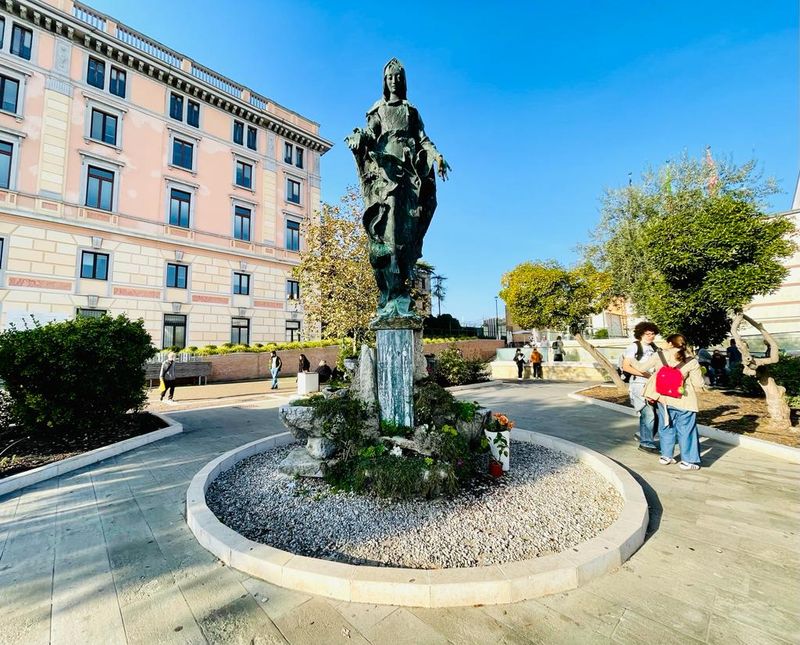
Venice should not exist, and yet here it is, stubbornly floating on a lagoon and being absolutely gorgeous about it.
St. Mark’s Basilica, the Doge’s Palace, and the Grand Canal are the headline acts. A gondola ride is touristy and expensive, and most visitors still do it anyway.
Some experiences are just worth the splurge.
The real Venice tip that frequent visitors share is this: stay overnight. Early mornings before the day-trippers arrive feel completely different from peak afternoon chaos.
The city becomes quieter, more personal, and genuinely magical.
Neighborhoods like Cannaregio and Dorsoduro show a slower, more local side of the city. Good cicchetti bars, quiet canals, and fewer selfie sticks.
Venice gets a lot of criticism for overtourism, but with a little planning and some willingness to wander off the main paths, it still delivers something truly unforgettable.
Milan
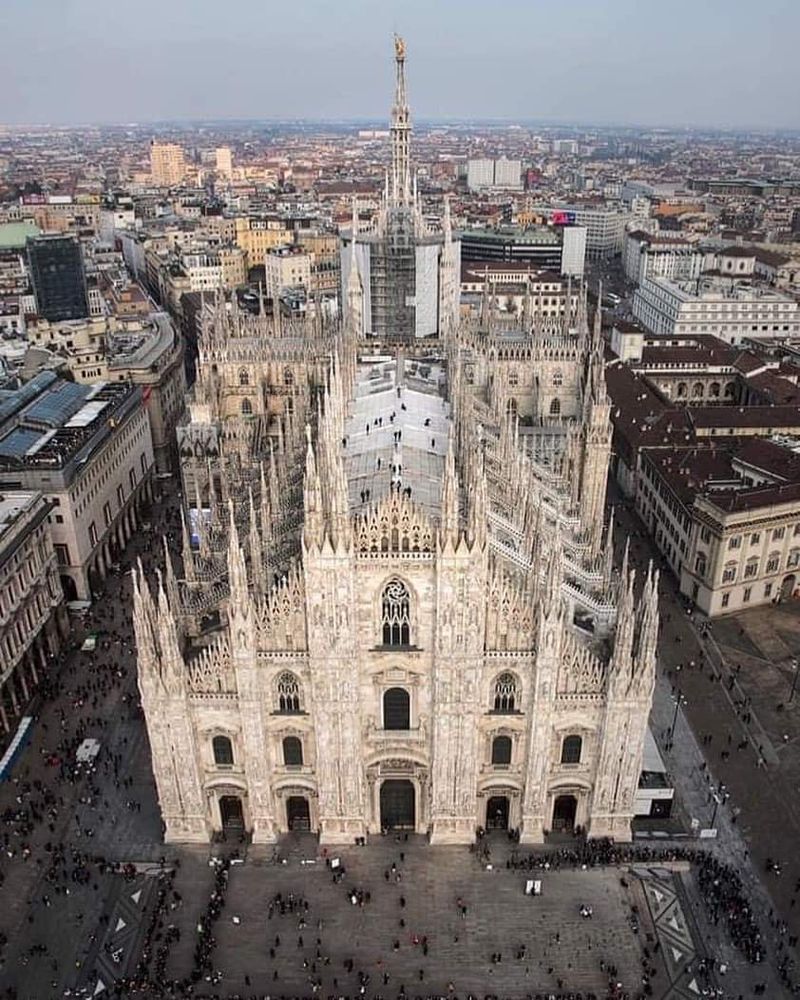
Milan gets underestimated constantly, and honestly, that just means shorter queues for the rest of us.
The Duomo di Milano is the crown jewel, and climbing to the rooftop terraces gives you one of the best views in northern Italy. The Galleria Vittorio Emanuele II next door is technically a shopping mall, but it looks like a palace, which is very on-brand for Milan.
Leonardo da Vinci’s The Last Supper is here too, housed in the refectory of Santa Maria delle Grazie. Booking months in advance is not an exaggeration.
The Brera neighborhood has excellent galleries, restaurants, and a genuinely charming atmosphere.
Milan also does aperitivo culture better than almost anywhere. Order a Negroni around 6 p.m., and you will likely get a generous spread of snacks included.
The city rewards travelers who come with curiosity and leave the fashion stereotypes at home.
Naples
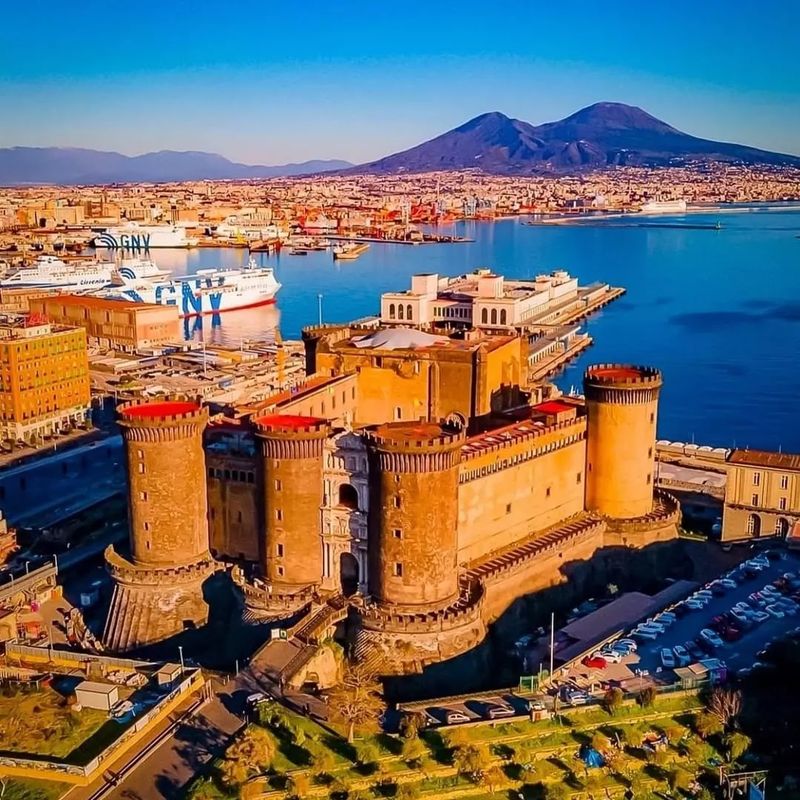
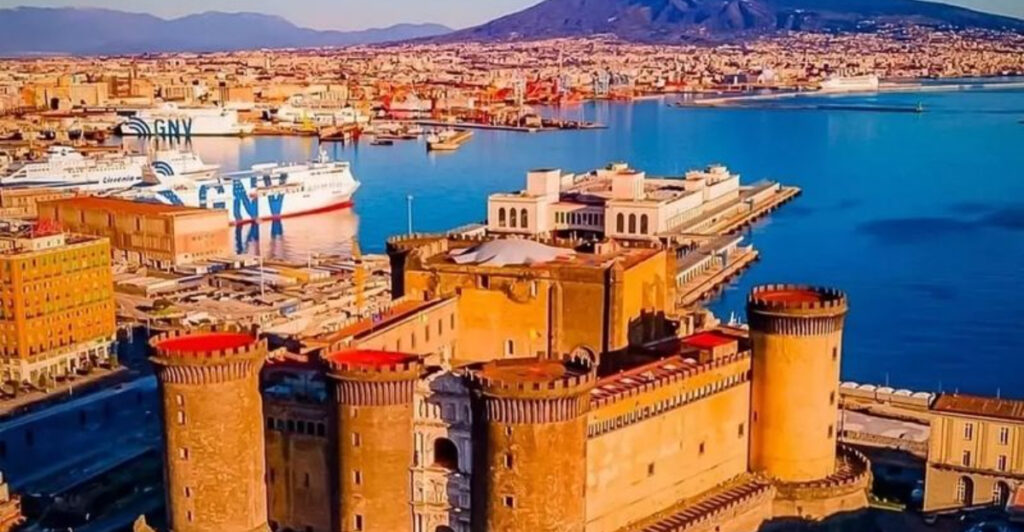
Naples is the city that grabs you by the collar and says, pay attention. It is loud, layered, chaotic, and completely irresistible once you get past the first impression.
Pizza was born here, and eating a proper Neapolitan margherita in its home city is a genuinely life-changing experience. Soft dough, San Marzano tomatoes, fresh mozzarella, wood-fired oven.
Nothing from a chain will ever taste the same again.
The National Archaeological Museum is world-class, especially for anyone planning a visit to Pompeii. The historic center is dense with churches, underground tunnels, street shrines, and markets that feel completely alive.
Naples also works brilliantly as a base. Pompeii, Herculaneum, Mount Vesuvius, Capri, and the Amalfi Coast are all within reach.
Travelers who skip Naples for fear of the chaos consistently regret it. This city has more personality per square meter than almost anywhere in Italy.
Bologna
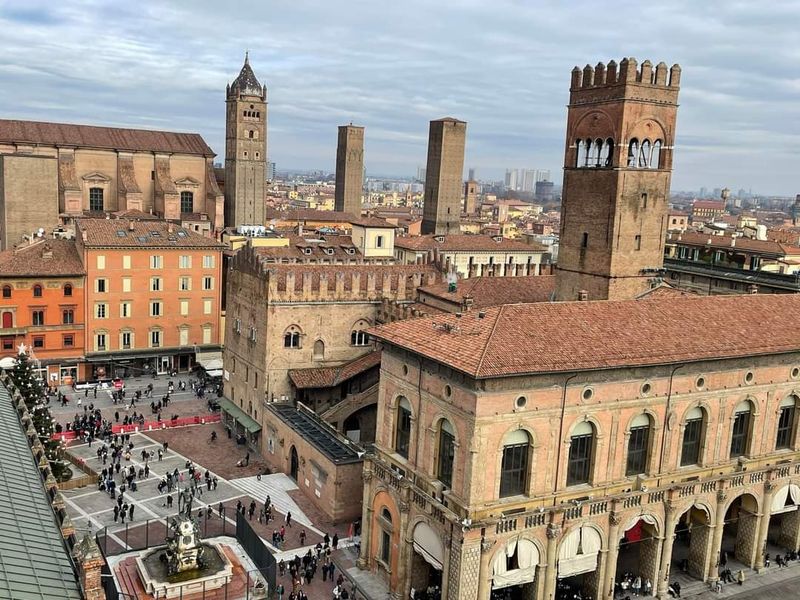
Bologna has a nickname, La Grassa, which translates to the Fat One. The city wears this title with enormous pride, and after one meal there, you will completely understand why.
Tagliatelle al ragu, tortellini in brodo, mortadella, and fresh pasta made by hand in every other shop window. Emilia-Romagna is the food capital of Italy, and Bologna is its crown city.
Skipping a cooking class here feels like a missed opportunity of epic proportions.
Beyond the food, Bologna has genuine architectural beauty. Its UNESCO-listed porticoes stretch for kilometers, keeping you dry in rain and shaded in sun.
The medieval towers, Piazza Maggiore, and the old university buildings give the city real substance.
It also has a lively student population, which keeps things energetic without feeling like a theme park. Bologna is an excellent base for day trips to Parma, Modena, and Ferrara.
Seriously underrated on most Italy itineraries.
Verona
Yes, Romeo and Juliet were fictional. No, that does not stop thousands of people from leaving love notes at Juliet’s House every single year.
Verona leans into the romance, and it works.
The real star of the city is the Verona Arena, a Roman amphitheater that dates back to the first century AD and still hosts opera performances in summer. Sitting in those ancient stone seats for an evening show is an experience that belongs on every Italy bucket list.
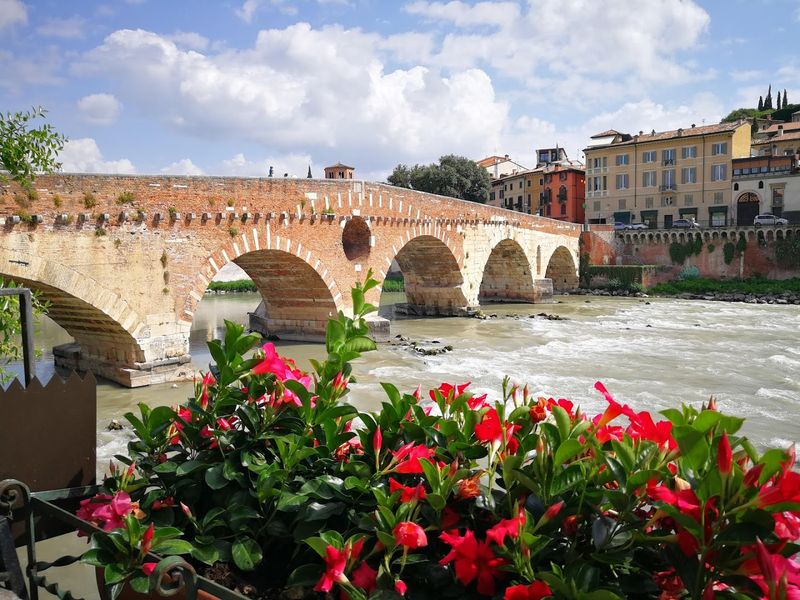
Piazza delle Erbe is one of northern Italy’s most charming market squares, surrounded by frescoed buildings and buzzing with daily life. Castelvecchio and its bridge over the Adige River add a medieval layer to the city’s already rich mix.
Verona is compact, walkable, and easy to pair with Venice, Lake Garda, or Milan on a northern Italy trip. It never feels overwhelming, which is part of what makes it so easy to love.
Turin
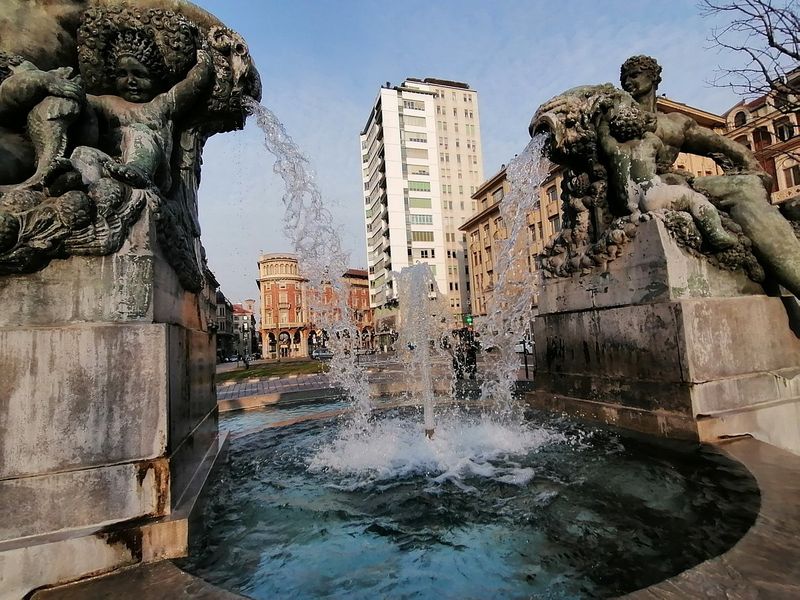
Turin is the city that whispers rather than shouts, and travelers who stop to listen are usually very glad they did.
The Mole Antonelliana is Turin’s most iconic structure and now houses the National Museum of Cinema, which is far more fascinating than it sounds. The Egyptian Museum here is considered one of the best outside of Cairo.
Two world-class museums in one city, and Turin still flies under the radar.
Grand arcaded boulevards, royal palaces, and historic cafes that have been serving hot chocolate since the 18th century give Turin a refined, old-world elegance. The city is also the birthplace of Italian cinema and the original home of the Fiat car brand.
Views of the Alps on a clear day are genuinely spectacular. The food scene leans rich and northern, with excellent wine from nearby Piedmont.
Turin rewards travelers who enjoy culture and atmosphere without the tourist crowds of more famous Italian cities.
Palermo
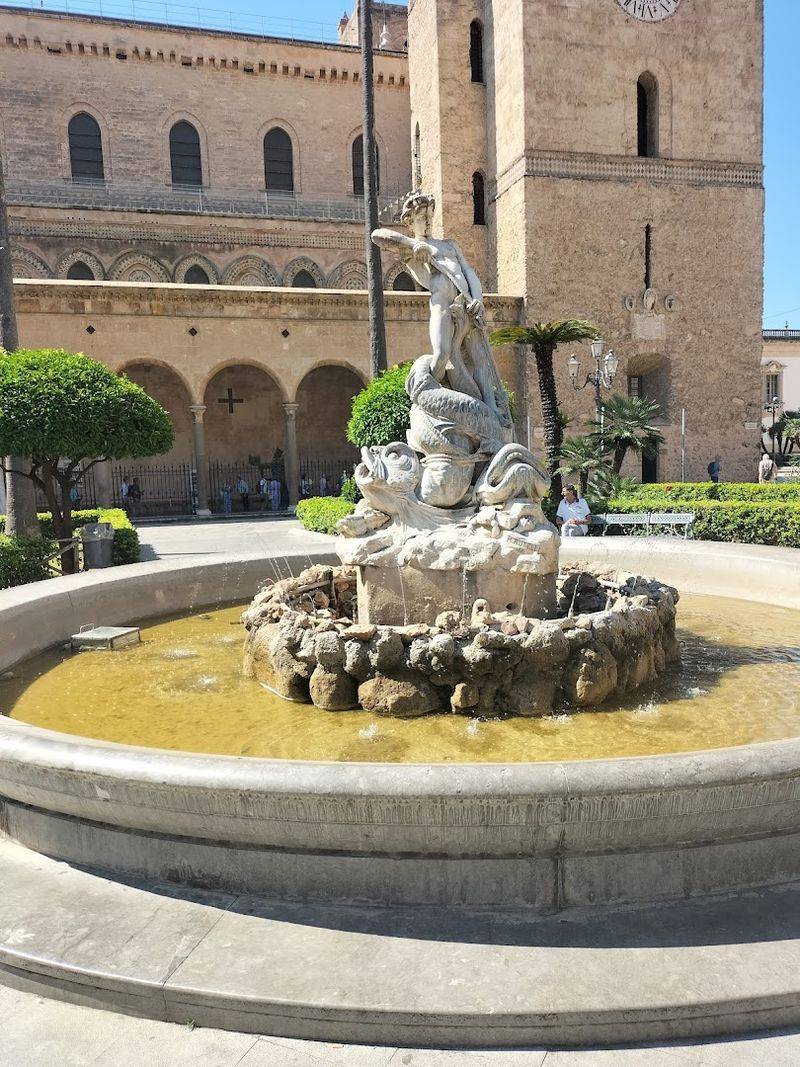
Palermo is where Arab, Norman, Byzantine, and Baroque architecture somehow all ended up on the same block, and the result is one of the most visually fascinating cities in Italy.
The Norman Palace and its Palatine Chapel contain some of the finest gold mosaics in the world. The Palermo Cathedral is another architectural marvel that has been added to and modified across centuries, making it a visual summary of the island’s complicated history.
Markets like Balaro and Vucciria are essential Palermo experiences. Street food here is legendary: arancini, panelle, sfincione, and pani ca meusa for the brave.
The city’s energy in these markets is loud, colorful, and completely infectious.
Palermo is not always polished, and that is genuinely part of its appeal. It feels real and layered in a way that more tourist-heavy cities sometimes do not.
For travelers who want character over convenience, Palermo consistently delivers the goods.
Siena
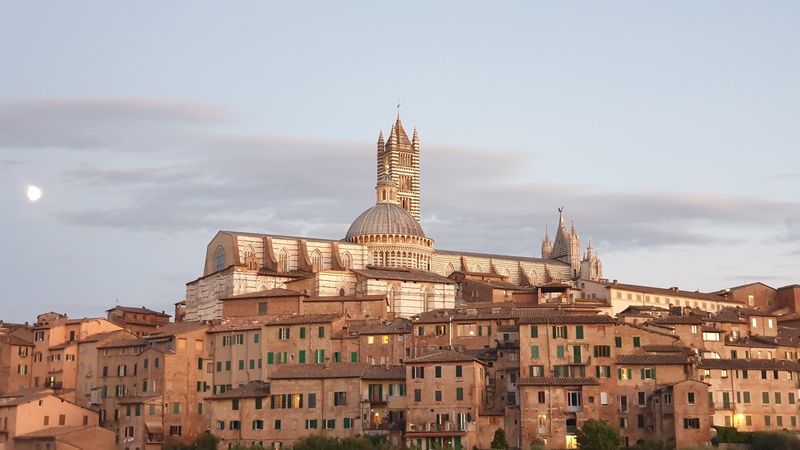
Siena is what happens when a medieval city decides to stay exactly as it is, and the world thanks it for that decision every single day.
Piazza del Campo is one of Italy’s great public spaces, a fan-shaped square that slopes gently toward the Palazzo Pubblico and its tall tower. Twice a year, the Palio horse race takes place here, turning the square into one of the most dramatic sporting events in Europe.
Siena Cathedral is a masterpiece of black-and-white marble, both inside and out. The interior floor alone, made of detailed marble inlays, could hold your attention for an hour.
The surrounding streets are steep, narrow, and full of excellent pastry shops.
Florence gets the crowds, but Siena gets the atmosphere. Staying overnight here is strongly recommended.
Once the day-trippers head back on their buses, the city settles into a calm that feels like you have the whole medieval town to yourself.
Genoa
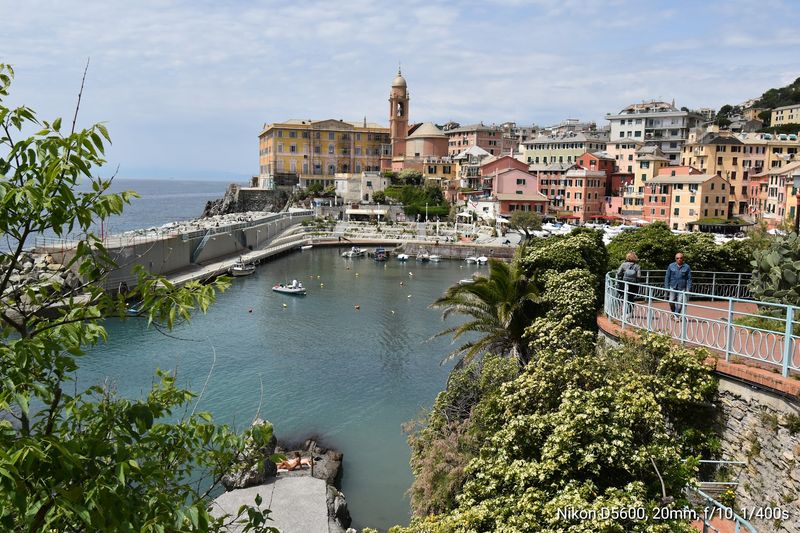
Genoa is the kind of city that does not try to impress you, and somehow that makes it more impressive. It just gets on with being fascinating.
The historic center is one of the largest medieval old towns in Europe, a dense maze of narrow lanes called caruggi, full of unexpected churches, palaces, and tiny bars. Getting slightly lost here is not a problem.
It is basically the whole point.
The Strade Nuove and Palazzi dei Rolli are UNESCO World Heritage Sites, showcasing the wealth of Genoese merchants during the city’s golden trading era. These Renaissance palaces are genuinely stunning and almost entirely crowd-free.
Genoa also has excellent seafood, a dramatic hilltop old fortress with panoramic views, and a working port that gives the city a gritty, lived-in energy. Pesto was invented here, and the local version made with fresh basil and pine nuts is absolutely the best you will ever eat.
Pisa
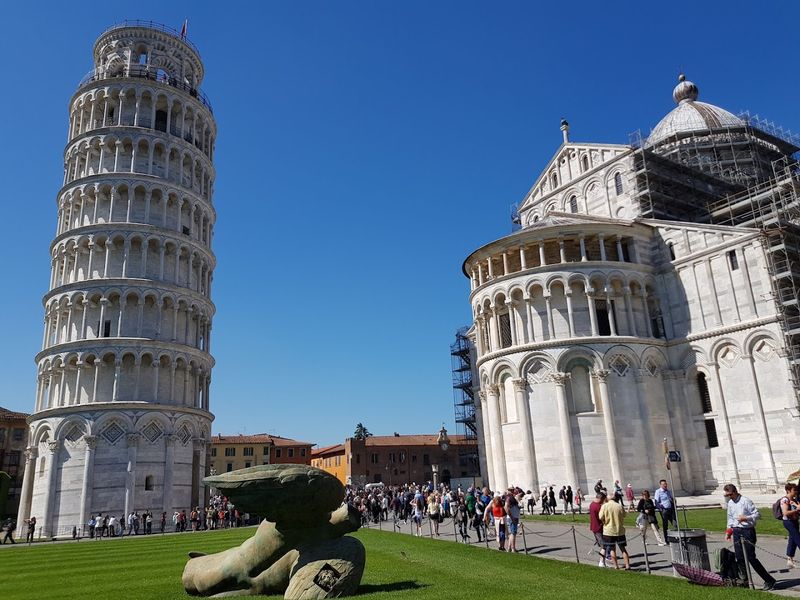
The Leaning Tower of Pisa has been photographed approximately one billion times, and yet somehow it still manages to surprise people when they see it in person. It really does lean that much.
The tower is part of the Piazza dei Miracoli complex, which also includes the Cathedral, the Baptistery, and the Camposanto cemetery. Together they form one of the most remarkable medieval architectural ensembles in the world, and most visitors only notice the wobbly tower.
Climbing the tower is worthwhile for the views and the slightly unsettling feeling of the tilted stairs underfoot. Beyond the famous square, Pisa has university energy, pleasant Arno riverside walks, and a relaxed pace that rewards an overnight stay.
Most visitors treat Pisa as a quick stop between Florence and Cinque Terre, which is completely valid. But staying longer reveals a genuinely pleasant city that has more going on than its one very famous architectural quirk.
Ravenna
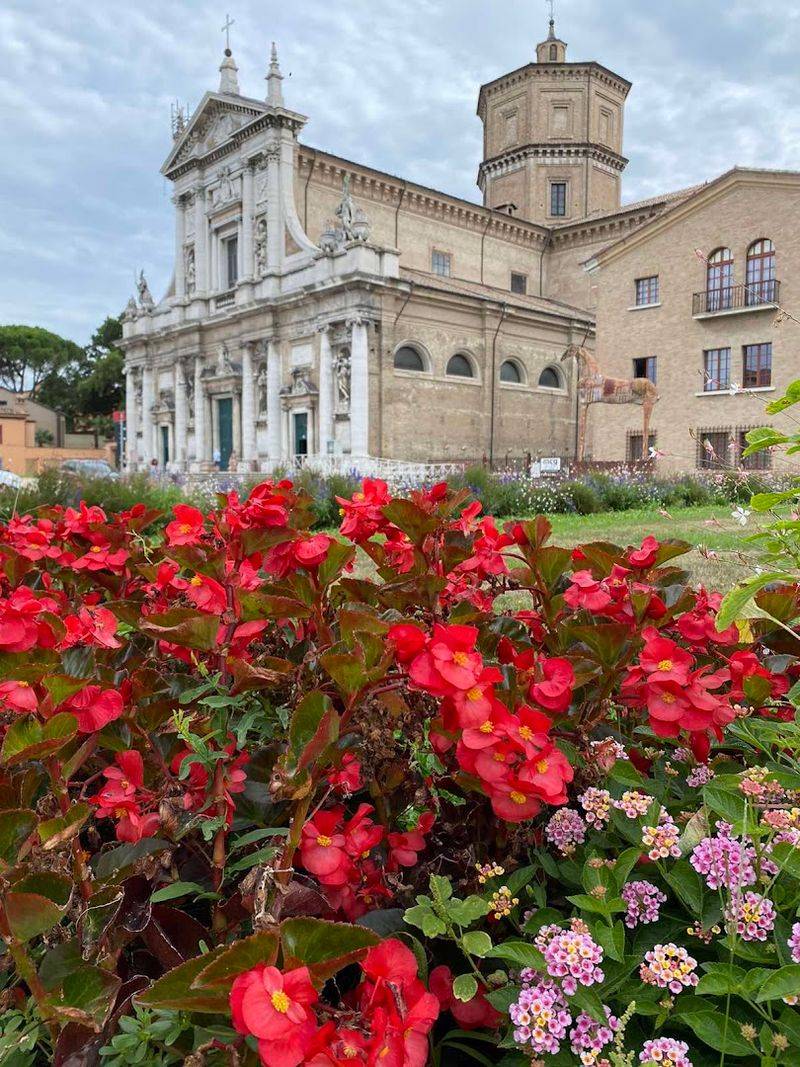
Ravenna has a superpower, and it is mosaics. Not just pretty mosaics, but some of the most detailed, colorful, and well-preserved early Christian and Byzantine artwork anywhere on the planet.
The Basilica of San Vitale and the Mausoleum of Galla Placidia are the two most famous sites, and both are UNESCO World Heritage-listed. Standing inside the Mausoleum and looking up at the deep blue ceiling studded with golden stars is one of those travel moments that genuinely takes your breath away.
Ravenna was once a capital of the Western Roman Empire and later a center of Byzantine power. That history left behind an extraordinary artistic legacy that feels very different from the Renaissance art of Florence or the ancient ruins of Rome.
The city itself is small, calm, and very walkable. There are no enormous crowds, no hour-long queues, and no feeling of being rushed.
For art lovers who want depth over drama, Ravenna is a quiet revelation.
Bari
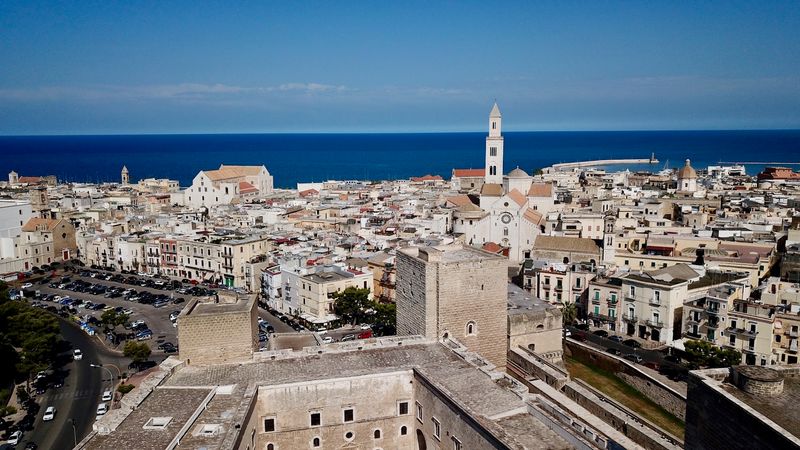
Bari is Puglia’s lively, unpretentious capital, and it has been quietly winning over travelers who thought they were just passing through on the way somewhere else.
Bari Vecchia, the old town, is the highlight. Tight lanes, small shrines, women sitting outside making fresh orecchiette by hand, and the smell of something delicious coming from every other doorway.
It is one of the most authentically charming urban neighborhoods in southern Italy.
The Basilica di San Nicola is the city’s most important religious site and draws both Catholic and Orthodox pilgrims from across the world. The seafront promenade and the Murat district add more layers to a city that rewards slow exploration.
Practically speaking, Bari is an excellent base for exploring Puglia. Polignano a Mare, Alberobello, Matera, and Monopoli are all easy day trips.
Ferry connections to Greece and Croatia also make it a useful hub for broader Mediterranean adventures.
Cagliari
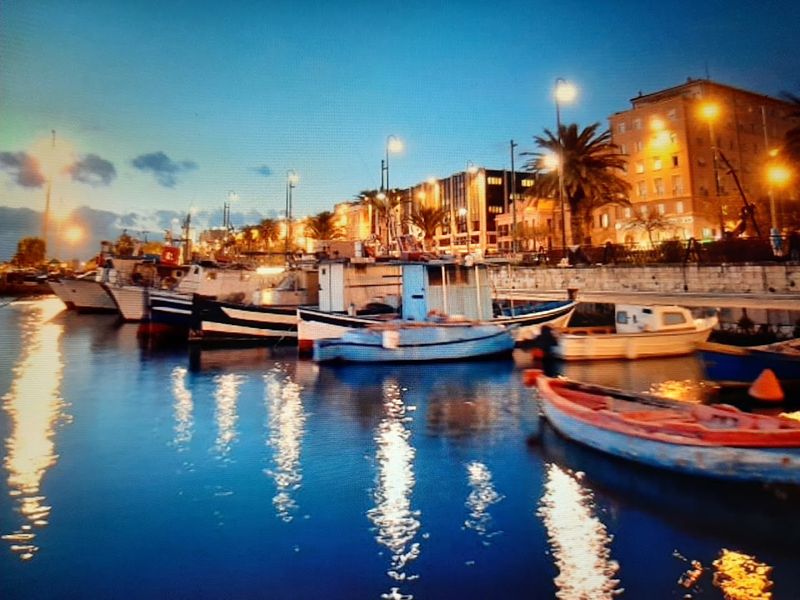
Cagliari is the kind of city that makes you wonder why you spent so long ignoring Sardinia. The answer, once you arrive, becomes completely irrelevant.
The Castello district sits on a hilltop above the city and is packed with narrow streets, old towers, and viewpoints that look out over the rooftops toward the sea. The Bastion of Saint Remy is the most famous of these viewpoints and is genuinely spectacular on a clear afternoon.
Sardinian food is its own distinct tradition, quite different from mainland Italian cuisine. Culurgiones pasta, porceddu roast pork, seadas honey pastries, and excellent local wines make every meal an event worth planning around.
Poetto Beach, just a short ride from the city center, is one of the longest urban beaches in Italy. Cagliari works brilliantly as both a city break and a beach holiday starting point.
Travelers who combine a few days here with the rest of Sardinia rarely regret the decision.
Share this story