Some places on Earth are so jaw-dropping that photos never really do them justice. This summer, you have a real shot at visiting landscapes that took millions of years to form, ecosystems that scientists still study with wide eyes, and natural wonders so wild they feel like a different planet.
From underwater coral cities to frozen volcanic giants, these 15 destinations are not just beautiful, they matter. Pack your curiosity and maybe a rain jacket, because this list is about to get very good.
Great Barrier Reef, Australia
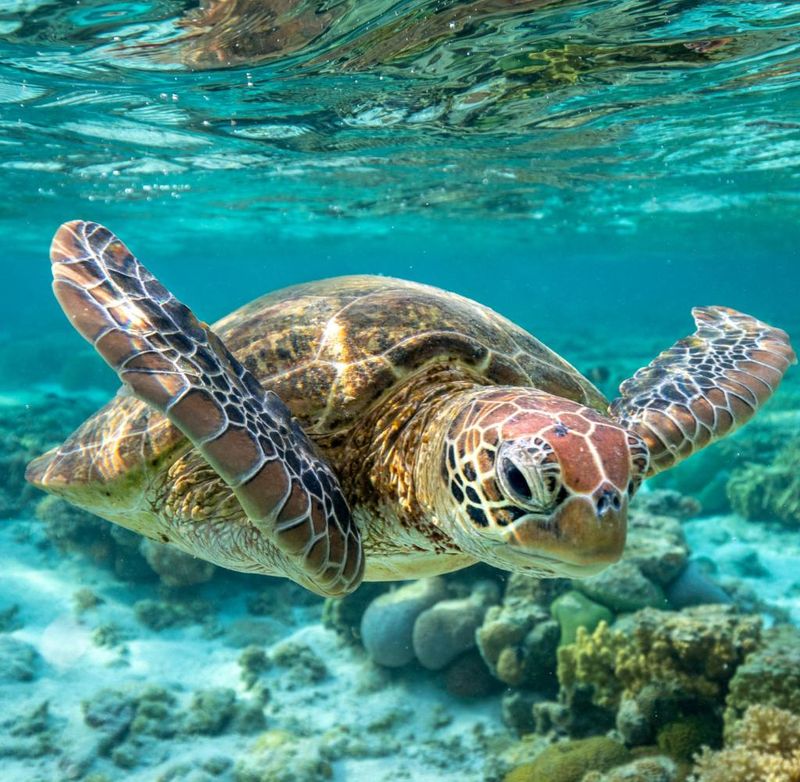
The Great Barrier Reef stretches over 2,300 kilometers, making it the largest living structure on Earth. That is not a typo.
One living thing, visible from space, built by billions of tiny coral polyps over thousands of years.
Snorkeling here feels like crashing a very colorful party you were never invited to. Turtles glide past, reef fish dart between coral, and rays cruise the sandy floor like they own the place.
Glass-bottom boat tours work great for those who prefer to stay dry but still want front-row seats.
Choosing a reef operator with strong eco-credentials matters more than most visitors realize. Look for those certified by the Great Barrier Reef Marine Park Authority.
Follow the golden rule: look, never touch. The reef is already under climate pressure, so every careful visitor helps tip the scales toward recovery rather than damage.
Grand Canyon National Park, Arizona
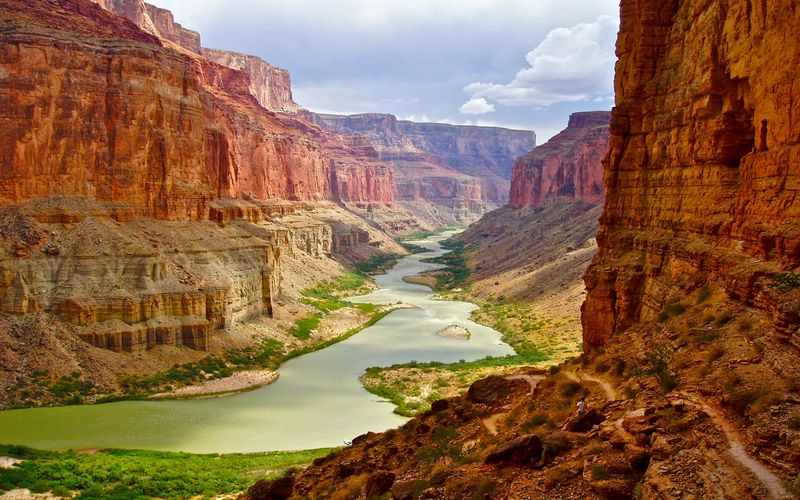
Standing at the South Rim for the first time, I genuinely could not process what my eyes were sending my brain. The Grand Canyon is so wide and so deep that it short-circuits normal human perspective.
That is a feature, not a bug.
Each rock layer you see represents millions of years of geological history, stacked like the world’s most dramatic birthday cake. The Colorado River carved all of this, and it is still going.
Summer visits require serious planning because the heat below the rim can turn an ambitious hike into a medical emergency fast.
Sunrise viewpoints, shuttle-accessible overlooks, and short rim walks are the smart summer moves. Carry more water than you think you need, then carry more.
The North Rim offers a quieter, cooler alternative when it opens seasonally. Either way, the Grand Canyon delivers one of the most humbling experiences a human being can have outdoors.
Banff National Park, Canada
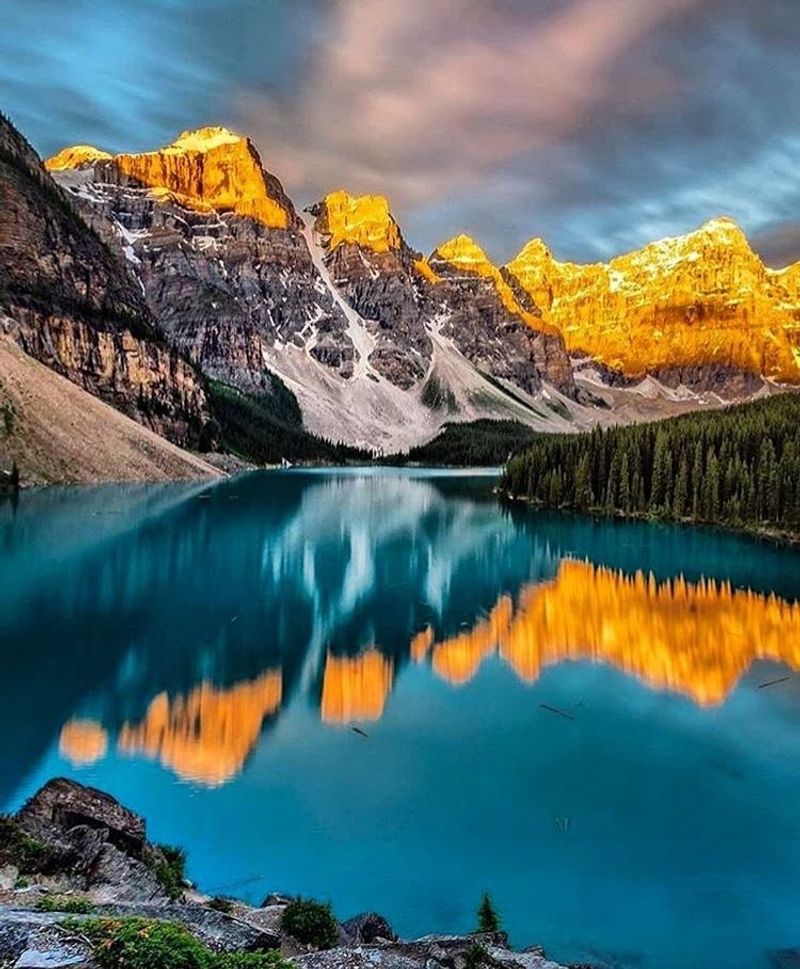
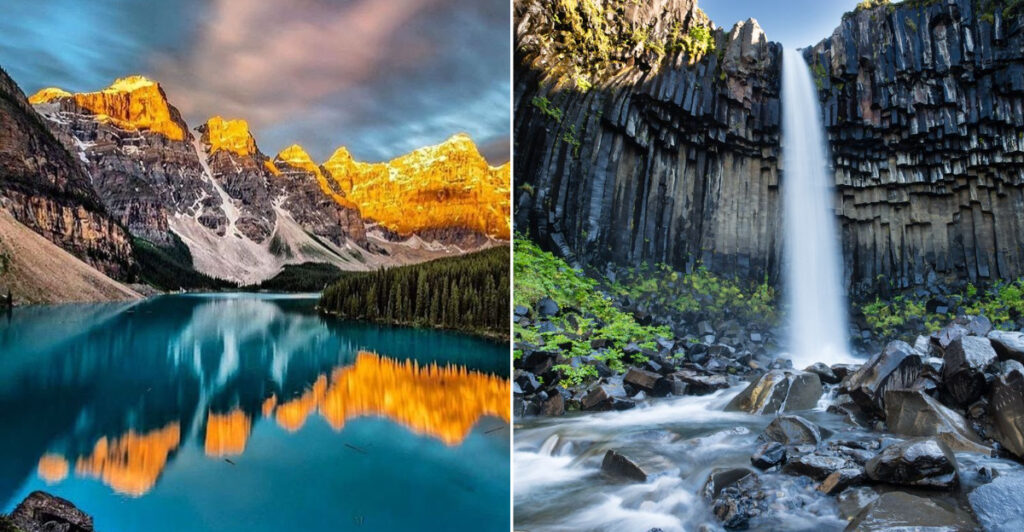
Moraine Lake looks photoshopped. Every single time.
The turquoise color comes from glacial rock flour suspended in the water, which sounds less romantic than it looks, but the result is genuinely unreal.
Banff packs multiple mountain ecosystems into one protected park: alpine meadows, glacier-fed rivers, wildlife corridors, and forests where elk and grizzlies go about their business with zero interest in your vacation plans. Summer is peak season, which means parking fills early and shuttle systems exist for good reason.
Use them.
Hiking conditions vary even in July and August because snow can linger at higher elevations longer than expected. Always check trail reports before heading out.
Wildlife distance rules are not suggestions here; they protect both the animals and you. Go early, stay on marked trails, and bring layers.
Banff rewards the prepared visitor with scenery that genuinely earns every cliche ever written about it.
Iguazu Falls, Argentina and Brazil
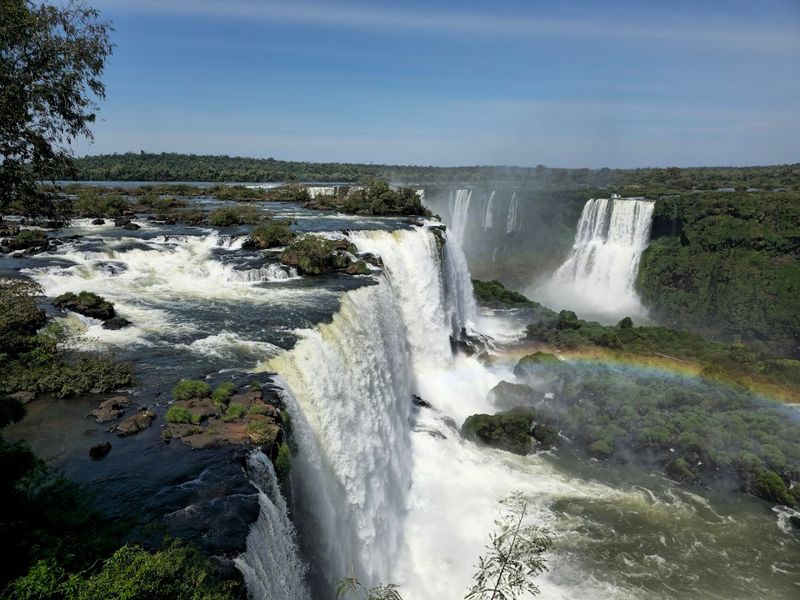
Iguazu Falls is not one waterfall. It is a system of around 275 individual cascades spread across nearly three kilometers of subtropical forest, and the whole thing is absolutely relentless.
The Argentina side puts you on boardwalks right at the edge of the action, close enough to feel the spray soak through your jacket in under a minute. Brazil offers sweeping panoramic views that show the full scale of the system.
Visiting both sides is worth the border crossing if your schedule allows it. The Devil’s Throat section, where the water drops nearly 80 meters into a roaring canyon of mist, is the undisputed headliner.
Bring a waterproof case for your phone because the spray reaches farther than most visitors expect. Summer travel can be humid in this region, but Iguazu is spectacular in almost any conditions.
Respect the barriers; the water here does not negotiate with anyone who gets too close.
Yosemite National Park, California
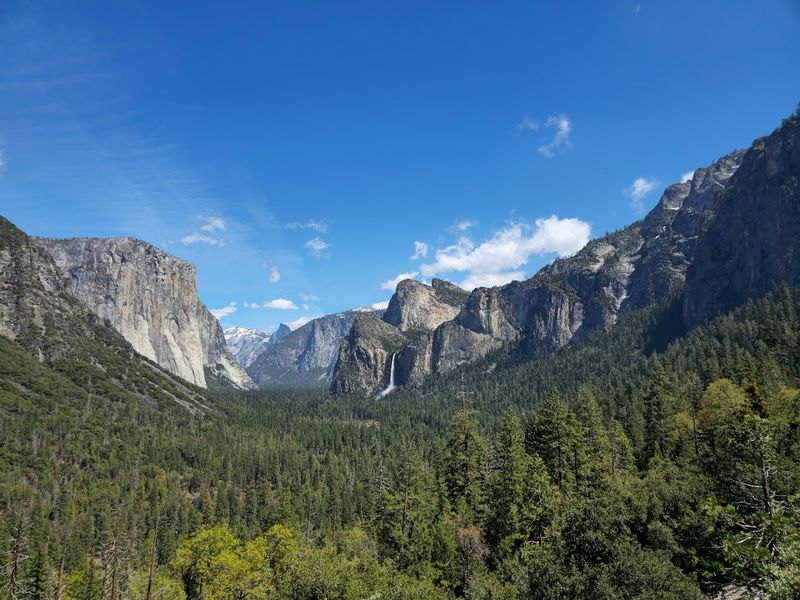
El Capitan is roughly 900 meters of sheer granite rising straight out of Yosemite Valley, and the first time you see it from the valley floor, your neck does a very undignified thing. It is that tall.
Yosemite in summer is a masterpiece with a parking problem. The valley gets crowded fast, so entering early, using the shuttle system, and having backup viewpoints ready makes a real difference.
Waterfalls run strongest in late spring and early summer from snowmelt, so timing your visit to catch them at full flow is worth checking before you book.
Giant sequoias, high-country trails, and meadow walks offer breathing room away from the most photographed spots. Half Dome hikes require permits secured well in advance.
Even if your plans stay simple, Yosemite delivers. The scale of the cliffs, the clarity of the rivers, and the silence of the forests make it one of the genuinely great natural landscapes on the planet.
Yellowstone National Park, Wyoming
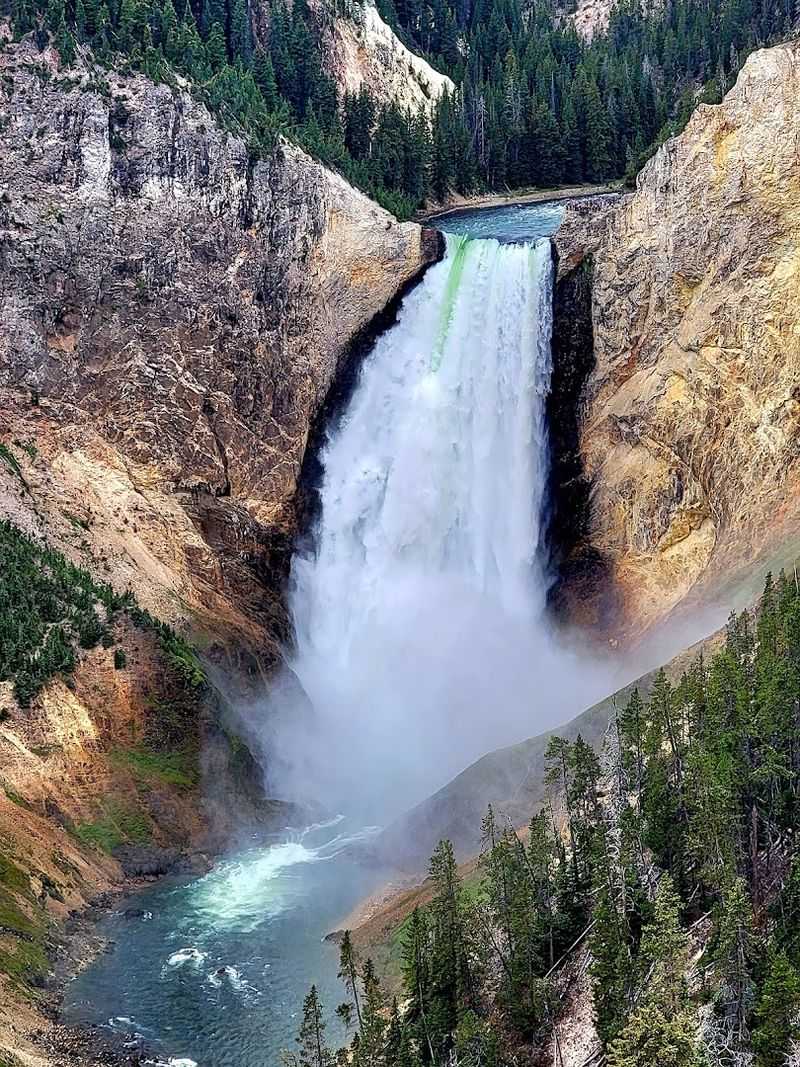
Yellowstone sits on top of one of the largest active volcanic systems on Earth. The ground actually moves here, and the whole park is basically the Earth showing off its interior plumbing in spectacular fashion.
Geysers, hot springs, mud pots, bison herds, wolf packs, and waterfalls all share one enormous landscape that somehow keeps getting more interesting the longer you stay. Old Faithful gets the most Instagram attention, but Grand Prismatic Spring, Hayden Valley at dawn, and the Grand Canyon of the Yellowstone are the scenes that stick with you long after the trip ends.
Boardwalks in thermal areas exist for a reason: the ground around hot springs can be dangerously thin. Never step off designated paths.
Wildlife viewing is incredible but requires real distance; bison have charged visitors who got too close. Summer is the most accessible season, but book accommodations and campsites early because Yellowstone fills up fast and without apology.
Galapagos Islands, Ecuador
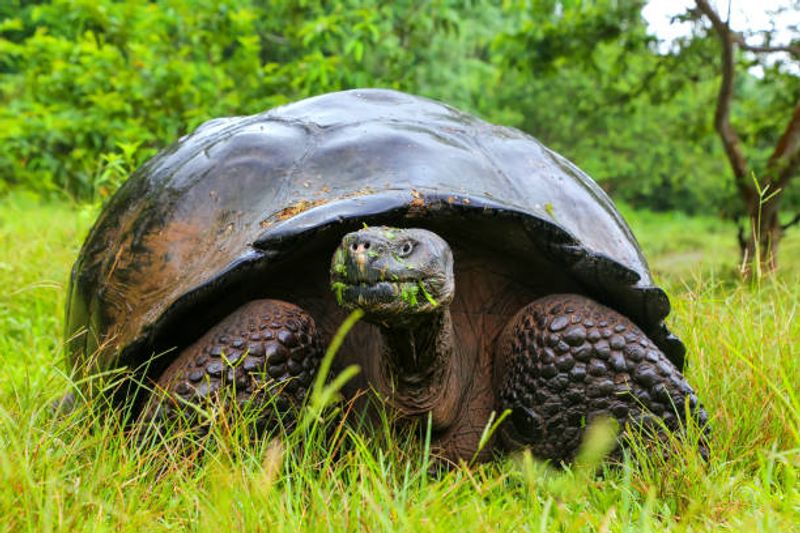
Charles Darwin sailed to the Galapagos in 1835 and came back with ideas that changed science forever. The islands have not lost their ability to make people rethink everything they thought they knew about life on Earth.
Giant tortoises wander at their own pace, marine iguanas sunbathe on lava rocks, sea lions nap on benches, and blue-footed boobies perform their genuinely ridiculous mating dances without any concern for human observers. The wildlife here has almost no fear of people, which makes encounters feel extraordinary rather than staged.
Travel to the Galapagos comes with real rules: entry fees, biosecurity checks, licensed guides, and strict visitor caps in protected zones. That structure is exactly why the islands remain so extraordinary.
Clean your gear before arrival, follow every distance guideline, and choose operators with proper licensing. This is one of the few places where tourism is genuinely managed to protect the thing that makes it worth visiting.
Plitvice Lakes National Park, Croatia
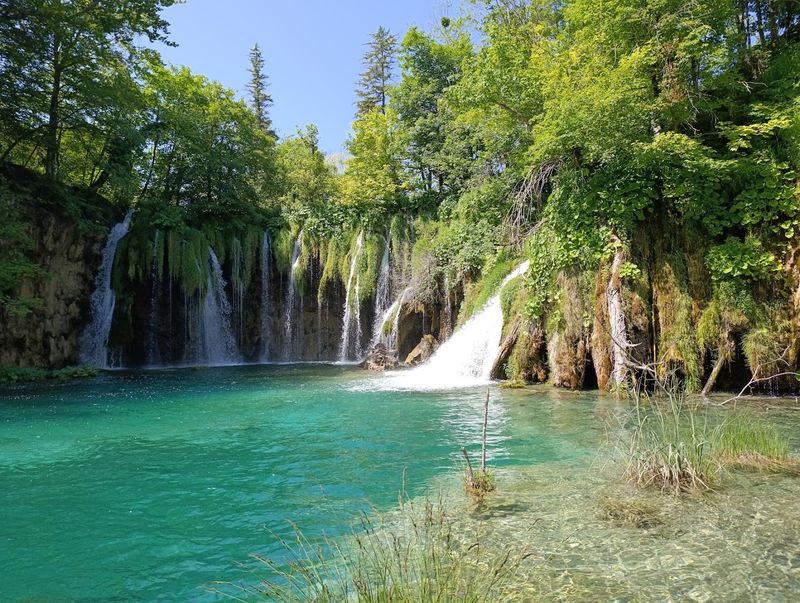
Plitvice Lakes looks like someone stacked a series of impossibly colored pools on a forested hillside and connected them with waterfalls. The colors shift from deep blue to turquoise to green depending on minerals, light, and the angle of the sun, and no two visits look exactly the same.
The park is built around travertine barriers, natural calcium carbonate formations that create the lake terraces over centuries. Walking the wooden boardwalks above and between the lakes is the main experience, and it is genuinely one of the most beautiful walks in Europe.
Summer brings crowds, so morning entry is the move if you want quieter photos and more breathing room on the paths.
Staying on designated routes is not just a rule but a necessity because the travertine is delicate and footsteps off the path cause real damage. Entrance tickets are timed, so booking in advance saves significant frustration.
The reward for planning ahead is a landscape that looks almost impossible and absolutely is not.
Victoria Falls, Zimbabwe and Zambia
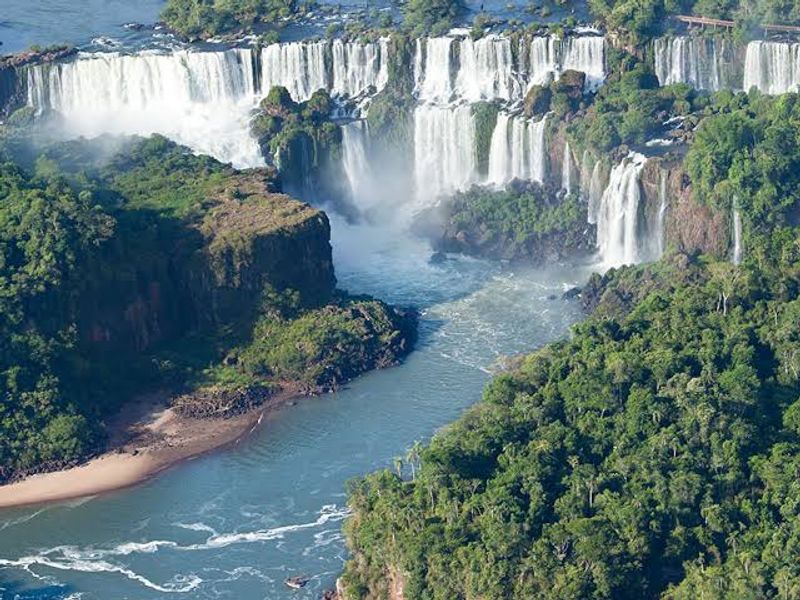
Victoria Falls earns its local name, Mosi-oa-Tunya, which translates to The Smoke That Thunders, and that translation does more work than most tourism brochures ever could. The mist rises so high it creates its own micro-rainforest near the falls.
At peak flow, the falls produce so much spray that you get soaked before you can even see the water properly. Northern Hemisphere summer falls in the region’s drier season, which actually improves visibility and makes the viewpoints more accessible.
The Zimbabwe side offers a classic sequence of viewpoints along the gorge edge, while crossing into Zambia adds a different angle and the option for more active experiences.
Waterproof bags for electronics are essential, and paths near the falls stay wet regardless of season. The power of this place is not just visual; the ground vibrates and the sound fills your entire head.
Combine both sides if possible, because each one tells a different part of the same incredible story.
Table Mountain, South Africa
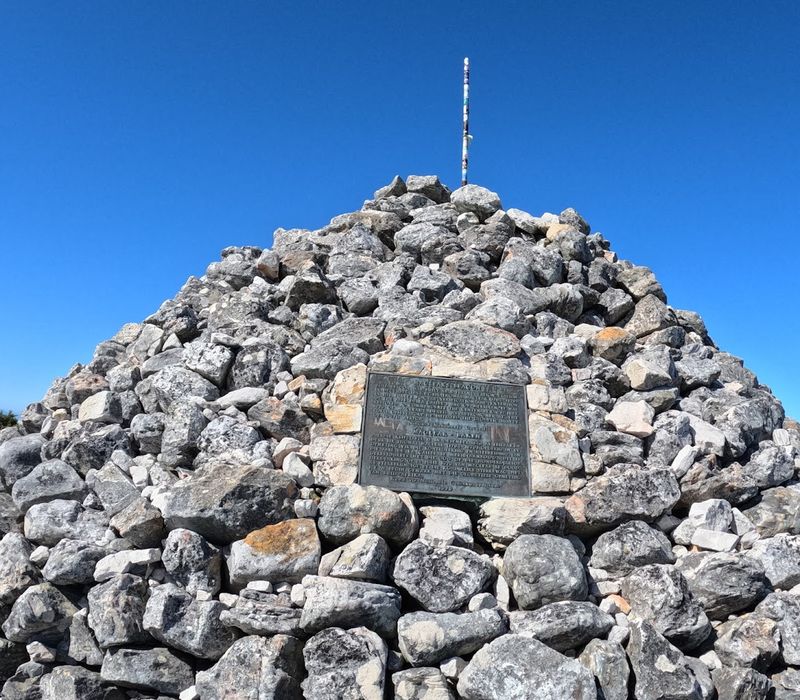
Table Mountain has one of the most recognizable silhouettes of any mountain on Earth. The flat top, the cloud tablecloth that spills over the edge on certain days, and the city of Cape Town spread out below it make for a combination that is genuinely hard to beat.
The mountain is part of a protected national park with rare fynbos plant life found nowhere else on the planet. The cableway takes visitors to the summit in a rotating cable car with 360-degree views, which is either thrilling or mildly terrifying depending on your feelings about heights and small enclosed spaces.
Northern Hemisphere summer is Cape Town’s winter, which means cooler temperatures and changeable weather. Clear winter days on the summit are spectacular, but the cableway closes in high winds, which happen without much warning.
Always check operating status before heading up, bring warm layers even if the city feels mild, and allow extra time in case conditions shift mid-visit.
Daintree Rainforest, Queensland, Australia
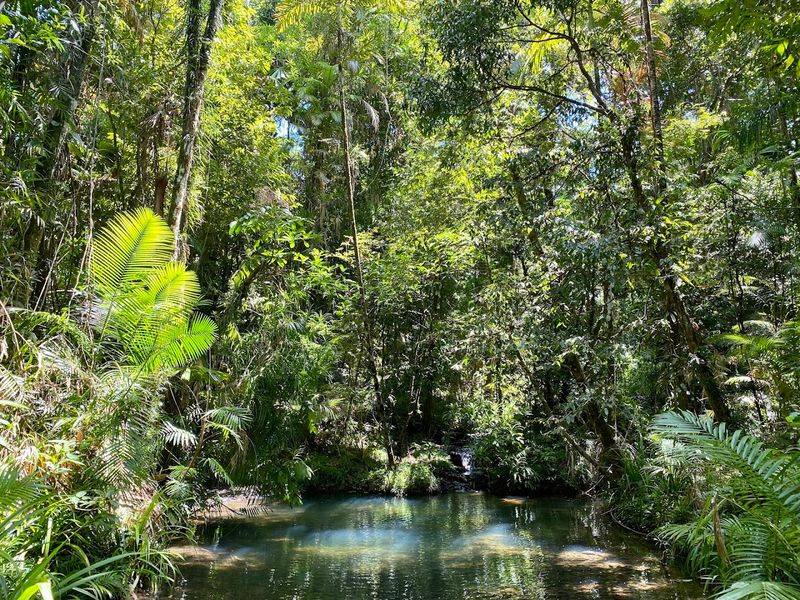
The Daintree Rainforest is estimated to be around 180 million years old, which makes it one of the oldest tropical rainforests on the planet. Walking through it feels less like a hike and more like stepping into a world that existed long before anything we consider normal.
Mossman Gorge offers clear swimming holes and guided walks led by local Kuku Yalanji people, combining natural wonder with genuine cultural knowledge. Cape Tribulation is where the rainforest literally meets the reef, a natural meeting point that exists almost nowhere else on Earth.
Boardwalks and river cruises help visitors experience the ecosystem without trampling the very thing they came to see.
Northern Hemisphere summer generally aligns with Far North Queensland’s drier season, but local conditions and ferry access across the Daintree River should always be checked before travel. This is a place that rewards patience and quiet observation far more than rushing between checkboxes on a tourist list.
Vatnajokull National Park, Iceland
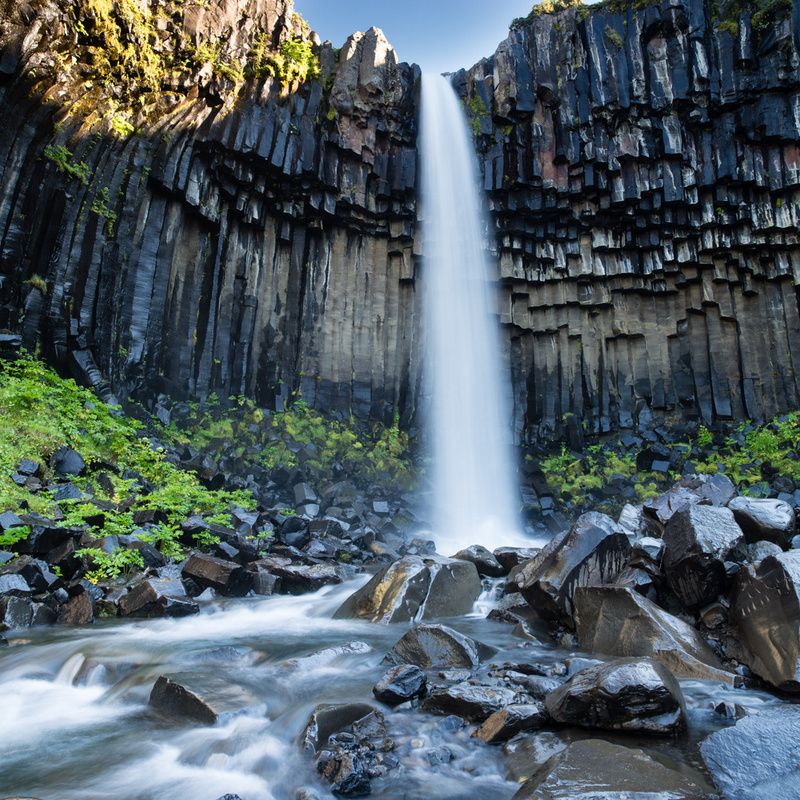
Vatnajokull is the largest glacier in Iceland and one of the largest in Europe, covering around eight percent of the entire country. Standing near it, you realize very quickly that the word ‘big’ was designed for situations exactly like this one.
The national park around it contains volcanic craters, black sand beaches, roaring canyon waterfalls, and outlet glaciers that inch toward the sea like slow-moving rivers of blue ice. Jokulsarlon glacier lagoon, where icebergs calve off the glacier and float toward the ocean, is one of the most otherworldly landscapes in the Northern Hemisphere.
Summer opens up roads and trails that are inaccessible in winter, making it the best season for most visitors.
Icelandic weather can shift from sunshine to horizontal rain in about fifteen minutes, so layering is not optional. Always use qualified guides for glacier walks; the ice has crevasses and conditions that are genuinely dangerous without proper knowledge and equipment.
The contrast of fire, ice, and green moss here is unlike anything else in Europe.
Swiss Alps Jungfrau-Aletsch, Switzerland
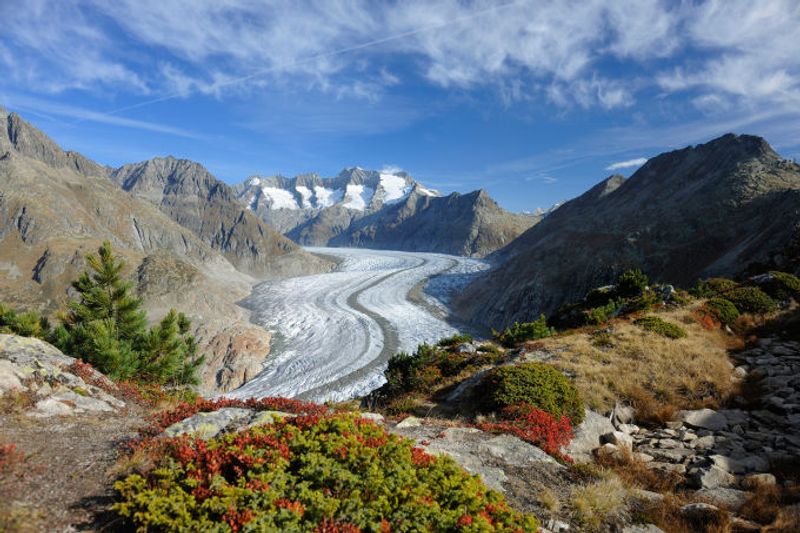
The Aletsch Glacier is the longest glacier in the Alps, stretching around 23 kilometers through a UNESCO World Heritage landscape that also includes three of Switzerland’s most famous peaks: the Eiger, the Monch, and the Jungfrau. That is a lot of geological bragging rights packed into one region.
Summer visitors can reach extraordinary viewpoints by mountain railway without needing any serious mountaineering experience. The Jungfraujoch station, nicknamed the Top of Europe, sits at 3,454 meters and offers views across the glacier that are hard to describe without resorting to words like absurd and magnificent at the same time.
This destination also carries a sobering story. The Aletsch has retreated significantly due to climate change, and visiting now means seeing something that future generations may only know from photographs.
Visitor centers in the region explain the science clearly and honestly. It is a place that makes the abstract reality of warming mountain climates feel very concrete and very close.
West Norwegian Fjords: Geirangerfjord and Naeroyfjord, Norway
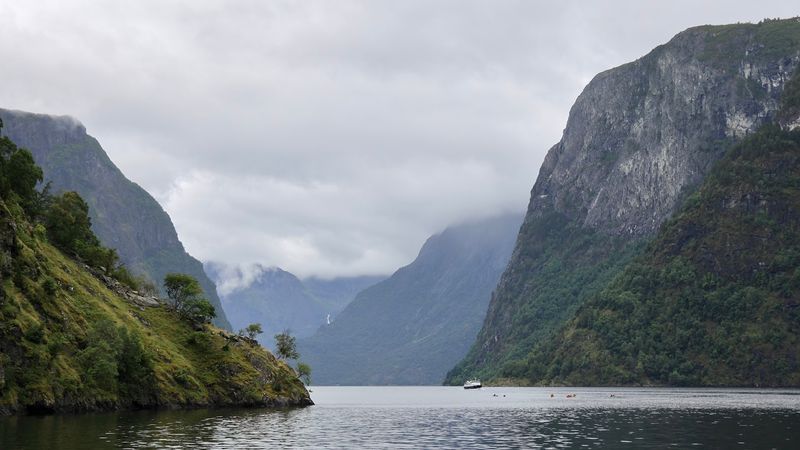
Norway’s fjords were carved by glaciers during the last ice age and then filled by the sea as the ice retreated, creating some of the most dramatic coastal scenery on Earth. Geirangerfjord and Naeroyfjord are both UNESCO World Heritage sites, which is a fancy way of saying even the experts ran out of superlatives.
The Seven Sisters waterfall in Geirangerfjord drops from a cliff edge in seven separate streams, and the fjord walls rise so steeply on either side that sunlight only reaches the water for part of the day. Naeroyfjord is narrower and arguably more dramatic, with walls closing in as the ferry moves through.
Summer ferry services, hiking routes, and viewpoints are all operating at full capacity.
Slower travel pays dividends here. Electric ferry options are expanding, and staying longer rather than rushing through on a cruise stop lets you actually feel the scale of the place.
The fjords look calm from the water, but everything around them tells a story of enormous geological force.
Giant’s Causeway, Northern Ireland
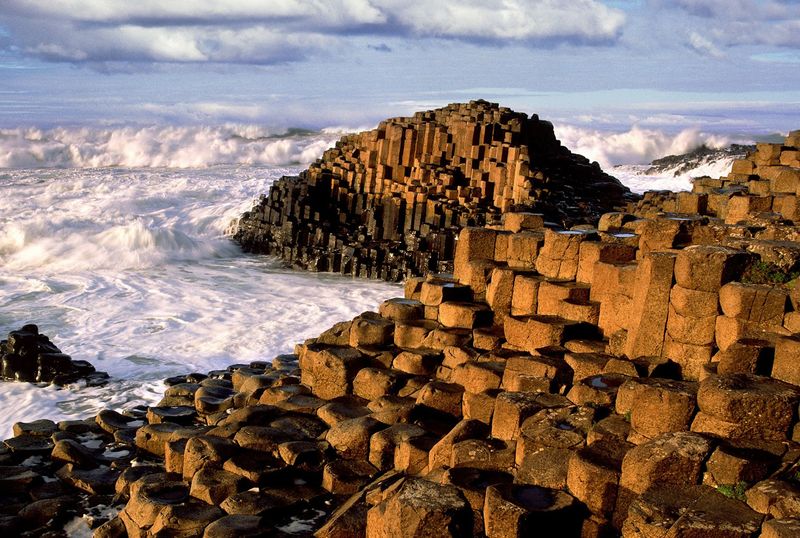
Around 40,000 interlocking basalt columns line the Antrim Coast at Giant’s Causeway, and the geometry is so precise that people argued for centuries about whether humans or giants built it. The actual answer, volcanic activity around 60 million years ago, is honestly just as impressive.
The columns formed when ancient lava cooled and contracted, cracking into hexagonal shapes with a regularity that still baffles casual visitors. Walking across them feels like navigating a very ancient, very uneven floor.
Summer brings longer daylight hours and better conditions for the coastal walking routes that connect the causeway to nearby cliffs and villages along the Antrim Coast.
Wear shoes with real grip because the basalt gets slippery, especially near the water’s edge. Wind and rain can arrive even on a bright-looking morning, so a light waterproof layer is always worth carrying.
The causeway is compact compared to some wonders on this list, but its strangeness and age make it feel every bit as powerful as something ten times its size.
Share this story