History class has a funny way of turning complicated people into spotless heroes. The messy, uncomfortable parts tend to get left on the cutting room floor.
But the full story matters, and honestly, it is way more interesting than the polished version. Here are 15 famous historical figures whose dark sides most textbooks quietly skip over.
George Washington: The Founding Father Who Pursued an Escaped Enslaved Woman
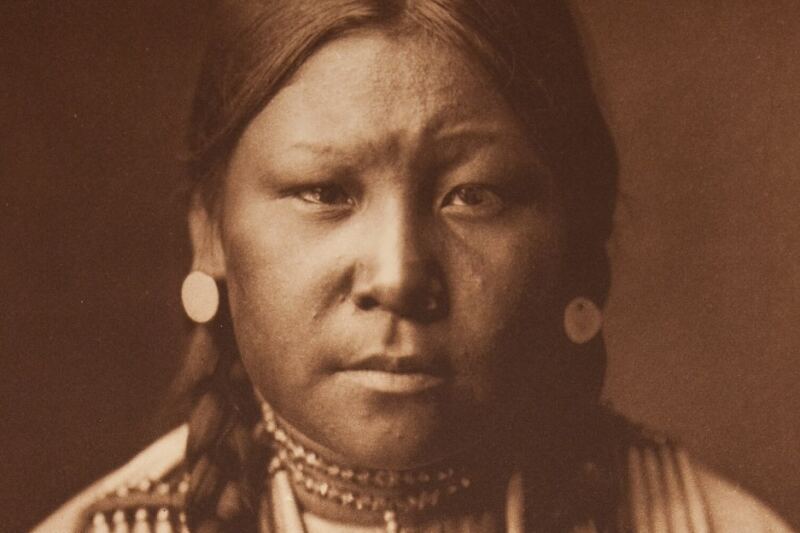
George Washington gets his face on the dollar bill, but there is a story that belongs on the other side of that coin. Ona Judge was an enslaved woman in Washington’s household who made a daring escape in 1796, slipping away while the president dined.
She wanted freedom. Washington wanted her back.
He used every legal tool available to track her down, sending agents to retrieve her from New Hampshire. She refused, repeatedly.
He never stopped trying.
This was not ancient history happening in a vacuum. Washington had just led a revolution with liberty as its rallying cry.
Yet he spent years pursuing a woman whose only crime was wanting what he had built his entire reputation on. Ona Judge lived free until she died in 1848.
Washington never recovered her. That part rarely makes the history books, but it absolutely should.
Thomas Jefferson: The Author of “All Men Are Created Equal” Who Enslaved His Own Children
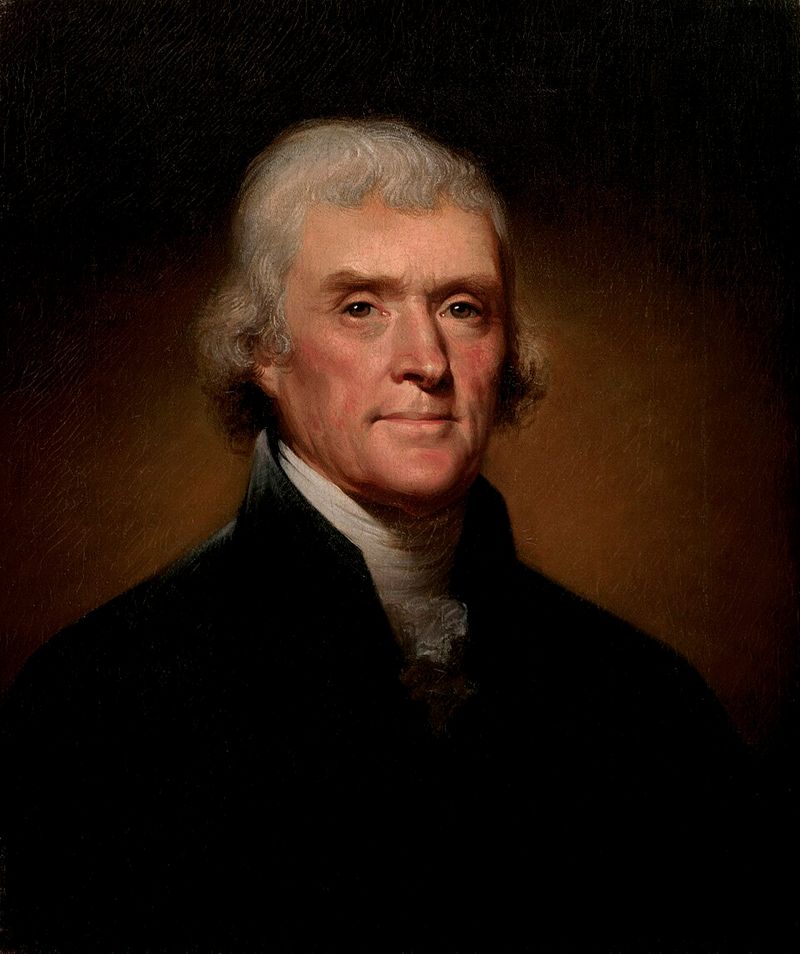
Thomas Jefferson wrote the words that America still quotes at every Fourth of July celebration. “All men are created equal.” It is a beautiful line. It is also one of history’s most uncomfortable contradictions, because Jefferson enslaved over 600 people during his lifetime.
The most painful part involves Sally Hemings, an enslaved woman at Monticello. The Thomas Jefferson Foundation now considers it highly likely that Jefferson fathered her children.
Because she was enslaved, she had no legal ability to refuse him. Jefferson never freed her during his lifetime.
His defenders often call this a paradox, as if the word softens it. For the people living under his ownership at Monticello, it was not philosophical.
It was Tuesday. Jefferson’s brilliance as a writer is real.
His failure as a human being toward those he owned is equally real, and both deserve space in the conversation.
Andrew Jackson: The “Man of the People” Behind Forced Native Removal
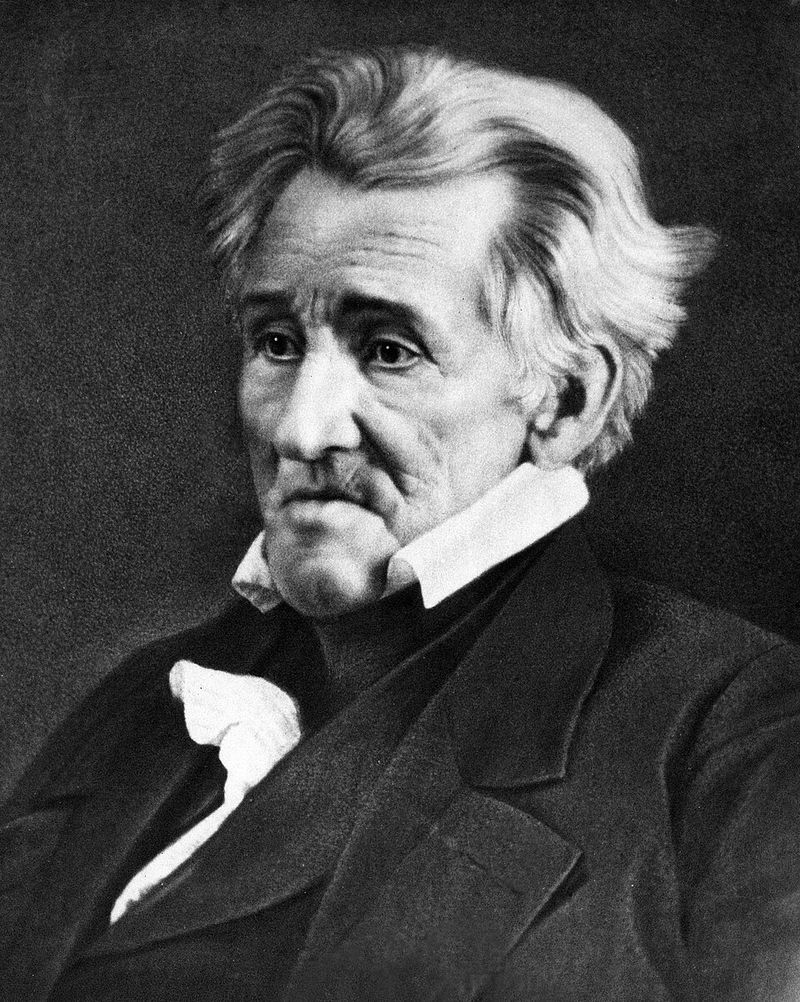
Andrew Jackson loved calling himself the champion of the common man. Depending on which common man you were, that title meant very different things.
If you were a Cherokee, Creek, Choctaw, Chickasaw, or Seminole person living in the American Southeast, Jackson’s presidency was a catastrophe.
Jackson pushed the Indian Removal Act of 1830 through Congress and signed it into law. What followed was the forced expulsion of entire Native nations from their homelands.
The Cherokee removal became known as the Trail of Tears. Thousands of people died from exposure, starvation, and disease during the march west.
This is not buried in private diaries or secret correspondence. It is written directly into U.S. federal law with Jackson’s signature on it.
His face has been on the twenty-dollar bill for decades. There is a real debate about whether it belongs there, and that debate is not going away anytime soon.
Christopher Columbus: The Explorer Whose Arrival Opened the Door to Enslavement and Catastrophe
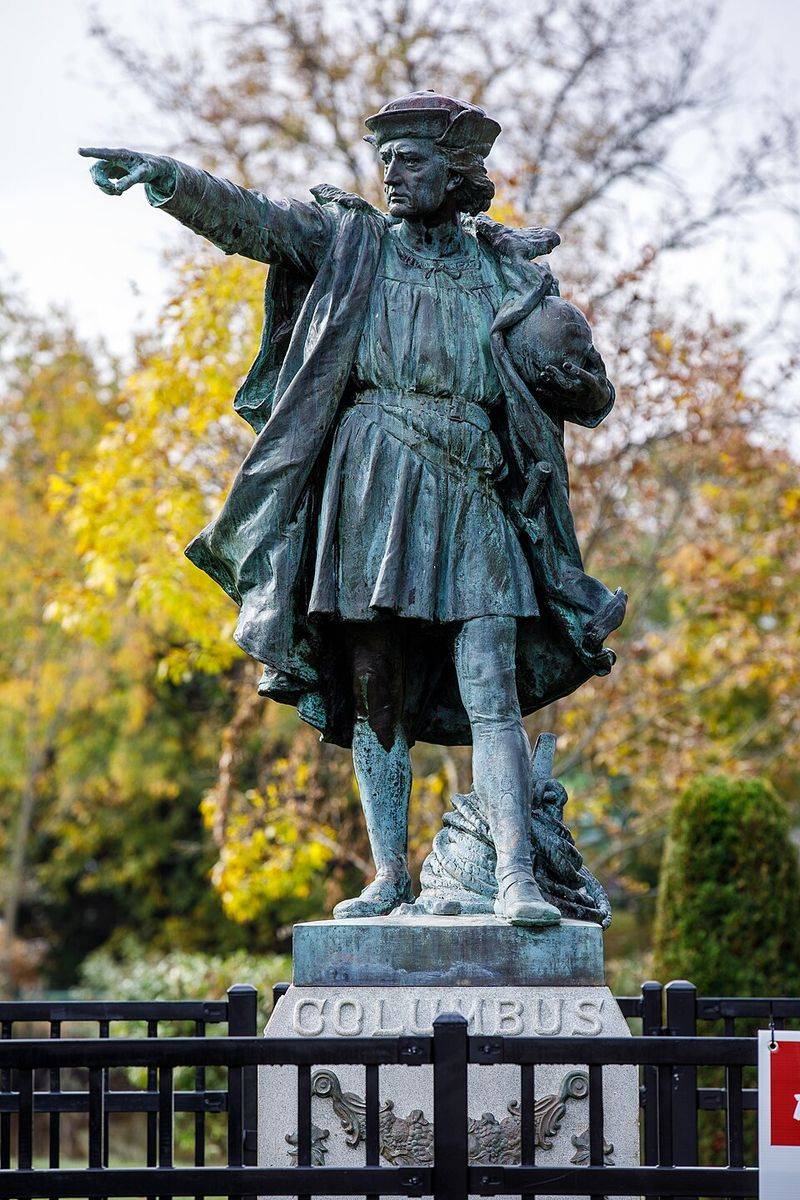
Every October, Columbus Day rolls around and schools across America still debate what exactly we are celebrating. Columbus did not discover a continent.
He arrived on land where millions of people already lived, and what followed his arrival was catastrophic for them.
The Taino people had sophisticated societies before Columbus showed up. After contact, they faced forced labor, violent colonial rule, enslavement, and devastating disease.
Columbus himself, as governor of Hispaniola, oversaw brutal treatment of Indigenous people and was actually arrested and sent back to Spain in chains by his own government for his cruelty.
His own government thought he went too far. That is worth sitting with for a moment.
Columbus’s voyages changed the world, no argument there. But changed does not automatically mean improved, especially if you were among the people already living in the Americas when the ships arrived.
Context matters enormously here.
Napoleon Bonaparte: The Revolutionary Hero Who Restored Slavery
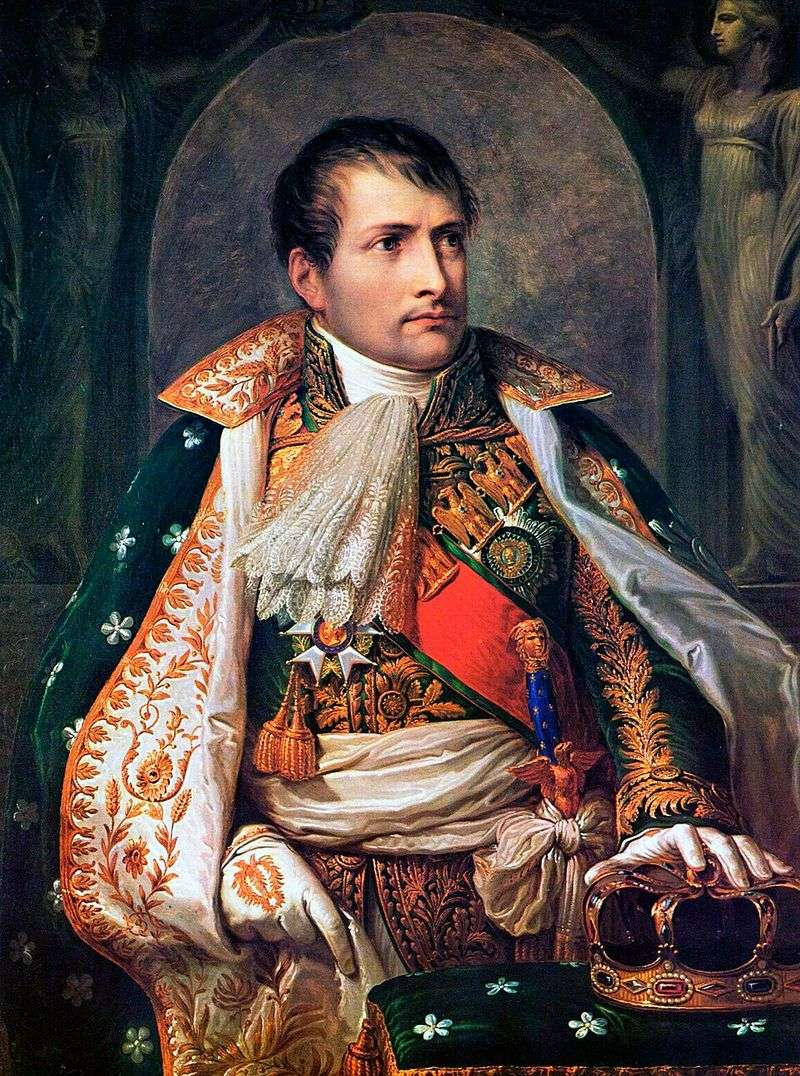
Napoleon Bonaparte has one of history’s most impressive highlight reels. Military genius, legal reformer, modernizer of France.
Schools spend a lot of time on those parts. They spend considerably less time on 1802, the year Napoleon reversed the abolition of slavery in French colonies.
The French Revolution had actually abolished slavery in 1794. That was genuinely progressive for its time.
Napoleon undid it. His decision reignited brutal violence in the Caribbean and helped fuel the Haitian Revolution, one of the only successful slave revolts in history.
Haiti paid for its freedom for generations afterward in debt and isolation.
Napoleon is often taught as a complicated genius, which is fair. But restoring slavery is not a footnote complication.
It is a central part of his record that changes the picture significantly. The man who streamlined French law also decided that some people did not deserve to be free.
Both things are true.
Winston Churchill: The Wartime Leader With a Troubling Imperial Record
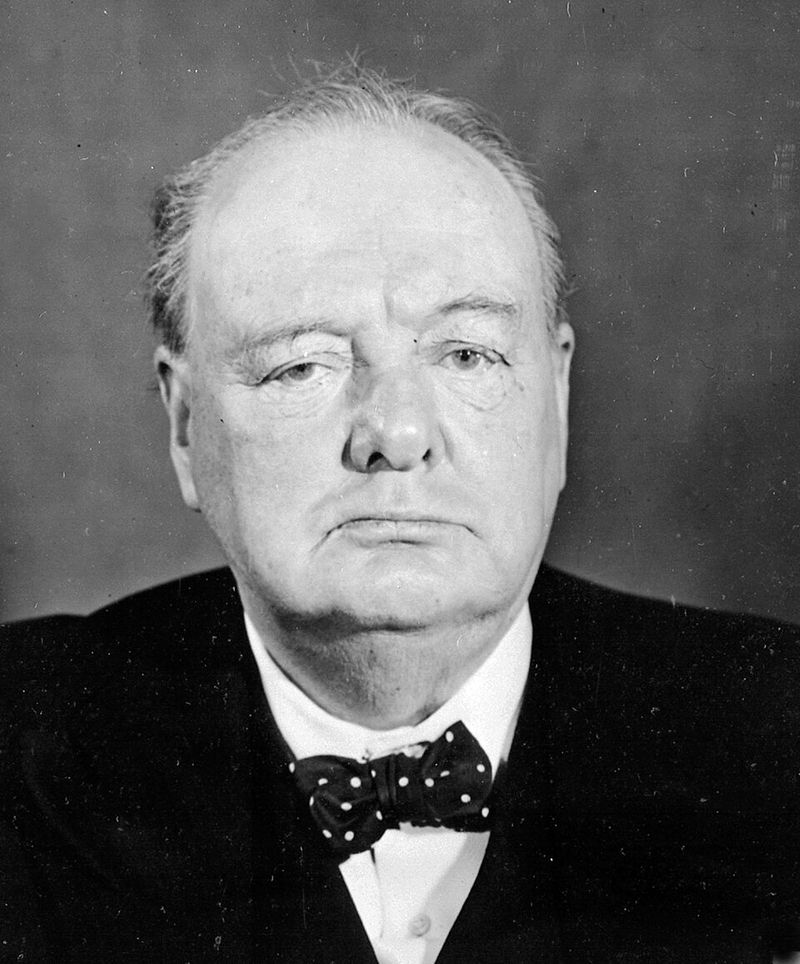
Winston Churchill saved Britain. That is not up for debate.
His wartime leadership during World War II was genuinely remarkable, and the world might look very different without it. But Churchill’s record outside of Europe is a much harder read.
The Bengal famine of 1943 killed roughly three million people. Historians disagree on the exact degree of Churchill’s personal responsibility, and reducing the famine to one man would be too simple.
But wartime British policies, shipping priorities, and colonial attitudes made the crisis significantly worse. Churchill’s recorded comments about Indians during this period were not compassionate.
In parts of the world that lived under British colonial rule, Churchill is not a hero. He is a symbol of the empire that exploited them.
Both versions of Churchill exist. The man who stood against fascism and the man who dismissed colonial suffering are the same person, and history has room for all of it.
Mahatma Gandhi: The Nonviolence Icon With Racially Troubling Early Views
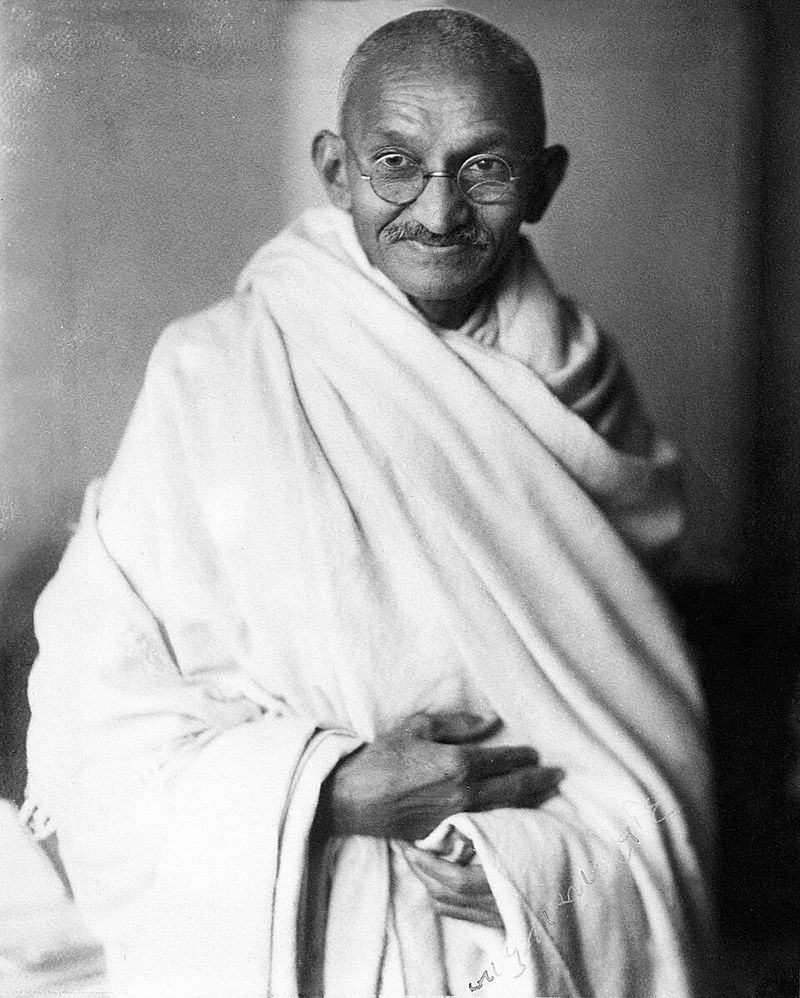
Gandhi’s reputation as a global symbol of peace and equality is enormous. His work in India’s independence movement genuinely changed history.
But his years in South Africa, before he became the Gandhi the world knows, tell a more complicated story.
Gandhi fought hard against discrimination toward Indians in South Africa. He was less consistent about extending that same fight to Black Africans.
Some of his early writings used derogatory language and positioned Indians above Africans within the colonial racial hierarchy. These are not rumors.
They are in his own published work from that period.
Later in life, Gandhi’s views evolved significantly. His Indian independence work was rooted in dignity and nonviolence for all people.
But the early South African chapter matters, especially to South Africans who have been asking these questions for years. Complicated legacies do not cancel great achievements.
They just ask us to hold both things at once, which is a fair request.
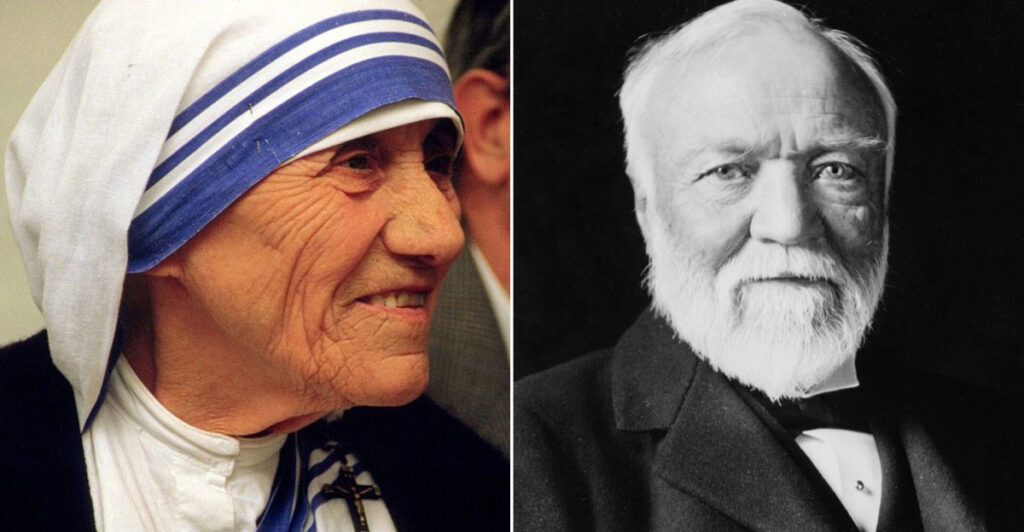
Mother Teresa: The Saintly Image With Serious Criticism Over Medical Care
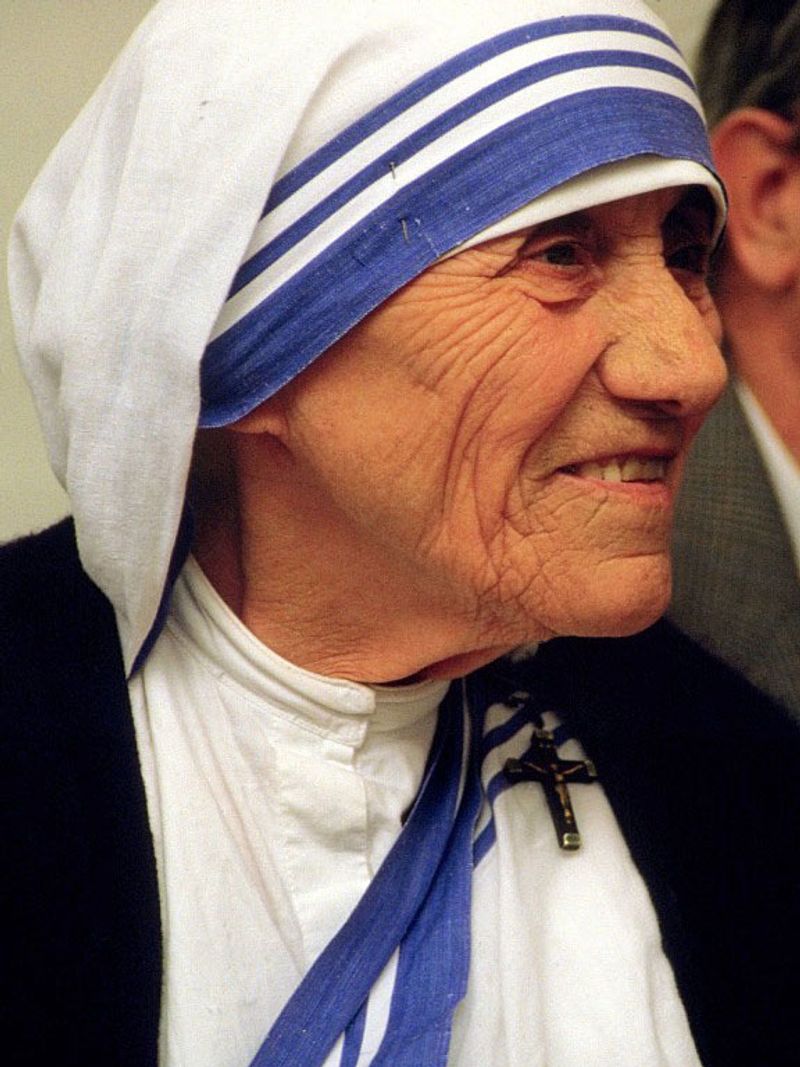
Mother Teresa is one of the most canonized figures of the 20th century, literally. She became a Catholic saint in 2016.
Her image as a selfless servant of the poor is genuinely powerful. But a serious body of criticism has built up around the actual conditions in her institutions.
Doctors, journalists, and researchers who visited her homes for the dying reported concerns about hygiene, inadequate pain relief, and medical care that fell well below modern standards. Critics noted that enormous donations flowed into her organization while conditions remained poor.
Some argued her theology of redemptive suffering influenced how much comfort patients actually received.
Her supporters say she served people that no one else would touch, which is also true. The gap between her public image and her institutions’ documented conditions is worth understanding.
Sainthood is a theological designation, not a historical verdict. Asking hard questions about her work is not an attack.
It is just honest history.
Henry Ford: The Industrial Innovator Who Spread Antisemitic Propaganda
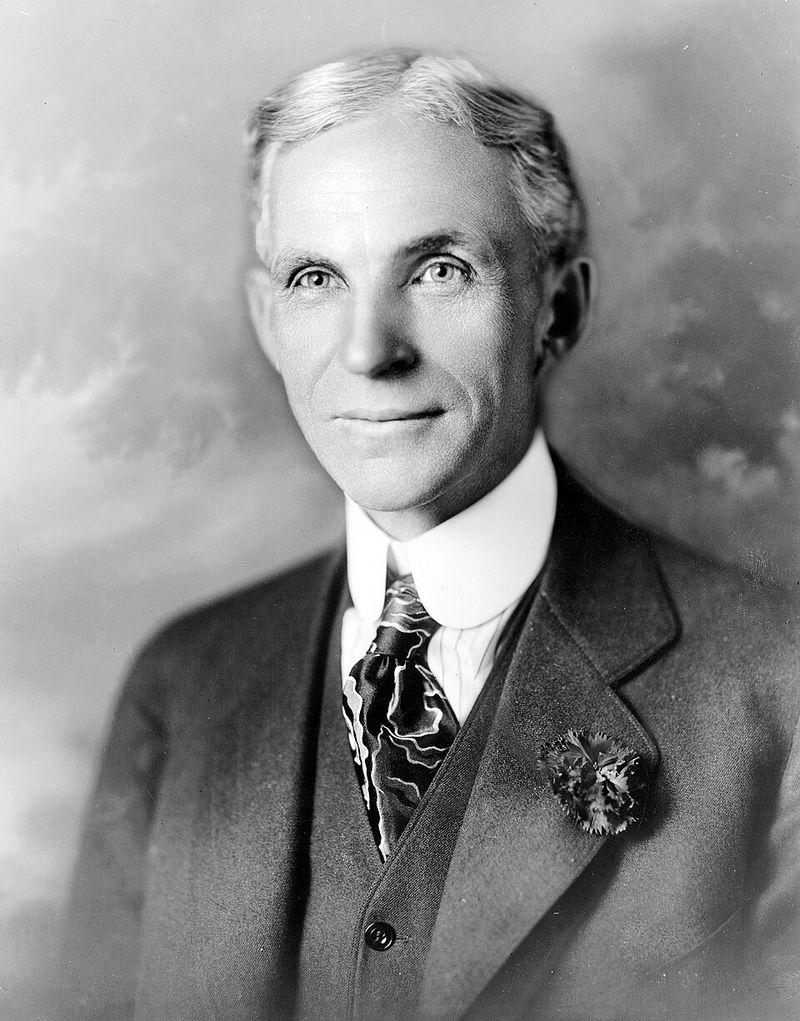
Henry Ford put America on wheels. The assembly line, affordable cars, the modern factory floor.
His contribution to industry is real and massive. But Ford also owned a newspaper and used it to spread some of the most widely distributed antisemitic propaganda in early 20th-century America.
The Dearborn Independent published vicious antisemitic articles for years. These were later collected into a publication called The International Jew.
It circulated far beyond the United States. Adolf Hitler kept a portrait of Ford in his office and praised him in Mein Kampf.
That is not a minor detail.
Ford eventually issued a retraction, though historians debate how sincere it was. The damage was done.
He had money, a platform, and millions of readers, and he used all three to normalize conspiracy theories about Jewish people. The man who democratized transportation also helped spread ideas that contributed to real-world hatred and violence.
That part belongs in the biography too.
Andrew Carnegie: The Philanthropist Connected to a Deadly Labor Clash
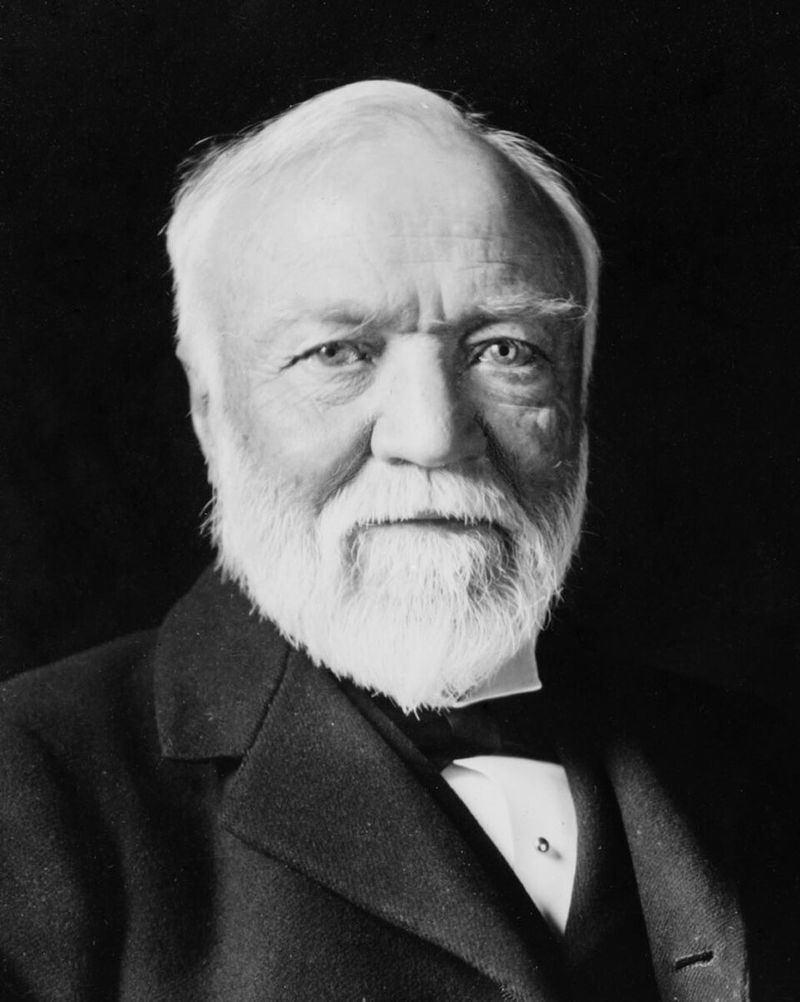
Andrew Carnegie gave away libraries. Hundreds of them.
His name is carved into buildings across America and beyond, and the philanthropic legacy is genuinely impressive. But the fortune behind those donations was built on an industrial system with very little mercy for the workers inside it.
The Homestead Strike of 1892 is the chapter Carnegie’s admirers prefer to skip. Workers at his steel plant in Pennsylvania were locked out after a wage dispute.
Carnegie was conveniently in Scotland. His manager, Henry Clay Frick, brought in 300 Pinkerton guards.
A gun battle broke out. Workers and guards were killed.
Carnegie later expressed regret, privately. Publicly, he let Frick take most of the blame.
The workers who built his empire never saw a library named after them. Philanthropy funded by exploitation is a real phenomenon, and Carnegie’s story is one of its clearest examples.
The libraries are lovely. The full story is messier.
Charles Dickens: The Champion of the Poor Who Cruelly Treated His Wife
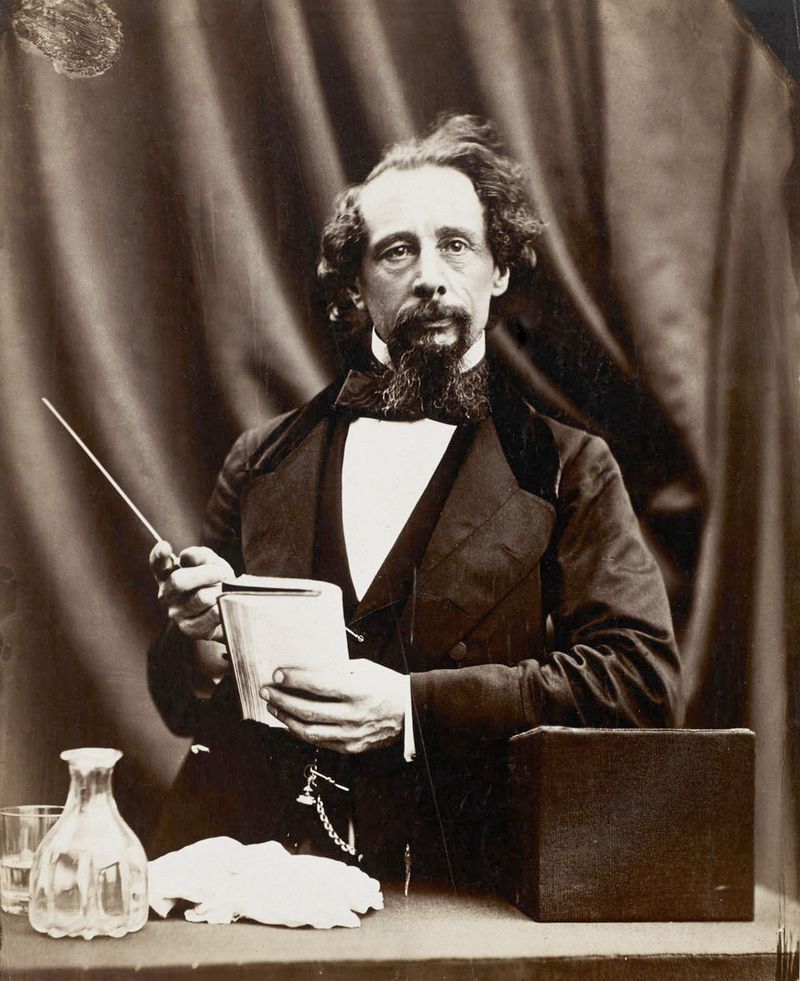
Charles Dickens wrote Oliver Twist, David Copperfield, and A Christmas Carol. He spent his career exposing cruelty toward vulnerable people and championing the poor with genuine passion.
Then he went home and treated his wife in ways that would have fit perfectly into one of his villain’s storylines.
After more than 20 years of marriage and ten children, Dickens separated from Catherine and worked aggressively to control how the public understood the split. Letters and research suggest he worked to paint her as an unfit mother and wife.
Some accounts indicate he explored having her committed to an asylum.
The man who made readers weep over mistreated children apparently had less empathy available at his own kitchen table. Dickens is still worth reading.
His novels still matter. But the gap between his public compassion and his private behavior is wide enough to drive a Victorian carriage through, and it deserves acknowledgment.
Pablo Picasso: The Artistic Genius With a Pattern of Cruel Relationships
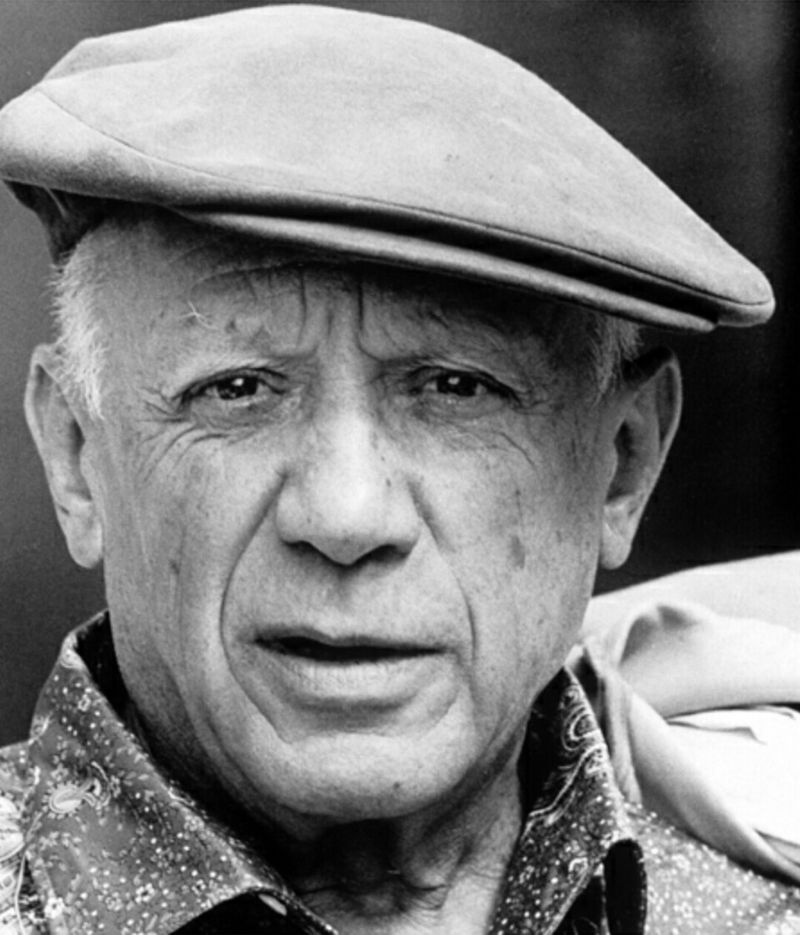
Pablo Picasso broke every rule in art and remade the visual world. Cubism, surrealism, the sheer volume of his output.
The man was undeniably a force. But the women in his life have increasingly become the subject of a very different kind of critical attention.
Picasso had a long pattern of relationships with much younger women, often treating them as muses, possessions, or emotional experiments. Several women connected to him suffered serious psychological harm.
Two of his partners died by suicide. Picasso himself reportedly said he had two ways of dealing with women: as goddesses or doormats.
Modern reassessments of his legacy have pushed back hard on the romantic myth of the tortured male genius who gets to behave any way he likes because his art is important. The art remains historically significant.
The lives of the women behind the paintings deserve to be part of the story, not afterthoughts in a footnote.
Albert Einstein: The Humanitarian Genius With a Painful Private Life
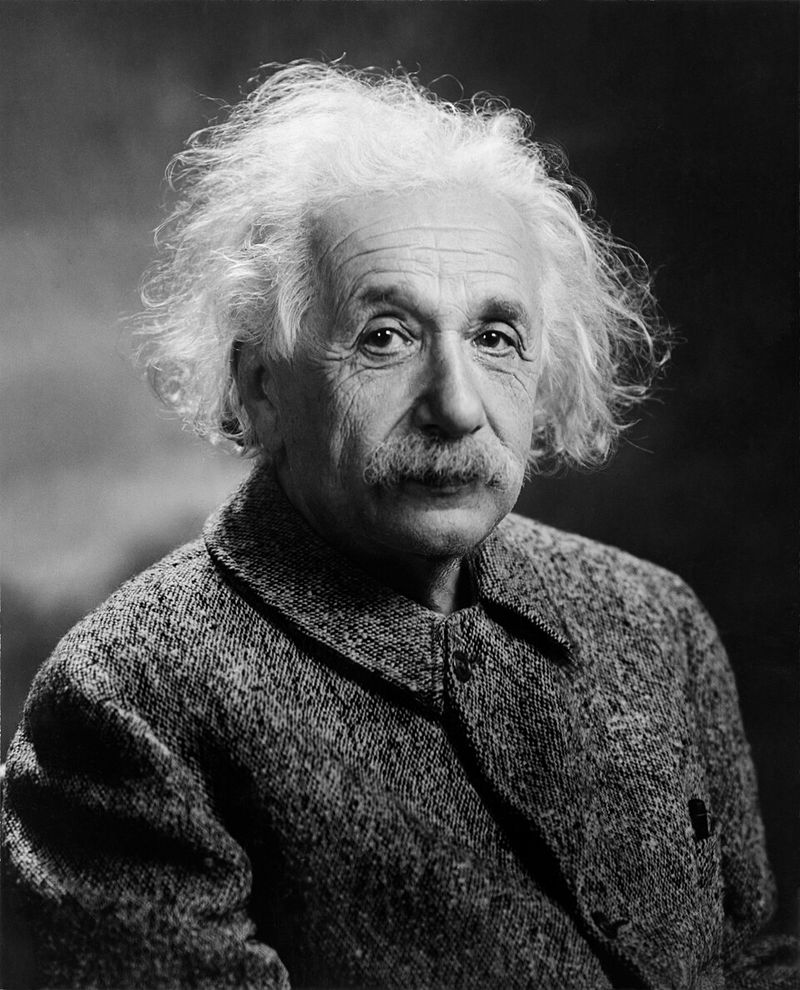
Albert Einstein wrote letters about peace, spoke out for civil rights, and is generally remembered as one of the warmest geniuses in history. The wild hair helps.
But his first marriage, to physicist Mileva Maric, tells a significantly less warm story.
As their marriage fell apart, Einstein presented Maric with a written list of conditions for continuing to live together. The conditions included that she would not expect affection, would not speak to him unless spoken to in public, and would perform domestic duties without complaint.
It reads less like a marriage proposal and more like a terms-of-service agreement.
Maric was a gifted physicist in her own right, but her contributions were buried under his fame for most of the 20th century. Einstein’s mind genuinely changed science forever.
His personal record with the people closest to him is a reminder that brilliance and decency are not the same thing, and history should note both.
Thomas Edison: The Inventor Whose Public Image Hides Ruthless Promotion
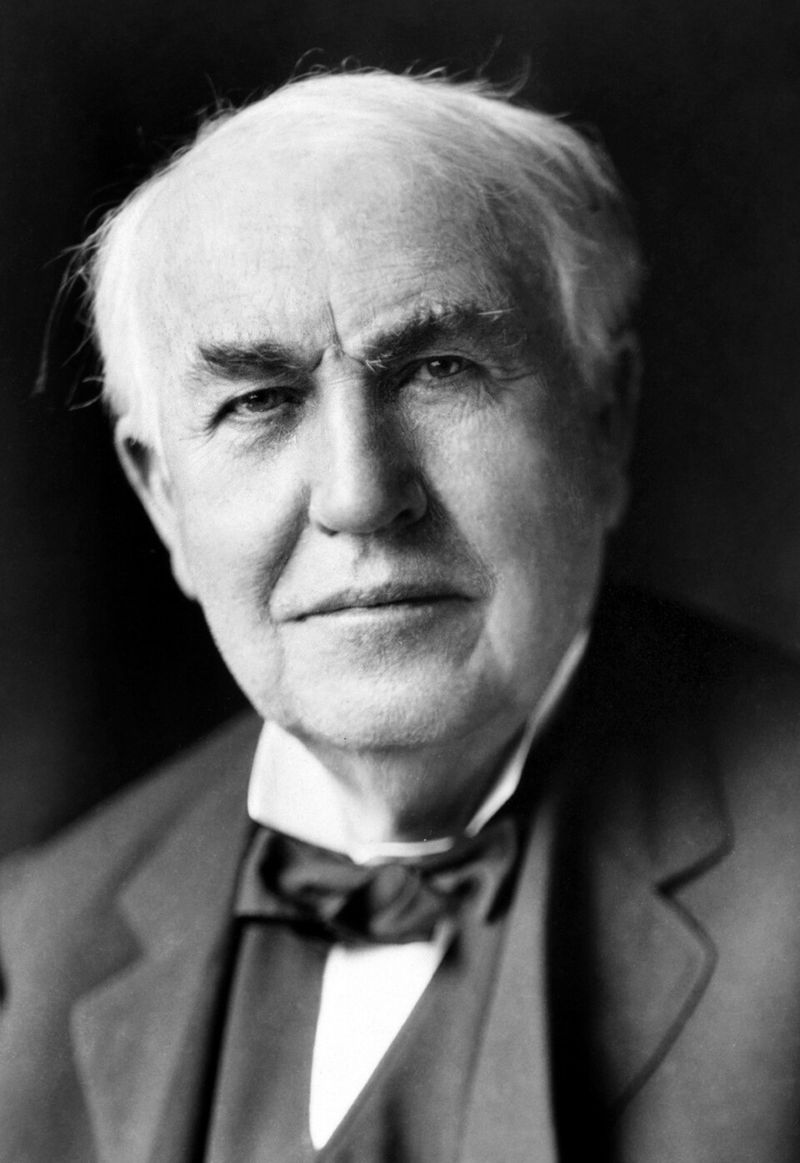
Thomas Edison is practically American mythology at this point. The lightbulb, the phonograph, the tireless inventor who never gave up.
The real Edison was also a ferocious self-promoter who fought dirty when his business interests were threatened.
During the so-called War of the Currents against Nikola Tesla and George Westinghouse, Edison’s camp ran a public campaign to make alternating current look terrifying. This included public electrocutions of animals to demonstrate AC’s danger.
Edison’s company also filmed the electrocution of Topsy the elephant in 1903, though the event came after the main current war had ended and Edison was not personally present.
The popular myth that Edison killed Topsy to win the current war is slightly off. But his team filmed it and used electricity’s lethal power as a PR tool.
Edison understood spectacle and fear better than almost anyone. That is a very different portrait from the cheerful inventor in the history books.
Florence Nightingale: The Nursing Pioneer With Colonial Prejudices
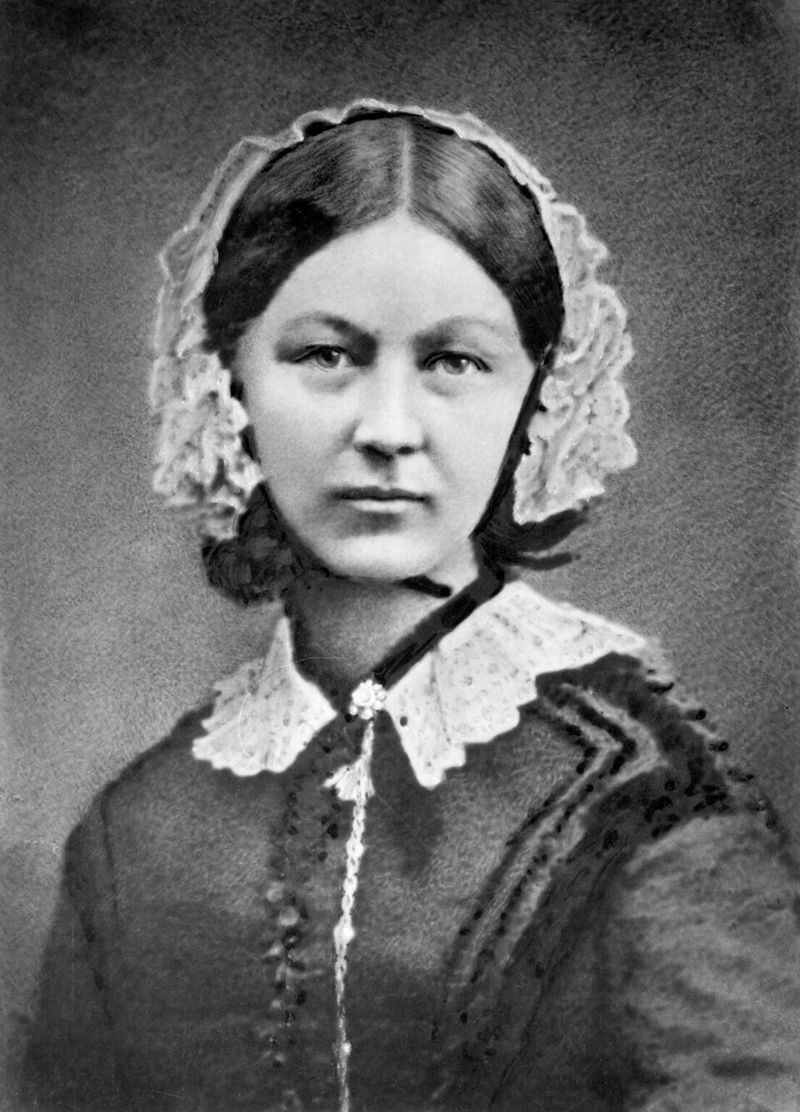
Florence Nightingale revolutionized nursing and basically invented the use of statistics in public health. She was brilliant, determined, and genuinely saved lives through better hospital design and sanitation.
She also held some views that her modern admirers tend to quietly sidestep.
Nightingale operated fully within the Victorian imperial worldview, which treated colonized peoples as inferior and in need of European guidance. Her writings on health reform sometimes included assumptions about Indigenous peoples that reflected the racial hierarchies of her era rather than the universal compassion her legend suggests.
None of this cancels her genuine contributions to medicine and public health. Reformers can be both groundbreaking and limited by the prejudices of their time.
Nightingale is a case study in exactly that. Her statistical work and nursing reforms were ahead of their era.
Some of her attitudes toward colonized peoples were very much of their era. Both belong in the biography of a woman this historically significant.
Share this story