Most families head straight for Yellowstone or the Grand Canyon, but some of the best national parks in the country are flying completely under the radar. We stumbled onto a few of these hidden gems by accident, and honestly, those trips turned out to be our favorites.
Fewer crowds, lower costs, and just as much jaw-dropping scenery make these parks seriously worth your time. Pack the snacks, load up the car, and get ready to discover 15 national parks that deserve way more attention than they get.
Great Basin National Park, Nevada
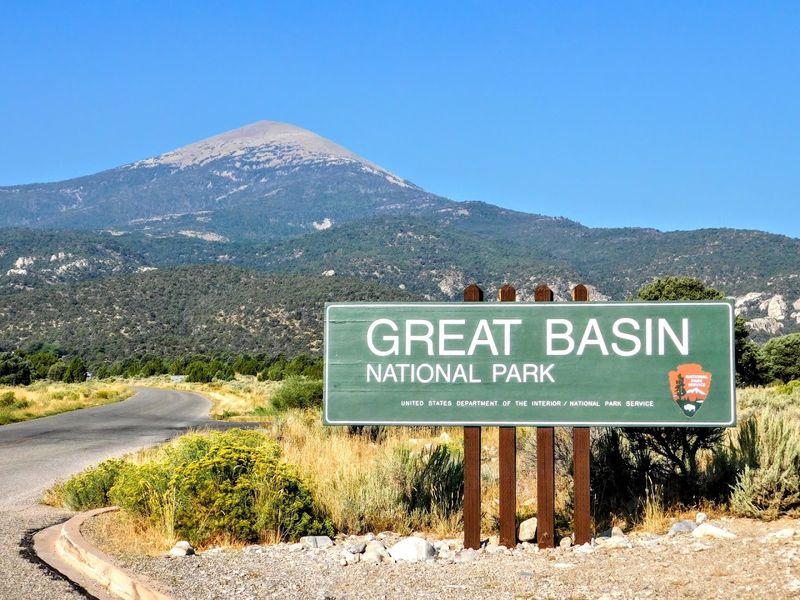
Nevada is famous for neon lights, but Great Basin National Park serves up the best light show money cannot buy: the stars. This park sits in one of the darkest places in the lower 48 states, making it a stargazer’s paradise.
My kids refused to go to sleep the night we camped here.
Beyond the sky, the park hides Lehman Caves, a stunning underground network of limestone formations. Rangers lead tours that kids absolutely love, pointing out bizarre shapes that look like popcorn and shields.
The cave temperature stays a cool 50 degrees year-round, so bring a jacket.
Wheeler Peak, at nearly 13,000 feet, offers hiking for all fitness levels. Ancient bristlecone pine trees grow near the summit, and some are over 3,000 years old.
Great Basin sees fewer than 150,000 visitors a year, so you will practically have the trails to yourself. Book cave tours in advance.
Capitol Reef National Park, Utah
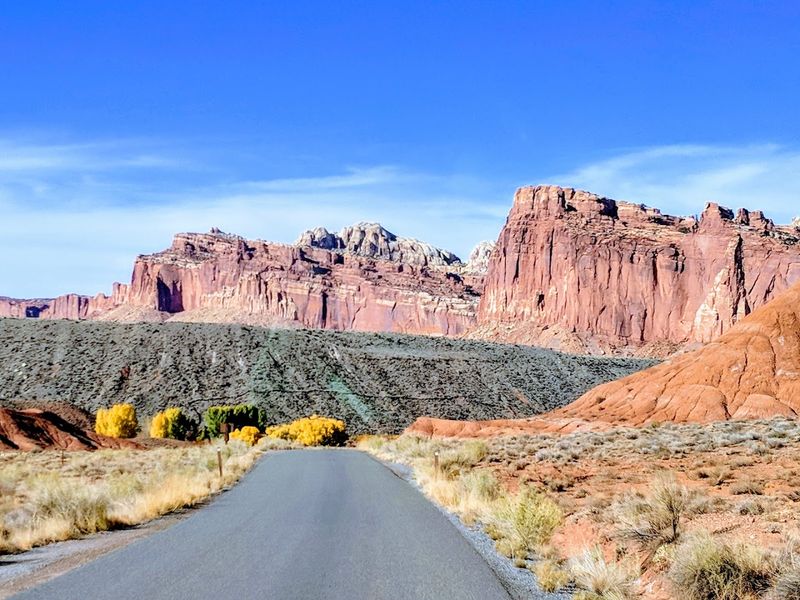
Wedged between Zion and Arches, Capitol Reef gets skipped over constantly, which is genuinely everyone else’s loss. The park sits on top of the Waterpocket Fold, a 100-mile wrinkle in the earth’s crust that looks like something from another planet.
Geologists basically lose their minds here.
One of the quirkiest perks? The park contains a historic pioneer orchard where visitors can actually pick and eat fresh fruit during harvest season.
Peaches, apples, and cherries are all fair game. My daughter ate so many apricots she turned slightly suspicious shades of orange.
The Scenic Drive winds through canyon walls streaked with red, gold, and white, and it costs just a few dollars. Hiking trails range from easy strolls to serious climbs.
The Hickman Bridge trail is a family favorite, leading to a natural stone arch with minimal effort. Crowds here are refreshingly light compared to its Utah neighbors.
Congaree National Park, South Carolina
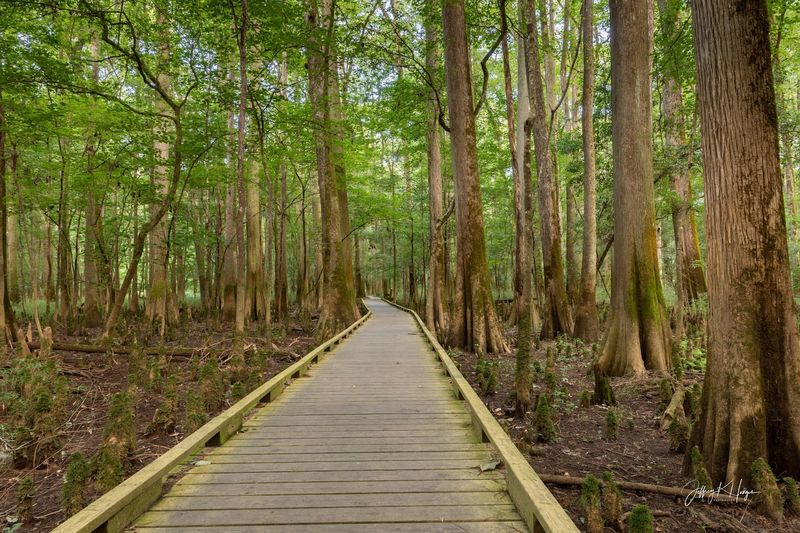
Congaree holds the largest intact old-growth bottomland forest in the entire United States, yet most people have never even heard its name. The trees here are record-breakers.
Several species hold national champion titles for sheer size, and standing next to them feels genuinely humbling.
The park offers a 2.4-mile elevated boardwalk that loops through the floodplain, keeping your feet dry even when the forest floor is flooded. Kids love spotting turtles, herons, and the occasional river otter from the walkway.
Firefly season in late May and June is spectacular, drawing crowds for synchronized light displays.
Kayaking and canoeing on Cedar Creek is a must for adventurous families. The flat, slow-moving water is beginner-friendly.
Guided canoe tours are available through the park and make navigation easy. Congaree is also one of the quieter parks on this list, so you get that rare feeling of truly being in the wild.
Dry Tortugas National Park, Florida
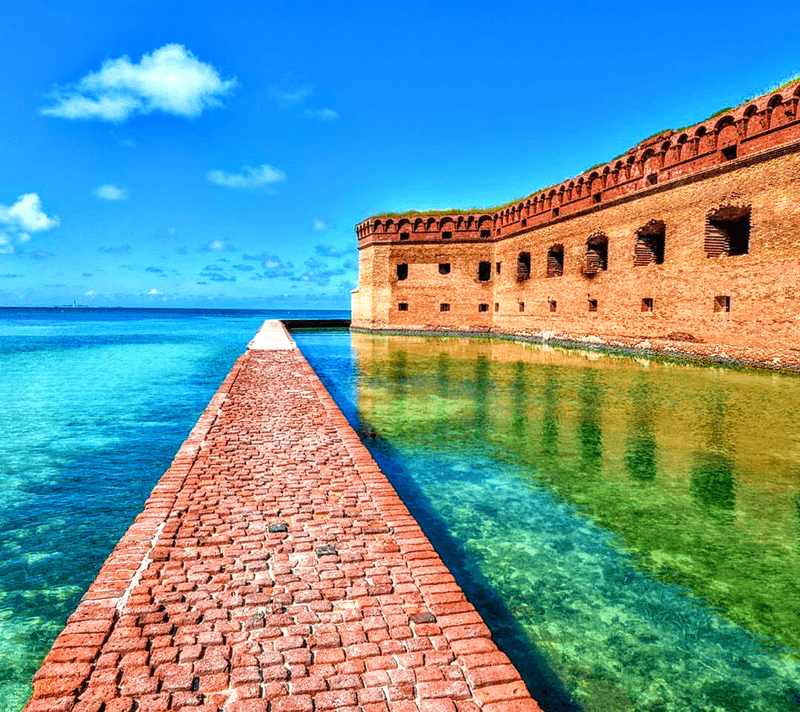
Getting to Dry Tortugas requires either a ferry ride or a seaplane, which already makes this park feel like an adventure before you even arrive. Sitting 70 miles west of Key West, this remote cluster of islands is home to Fort Jefferson, one of the largest masonry structures in the Western Hemisphere.
Yes, an enormous Civil War-era fort in the middle of the ocean.
The snorkeling here is world-class. Crystal-clear water surrounds coral reefs teeming with colorful fish, sea turtles, and rays.
Kids who have never snorkeled before pick it up fast in these calm, shallow waters.
Camping overnight on the island means falling asleep to the sound of waves with zero cell service, which is either terrifying or wonderful depending on your personality. Bring all your own food and water since there are no facilities on the island.
The ferry fills up fast, so book tickets weeks ahead during spring and summer.
Black Canyon of the Gunnison National Park, Colorado
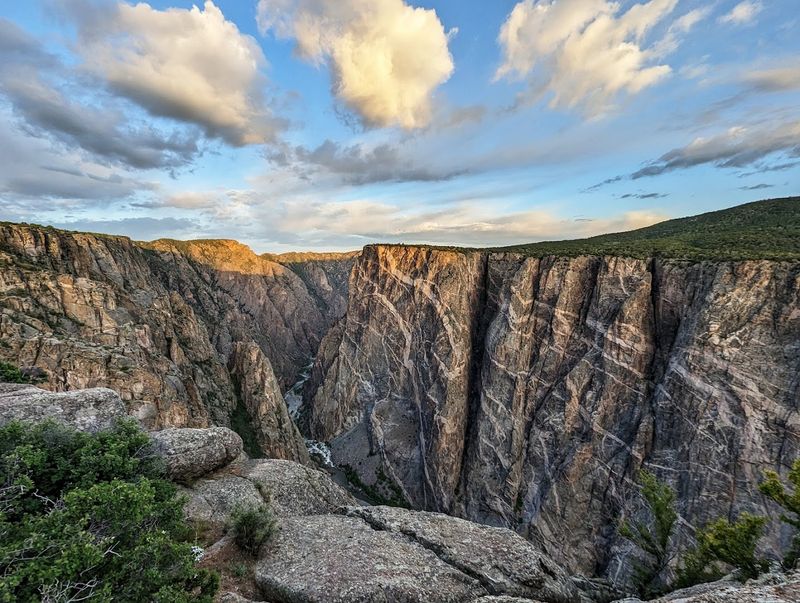
The Black Canyon drops so steeply that parts of it receive only 33 minutes of sunlight per day. That is not a typo.
The canyon walls plunge nearly 2,700 feet in some spots, making it one of the most dramatic geological features in the entire country. Colorado is full of canyons, but none quite like this one.
The South Rim Drive connects 12 overlooks, each offering a slightly different and equally dizzying view. Kids tend to go quiet at the rim, which is both alarming and impressive.
The Gunnison River at the bottom has carved this canyon over two million years and still roars through it today.
Ranger-led programs run throughout summer and are free with park admission. Junior Ranger booklets keep younger kids engaged on the trails.
Fishing in the Gunnison River is excellent if you plan ahead, as it requires a special permit. The campground on the South Rim fills quickly on summer weekends, so reserve early.
Channel Islands National Park, California
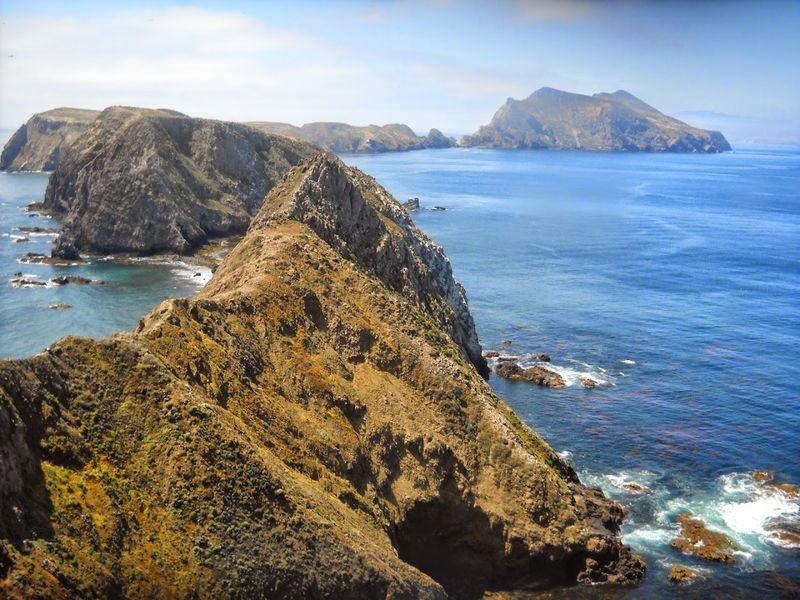
Called the Galapagos of North America, the Channel Islands sit off the Southern California coast and feel nothing like the mainland. Five islands make up the park, each with its own personality and wildlife.
Island foxes, found nowhere else on Earth, trot around like tiny curious dogs and have zero fear of humans.
Sea kayaking through the sea caves on Santa Cruz Island is genuinely one of the most thrilling family activities I have ever done. The caves glow blue when sunlight hits the water just right.
Snorkeling in the kelp forests is another highlight, with leopard sharks and bright orange Garibaldi fish making regular appearances.
Getting here requires a ferry from Ventura or Oxnard, and the crossing can be rough, so pack seasickness remedies just in case. Camping on the islands means no electricity, no stores, and no noise pollution.
Bring everything you need. Permits are required for camping and fill up months in advance during peak season.
Voyageurs National Park, Minnesota
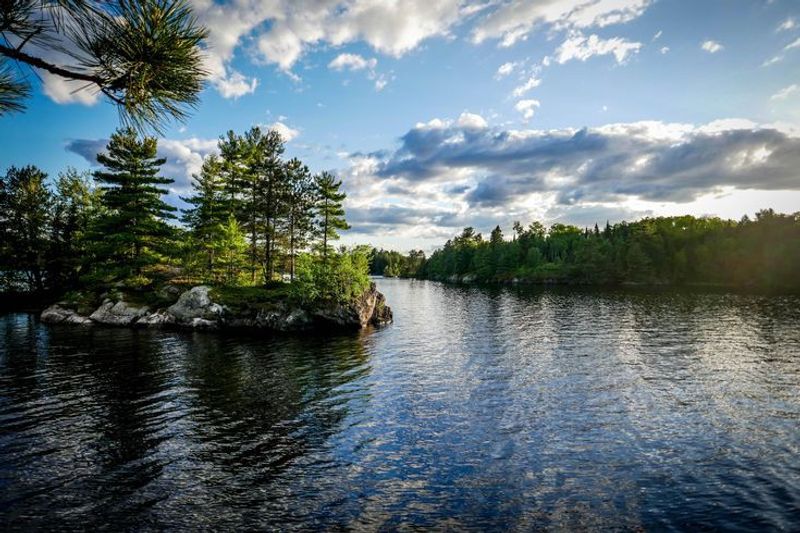
Voyageurs is one of the only national parks in the country where a boat is your primary mode of transportation. Roads barely exist here.
The park is made up of four large interconnected lakes covering over 200,000 acres of water and forested islands. It is basically a water world, minus the Kevin Costner drama.
Houseboats are the ultimate way to explore Voyageurs, and rentals are available from nearby outfitters. Families spend days drifting between islands, fishing for walleye, and watching bald eagles circle overhead.
Moose sightings are common along the shoreline at dawn and dusk.
Winter transforms the park completely. Snowshoeing, ice fishing, and even snowmobiling open up when the lakes freeze solid.
The Northern Lights make frequent appearances here during the colder months, rewarding anyone brave enough to visit in January or February. Summer or winter, Voyageurs delivers a genuinely unique experience that most national park visitors never get to have.
Lassen Volcanic National Park, California
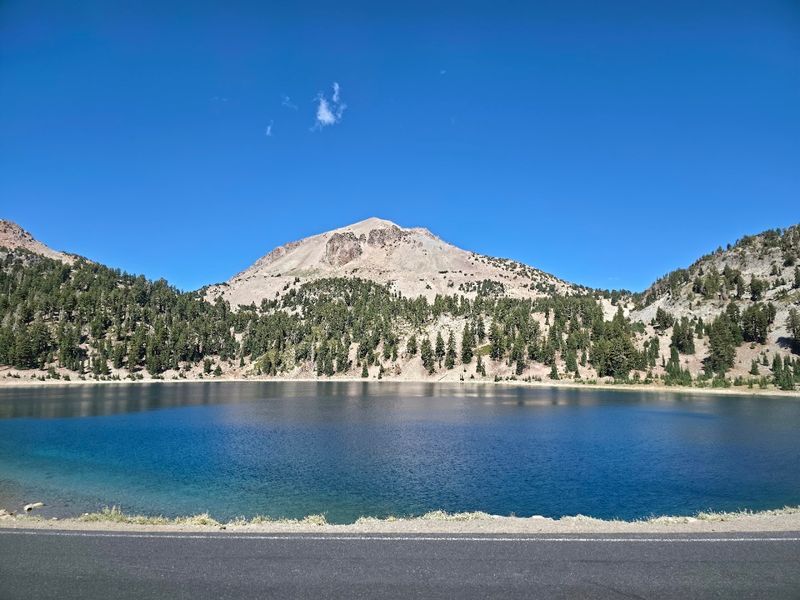
Lassen is one of only a handful of places in the world where all four types of volcanoes exist in one location. The park bubbles, hisses, and steams with geothermal activity that makes Yellowstone seem almost calm by comparison.
Kids absolutely cannot stop staring at the boiling mud pots.
Bumpass Hell is the largest hydrothermal area in the park and a must-do hike. The 3-mile round-trip trail leads past steaming fumaroles and vivid blue pools that look like something from a science fiction film.
Stay on the boardwalk, because the ground around the pools is dangerously thin in spots.
Lassen Peak itself can be hiked in a day, though it is a challenging 5-mile round trip with serious elevation gain. The summit rewards hikers with views stretching into three states on a clear day.
The park sees a fraction of the crowds that Yellowstone gets, so parking is rarely a problem. Snow can linger into July at higher elevations.
White Sands National Park, New Mexico
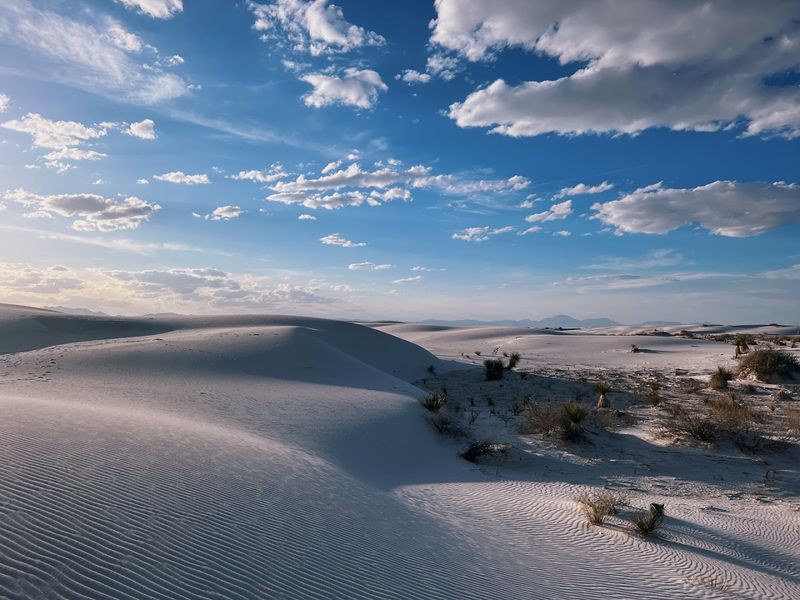
White Sands is the largest gypsum dunefield on Earth, covering 275 square miles of blindingly white sand that looks more like snow than desert. The park sells plastic saucer sleds at the visitor center, and sledding down the dunes is every bit as fun as it sounds.
Adults get competitive about it. Nobody is embarrassed.
Sunset turns the dunes shades of pink and gold that no camera fully captures. The park offers sunset strolls led by rangers who explain how the dunes form and shift constantly, sometimes moving 30 feet in a single year.
It is one of the most photogenic places in the entire country.
Full moon nights are special here. The park occasionally opens for evening ranger programs during full moons, and the white sand glows eerily bright under moonlight.
Summer temperatures can hit triple digits by midday, so plan hikes for early morning. Bring extra water, sunscreen, and sunglasses because the reflected light is intense.
Wind Cave National Park, South Dakota
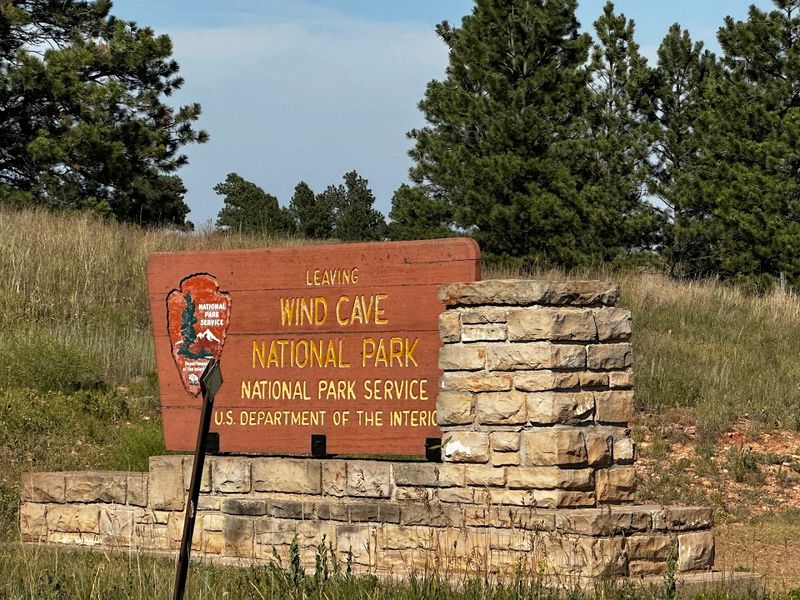
Wind Cave contains 95 percent of the world’s known boxwork formations, a honeycomb-like calcite structure found almost nowhere else on the planet. The cave exhales and inhales wind through its entrance as atmospheric pressure changes outside, which is exactly how it got its name.
The Lakota people considered this cave sacred long before it became a national park.
Cave tours run daily and range from easy walks on paved paths to wild caving adventures with headlamps and crawling through tight passages. The wild caving tours are appropriate for ages eight and up and are genuinely thrilling.
Book them well in advance during summer because they sell out fast.
Above ground, the park protects one of the largest remaining mixed-grass prairies in the country. Bison, elk, pronghorn, and prairie dogs all roam freely here.
The drive through the prairie at sunrise is peaceful and often delivers excellent wildlife sightings. Combined with nearby Badlands, Wind Cave makes for an outstanding multi-day South Dakota road trip.
Carlsbad Caverns National Park, New Mexico
Every evening from late spring through fall, around 400,000 Brazilian free-tailed bats spiral out of Carlsbad Caverns in a dark, swirling column that lasts nearly two hours. It is one of the most dramatic wildlife events in North America, and it happens completely free of charge.
Watching it from the outdoor amphitheater is an experience families talk about for years.
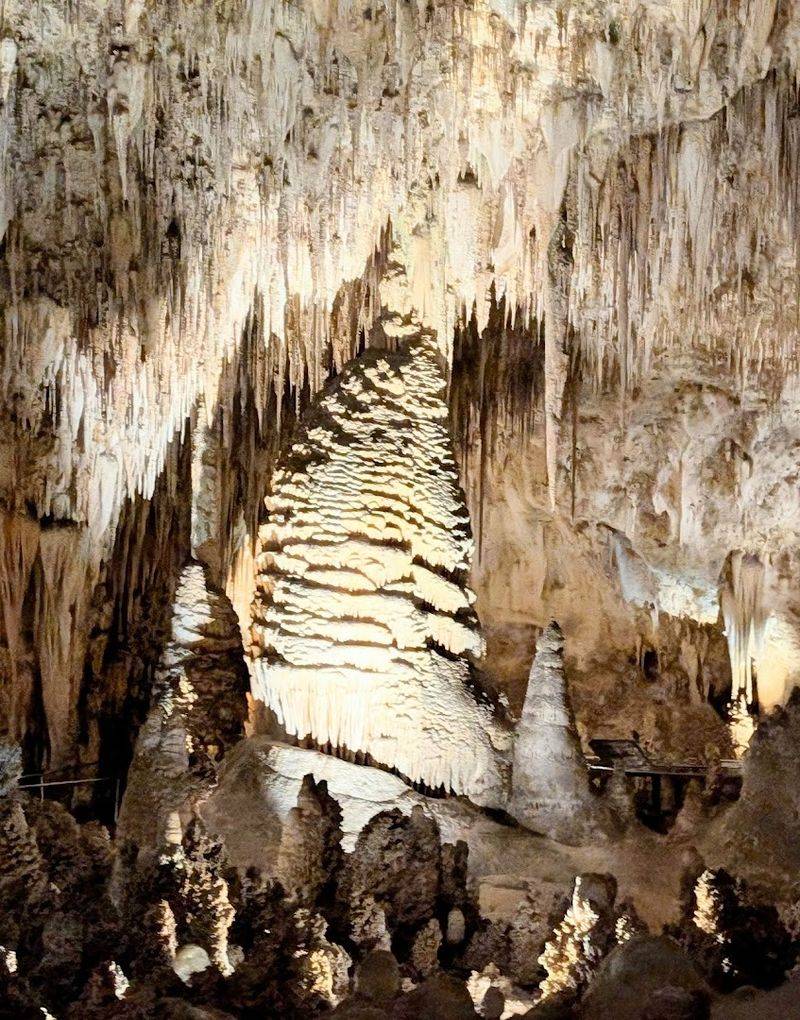
The Big Room inside the cavern is one of the largest cave chambers in North America, stretching 4,000 feet long and 255 feet high in places. A self-guided tour loops through on a paved path, making it accessible for most ages and fitness levels.
The natural entrance route descends 750 feet through winding cave passages and feels genuinely adventurous.
An elevator is available for those who prefer not to hike in or out. The cave stays a steady 56 degrees year-round, so bring layers no matter when you visit.
The visitor center has an excellent cafe, which feels like a luxury after hiking underground. New Mexico’s two cave parks pair perfectly for a single road trip.
North Cascades National Park, Washington
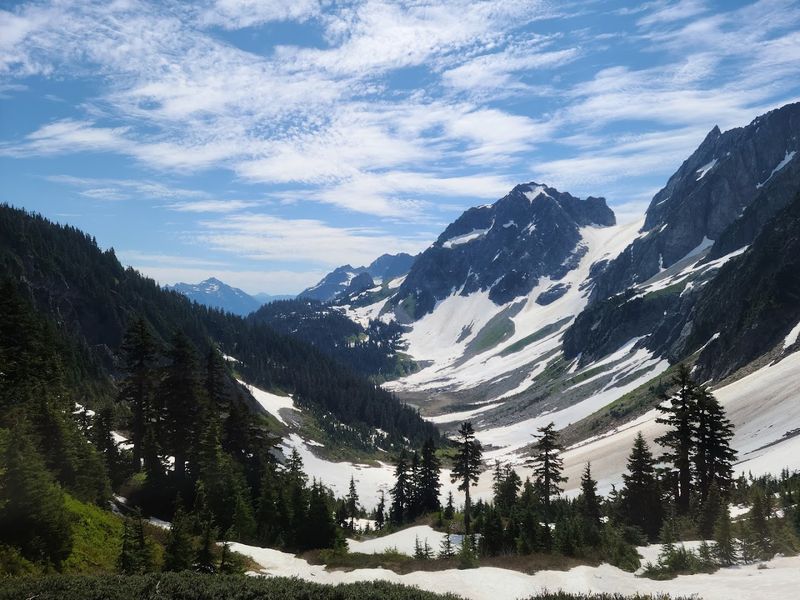
North Cascades contains more glaciers than any other national park in the contiguous United States, with over 300 active glaciers carved into its jagged peaks. The scenery is so extreme it looks digitally enhanced in photographs.
I kept checking my camera settings because nothing looked real.
The North Cascades Highway cuts through the park and is considered one of the most scenic drives in the country. Turnouts appear every few miles with views of turquoise lakes, hanging waterfalls, and sheer cliff faces.
The highway closes in winter due to avalanche risk, so summer and fall are the windows to visit.
Diablo Lake, with its impossible shade of teal caused by glacial flour suspended in the water, is a highlight accessible right from the road. Kayak rentals are available nearby.
Hiking options range from short nature walks to multi-day backpacking routes. The park sees far fewer visitors than the nearby Olympic or Rainier parks, meaning trail crowding is rarely an issue.
Cuyahoga Valley National Park, Ohio
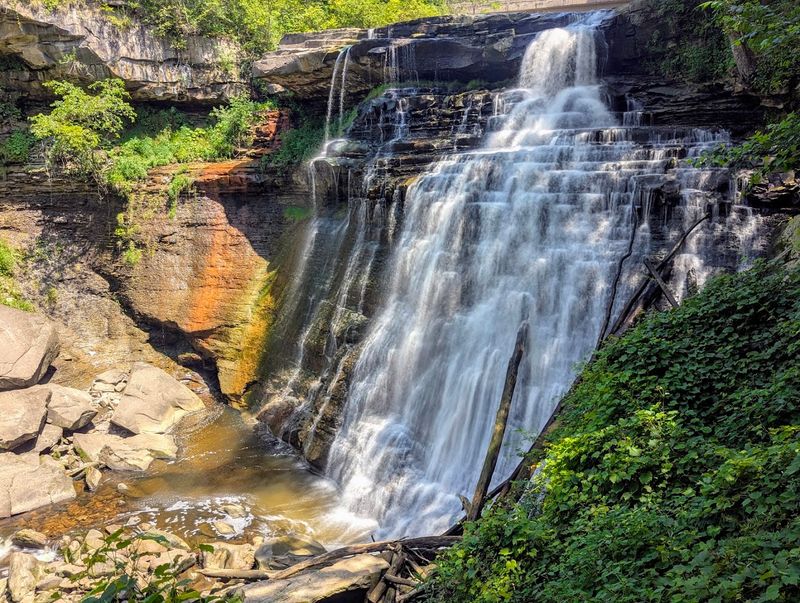
Ohio having a national park surprises most people, which tells you everything about how underrated Cuyahoga Valley is. Sitting between Cleveland and Akron, this park protects 33,000 acres of forests, wetlands, and rolling farmland along the Cuyahoga River.
It is proof that spectacular nature does not require a plane ticket.
The Cuyahoga Valley Scenic Railroad runs through the park and lets families hop on and off at different trailheads. It is one of the few national parks where you can commute to hiking by train.
Kids think it is incredibly cool, and honestly, they are right. The Towpath Trail follows the historic Ohio and Erie Canal for 20 miles through the park.
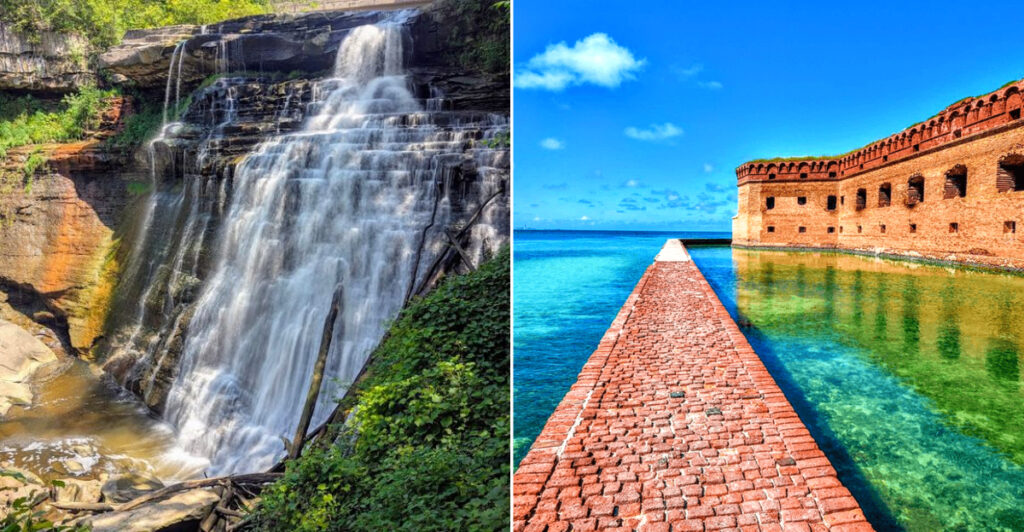
Brandywine Falls, a 65-foot waterfall with a wooden boardwalk viewing platform, is the park’s most photographed spot. Blue Hen Falls and Buttermilk Falls are smaller but equally charming with far fewer visitors.
Wildflowers blanket the forest floor in spring. The park is free to enter, which is always a welcome surprise for families watching their vacation budget.
Indiana Dunes National Park, Indiana
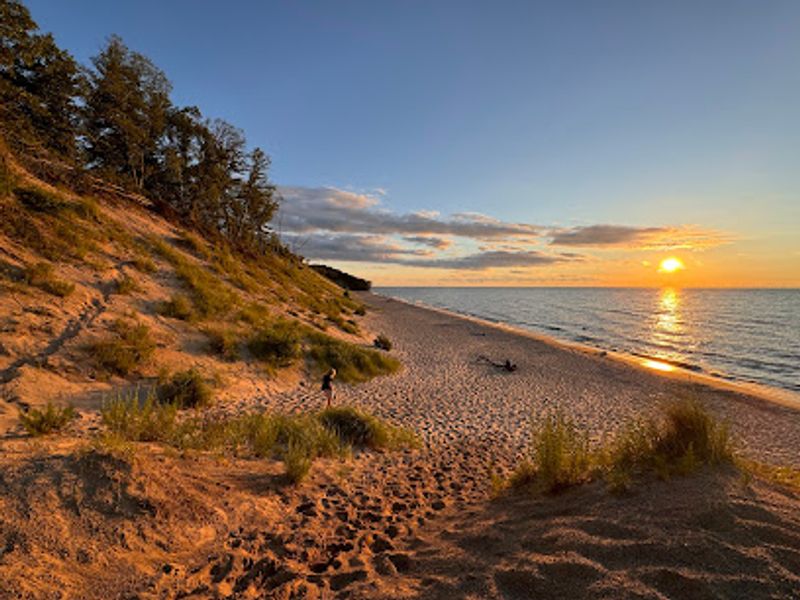
Indiana Dunes sits on the southern shore of Lake Michigan and somehow manages to be one of the most biodiverse national parks in the entire system. The park has recorded more plant species per square mile than almost any other national park in the country.
It also has a beach, which never hurts visitor enthusiasm.
The dunes themselves are serious. Mount Baldy rises 126 feet above the lake and takes real effort to climb.
Racing your kids to the top is tradition, and losing to an eight-year-old is humbling. The views from the summit stretch across Lake Michigan on clear days.
The park contains an incredible variety of ecosystems packed into a small area, including bogs, prairies, wetlands, and forests, all within a short walk of each other. Birding is excellent here during spring and fall migration.
The park is only about an hour from Chicago, making it a perfect day trip for city families craving fresh air and sand between their toes.
Petrified Forest National Park, Arizona
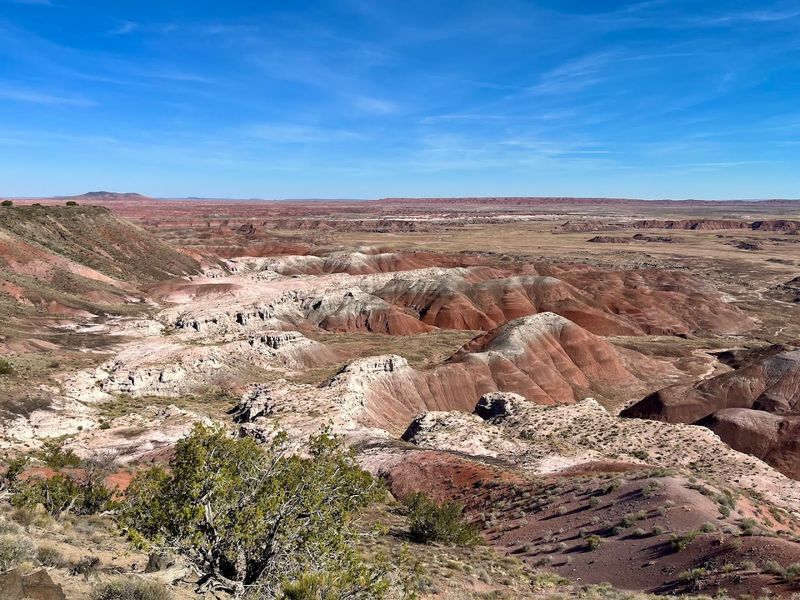
Petrified Forest contains the largest concentration of petrified wood in the world, with logs that turned to stone over 225 million years ago lying scattered across the desert like a giant’s discarded campfire. The colors in the wood range from deep purple to bright orange, which still seems impossible for something technically rock.
Science is wild.
The Painted Desert portion of the park glows in shifting colors of red, pink, and lavender, especially at sunrise and sunset. The 28-mile park road connects overlooks and trailheads, making it easy to see the highlights without serious hiking.
Most families complete the drive in about two to three hours.
Crystal Forest Trail is a short, flat loop surrounded by massive petrified logs and is ideal for younger kids. Taking even a small piece of petrified wood is illegal and carries heavy fines, so remind everyone before the hike.
The park is open year-round and combines beautifully with a stop at the Painted Desert Inn, a historic landmark with fascinating murals inside.
Share this story