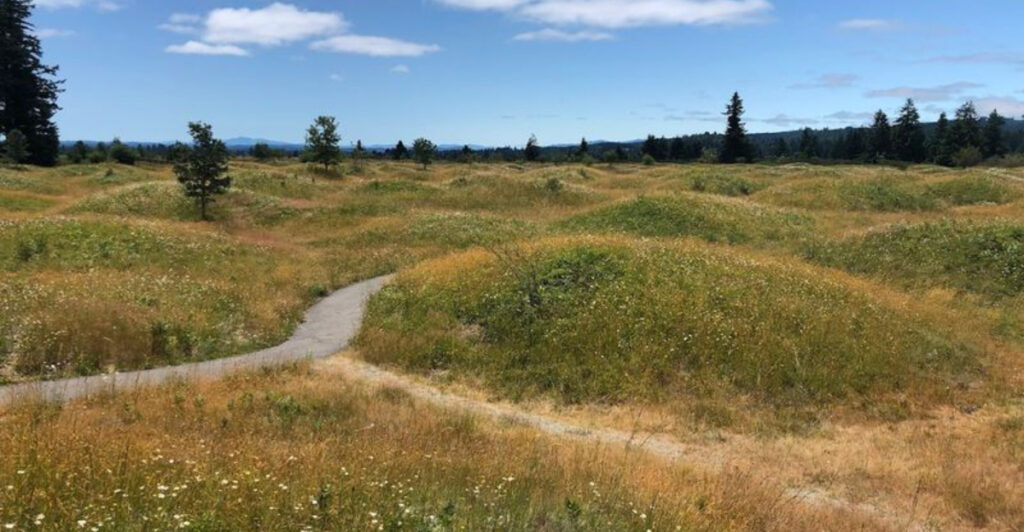
Tucked into a quiet prairie in western Washington, somewhere between Mount Rainier and Mount St. Helens, lies one of the most puzzling landscapes in the entire Pacific Northwest. Hundreds of rounded earthen mounds dot an open grassland, and nobody has ever fully agreed on how they got there.
Scientists, geologists, and curious hikers have all tried to crack the code, and the mystery is still very much alive. The mounds range from a few feet to several feet tall, covering the land in a pattern that looks almost too deliberate to be natural.
Every season brings something new to the prairie, from wildflowers in spring to golden grasses in fall. Whether you are a nature lover, a geology fan, or just someone who enjoys a good unsolved puzzle, this place has a way of pulling you in and making you want to stay a little longer.
The Geological Mystery Nobody Has Fully Solved
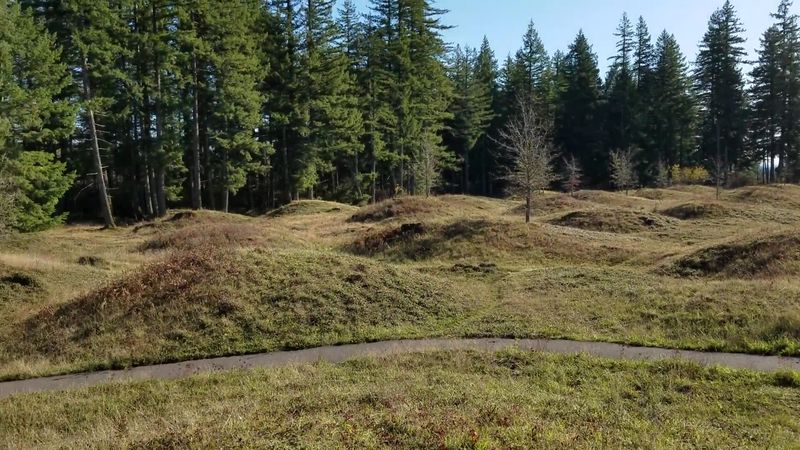
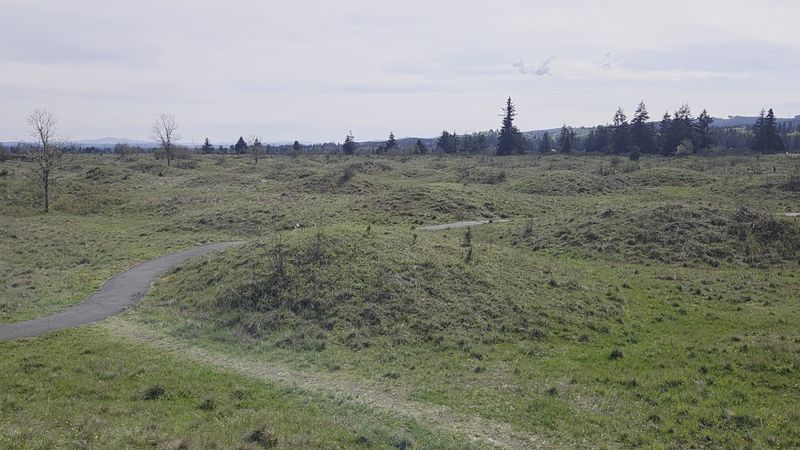
The mounds themselves are the whole point of the visit, and they come with a backstory that has kept scientists arguing for decades. Each mound is a dome-shaped rise of dark, rocky soil, typically between two and seven feet tall and anywhere from ten to thirty feet wide.
There are hundreds of them scattered across the prairie in a way that looks almost rhythmic.
Several competing theories have tried to explain their origin. One popular idea links them to glacial activity at the end of the last ice age, when meltwater and frost heaving reshaped the land.
Another theory, which many people find oddly entertaining, credits pocket gophers with building up the mounds over thousands of years through their burrowing and soil-moving habits.
The informational panels at the preserve walk through each theory clearly, and reading them before hitting the trail adds real depth to the experience of walking among the mounds.
A Prairie Ecosystem That Stands Apart
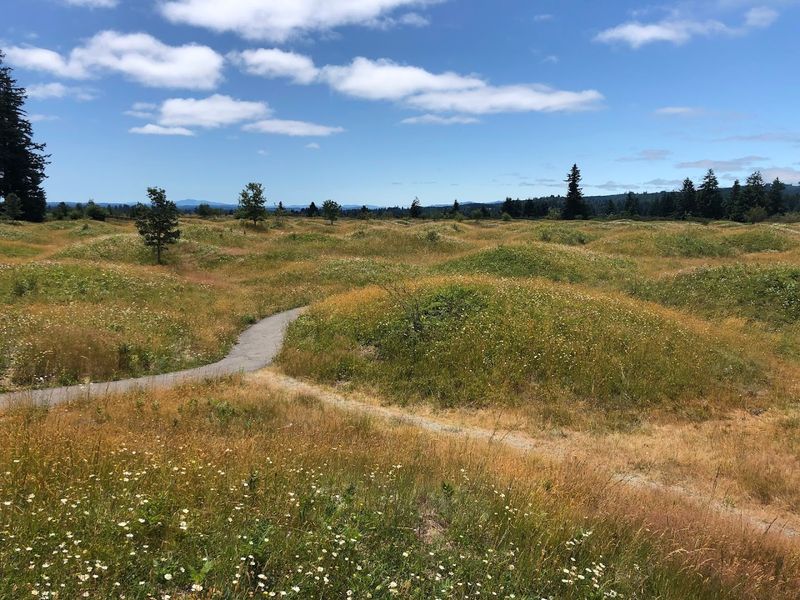
Beyond the mounds themselves, the prairie they sit in is a rare and protected ecosystem. South Puget Sound prairies like this one once covered large stretches of western Washington, but most have been lost to development and the natural spread of forest.
What remains at Mima Mounds is one of the best-preserved examples left in the state.
The plant life here reflects that rarity. Camas lilies bloom in spring, turning the ground a soft purple-blue that contrasts with the green of the grasses.
A wide variety of other flowering plants follow through the warmer months, creating a rotating display of color that changes week by week.
Lichens coat many of the mounds themselves, adding texture and color to the rounded forms. The diversity of plant species packed into this open space is genuinely surprising for an area that can look, at first glance, like a simple grassy field.
Trail Options For Every Type of Walker
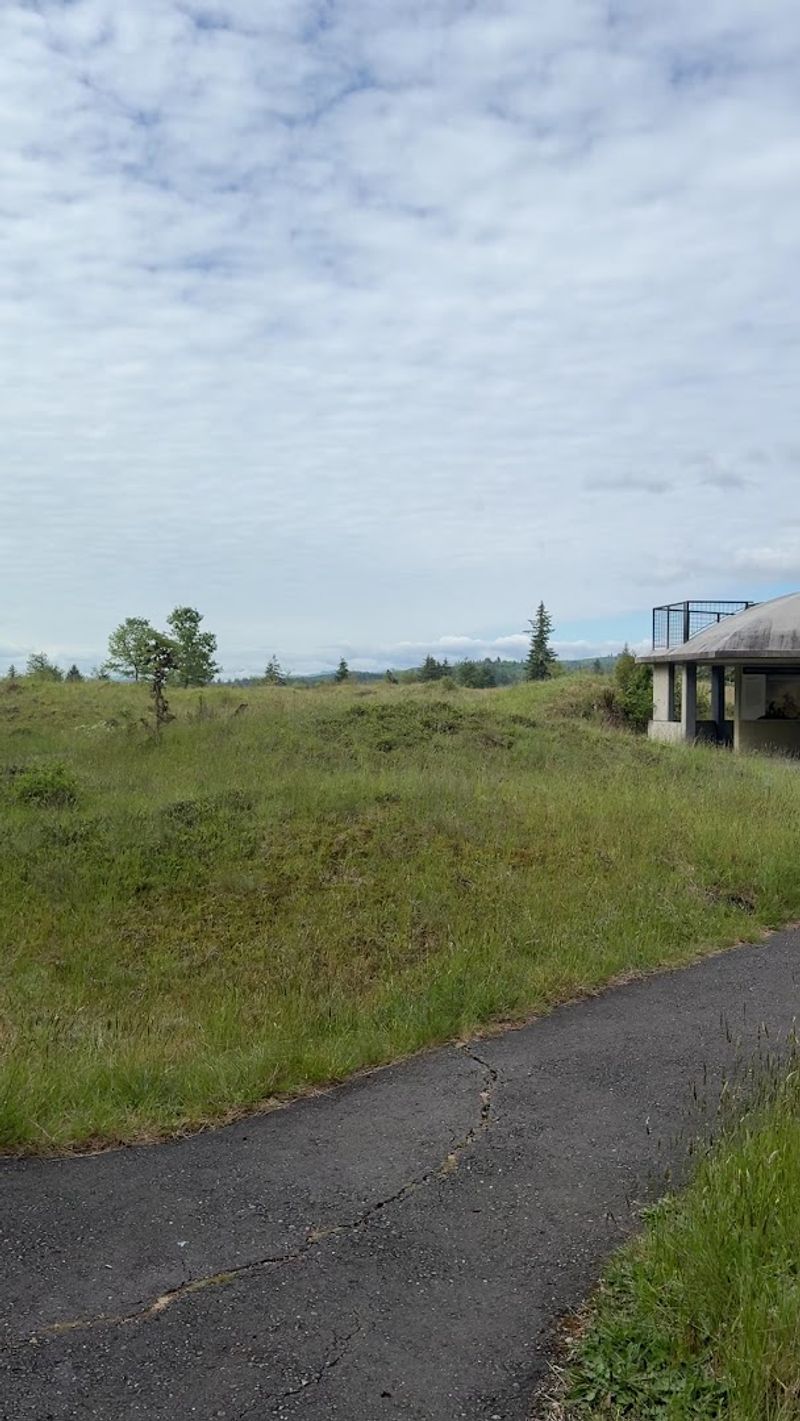
The trail system at the preserve is well laid out and offers options for different fitness levels and mobility needs. The shortest loop is a paved half-mile path that circles through the heart of the mound field.
It includes interpretive markers along the way that explain the geology, plant life, and history of the area, making it a genuinely educational walk rather than just a stroll.
A longer gravel loop stretches to about 1.9 miles and takes hikers deeper into the prairie, closer to the edges of the mound field, and through areas where the landscape opens up more dramatically. The terrain is flat throughout, with very little elevation change, which makes it manageable for most ages.
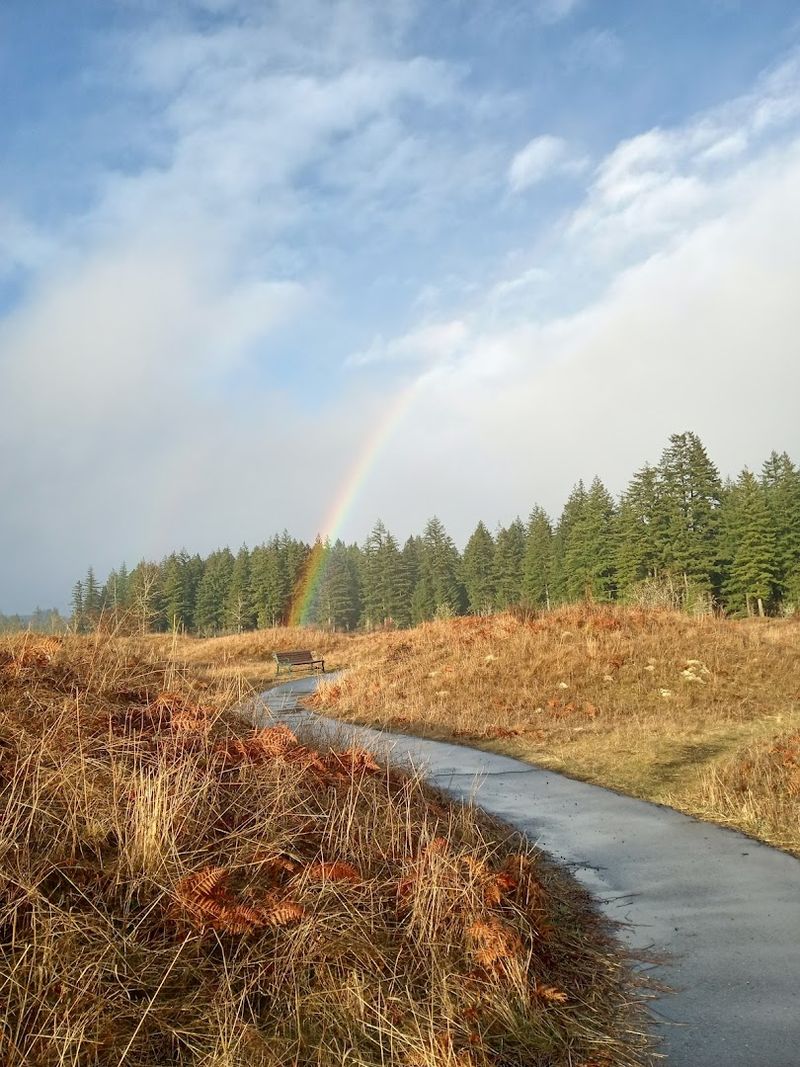
Benches are placed at intervals along the longer trail, which is a thoughtful touch for families with young children or anyone who wants to pause and take in the surroundings without rushing through the experience.
Accessibility At The Preserve
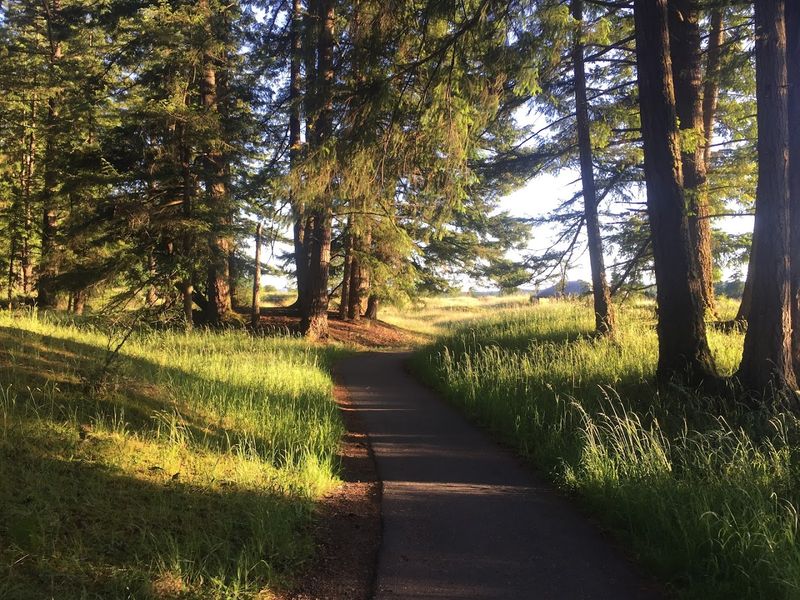
The paved loop trail is designed to be accessible for wheelchair users and stroller-friendly for families with young children. The flat surface and manageable distance make it one of the more inclusive outdoor experiences available in the Olympia area.
That said, it is worth knowing that the paved path has some worn sections, including cracks and uneven spots, that may present challenges depending on mobility needs.
The observation structures at the preserve are not ADA accessible, so reaching the elevated viewpoints requires navigating steps. Anyone planning a visit with mobility considerations in mind should factor this in when deciding how much of the site to explore.
Vault toilets are available at the trailhead, which is a basic but welcome convenience for a natural area of this type. There is no running water at the restroom facilities, so coming prepared with hand sanitizer is a practical move before heading out on the trail.
The Observation Deck View That Changes Everything
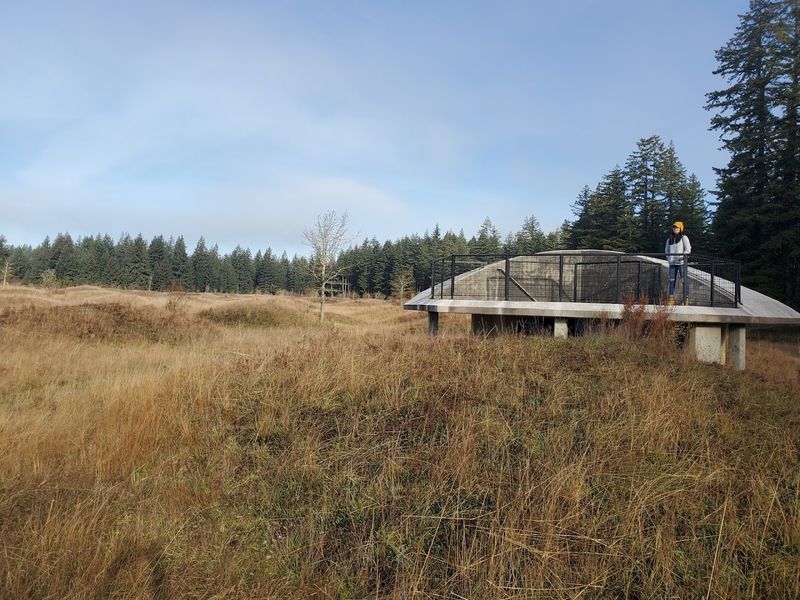
Walking among the mounds gives one perspective, but climbing to the observation deck gives a completely different one. From an elevated vantage point, the full scale of the mound field becomes clear in a way that ground-level walking simply cannot deliver.
The mounds ripple outward in every direction, and the sheer number of them visible at once is genuinely striking.
Photography from the observation deck is a popular activity, though many people find that flat photographs struggle to capture the three-dimensional quality of the landscape. The mounds tend to blend together in images, losing the depth that makes them so visually interesting in person.
That is actually a compelling reason to visit rather than rely on pictures.
The informational kiosk structure near the trailhead also provides a rooftop seating area that offers a 360-degree view of the surrounding prairie and forest. It is a simple but effective design that makes the most of the flat terrain.
Wildlife That Calls The Prairie Home
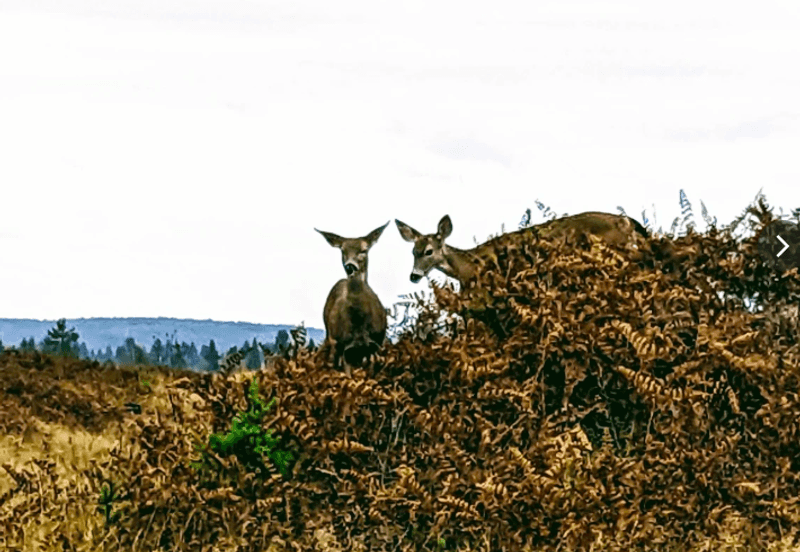
The preserve supports a surprising variety of wildlife given how open and exposed the landscape is. Birds are particularly active here, with species moving through the grassland throughout the year.
The open sky above the prairie makes it easy to track birds in flight, and the mix of grassland and surrounding forest edges creates habitat for a range of species.
Deer are regularly spotted in and around the preserve, including along the access road leading in and out of the parking area. Bees are also notably present during the warmer months, drawn in by the diverse flowering plants that cover the prairie.
The combination of native grasses, wildflowers, and open space creates conditions that support pollinators in meaningful numbers.
Dogs are not permitted on the trails, which helps protect both the wildlife and the sensitive plant communities that make this prairie ecosystem worth preserving in the first place.
The Best Time of Year To Make The Trip
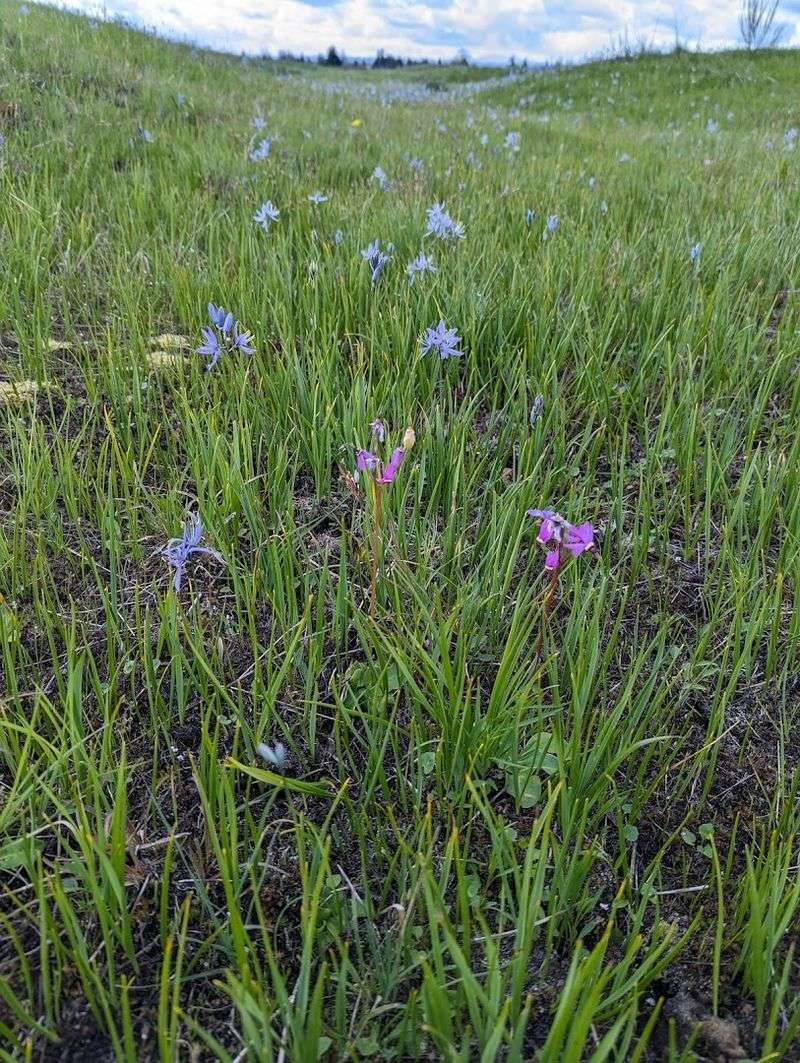
Spring is widely considered the peak season for a visit to the preserve. The camas lilies and other native wildflowers bloom from roughly late March through May, transforming the prairie into a colorful display that is genuinely worth planning around.
The green grasses are at their freshest during this period, and the contrast between the vegetation and the mounded forms is at its most visually dramatic.
Summer visits are also popular, but the open prairie offers very little shade, and the exposed terrain can feel significantly warmer than forested areas nearby. Bringing water and sunscreen is not optional during summer months.
The longer loop trail runs in full sun for most of its length.
Fall brings a different character to the landscape, with grasses turning golden and the overall palette shifting to warmer tones. Winter visits are possible but the shorter hours and wetter conditions make spring and early summer the most practical windows for most people.
Hours, Entry Requirements, and What To Bring
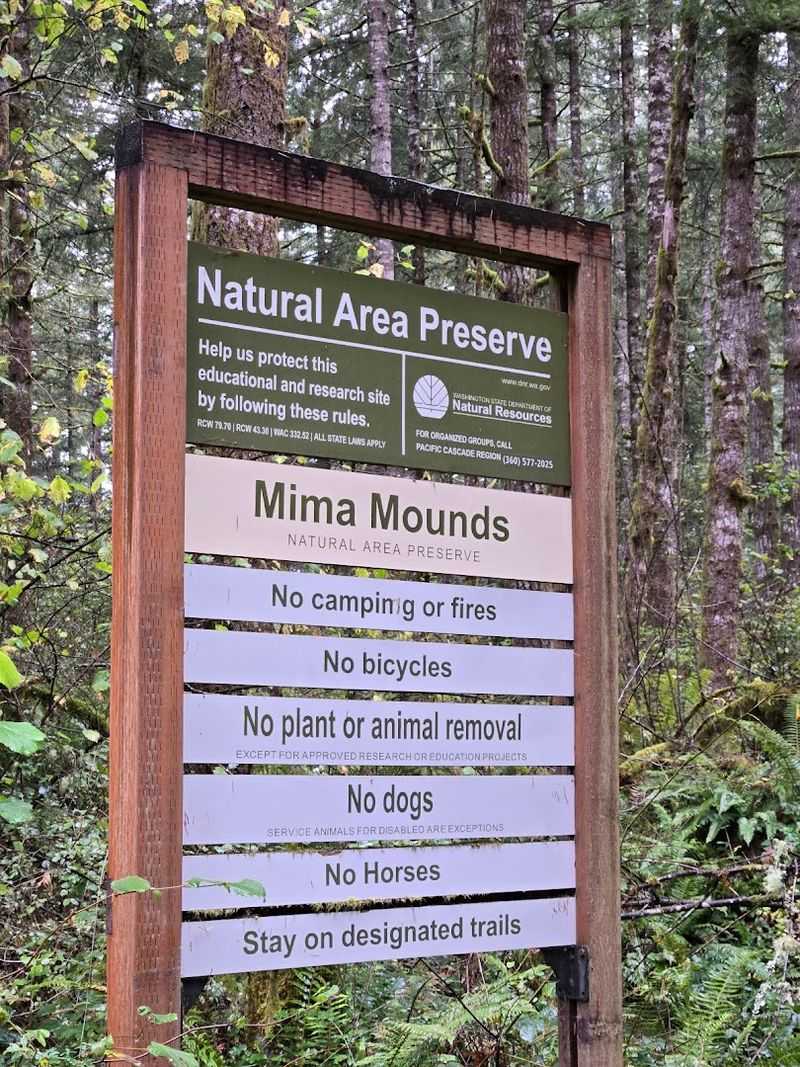
The preserve is open daily from 8 AM to 4 PM throughout the week. Those hours are consistent across all seven days, which makes planning straightforward.
Arriving close to opening time on weekdays tends to mean a quieter experience, while weekends can bring more foot traffic, especially during spring when the wildflowers are at their best.
A Washington State Discover Pass is required for parking. Day passes can be purchased online if you do not already have one, and the transaction number can be written on a piece of paper and displayed in the car window in place of a printed pass.
This is worth knowing in advance to avoid scrambling at the trailhead.
Practical items to pack include water, sunscreen, and layers for unpredictable Pacific Northwest weather. The trails are flat and do not require specialized footwear, but comfortable walking shoes make the longer gravel loop more enjoyable from start to finish.
The Shooting Range Next Door
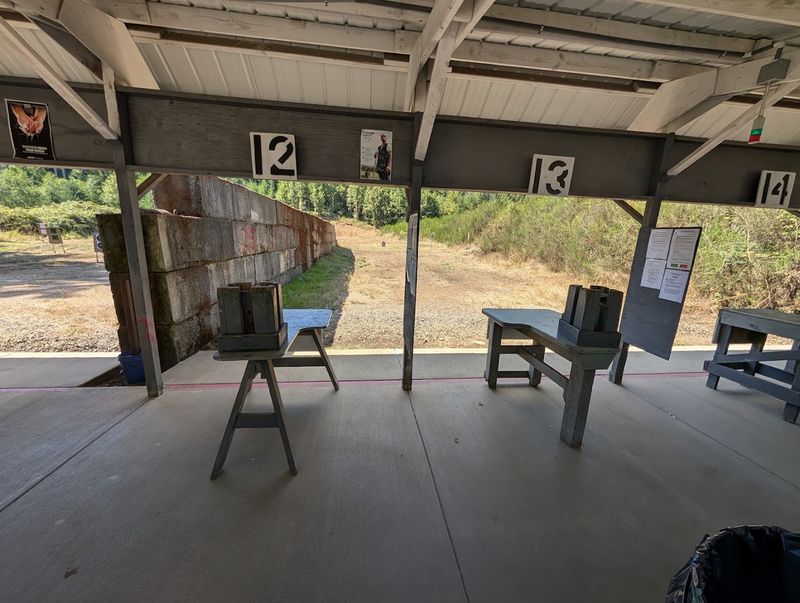
One of the most consistently mentioned aspects of a visit to the preserve is the presence of a shooting range, Evergreen Sportsmen’s Club, on adjacent property. The range is close enough that gunfire is audible from most parts of the trail system, and on the longer loop, hikers can actually see the range and hear conversations among the shooters.
This is not a safety concern in terms of physical risk, but it does affect the atmosphere of the walk for many people. Those expecting a completely quiet nature experience may find the noise disruptive.
The wildlife in the area appears largely unbothered by it, which says something about how consistent the sound has become over time.
Going in with accurate expectations makes a real difference here. The mounds are genuinely fascinating, and the trails are worth walking.
Knowing about the noise beforehand helps visitors focus on what makes the preserve special rather than being caught off guard by the surroundings.
The Interpretive Center and Educational Signage
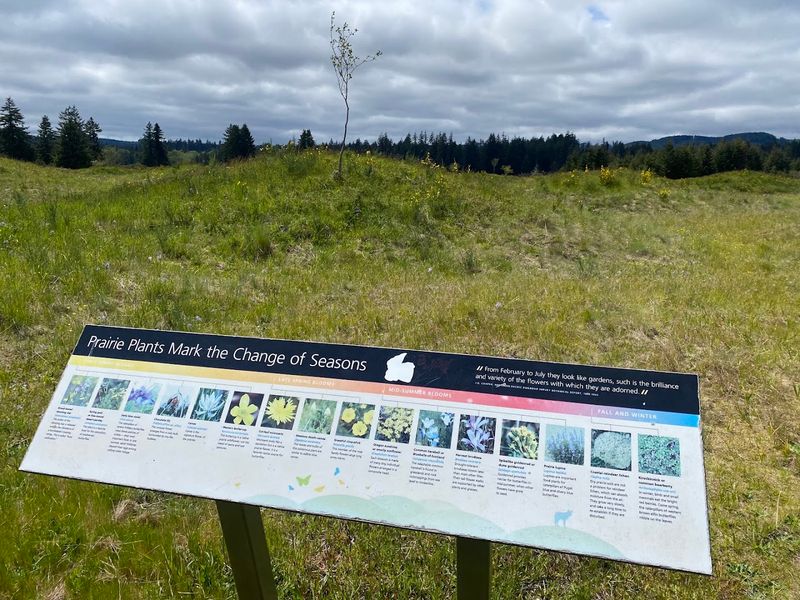
The preserve includes a small interpretive area near the trailhead that introduces the geology, ecology, and history of the site before visitors head out on the trails. The panels cover the competing theories about mound formation in clear, accessible language that works well for both adults and younger visitors.
Reading through them before starting the walk adds a layer of context that makes the mounds themselves more interesting to observe.
The informational structure doubles as a viewing platform, with a rooftop area that offers a broad view of the surrounding prairie. It is a clever use of a simple structure in a flat landscape.
Families with children often spend time here before and after the trail, using the panels as conversation starters about geology and natural history.
The signage along the paved loop continues the educational thread, with numbered markers that correspond to information about specific plants, geological features, and points of interest along the route.
How The Mounds Fit Into Washington’s Volcanic Landscape
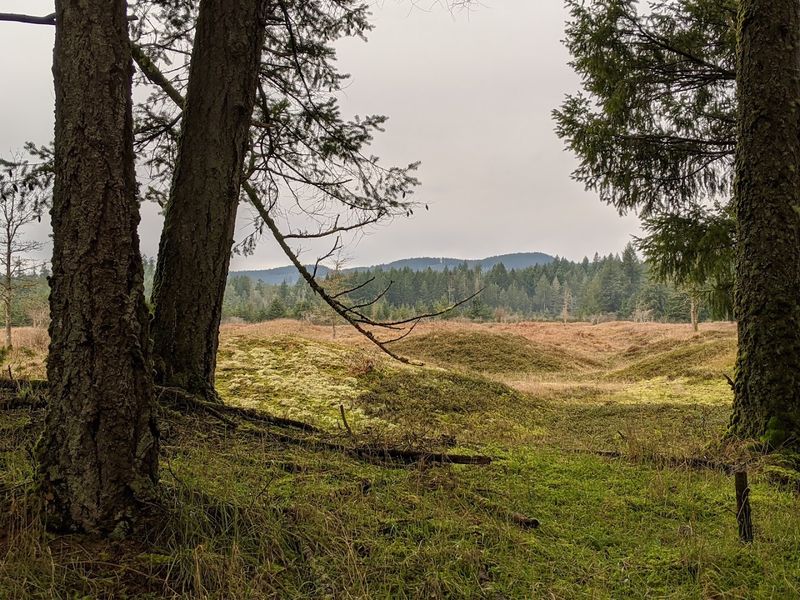
The preserve sits in a geographic corridor between two of the most significant volcanic peaks in the continental United States. Mount Rainier rises to the northeast, and Mount St. Helens sits to the south.
The fact that this quiet prairie with its mysterious mounds occupies space between two active volcanic systems adds a layer of geological intrigue that goes beyond the mounds themselves.
The glacial history of the region connects directly to some of the leading theories about mound formation. During the last ice age, massive glacial lobes pushed through the Puget Sound region, and the aftermath of that movement left behind a dramatically reshaped landscape.
The prairie itself is part of that post-glacial story.
Understanding the broader volcanic and glacial context of western Washington makes the mounds feel less like an isolated curiosity and more like one piece of a much larger geological puzzle that the entire region is still working through.
What Makes This Prairie Rare in the Pacific Northwest
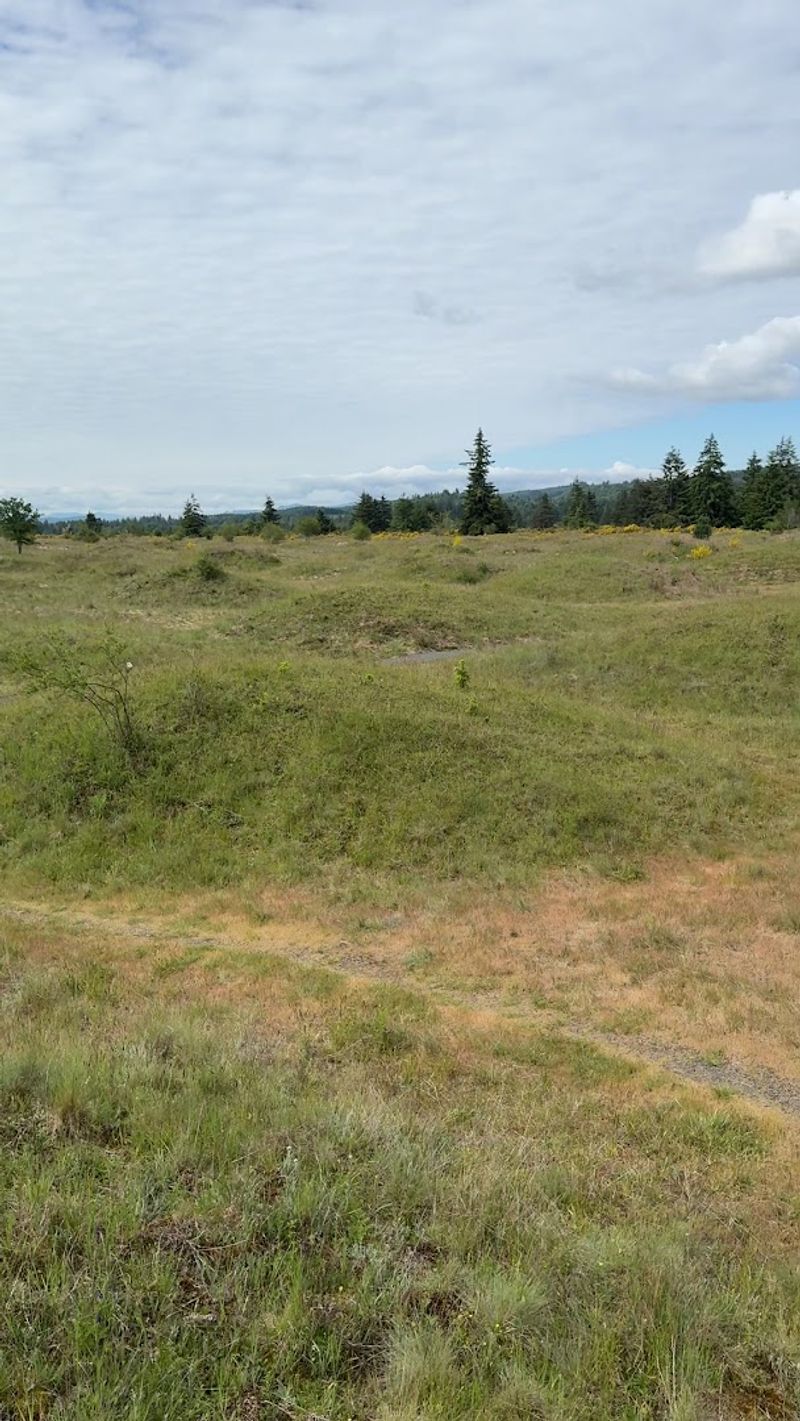
South Puget Sound prairies are among the most endangered ecosystems in the Pacific Northwest. Before European settlement, these grasslands covered a much larger area of western Washington, maintained through a combination of natural fire cycles and land management practices by Indigenous peoples.
As forests expanded and development increased, the prairies shrank dramatically.
What remains at Mima Mounds is protected specifically because of its ecological significance. The native plant communities here, including the camas, native grasses, and associated flowering species, represent a living record of what much of the region once looked like.
Conservation efforts are ongoing to prevent invasive species from crowding out the native plants that define this habitat.
Visiting the preserve is, in a small way, participating in that conservation story. The Discover Pass fees support state lands management, and simply staying on the designated trails helps protect the fragile soil and plant communities that make this prairie worth protecting.
Tips For Getting The Most Out Of Your Visit
A few practical details can make the difference between a good visit and a great one. Arriving during the week rather than on a weekend almost always means fewer people on the trails, which makes it easier to move at your own pace and spend time at the observation areas without waiting.
Early morning arrivals also tend to catch the best light across the mounded landscape.
The paved loop is a strong choice for a first visit, covering the highlights efficiently and providing clear context through the interpretive markers. The longer gravel loop rewards those who want more time in the landscape and a closer look at the outer edges of the mound field.
Bringing a camera is worth doing, but managing expectations about photography helps. The mounds are genuinely more impressive in person than in photographs, so planning to put the camera down and simply walk among them for a while is time well spent.
Where Exactly Does This Prairie Marvel Sits
The Mima Mounds Natural Area Preserve sits at 12315 Waddell Creek Rd SW, Olympia, WA 98512, in Thurston County in western Washington State. The preserve is managed by the Washington State Department of Natural Resources, and it protects one of the rarest prairie ecosystems remaining in the Pacific Northwest.
The location places it roughly 20 minutes from downtown Olympia, making it a realistic half-day trip without a long drive. The road in from Waddell Creek Road is the main access point, and it is worth noting that some mapping apps may not correctly identify the primary entrance road, so following the signs carefully once you are in the area helps avoid confusion.
The surrounding landscape is a mix of open prairie and dense forest, which makes the transition from tree cover to open mounded grassland feel surprisingly abrupt. That contrast alone is worth the trip.
Share this story