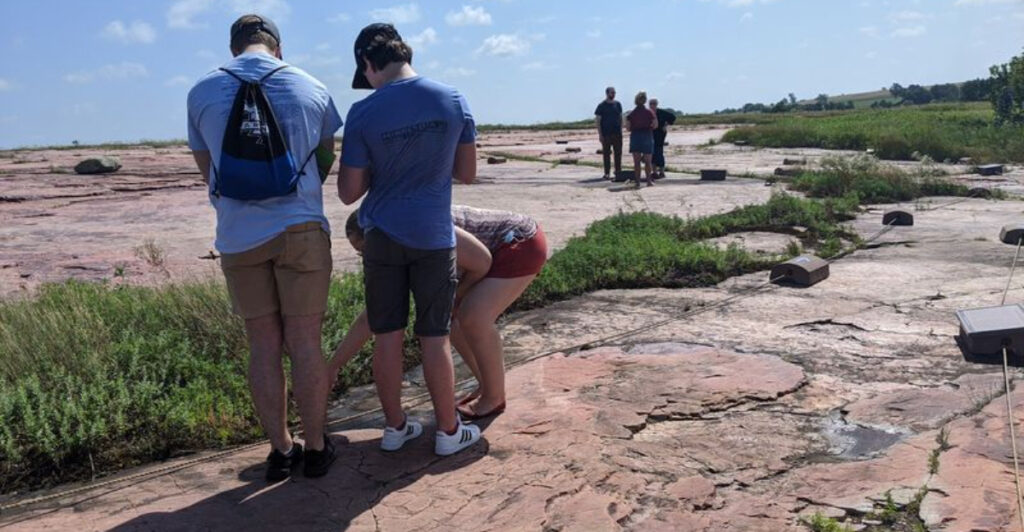
There is a stretch of exposed pink quartzite rock in southwestern Minnesota where someone, thousands of years ago, picked up a stone tool and started carving. They kept carving.
So did the people who came after them, for generations spanning thousands of years, until the rock held more than 5,000 images. Some show animals, some show human figures, and some show symbols that researchers are still working to fully understand.
The site is managed by the Minnesota Historical Society, and it draws visitors from across the country who want to stand exactly where ancient people once stood. What makes this place so extraordinary is not just the age of the carvings or the sheer number of them, but the unbroken sense of connection you feel when you see them up close.
Keep reading to find out what makes this one of the most remarkable places in the entire state.
A Place Older Than You Can Easily Wrap Your Head Around
Some places earn their reputation over decades. This one earned it over thousands of years.
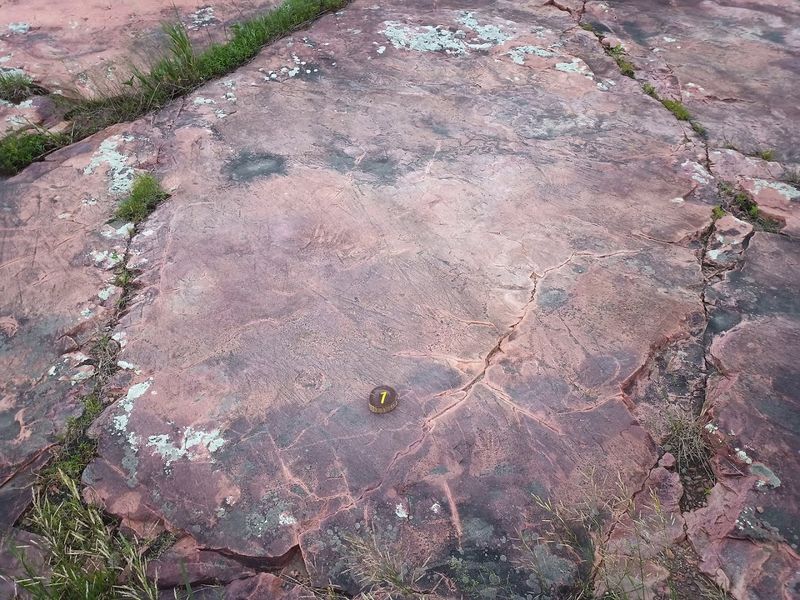
The rock outcrop at Jeffers Petroglyphs in Comfrey, Minnesota, contains carvings that date back as far as 7,000 years, with the most recent believed to be around 150 to 300 years old. That means people were actively carving into this same surface across an almost incomprehensible stretch of human history.
The carvings were made by pressing one rock against the exposed pink quartzite and pecking out images, a slow and deliberate process that required real effort and intention. Researchers believe the site held deep spiritual and ceremonial meaning for the Native peoples who used it.
Standing on that rock today, knowing what took place there across so many generations, creates a feeling that is hard to describe and even harder to forget.
Exactly Where to Find It and How to Get There
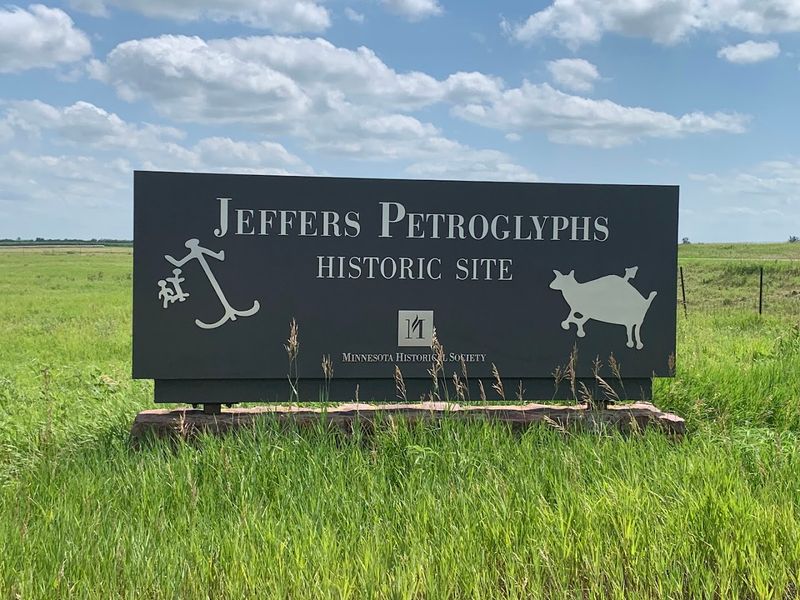
The site sits at 27160 Co Rd 2, Comfrey, MN 56019, tucked between prairie grasses and agricultural fields in Watonwan County in southwestern Minnesota.
It is not a quick detour off a major highway, so plan your route before you go. The drive through the flat, open landscape of southern Minnesota is genuinely pleasant, and the quietness of the surrounding countryside gives you a good sense of how remote and significant this place must have felt to the people who traveled here long ago.
The nearest larger town is Sleepy Eye, about 15 miles away, so filling your gas tank and grabbing snacks before heading out is a smart move. The site is managed by the Minnesota Historical Society, and the website at mnhs.org/jefferspetroglyphs has current hours, admission details, and event listings worth checking before your trip.
More Than 5,000 Carvings and What They Actually Show
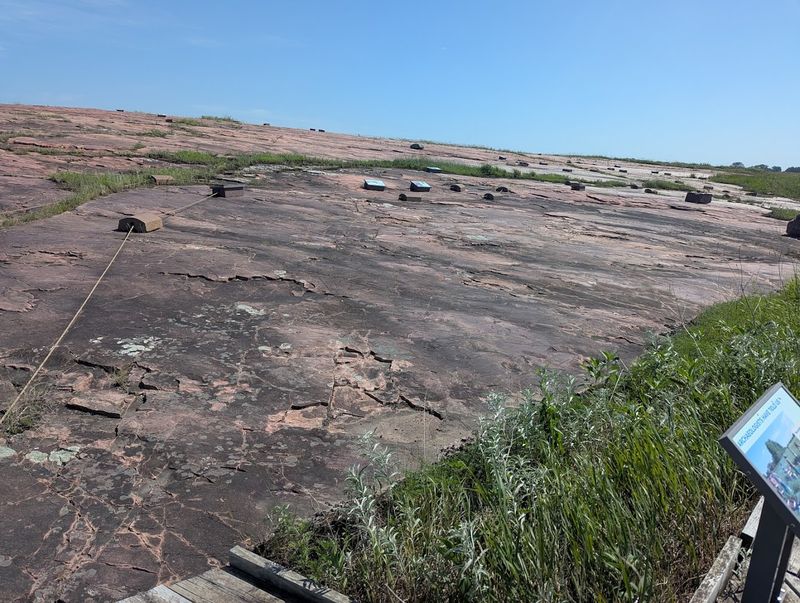
The number 5,000 sounds impressive in the abstract, but seeing the density of carvings spread across the rock surface makes it feel even more remarkable in person.
The images include thunderbirds, atlatls (ancient spear-throwing tools), turtles, elk, bison, human figures, and a wide variety of abstract symbols. Some carvings are large and easy to spot, while others are small and require a trained eye or the right lighting conditions to see clearly.
Guides at the site will point out specific carvings and explain what is currently understood about their meaning, which adds a lot of depth to the experience. Many of the images connect to spiritual traditions and oral histories of the Dakota and other Indigenous peoples of the region.
Every time you look at a new section of rock, you find something you missed before, which makes the whole visit feel like a slow and rewarding discovery.
The Prairie Setting That Surrounds the Rock
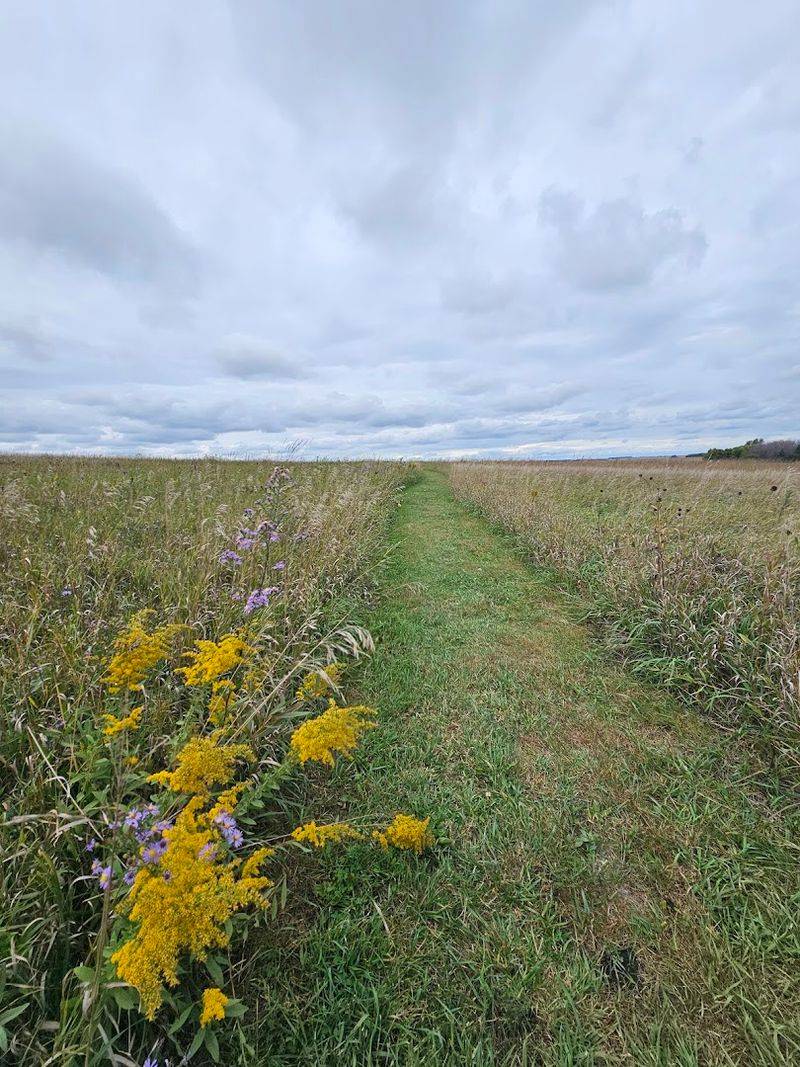
The carvings themselves are the main draw, but the prairie surrounding them deserves attention in its own right.
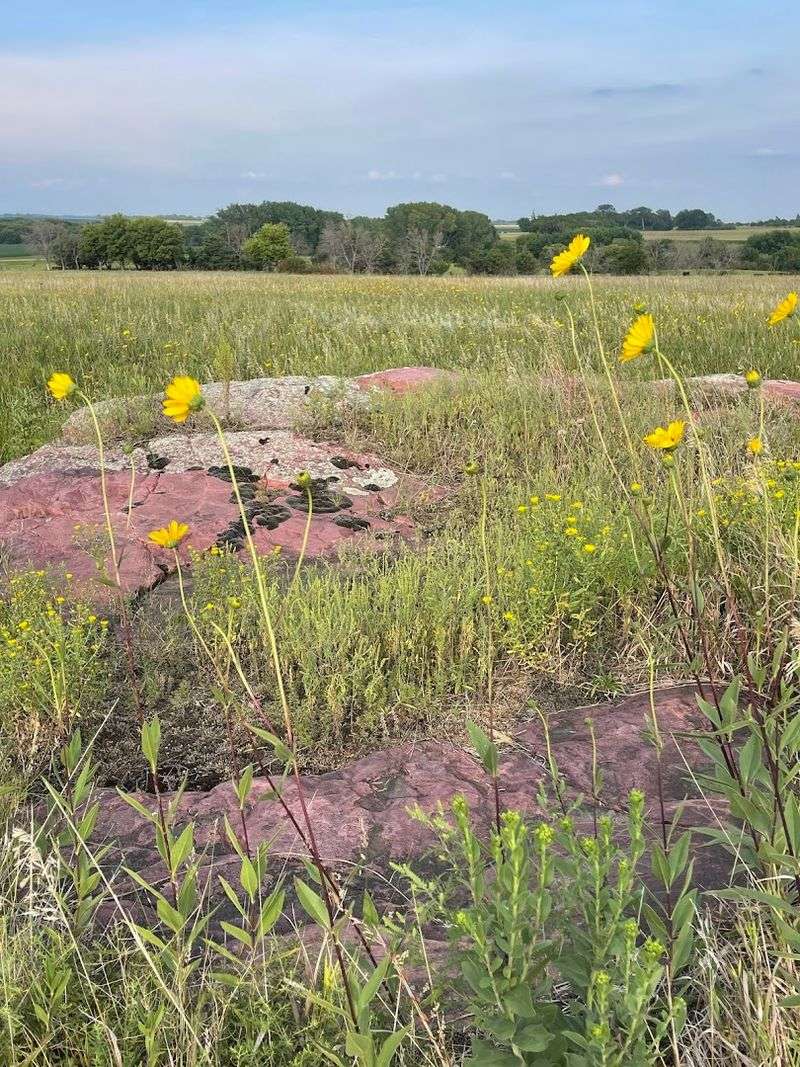
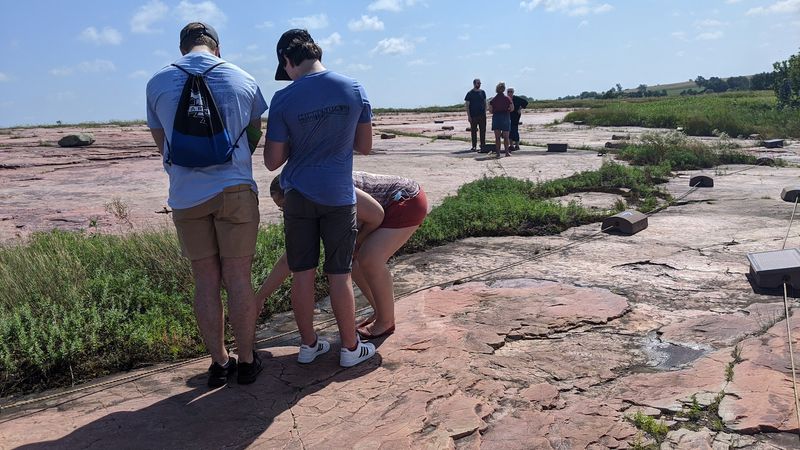
The trail leading out to the petroglyph outcrop passes through a beautiful stretch of native prairie that the Minnesota Historical Society actively maintains. In summer, the grasses grow tall and wildflowers add bursts of color along the path.
The sky out here feels enormous, the kind of wide-open view that reminds you how much of Minnesota looks nothing like the city.
One genuinely surprising detail: native prickly pear cactus grows along the trail. Most people do not associate Minnesota with cactus, so stumbling upon it for the first time catches visitors off guard in the best way.
The whole setting feels ancient and unhurried, and the walk to the rock is short enough to be easy while still giving you time to settle into the mood of the place before you arrive.
When to Visit for the Best View of the Carvings
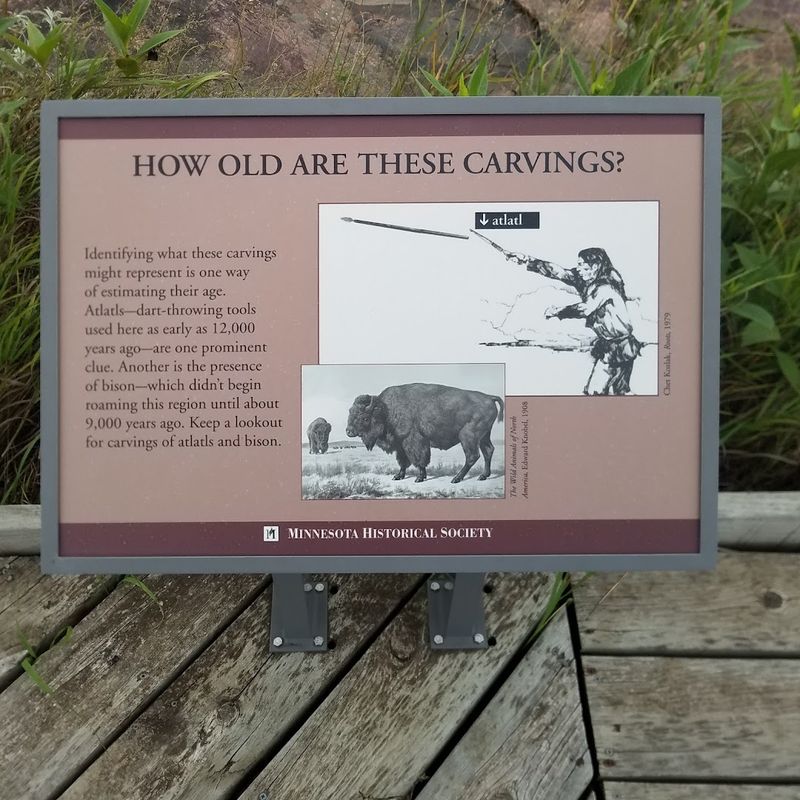
Timing your visit makes a bigger difference here than at most historical sites, and getting it right is one of the best tips you can take away before going.
The carvings are carved into the same color rock they sit on, which means contrast is everything. At midday, when the sun is directly overhead, the flat light washes out the surface and makes many carvings hard to see.
Early morning and late afternoon, when the sun hits the rock at a low angle, create shadows that make the carved lines pop dramatically.
Rain also helps, since wet rock darkens and increases the contrast around the carvings. Guides sometimes use water to demonstrate this effect for visitors, which is a genuinely useful trick to know.
The site is open Thursday through Sunday, with evening hours on some days, so an after-5 PM visit during summer can give you ideal lighting conditions and a much more vivid experience overall.
Guided Tours and What They Add to the Experience
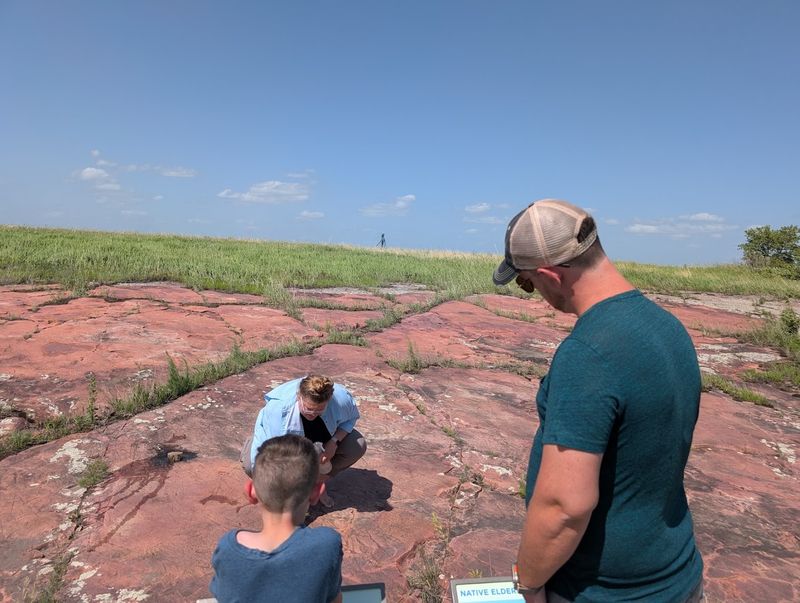
You can walk the site on your own, but taking the guided tour is genuinely worth the extra engagement it provides.
The guides at Jeffers Petroglyphs are well-informed and clearly passionate about the history of the site. They identify specific carvings that are easy to miss, explain the cultural and spiritual context behind different images, and answer questions in a way that makes the information stick.
The combination of walking through a beautiful landscape while learning something genuinely fascinating keeps the experience from ever feeling like a lecture.
For visitors with mobility concerns, the site offers golf cart transportation to the rock outcrop, which is a thoughtful and practical option. The trail itself is well-marked and not physically demanding for most visitors.
Groups traveling with children especially benefit from the guided format, since the guides are skilled at keeping younger visitors engaged and making the history feel relevant and exciting rather than distant.
Trying the Atlatl: An Ancient Weapon You Can Actually Throw
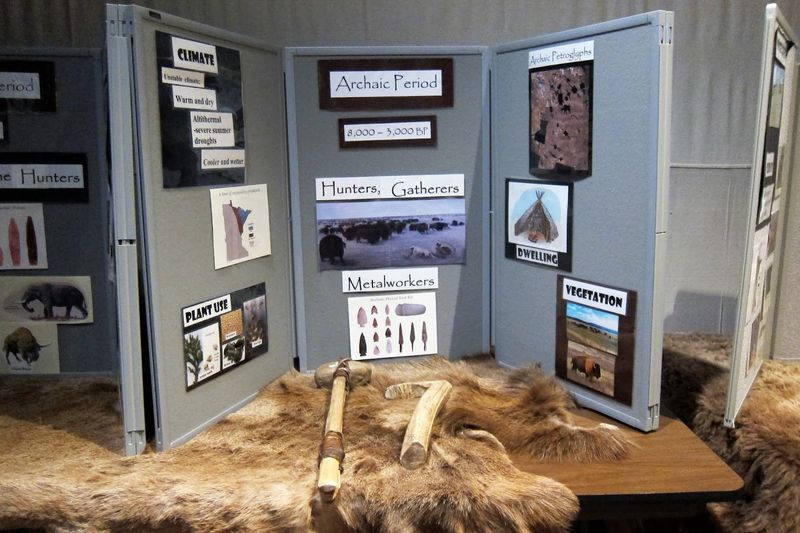
Not every historical site lets you hurl a spear at a bison target, but Jeffers Petroglyphs is not every historical site.
The atlatl demonstration is one of the most memorable parts of the visit for many people. An atlatl is a spear-throwing tool used by ancient hunters, and several of the petroglyphs at the site actually depict them.
Getting to hold one and try to throw it connects the carvings on the rock to something physical and immediate in a way that no amount of reading about it can quite replicate.
Hitting the target is harder than it looks, which makes it all the more satisfying when you do. Families with kids tend to love this activity, and adults are equally enthusiastic once they pick one up.
It is a small addition to the overall visit, but it is the kind of hands-on moment that sticks in your memory long after you have driven home.
The Spiritual and Cultural Significance of the Site
This is not simply an outdoor museum. For many Indigenous communities, this rock is a living sacred site, and the way visitors are asked to engage with it reflects that reality.
Photography of the petroglyphs themselves is not permitted, out of respect for the wishes of the Indigenous elders connected to the site. That rule might feel surprising at first, but it shifts the way you experience the carvings.
Without a phone in your hand, you actually look at them longer and more carefully.
The Dakota people and other Indigenous nations of the region have deep historical and spiritual ties to this landscape, and the site’s interpretation reflects Indigenous perspectives thoughtfully and directly. Visitors who come with genuine curiosity and respect tend to leave feeling that they received something more meaningful than a typical tourist experience.
Treating the site as the sacred place it is, rather than just a photo opportunity, makes the whole visit more rewarding.
The Gift Shop and Its Thoughtfully Curated Selection
Gift shops at historical sites can feel like an afterthought, but the one at Jeffers Petroglyphs is worth a genuine browse before you leave.
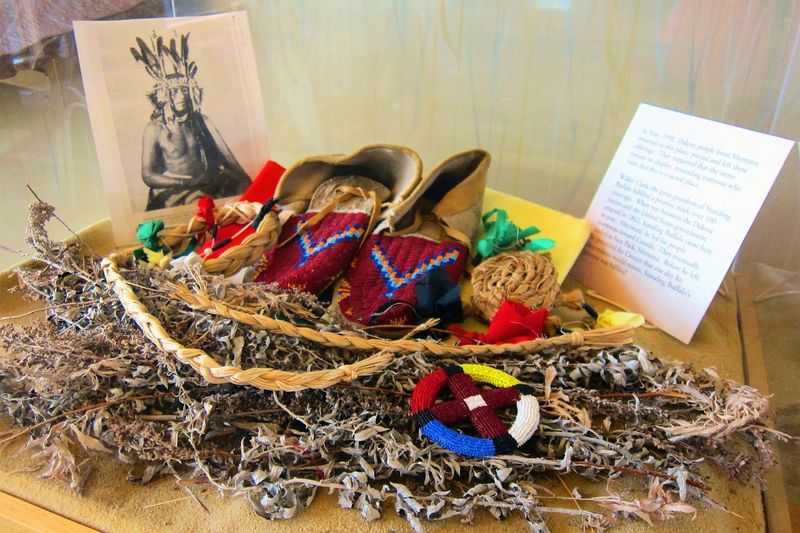
The selection focuses on items created by Native artisans and Indigenous creators, which means the products have a direct connection to the cultures represented at the site. You will find handmade crafts, books about Native history and the petroglyphs, and other thoughtfully chosen items that feel meaningful rather than generic.
Buying something here supports Indigenous makers directly, which adds a layer of purpose to what might otherwise feel like a routine souvenir stop. Several visitors specifically mention the gift shop as a highlight of their time at the site.
Even if you are not a big souvenir buyer, spending a few minutes looking through the selection gives you one more angle on the cultural story the site is trying to tell, and that is worth the time.
Practical Tips for Making the Most of Your Visit
A little preparation goes a long way at this site, and a few simple adjustments can make the difference between a good visit and a great one.
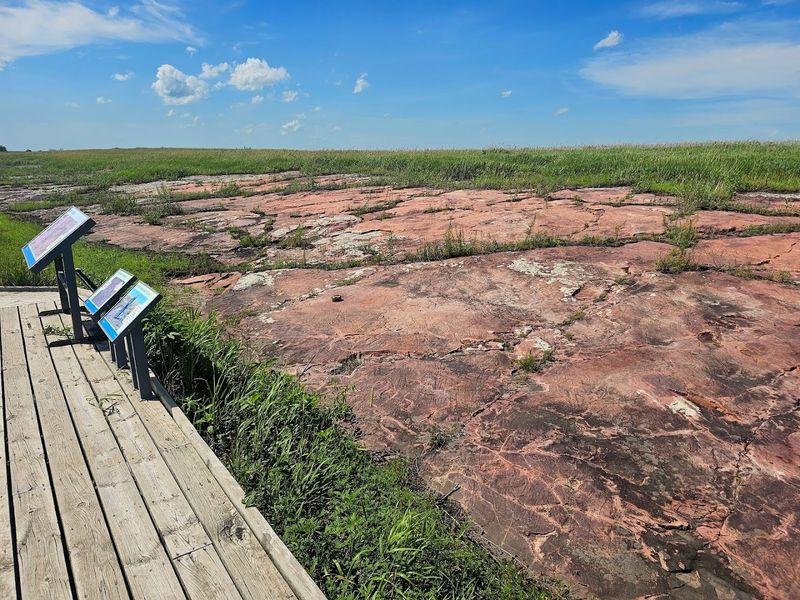
Wear comfortable, closed-toe shoes since the trail surface is gravel and the rock outcrop is uneven in places. Bring a water bottle, especially in summer, because the site is fully exposed to the sun and there is no shade on the rock itself.
Sunscreen is equally important on warm days.
Admission for adults is around $10, which is reasonable for what the experience delivers. Arriving closer to the late afternoon hours gives you better lighting for seeing the carvings, so if your schedule allows it, plan accordingly.
The site is open Thursday through Sunday, so checking the current schedule at mnhs.org/jefferspetroglyphs before you go will save you a wasted trip. Going on a weekday tends to mean fewer crowds and a more personal experience overall.
Why Every Minnesotan Should Make the Trip at Least Once
There are plenty of things to see in Minnesota, but very few of them put you in direct contact with human history that stretches back 7,000 years. That alone makes this site worth the drive.
The combination of ancient rock art, native prairie, Indigenous cultural interpretation, and hands-on demonstrations creates an experience that is genuinely unlike anything else in the state. It is the kind of place that feels different after you leave than it did before you arrived, because it changes the way you think about the land you are standing on.
Families, solo travelers, history enthusiasts, and people who just want to spend a few quiet hours outside all tend to leave satisfied. The site is accessible, well-maintained, and run with obvious care and respect for its subject.
Some places are worth visiting once. This is the kind of place that makes you want to come back at a different time of day, a different season, and see what else you missed.
Share this story