The year 1973 was one of the most creatively packed years in pop music history. Radio stations were flooded with songs that crossed genre boundaries, blending soul, rock, country, and funk in ways that had never quite been done before.
Artists were experimenting boldly, and audiences were eating it up. From chart-topping anthems to slow-burning ballads, the songs released that year left a mark that still shows up in playlists, films, and television decades later.
If you want to understand why so many people hold 1973 in such high regard, the music is the best place to start. What follows is a look at twelve songs from that year that not only dominated the charts but also shaped how entire generations think about what great music can do.
Each one tells a story about the artists, the culture, and the moment in time that produced it.
1. Let’s Get It On by Marvin Gaye
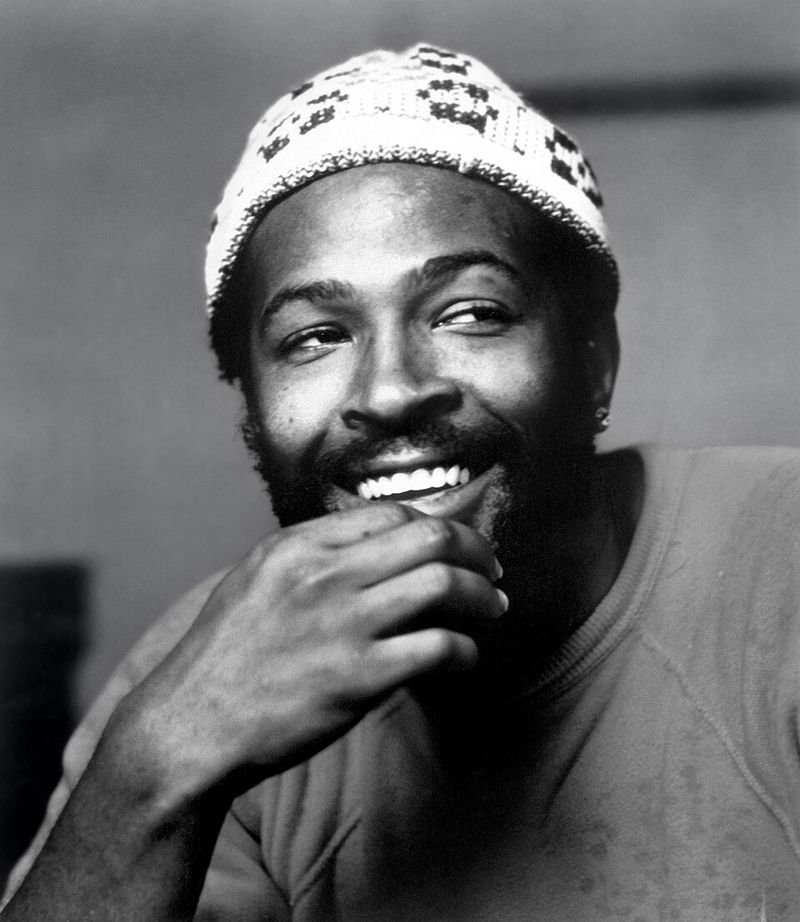
Marvin Gaye recorded this track in one of the most productive periods of his career, releasing it just two years after the groundbreaking “What’s Going On.” The song hit number one on the Billboard Hot 100 in September 1973 and stayed in the cultural conversation long after its chart run ended.
Gaye co-wrote the song with Ed Townsend, and the two built it around a slow, steady groove that became immediately recognizable. The production was deliberately stripped back, allowing Gaye’s vocal performance to carry most of the emotional weight.
Motown initially had some hesitation about the song’s direct subject matter, but Gaye pushed forward, and the result became one of the label’s best-selling singles of the decade. Its influence on R&B production techniques continued well into the 1980s and 1990s, with countless producers citing it as a reference point.
Few recordings from any era have maintained that level of relevance across so many different generations of listeners.
2. Crocodile Rock by Elton John
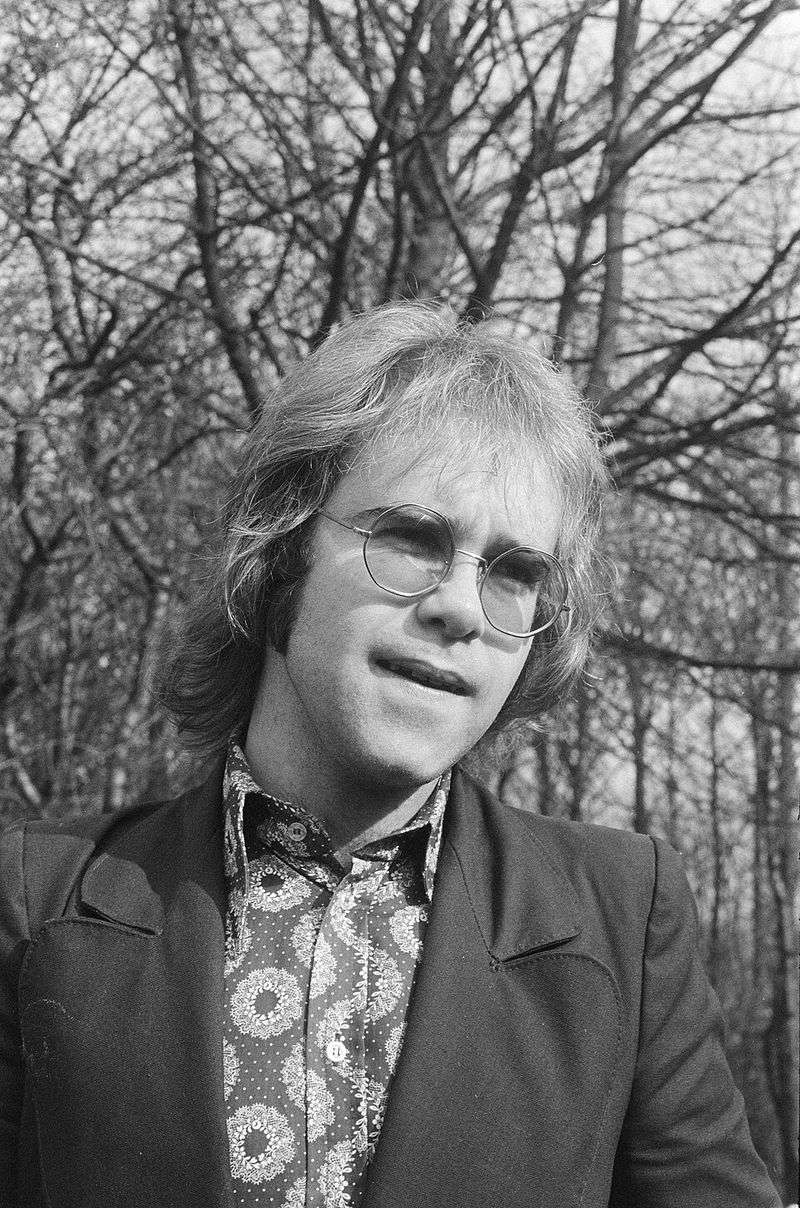
Elton John’s first number one hit on the Billboard Hot 100 was a deliberate nod to the early rock-and-roll era he grew up admiring. Released in late 1972 and climbing the charts into early 1973, it became a defining moment in his rise to superstardom in the United States.
The song was written with lyricist Bernie Taupin and drew inspiration from artists like Buddy Holly and Bill Haley. John even incorporated a keyboard melody that echoed the style of 1950s pop, giving the track a playful retro feel that stood out against the heavier sounds dominating rock radio at the time.
Reaching number one in January 1973, it opened the door for a remarkable run of chart success throughout the decade. John would go on to dominate the 1970s like few artists before or since, but this particular song marked the turning point where American audiences fully embraced him.
Its singalong chorus has never gone out of style.
3. Piano Man by Billy Joel
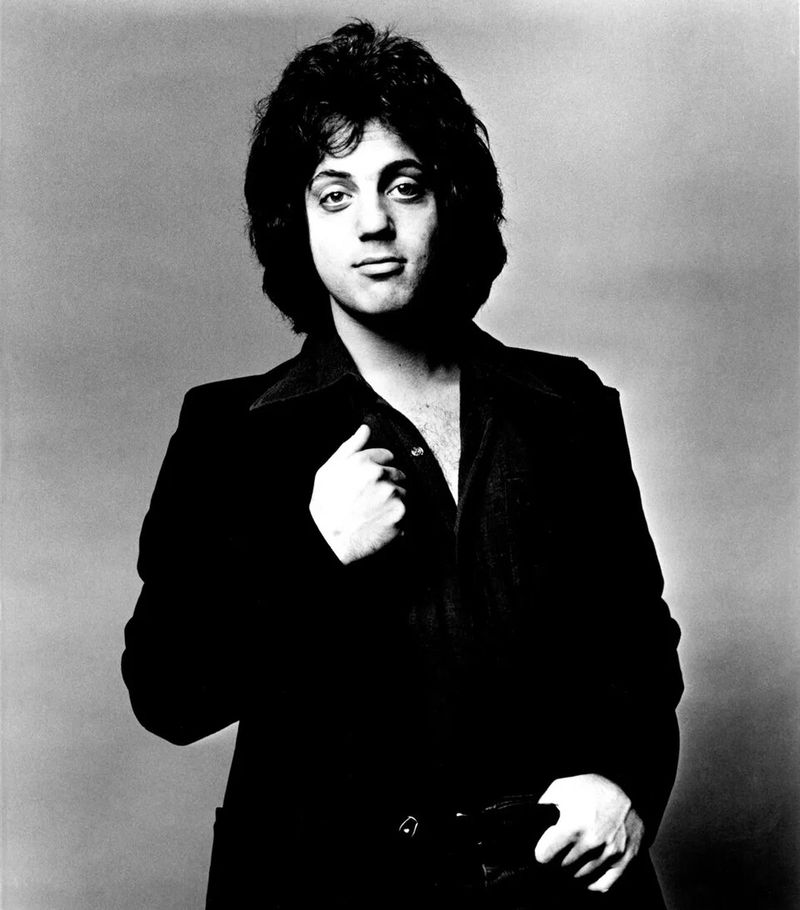
When Billy Joel was hired to play piano at the Executive Room lounge in Los Angeles in 1972, he was a struggling musician using a fake name to avoid breaking a record contract. The characters he met during those months became the inspiration for one of the most recognizable songs in American pop history.
Released in November 1973, “Piano Man” did not immediately set the charts on fire, peaking at number 52 on the Hot 100. However, radio programmers kept returning to it, and over time it became Joel’s signature track and one of the most-requested songs at live performances worldwide.
The song’s structure is built around a waltz-time rhythm, which was an unusual choice for pop radio in that era. Joel used the harmonica as a central instrument, giving the track a folk-influenced texture that separated it from the piano-driven pop of its contemporaries.
Its detailed character sketches remain a masterclass in narrative songwriting, studied by aspiring songwriters to this day.
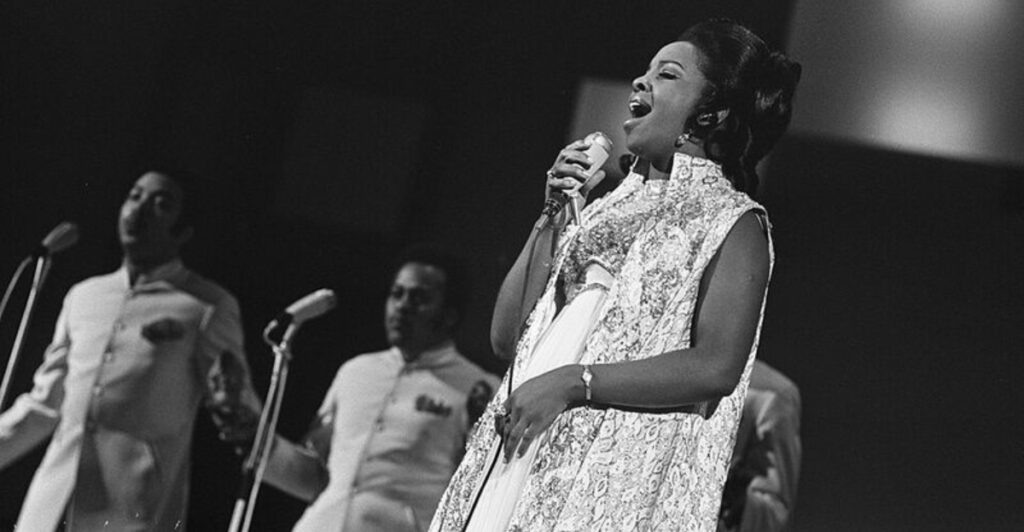
4. Midnight Train to Georgia by Gladys Knight & the Pips
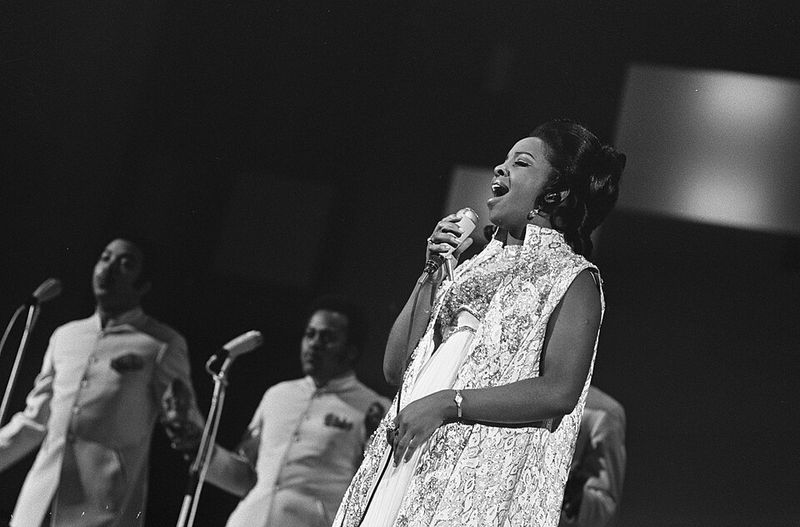
Originally written by Jim Weatherly and first recorded as “Midnight Plane to Houston,” the song was reworked after Gladys Knight heard Cissy Houston perform a version of it. Knight suggested changing the setting to Georgia, and that simple adjustment helped transform it into one of the most emotionally resonant recordings of the decade.
Released in August 1973, it reached number one on the Billboard Hot 100 in November and earned the group a Grammy Award for Best Rhythm and Blues Song. It was the Pips’ biggest commercial success and the recording that cemented Knight’s status as one of the premier vocalists of her generation.
The Pips, her backup group, contributed choreography and vocal harmonies that were as carefully constructed as the lead performance itself. The song’s story about choosing love over ambition struck a chord with listeners navigating a rapidly changing social landscape in the early 1970s.
Decades later, it remains a staple of classic soul radio and a benchmark for vocal performance in the genre.
5. Bad, Bad Leroy Brown by Jim Croce
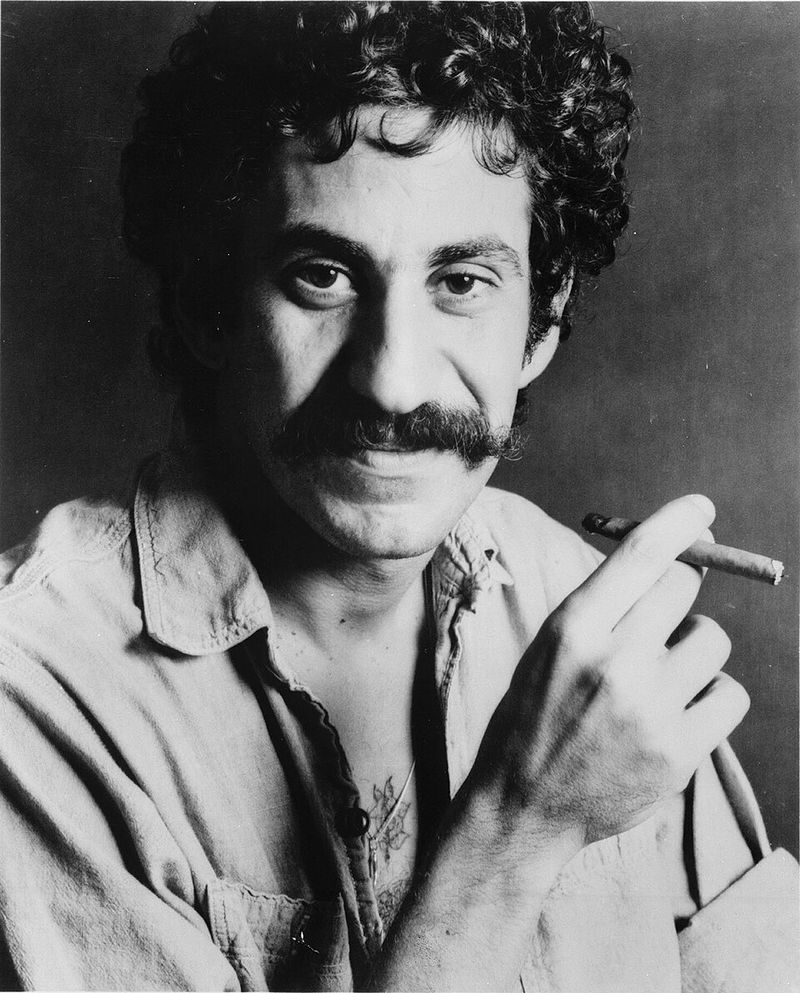
Jim Croce had a gift for writing songs that felt like short stories set to music, and this track stands as one of his finest examples. Inspired by a real person Croce encountered while serving in the U.S.
Army, the song turned a tough-guy character from Chicago’s South Side into a pop culture fixture.
It reached number one on the Billboard Hot 100 in July 1973 and was named the number two song of the entire year on the year-end chart. Croce blended folk fingerpicking with blues-inflected storytelling in a way that appealed to listeners across country, pop, and rock radio simultaneously.
Tragically, Croce passed away in a plane accident in September 1973, just weeks after the song had topped the charts. His posthumous single “Time in a Bottle” also reached number one later that year, making 1973 a bittersweet but historically significant chapter in his legacy.
His catalog has never stopped finding new audiences, particularly among listeners who appreciate lyric-driven folk and pop.
6. The Most Beautiful Girl by Charlie Rich
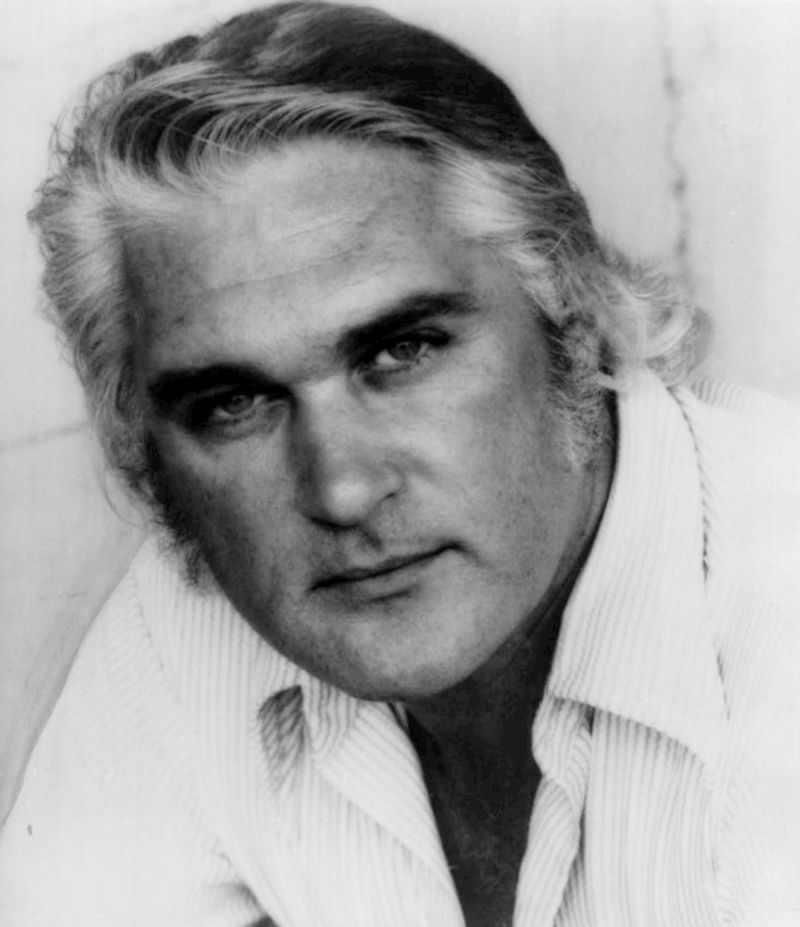
Charlie Rich had been recording for years without a massive crossover hit when this song changed everything for him in late 1973. Its polished production and understated vocal delivery connected with country audiences and pop listeners at the same time, something that was still relatively rare in that era.
The song topped both the Billboard Hot 100 and the country singles chart, making Rich one of the few artists that year to achieve that kind of dual-chart dominance. Producer Billy Sherrill crafted a lush, orchestrated sound that gave country music a more mainstream polish, which became known as the “countrypolitan” style.
Rich’s approach was restrained and dignified, letting the melody and lyrics do the heavy lifting rather than relying on vocal theatrics. The song’s crossover success helped expand country music’s audience during a period when the genre was actively seeking broader appeal.
Rich was named the Country Music Association’s Entertainer of the Year in 1974, a direct result of the momentum this song created.
7. Killing Me Softly with His Song by Roberta Flack
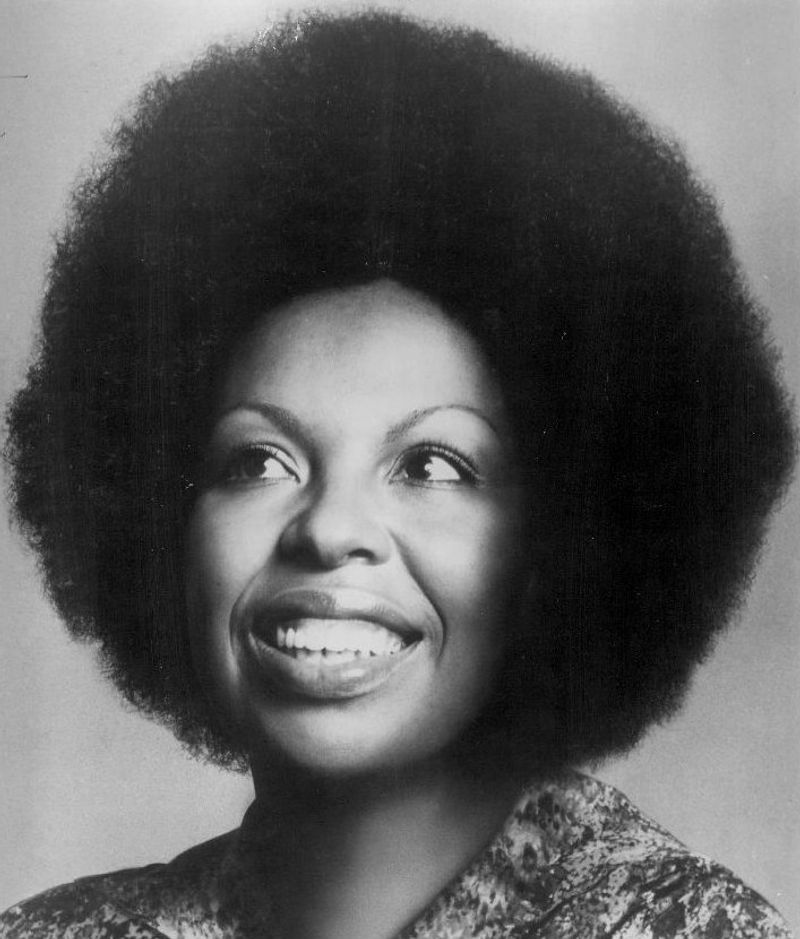
Roberta Flack first heard “Killing Me Softly” performed by Lori Lieberman on a flight in 1972 and immediately recognized something extraordinary in the song. She recorded her own version, and it became one of the defining recordings of 1973, spending five non-consecutive weeks at number one on the Billboard Hot 100.
The song earned Flack the Grammy Award for Record of the Year, her second consecutive win in that category after “The First Time Ever I Saw Your Face” in 1972. That back-to-back achievement had never been accomplished before and remains a remarkable milestone in Grammy history.
The lyrics, written by Norman Gimbel with music by Charles Fox, describe the experience of hearing a performer sing as though he knows your private thoughts. Flack’s controlled, deliberate vocal style suited the material perfectly, creating a recording that felt both intimate and cinematic.
The song was later covered by the Fugees in 1996, introducing it to an entirely new generation of listeners who then discovered Flack’s original.
8. Tie a Yellow Ribbon Round the Ole Oak Tree by Tony Orlando and Dawn
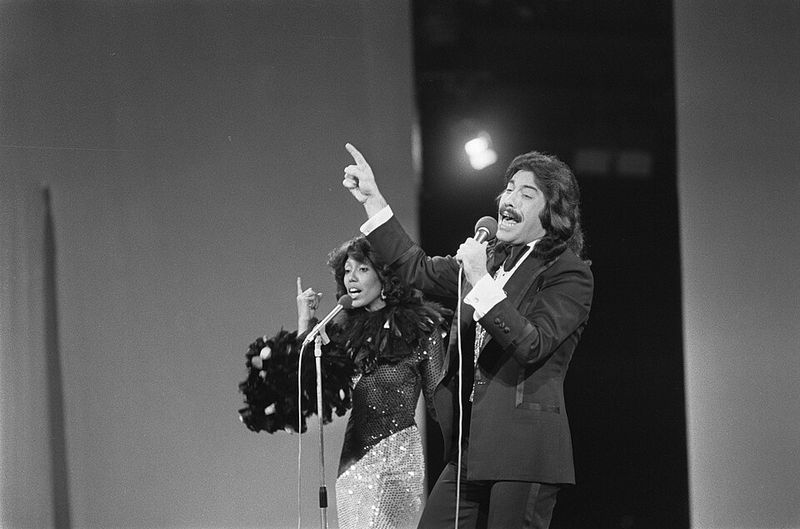
Few songs dominated a single calendar year the way this one did in 1973. It topped the Billboard Hot 100 for three weeks and was ranked as the number one song of the entire year on the year-end chart, outselling everything else released in a remarkably competitive twelve months.
The song was based loosely on a folk tale about a prisoner returning home and asking his partner to display a ribbon if she still wanted him. Irwin Levine and L.
Russell Brown wrote it with that narrative in mind, and Tony Orlando’s enthusiastic delivery turned the storytelling into a genuine radio event.
Beyond its chart performance, the yellow ribbon image became embedded in American popular culture. It was later repurposed as a symbol of support for military personnel during the Iran hostage crisis in 1979 and again during the Gulf War in the early 1990s.
A pop song becoming a lasting national symbol is an extraordinary cultural journey that few recordings ever complete.
9. Daniel by Elton John
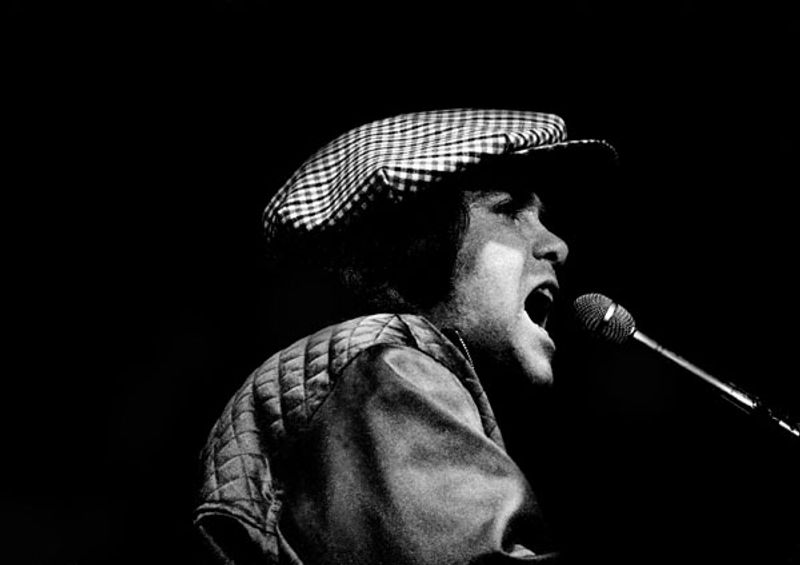
Bernie Taupin wrote the lyrics for this song based on a magazine article about a Vietnam veteran returning to civilian life and struggling to readjust. The final verse, which would have clarified the story, was cut before recording, leaving the narrative intentionally ambiguous and open to interpretation by listeners.
Released in the spring of 1973, the song reached number two on the Billboard Hot 100, kept from the top spot by Tony Orlando’s ribbon song. Despite not reaching number one in the United States, it became one of Elton John’s most beloved recordings and a staple of his live performances across five decades.
The song’s restrained, piano-driven arrangement contrasted sharply with the louder, more theatrical material John was also releasing at the time. That contrast showed his range as a performer and helped broaden his audience beyond the glam-rock crowd.
John has performed it at nearly every major concert tour since its release, which speaks to its enduring connection with audiences worldwide.
10. Drift Away by Dobie Gray
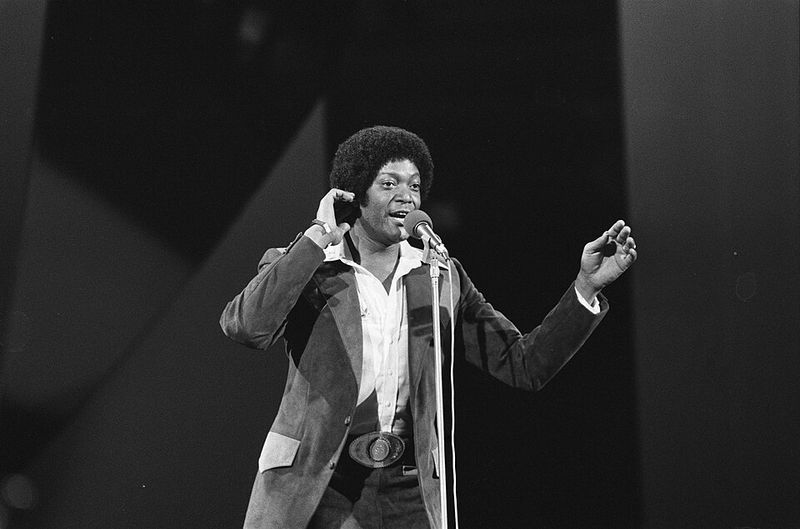
Written by Mentor Williams and released by Dobie Gray in early 1973, this song peaked at number five on the Billboard Hot 100 but found its real staying power through decades of radio airplay. It is one of those recordings that charted modestly upon release yet became far more famous over time than its original chart position would suggest.
Gray’s vocal performance had a relaxed, conversational quality that made the song feel personal rather than polished. The production leaned into a soft rock style that was gaining traction in the early 1970s, blending country-influenced guitar with smooth pop arrangements.
The song was covered by Uncle Kracker in 2003, and that version reached number nine on the Hot 100, introducing the original to a new wave of listeners thirty years after its debut. Williams reportedly turned down a significant cash offer to sell the publishing rights, a decision that paid off enormously as the song’s cultural footprint kept growing.
It has been licensed for use in films, television shows, and commercials repeatedly since its release.
11. Ramblin’ Man by The Allman Brothers Band
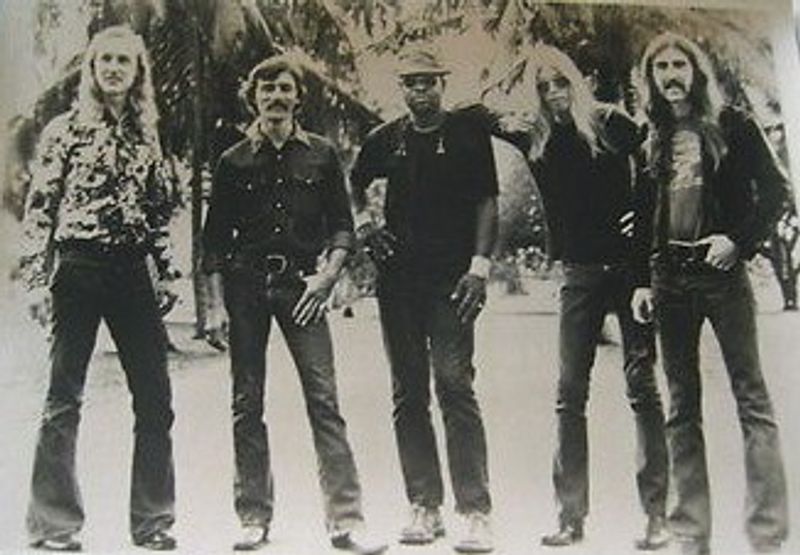
Guitarist Dickey Betts wrote this song, which marked a shift in the Allman Brothers Band’s sound toward a more accessible, country-influenced style. It became the group’s highest-charting single, reaching number two on the Billboard Hot 100 in the fall of 1973.
The track featured a twin-guitar harmony solo that became one of the most studied passages in Southern rock history. Betts and guitarist Les Dudek worked out the harmony lines together, and the resulting instrumental section helped define what Southern rock guitar playing could sound like at its most refined.
The song appeared on the “Brothers and Sisters” album, which reached number one on the Billboard 200 and stayed there for five weeks. That commercial success helped Southern rock move from a regional genre to a nationally recognized style.
The Allman Brothers Band had already built a reputation as one of the great live acts in American music, and this recording gave them the mainstream chart presence to match that reputation.
12. We’re an American Band by Grand Funk Railroad
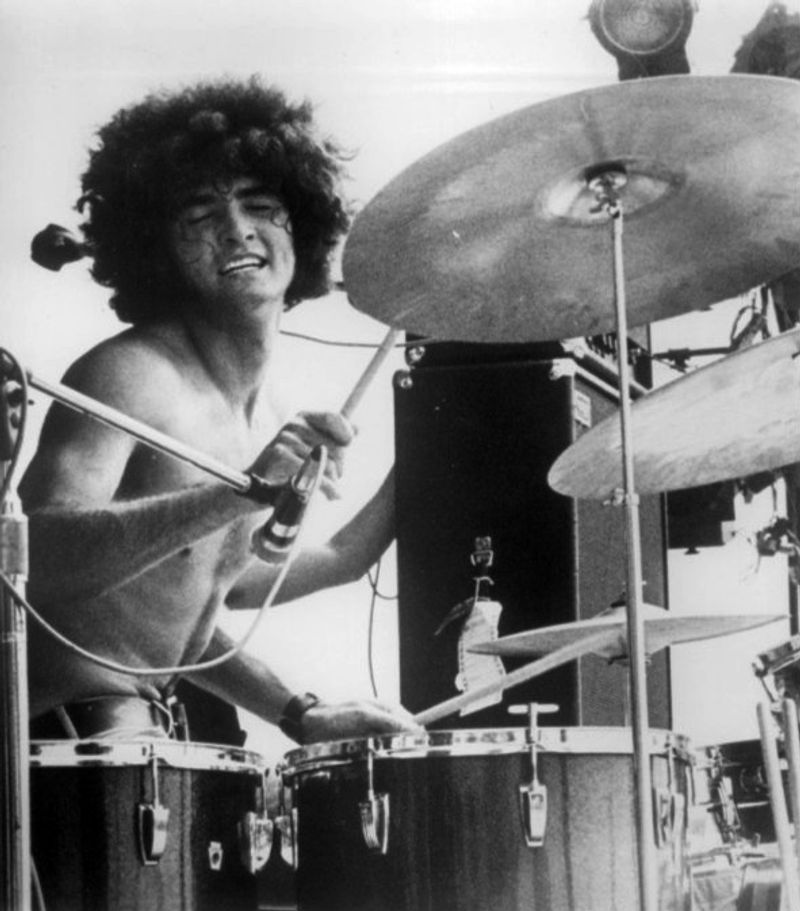
Grand Funk Railroad was one of the best-selling American rock acts of the early 1970s, yet they received surprisingly little critical respect from music publications of the era. This song, written by drummer Don Brewer, became their first and only number one hit on the Billboard Hot 100, reaching the top spot in September 1973.
The track was produced by Todd Rundgren, who helped the band achieve a tighter, more radio-friendly sound than their earlier hard rock recordings. Brewer’s lyrics celebrated the experience of being a touring rock band in America, referencing specific cities and capturing the energy of life on the road in a direct, unadorned way.
The song’s success validated the band’s approach during a period when arena rock was becoming a dominant commercial force. Grand Funk had sold out Shea Stadium in 1971 faster than the Beatles had in 1965, a fact that stunned the music industry at the time.
This recording gave their commercial popularity a chart achievement to match the massive scale of their live audience.
Share this story