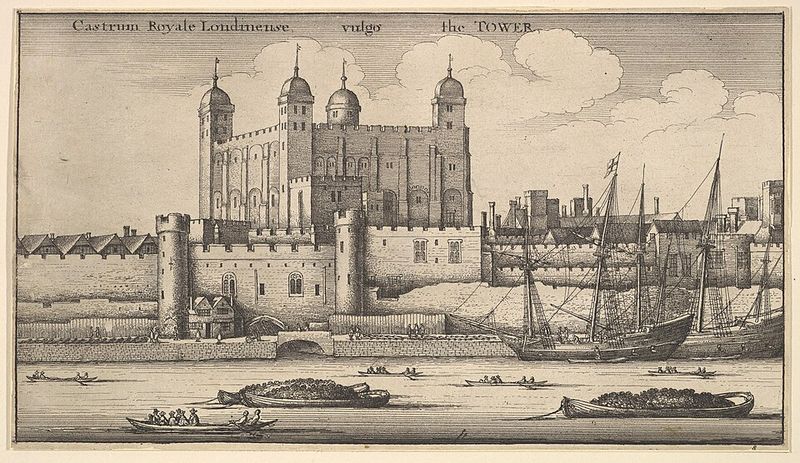
The Tower of London has stood on the north bank of the River Thames since William the Conqueror began construction in the 1070s. Over nearly a thousand years, it has served as a royal palace, a prison, an armory, a treasury, and even a zoo.
Layers of history are literally buried beneath its stones, and every time a restoration crew picks up a tool or an archaeologist breaks ground, something unexpected tends to turn up. From the bones of children wrapped in royal mystery to everyday objects that paint a vivid picture of medieval life, the Tower keeps revealing surprises.
The discoveries range from the deeply puzzling to the quietly fascinating, and together they tell a story far richer than any single history book could capture. What follows is a look at some of the strangest things ever found inside one of Britain’s most iconic landmarks.
1. The Skeletons of the Princes in the Tower
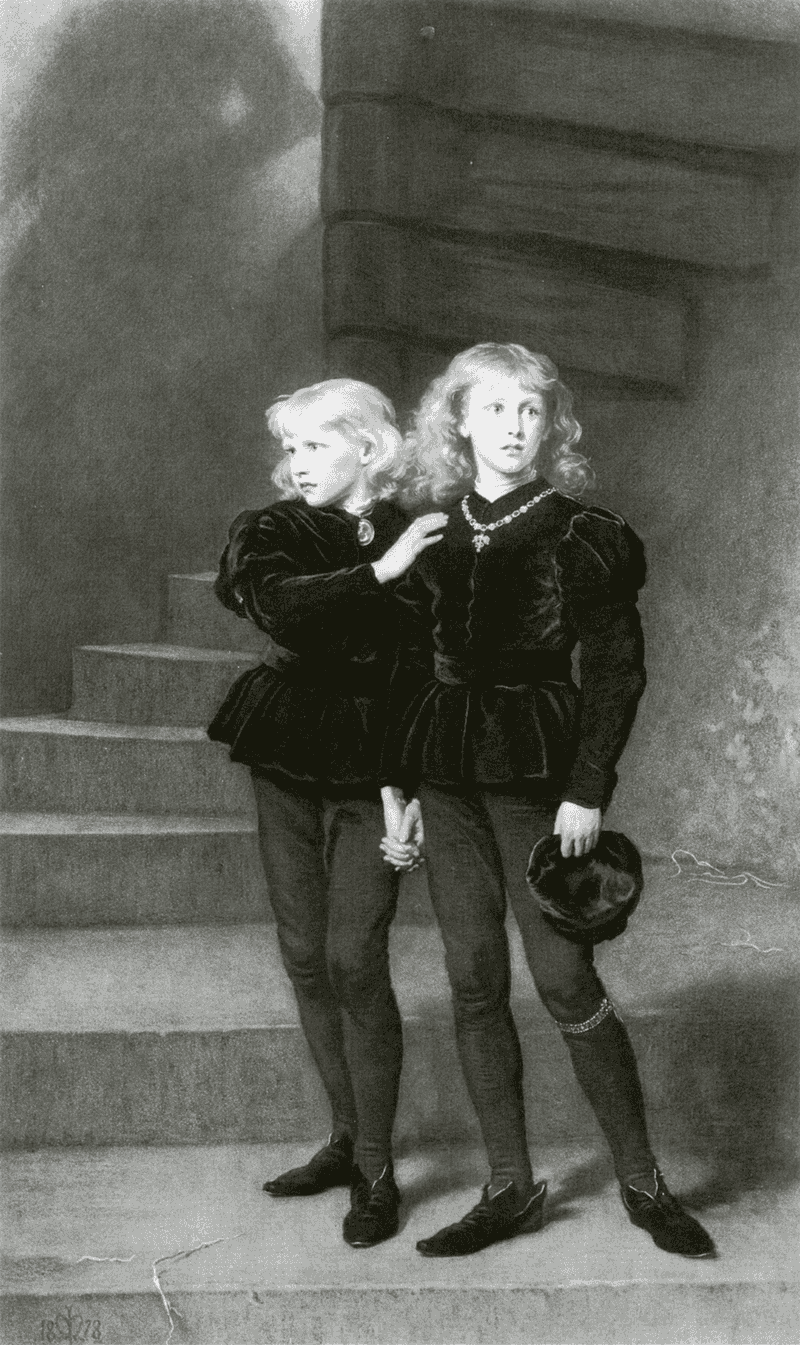
In 1674, workers demolishing a staircase inside the White Tower made one of the most talked-about discoveries in English history. A wooden chest buried roughly ten feet underground contained the skeletons of two young children, believed to be Edward V, aged around 12, and his younger brother Richard of York, aged around 9.
The boys had been placed in the Tower in 1483 by their uncle, the future Richard III, and were never seen in public again. King Charles II ordered the remains reburied in Westminster Abbey, where they rest today.
Scientists have never been permitted to conduct modern DNA testing on the bones, so the mystery officially remains open. Historians continue to debate who was responsible, and the case has inspired centuries of books, plays, and investigations without a definitive answer.
2. A Polar Bear’s Leash
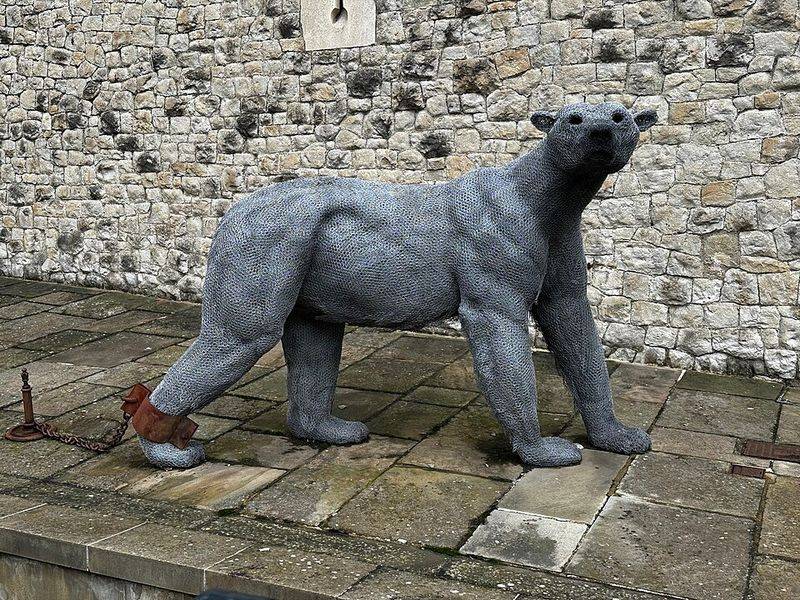
King Henry III received some unusual diplomatic gifts during his reign, but a polar bear from the King of Norway in 1252 stands out as particularly remarkable. Historical records confirm that the bear was kept at the Tower’s Royal Menagerie, which had been established just a few decades earlier.
What makes this discovery especially striking is the documented method of keeping the animal. The bear was fitted with a long iron chain and allowed to fish in the River Thames, essentially functioning as a live fishing tool.
Archaeological work at the Tower has supported these written accounts, and the leash and chain hardware have been referenced in historical inventories. The polar bear was one of the most exotic residents the Menagerie ever housed, and its presence in medieval London would have been genuinely astonishing to ordinary citizens of the time.
3. Lion Skeletons from the Royal Menagerie
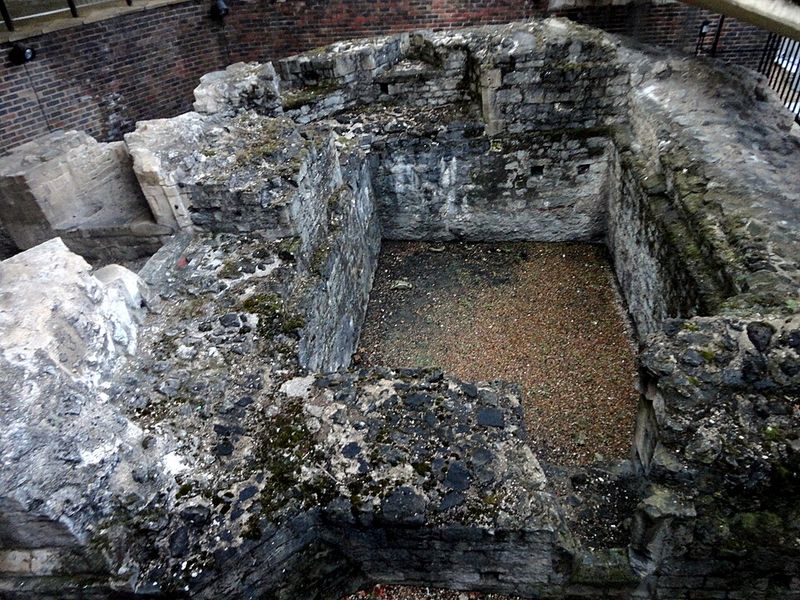
When archaeologists conducted excavations near the Tower’s moat in 2012, they uncovered something that confirmed centuries of royal records: the bones of several lions that once lived in the Royal Menagerie. Carbon dating placed some of the remains between the 13th and 15th centuries.
Scientific analysis revealed that these lions had likely been transported from North Africa, and their teeth showed signs of stress consistent with a captive diet very different from what they would have eaten in the wild. The Menagerie operated at the Tower for roughly 600 years before closing in 1835.
These lion bones gave researchers a rare opportunity to study how medieval Europeans managed large exotic animals. The findings also shed light on the political significance of gifting wild animals between monarchs, a practice that demonstrated power, wealth, and international connection across the medieval world.
4. Ancient Roman Foundations
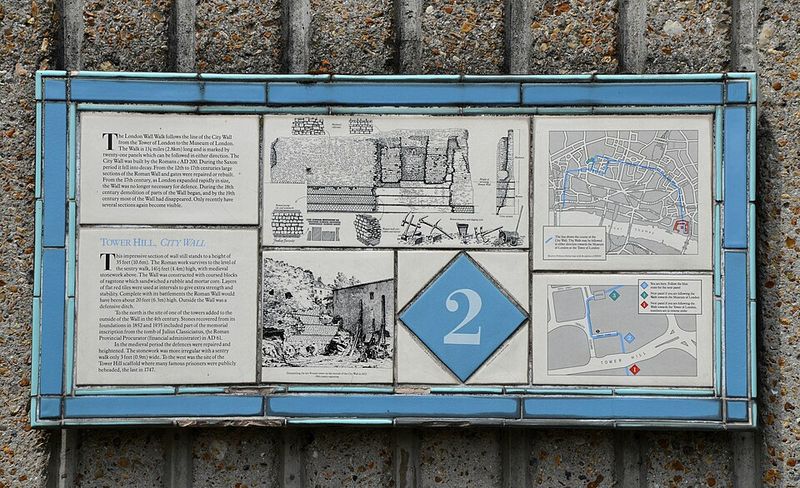
The Tower of London sits on ground that was occupied long before William the Conqueror arrived. Excavations have revealed sections of Roman walls and structural foundations beneath the complex, dating back to when Londinium was a thriving Roman settlement in the 1st and 2nd centuries AD.
A particularly notable find was a fragment of a decorated samian pottery bowl discovered during a 2019 trial excavation. Samian ware was mass-produced in Roman Gaul, which is modern-day France, and this piece dated to the late 2nd century AD.
Visible fingerprints on the bowl suggested it had been made in a hurry.
A fragment of a Roman jet bracelet was also recovered from the same excavation. Together, these objects confirm that the Tower’s site has been strategically occupied for close to two thousand years, long predating the Norman fortress that tourists visit today.
5. Prisoners’ Hidden Graffiti
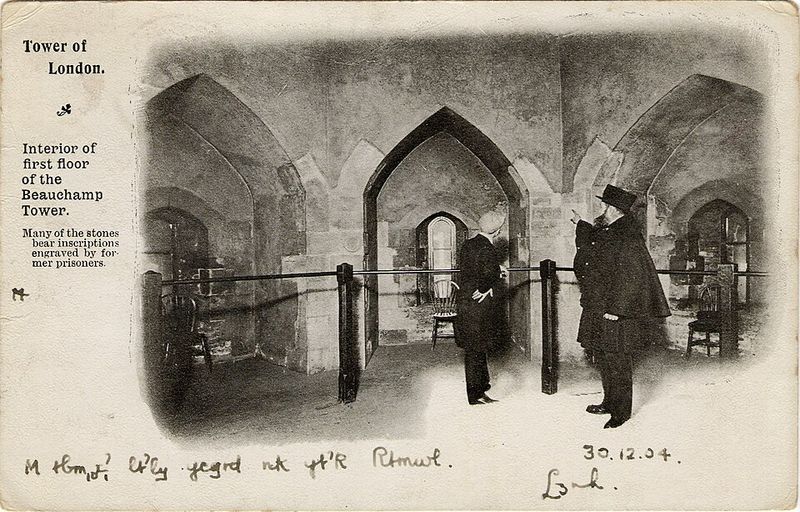
The walls of the Beauchamp Tower and other sections of the fortress contain some of the most personal historical records ever found in Britain. Prisoners held at the Tower during the 15th, 16th, and 17th centuries carved messages, names, religious symbols, and even elaborate decorative panels directly into the stone walls of their cells.
One of the most well-known examples was carved by John Dudley in 1553, featuring a bear and ragged staff alongside his family name. Other carvings include astrological symbols, heraldic devices, and Latin prayers that reflect the religious anxieties of the Tudor period.
These inscriptions were not vandalism in the modern sense. For many prisoners, carving into stone was the only way to leave a permanent record of their existence.
Historians treat these markings as primary sources, offering direct insight into the mental and spiritual lives of people held at the Tower.
6. Human Bones Beneath the Chapel
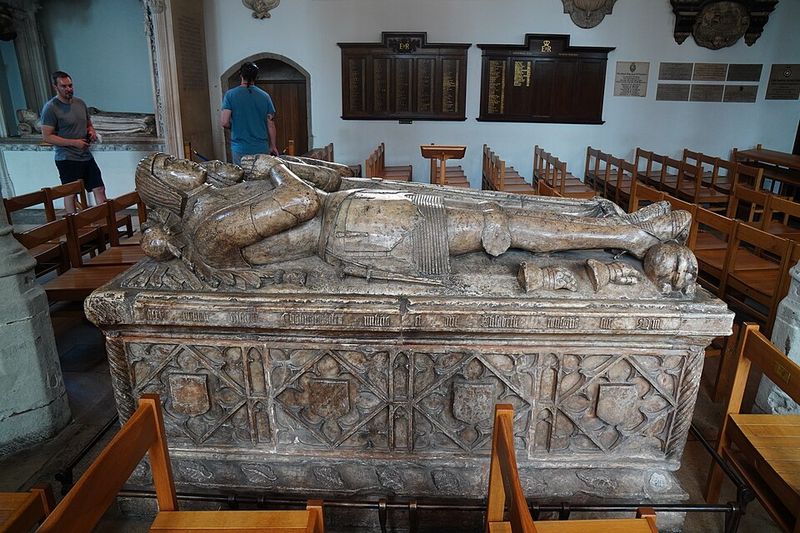
The Chapel Royal of St. Peter ad Vincula, which sits within the Tower’s inner ward, has been the site of several significant archaeological discoveries. Excavations uncovered human remains believed to belong to individuals who were executed within the Tower grounds during England’s most turbulent political periods.
A 2023 dig near the chapel revealed a mass grave that researchers linked to the 14th century, potentially connected to victims of the Black Death. The same excavation uncovered two intact skeletons: a woman aged around 40 and a 7-year-old girl, buried in connected plots.
Analysis of the adult woman’s bones showed she had been born outside London, had moved inland at some point in her life, and had maintained a diet rich in sugars, suggesting a higher social standing. These were the first complete Tower skeletons to undergo full osteoarchaeological analysis in nearly fifty years.
7. Medieval Gambling Dice
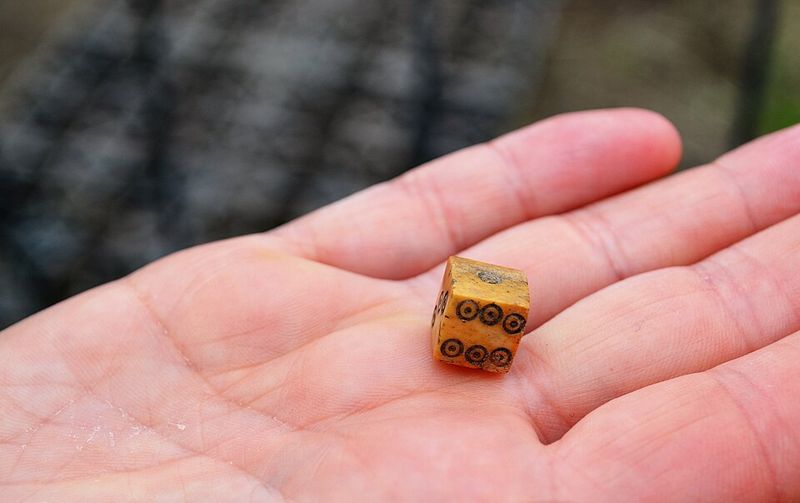
Not everything discovered at the Tower speaks to grand historical events. Among the more ordinary finds were several small dice recovered from debris and crevices during restoration work, offering a quiet glimpse into the daily routines of the people who lived and worked within the fortress walls.
Dice made from bone were extremely common in medieval England. Guards, soldiers, servants, and even prisoners are known from historical records to have passed time with games of chance, despite regulations that periodically banned gambling among military personnel.
These dice connect the Tower to a very human side of history. The same fortress that housed kings and imprisoned nobles also sheltered bored guards who rolled dice in quiet corners.
Finding these objects reminds researchers that the Tower was not just a symbol of royal power but a functioning community where everyday life continued regardless of the drama unfolding at the highest levels.
8. A Hidden Tudor Doorway
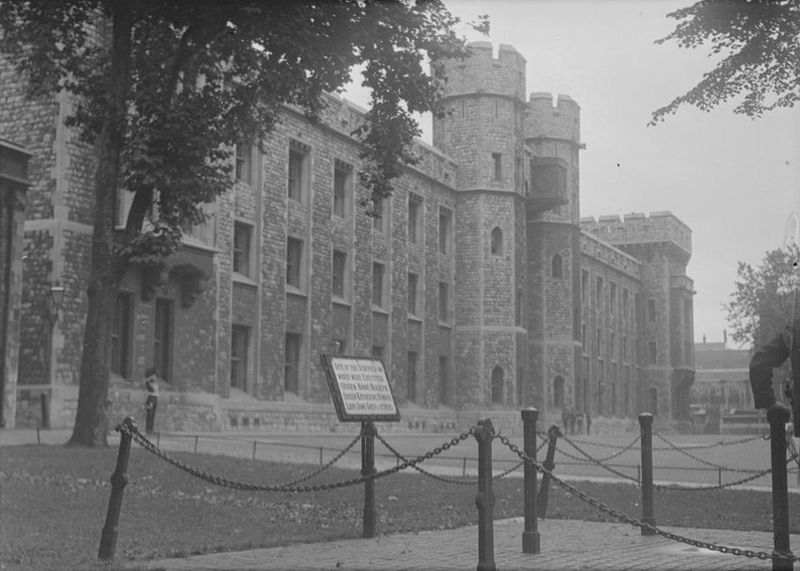
Restoration crews working at the Tower have repeatedly encountered architectural surprises sealed behind centuries of later construction. One of the most interesting was a Tudor-era doorway that had been bricked over and forgotten, likely during renovations carried out in the 17th or 18th century.
Tudor construction at the Tower was extensive, particularly during the reigns of Henry VIII and Elizabeth I, when the complex was expanded and modified repeatedly. Doorways that connected buildings or provided access between sections were sometimes sealed when those routes became unnecessary or inconvenient.
The 2023 excavation near the Chapel Royal also confirmed the existence of Tudor walls belonging to a previously undocumented building adjacent to the chapel. These findings show that the Tower’s layout was far more complex and layered than even detailed historical plans had suggested.
Each sealed doorway represents a decision made by someone centuries ago that quietly shaped how the fortress functioned for generations afterward.
9. Exotic Animal Skulls
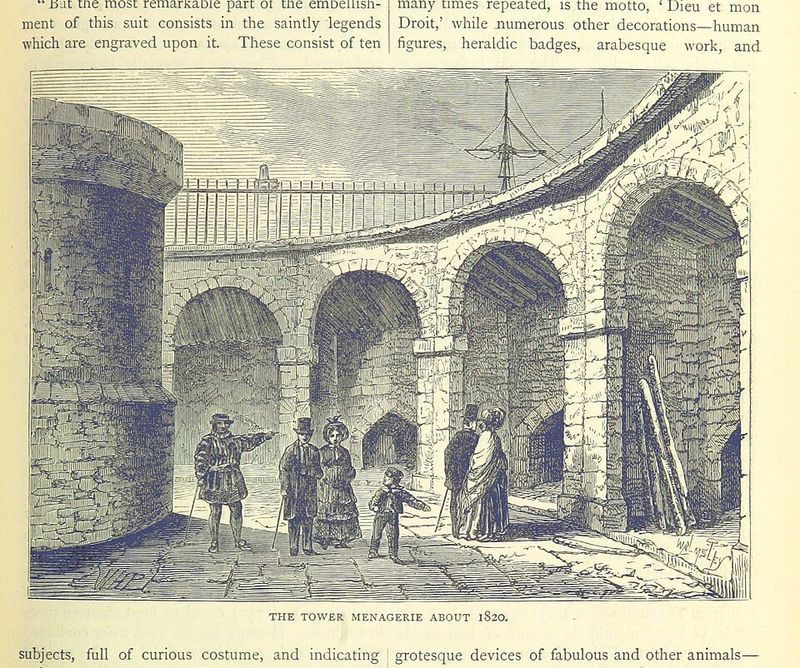
The Royal Menagerie at the Tower housed far more than lions and polar bears. Excavations have produced skeletal remains from leopards, monkeys, and other animals that once drew curious crowds to the Tower grounds.
These bones have been confirmed through archaeological analysis conducted over several decades of excavation work.
Records show that the Menagerie received animals as diplomatic gifts from rulers across Europe, Africa, and Asia. A leopard, for example, was recorded as a gift to King John in 1204, making it one of the earliest documented exotic animals at the Tower.
The variety of species represented in the excavated remains reflects just how broad medieval trade and diplomacy networks actually were. For ordinary Londoners of the 13th or 14th century, a visit to the Tower to see a leopard or monkey would have been the closest thing to a modern zoo experience that existed anywhere in England at the time.
10. A Mummified Cat
Finding a mummified cat inside a centuries-old building might sound alarming, but it was actually a deliberate practice in medieval and early modern construction. Workers routinely placed the bodies of cats inside walls, floors, and roof spaces as a method of controlling rodent populations, or in some cases, as a folk tradition believed to ward off misfortune.
A mummified feline was discovered during restoration work at the Tower, preserved in the dry conditions created by the thick stone masonry surrounding it. The practice of placing cats inside walls has been documented at dozens of historic buildings across England.
At the Tower, where grain stores and food supplies were kept for large numbers of residents, rodent control was a serious practical concern. The cat’s placement inside the wall was almost certainly functional rather than ceremonial, though the two motivations were not always clearly separated in the minds of medieval builders.
11. Forgotten Weapons Caches
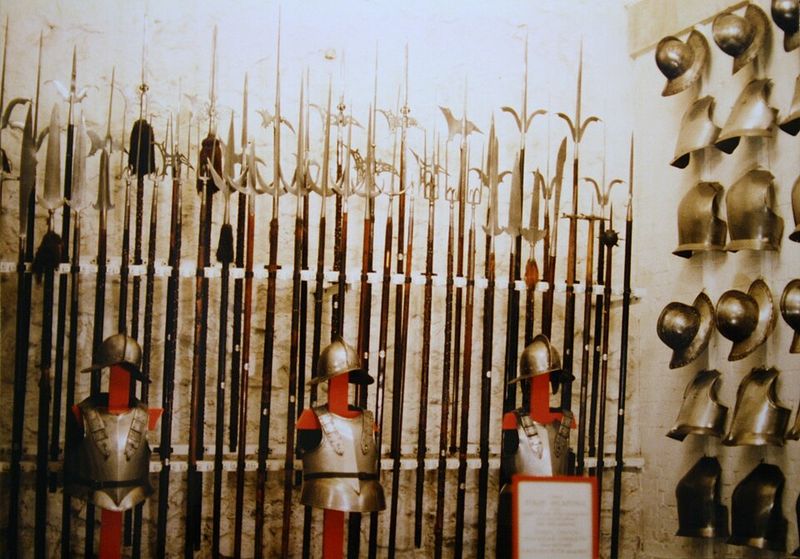
As one of England’s primary armories for several centuries, the Tower accumulated an enormous quantity of weapons and military equipment. Some of that equipment was eventually misplaced, stored, and forgotten as the Tower’s function shifted over time.
Restoration projects have occasionally uncovered these hidden caches in sealed storage rooms and wall cavities.
Workers have found swords, cannonballs, musket parts, and various pieces of military hardware tucked into areas that had been sealed during construction updates. Some of these items date back to the 16th century, when the Tower’s role as an active armory was at its peak.
The Tower’s official collection, now displayed in the White Tower, represents only a portion of the military equipment that once passed through the site. These forgotten caches suggest that the full inventory was never perfectly managed, and that some pieces simply slipped through the cracks of history and stayed there for centuries.
12. A Medieval Latrine Filled with Artifacts
Medieval latrines and waste pits are among the most productive sites for archaeologists, and the Tower’s examples have proven particularly rich. Excavations of ancient waste deposits inside the fortress have produced a wide range of everyday objects that would not have survived in other conditions.
Pottery shards, food remains including animal bones and seeds, clothing fragments, and small personal items have all been recovered from these deposits. A cattle jaw bone found at Legge’s Mount showed clear cut marks from butchery, providing direct physical evidence of how the Tower’s community fed itself over the centuries.
A complete 17th-century clay pipe was also found, its design allowing researchers to date it precisely between 1680 and 1710. Objects like this fill in the gaps between major historical events, showing what soldiers, servants, and Tower residents actually used, ate, and discarded during their time within the walls.
13. Evidence of Royal Pets
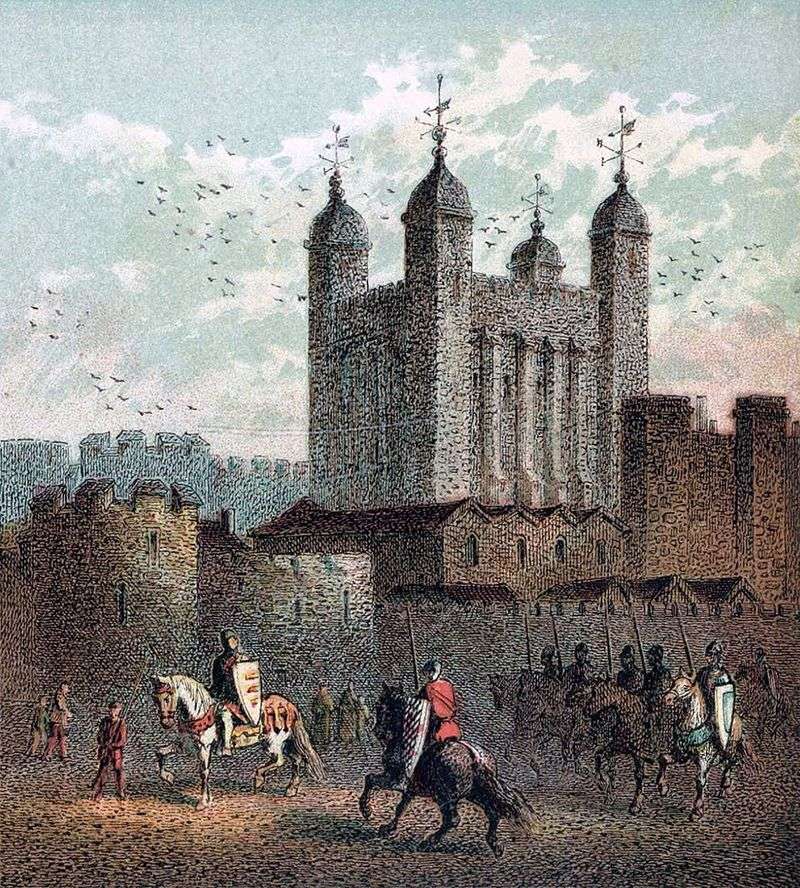
Alongside the exotic animals of the Royal Menagerie, the Tower was also home to more familiar creatures. A 17th-century dog skeleton was unearthed during excavations at the site, believed to have been a pet belonging to one of the Tower’s many residents rather than an animal connected to the Menagerie.
The discovery adds a surprisingly domestic dimension to the Tower’s history. For much of its existence, the complex functioned as a permanent residence for constables, guards, chaplains, and their families.
Keeping dogs as companions was entirely normal for households of that era.
Historical records mention various animals kept by Tower residents over the centuries, and physical evidence like this dog skeleton helps confirm those accounts. The Tower was not purely a place of royal ceremony or imprisonment; it was also a neighborhood of sorts, where families lived ordinary lives surrounded by extraordinary history.
14. Hidden Passages Within the Walls
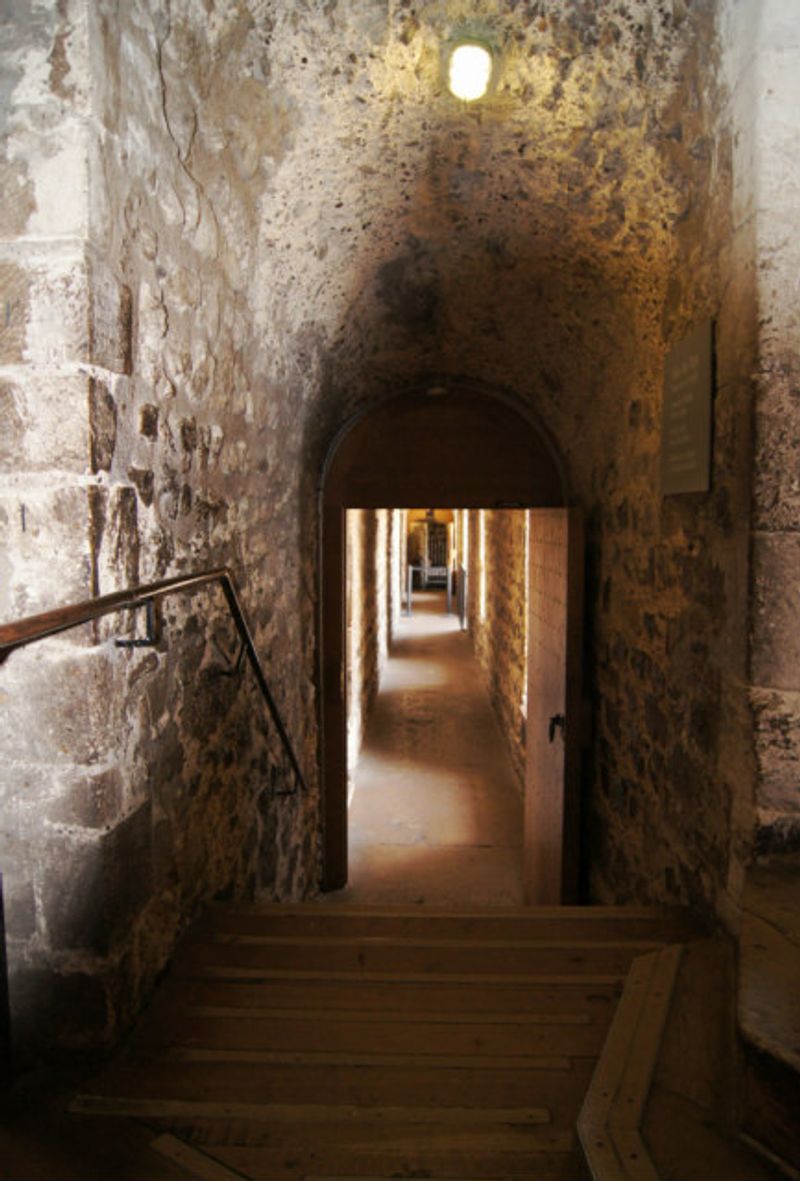
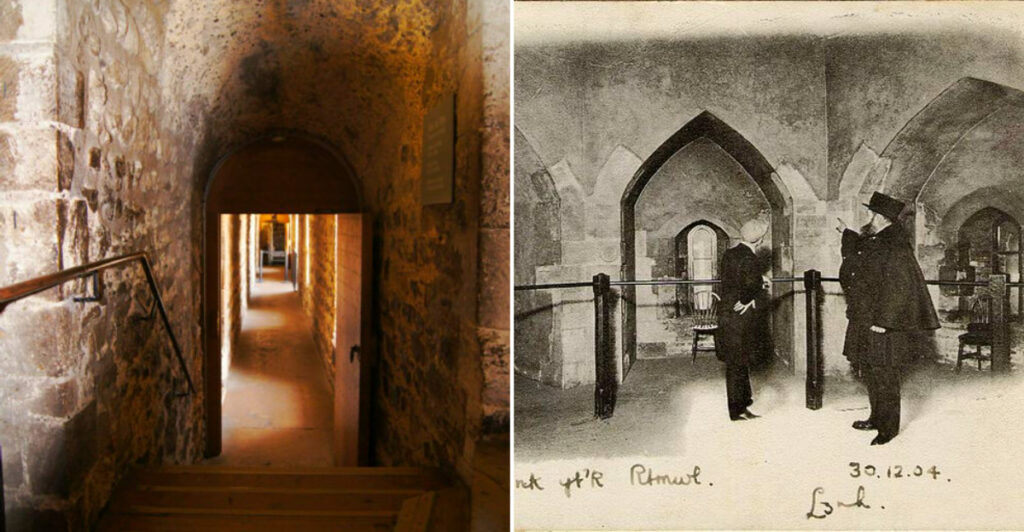
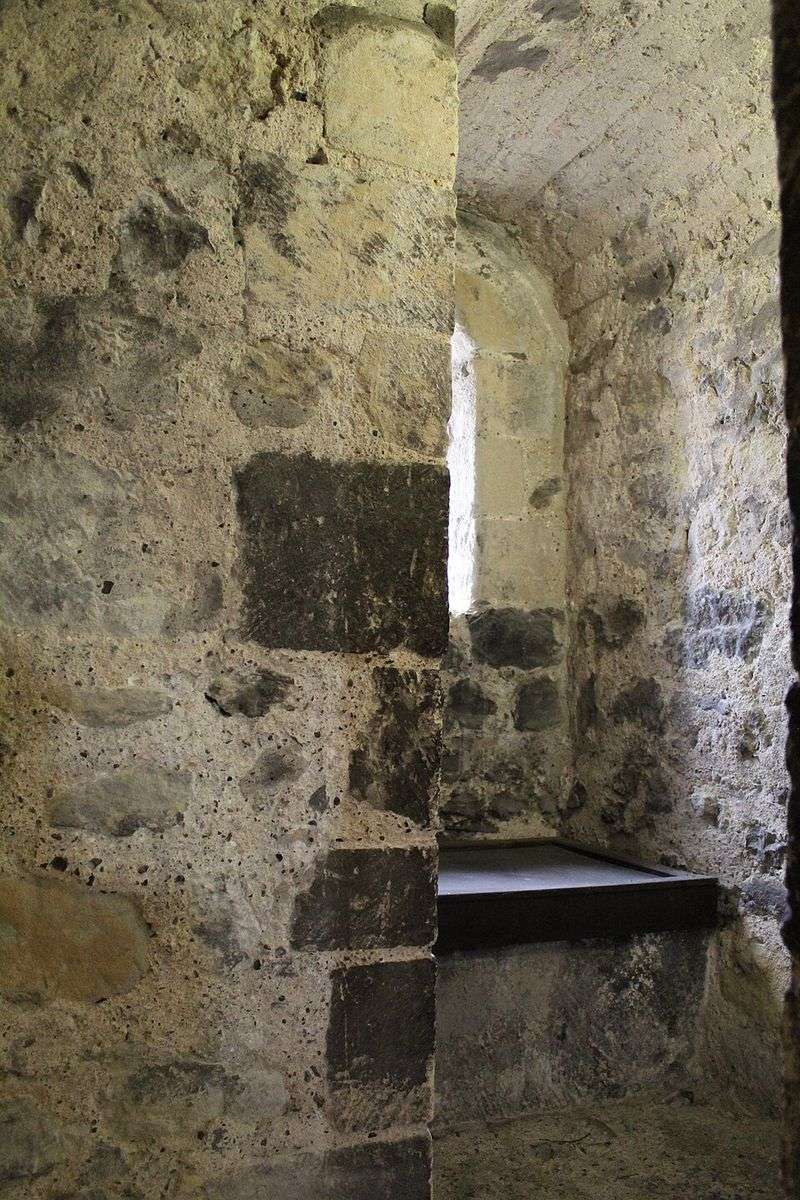
The Tower’s walls are extraordinarily thick, in some places reaching up to fifteen feet, and that thickness created opportunities for builders to include concealed corridors and passages within the masonry itself. Several of these hidden routes have been rediscovered during restoration and maintenance projects over the years.
Some passages were almost certainly designed for defensive purposes, allowing defenders to move quickly between positions without being seen from outside. Others may have served as private routes for guards making rounds or for residents who needed to move through the complex discreetly.
The existence of these hidden corridors also helps explain how the Tower functioned as both a public fortress and a private royal residence simultaneously. The same building that displayed royal power to visitors also contained private infrastructure that kept its daily operations running quietly behind the scenes.
Finding these passages reshapes how historians understand the Tower’s internal geography.
Share this story