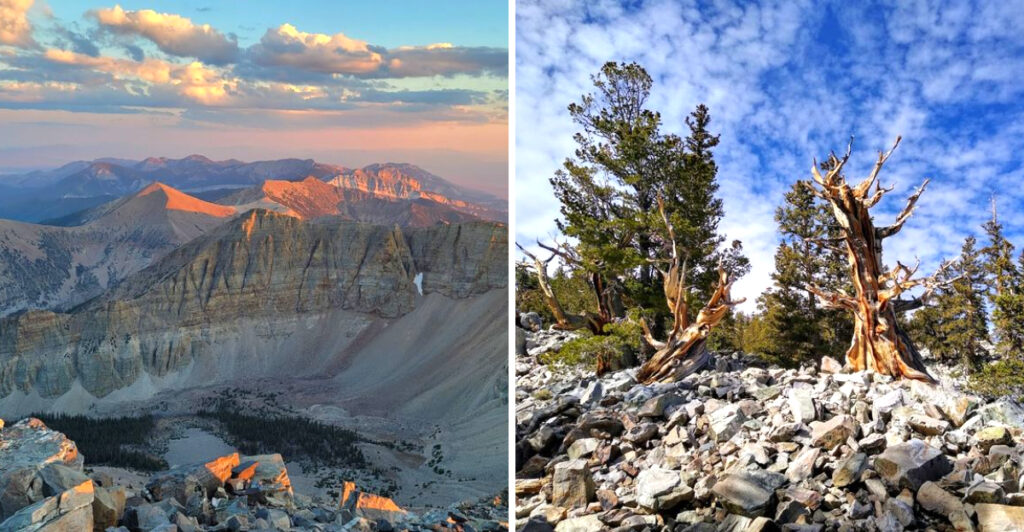
There is a place in the Nevada desert where trees have been alive since before the Egyptian pyramids were built, where underground caves glow with ancient formations, and where the night sky puts on a show that most city dwellers have never seen. I had no idea what I was walking into when I first made the long drive out to this remote corner of the American West.
What I found was one of the most quietly spectacular national parks in the entire country, a place that rewards curious visitors with layers of history, geology, and natural beauty at every turn. From ancient bristlecone pines to a glacier tucked inside the Great Basin Desert, this park defies every expectation you might have about Nevada.
The Ancient Bristlecone Pines
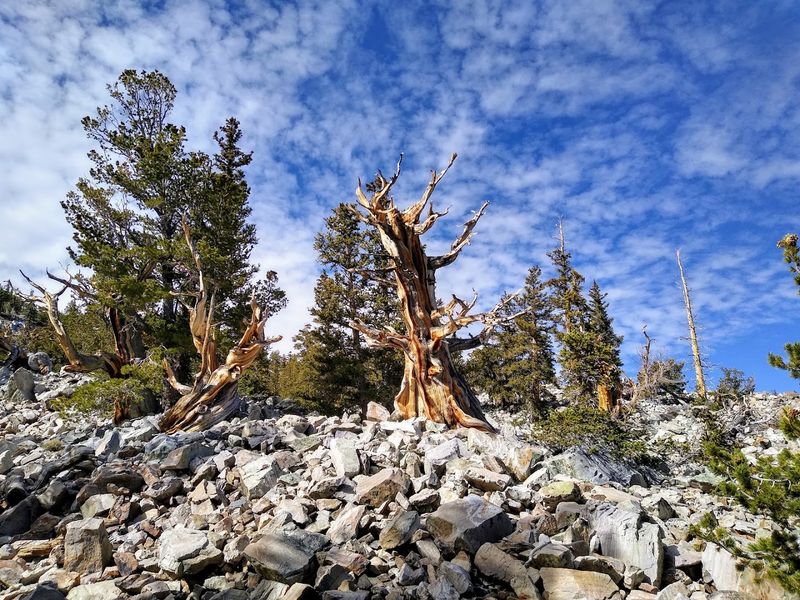
Some trees at Great Basin National Park have been alive for over 5,000 years, making them among the oldest living organisms on Earth. That number is hard to wrap your head around until you are actually standing next to one of these gnarled, wind-sculpted pines on a rocky ridge at nearly 10,000 feet of elevation.
The Bristlecone Pine Trail is a well-maintained path that winds through a grove of these remarkable trees. Their twisted trunks and sparse needles tell the story of thousands of years of survival in harsh, cold, and dry conditions.
What makes them so long-lived is precisely the difficulty of their environment. Slow growth in rocky, nutrient-poor soil produces dense, resin-rich wood that resists rot and insects.
Walking among them feels less like a hike and more like a quiet conversation with deep time itself.
Lehman Caves
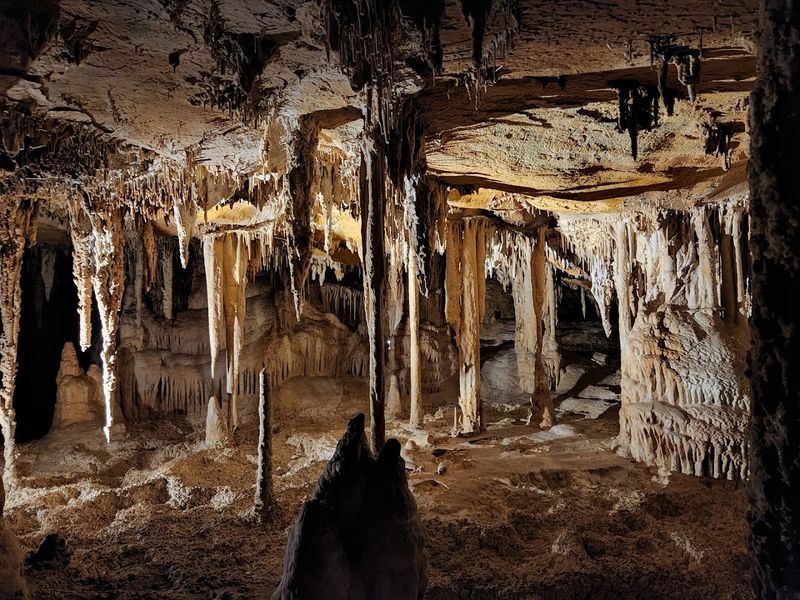
Few underground spaces in the American West match the sheer variety of formations found inside Lehman Caves. Stalactites, stalagmites, cave shields, helictites, and rare cave bacon all share the same limestone chambers beneath the Nevada desert floor.
Ranger-led tours take visitors through the cave system at a comfortable pace, pointing out formations that took hundreds of thousands of years to develop. The cave maintains a steady temperature of around 50 degrees Fahrenheit year-round, so a light jacket is genuinely useful even in the middle of summer.
Tour tickets sell out quickly, especially in peak season, so booking ahead through the National Park Service website is a smart move. The visitor center near the cave entrance also features a small cafe, informative exhibits, and a short film that gives helpful context before you head underground.
It is an easy, high-reward activity for visitors of all ages.
Wheeler Peak Scenic Drive
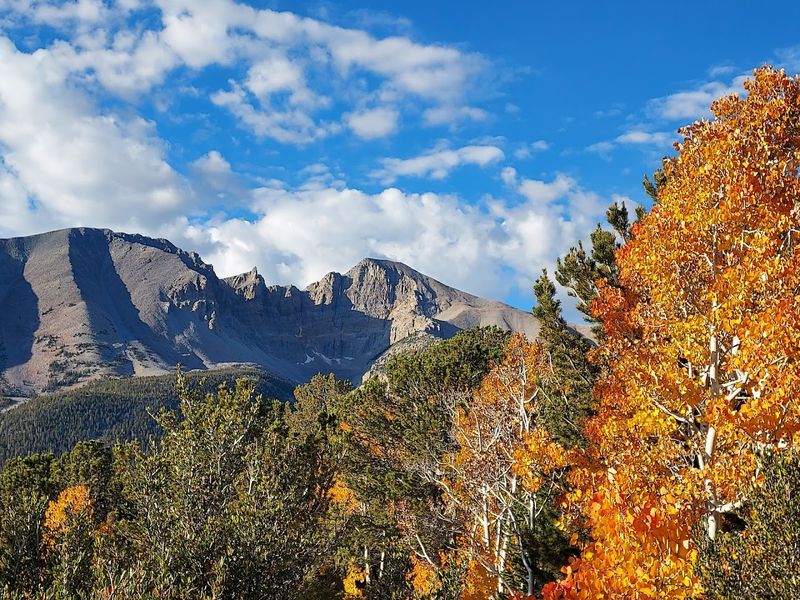
The Wheeler Peak Scenic Drive climbs from the desert floor to over 10,000 feet in elevation, passing through a dramatic sequence of ecosystems along the way. Sagebrush gives way to pinyon-juniper woodland, then to aspen groves, and finally to the subalpine zone near the summit parking area.
Pullouts along the road offer sweeping views of the Snake Range and the vast Great Basin stretching out to the horizon. In autumn, the aspens turn a vivid gold that makes the drive feel almost unreal, like someone turned up the color saturation on the whole landscape.
The road is open seasonally and can close during winter months due to snow, so checking conditions before the trip is worth doing. Even a slow, stop-and-photograph drive takes about 45 minutes one way, and every single stop along it offers something genuinely worth seeing.
Wheeler Peak Summit Trail
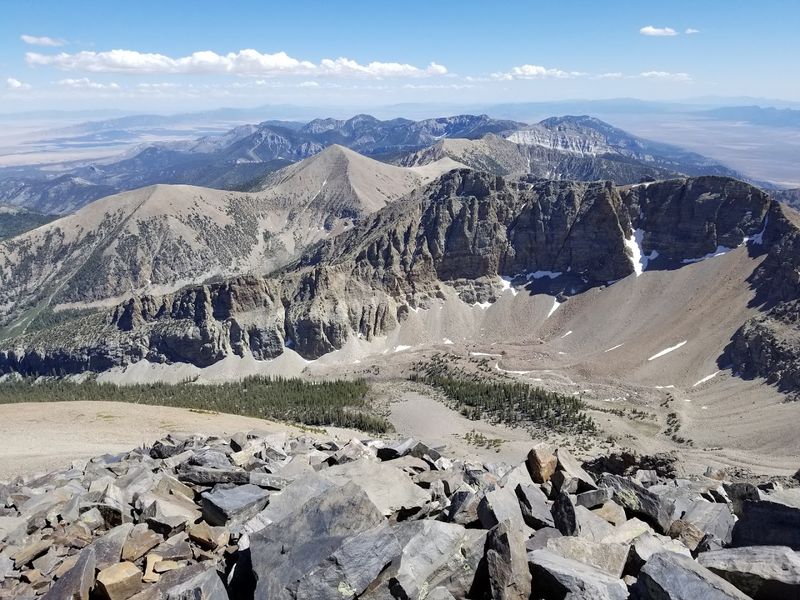
At 13,063 feet, Wheeler Peak is the second-highest mountain in Nevada, and the trail to its summit is one of the most rewarding challenges in the entire park. The round trip covers about 8.6 miles with significant elevation gain, so solid footwear and plenty of water are non-negotiable essentials.
The upper sections of the trail cross fields of loose talus rock, and the air gets noticeably thin as you approach the top. On a clear day, the summit view stretches across multiple states, and the sense of accomplishment at the top is the kind that stays with you for a long time.
Starting early in the morning is strongly recommended, both to avoid afternoon thunderstorms and to secure a parking spot at the trailhead, which fills up fast on summer weekends. Sturdy boots with ankle support make a real difference on the rocky upper section of this climb.
Alpine Lakes: Teresa and Stella
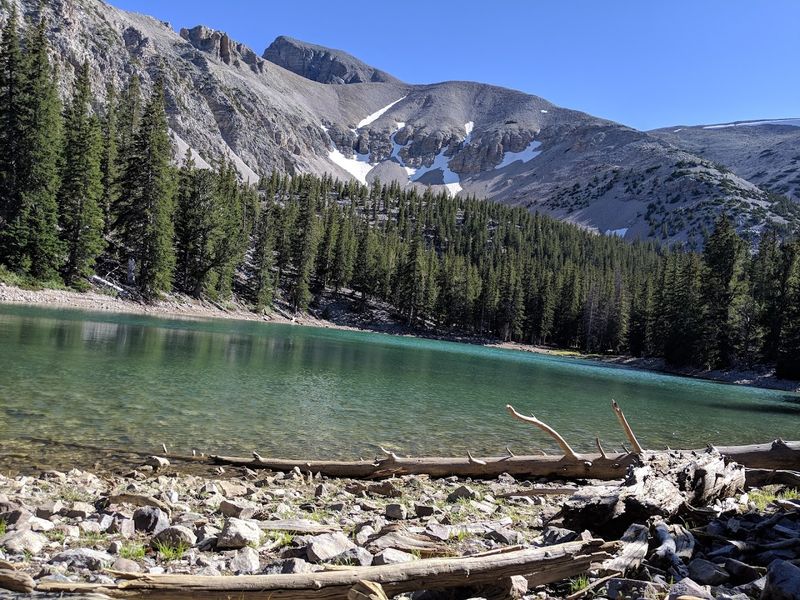
Tucked into the high country near the Wheeler Peak trailhead, Teresa Lake and Stella Lake are two small alpine gems that reward hikers with some of the most scenic views in the park. The trails to both lakes are relatively short and accessible, making them a great choice for families or visitors who want stunning scenery without a grueling climb.
Stella Lake sits at about 10,000 feet and reflects the surrounding peaks on calm mornings in a way that looks almost too perfect to be real. Teresa Lake is slightly larger and offers a peaceful spot to sit, eat lunch, and watch for wildlife in the surrounding meadows and rocky slopes.
The Alpine Lakes Loop connects both lakes in a single manageable route through aspen groves, open meadows, and rocky terrain. The variety of scenery packed into such a short distance makes this one of the most satisfying walks in the entire park.
The Resident Glacier
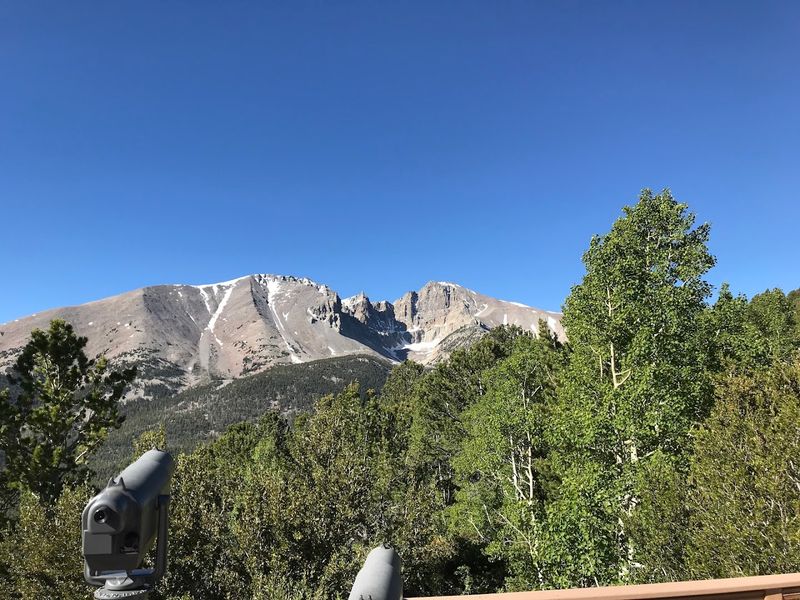
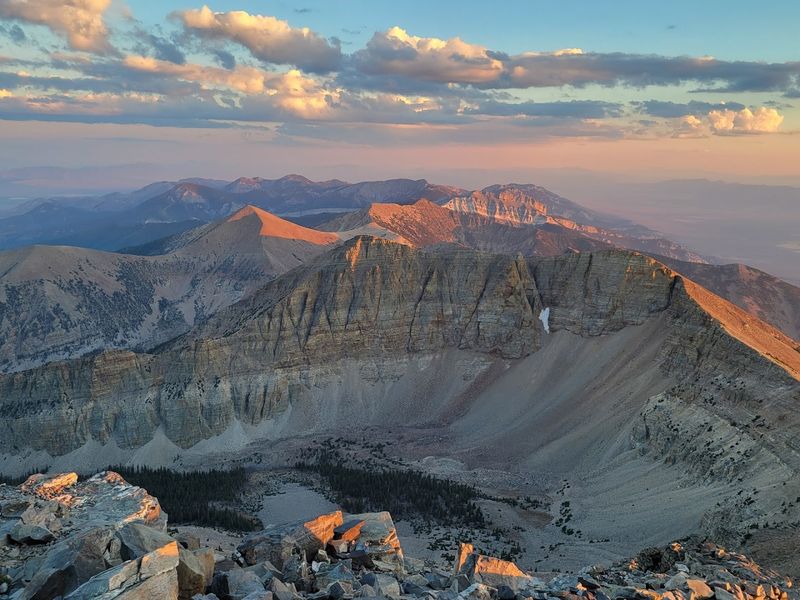
Most people do not associate Nevada with glaciers, but Great Basin National Park is home to one of the southernmost glaciers in the United States. The Wheeler Peak Glacier sits in a cirque below the summit and is visible from the Bristlecone Pine Trail and the Mather Overlook viewpoint.
It is a relatively small glacier by global standards, but its existence in the middle of the Great Basin Desert makes it genuinely surprising. The Mather Overlook offers a clear view of the glacier without requiring a full summit push, and the short spur trail to reach it adds only a few extra minutes to the hike.
Glaciologists have documented that the glacier has been shrinking over the decades, making each visit a chance to see something that may look different in the future. That context adds a layer of significance to what might otherwise seem like just another scenic overlook.
Camping Under the Stars
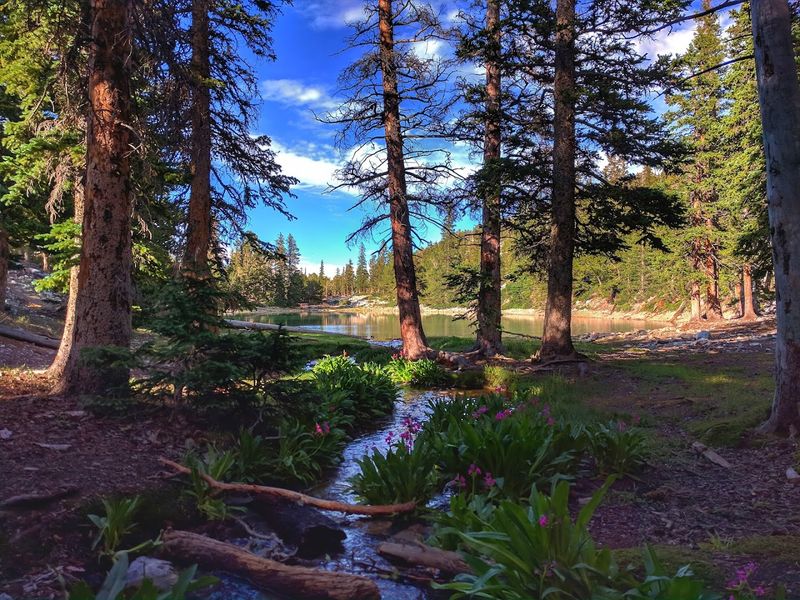
Spending a night inside the park transforms the Great Basin experience from a day trip into something far more immersive. The campgrounds here, including Lower Lehman Creek and Upper Lehman Creek, sit among pines and aspens at elevations that keep temperatures comfortably cool even in midsummer.
Waking up to birdsong in the forest, with no highway noise and no city glow on the horizon, is a genuinely restorative experience. The campgrounds have been well maintained, with clean facilities and a peaceful atmosphere that makes it easy to slow down and actually absorb the surroundings.
Primitive camping options are also available for those who want to go further into the backcountry. One practical note worth keeping in mind: the campgrounds are not suitable for large RVs or big rigs, so tent campers and smaller setups will have the best experience here.
Reservations are recommended during peak summer months.
Wildlife Watching Opportunities
The park supports a surprisingly diverse range of wildlife across its many ecosystems, from the desert scrubland at the base to the alpine tundra near the summit. Mule deer are common sights along the road and near the campgrounds, often browsing calmly in the early morning or at dusk.
Wild turkeys have also been spotted wandering through the lower areas of the park, and they seem entirely unbothered by human visitors. Pronghorn, coyotes, and a variety of raptors round out the wildlife that a patient and observant visitor might encounter during a stay.
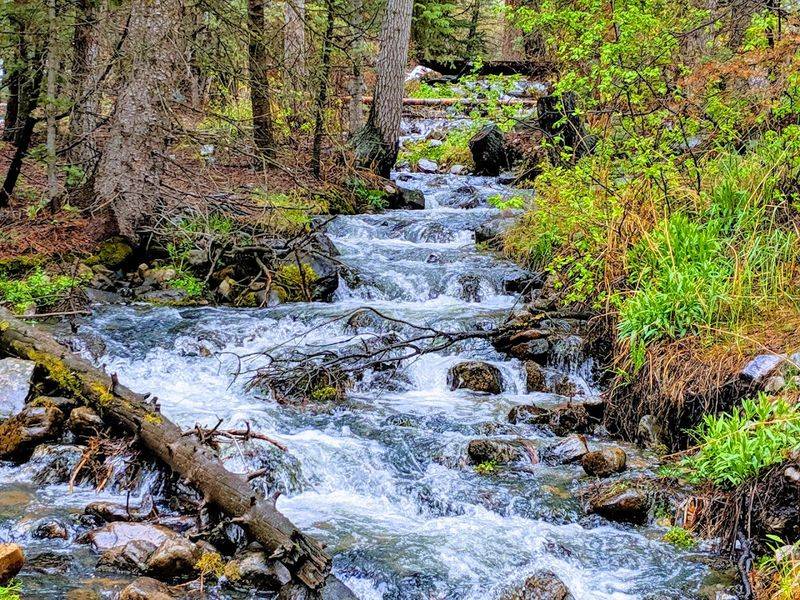
The streams running through the park support populations of Bonneville cutthroat trout, a native species that draws anglers looking for a quieter fishing experience than most popular parks can offer. Bringing binoculars along is a simple upgrade that makes wildlife watching significantly more rewarding throughout any visit here.
The Visitor Center and Cafe

The visitor center near the Lehman Caves entrance is a genuinely useful starting point for any trip to the park. It features well-designed exhibits on the geology, ecology, and human history of the Great Basin region, along with a short film that does a solid job of setting the scene before you head out to explore.
Rangers at the center are knowledgeable and approachable, ready to help with trail recommendations, cave tour bookings, and general orientation for first-time visitors. The small cafe on-site serves actual meals rather than just packaged snacks, which is a welcome surprise given how remote the park is.
Picking up a park map and chatting with a ranger before heading out can save a lot of guesswork, especially if road or trail conditions are uncertain. The center also stocks a good selection of field guides and books about the Great Basin for those who want to go deeper into the region’s natural history.
Getting There and Planning Your Visit
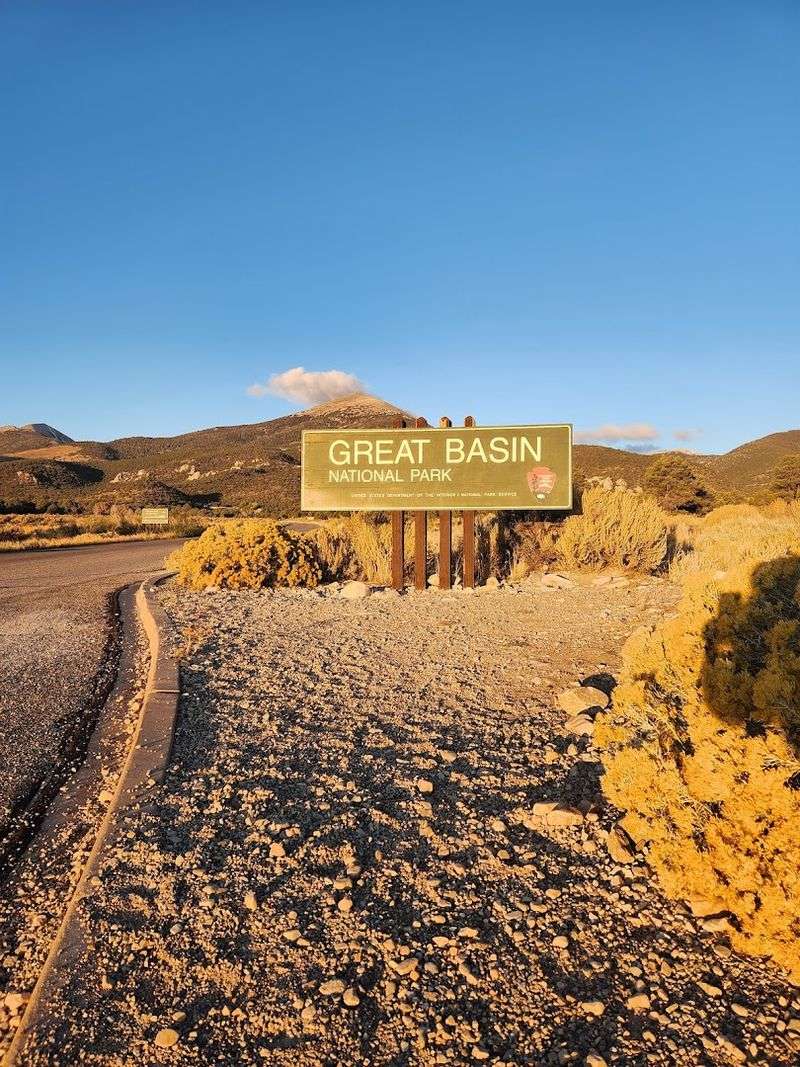
Great Basin National Park sits near the small town of Baker, Nevada, close to the Utah border, making it one of the more remote national parks in the lower 48 states. The nearest major city is Salt Lake City, roughly three hours to the east, and Las Vegas is about four to five hours to the southwest.
The drive in across the flat basin floor is peaceful and almost meditative, with wide-open skies and mountain silhouettes growing slowly larger on the horizon. That sense of gradual arrival makes reaching the park feel genuinely earned rather than just convenient.
The park is open 24 hours a day, seven days a week, and entry is free, which is a rare and welcome detail for a national park of this quality. Summer and early fall offer the best access to trails, cave tours, and the scenic drive, while spring and winter visits may find some roads and facilities temporarily closed.
Why This Park Deserves More Visitors
Great Basin National Park consistently ranks as one of the least visited national parks in the country, and that relative obscurity is honestly a gift for anyone willing to make the drive. Trails are rarely crowded, campsites feel genuinely peaceful, and the cave tours maintain an intimate scale that popular parks simply cannot offer.
The park packs an extraordinary range of experiences into a single visit: ancient trees, underground caves, alpine lakes, a glacier, world-class stargazing, and diverse wildlife, all within a few miles of each other. That concentration of genuinely different things to do makes it one of the most rewarding parks in the West for curious travelers.
Going in with a plan, booking cave tours in advance, and arriving with enough time to stay at least one night will turn a good trip into a memorable one. This is the kind of place that quietly earns a permanent spot on your list of all-time favorites.
Share this story