The 1990s were a golden era for sports cars, producing some of the most exciting, raw, and beautifully engineered machines ever to hit the road. From turbocharged Japanese legends to European precision masterpieces, these cars captured imaginations and set performance benchmarks that still hold up decades later.
Many of them have become collector’s items, rising sharply in value as fans old and new recognize just how special they truly are. Here are 15 iconic sports cars from the ’90s that any driving enthusiast would love to get behind the wheel of today.
1. Toyota Supra Mk IV (1993-2002)
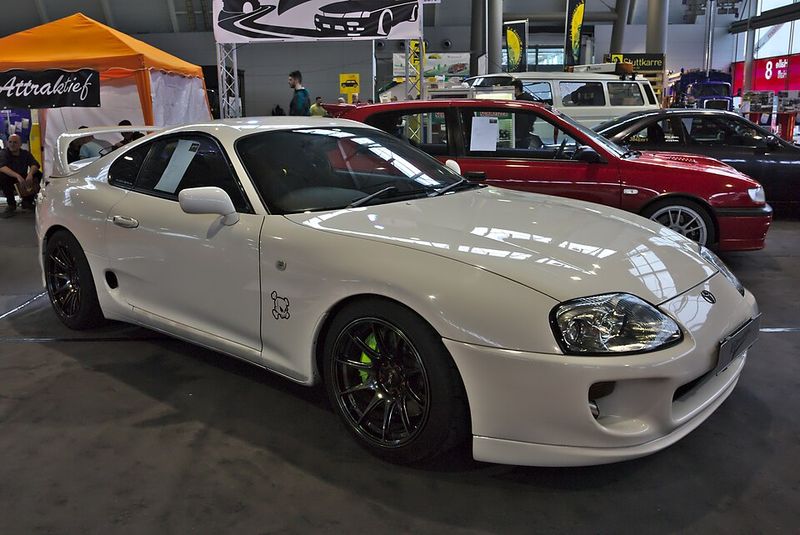
Few cars carry a reputation quite like the fourth-generation Toyota Supra. Powered by the legendary twin-turbocharged 2JZ-GTE inline-six engine, this machine became a symbol of Japanese engineering excellence throughout the 1990s.
Car enthusiasts worldwide still talk about it with the kind of reverence usually saved for Italian exotics.
What made the Supra so special was its near-unlimited tuning potential. Mechanics discovered early on that the 2JZ engine could handle enormous power upgrades without major internal modifications.
Stock cars produced around 320 horsepower, but tuned versions regularly surpassed 1,000 horsepower on the same basic engine block.
Movies like “The Fast and the Furious” introduced the Supra to a whole new generation of fans. Today, clean examples command prices well over $100,000.
Driving one now would feel like piloting a piece of automotive history that somehow still feels completely relevant.
2. Mazda RX-7 FD (1992-2002)
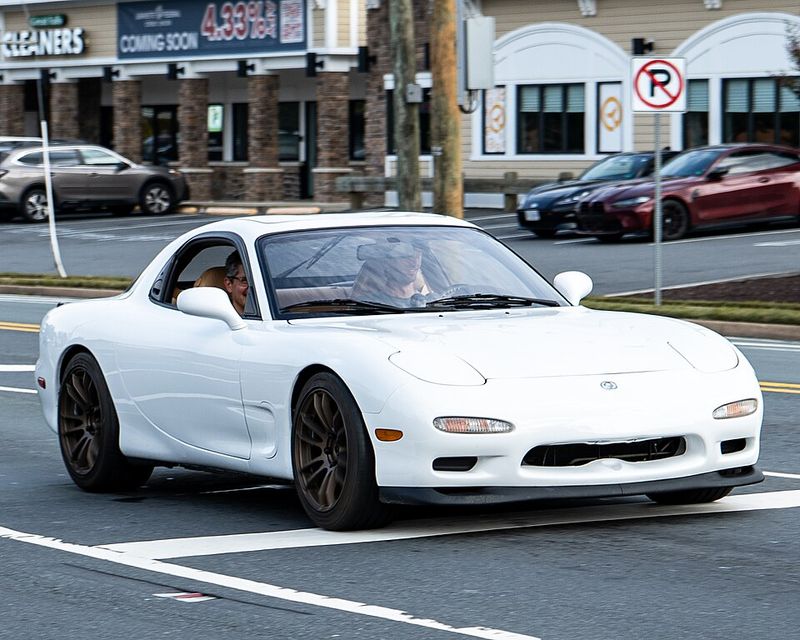
Slide into the driver’s seat of a Mazda RX-7 FD, and you immediately understand why rotary engine fans are so passionate. This car was engineered around a philosophy of balance: low weight, smooth power delivery, and handling so precise it almost reads your mind through the steering wheel.
The twin-sequential turbocharger setup was clever and unique, providing smooth power across the rev range without the sudden surge common in many turbocharged cars of that era. Weighing in at around 2,800 pounds, the FD felt genuinely athletic in every corner.
Reliability concerns around the rotary engine gave some buyers pause, but properly maintained examples proved surprisingly durable. Today, a well-kept FD RX-7 is one of the most sought-after Japanese sports cars on the collector market.
Driving one along a twisting back road remains an experience few modern cars can genuinely replicate.
3. Acura NSX (1990-2005)
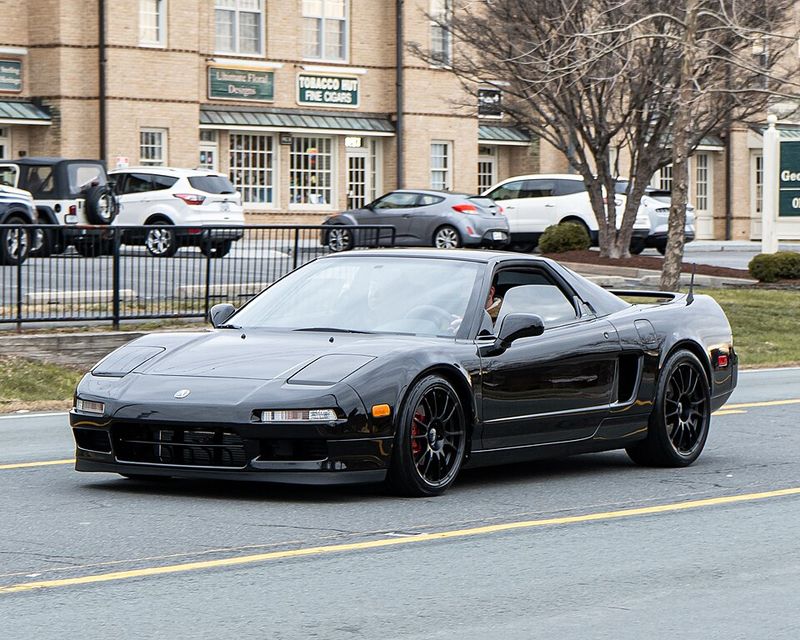
When Honda engineers set out to build a supercar in the late 1980s, they asked Formula 1 world champion Ayrton Senna to help develop it. That collaboration produced the NSX, a car that stunned Ferrari and Lamborghini by proving that a supercar could be reliable, comfortable, and genuinely thrilling all at once.
Built using an all-aluminum body and chassis, the NSX was remarkably light for its time. Its mid-mounted V6 engine revved freely and delivered power in a smooth, confidence-inspiring way that made even novice drivers feel capable.
Visibility was excellent, and the ergonomics were thoughtfully designed.
Honda’s attention to everyday usability set the NSX apart from European rivals that often demanded patience and mechanical sympathy just to function. Today, original NSX models are celebrated as engineering landmarks.
Getting behind the wheel of one feels like shaking hands with a genuinely revolutionary idea.
4. Nissan 300ZX Twin Turbo (1990-1996)
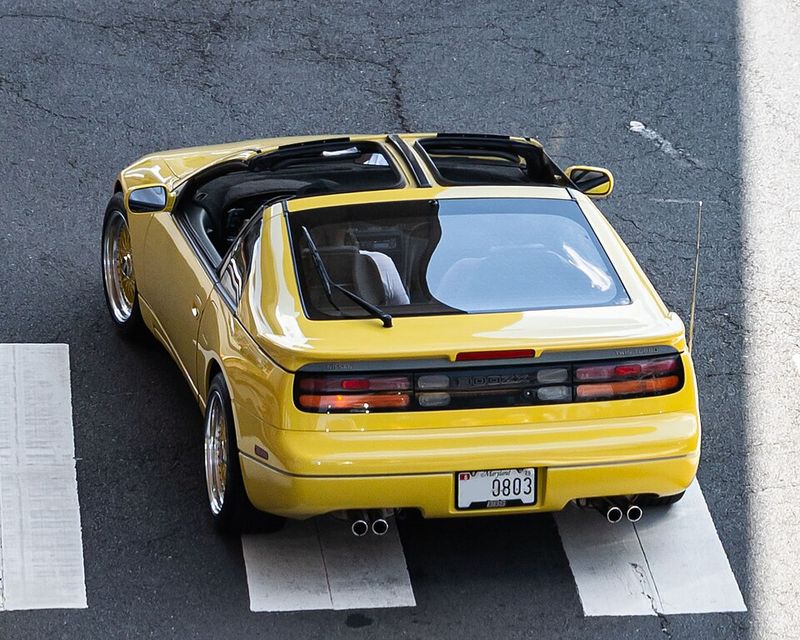
Back in 1990, the Z32-generation Nissan 300ZX landed like a thunderbolt. Its styling was years ahead of its time, featuring flowing curves and a cockpit-style interior that felt more spaceship than sports car.
Nissan engineers clearly had something to prove, and they delivered in spectacular fashion.
The twin-turbocharged 3.0-liter V6 produced 300 horsepower, which was genuinely impressive for a production car of that period. Optional four-wheel steering made the 300ZX feel remarkably agile for a car of its size, allowing drivers to place it precisely through tight corners with surprising confidence.
Despite being over 30 years old, the 300ZX’s exterior design still attracts double-takes in parking lots today. Its combination of performance, technology, and visual drama made it one of the decade’s most complete sports cars.
Driving a clean example now would be a genuine reminder of how bold Nissan once was.
5. Porsche 911 Carrera 993 (1994-1998)
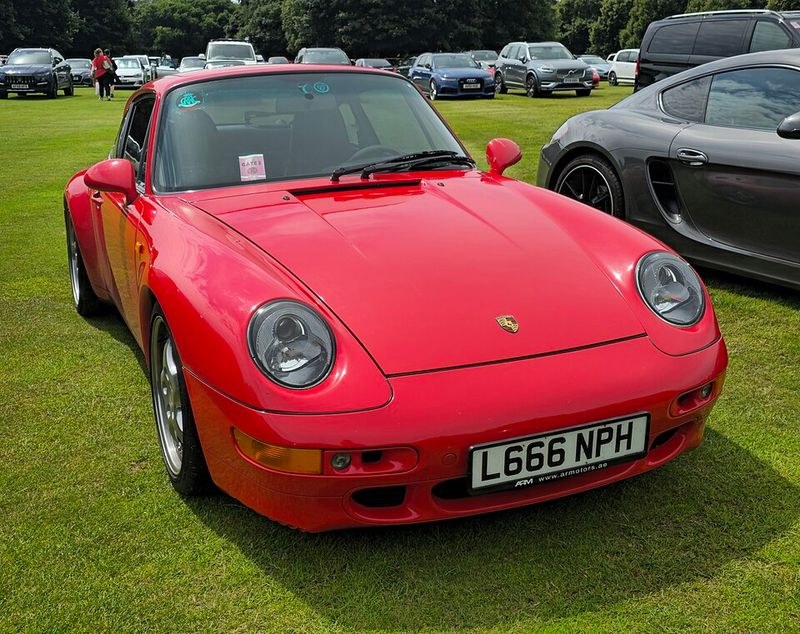
Ask any serious Porsche enthusiast which 911 generation they would choose above all others, and a significant number will say the 993 without hesitation. It was the last 911 to use an air-cooled flat-six engine, a powertrain philosophy that stretched back to the original 911 of 1963.
That heritage gave the 993 a character and sound no water-cooled successor has fully replaced.
Porsche refined the 993 significantly over its predecessor, adding a fully independent rear suspension that transformed the car’s handling from occasionally tricky to genuinely confidence-inspiring. The multilink rear setup made the 993 far more forgiving without sacrificing the communicative feedback that Porsche drivers demand.
Production ended in 1998, making every surviving example increasingly precious. Prices for clean 993 Carreras have climbed steadily, reflecting how deeply collectors value this particular car.
A Sunday morning drive in one would be about as close to automotive perfection as most enthusiasts could ever hope for.
6. Mitsubishi 3000GT VR-4 (1991-1999)
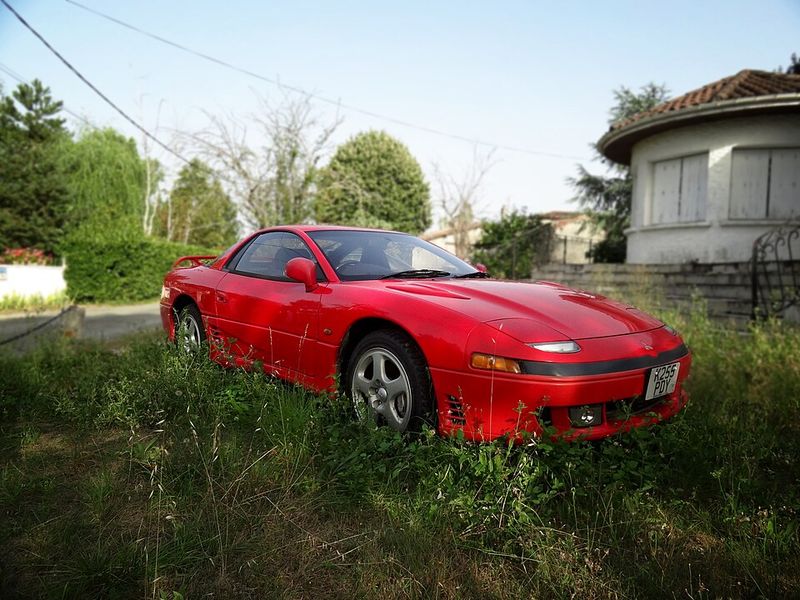
Technology enthusiasts had a field day with the Mitsubishi 3000GT VR-4. This car packed more advanced engineering features than almost anything else available in its price range during the early 1990s.
All-wheel drive, four-wheel steering, active aerodynamics, twin turbos, and electronically adjustable suspension all came standard on the top-spec VR-4 model.
The twin-turbocharged 3.0-liter V6 produced 320 horsepower, allowing the heavy but capable VR-4 to sprint to 60 mph in around 5 seconds. That kind of acceleration was genuinely fast for a production car in 1991, putting it in conversation with vehicles costing far more money.
Critics sometimes pointed out its considerable weight as a drawback, but the sheer breadth of its engineering ambition earned lasting respect. The 3000GT VR-4 was Mitsubishi at its boldest, swinging for the fences rather than playing it safe.
Finding one today in excellent condition is becoming increasingly difficult.
7. Chevrolet Corvette C5 (1997-2004)
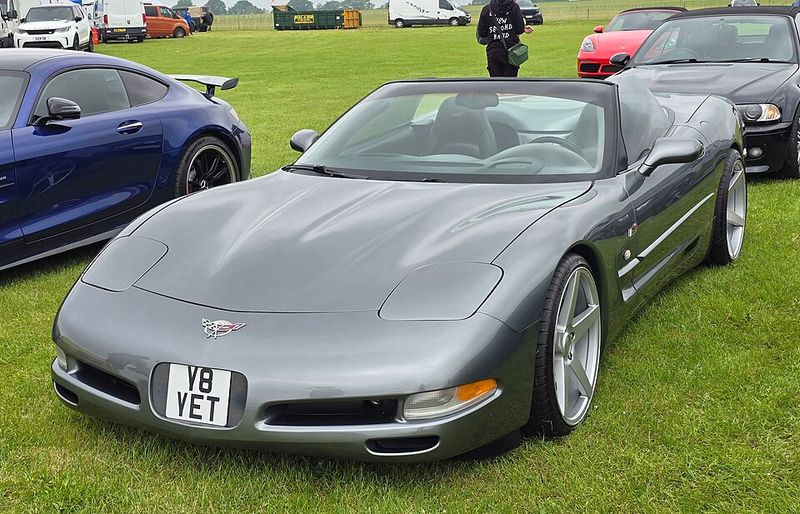
After years of criticism about build quality and outdated engineering, Chevrolet completely reinvented the Corvette with the fifth-generation C5 in 1997. The new chassis was stiffer, the interior was significantly improved, and under the hood sat the magnificent LS1 V8 engine that would go on to power countless performance cars and hot rods for decades to come.
Producing 345 horsepower in base form and offering a rear-mounted transaxle for near-perfect weight balance, the C5 was a genuine performance bargain. It could outrun cars costing two or three times its price on both road and track, which made it extremely popular with driving enthusiasts who valued results over brand prestige.
The C5 also introduced a more refined personality to the Corvette lineup without completely erasing its muscle car spirit. Today, clean examples remain very affordable, making them one of the best performance bargains in the used car market anywhere.
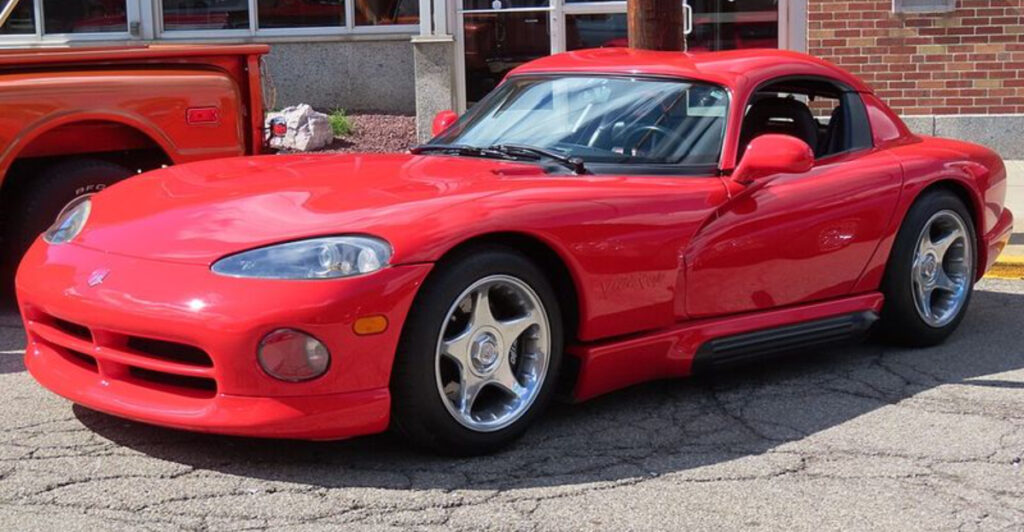
8. Dodge Viper RT/10
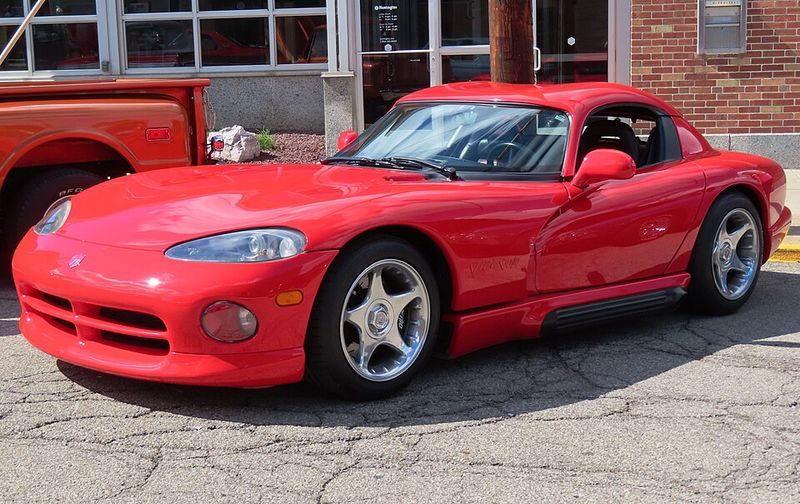
There was nothing subtle about the original Dodge Viper. No traction control.
No ABS. No stability management.
Just a massive 8.0-liter V10 engine borrowed from a Lamborghini-designed truck project, producing 400 horsepower and a staggering 465 lb-ft of torque. Getting it wrong had very real consequences, which made mastering it deeply satisfying.
Dodge deliberately kept the Viper raw and unfiltered, reflecting a philosophy that real driving skill should be the primary safety net. Early models even lacked exterior door handles, requiring drivers to reach inside through the open side to open the door.
Side exhaust pipes ran hot enough to burn legs if drivers weren’t careful getting out.
That extreme, no-compromises attitude is exactly what makes the original Viper so compelling today. Modern cars are brilliant but often heavily managed by electronics.
The Viper demanded your full attention every single mile, and that kind of honesty is genuinely rare.
9. BMW M3 E36 (1992-1999)
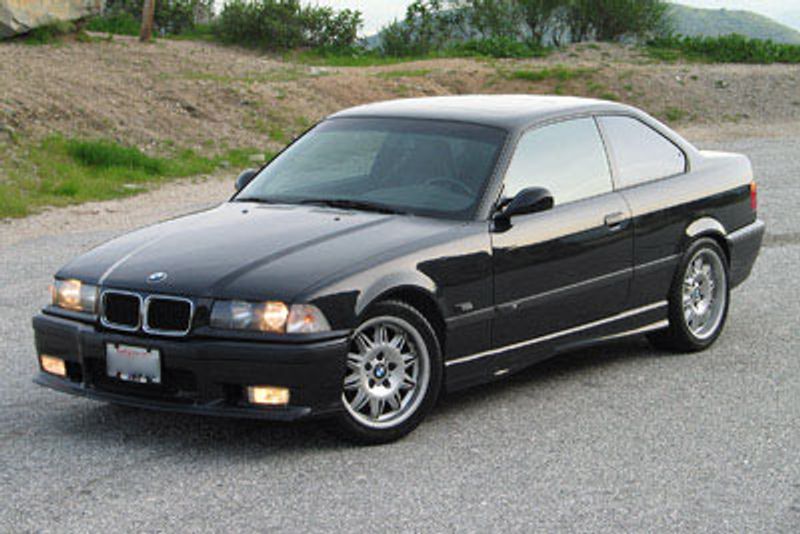
Balance is the word most often used to describe the E36 BMW M3, and it fits perfectly. Unlike some performance cars that sacrifice daily comfort for track ability, the E36 M3 managed to be genuinely enjoyable on a morning commute and genuinely exciting on a winding back road.
That dual personality made it one of the most beloved driver’s cars of the entire decade.
Under the hood sat a smooth inline-six engine that delivered its power in a linear, rewarding way. The European-spec version produced around 321 horsepower, while the US model made 240 horsepower, but both felt alive and responsive thanks to excellent throttle response and a beautifully weighted gearshift.
Handling was the E36 M3’s greatest strength. The suspension setup provided genuine feedback through the steering wheel, letting drivers know exactly what the front tires were doing at all times.
Today, clean examples are climbing in value as a new generation discovers what the fuss was always about.
10. Lotus Elise Series 1 (1996-2001)
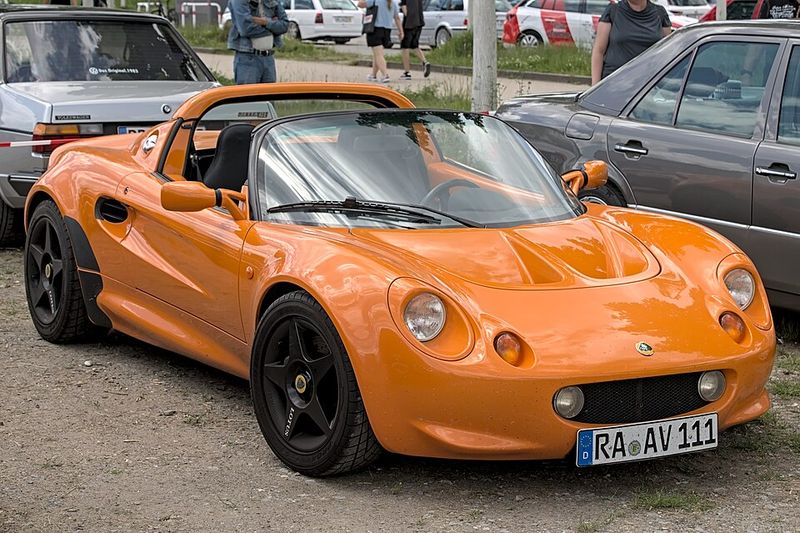
Colin Chapman, Lotus’s legendary founder, famously said “simplify, then add lightness.” The original Elise honored that philosophy completely. Tipping the scales at under 1,600 pounds, it showed the automotive world that raw horsepower is only part of the performance equation.
A light car with modest power can feel faster and more exciting than a heavy car with twice the output.
The Series 1 Elise used a bonded aluminum chassis that was both strong and incredibly rigid, giving the tiny roadster handling precision that embarrassed much more powerful machinery on twisty roads. Its mid-mounted Rover K-Series engine produced around 118 horsepower, which felt absolutely electric given how little weight it had to move.
Getting in and out required some athletic flexibility, and interior comfort was minimal by design. But once moving, the Elise delivered a connection between driver and road that modern cars with their insulation and electronic filters simply cannot replicate.
Pure and honest driving pleasure.
11. Honda S2000 (1999)
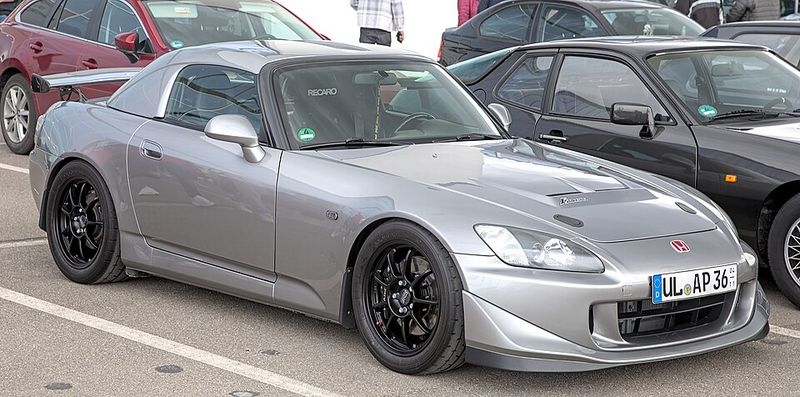
Honda built the S2000 to celebrate its 50th anniversary as a company, and the result was a sports car that felt like a love letter to driving. Launched in 1999, it arrived with one of the most impressive naturally aspirated engines ever fitted to a production car: a 2.0-liter four-cylinder that screamed all the way to 9,000 rpm and produced 240 horsepower without a single turbocharger in sight.
That high-revving engine demanded driver involvement and rewarded those willing to learn its personality. Paired with a slick six-speed manual transmission and a chassis tuned for near-perfect 50/50 weight distribution, the S2000 felt alive in a way that few affordable sports cars ever managed to achieve.
The fabric roof folded away in seconds, turning the S2000 into a proper open-air roadster ready for any sunny afternoon. Decades after its debut, the S2000 remains one of Honda’s most celebrated engineering achievements and a genuinely thrilling car to drive.
12. Ferrari F355 (1994-1999)
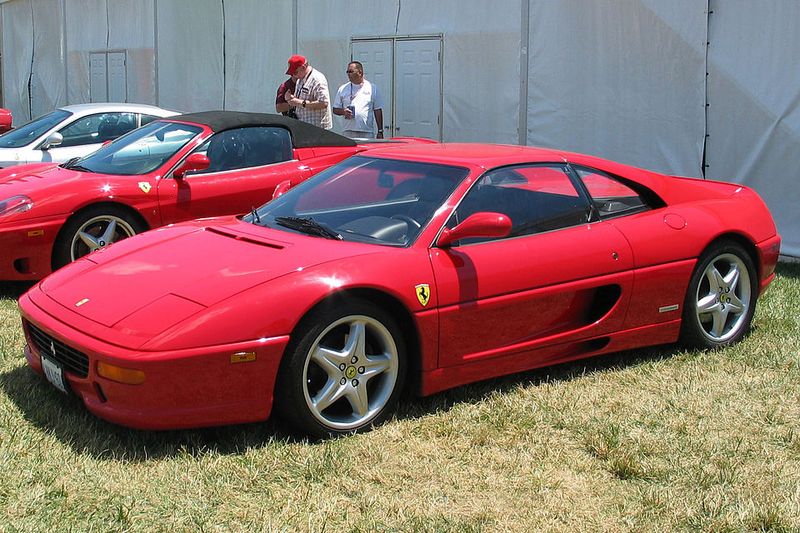
Many Ferrari historians consider the F355 the most beautiful car the company produced during the 1990s, and it is difficult to argue otherwise. Styled by Pininfarina, its flowing lines, signature side strakes, and round taillights created a silhouette that looked fast even standing completely still.
Beauty alone, however, was never going to be enough for Ferrari buyers.
Fortunately, the F355 backed up its looks with a magnificent naturally aspirated 3.5-liter V8 engine producing 375 horsepower. That engine revved to 8,250 rpm and produced a sound that engineers today struggle to replicate with larger, more powerful modern units.
The six-speed gearbox, available in traditional manual or paddle-shift F1 versions, gave drivers a genuine sense of involvement.
Handling was precise and communicative without being intimidating, making the F355 accessible enough for skilled enthusiasts rather than exclusively professional drivers. Today, well-maintained examples are appreciating assets and objects of genuine desire for collectors worldwide.
13. Subaru Impreza WRX STI GC8
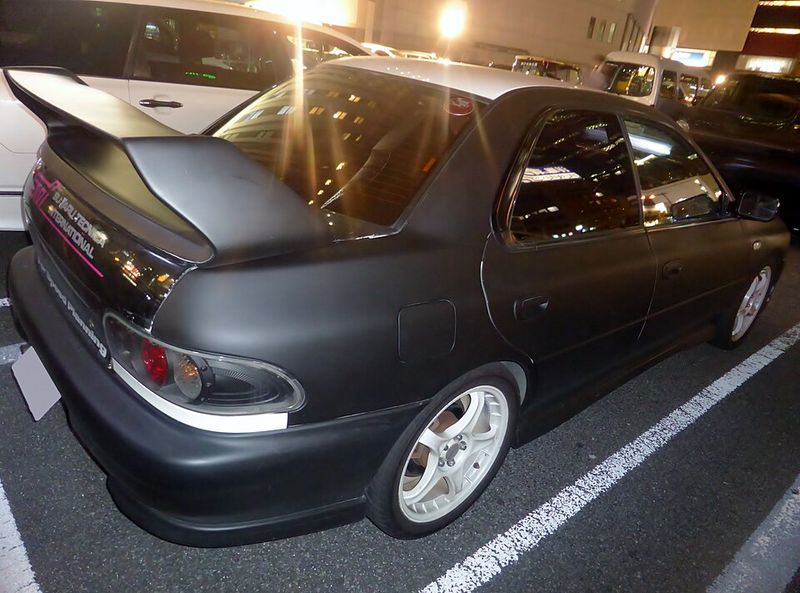
Rally racing shaped the GC8-generation Subaru Impreza STI into something genuinely extraordinary. Born from Subaru’s dominant World Rally Championship campaigns in the mid-1990s, the road-going STI carried real motorsport DNA in its turbocharged boxer engine, symmetrical all-wheel drive system, and suspension tuned to handle whatever surface a driver pointed it at.
The distinctive exhaust note of the flat-four engine became instantly recognizable to motorsport fans around the world. Drivers Colin McRae and Richard Burns piloted WRC versions to championship victories, and that success translated directly into street credibility for the production model that many drivers in markets outside Japan could only dream about owning.
Today, the GC8 STI commands strong prices at auction, driven by nostalgia and genuine appreciation for its capabilities. Putting one through its paces on a twisty mountain road reveals exactly why Subaru’s rally program created such passionate, loyal fans across multiple generations of enthusiasts worldwide.
14. Nissan Skyline GT-R R34 (1999)
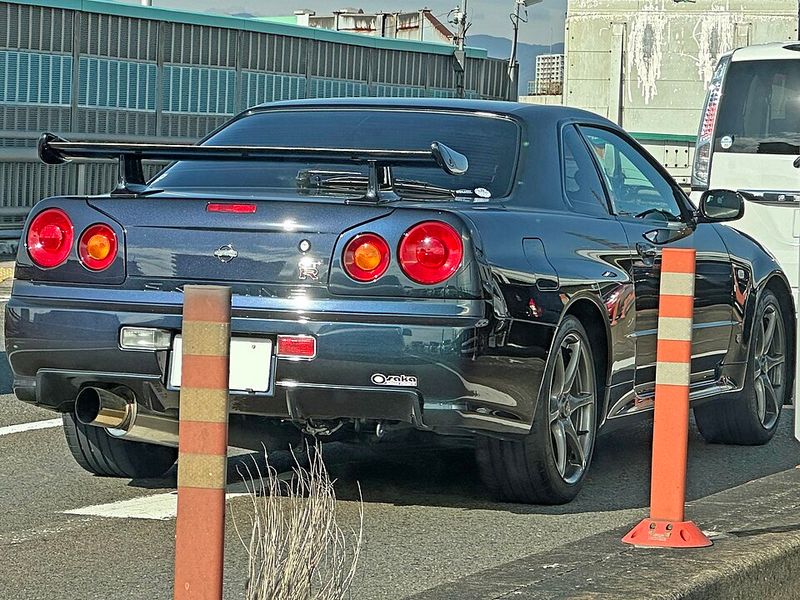
“Godzilla” was the nickname the automotive press gave the R32-generation Skyline GT-R when it first appeared, and the R34 that followed in 1999 proved the name was still completely appropriate. Built with the kind of technical ambition that made Japanese engineers famous during that era, the R34 combined a twin-turbocharged RB26DETT inline-six with the ATTESA ET-S all-wheel-drive system and four-wheel steering to create something that felt almost unfairly capable.
The factory quoted 276 horsepower, a number that virtually nobody believed given how the car actually performed. Japan’s manufacturers had a gentleman’s agreement limiting claimed output to that figure, but independent testing regularly found much higher actual numbers under the hood.
Because of strict US import regulations, the R34 remained forbidden fruit for American buyers for years. That mystique only deepened its legend.
Now that 25-year import rules are gradually allowing R34s into the US market, demand and prices have surged dramatically.
15. Mazda MX-5 Miata NA (1989-1997)
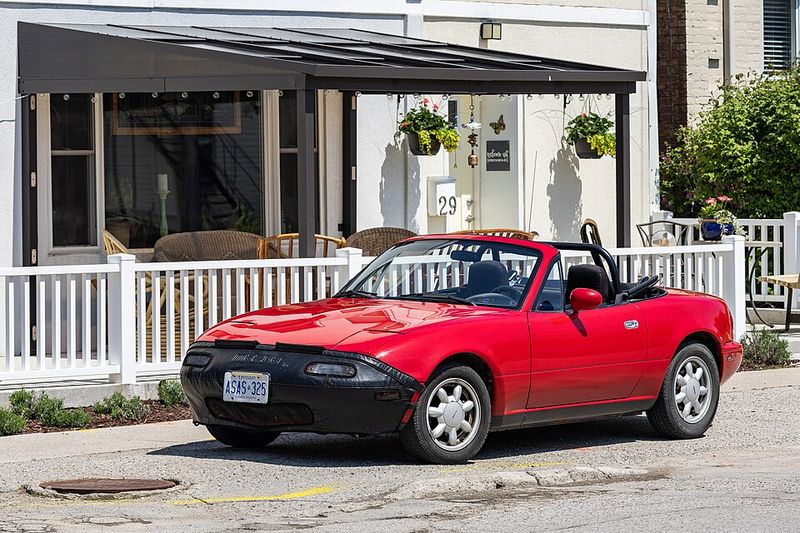
Sometimes the simplest ideas are the most brilliant ones. When Mazda engineers proposed reviving the lightweight British roadster concept for the late 1980s, plenty of people inside the industry thought the idea was hopelessly old-fashioned.
The NA Miata proved every skeptic spectacularly wrong by becoming one of the best-selling sports cars in automotive history.
With pop-up headlights, a rev-happy 1.6-liter four-cylinder engine, and a perfectly weighted five-speed manual gearbox, the Miata offered driving enjoyment that had nothing to do with straight-line speed. Its 50/50 weight distribution and double-wishbone suspension created handling that felt naturally balanced and endlessly rewarding on a twisty road.
Affordability was another major advantage. Buyers could own a genuinely fun sports car without spending exotic car money.
Decades later, the NA Miata remains the benchmark for lightweight roadster design, and well-preserved examples are steadily gaining collector status among enthusiasts who understand exactly what Mazda got right.
Share this story