Pennsylvania has over 120 state parks, and most people keep visiting the same handful. But tucked between the mountains, rivers, and forests of this state are dozens of parks that rarely show up on anyone’s weekend plans.
Some have ancient trees, others have canyon views that would make a nature photographer drop their camera in disbelief, and a few are so quiet you might have the whole trail to yourself. This list covers 11 parks that punch well above their weight in natural beauty, history, and outdoor adventure.
A couple of them are so new they have not even made it into most guidebooks yet. Whether you are after waterfalls, dark skies, lake swimming, or a geological oddity that looks like it belongs on another planet, there is something here worth adding to your next road trip.
Consider this your personal guide to Pennsylvania’s most underrated outdoor escapes.
1. Worlds End State Park, Forksville, Pennsylvania
The name alone is enough to make you stop scrolling. Worlds End State Park sits in Sullivan County, tucked into an S-shaped valley carved by Loyalsock Creek, and the scenery backs up every bit of that dramatic name.
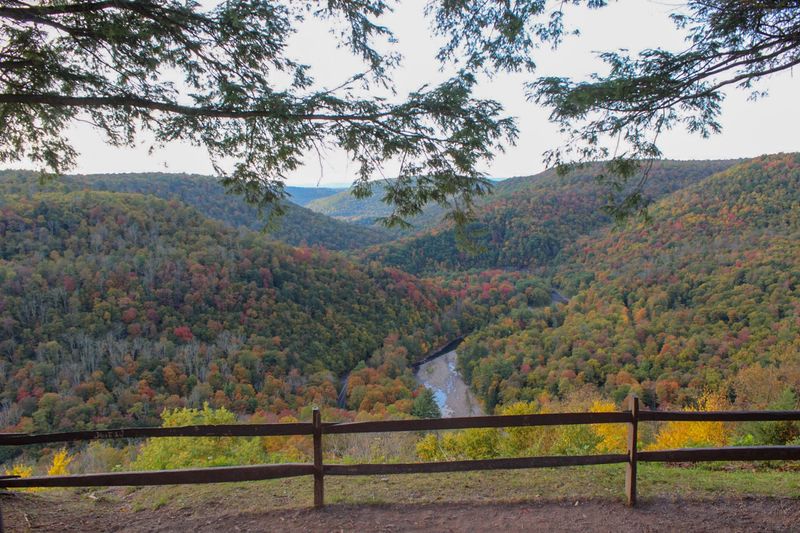
The Canyon Vista overlook delivers sweeping panoramic views of the Endless Mountains and Loyalsock State Forest that feel genuinely earned after a good hike. A historic rock dam built during the Civilian Conservation Corps era creates a natural swimming area in the creek, making it a popular but never overwhelming summer destination.
The hiking trails here range from casual walks to challenging ridge climbs, with waterfalls and rock scrambling opportunities scattered throughout. Autumn transforms the ridgelines into a patchwork of color that draws photographers from across the region.
This park is the kind of place where visitors arrive expecting a nice afternoon and leave planning their return trip before they even reach the parking lot.
2. Leonard Harrison State Park, Wellsboro, Pennsylvania
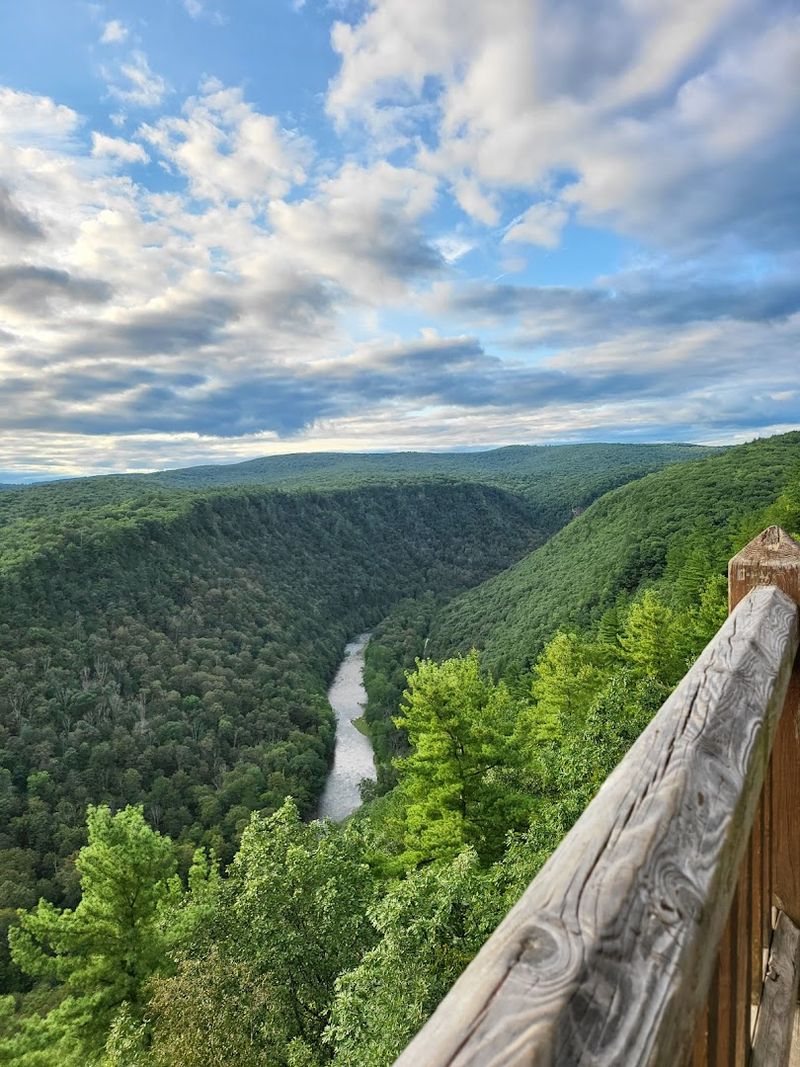
Pennsylvania’s answer to the Grand Canyon sits right here, and most people outside the state have never heard of it. Leonard Harrison State Park perches along the eastern rim of Pine Creek Gorge, a 47-mile-long canyon that plunges over 1,000 feet in some places.
The main overlook is accessible and well-maintained, making it one of the few spots in the state where visitors of all mobility levels can witness truly jaw-dropping scenery without a strenuous hike. Multiple overlook platforms give different angles on the gorge, each one arguably better than the last.
Autumn is the most popular season, when the forested canyon walls turn gold and red and seem to glow against the open sky. Sunrise visits reward early risers with layers of mist drifting through the gorge below.
The park also connects to trails that descend into the gorge itself, offering a more immersive experience for those willing to make the climb back up.
3. Colton Point State Park, Wellsboro, Pennsylvania
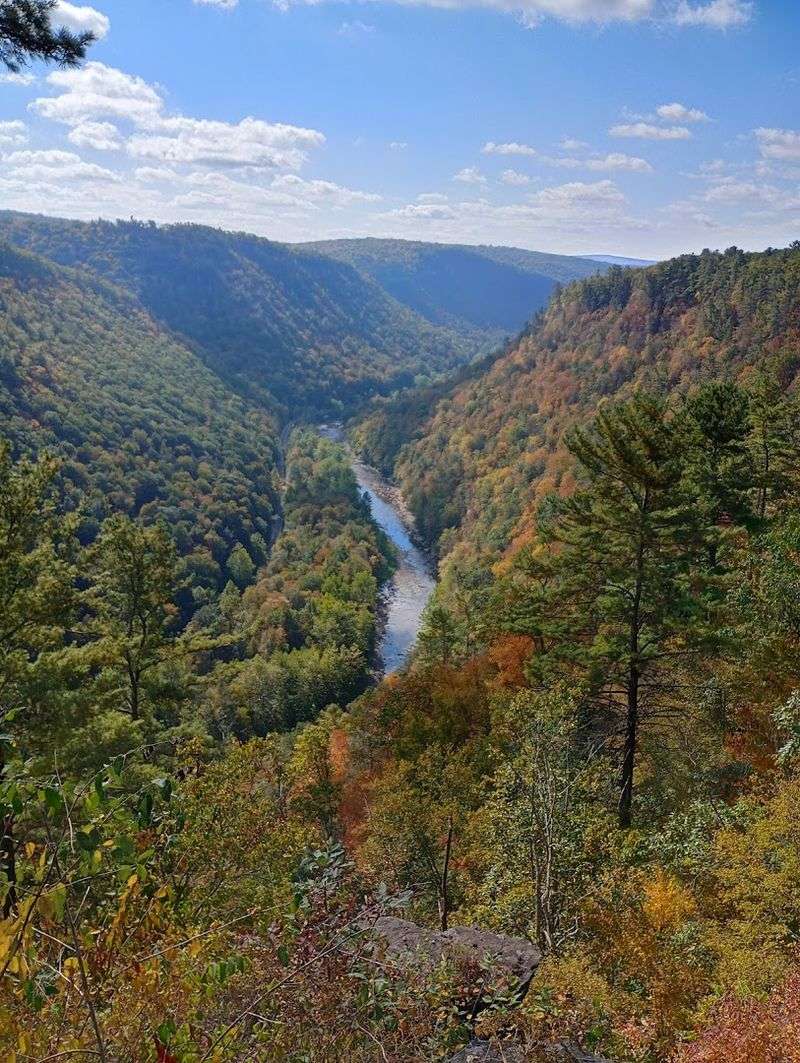
Right across the gorge from its more famous neighbor, Colton Point State Park offers the same Pine Creek Gorge views with a fraction of the foot traffic. That alone makes it worth the detour.
Situated on the western rim, the overlooks here provide a slightly different perspective on the canyon, one that feels rawer and less polished than the eastern side. The trails are more rugged, the crowds are thinner, and the overall experience leans closer to genuine wilderness than a curated park visit.
Colton Point is connected to Leonard Harrison by a trail that descends into the gorge and follows Pine Creek along the valley floor, a route popular with experienced hikers looking for a full-day adventure. The descent alone changes your entire sense of scale when you realize how deep the canyon actually goes.
For anyone who prefers their parks with a bit more grit and a lot more solitude, Colton Point is the obvious choice between the two rim-side options.
4. Black Moshannon State Park, Philipsburg, Pennsylvania
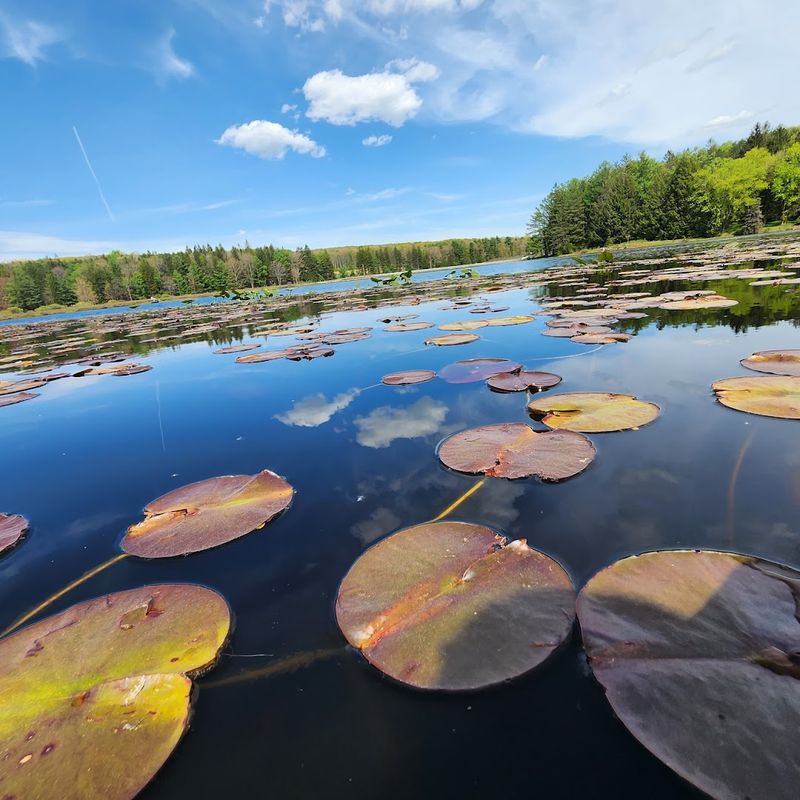
Most Pennsylvania parks give you forests and hills. Black Moshannon gives you something far stranger and more fascinating: a bog ecosystem that looks like it belongs in a nature documentary.
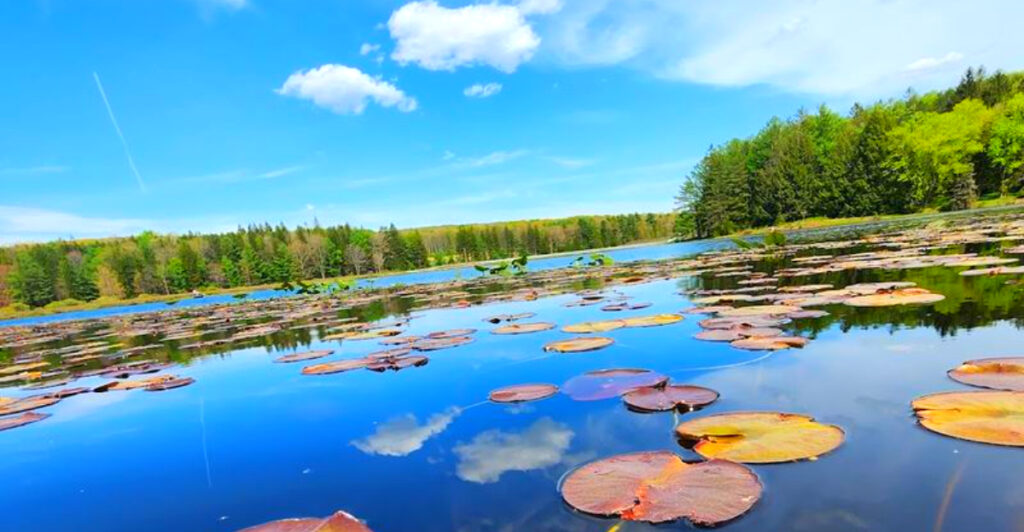
The park’s dark lake gets its color from natural tannins released by decaying vegetation in the surrounding wetlands, creating an almost black surface that reflects the treeline in eerie, beautiful ways. The boardwalk trails wind through habitats that support carnivorous plants, rare orchids, and bird species not commonly found elsewhere in the state.
Birdwatchers consistently rate this park as one of the top spots in Pennsylvania, with sightings that include boreal species more typical of Canada than central Pennsylvania. The bog itself is a glacial remnant, making it a living record of the last ice age.
Beyond the wetlands, the park also offers a lake for swimming, fishing, and paddling, plus campgrounds that fill up more slowly than those at better-known destinations. The combination of ecological rarity and practical outdoor amenities makes this one genuinely hard to top.
5. Cherry Springs State Park, Coudersport, Pennsylvania
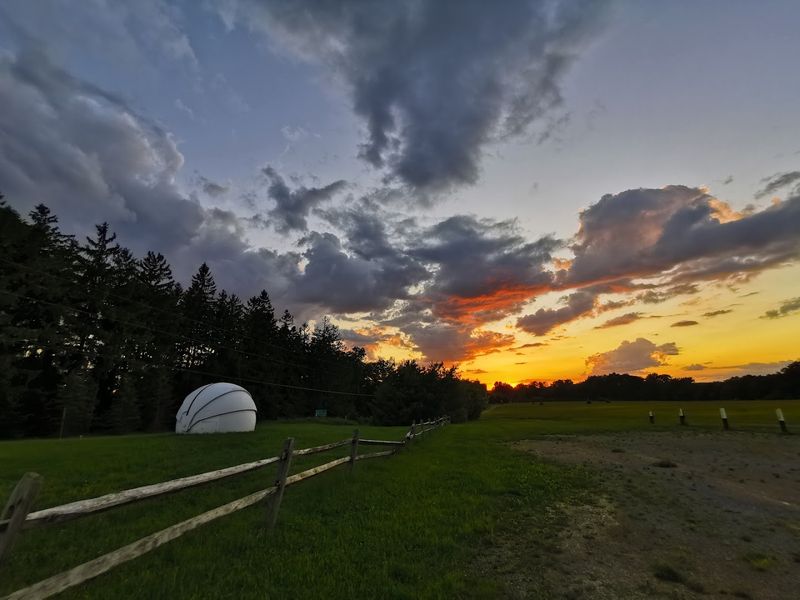
Forget the trails for a moment. Cherry Springs State Park is one of the best places in the entire eastern United States to see a sky full of stars, and that is not a small claim.
Designated as a Gold Tier International Dark Sky Park, Cherry Springs sits on a 2,300-foot plateau in Potter County, surrounded by the Susquehannock State Forest, which blocks light pollution from virtually every direction. On a clear, moonless night, the Milky Way is visible as a dense, detailed band stretching across the full sky.
The park has a dedicated stargazing field with parking, and astronomy clubs from across the Mid-Atlantic hold regular events here. Telescopes, folding chairs, and red-light flashlights are common sights after dark.
During the day, the surrounding forest offers pleasant hiking, and the park sits near other Potter County attractions worth combining into a longer trip. But the real reason to make the drive is what happens after sunset, when the sky opens up in a way most people have never seen before.
6. Parker Dam State Park, Penfield, Pennsylvania
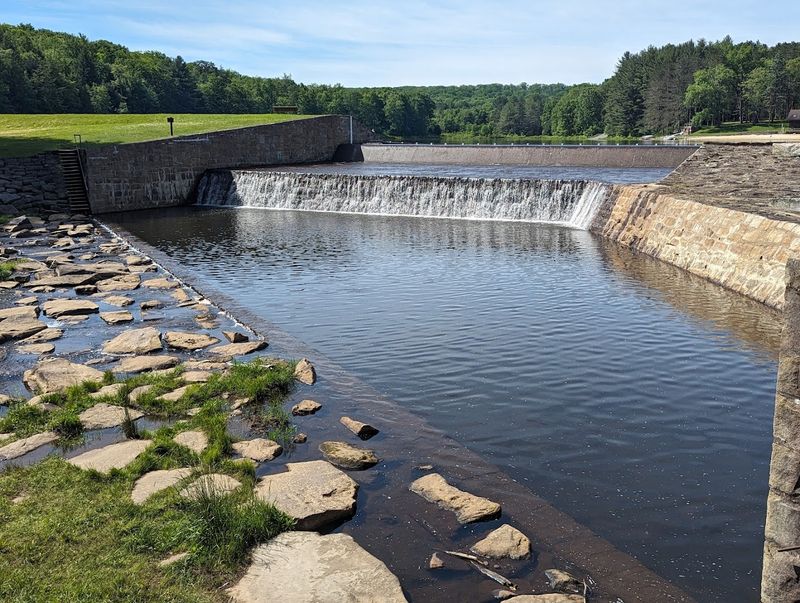
There is a specific kind of quiet that Parker Dam State Park does better than almost anywhere else in Pennsylvania. It is the quiet of a place that has not tried too hard to be anything other than itself.
Set in the heart of the Pennsylvania Wilds region in Clearfield County, the park centers on a picturesque lake built by the Civilian Conservation Corps in the 1930s. The historic log cabins available for rent are a direct legacy of that era, and staying in one feels like a genuine step back in time without sacrificing modern comfort.
Hiking trails loop around the lake and through the surrounding forest, with connections to the longer Quehanna Trail for those wanting a more serious adventure. Fishing, swimming, and paddling round out the on-water options.
The park draws a mix of families, solo hikers, and cabin-seekers who return year after year. It is the kind of place that does not advertise itself loudly, but the people who find it rarely stop talking about it.
7. Hickory Run State Park, White Haven, Pennsylvania
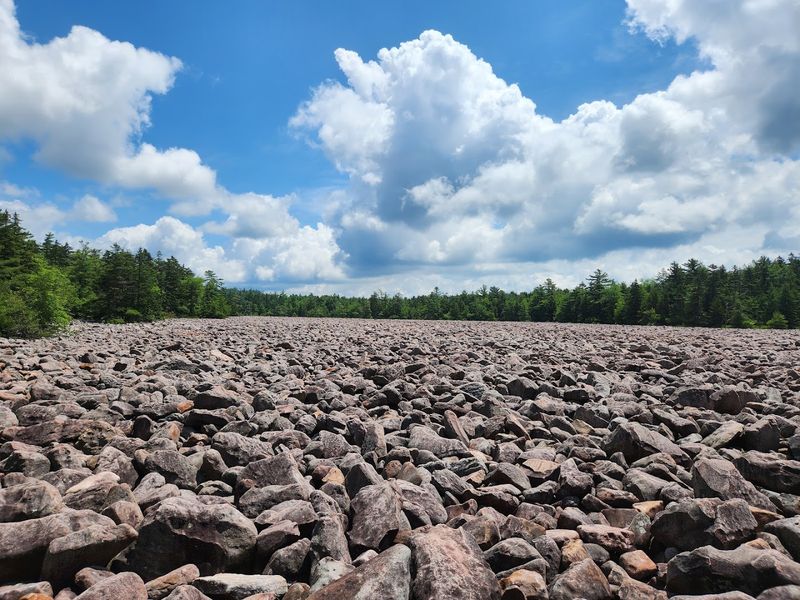
Imagine a football field covered entirely in boulders, flat as a table, with no trees or grass growing between the rocks. That is Boulder Field at Hickory Run, and it is one of the most genuinely strange natural features in the entire state.
The field spans about 16 acres and is a periglacial remnant from the last ice age, meaning those boulders have been sitting there for roughly 20,000 years without being moved by anything other than frost and gravity. Scientists still debate some aspects of its formation, which adds an extra layer of intrigue for curious visitors.
Beyond the famous rock field, Hickory Run State Park covers over 15,000 acres in Carbon County and includes waterfalls, mountain streams, and more than 40 miles of hiking trails. Hawk Falls is a popular secondary destination within the park, a compact but photogenic cascade tucked into a hemlock-lined ravine.
The sheer variety of landscapes packed into one park makes Hickory Run an ideal destination for groups where not everyone agrees on what kind of outdoor experience they want.
8. Bendigo State Park, Johnsonburg, Pennsylvania
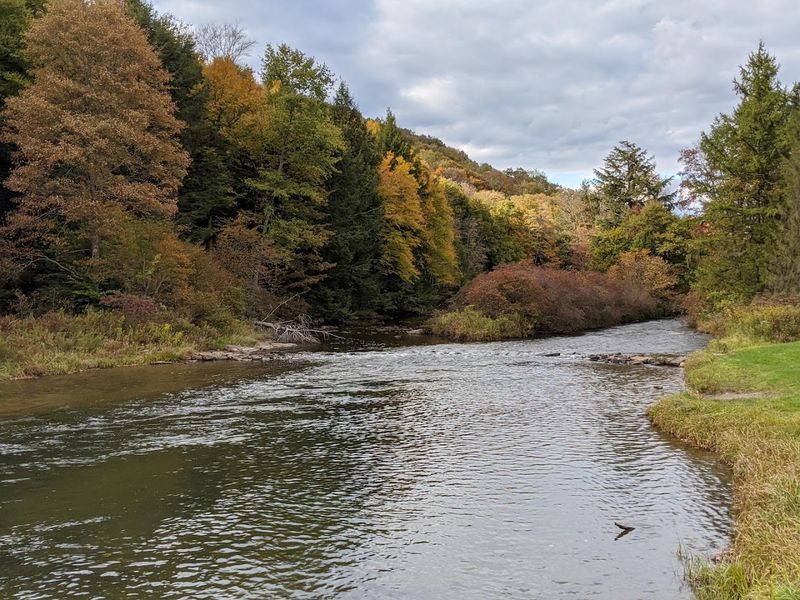
At just 100 acres, Bendigo State Park is one of the smallest in Pennsylvania, but size is not the point here. The point is the river.
The East Branch Clarion River runs along the park’s edge in Elk County, providing one of the most peaceful stretches of moving water you will find attached to a Pennsylvania state park. Anglers come for the trout fishing, which is consistently good, and families come for the picnic areas and swimming access along the riverbank.
The surrounding forest is part of the broader Pennsylvania Wilds landscape, which means the scenery extends well beyond the park’s official boundaries. White-tailed deer and wild turkeys are common sights, especially in the early morning hours before the day hikers arrive.
Bendigo does not try to compete with larger, flashier parks. It offers a straightforward, uncomplicated outdoor experience that is increasingly rare in a world that tends to over-program every recreational space.
Sometimes a quiet river and a good picnic spot are all you need.
9. Ricketts Glen State Park, Benton, Pennsylvania
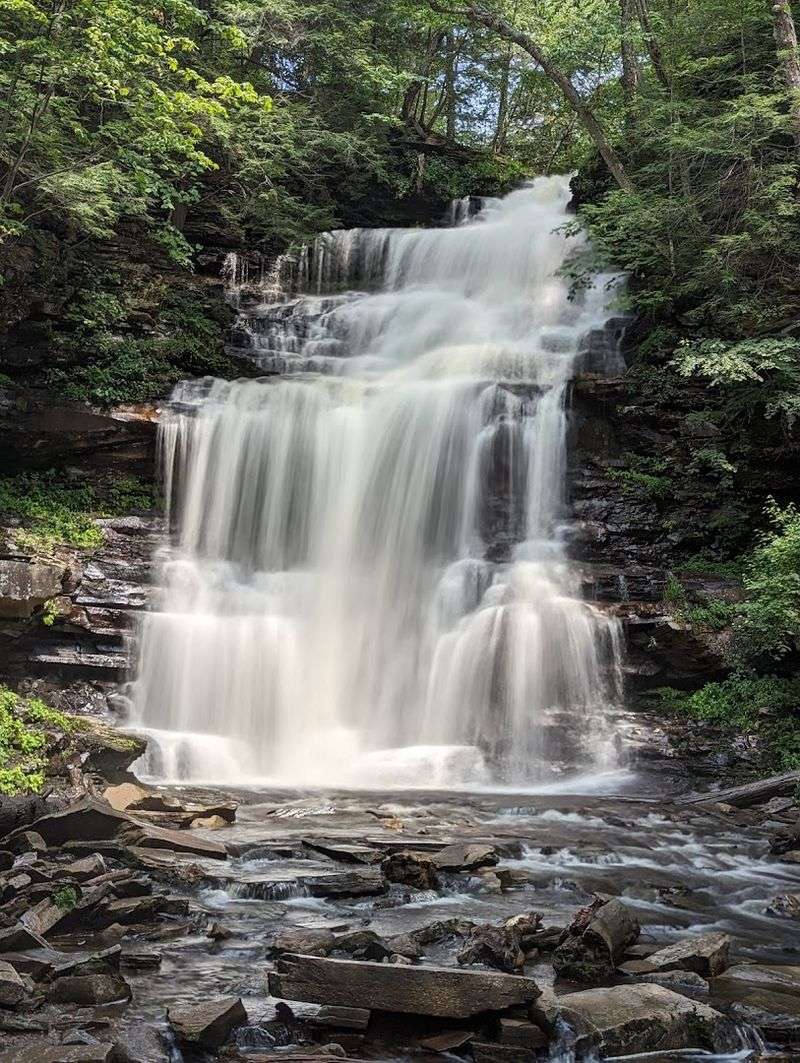
Twenty-two named waterfalls on a single trail is not something most parks can put on their resume. Ricketts Glen State Park can, and the Falls Trail remains one of the most spectacular hike-to-waterfall experiences in the entire Northeast.
Located in Luzerne, Sullivan, and Columbia counties, the park covers nearly 13,000 acres of old-growth forest, glacial lakes, and dramatic ravines. The tallest waterfall, Ganoga Falls, drops 94 feet, and the trail connecting all the cascades winds through hemlock and hardwood forest along creek beds that stay cool even in midsummer.
The trail is rated moderate to difficult, with slippery rocks and uneven terrain that demand proper footwear and reasonable fitness. Rangers recommend visiting on weekdays to avoid the crowds that gather on summer and fall weekends.
Beyond the Falls Trail, the park offers camping, lake swimming at Lake Jean, fishing, and cross-country skiing in winter. The range of activities spread across such varied terrain makes Ricketts Glen a park that justifies the drive from nearly anywhere in the state.
10. Kinzua Bridge State Park, Mount Jewett, Pennsylvania
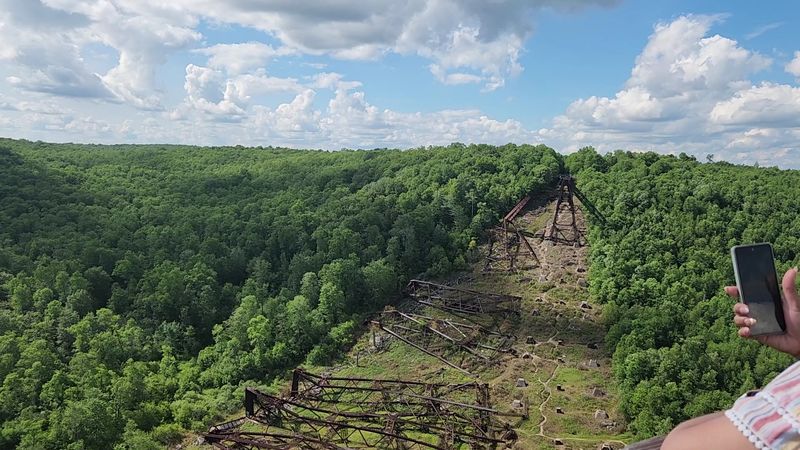
A tornado hit Kinzua Bridge in 2003 and knocked down four of its original eleven towers. The park could have cleared the debris and moved on.
Instead, they turned the wreckage into one of the most thought-provoking visitor experiences in Pennsylvania.
The remaining towers were preserved in place at the bottom of the gorge, visible from a glass-floored skywalk that extends from the surviving section of the bridge over the 225-foot drop. The effect is part history lesson, part engineering marvel, and part genuine vertigo.
Originally built in 1882, Kinzua Bridge was once the highest railroad viaduct in the world, a title it held until 1900. The surrounding park in McKean County offers hiking trails that descend into the gorge and provide close-up views of the fallen towers.
The visitor center does an excellent job contextualizing both the bridge’s construction history and the storm that reshaped it. Few parks in Pennsylvania manage to blend industrial heritage and natural scenery quite so effectively, or so dramatically.
11. Promised Land State Park, Greentown, Pennsylvania
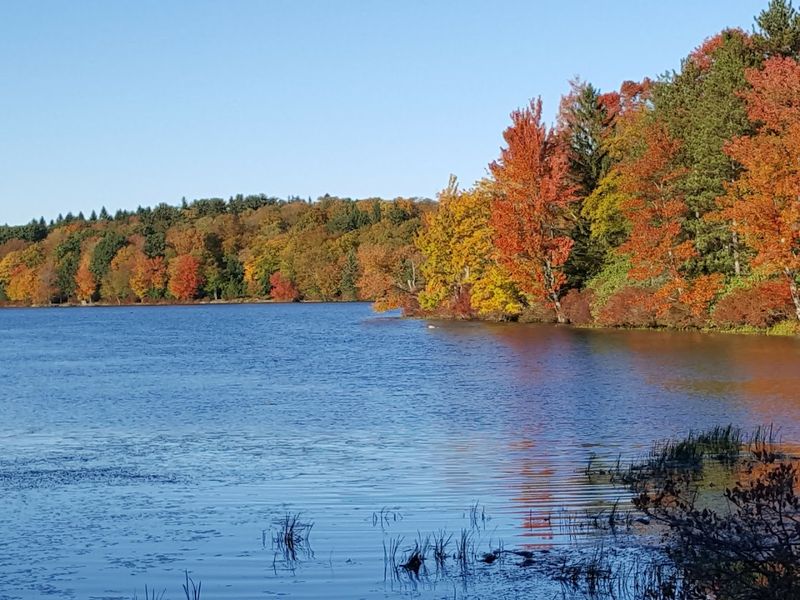
The Pocono Mountains have no shortage of resorts and tourist traps, which makes Promised Land State Park feel like a genuine breath of fresh air by comparison. No waterparks, no overpriced lodges, just two clean lakes, miles of wooded trails, and a campground that families have been returning to for generations.
The park covers approximately 3,000 acres in Pike County and sits within the Delaware State Forest, giving it a much larger wilderness buffer than its official boundaries suggest. Bruce Lake Natural Area, accessible from within the park, adds a roadless stretch of old forest and glacial lakes that rewards visitors willing to hike a bit further.
Swimming, fishing, canoeing, and kayaking are all available on the main lakes, and the trail network connects to longer routes for those planning multi-day trips. The park’s name comes from early settlers who considered the land a promised land after clearing it for farming, though the forest has long since reclaimed that story.
Promised Land is the kind of park that does not need a gimmick to earn its visitors’ loyalty. It just needs a clear lake and a good trail map.
Share this story