The Caribbean is one of those places that makes you feel like you won the geography lottery. Beyond the beaches and cocktails, the region is packed with waterfalls, rainforests, historic forts, glowing bays, and underwater wonders that most travelers never even know exist.
Whether you are island-hopping for the first time or adding new stops to a well-worn map, this list has something for every kind of adventurer. Get ready to start rearranging your itinerary.
Dunn’s River Falls – Jamaica
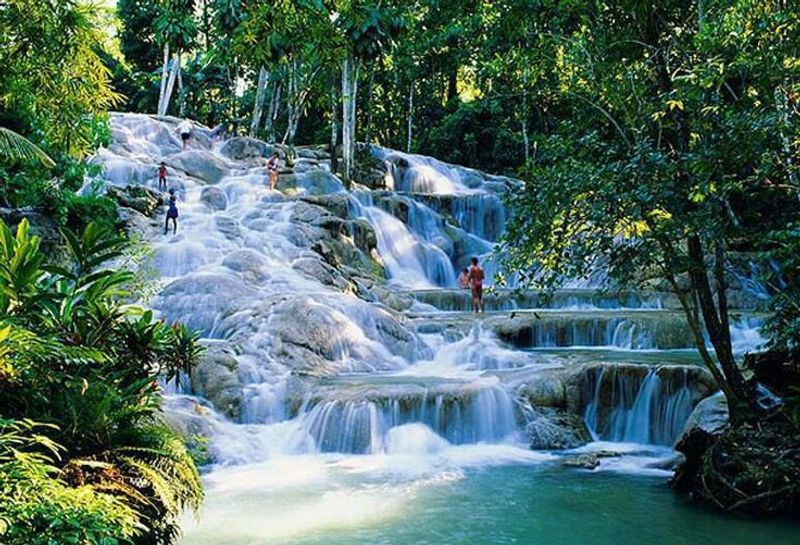
Nobody warned me that climbing a waterfall in flip-flops was a terrible idea, but Dunn’s River Falls taught me that lesson fast. Located near Ocho Rios, this iconic Jamaican landmark is not a passive sightseeing stop.
You grab hands with strangers, form a human chain, and scramble up terraced limestone steps while cool water rushes past your ankles.
Guides lead groups up the cascades, keeping things safe and surprisingly fun. The falls are terraced naturally, so the climb feels more playful than punishing.
Stopping for photos along the way is practically mandatory.
Arrive early to beat the cruise ship crowds, because by midday this place fills up fast. There are changing rooms, lockers, and a beach area at the base, so you can make a full morning of it.
For one unmistakably Jamaican experience, this waterfall earns its legendary reputation every single time.
The Pitons – Saint Lucia
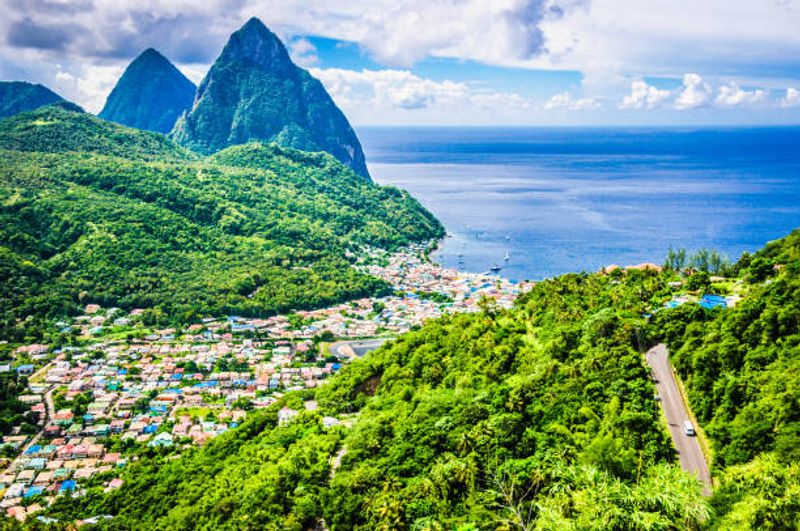
There are mountains, and then there are the Pitons, two volcanic spires that shoot straight out of the sea like nature decided to show off. Gros Piton and Petit Piton anchor the southwestern coast of Saint Lucia and form one of the most jaw-dropping landscapes in the entire Caribbean.
Both peaks are part of a UNESCO World Heritage Site, which means the area around them is protected and well worth exploring. Gros Piton can be hiked with a certified guide, rewarding the effort with sweeping views over the island and surrounding sea.
Even from a boat or a hillside restaurant, the peaks steal every photo.
Staying near Soufriere puts you closest to the action. Many resorts in the area are literally built with Piton views from the room.
Whether you hike them or simply stare at them over breakfast, the Pitons are Saint Lucia at its most dramatic and unforgettable.
El Yunque National Forest – Puerto Rico
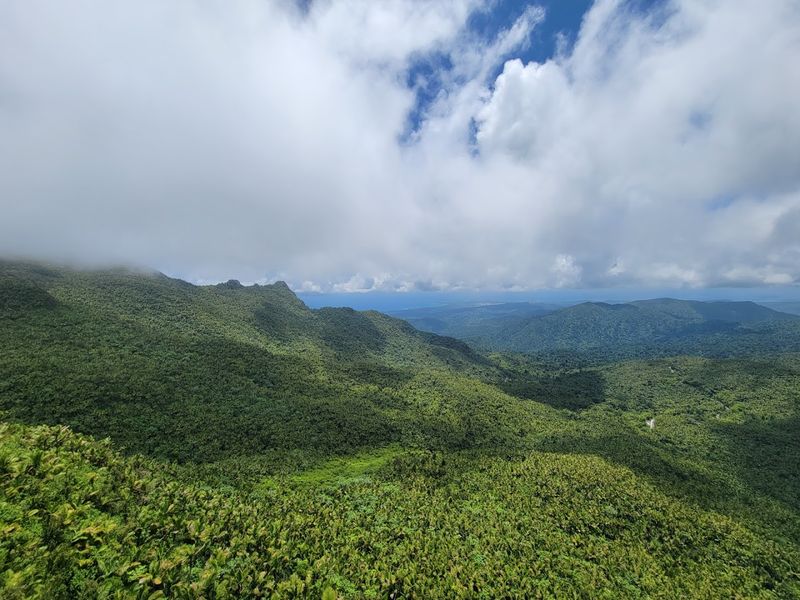
El Yunque is the only tropical rainforest in the entire U.S. National Forest System, which makes it genuinely one of a kind.
Tucked into Puerto Rico’s northeastern mountains, it offers a completely different Caribbean experience from anything you will find on a beach towel.
Trails wind through dense forest, past waterfalls, and up to viewpoints where the treetops stretch out below you in every direction. The El Portal visitor center is a great starting point, especially for first-timers figuring out which trails suit their fitness level.
Families, solo hikers, and nature lovers all find something worth their time here.
One practical heads-up: trail access and road conditions can change due to weather or maintenance, so checking current status before you go saves a wasted trip. When everything is open and the clouds part just enough, El Yunque is stunning.
It is the kind of place that reminds you Puerto Rico is much more than a resort destination.
Mosquito Bay – Vieques, Puerto Rico
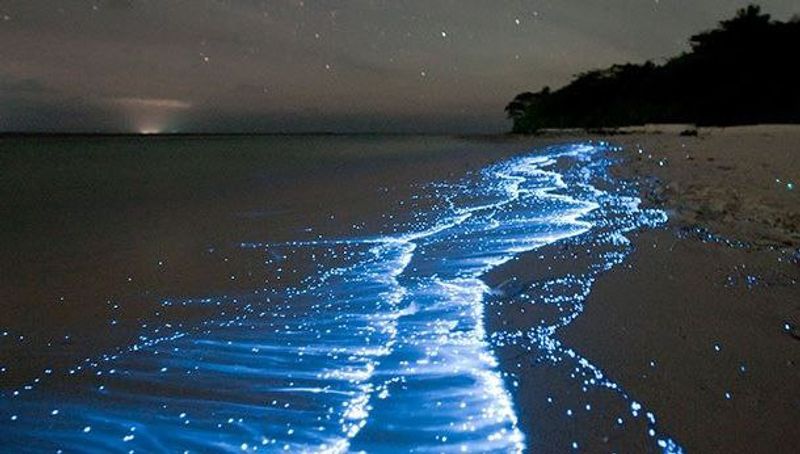
Mosquito Bay holds a record most bays could never dream of: it is recognized as one of the brightest bioluminescent bays on the planet. On moonless nights, every paddle stroke and splash lights up the water in electric blue-green, thanks to microscopic organisms called dinoflagellates that glow when disturbed.
The best way to experience it is by guided kayak tour after dark. Clear-bottom kayaks are especially popular because they let you watch the glow swirling directly beneath you as you move.
Timing your visit around a new moon makes a noticeable difference in how bright the effect appears.
This is not a loud or action-packed attraction. It is slow, quiet, and genuinely surreal in the best way.
I went in expecting something cool and came out completely speechless. No photo does it justice, but that almost makes it better.
For many visitors, Mosquito Bay becomes the single most memorable night of their entire Caribbean trip.
Stingray City – Grand Cayman, Cayman Islands
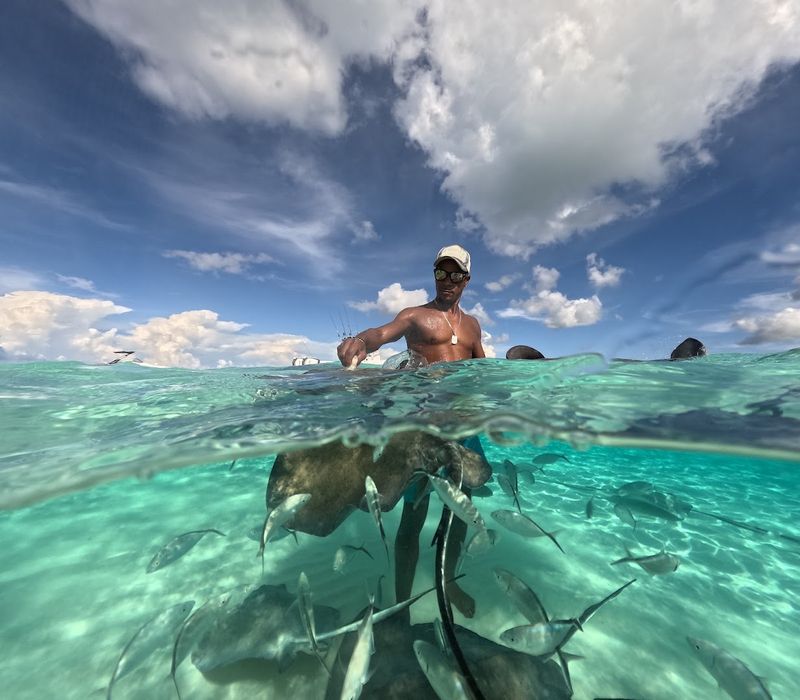
Stingray City sounds like a theme park name, but it is actually a shallow sandbar in Grand Cayman’s North Sound where southern stingrays have gathered for decades. They originally came for fish scraps from anchored boats, and now they show up reliably for tour groups, which makes for one of the most accessible marine encounters in the Caribbean.
The water is typically calm, clear, and only waist-deep, so you do not need to be a strong swimmer. Many tours combine the sandbar with snorkeling stops at nearby reefs or a visit to Starfish Point, making it easy to build a full half-day on the water.
Choosing a responsible operator matters here. These are wild animals, not props, and good guides will explain how to interact respectfully without stressing the rays.
Follow their instructions, and the experience is genuinely wonderful.
It consistently ranks among the top things to do in the Cayman Islands for very good reason.
Harrison’s Cave Eco-Adventure Park – Barbados
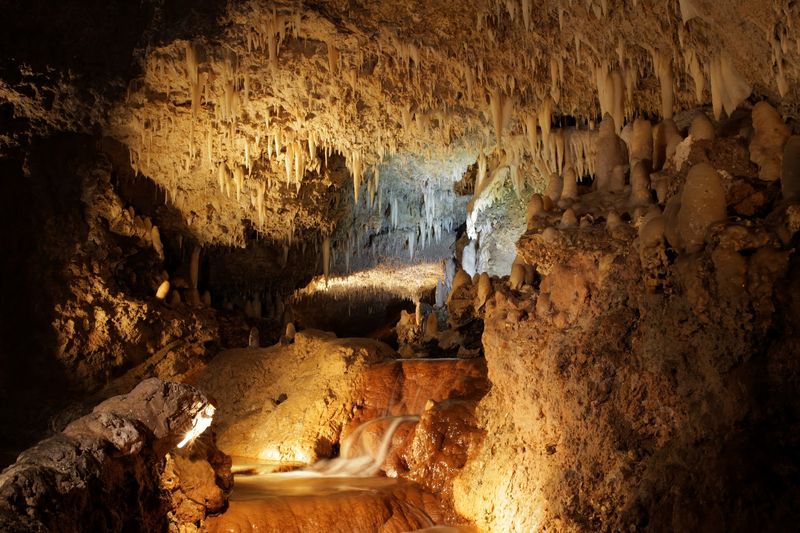
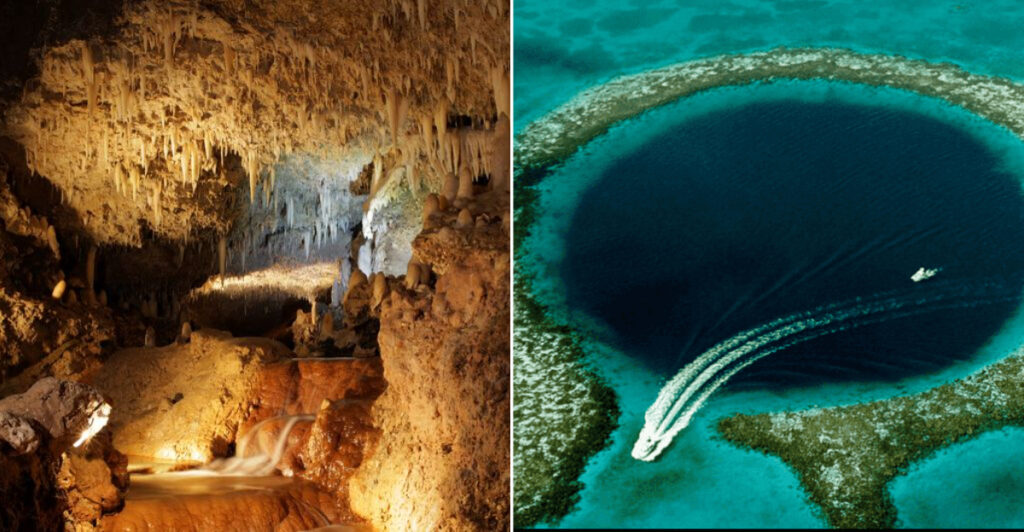
Not every Caribbean attraction requires sunscreen. Harrison’s Cave offers something completely different from the beach scene above ground: a cool, dramatic underground world of limestone formations, underground streams, and cathedral-like caverns deep inside Barbados.
The classic tram tour is the most popular option, carrying visitors through the cave system without requiring any strenuous hiking. It is well-suited for families, older travelers, and anyone who wants a low-effort but high-reward experience.
The eco-adventure park surrounding the cave can add extra activities depending on the package you select.
What makes Harrison’s Cave particularly smart as a travel choice is the timing. On a scorching afternoon when beach crowds peak, heading underground feels like a genius move.
The cave stays naturally cool year-round, and the formations inside have been growing for thousands of years.
A guided tram ride through all of that geological drama costs less than most island excursions and delivers far more conversation-worthy memories.
Brimstone Hill Fortress National Park – St. Kitts
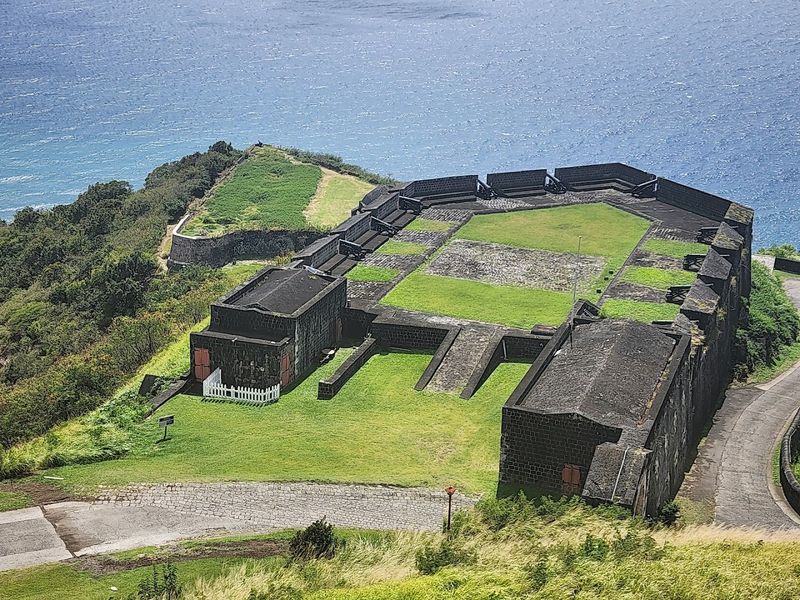
Built high above the coast of St. Kitts on the slopes of an extinct volcano, Brimstone Hill Fortress is the kind of place that makes you stop mid-step and just stare. The stone walls, cannon placements, and sweeping sea views create a setting that feels equal parts history lesson and blockbuster film set.
Recognized as a UNESCO World Heritage Site, the fortress was constructed over more than a century and once served as one of Britain’s most important military strongholds in the Caribbean. Walking through the grounds today, the scale of the construction is genuinely impressive, especially considering the era and the terrain.
The views from the top are worth the visit on their own. On a clear day, you can see neighboring islands stretching across the horizon.
For travelers who want Caribbean history that goes beyond colonial-era plaques on a wall, Brimstone Hill delivers real drama, real architecture, and real perspective on the region’s complicated past.
Nelson’s Dockyard – Antigua
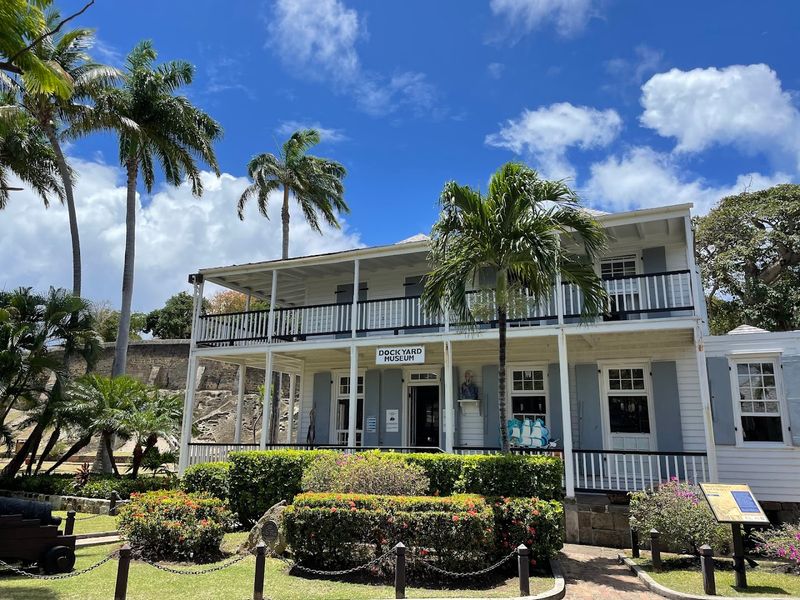
Nelson’s Dockyard is the rare historic site that actually feels alive. Named after Admiral Horatio Nelson, who was stationed here in the 1780s, this Georgian-era naval base in English Harbour has been beautifully restored and now buzzes with restaurants, shops, a museum, and a working marina.
It is part of Antigua’s UNESCO-listed naval dockyard complex, one of the only continuously working Georgian dockyard in the world. That detail alone makes it stand out from typical colonial ruins.
You can walk the same stones that British sailors walked centuries ago, then grab lunch at a waterfront restaurant without breaking the mood.
Pair the dockyard with a short drive up to Shirley Heights for sunset views over the harbor and live music on Sunday evenings. Together, they make for one of Antigua’s best full-afternoon combinations.
History enthusiasts, sailing fans, and architecture lovers all find plenty to admire here, and the harbor setting makes every photo look effortlessly postcard-worthy.
The Baths – Virgin Gorda, British Virgin Islands
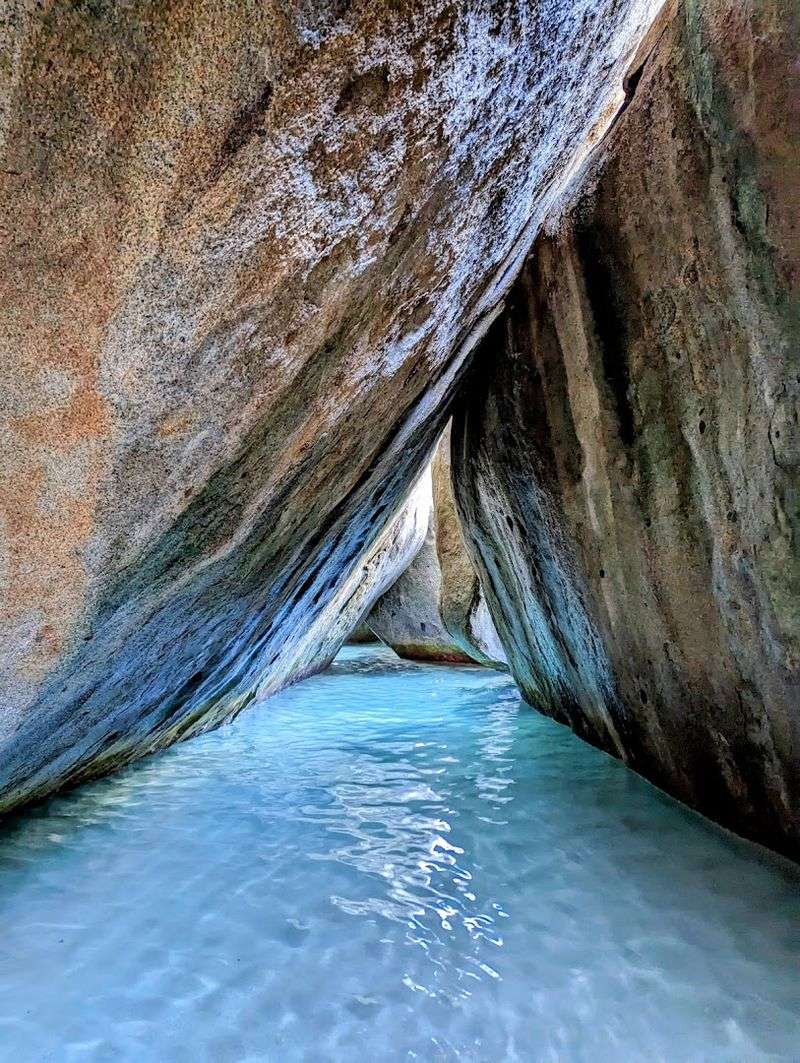
The Baths look like a giant dropped a bag of boulders on a Caribbean beach and just left them there. These enormous granite rocks, some the size of small houses, create a wild maze of tunnels, pools, and hidden coves along Virgin Gorda’s southern shore that feels unlike anywhere else in the Caribbean.
Visitors wade, climb, and squeeze through narrow passages between the boulders, eventually emerging at Devil’s Bay, a beautiful and relatively sheltered beach. The whole route takes roughly 30 to 45 minutes depending on how much exploring you do, and most of it is genuinely fun.
Wear water shoes if you have them, because the rocks can be slippery and uneven. The Baths can get busy when multiple charter boats arrive at once, so an early morning visit tends to be quieter and more enjoyable.
For a natural landscape that feels genuinely unusual and photogenic, this spot consistently ranks among the most memorable in the entire British Virgin Islands.
Arikok National Park – Aruba
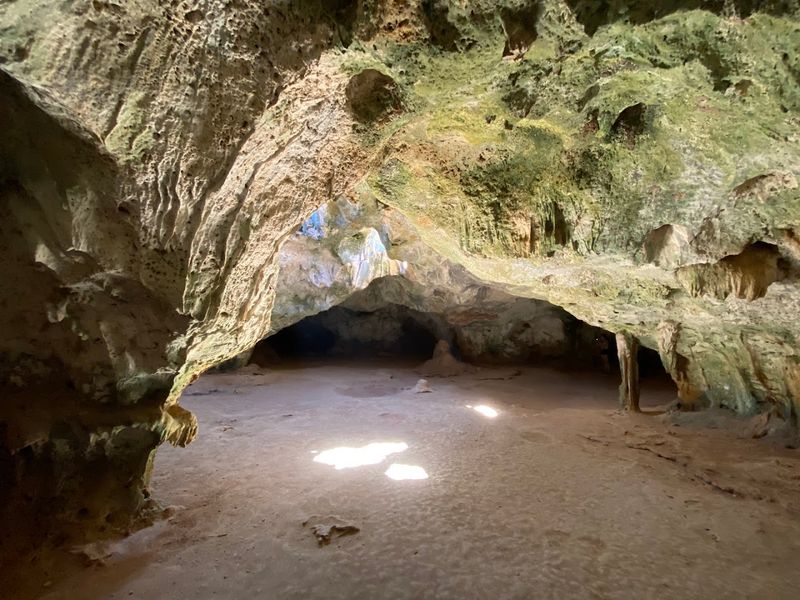
Most people visit Aruba for the beach, which is completely understandable, but Arikok National Park shows a totally different side of the island that surprises nearly everyone who bothers to show up. The park covers roughly 20 percent of Aruba’s total landmass and protects a raw, sun-baked landscape of desert terrain, caves, cacti, and dramatic coastline.
Hiking, guided tours, and off-road vehicles are the main ways to explore, depending on the route and current regulations. The Fontein and Quadirikiri caves offer some of the park’s most interesting stops, with ancient drawings and resident bats that add a slightly spooky bonus to the visit.
Pack plenty of water, wear sunscreen, and bring solid footwear. The terrain is not forgiving, and shade is rare.
But the reward is a version of Aruba that most tourists never see: quiet, wild, and genuinely beautiful in a completely different way from Eagle Beach.
Arikok is Aruba’s best-kept open secret.
Historic Willemstad – Curaçao
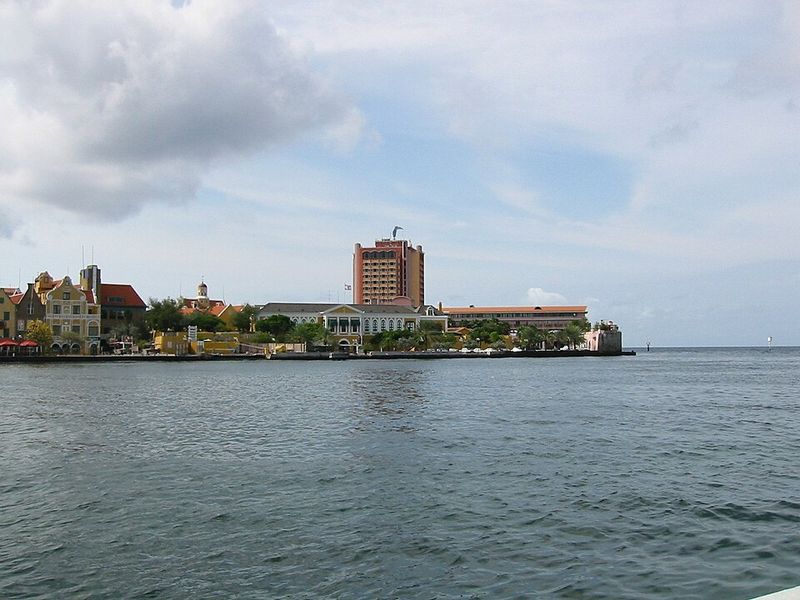
Willemstad might be the most photogenic capital city in the entire Caribbean, and the locals know it. The Handelskade waterfront, lined with candy-colored Dutch colonial buildings reflected in the harbor water, is so striking that it basically photographs itself.
UNESCO agreed, recognizing the historic center as a World Heritage Site.
The best way to experience Willemstad is entirely on foot. Cross the Queen Emma floating pontoon bridge, wander through the Punda and Otrobanda neighborhoods, pop into local shops, and stop for keshi yena, the island’s stuffed cheese dish, at any spot that smells good.
The city rewards slow walking and zero agenda.
Curaçao blends Dutch, African, and Caribbean influences in a way that shows up in the architecture, food, language, and music all at once. Willemstad is not a side trip from the beach.
For many travelers, it becomes the main event.
Come for the colors, stay for the culture, and leave with a memory card full of shots that need zero editing.
27 Charcos de Damajagua – Dominican Republic
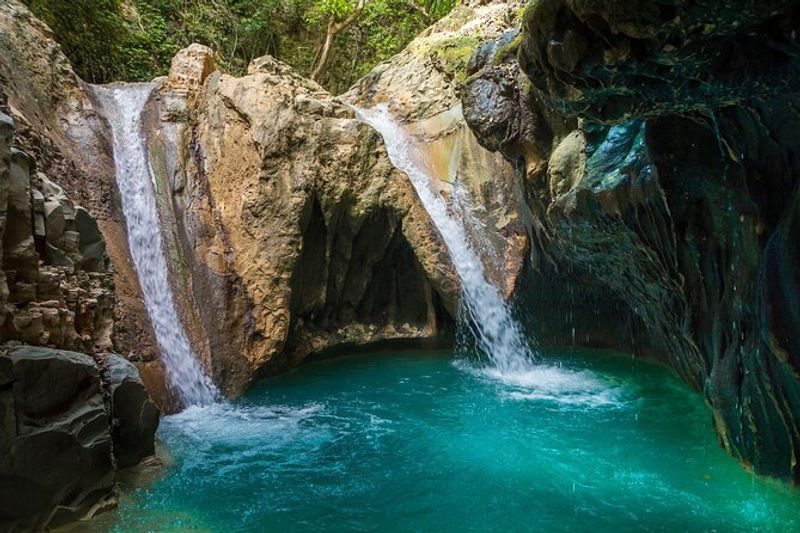
The 27 Charcos de Damajagua, also called the 27 Waterfalls, basically invented the concept of making hiking feel like a theme park ride. Located near Puerto Plata in the Dominican Republic, the experience involves hiking into the jungle, then sliding, jumping, and swimming through a series of natural waterfalls and turquoise pools on the way back down.
Guides lead every group, and all visitors wear helmets and life jackets, which is both a safety requirement and a fashion statement you will fully embrace by the second waterfall. Depending on water levels and tour selection, you may tackle 7, 12, or all 27 sections.
Set realistic expectations before booking, because the full 27 is physically demanding and not always accessible. But even a partial route delivers more excitement per hour than most Caribbean excursions manage all day.
This one is strictly for travelers who do not mind getting soaked and slightly adrenaline-fueled before lunch.
Washington Slagbaai National Park – Bonaire
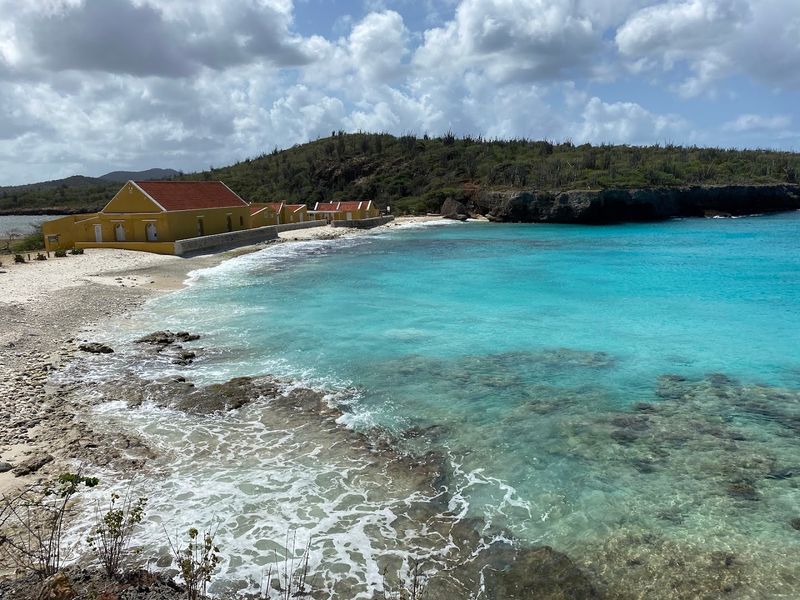
Bonaire is already famous for world-class diving, but Washington Slagbaai National Park proves the island has plenty worth seeing above the waterline too. Covering a large chunk of the island’s rugged northwest, the park protects desert terrain, dramatic coastline, historical plantation sites, flamingo salt ponds, and snorkeling spots that rival anything in the Caribbean.
Managed by STINAPA Bonaire, the park is home to over 190 bird species, wild donkeys, iguanas, and a landscape that feels genuinely remote. You can drive the park routes in a suitable vehicle or explore certain areas on foot, depending on the trail and your fitness level.
Because services inside the park are minimal, preparation is everything. Bring enough water for the full day, sun protection, snacks, and a fully charged phone for navigation.
Washington Slagbaai is one of the Caribbean’s most underrated natural parks, and the travelers who make the effort to explore it properly tend to rank it as a trip highlight they never expected.
Pigeon Point Heritage Park – Tobago
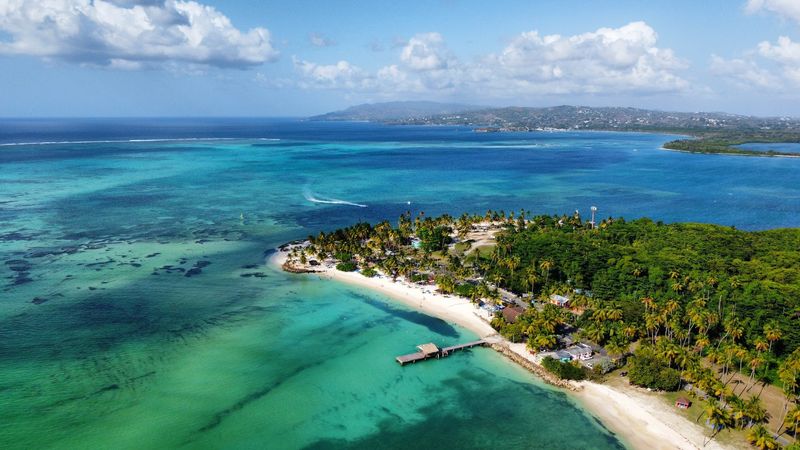
Few beaches in the Caribbean have a more recognizable image than Pigeon Point, and that thatched jetty stretching out over impossibly blue water has appeared on more Tobago postcards than anything else on the island. The beach lives up to the picture, which is not always the case with famous spots.
Pigeon Point Heritage Park offers a more organized beach experience than many of Tobago’s wilder shores. There are facilities, food vendors, water sports rentals, and shaded areas, making it easy to spend a full morning or afternoon without needing to pack much.
The calm, clear water is ideal for swimming and snorkeling close to shore.
Entry requires a small fee, which helps maintain the park and keeps the area in good condition. For travelers who want a classic Caribbean beach day without hunting down a remote cove, Pigeon Point delivers reliably.
It is the kind of beach that makes you cancel your afternoon plans and order another cold drink without a single regret.
The Great Blue Hole – Belize
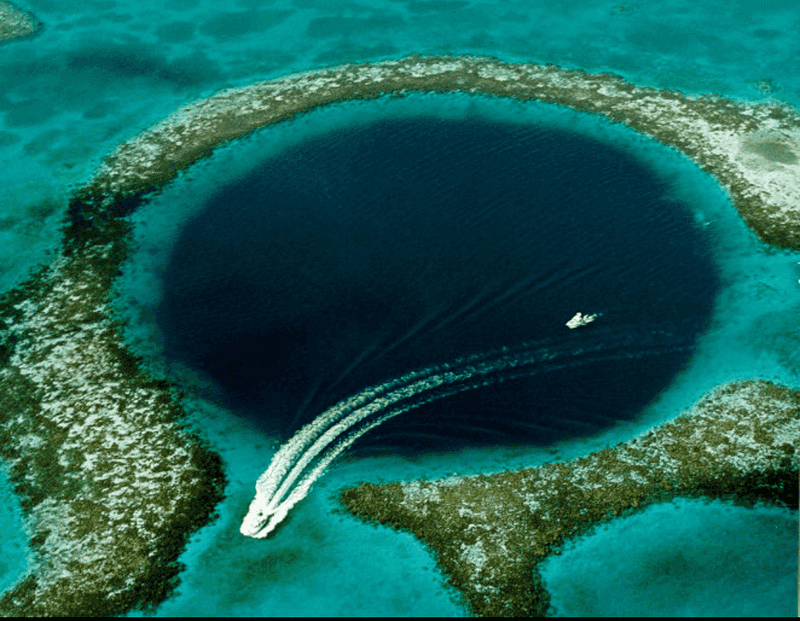
From the air, the Great Blue Hole looks like someone punched a perfect circle of midnight blue into the middle of a turquoise reef. The effect is so striking from a scenic flight that many travelers consider the aerial view alone worth the trip out from Belize City.
This giant marine sinkhole sits within the Belize Barrier Reef Reserve System, a UNESCO World Heritage Site, and measures roughly 300 meters across and over 125 meters deep. Experienced divers can descend into the hole on guided boat tours to see stalactites, reef sharks, and the eerie transition from light to darkness below.
Planning ahead is non-negotiable here. The Blue Hole is offshore, trips are weather-dependent, and the dive itself is best suited to experienced divers rather than beginners.
Snorkeling and reef stops are usually included for non-divers on the same tours.
For travelers who love marine landscapes and genuinely once-in-a-lifetime views, this is one of the Caribbean’s most extraordinary natural wonders.
Share this story