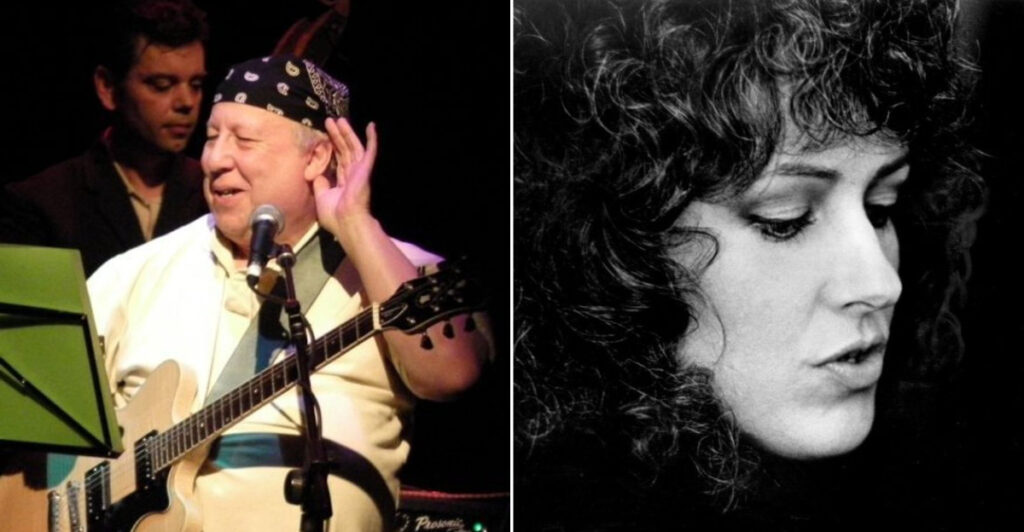
Fame is loud, but some of the greatest musicians in history decided to turn down the volume on their public lives. Whether burned out, seeking peace, or simply done with the chaos, these artists walked away from the spotlight at the height of their powers.
Their silence spoke louder than most people’s greatest hits. Here are 20 music legends who chose a quiet life over the roar of the crowd.
Syd Barrett
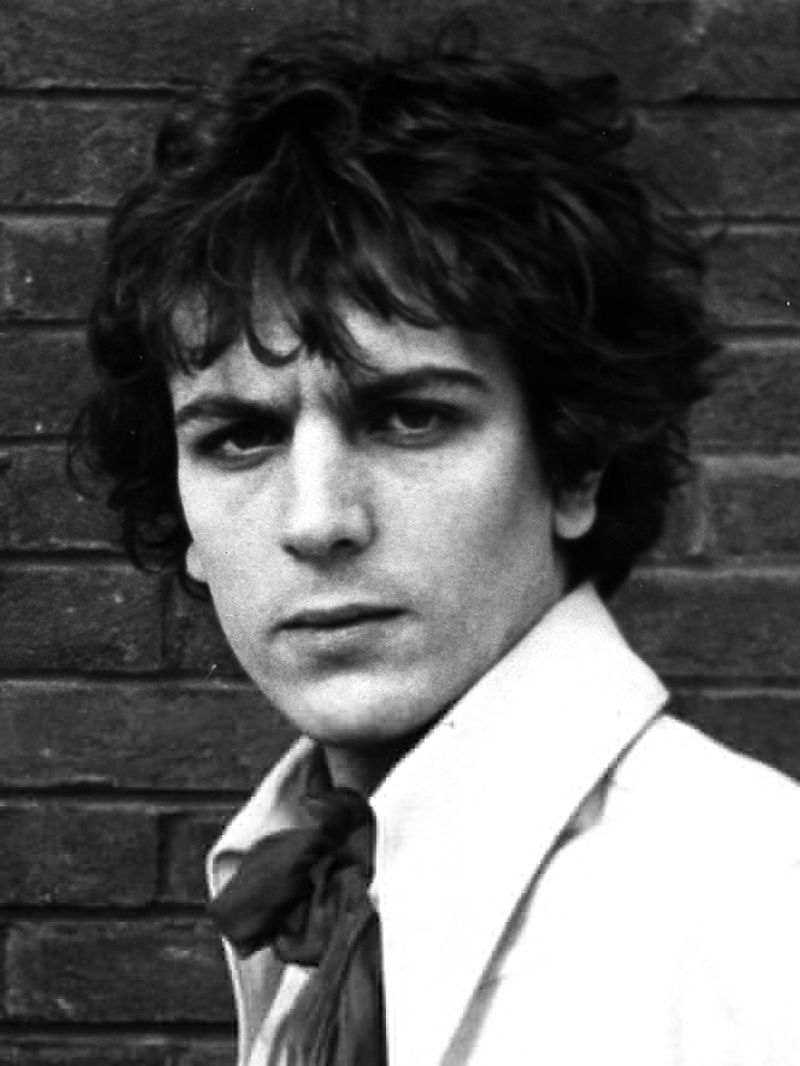
Syd Barrett helped build one of the greatest bands in rock history, then quietly walked away before most people knew what was happening. By 1968, the Pink Floyd co-founder had retreated from music entirely, choosing life as a reclusive painter in Cambridge.
His story is genuinely heartbreaking. Mental illness and heavy drug use took a toll that no amount of fame could fix.
His former bandmates tried to help, but Syd had already checked out mentally long before he left physically.
He spent his later years gardening, painting, and living simply under his real name, Roger Barrett. No interviews.
No comebacks. No nostalgia tours.
Pink Floyd immortalized him on the album “Wish You Were Here,” which still gives fans chills. He passed away in 2006, largely forgotten by mainstream audiences but forever iconic in rock history.
Sometimes the most legendary exit is just walking out the door quietly.
Cat Stevens / Yusuf Islam
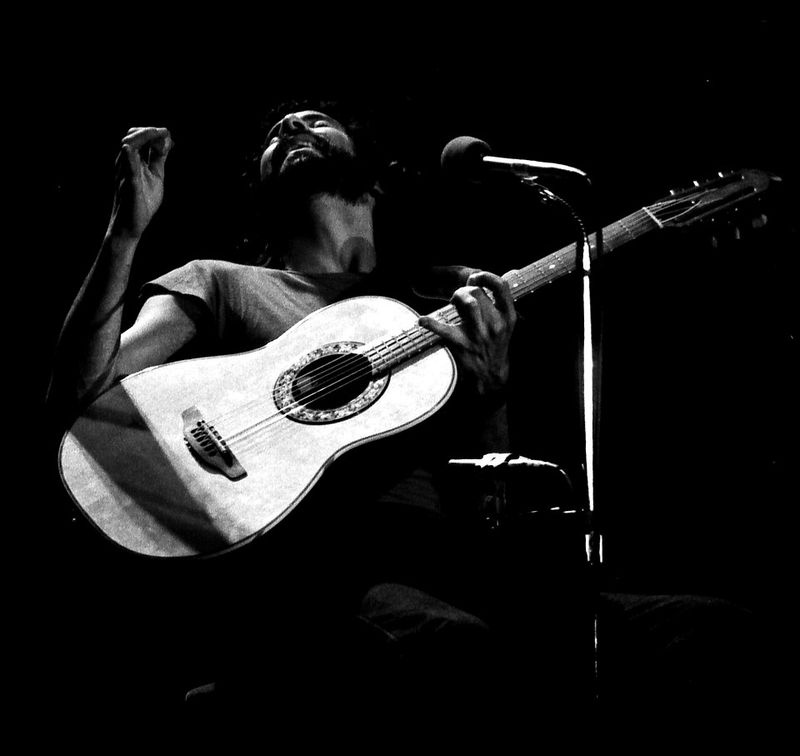
At the peak of his career, Cat Stevens sold millions of albums and had hits like “Wild World” and “Father and Son” on constant rotation. Then, in 1977, he converted to Islam, changed his name to Yusuf Islam, and stepped away from the music industry almost entirely.
He donated his gold records to charity and focused on education and humanitarian work. For nearly two decades, he gave no concerts and released no pop music.
The world kept spinning, but Yusuf had found something more important to him than chart positions.
He eventually returned to recording and touring under the name Yusuf / Cat Stevens, proving that stepping away does not have to mean giving up forever. His comeback was warm and widely celebrated.
His story is one of the most fascinating reinventions in music history. He traded fame for faith and found both peace and, eventually, a second act worth singing about.
Izzy Stradlin
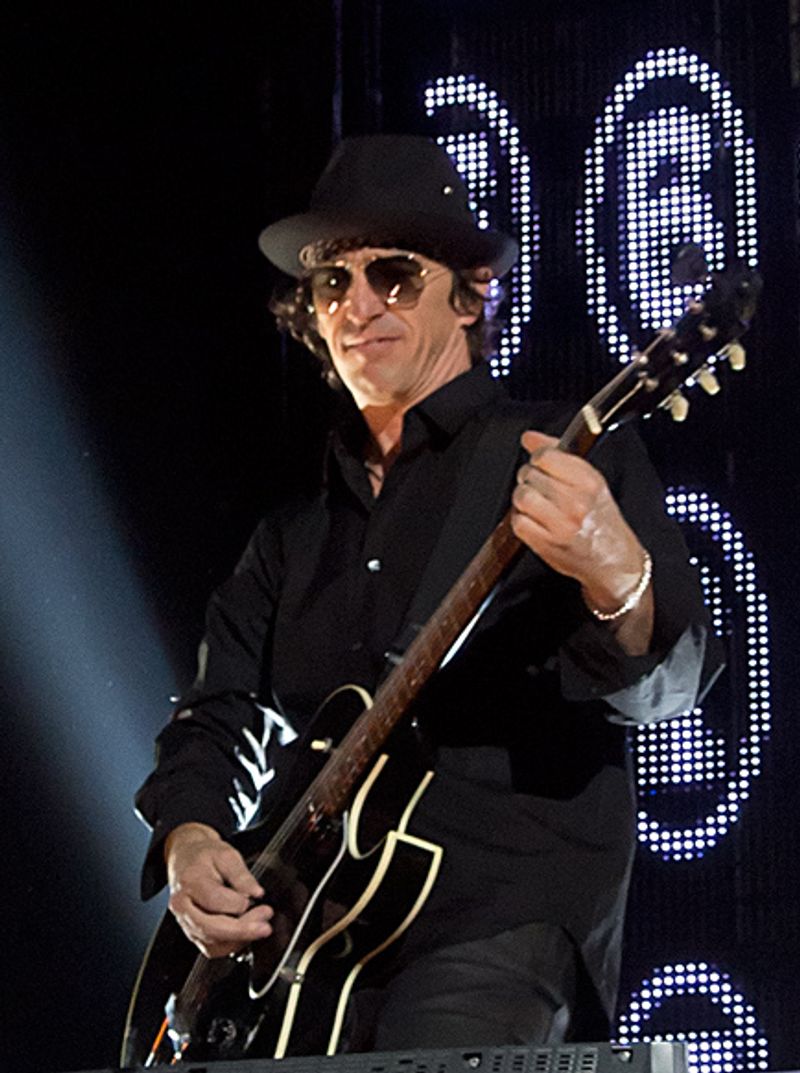
Being a founding member of Guns N Roses sounds like the ultimate rock dream, right? Izzy Stradlin did not see it that way.
In 1991, right as the band was becoming the biggest thing on the planet, he quit and disappeared into a gloriously quiet private life.
He cited the chaos, the excess, and Axl Rose’s increasingly erratic behavior as reasons to go. He was not wrong on any count.
While his former bandmates imploded spectacularly, Izzy released solo albums with almost zero fanfare and seemed genuinely content about it.
He rarely gives interviews and avoids social media entirely. Fans occasionally spot him at small gigs or local bars, which honestly sounds ideal.
No bodyguards, no drama, just a guy who loves playing guitar without the circus attached.
Izzy proved that you can be a founding member of one of history’s greatest rock bands and still choose a normal Tuesday over a stadium sellout. Respect.
Peter Green
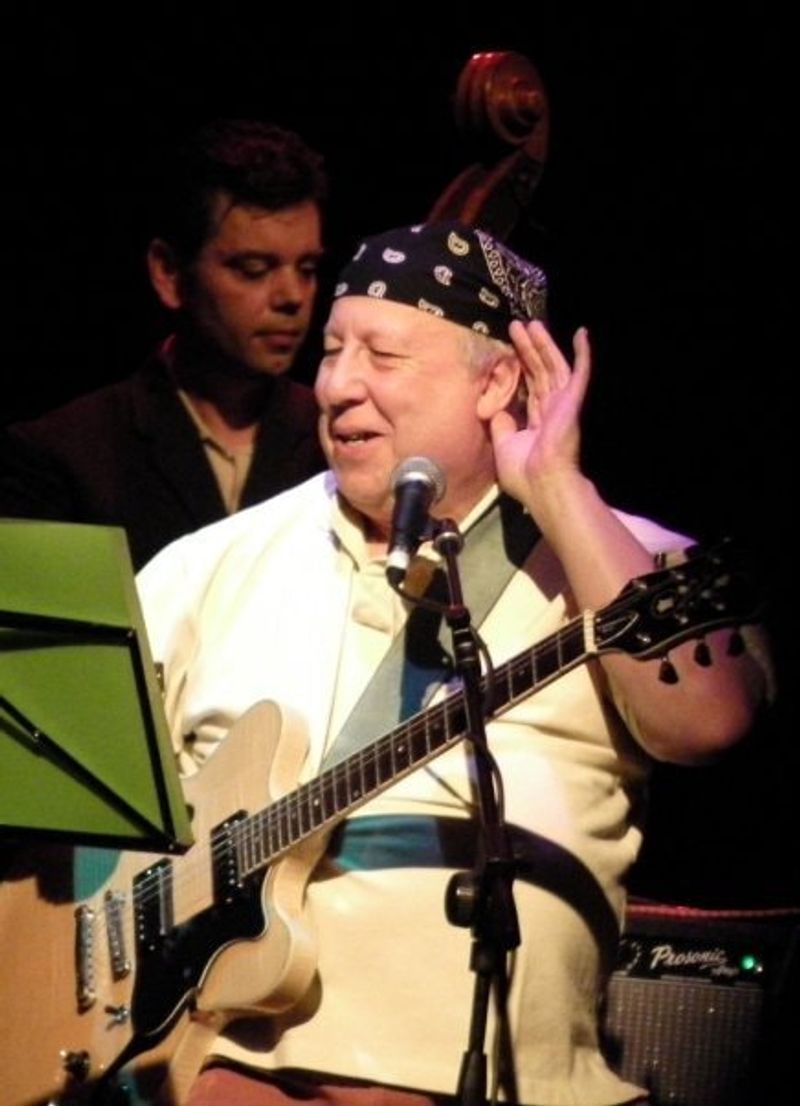
Peter Green founded Fleetwood Mac and was widely considered one of the most gifted guitarists of his generation. B.B.
King once said Green was the only white man who could make him sweat. That is not a small compliment.
But by 1970, Green had walked away from the band, his fortune, and his career. Mental health struggles, a bad LSD experience, and a growing distrust of wealth led him to give away his royalties and eventually live in near-poverty for years.
He spent decades largely out of the public eye, working odd jobs and battling serious illness. A quiet comeback in the late 1990s reminded fans just how extraordinary his talent had always been.
He passed away in 2020, finally at peace after decades of struggle. His guitar tone remains unmistakable, and his influence on rock and blues is enormous.
Fleetwood Mac without Peter Green is like pizza without the crust. It still exists, but something important is missing.
Sly Stone
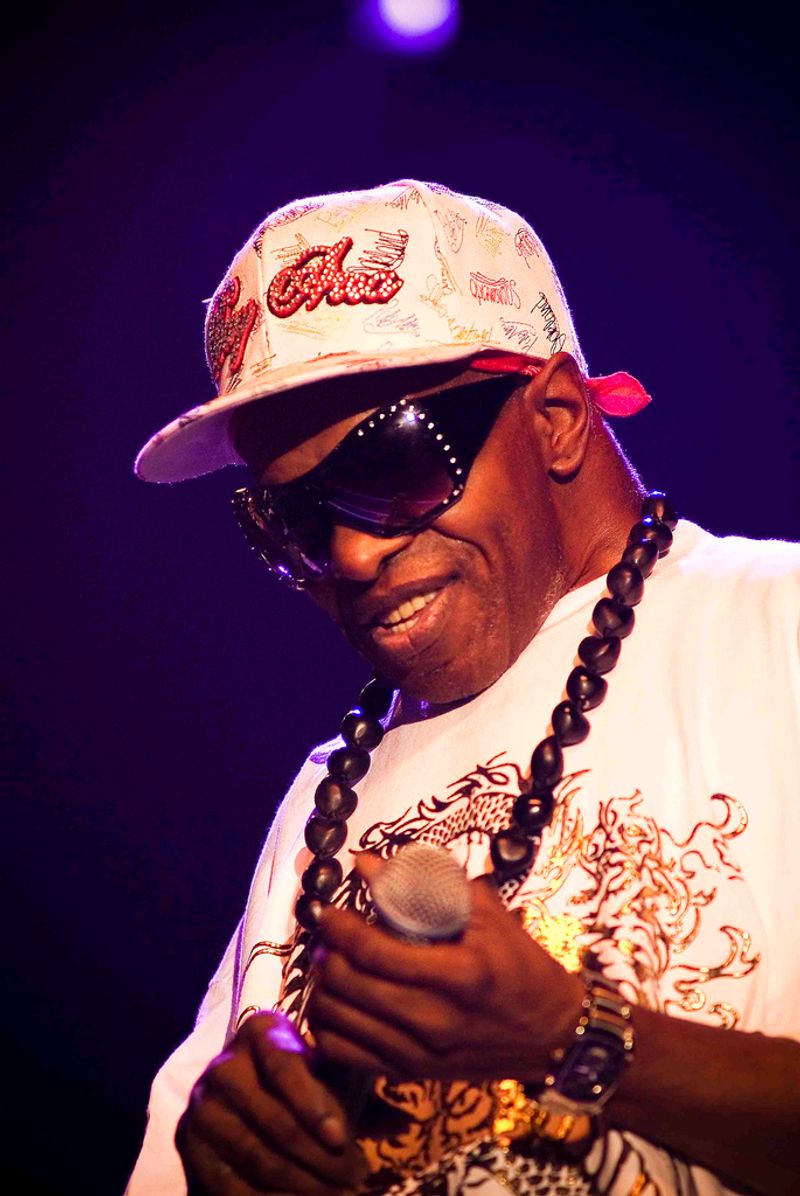
Sly Stone practically invented funk as we know it. Sly and the Family Stone were so ahead of their time that most artists are still catching up.
Then, just as the party reached full volume, Sly quietly slipped out the back door.
Drug addiction, paranoia, and a deepening distrust of the music industry pulled him away from the spotlight during the mid-1970s. He became increasingly unreliable, showing up late to shows or not at all.
Eventually, he stopped showing up entirely.
He spent years living in a van in Los Angeles, a fact so surreal it almost sounds like fiction. He gave a rare interview in 2011 that shocked fans who had assumed he was living comfortably somewhere warm.
His influence on Prince, Michael Jackson, and virtually every funk artist since is undeniable. Sly Stone built the foundation for a genre and then walked off the construction site.
The building still stands though, and it grooves magnificently.
Lauryn Hill

“The Miseducation of Lauryn Hill” is one of the best albums ever recorded, full stop. It won five Grammy Awards in 1999 and made Lauryn Hill the most talked-about artist on the planet.
Then she basically vanished.
She withdrew from public life, moved to a hilltop commune in New Jersey, and stopped releasing music. She gave a few cryptic interviews over the years, hinting at spiritual searching and disillusionment with the music industry.
Fans were confused, worried, and endlessly fascinated.
She has performed sporadically since, sometimes showing up late to her own concerts by hours. The unpredictability became its own kind of legend.
Every rare appearance felt like a once-in-a-decade event.
No proper follow-up album has arrived in over two decades. Her silence has somehow made “Miseducation” feel even more precious.
When you only release one masterpiece and then disappear, every note of that album carries extra weight. Lauryn Hill understood the assignment, even if she never handed it in again.
Bill Withers
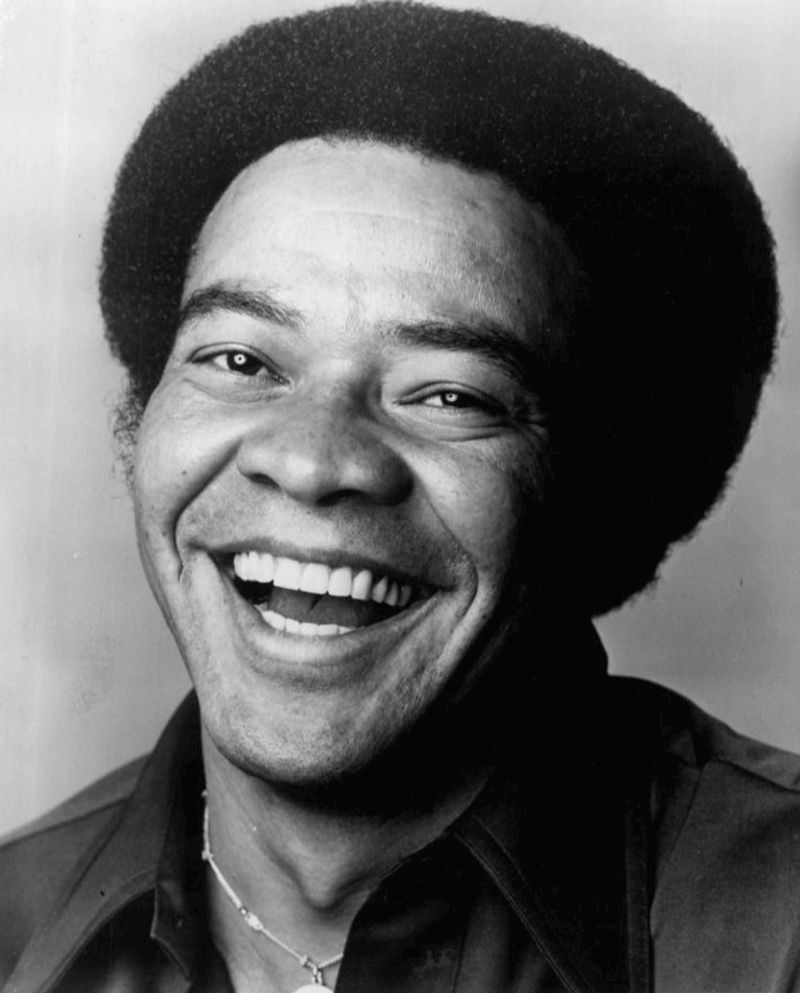
Bill Withers wrote “Lean on Me,” “Lovely Day,” and “Ain’t No Sunshine,” which means he basically wrote the soundtrack to every emotional moment in modern life. In 1985, he walked away from music and never looked back.
Not even once.
He said he simply did not enjoy the business side of the industry anymore. The creative joy had been replaced by corporate pressure, and Bill Withers was not interested in faking enthusiasm for a paycheck.
That kind of honesty is rare in any industry.
He spent the rest of his life as a private citizen in Los Angeles, raising his family and living quietly. He occasionally gave interviews but consistently refused all comeback offers.
He seemed genuinely happy, which is more than most retired rock stars can say.
He passed away in 2020 at age 81. The world grieved loudly, which is ironic given how quietly he had lived.
His songs still comfort millions of people every single day.
Neil Diamond
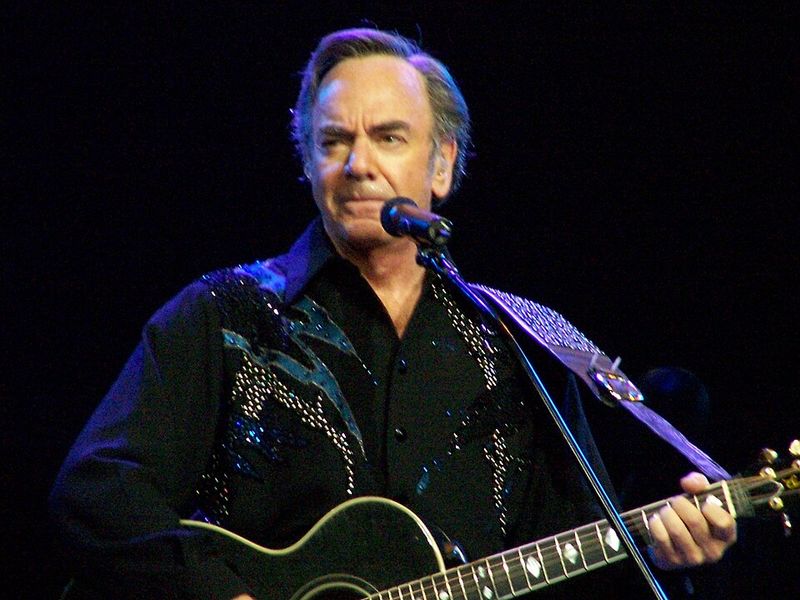
Neil Diamond sold over 130 million records, which puts him comfortably in the conversation for greatest pop artists of all time. “Sweet Caroline” alone has become a global sporting event soundtrack. Then Parkinson’s disease forced him to retire from touring in 2018.
He announced his retirement mid-tour, which took real courage. He could have quietly canceled shows and let the story fade, but instead he was upfront and dignified about it.
Fans respected him enormously for that.
Since stepping back from live performance, he has kept a very low profile. Occasional interviews surface, but he mostly lives quietly and has reportedly remarried and found contentment away from the stage.
What strikes me most about his story is how gracefully he handled an exit that was not entirely his choice. Some artists fight retirement like it is a personal insult.
Neil Diamond accepted it with class. That quiet dignity might be his most underrated performance of all.
Joni Mitchell
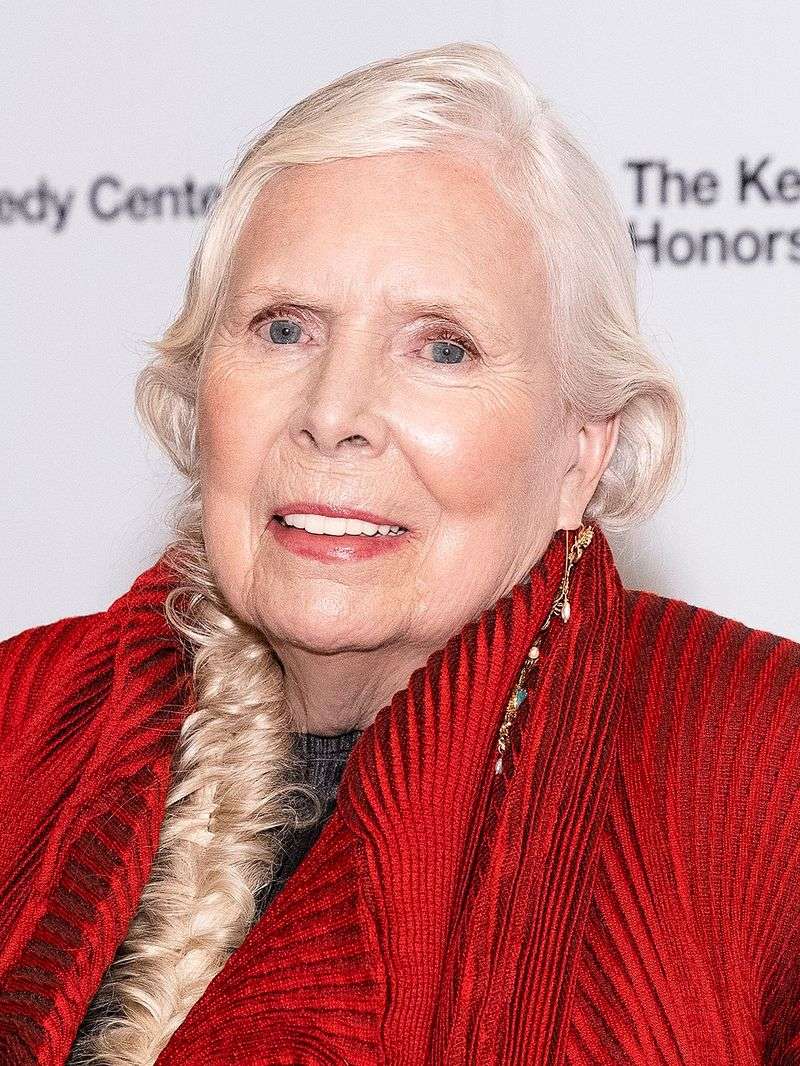
Joni Mitchell is widely considered one of the greatest songwriters who ever lived. “Blue” regularly tops best-album-ever lists, and her influence stretches across every genre from folk to jazz to pop. So when she stepped away from touring and recording for long stretches, the music world felt genuinely quieter.
She retreated significantly after the 1990s, citing frustration with the music industry and a growing desire to focus on painting. She had always been a visual artist alongside her music career, and the canvas called louder than the concert hall.
A serious health crisis in 2015 nearly took her life entirely. She suffered a brain aneurysm and had to relearn basic functions.
Her return to performing at the 2022 Newport Folk Festival was one of the most emotional moments in recent music history.
Watching her perform again after years of silence reminded everyone why her absence had felt so significant. Some voices are simply irreplaceable, and Joni Mitchell’s is at the top of that very short list.
Tina Turner
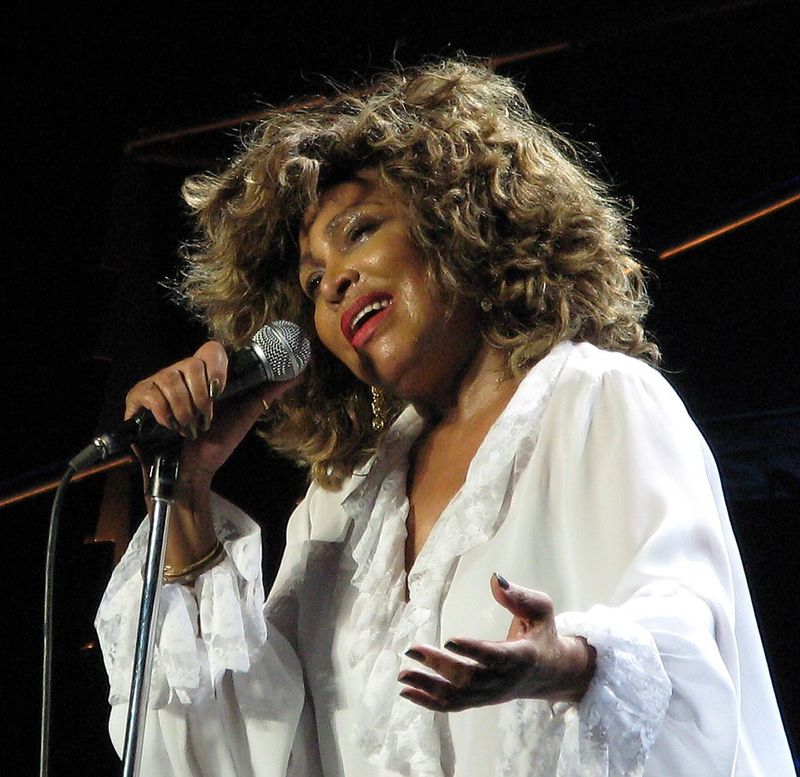
Tina Turner spent decades fighting for her career, her freedom, and her identity. After finally escaping her abusive marriage to Ike Turner, she rebuilt herself into one of the biggest solo stars on the planet.
Then, in 2009, she retired and meant it completely.
She moved to Switzerland with her longtime partner Erwin Bach, converted to Buddhism, and lived a genuinely peaceful life far from the entertainment industry. No farewell tours that lasted six years.
No surprise comeback albums. Just actual retirement.
She faced serious health challenges in her later years, including a stroke, kidney disease, and intestinal cancer. Through all of it, she remained private and dignified.
Her 2023 autobiography and documentary gave fans a final, honest look at her extraordinary life.
She passed away in May 2023 at age 83. She had earned every single quiet moment of that Swiss lakeside life.
Few artists have fought harder for their peace, and fewer still have protected it so fiercely.
Steve Perry
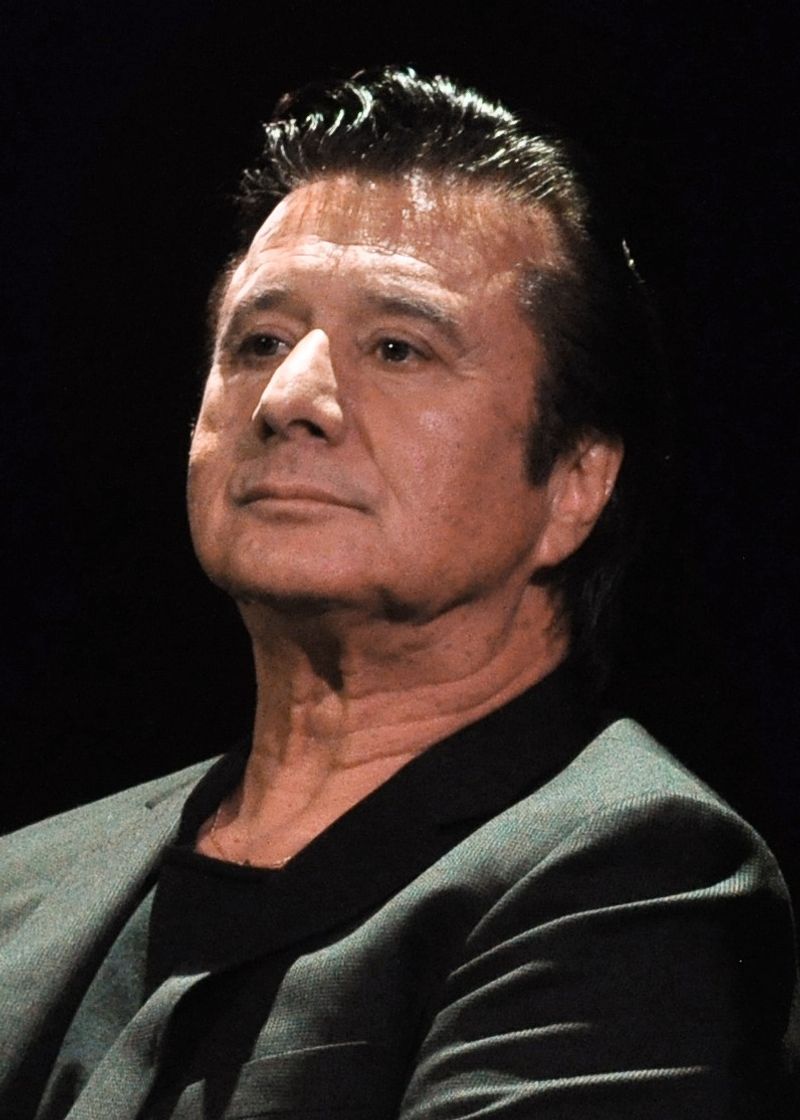
Steve Perry had one of the greatest rock voices in history. Journey’s “Don’t Stop Believin'” is still the best-selling digital catalog single of all time from the 20th century.
Then a hip injury derailed his career, and he walked away from Journey in 1996 and barely looked back.
He turned down enormous amounts of money to rejoin the band over the years. Reports suggest he was offered millions per tour and said no every time.
That kind of financial discipline is almost unheard of in rock music.
He lived quietly in Southern California for over a decade, largely out of the public eye. A relationship with a woman who was battling cancer reportedly changed his perspective on life and music, leading to his eventual solo comeback album “Traces” in 2018.
The album was genuinely beautiful, and fans were thrilled. But he has remained selective and private since.
Steve Perry proved that the right kind of silence can make a comeback feel like an event rather than a routine.
Kate Bush
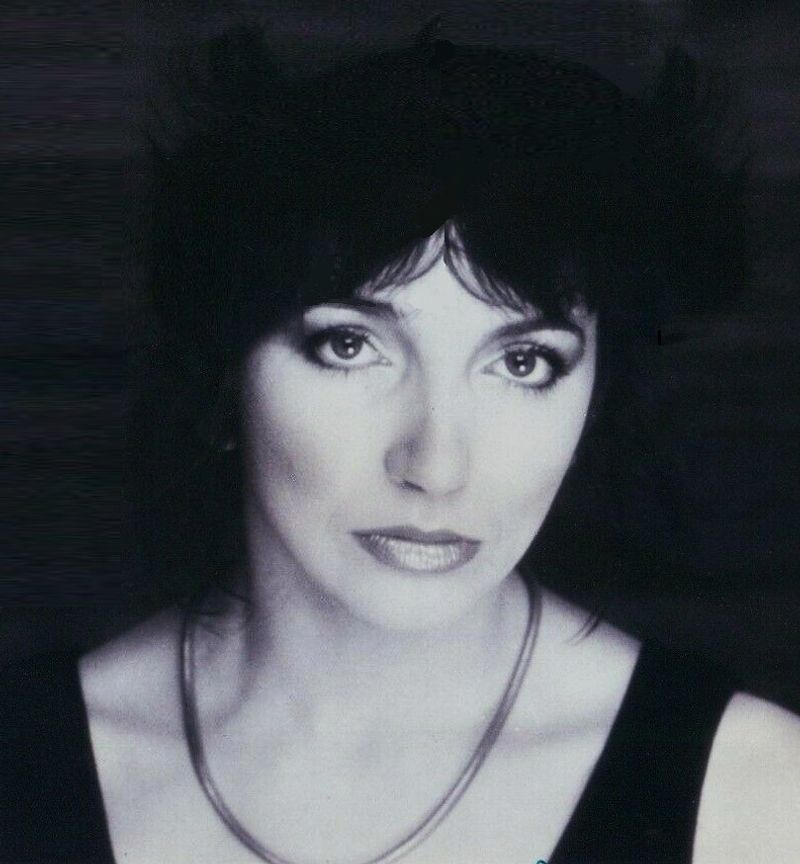
Kate Bush released “Hounds of Love” in 1985, performed her only concert tour in 1979, and then spent the next 35 years doing exactly what she wanted on her own timeline. That kind of artistic independence is almost mythological in the music industry.
She retreated to the English countryside, raised her son, and released albums only when she felt genuinely ready. No label pressure, no publicity machines, no manufactured urgency.
Her albums arrived on Kate Bush time, which meant sometimes waiting a decade between releases.
In 2022, “Running Up That Hill” became a global phenomenon thanks to its use in Stranger Things. A new generation discovered her, and she handled the sudden viral fame with the same cool detachment she had always maintained.
She gave a handful of gracious interviews and then went quiet again. The whole episode felt perfectly on-brand.
Kate Bush has always operated by her own rules, and honestly, the music world is richer for it.
MF DOOM
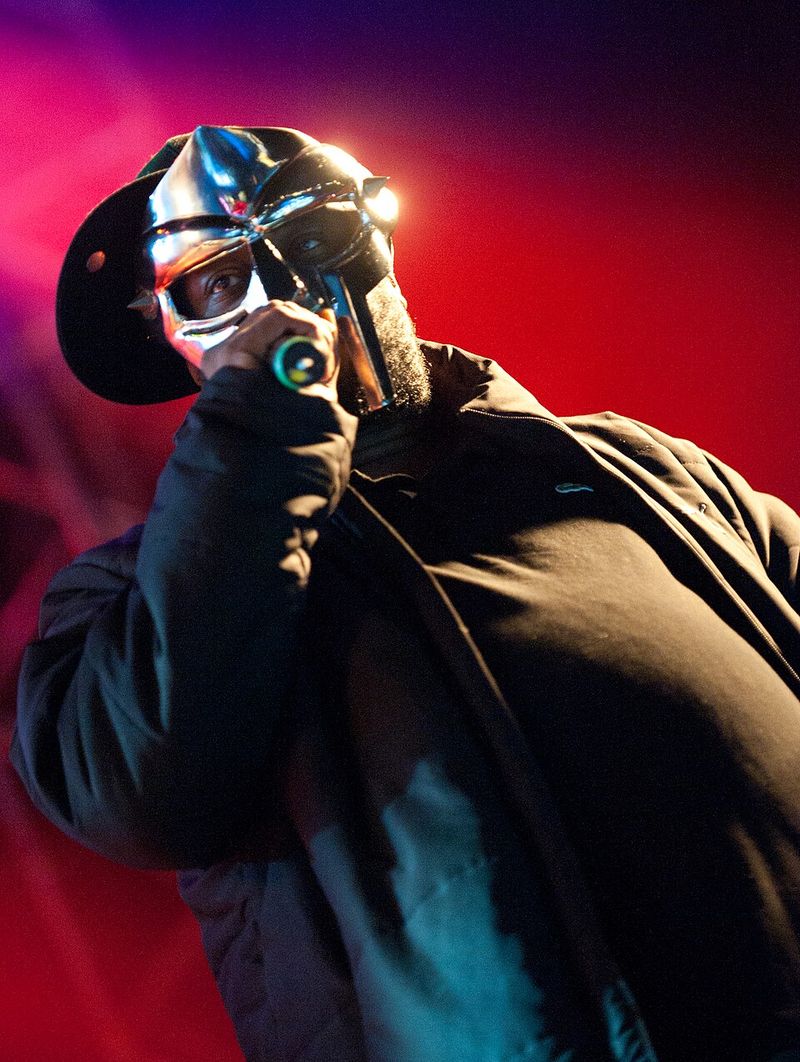
MF DOOM wore an actual metal mask at his performances, which tells you everything you need to know about how he felt about celebrity and identity. The mask was not a gimmick.
It was a statement: the music matters, not the face behind it.
He was notoriously hard to pin down, frequently sending imposters to perform in his place at live shows. Fans sometimes paid to see DOOM and got a masked stranger instead.
He considered this conceptually consistent. Most venue managers did not agree.
He lived between the United States and the UK, kept his personal life fiercely private, and released music on his own terms through independent labels. No major label deal, no mainstream radio push, no Instagram presence.
Just raw, brilliant hip hop.
He passed away on October 31, 2020, with his death not announced until New Year’s Eve. Even his passing felt curated and mysterious.
MF DOOM was the rare artist who made privacy itself into an art form.
Michael Nesmith
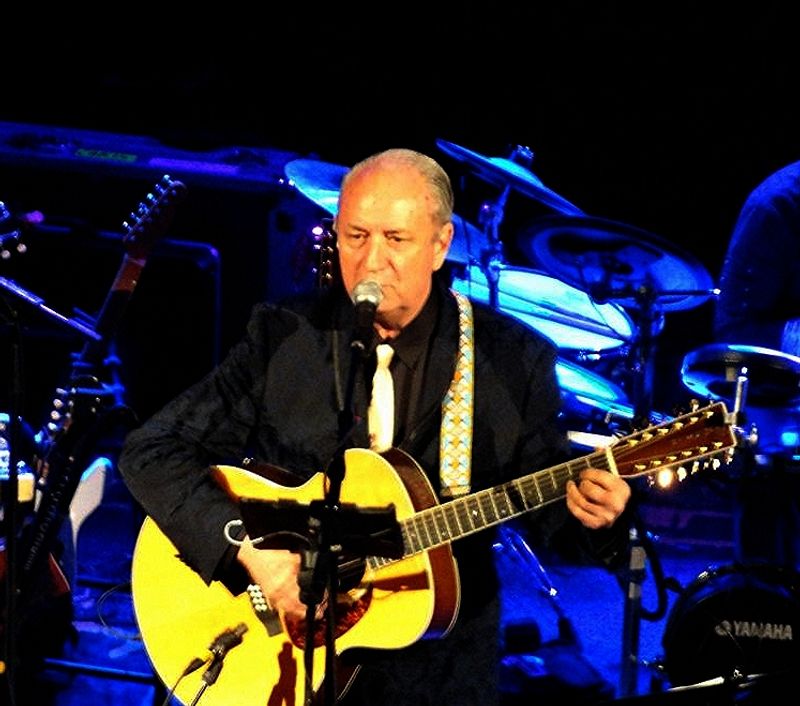
Michael Nesmith was a Monkee, which the world treated as a punchline for years. What people missed was that he was also a genuinely talented songwriter, a pioneering music video producer, and a man who wanted absolutely nothing to do with nostalgia tours.
After the Monkees disbanded, he launched a country rock solo career that was critically respected but commercially modest. He then pivoted to producing, helped create what would become MTV, and largely stepped away from performing for long stretches.
He was famously reluctant to participate in Monkees reunions for decades. When he finally joined the band for their 50th anniversary tour in 2016, it felt like a genuine surprise.
He seemed to enjoy it, which was its own kind of revelation.
He passed away in December 2021, just weeks after completing a final tour with Micky Dolenz. He spent most of his life proving that there was more to him than a wool hat and a TV show.
He was absolutely right.
Grace Slick
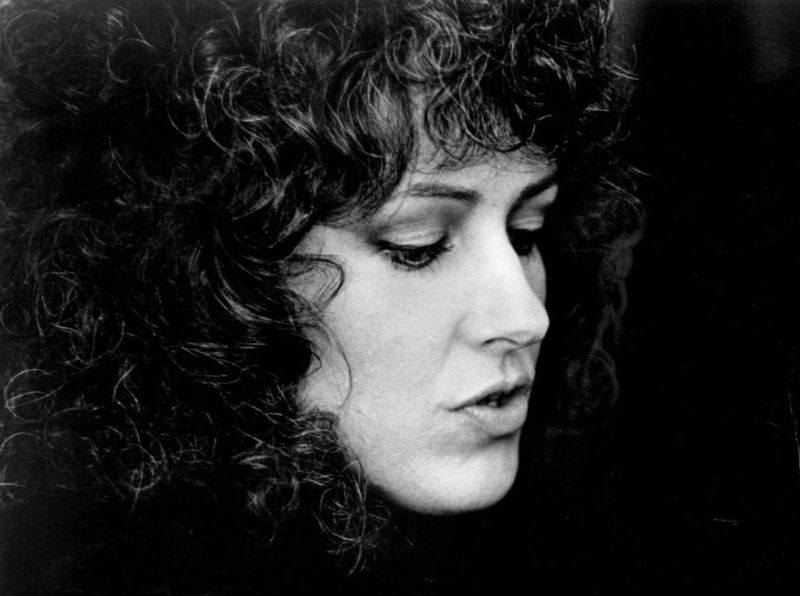
Grace Slick had one of the most commanding voices in rock history. Jefferson Airplane’s “White Rabbit” is still one of the most electrifying two and a half minutes ever committed to tape.
She walked away from music in 1988 and replaced it with painting, which she has described as a far more honest pursuit.
She said she was too old to be a rock star and meant it without any bitterness. That refreshing self-awareness set her apart from artists who cling to the stage well past their own enthusiasm for it.
Her paintings, often featuring rock icons and psychedelic imagery, have sold for significant prices. She has given occasional interviews over the years but consistently declines any invitation to perform or reunite with former bandmates.
She once said she would rather be a bad painter than a nostalgia act. I find that quote genuinely inspiring.
Grace Slick traded one stage for another and never once seemed to regret the swap.
Gordon Lightfoot
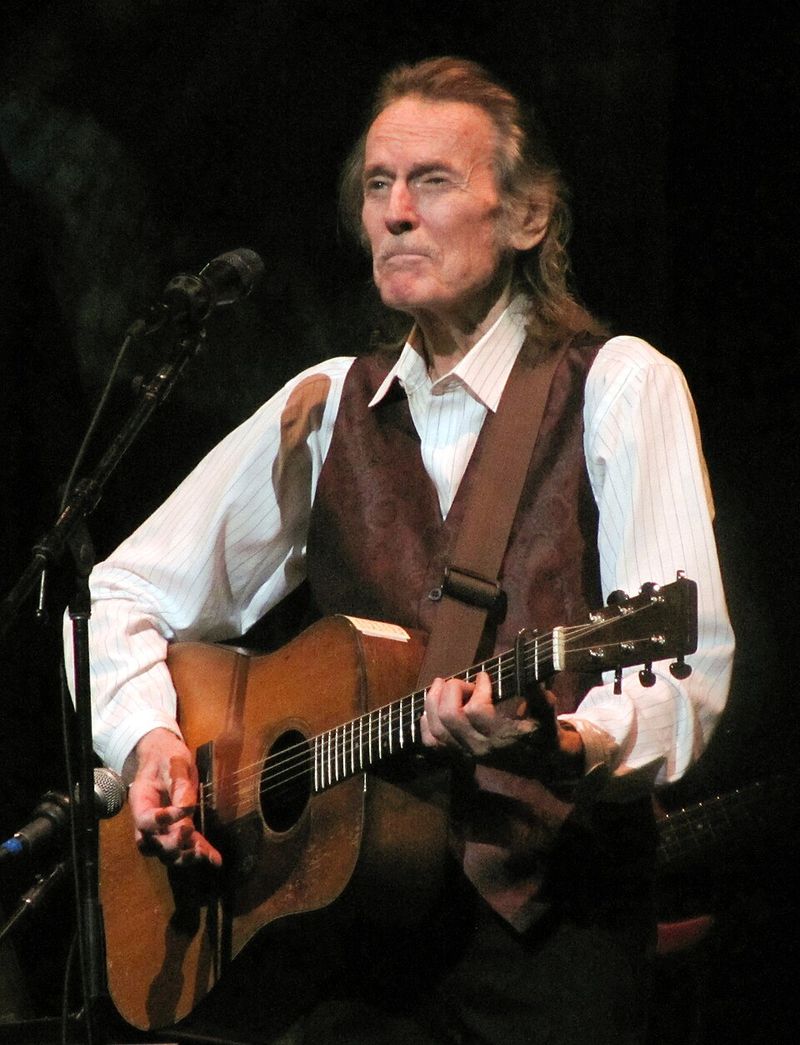
Gordon Lightfoot wrote “The Wreck of the Edmund Fitzgerald,” “Sundown,” and “If You Could Read My Mind,” making him one of the most important Canadian songwriters of the 20th century. He did not so much disappear as gradually fade to a gentle, contented hum.
A near-fatal abdominal aortic aneurysm in 2002 put him in a coma for six weeks and should have ended his career. Instead, he recovered and returned to touring with a stubbornness that his fans found deeply admirable.
He continued performing in smaller venues right up until his death in May 2023 at age 84. He never chased stadium crowds or reunion spectacles.
He just kept playing for people who showed up to listen, which is about as pure as live music gets.
His later years were not reclusive exactly, but they were beautifully modest. He chose intimacy over scale.
In a world obsessed with going bigger, Gordon Lightfoot just kept going, quietly and on his own terms.
Robbie Robertson
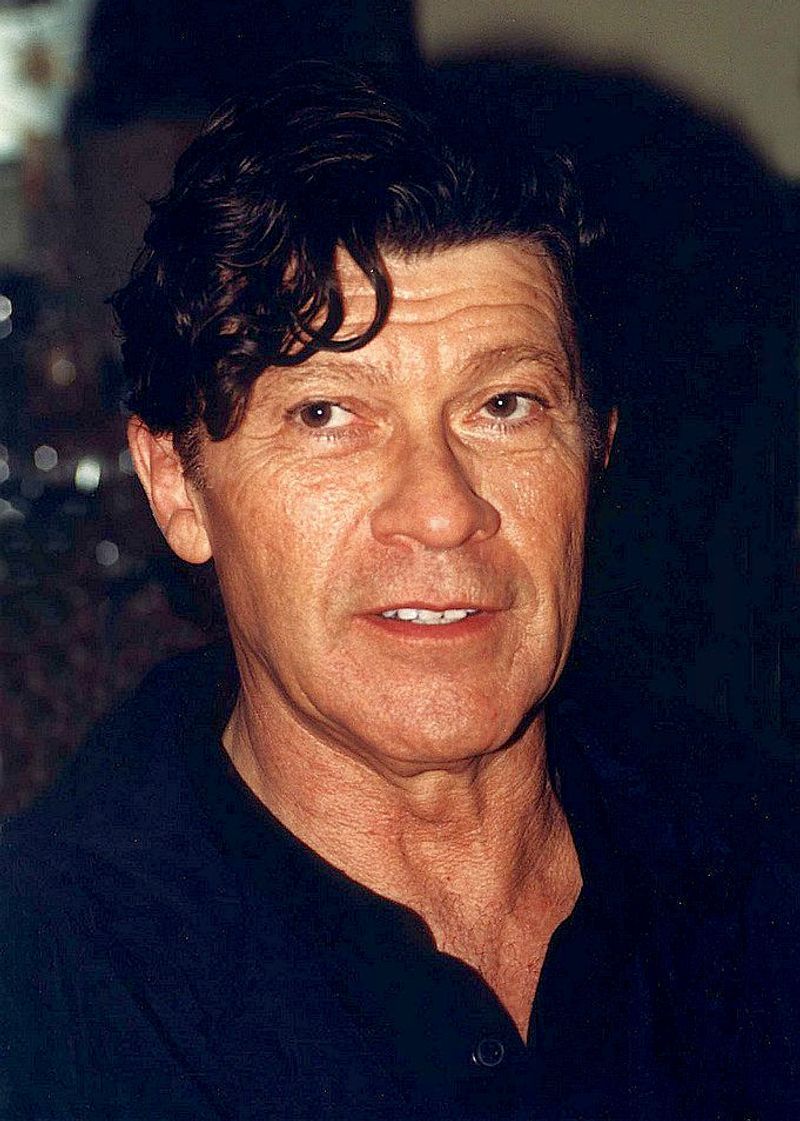
Robbie Robertson wrote “The Weight,” “Up on Cripple Creek,” and “The Night They Drove Old Dixie Down,” which means he is responsible for some of the most perfectly constructed songs in American music history. He was also the architect of one of rock’s most famous breakups.
The Band’s final concert, “The Last Waltz” in 1976, was filmed by Martin Scorsese and became one of the greatest concert films ever made. Robertson helped orchestrate that farewell with the precision of someone who understood the power of a well-timed exit.
He spent the following decades doing film scores, producing records for other artists, and living quietly in Los Angeles. He released occasional solo albums but never chased the spotlight with any real urgency.
He passed away in August 2023. His former bandmates had complicated feelings about him, but the music they made together was beyond complicated.
It was simply extraordinary. Sometimes the most important thing a musician can do is know when to stop.
Mike Oldfield
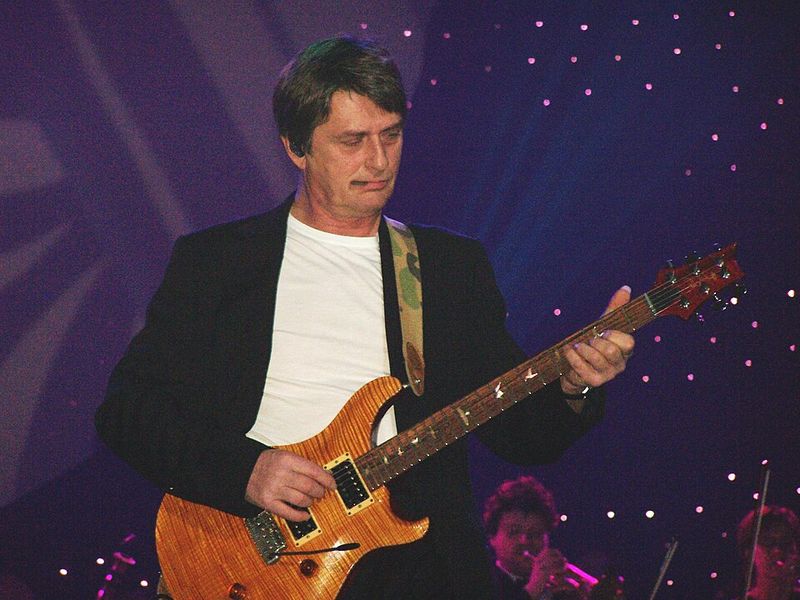
Mike Oldfield recorded “Tubular Bells” at age 19, and it became the launch album for Richard Branson’s Virgin Records. It sold over 17 million copies worldwide.
Most teenagers are barely managing their homework at 19. Mike Oldfield was reshaping the music industry.
Despite that enormous success, he spent much of his career avoiding interviews, dodging the press, and living in various remote locations across Europe. He has described himself as deeply introverted, which makes his choice of a very public debut seem almost accidental.
He relocated to the Bahamas, then to Spain, and reportedly to other quiet corners of the world where nobody was likely to ask him about “Tubular Bells” at the grocery store. His albums continued to arrive, but his public persona remained stubbornly minimal.
He has spoken candidly about mental health struggles and his complex relationship with fame. His honesty about those battles makes him one of the more relatable figures on this entire list.
Genius and introversion, it turns out, travel together frequently.
Scott Walker
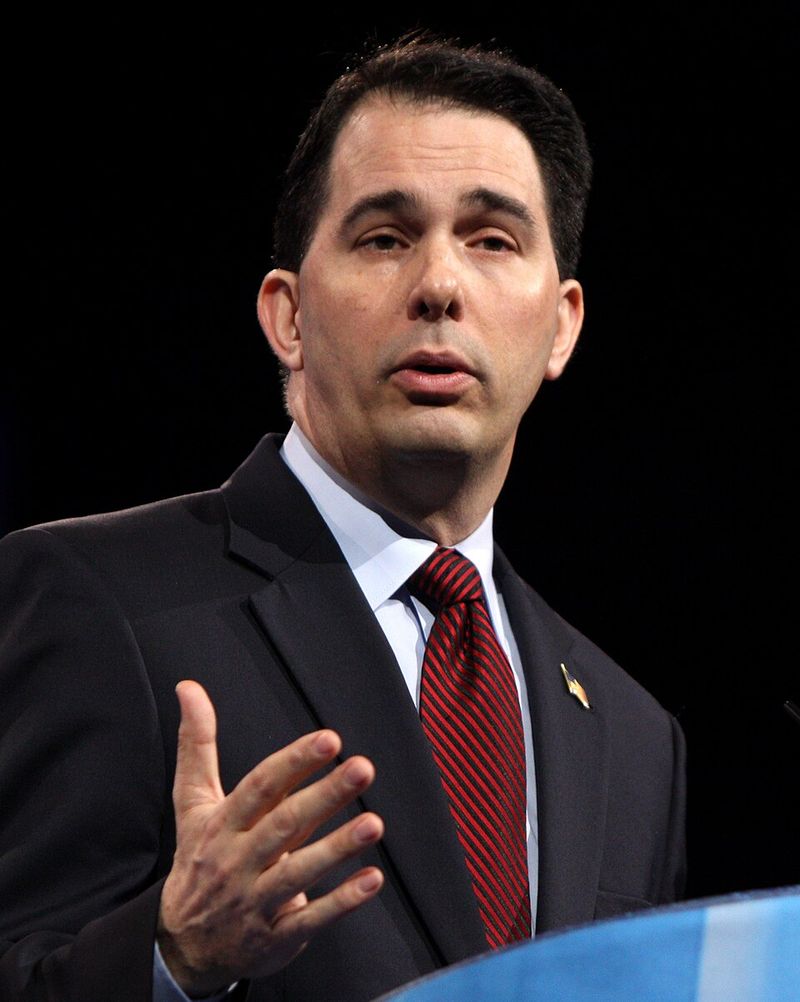
Scott Walker started as a teen idol in the Walker Brothers during the 1960s, with screaming fans fainting at his concerts. He ended his career as one of the most challenging and avant-garde composers in modern music.
That is quite a journey for one lifetime.
By the 1980s and 1990s, he had retreated almost entirely from public life. His albums became increasingly abstract and difficult, released years apart, and reviewed with a mixture of reverence and bewilderment.
He seemed to enjoy the bewilderment.
He rarely gave interviews and when he did, the conversations were dense, philosophical, and not exactly designed to sell records. He lived quietly in London, working on projects that fascinated him regardless of commercial interest.
He passed away in 2019 at age 76. His evolution from pop star to avant-garde composer remains one of the most radical transformations in music history.
Scott Walker did not just leave the spotlight. He walked into a completely different room and locked the door.
John Frusciante
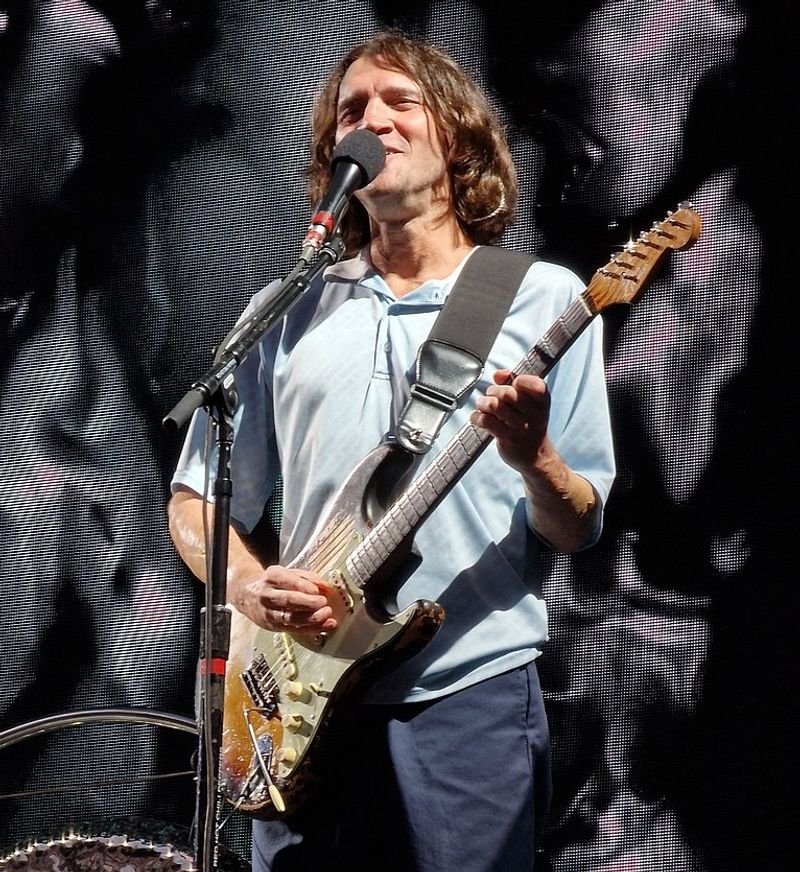
John Frusciante quit the Red Hot Chili Peppers not once but twice, which takes a special kind of commitment to personal conviction. The second departure, in 2009, sent him deep into electronic music experimentation and a very deliberate withdrawal from mainstream rock stardom.
He released a string of solo albums that ranged from gorgeous acoustic folk to genuinely weird synthesizer experiments. He was not trying to please anyone in particular.
He was following wherever his curiosity led, commercial considerations be hanged.
He rejoined the Chili Peppers in 2019, surprising fans who had assumed that chapter was permanently closed. His return brought some of the best music the band had made in decades, proving that sometimes stepping away sharpens rather than dulls an artist’s edge.
Between his departures, he lived modestly and avoided the kind of celebrity maintenance that consumes most rock stars. His story is a useful reminder that the most interesting artists are often the ones doing something completely different when nobody is watching.
Share this story