If you lined up every major event from 1968 and told someone they all happened in the same year, most people would assume you were exaggerating. Political systems cracked under pressure, the space race hit a jaw-dropping milestone, cultural norms got flipped upside down, and history-making moments arrived so fast they barely had time to sink in.
From a burger that became a global symbol to a spacecraft that gave humanity its first real look at Earth from the Moon, 1968 was relentless. Scientists, activists, athletes, musicians, and world leaders all made moves that year that we are still talking about more than five decades later.
This list covers some of the most astonishing things that actually happened in that single, overstuffed year. Some will remind you of things you already knew.
Others might genuinely make you stop and think, “Wait, that was 1968?”
1. The Beatles Released the White Album
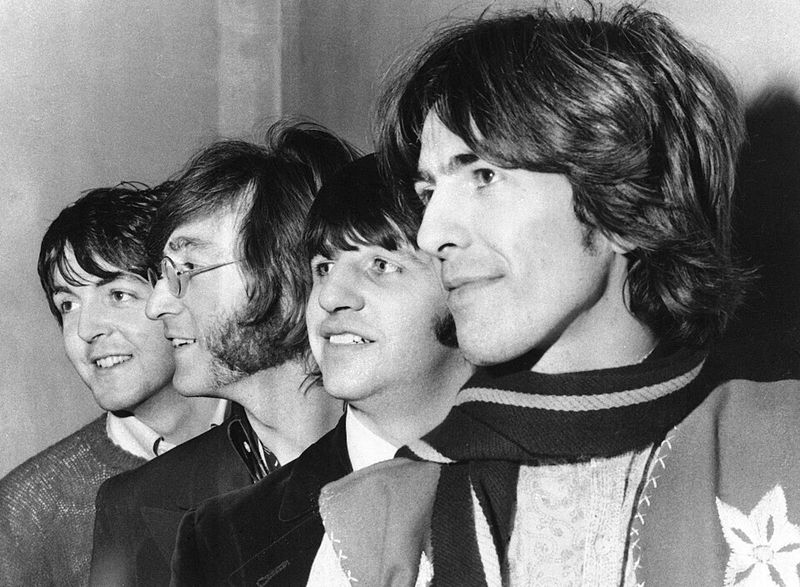
Few albums in music history have caused as much conversation as the one that came with almost no artwork at all. Released in November 1968, the self-titled double album by The Beatles featured a completely white cover with just the band’s name embossed in plain text.
The minimalist design was a deliberate contrast to the elaborate artwork of their previous release.
The album contained 30 tracks spanning folk, rock, blues, and experimental noise. Songs like “Back in the U.S.S.R.,” “Blackbird,” and “Helter Skelter” showed how far the band had traveled musically since their early pop hits.
Critics and fans were divided at the time, but history has placed it among the greatest albums ever recorded.
Recording sessions were famously tense, with each Beatle increasingly working as an independent artist rather than a unified group. The White Album is now widely seen as the beginning of the end for one of music’s most iconic bands.
2. The Apollo 8 Crew Became the First Humans to Orbit the Moon
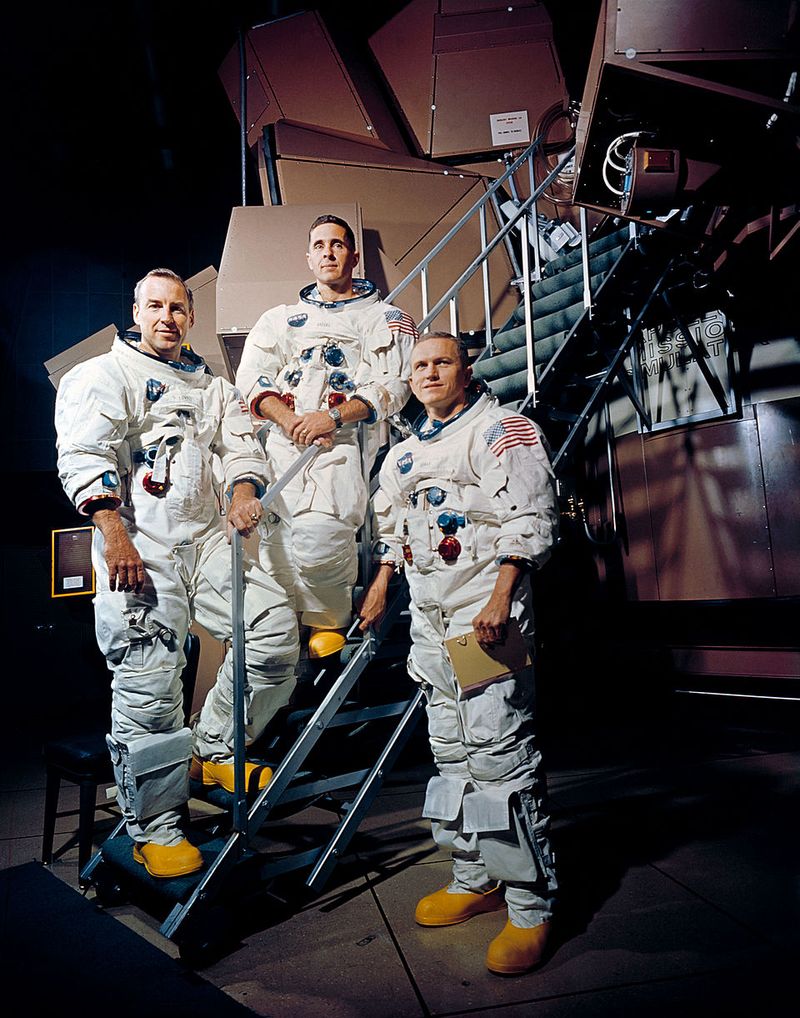
Before anyone walked on the Moon, three men had to get there first. In December 1968, astronauts Frank Borman, Jim Lovell, and William Anders climbed into the Apollo 8 capsule and did something no human being had ever done: they left Earth’s orbit entirely and traveled to the Moon.
The mission lasted six days and included ten orbits around the Moon. On Christmas Eve, the crew conducted a live television broadcast from lunar orbit that an estimated one billion people tuned in to watch.
Astronaut William Anders captured the famous “Earthrise” photograph during that mission, showing Earth rising above the Moon’s surface against the blackness of space.
That image became one of the most reproduced photographs in history and is widely credited with helping launch the modern environmental movement. People saw Earth as a single, fragile object for the first time, and the perspective shift was immediate and lasting.
3. A Soviet Submarine Vanished with 98 People Aboard
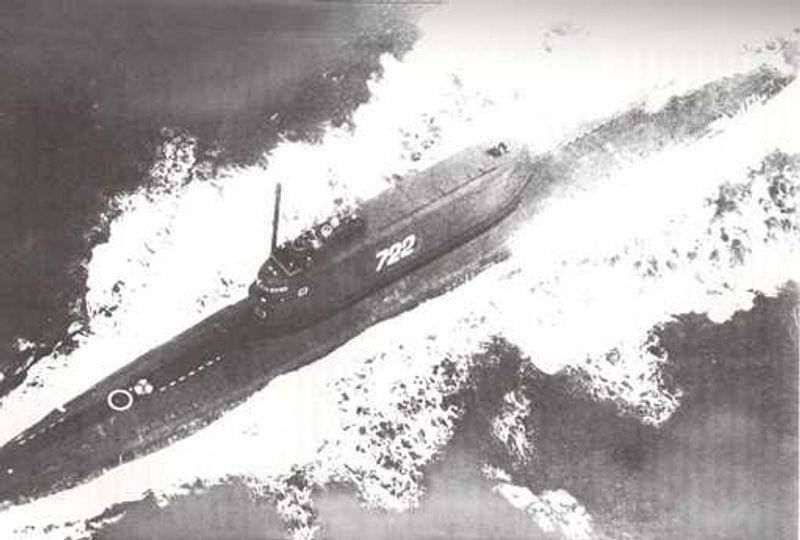
In March 1968, the Soviet submarine K-129 departed from a naval base in Russia on a routine patrol mission in the Pacific Ocean and was never heard from again. The Soviet Navy launched one of the largest search operations in its history but found nothing.
The official cause of the sinking has never been publicly confirmed.
The story did not end there. American intelligence agencies, using a network of underwater listening devices, had tracked the submarine’s final moments and located the wreck on the ocean floor.
The CIA then launched a secret operation called Project Azorian, using a specially built deep-sea recovery ship disguised as a commercial mining vessel.
In 1974, the CIA recovered part of the submarine, including classified equipment and documents. The operation remained classified for decades.
When details eventually became public, the sheer scale and secrecy of the mission made it one of the most remarkable intelligence operations of the Cold War era.
4. The Prague Spring Offered Hope Then Ended in Tanks
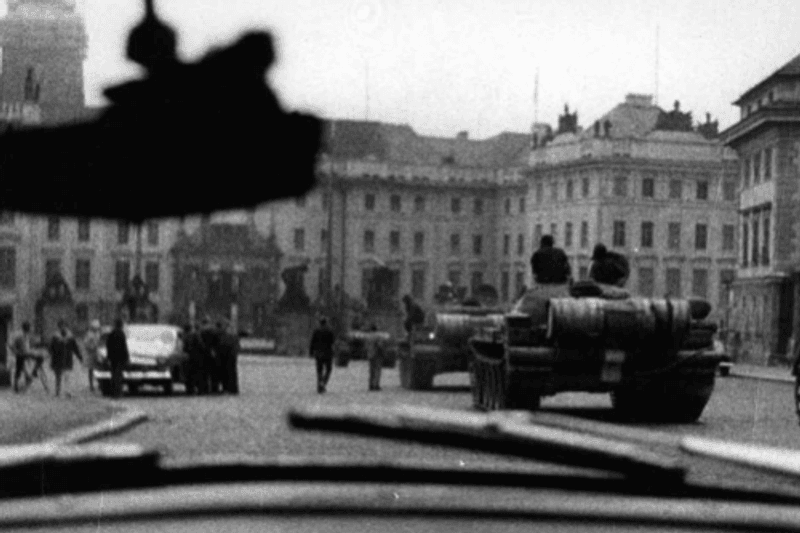
Alexander Dubcek became the leader of Czechoslovakia in January 1968 and almost immediately began loosening the grip of state control. His program of reforms, which he described as “socialism with a human face,” included abolishing censorship, allowing open political debate, and granting citizens greater personal freedoms.
For a country that had been tightly controlled since the late 1940s, the change was extraordinary.
The period became known as the Prague Spring, and for several months, Czechoslovakia felt like a genuinely different kind of country. Writers published freely, citizens debated politics openly, and the atmosphere in cities like Prague shifted noticeably.
The Soviet Union watched all of this with deep suspicion.
On August 20, 1968, approximately 500,000 Warsaw Pact troops from the Soviet Union, East Germany, Poland, Hungary, and Bulgaria crossed into Czechoslovakia overnight. By morning, tanks were parked in central Prague.
The reforms were dismantled, Dubcek was removed from power, and the country returned to strict Soviet-aligned rule for another two decades.
5. North Korea Captured an American Spy Ship
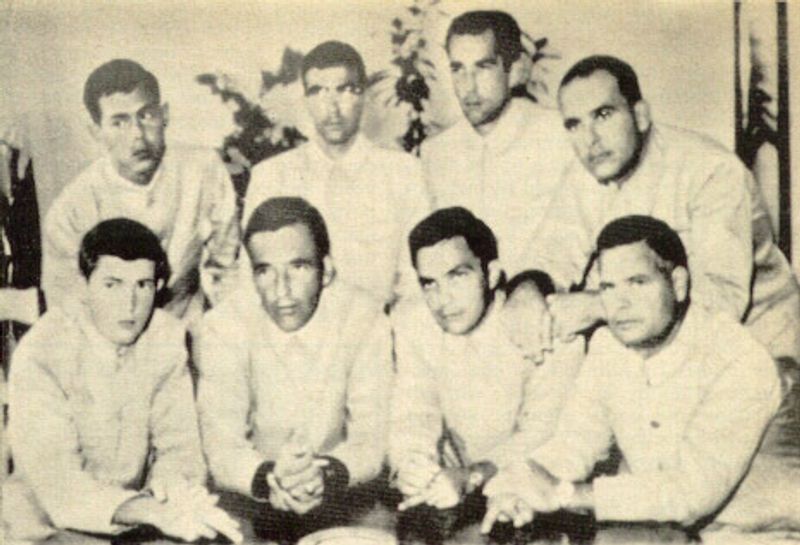
On January 23, 1968, North Korean naval vessels surrounded the USS Pueblo, a U.S. Navy intelligence ship operating in international waters off the Korean coast.
North Korean forces boarded the ship, seized its crew of 83 men, and brought the vessel into the port of Wonsan. It was the first time in more than 150 years that a U.S.
Navy ship had been captured on the high seas.
The crew was held for 11 months under difficult conditions. The U.S. government faced an impossible situation: military action risked open conflict, but negotiating with North Korea was politically complicated.
Eventually, the U.S. signed a formal apology to secure the crew’s release, then immediately disavowed the document after the men were freed.
The USS Pueblo itself was never returned. It remains in North Korea to this day, displayed as a museum ship in Pyongyang, making it the only active commissioned U.S.
Navy vessel currently held by a foreign government.
6. The Mother of All Demos Changed Computing Forever
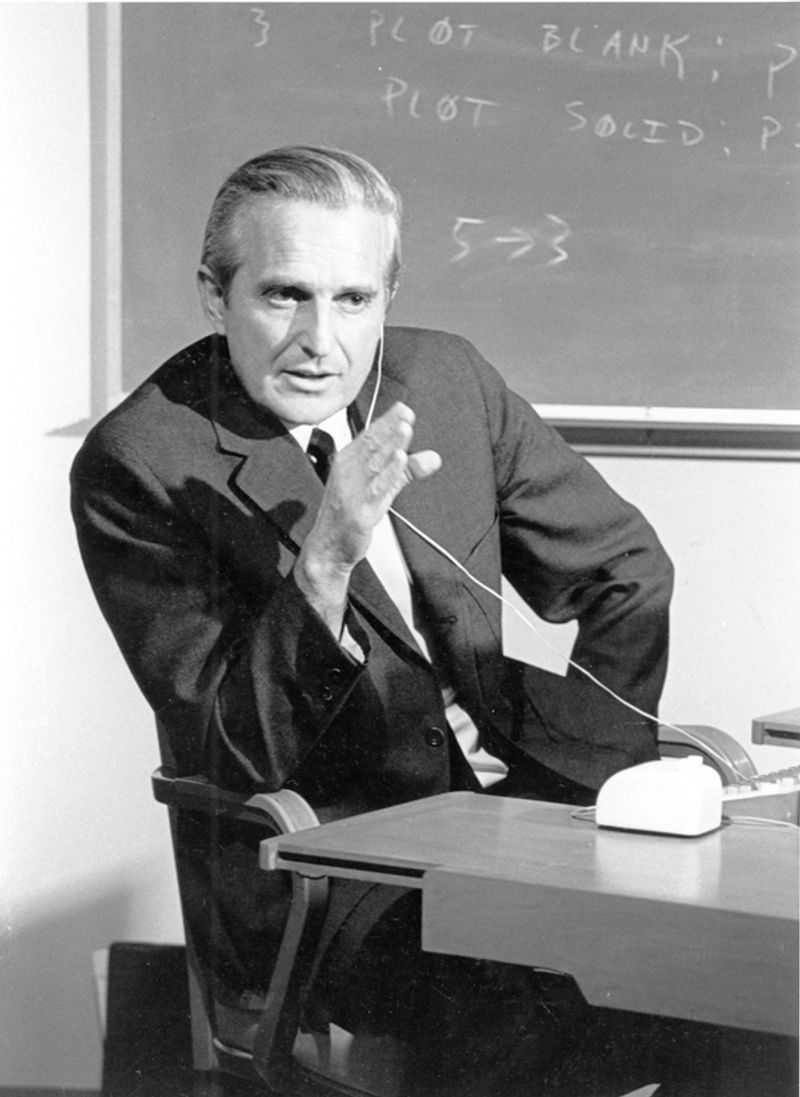
On December 9, 1968, a computer scientist named Douglas Engelbart sat down in front of an audience of about 1,000 technology professionals in San Francisco and spent 90 minutes demonstrating inventions that would not become mainstream for another 20 years. The presentation later earned the nickname “The Mother of All Demos,” and it is not an exaggeration.
Engelbart demonstrated a working computer mouse, video conferencing, real-time collaborative document editing, hypertext links, and a graphical user interface, all in a single session. The audience reportedly sat in stunned silence through much of it.
These were not theoretical concepts; they were functional systems he had actually built.
Almost every feature of modern computing that people now take for granted was on display that December afternoon. Engelbart received a standing ovation, but widespread adoption of his ideas took decades.
He held over 45 patents and was awarded the National Medal of Technology in 2000, though many feel his contributions are still underappreciated.
7. Intel Corporation Was Founded
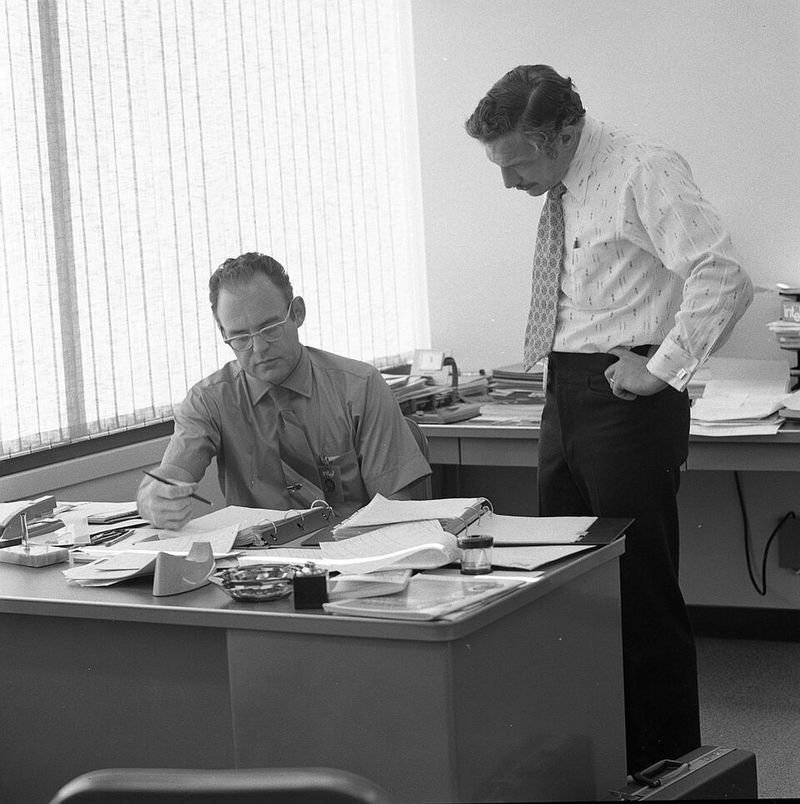
Gordon Moore and Robert Noyce left the semiconductor company Fairchild in the summer of 1968 to start something new. Moore was already famous for “Moore’s Law,” his 1965 prediction that the number of transistors on a microchip would roughly double every two years.
Noyce had co-invented the integrated circuit. Together, they founded Intel on July 18, 1968, in Mountain View, California.
Their first major product was a memory chip, but the company’s direction shifted dramatically in the early 1970s when Intel developed the first commercially available microprocessor. That single invention put a programmable computing brain onto a chip small enough to fit in consumer devices.
From that foundation, Intel grew into one of the most influential technology companies in history. The processors inside billions of computers, servers, and devices worldwide trace their lineage directly to that small startup launched in 1968.
Moore and Noyce started with about $2.5 million in funding and built something that reshaped the entire modern economy.
8. Star Trek Aired One of the First Interracial Kisses on American TV
Television in 1968 was still navigating deeply uncomfortable territory when it came to race. Many broadcasters avoided depicting interracial relationships entirely, worried about viewer backlash from certain parts of the country.
Then Star Trek aired an episode called “Plato’s Stepchildren” and pushed past that barrier in a way that drew national attention.
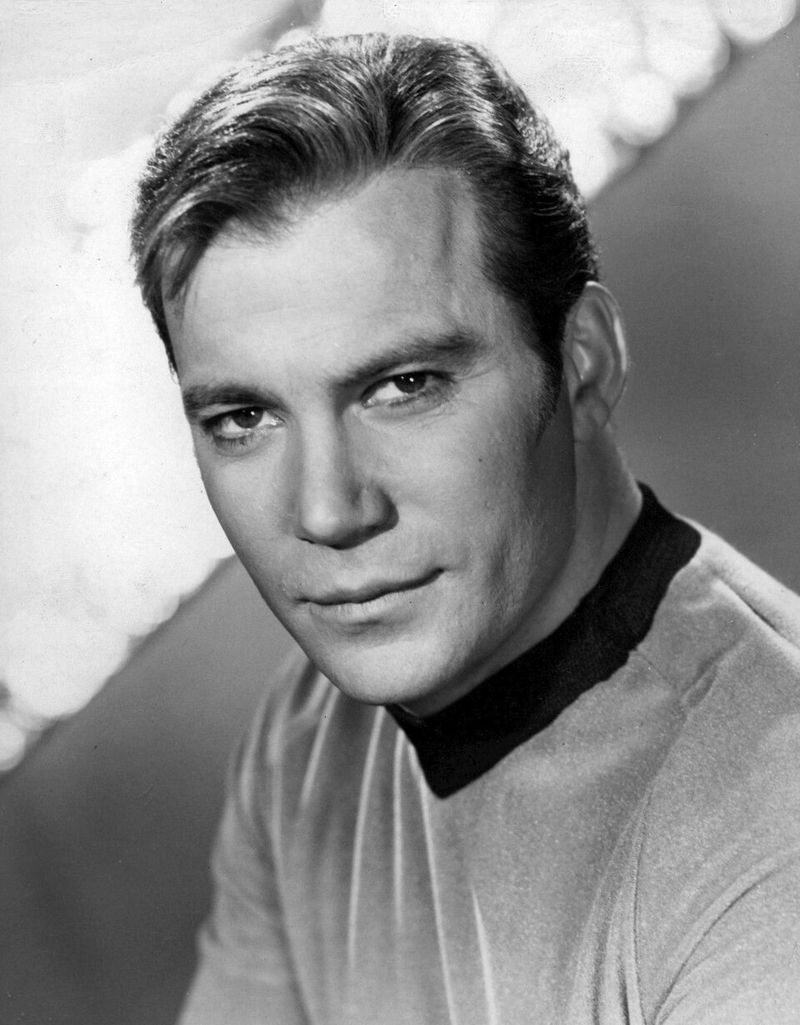
The episode featured Captain Kirk, played by William Shatner, and Lieutenant Uhura, played by Nichelle Nichols, sharing a kiss. It was not a romantic subplot but a moment forced on the characters by alien antagonists.
That framing gave the network some cover, but the moment itself was unmistakably significant.
NBC was nervous enough about the scene that the production team filmed an alternate version without the kiss. Shatner reportedly intentionally ruined every take of the alternate version so the original would have to be used.
The episode aired, the kiss was broadcast, and American television quietly crossed a line it would not easily step back over.
9. 2001 A Space Odyssey Rewrote Science Fiction Cinema
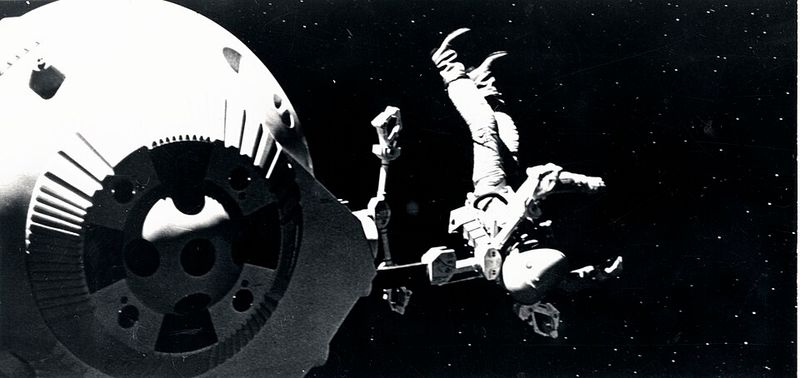
Stanley Kubrick’s 1968 film arrived in theaters and left audiences genuinely unsure what they had just watched, which was entirely the point. Based on a story by Arthur C.
Clarke, “2001: A Space Odyssey” depicted humanity’s past, present, and future in a way that was unlike anything that had appeared on screen before. There was almost no dialogue in the first 25 minutes.
The film’s special effects were so advanced that some NASA engineers reportedly studied it for technical inspiration. The portrayal of a malfunctioning artificial intelligence called HAL 9000 became one of cinema’s most enduring characters and sparked serious public discussion about machine intelligence years before the concept was mainstream.
Critics were initially mixed, but audiences kept coming back. The film grossed over $190 million on a $10 million budget and is now regularly cited as one of the greatest films ever made.
Its influence on science fiction, filmmaking technique, and how people think about technology and space exploration has never really faded.
10. Student Protests Nearly Paralyzed France
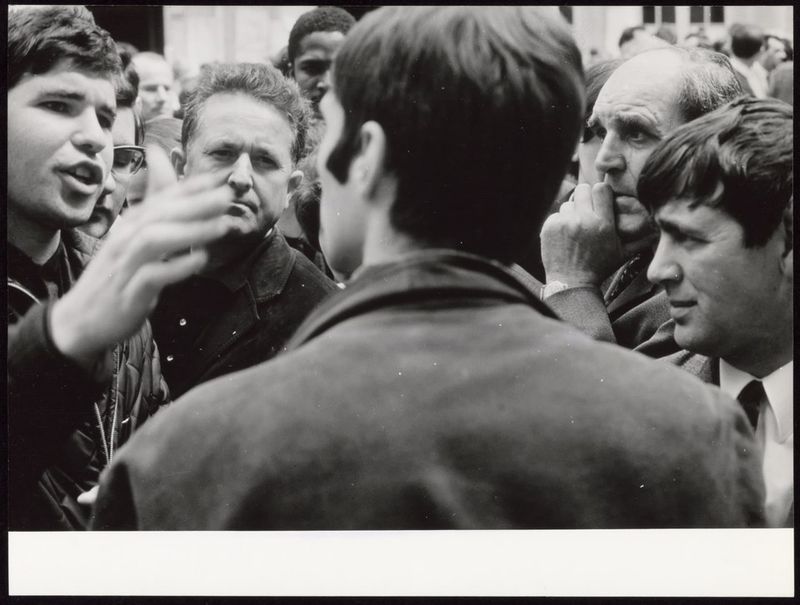
What started as a dispute over university conditions in Paris in the spring of 1968 grew into one of the most dramatic political crises in modern French history. Students at universities across France began occupying campuses and clashing with police.
The images of street confrontations in Paris shocked the world.
Within weeks, labor unions joined the movement and called a general strike. An estimated ten million workers walked off the job, paralyzing transportation, factories, and public services across the country.
President Charles de Gaulle briefly left France without telling his cabinet where he was going, causing genuine panic inside the government.
De Gaulle returned, dissolved the National Assembly, and called new elections. His party actually won by a landslide, but the social and cultural changes set in motion by May 1968 proved far more lasting than any election result.
French society was fundamentally altered in how it discussed education, authority, and workers’ rights.
11. The Fair Housing Act Passed After Years of Resistance
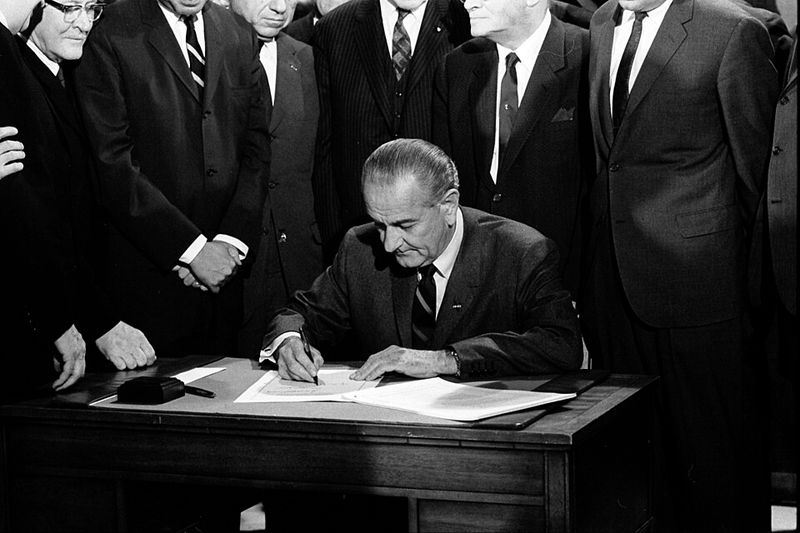
Civil rights legislation had been moving through Congress for years with fierce opposition at every stage. The Fair Housing Act of 1968, also known as the Civil Rights Act of 1968, was no different.
The bill had stalled repeatedly before the assassination of Martin Luther King Jr. in April of that year pushed Congress to act. President Lyndon Johnson signed it into law on April 11, 1968, just one week after King’s death.
The law made it illegal to refuse to sell or rent housing to someone based on race, religion, national origin, or sex. Discriminatory practices in real estate had kept Black Americans and other minority groups out of certain neighborhoods for generations, concentrating poverty and limiting access to better schools and services.
Enforcement was initially weak and the law had significant loopholes, but it established a legal foundation that later amendments and court decisions strengthened. The Fair Housing Act remains one of the most consequential pieces of civil rights legislation in American history, directly shaping how cities, suburbs, and communities are structured today.
12. The Vietnam War Reached a Turning Point
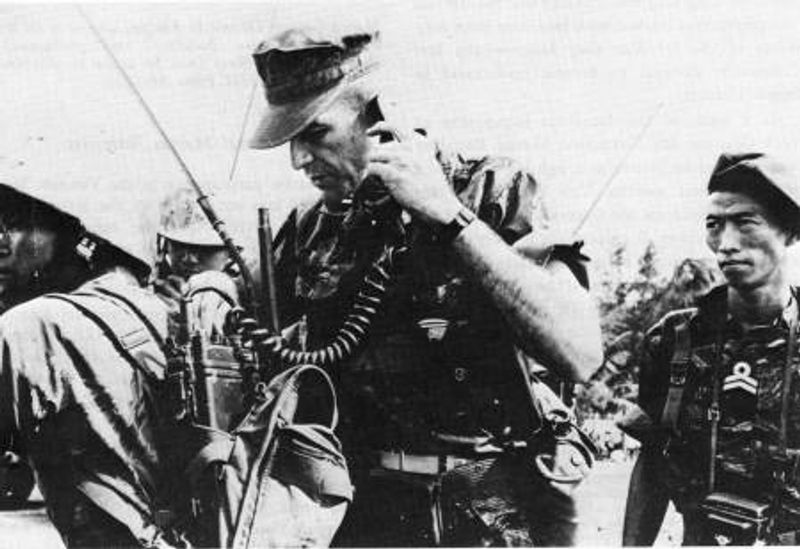
On January 30, 1968, during the Vietnamese lunar new year holiday known as Tet, North Vietnamese and Viet Cong forces launched coordinated surprise attacks on more than 100 cities and towns across South Vietnam. The scale and boldness of the offensive caught U.S. military commanders completely off guard.
American officials had been publicly insisting the war was going well and that victory was within reach. The Tet Offensive made those claims impossible to sustain.
Television news brought footage of the fighting directly into American living rooms, and public trust in government statements about Vietnam collapsed almost overnight.
Walter Cronkite, one of the most trusted journalists in the United States at the time, traveled to Vietnam and returned to report on air that the war appeared to be a stalemate. President Lyndon Johnson reportedly said that if he had lost Cronkite, he had lost the country.
Shortly after, Johnson announced he would not seek re-election.
13. The Summer Olympics Became a Global Political Flashpoint
The 1968 Summer Olympics in Mexico City were already historic before the opening ceremony ended. Held at high altitude and featuring a new synthetic track surface, the Games produced a string of world records in track and field.
But the moment that defined the entire event happened during a single medal ceremony.
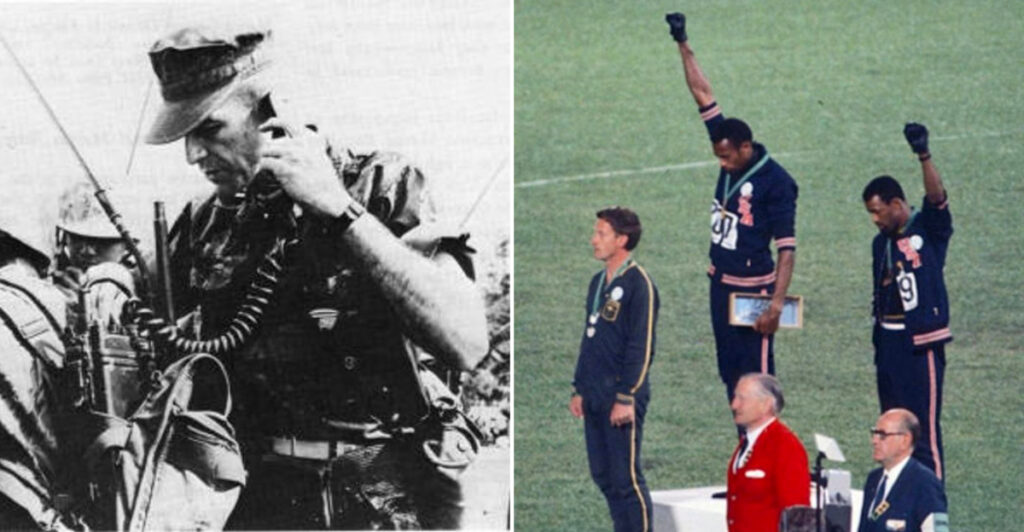
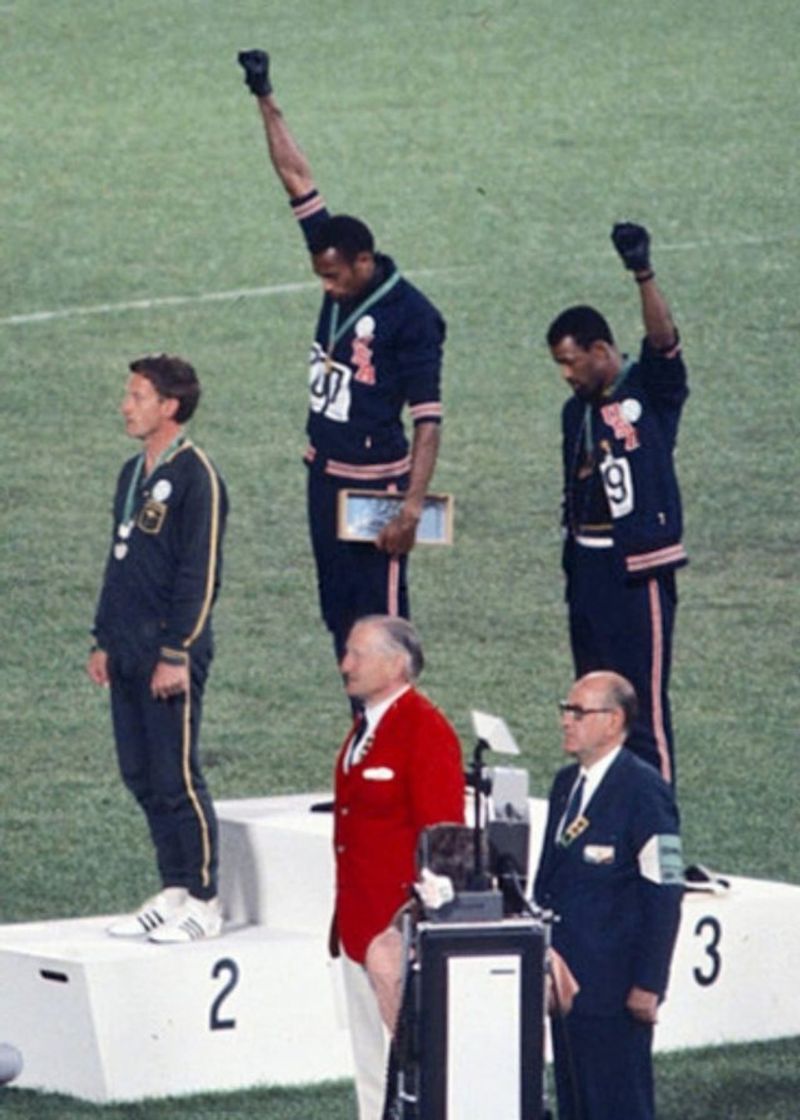
After winning gold and bronze in the 200 meters, American sprinters Tommie Smith and John Carlos stood on the podium and each raised a black-gloved fist during the playing of the national anthem. Australian silver medalist Peter Norman wore an Olympic Project for Human Rights badge in solidarity.
The gesture was a protest against racial inequality in the United States.
Smith and Carlos were suspended from the U.S. Olympic team and sent home.
Both faced significant professional consequences for years afterward. Decades later, their courage was widely recognized, and statues of them now stand at San Jose State University, where both had been students.
Share this story