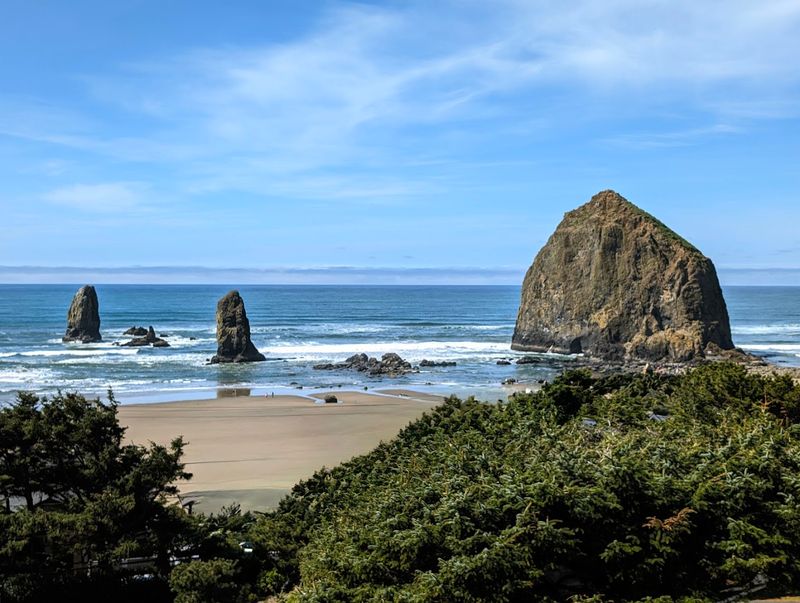
There is a place on the Oregon coast where a massive chunk of ancient volcanic rock rises straight out of the Pacific Ocean, and people drive hours just to stand at its base and stare. At 235 feet tall, this basalt giant has been shaped by millions of years of ocean waves, coastal winds, and geological forces that no human hand could replicate.
Colorful tide pools sit right at its feet during low tide, and tufted puffins nest on its grassy upper slopes every spring. Whether you are a birder, a tide pool explorer, or just someone who wants to witness something genuinely jaw-dropping, this landmark on Cannon Beach delivers every single time.
The Rock Itself: Size, Origin, and Why It Stands Alone
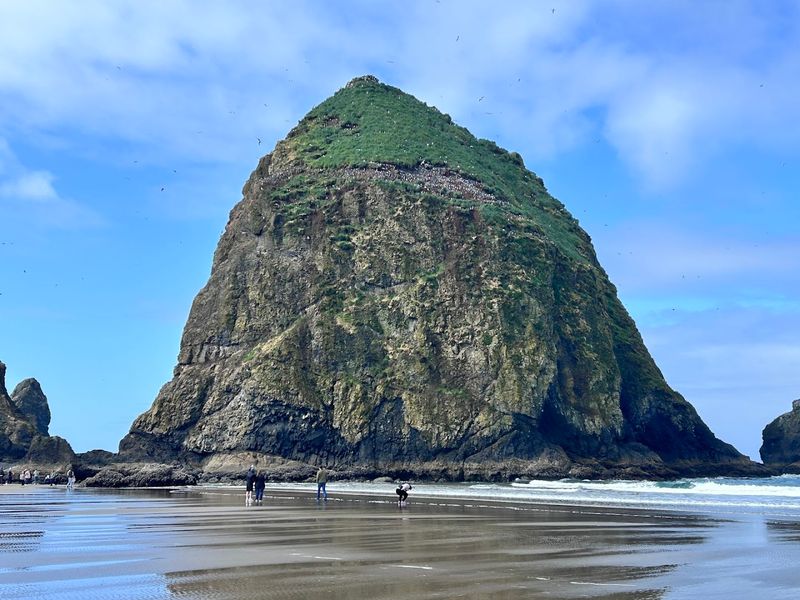
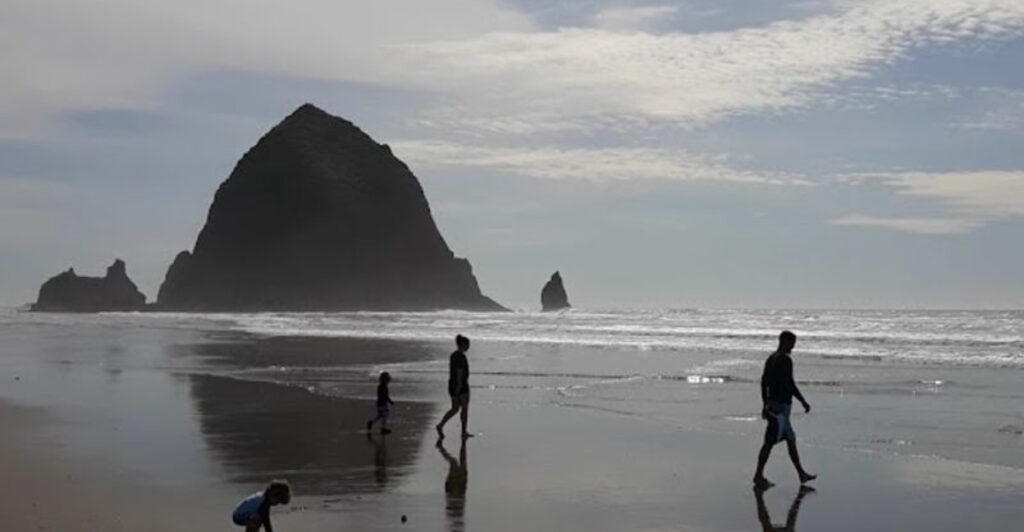
At 235 feet tall, Haystack Rock is one of the largest intertidal sea stacks in the entire world, and standing at its base makes that number feel very real. The rock is located right on the beach at Cannon Beach, Oregon, along US-101, and you can reach it simply by walking across the sand at low tide.
This formation is made of basalt, which is a type of volcanic rock created when lava cools quickly. The rock formed millions of years ago through a series of massive lava flows that eventually reached the Pacific coastline.
Over time, the ocean carved away the softer surrounding rock and left this stubborn giant standing on its own.
Unlike many natural landmarks that require a hike or a fee to access, Haystack Rock is completely free to visit and open to the public year-round. The beach around it is wide, flat, and easy to walk on, making it accessible for most visitors.
There is nothing quite like seeing it for the first time and realizing that photos have been underselling it the whole time.
Getting There: Address, Parking, and Access Tips
The official address for Haystack Rock is along US-101 in Cannon Beach, OR 97110, and the Haystack Rock Awareness Program can be reached at 503-436-2623. The town of Cannon Beach is easy to find from US-101, though if you are coming from the south, the downtown area along Hemlock Street is easy to miss, so keep your eyes open for the turnoff.
Parking near the beach can be limited, especially during summer weekends and holidays. Free parking is available near Cannon Beach City Hall, and some spots exist right next to the beach access stairs.
The descent from the parking area to the beach can feel a little steep on the way back up, so wear comfortable shoes and pace yourself.
Arriving early in the morning is one of the smartest moves you can make. The crowd is thinner, the light is beautiful for photography, and the tide pools are often at their most active.
Some visitors also choose to arrive via tour companies so they can skip the parking stress entirely and focus on enjoying the experience.
Tide Pools at the Base: A Living Marine Garden
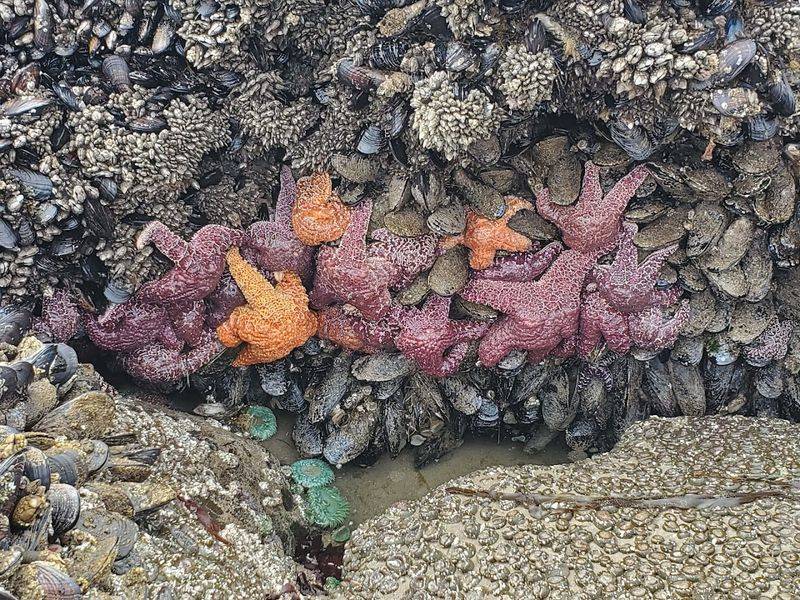
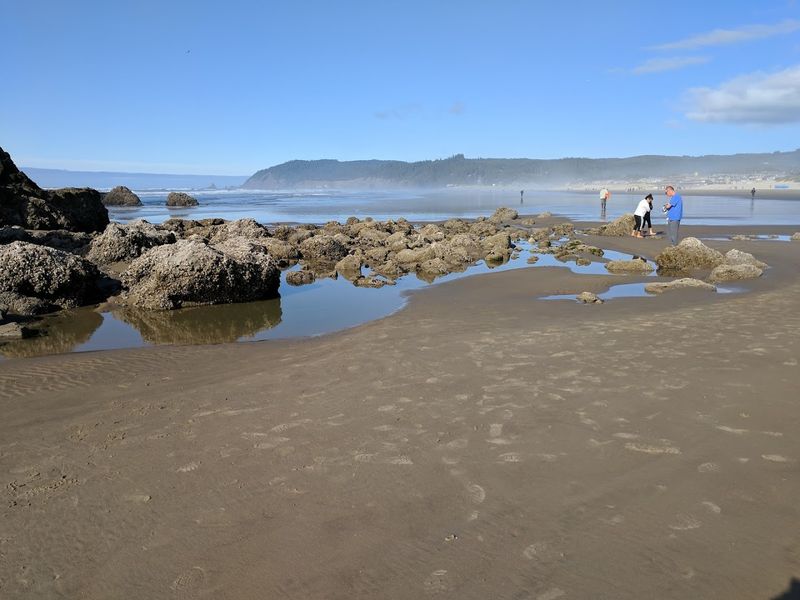
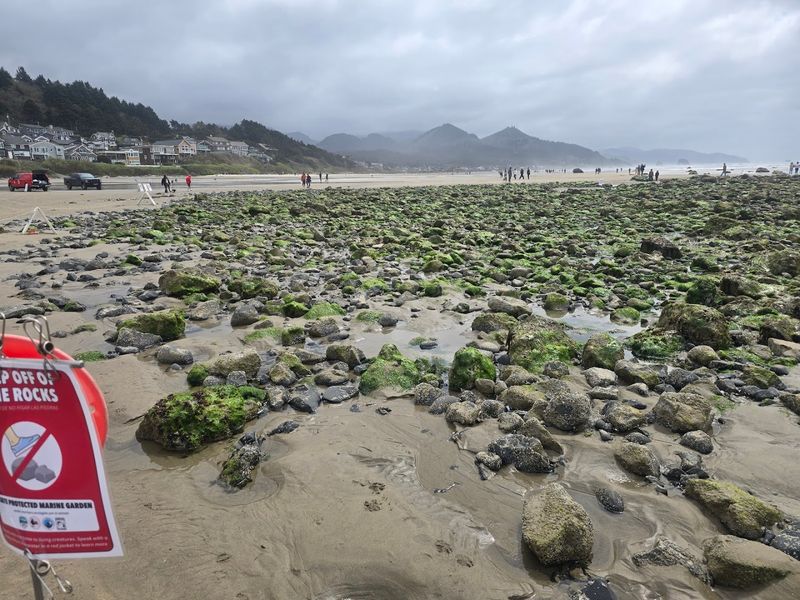
When the tide pulls back, the area around Haystack Rock transforms into something that feels almost like a living aquarium. The tide pools here are officially designated as a Marine Garden, which means the creatures living in them are protected and visitors are asked to look but not touch or collect anything.
You can spot purple sea stars clinging to dark rocks, neon-green anemones waving their tentacles in shallow pools, tiny hermit crabs dragging their borrowed shells across the sand, and all kinds of small fish darting through the water. The variety packed into such a small space is genuinely surprising, even for people who have visited coastal tide pools before.
Checking the tide chart before your visit is essential. Low tide is the only time you can safely walk right up to the rock and explore the pools at its base.
Several websites and apps offer free tide predictions for Cannon Beach specifically, and planning around them makes a huge difference in what you get to see. The Haystack Rock Awareness Program volunteers are often on-site to answer questions and point out the best spots.
Tufted Puffins: The Rock’s Most Famous Seasonal Residents
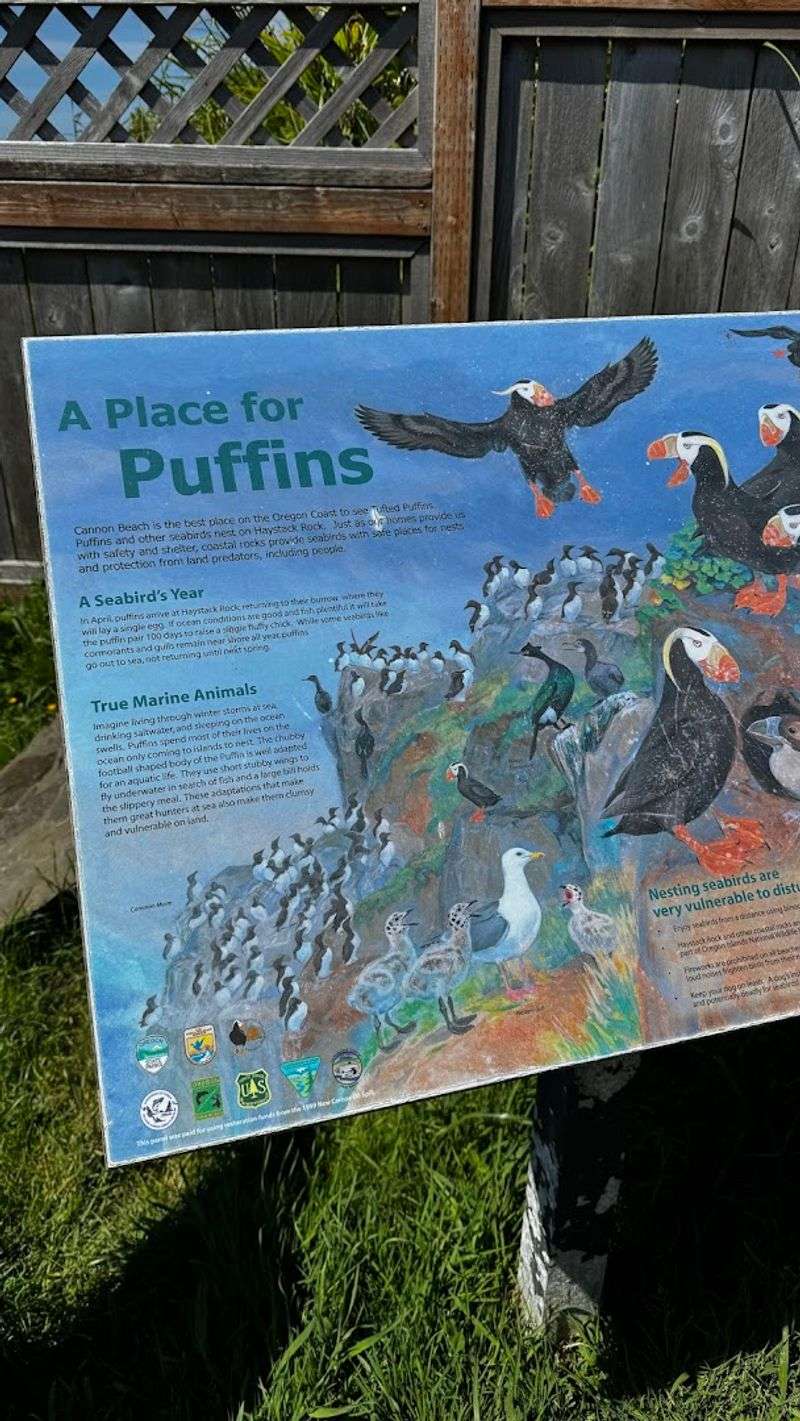
Every spring, Haystack Rock becomes a nesting site for one of the most distinctive seabirds on the West Coast. Tufted puffins, recognizable by their bright orange beaks and flowing yellow head tufts, arrive at the rock starting around early April each year to dig burrows and prepare their nests on the grassy upper slopes.
Eggs typically hatch in June and July, and by early August, the puffins head back out to sea for the rest of the year. That window between late spring and mid-summer is the best time to spot them, particularly in the early morning or evening when they tend to be most active.
Binoculars help a lot since climbing the rock is not allowed.
Haystack Rock is one of the most reliable places in the Pacific Northwest to observe tufted puffins in their natural nesting habitat. They share the rock with other seabirds including common murres and pelagic cormorants, so even if the puffins are being shy on a particular day, there is usually plenty of birdwatching action happening overhead.
Bringing a camera with a zoom lens makes the visit even more rewarding.
Sunset Views: When the Sky Puts on a Show
Sunsets at Haystack Rock have a reputation that is nearly impossible to oversell. The rock sits directly on the west-facing shoreline, which means the setting sun drops almost perfectly behind and around it, creating a silhouette effect that photographers travel specifically to capture.
The wet sand at low tide acts like a mirror, doubling the colors of the sky and making the whole scene feel almost unreal. On clear evenings, the sky cycles through shades of orange, pink, purple, and deep blue in a matter of minutes, and the rock anchors the whole composition with its dramatic height and mass.
Even on cloudy evenings, the sunset here has its own moody appeal. The light filters through the cloud layers in unexpected ways, and the ocean takes on a silvery quality that feels just as photogenic in its own right.
Arriving about an hour before sunset gives you time to find a good spot, check the tide conditions, and simply sit with the view before the best light arrives. The beach is wide enough that even on busier evenings, finding a clear sightline is not usually a problem.
The Haystack Rock Awareness Program: Rangers of the Shoreline
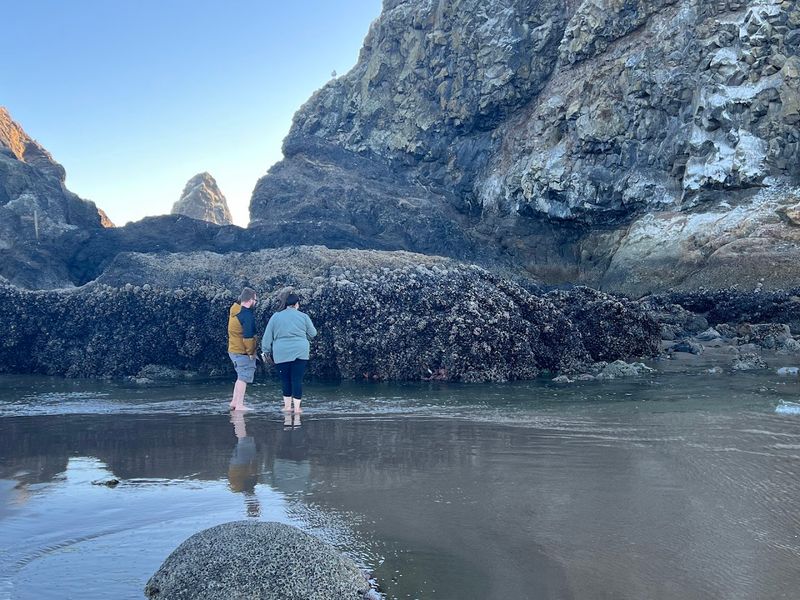
One of the things that sets Haystack Rock apart from other coastal landmarks is the presence of the Haystack Rock Awareness Program, known locally as HRAP. This volunteer-driven educational program operates right on the beach, and its members are some of the most knowledgeable and enthusiastic nature guides you will encounter anywhere on the Oregon coast.
HRAP volunteers set up near the tide pools during low tide periods and are happy to identify creatures, explain the marine ecosystem, and remind visitors about the rules that protect the area. Their presence means that a trip to Haystack Rock is not just a visual experience but an educational one, even for adults who think they already know a fair amount about ocean life.
The program also monitors the health of the tide pool ecosystem over time, tracking species populations and reporting changes that might signal broader environmental shifts. Talking to a HRAP volunteer for even ten minutes tends to change the way you look at the tide pools entirely.
What seemed like just a bunch of rocks and water suddenly becomes a layered, interconnected community of creatures that has been thriving here long before any tourists showed up.
Wildlife Beyond the Puffins: Elk, Eagles, and More
Most visitors come to Haystack Rock expecting seabirds and tide pool creatures, but the wildlife encounters around Cannon Beach can go well beyond that. Roosevelt elk have been spotted wandering onto the beach near the rock, which is the kind of surprise that tends to stop people mid-stride and send them scrambling for their cameras.
Bald eagles are another regular presence, particularly in the early morning hours. Spotting one perched on a nearby rock or riding the coastal updrafts overhead adds a whole different layer to the experience.
The combination of marine life in the pools, nesting birds on the rock, and large land animals occasionally drifting onto the sand makes the area feel remarkably alive.
Wild rabbits have also been reported around the town of Cannon Beach itself, adding a quirky footnote to what is already an unusually wildlife-rich destination. The variety of animals that pass through or live near this stretch of coastline reflects how healthy and relatively undisturbed the local habitat remains.
Coming at quieter times of year, like late winter or early spring, gives you the best chance of witnessing some of these less predictable encounters.
Weather and When to Visit: Planning Around the Pacific Coast
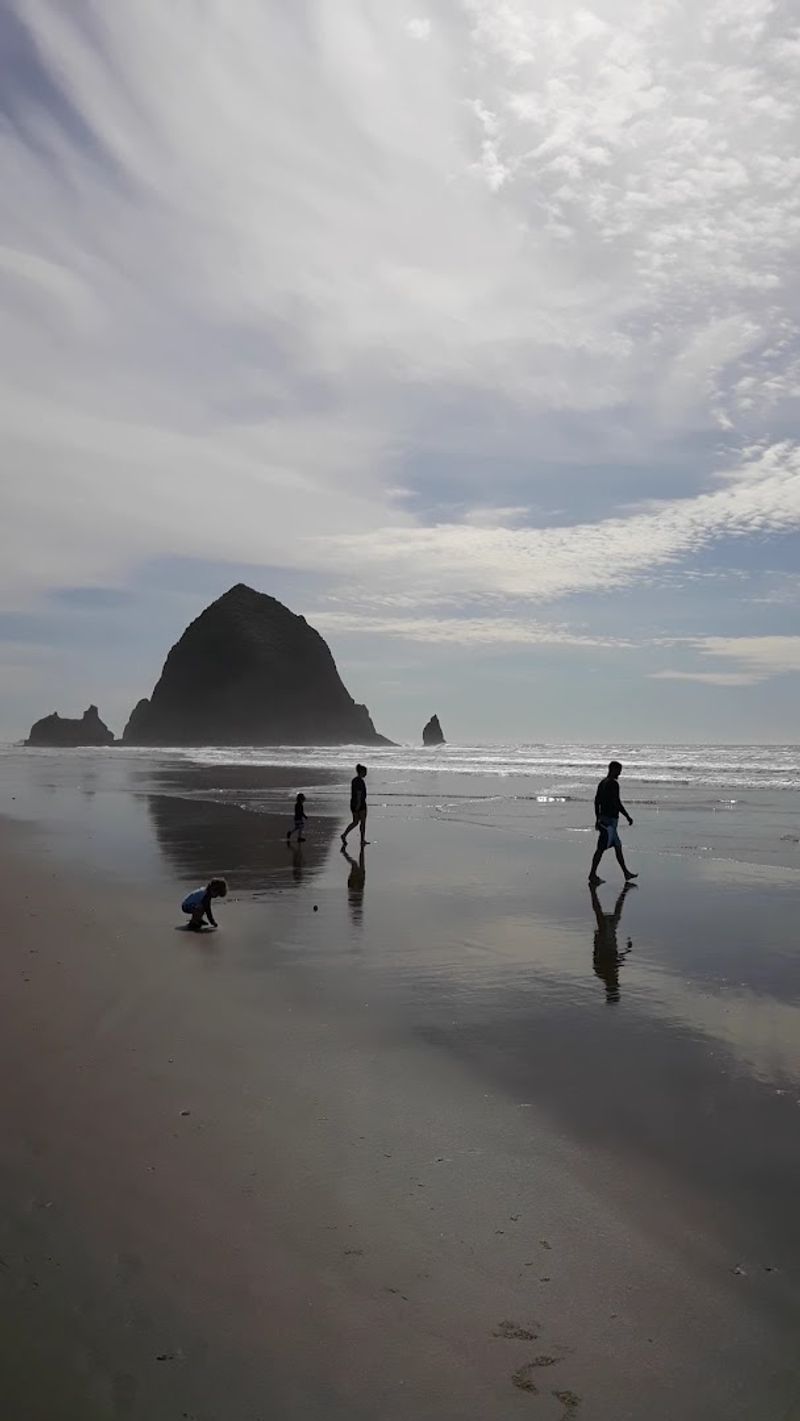
The Oregon coast does not follow a simple sunny-equals-good formula, and Cannon Beach is a perfect example of a place that looks beautiful in almost every kind of weather. The rock has its own presence whether the sky is clear blue, wrapped in morning fog, or dramatically overcast with incoming storm clouds.
That said, weather here can shift quickly and without much warning. Visitors who arrive in light layers and then get caught by a sudden cold wind off the ocean are a common sight.
Packing a windproof jacket and being prepared for rain, even in summer, is genuinely useful advice rather than just cautious overthinking.
Summer brings the largest crowds, which can make parking harder and the beach noisier. Early spring and late fall visits tend to offer a quieter, more personal experience, and the wildlife activity is often just as interesting during those shoulder seasons.
A visit in early March, for example, can mean nearly empty beaches, active tide pools, and eagle sightings without the summer competition for space. Checking both the weather forecast and the tide chart together before any visit is the single best thing you can do to set yourself up for a great day.
The Goonies Connection: Pop Culture Meets Pacific Coast
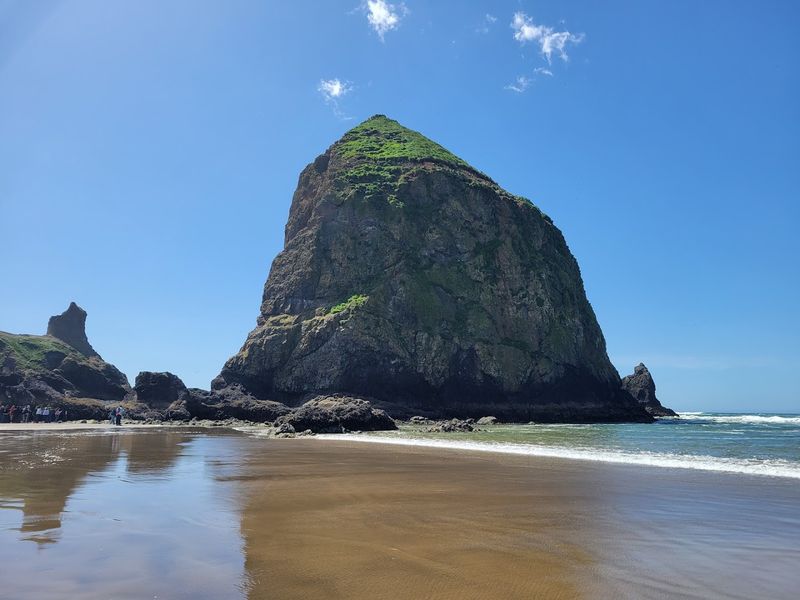
For a certain generation of movie fans, seeing Haystack Rock for the first time feels like running into a celebrity. The rock appeared in the 1985 film The Goonies, which was filmed largely in the Astoria and Cannon Beach area of Oregon, and its silhouette has been burned into the memory of anyone who grew up watching that movie repeatedly.
Visiting the rock as an adult after years of seeing it on screen is a genuinely odd and satisfying experience. The scale of it in real life is much more impressive than anything a camera captures, and the surrounding beach looks nothing like a movie set once you are actually standing on it with ocean wind in your face and tide pool creatures at your feet.
The Goonies connection brings a specific kind of visitor to Cannon Beach, people who feel a personal attachment to the place before they have even arrived. That emotional familiarity tends to make the actual visit hit harder than expected.
The rock is not just a natural landmark to these visitors; it is a piece of their childhood made solid and real, standing exactly where it always has been, completely unbothered by its own fame.
Cannon Beach Town: What to Do After the Rock
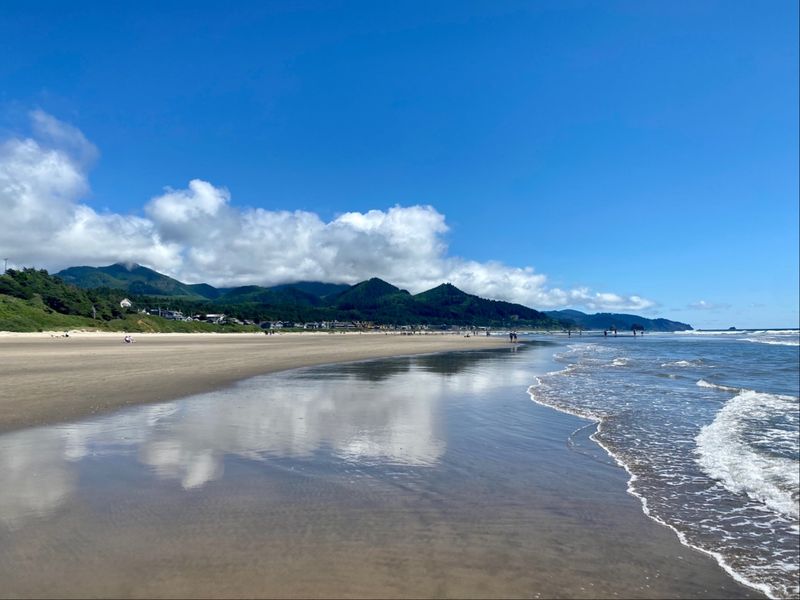
After spending time at the rock, the town of Cannon Beach itself is worth exploring rather than just driving through. The main shopping and dining area runs along Hemlock Street, which is a short walk or drive from the beach access points, and it has a relaxed, small-town feel that has managed to hold on despite growing tourism.
Art galleries are a notable part of the local identity here. Cannon Beach has a long history as an artist community, and several galleries feature work inspired directly by the coastal landscape.
Local shops carry everything from handmade ceramics to quality outdoor gear, and the restaurant options range from casual fish and chips spots to more sit-down dining experiences.
The town also has walking trails, and the surrounding area offers additional natural attractions for visitors who want to spend more than a day in the region. Free parking near City Hall makes it easy to base yourself in town and walk to both the beach and the shops without moving your car repeatedly.
Cannon Beach rewards visitors who slow down long enough to actually explore it rather than treating it purely as a backdrop for Haystack Rock photos, though admittedly, those photos are very hard to stop taking.
Share this story