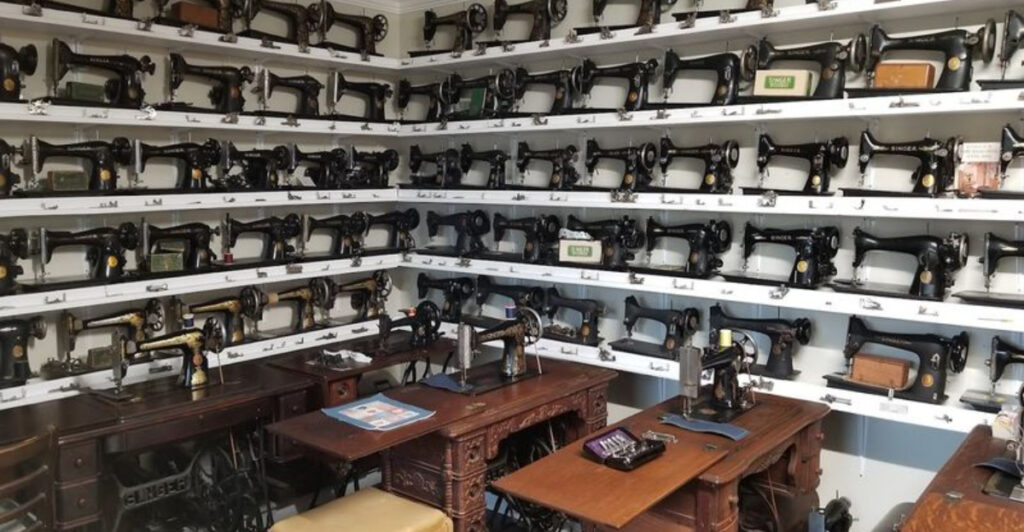
Most museums greet you with a velvet rope and a sign that says “do not touch.” This one hands you a sewing needle and tells you to go for it. Tucked into Tulsa, Oklahoma, the Vintage Sewing Machine Museum is exactly the kind of place that makes you rethink what a museum can be.
Hundreds of machines from across centuries line the space, each one with a story attached, and the man behind it all knows every single one by heart. Whether you sew every day or have never threaded a bobbin in your life, this place has a way of pulling you in and keeping you there for hours longer than you planned.
Where the Museum Lives and How to Find It
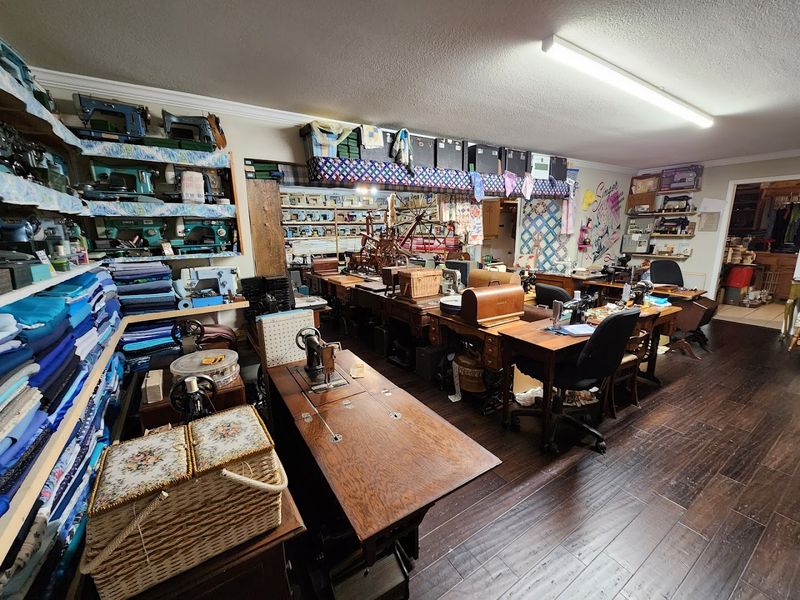
Right in the heart of Tulsa’s midtown neighborhood, at 5528 S Peoria Ave, Tulsa, OK 74105, sits one of the most unexpectedly fascinating museums in the entire state of Oklahoma.
The building does not shout for attention from the outside, which makes it all the more surprising once you step inside. It is the kind of place you might drive past without a second glance, and yet people travel from hours away just to spend an afternoon here.
The museum is open Tuesday through Friday from 12 PM to 6 PM, and also on Saturdays during those same hours. It stays closed on Sundays and Mondays, so it is worth planning your visit around that schedule.
You can reach the museum by phone at 918-280-0161, and their Facebook page offers updates and photos that give you a small preview of what awaits. Admission is free, though a donation box sits quietly near the door for those who want to support the youth programs and ongoing collection work happening inside.
The Accidental Collector Behind It All
The whole thing started because one man wanted to fix a boat seat. W.K.
Binger spent thirty years in the tree trimming and stump grinding business before retirement, and all he wanted afterward was to reupholster his boat and go fishing.
He bought a heavy-duty sewing machine from a craft store for ninety-nine dollars, broke it within a couple of hours, and went looking for a replacement part. That search led him to a contact who gave him a more suitable machine, on the condition that he also take two others and find them good homes.
That was around 2016, and by 2017, the Vintage Sewing Machine Museum had taken shape. What started as a quirky side project turned into one of the most respected small museums in the country, holding thousands of machines and counting.
Binger is also an inventor with multiple patents to his name, which explains why his approach to the museum goes far beyond simple display. He sees every machine as a puzzle worth understanding, and that curiosity is contagious the moment you meet him in person.
A Collection That Spans Centuries and Continents
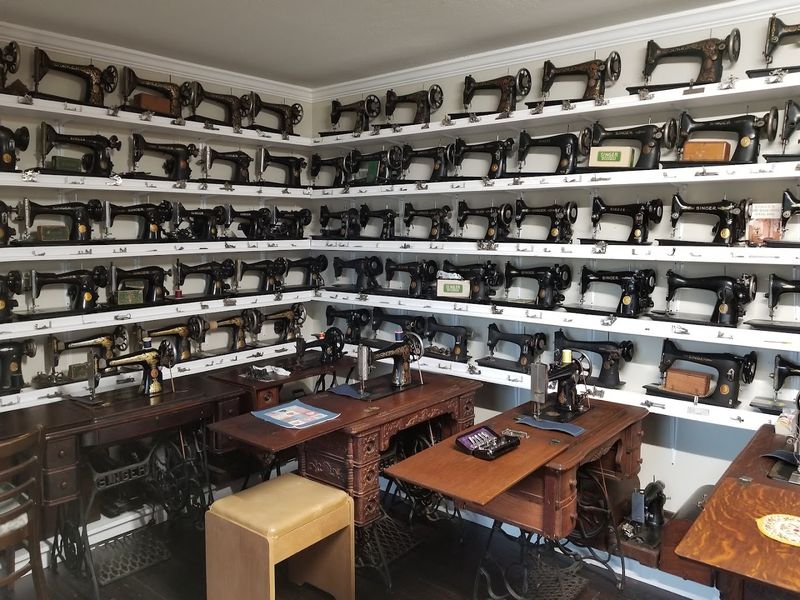
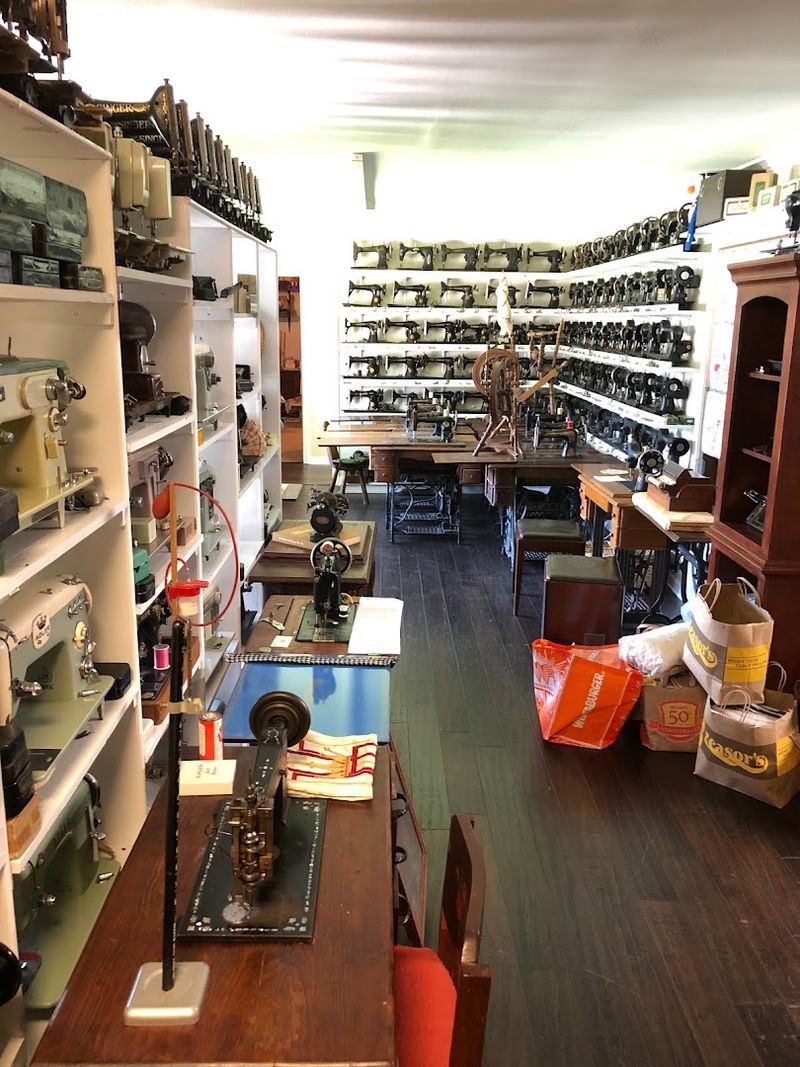
The sheer variety of machines inside this museum is hard to wrap your head around until you are actually standing among them. There are hundreds upon hundreds of machines, sourced from countries all over the world, representing more than a century of manufacturing history.
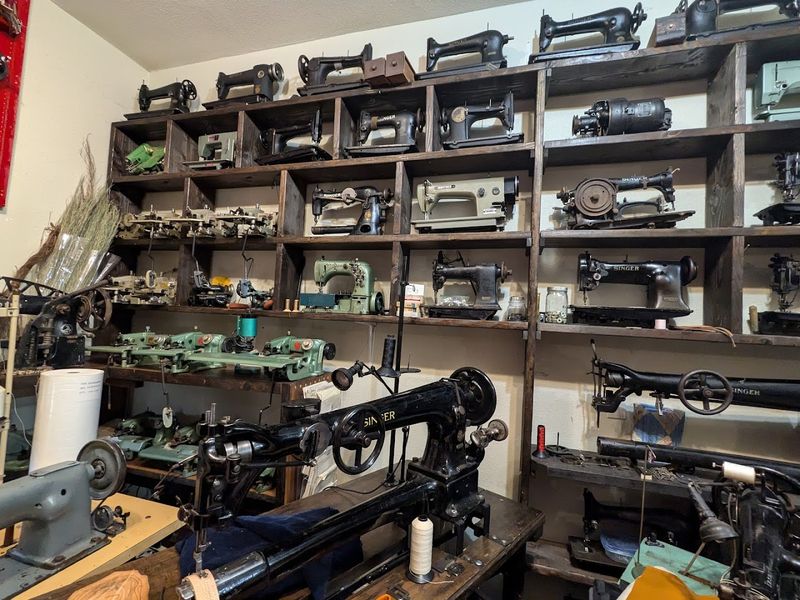
Some machines were built specifically for sewing hammock webbing. Others were designed to stitch leather, book bindings, sails, tents, and even industrial-grade equipment.
The collection makes it clear that sewing machines were never just about clothing, they were central to nearly every industry that shaped modern civilization.
Binger knows the backstory of each piece, including who owned it, where it came from, and what it was originally made to do. Visitors consistently describe the experience of hearing those individual histories as one of the highlights of the entire tour.
One machine in the collection is large enough to rival a small automobile in size, used for stitching thick leather, and guests are actually encouraged to operate it themselves. That hands-on freedom is what separates this place from every other museum most people have visited before.
You Can Actually Touch and Use the Machines
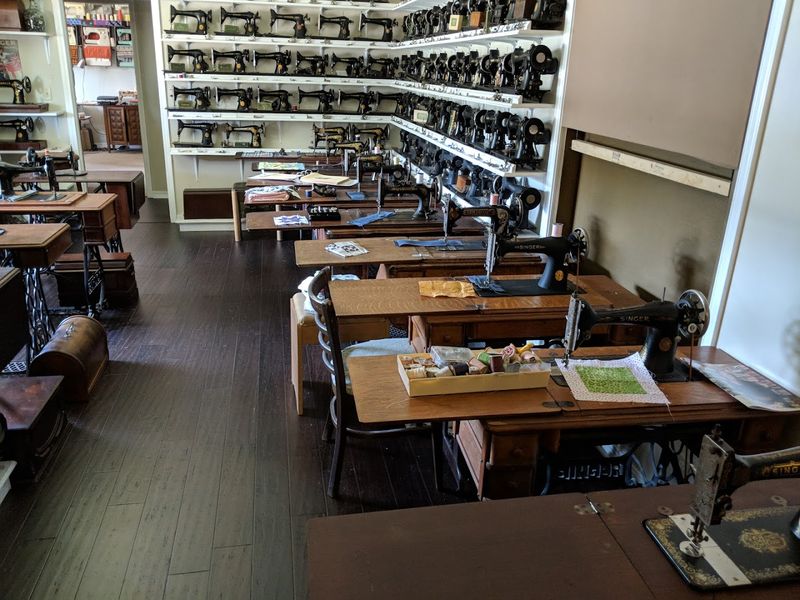
There are very few museums anywhere in the world where you are not only allowed but actively encouraged to sit down and operate the exhibits. This is one of them, and that policy alone makes it worth the trip.
Visitors get to sit at treadle machines, run their hands over hand-crank models, and even operate some of the larger industrial machines under Binger’s guidance. The tactile experience of feeling how these mechanisms work brings history to life in a way that a glass case and a printed label simply cannot replicate.
Groups visiting together often find that the person who cares least about sewing ends up the most fascinated by the mechanics. The engineering behind these machines, the precision of the gears, the tension systems, the bobbin threading, is genuinely impressive regardless of any prior interest in fabric or fashion.
Multiple visitors have mentioned spending three or more hours here without realizing how much time had passed. That is the magic of being allowed to interact rather than just observe, and it turns a casual stop into a full afternoon of discovery that most people say they would repeat without hesitation.
The Stories Behind Famous Donations
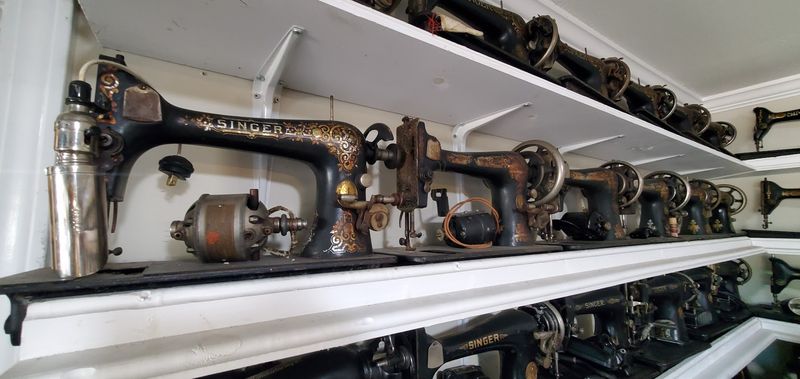
Part of what makes this museum so different from a standard collection is that the objects inside are not anonymous. Each machine carries a personal history, and Binger has made it his mission to preserve those human stories alongside the mechanical ones.
Some of the machines were donated by notable individuals, and Binger can tell you not just the name of the donor but details about their family, the grandmother who used the machine, and the specific type of work it was designed to handle. That level of detail transforms each exhibit from an old appliance into a piece of living history.
The personal nature of the collection is something visitors return to again and again in their descriptions of the experience. It feels less like browsing a catalog and more like flipping through someone’s deeply researched family album, one where every page has a new surprise.
Binger has also held onto machines with particularly unusual origins, including those built for highly specialized commercial purposes that most visitors have never heard of. Hearing those stories for the first time tends to produce the kind of genuine surprise that keeps people rooted to the spot, asking follow-up question after follow-up question.
Kids Programs and Teaching Through Creativity
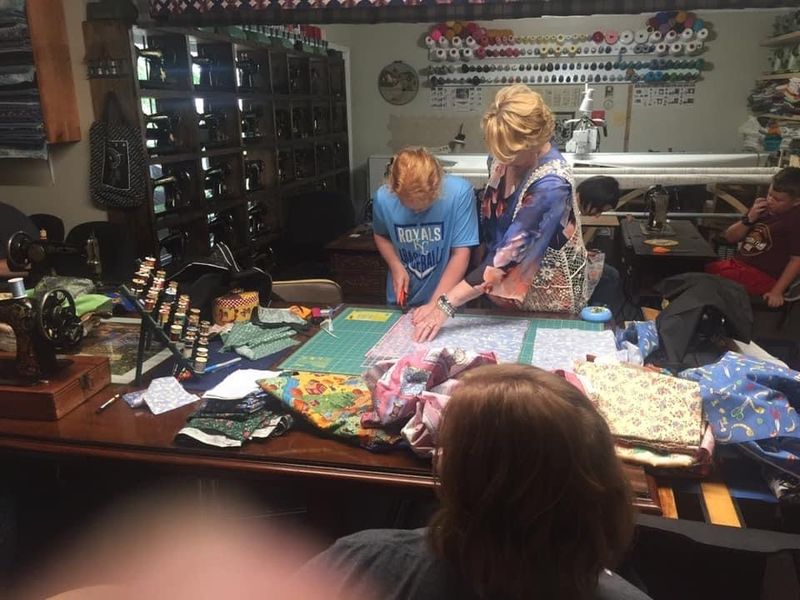
Beyond the collection itself, the museum runs active youth programs that bring in children of all backgrounds and abilities, including students who are autistic and one student who is blind. The approach to teaching is unconventional in the best possible way.
Binger does not correct students when they try something that does not work out. He considers those moments gifts, evidence that a young person was willing to take a creative risk and push through uncertainty.
That philosophy shapes everything about the way the classes are run.
Kids work on real projects using real machines, and the results are displayed proudly throughout the space. Seeing the handiwork produced by young students alongside machines that are over a hundred years old creates a beautiful contrast between past and present that is genuinely moving.
The program also incorporates a laser cutter for tile and design work, giving students a chance to connect traditional craft with modern technology in the same session. Parents who have brought children to the museum often describe it as one of the most genuinely educational outings they have experienced, not because it follows a curriculum, but because it sparks real curiosity in kids who did not expect to care about sewing at all.
What It Feels Like to Tour the Space
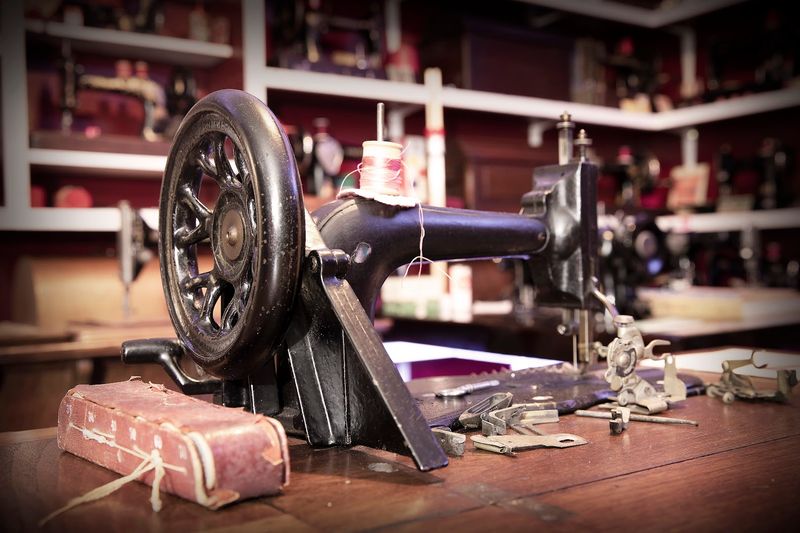
The museum is densely packed in the most satisfying way. Every corner holds something unexpected, from tiny tabletop machines to towering industrial models, and the visual effect of seeing so many machines in one room is genuinely striking.
Binger typically walks visitors through the collection himself, weaving in historical context, personal anecdotes, and hands-on demonstrations as he goes. The tour does not follow a rigid script, which means each visit can feel slightly different depending on what catches your attention and what questions you ask.
The atmosphere is warm and informal. There are no roped-off sections, no stern reminders to keep your distance, and no pressure to move along at a set pace.
The experience feels more like being hosted in someone’s extraordinary personal space than visiting an institution.
Most visitors arrive expecting to stay for an hour and find themselves still there two or three hours later. The combination of a rich collection, an engaging host, and the freedom to interact with the exhibits creates a rhythm that is easy to settle into.
By the time you finally head toward the door, you will almost certainly pause at least twice more to look at one more machine or ask one more question.
The History of Sewing Machines You Never Knew You Needed
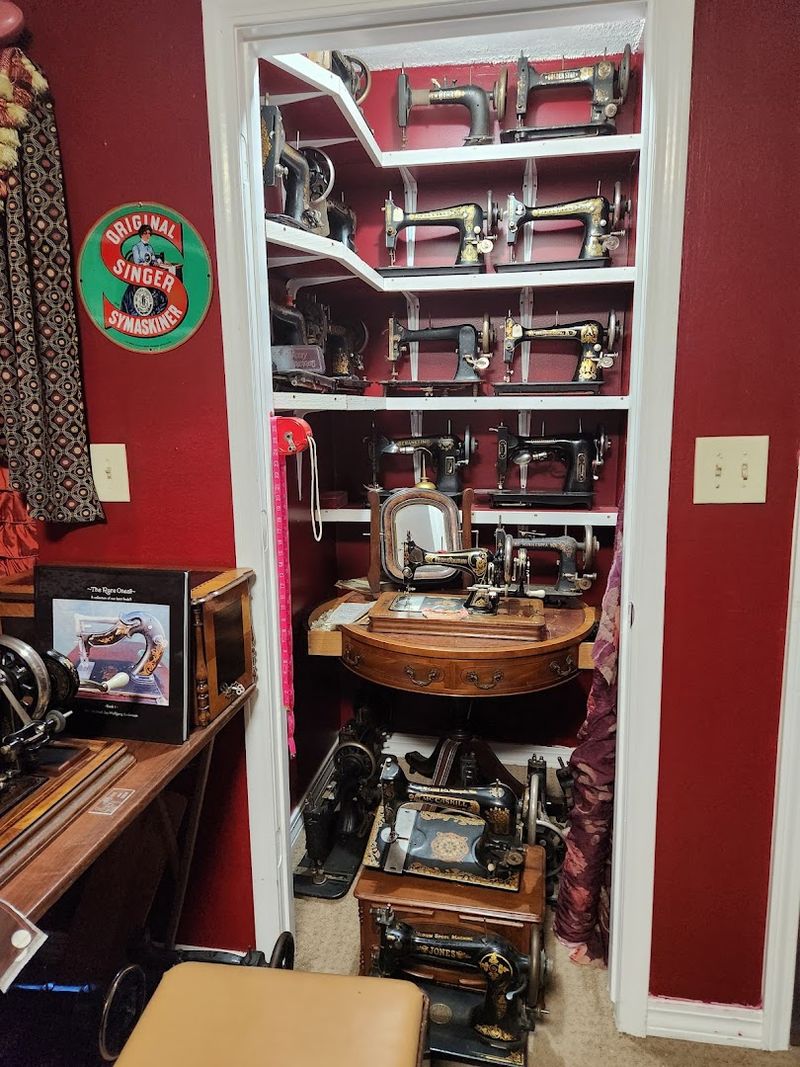
Most people think of sewing machines as household appliances, something tucked in a closet and pulled out for hemming pants. A visit to this museum completely reframes that understanding within the first fifteen minutes.
Binger explains that more sewing machines have been manufactured since their invention than any other machine in recorded world history. The research and engineering investment that went into their development rivals that of far more glamorous technologies, and the variety of industrial applications they served is staggering.
Machines in the collection were built to sew everything from military tents and ship sails to book spines and automotive upholstery. Each specialized design required unique engineering solutions, and seeing those solutions side by side in one room tells a surprisingly rich story about industrial progress.
Visitors who come in with no background in sewing consistently report leaving with a new appreciation for the technology. The history is presented in a conversational, accessible way rather than through dense written panels, which makes it easy to absorb even for younger visitors.
By the end of the tour, the humble sewing machine starts to look a lot more like one of the most important inventions in human history.
Practical Tips for Planning Your Visit
A few practical details can make your visit run much more smoothly and help you get the most out of the experience. The museum is open Tuesday through Saturday from noon to 6 PM, and closed on Sundays and Mondays, so checking that schedule before you head out is a smart first move.
There is no set admission fee. The museum operates on a donation basis, and any contribution goes directly toward the youth programs and the ongoing care of the collection.
Bringing some cash to leave in the donation box is a genuinely appreciated gesture.
Budget significantly more time than you think you will need. An hour feels like a reasonable estimate from the outside, but most visitors end up staying two to three hours without trying.
Going on a weekday afternoon tends to mean a quieter visit with more one-on-one time with Binger.
The museum’s phone number is 918-280-0161, and their Facebook page is active with updates and photos. Parking is available near the building, and the midtown Tulsa location puts it within easy reach of other local attractions, making it a natural anchor point for a full day of exploring the city.
Why This Place Is Worth a Special Trip to Tulsa
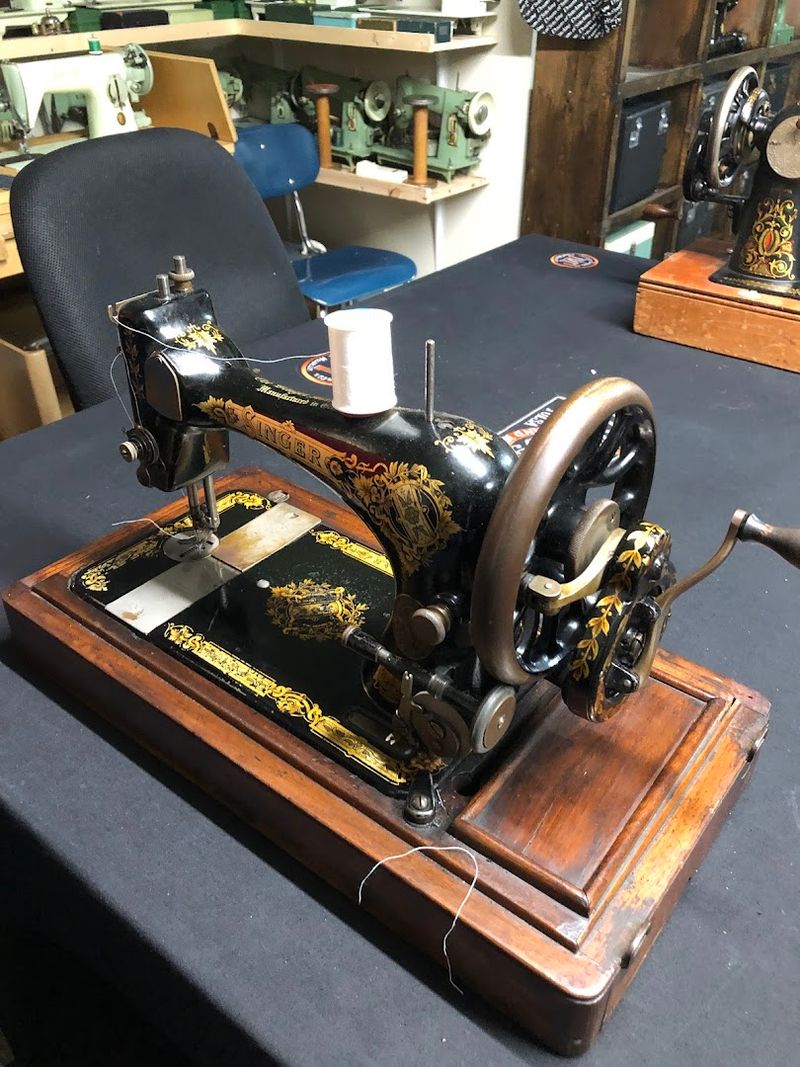
There is a short list of places that genuinely change the way you think about a subject, and this museum earns a spot on that list for almost every person who walks through the door. It is not just a collection of old machines, it is a full sensory and intellectual experience built around one man’s remarkable passion.
People travel from twelve or more hours away and say they would make the same trip again. Couples who visit on anniversaries describe it as one of the most memorable outings they have shared.
Non-sewers drag their skeptical partners along and watch them become the most enthusiastic person in the room.
The museum holds a 4.8-star rating across more than 130 reviews, which is a number that reflects something real rather than just polite enthusiasm. The consistency of that feedback across different types of visitors, families, solo travelers, sewing enthusiasts, and history lovers, speaks to how broadly the experience resonates.
Tulsa already has plenty of reasons to visit, but the Vintage Sewing Machine Museum at 5528 S Peoria Ave has become one of those rare spots that people specifically build a trip around. Once you go, the reason becomes obvious within the first ten minutes of being there.
Share this story