Off the coast of Nantucket, Massachusetts, the Atlantic Ocean has swallowed more than 750 ships over the centuries, and most people driving through the island have no idea. There is a museum on Polpis Road that holds the entire story, from the brave crews who rowed out into dangerous waters to the historic equipment they carried.
The Nantucket Shipwreck and Life Saving Museum does not just display old artifacts behind glass. It tells a story about courage, community, and what it meant to risk everything for a stranger caught in a storm at sea.
Whether you are a history buff, a curious traveler, or a parent looking for something genuinely educational, this museum earns its place at the top of the Nantucket must-see list. Keep reading to find out what makes it so worth the trip.
750 Shipwrecks and the Waters That Claimed Them
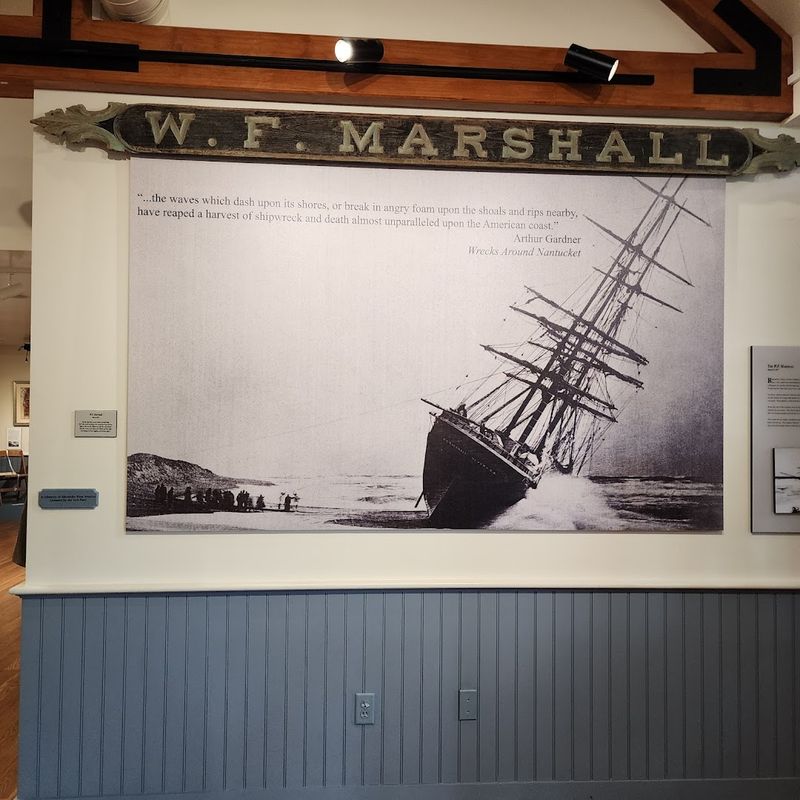
The number 750 is not a rough estimate. It is a documented count of ships that went down in the waters surrounding Nantucket, and the museum treats every one of those wrecks as a chapter in a much larger story.
The ocean around the island has long been considered one of the most treacherous stretches of the American coastline.
Shallow shoals, unpredictable currents, and dense fog created a deadly combination for ships navigating these waters during the 18th and 19th centuries. The museum walks through how those conditions contributed to so many maritime disasters and why Nantucket became ground zero for life-saving efforts along the Northeast coast.
Historical documents, charts, and artifacts help put each wreck into context, so visitors come away with a real understanding of the geography and the danger. The sheer scale of 750 wrecks starts to feel very real once the museum frames it properly, and that realization hits harder than any exhibit label could.
The Life-Saving Crews Who Changed Everything
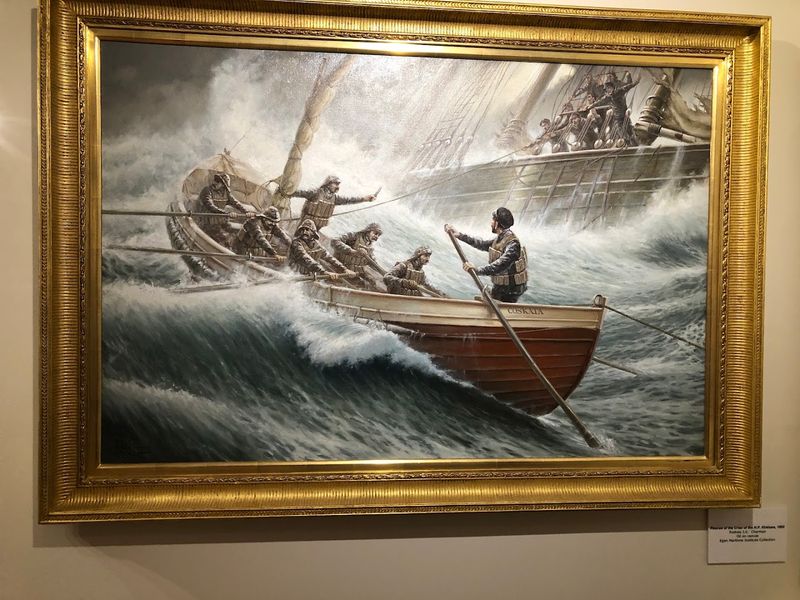
Before the U.S. Coast Guard existed, there were the Life-Saving Service crews, and the museum makes a compelling case that Nantucket’s crews were among the most important in the country.
These were ordinary men, often fishermen and local laborers, who trained rigorously to rescue sailors from wrecked ships in brutal conditions.
The museum explains that the Life-Saving Service, established in the 1870s, was a direct precursor to the United States Coast Guard as it exists today. The discipline, the drills, and the chain of command developed by these crews formed the foundation of what eventually became a national institution.
That connection is not just a footnote here; it is a central thread running through the entire museum experience.
Staff members bring this history to life with demonstrations using actual rescue equipment, explaining how each tool worked and what kind of training was required to use it under pressure. The courage behind these stories becomes concrete and undeniable.
Artifacts That Actually Survived the Sea
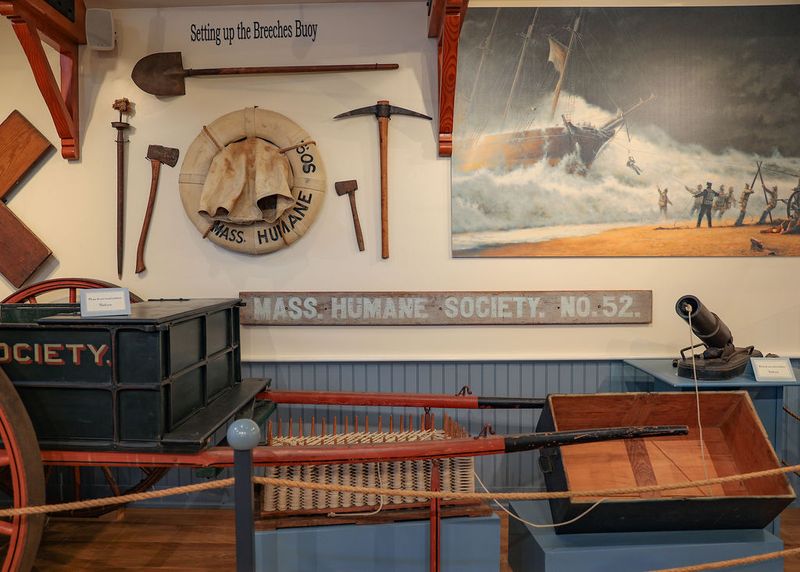
One of the strongest qualities of this museum is that its artifacts are the real thing. The collection includes historic rescue equipment, navigational tools, and items recovered from actual wrecks, not reproductions made to look old but genuine pieces with documented histories tied to specific events.
Among the standout items is a breeches buoy, a device used to transfer people from a stranded ship to shore by running a line between the two points. Seeing the actual equipment used in real rescues makes the danger and the ingenuity of those crews far more tangible than any written description could.
The museum also holds historic documents, photographs, and logbooks that chart the daily operations of the life-saving stations that once operated around the island. Each artifact is presented with enough context that visitors understand not just what the object is, but why it mattered and how it was used in the field.
That level of detail is what separates good museums from great ones.
Guided Tours That Go Beyond the Label Text
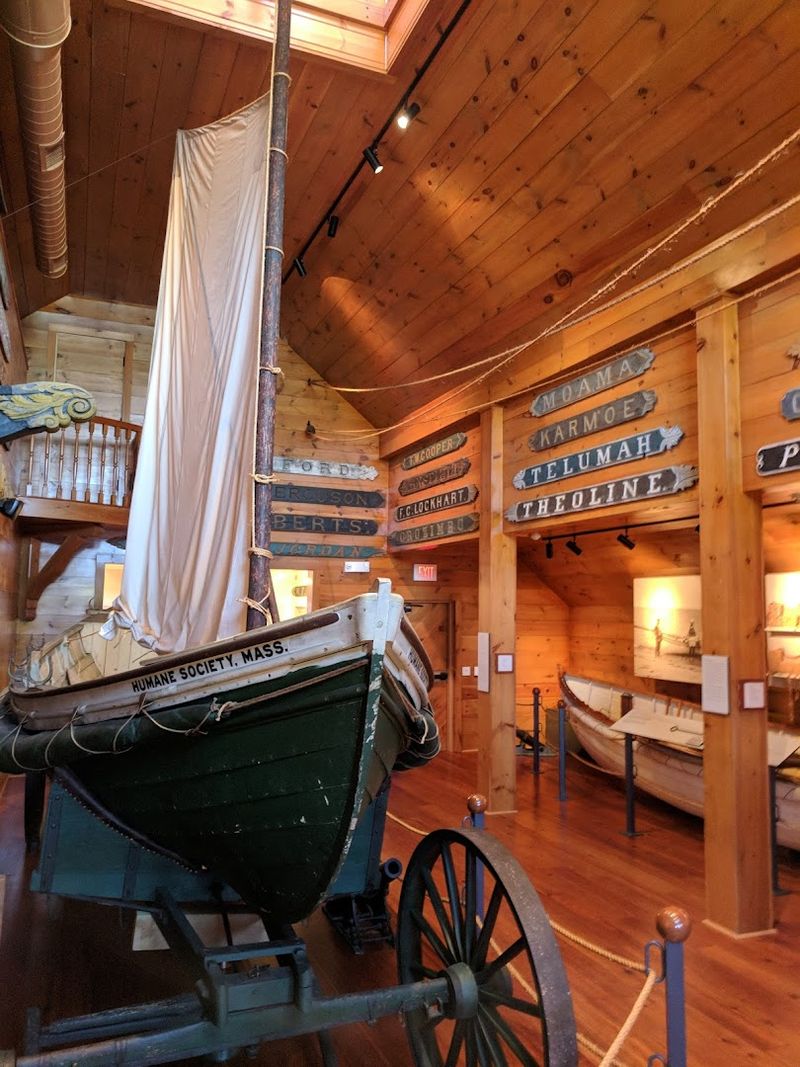
Reading a placard is one thing. Hearing a knowledgeable guide walk you through the same information while holding a piece of original rescue equipment is something else entirely.
The guided tours at this museum are included with admission and run for roughly 20 to 30 minutes, depending on the group’s questions and pace.
The guides are consistently described as enthusiastic, deeply informed, and genuinely good with mixed-age groups. They cover the broad arc of Nantucket’s maritime history while zeroing in on specific wrecks and rescues that carry real dramatic weight.
The tour does not feel like a rehearsed script; it moves like a conversation with someone who actually cares about the subject.
For families with kids, the guided format works especially well because the guides adjust their delivery to keep younger visitors engaged. The combination of storytelling, live demonstrations, and physical props creates an experience that sticks with people long after they have left the building and returned to the rest of their Nantucket itinerary.
Short Documentary Films Worth Every Minute
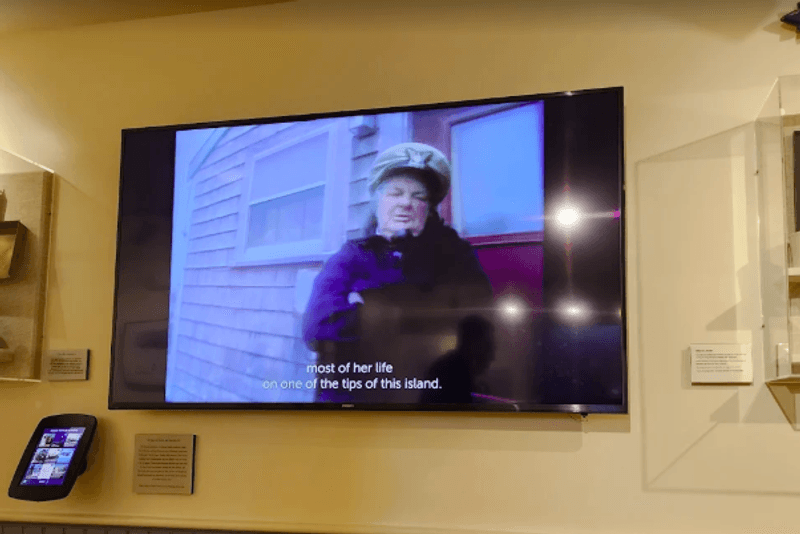
Tucked behind a sliding door that is easy to walk past without noticing is one of the museum’s quieter highlights: a small screening room showing a collection of short documentary films. There are five films available, each running about ten minutes, and they cover different aspects of Nantucket’s maritime history in a format that is easy to absorb.
The films are well-produced and genuinely informative, offering a visual layer to the stories told in the main exhibit space. They are worth watching even if you feel like you already have a good handle on the history, because they tend to focus on specific events or figures that the exhibits touch on only briefly.
The screening room is small and comfortable, and the films can be watched in any order. It is worth asking a staff member to point it out when you arrive, since it sits behind that sliding door and more than a few visitors have left without knowing it was there.
Do not make that mistake.
Dioramas and Visual Displays Done Right
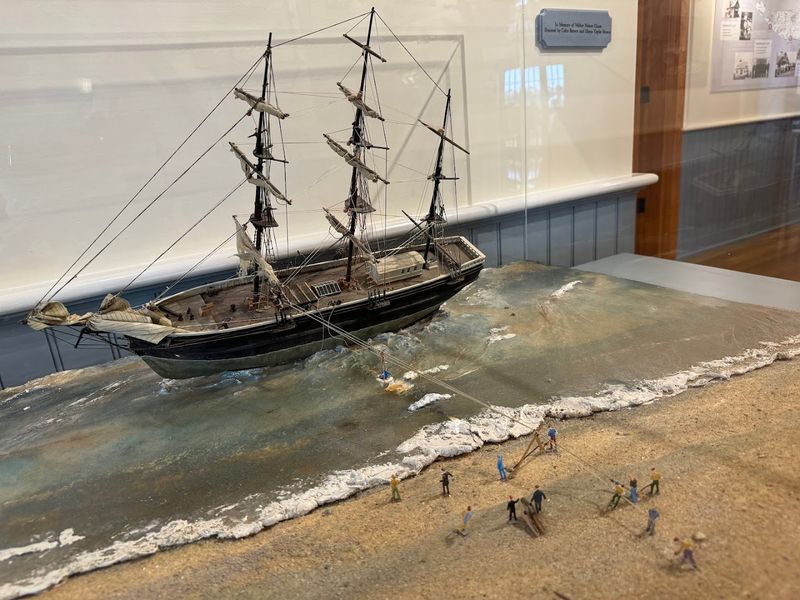
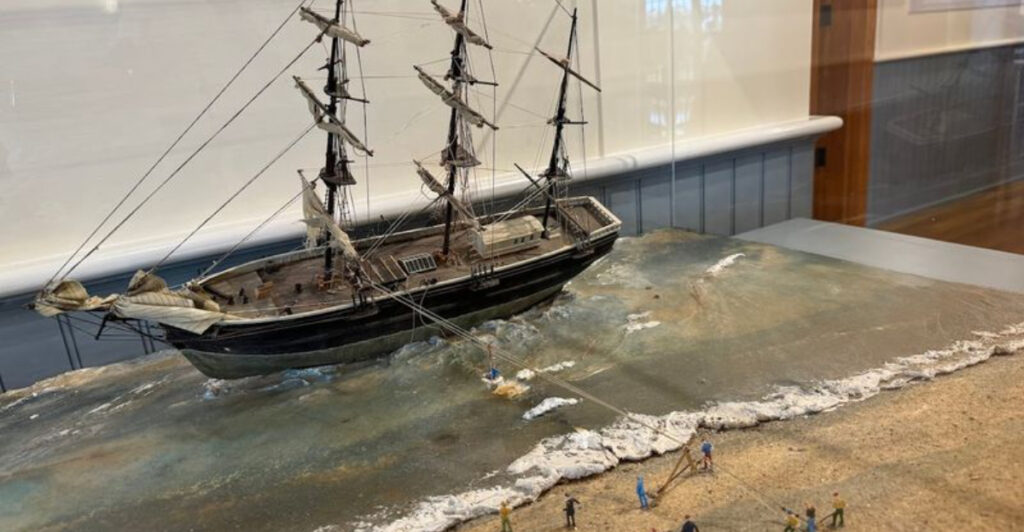
Not every museum can make a diorama compelling, but the ones at the Nantucket Shipwreck and Life Saving Museum genuinely hold attention. The miniature rescue scenes are carefully constructed and placed in context alongside written explanations that help visitors understand exactly what moment in history is being depicted.
The dioramas cover key events in the island’s maritime past, from the approach of a life-saving crew toward a grounded vessel to the rigging of a breeches buoy line across open water. The scale and detail make it easier to understand the logistics of a rescue operation that would otherwise be hard to visualize from text alone.
These visual displays work especially well for younger visitors who may struggle to connect with written history but respond immediately to a three-dimensional scene. The museum uses this format strategically, pairing it with artifacts and guided narration to build a layered picture of what these rescues actually looked like on the ground, or rather, on the shore.
Kids’ Programming That Actually Engages
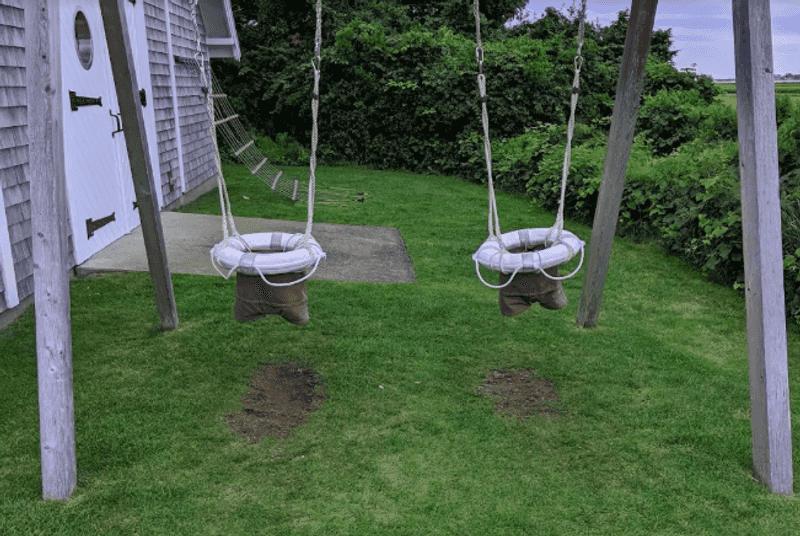
Taking kids to a history museum can go either way, and the Nantucket Shipwreck and Life Saving Museum leans hard into making sure it goes well. The museum offers dedicated programming for younger visitors that moves beyond passive observation and gets children actively involved in learning about maritime history.
There is a small playhouse near the parking lot that gives younger kids a space to move and play in a setting tied to the museum’s theme. Inside, kids’ activities are designed to connect with the stories being told in the main galleries, so the educational thread runs through the whole visit rather than being siloed into a corner.
The guided tours are also calibrated to work with children in the group, with guides shifting their language and pace to keep kids curious and engaged. For families visiting Nantucket and looking for something that holds everyone’s attention without requiring an art history degree, this museum consistently delivers across age groups and keeps the whole family talking afterward.
A Bike Path Stop Worth Planning For
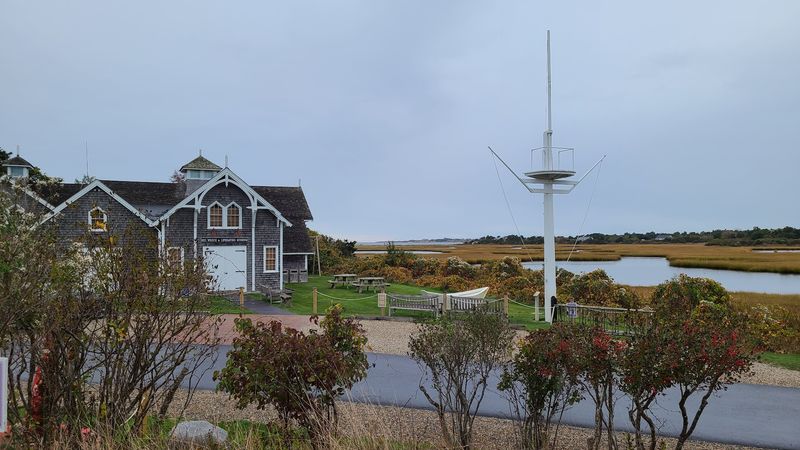
The Polpis Road bike path is one of the more popular cycling routes on Nantucket, and the museum sits directly along it, making it a natural stop for anyone out on two wheels. Cyclists can lock up their bikes and walk in without any additional planning, which gives the museum a casual drop-in quality that suits the island’s pace.
The route itself passes through some of the quieter, less commercial parts of Nantucket, and the museum fits that character well. It does not announce itself loudly or compete for attention with flashy signage; it simply sits there, ready for anyone curious enough to stop.
For those building a cycling itinerary around the island, adding the museum as a mid-route stop makes good logistical sense. The visit typically runs between 45 minutes and an hour and a half depending on how deep you go into the exhibits and films, making it easy to fit into a longer ride without throwing off the rest of the day’s plans.
What the Life-Saving Service Became
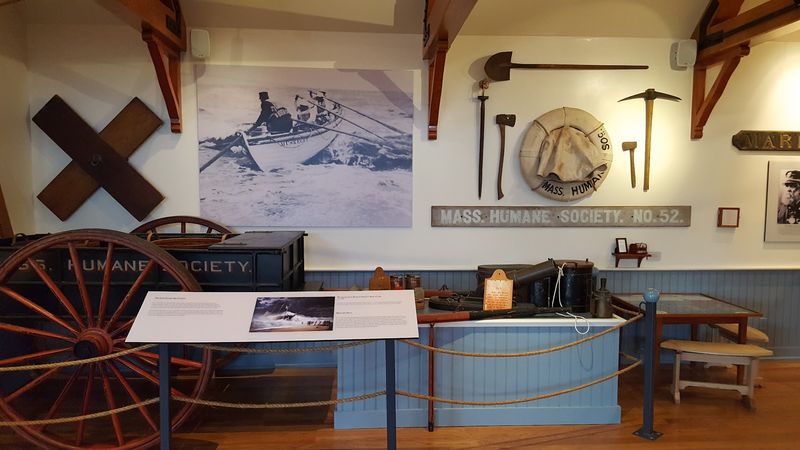
One of the more striking facts the museum presents is the direct institutional link between Nantucket’s life-saving crews and the modern United States Coast Guard. The Life-Saving Service, which operated stations around the island and trained the crews who carried out rescues, was eventually merged with the Revenue Cutter Service in 1915 to form the Coast Guard.
That is not a minor historical footnote. The operational methods, the training protocols, and the organizational culture developed by crews like those stationed on Nantucket contributed directly to what became one of the most important maritime institutions in the world.
The museum makes this connection explicit and gives it the weight it deserves.
Understanding that lineage adds a different dimension to everything else in the museum. The equipment, the logbooks, and the rescue accounts are not just relics of a forgotten profession; they are the early chapters of an institution that still operates today.
That continuity is one of the most powerful ideas the museum communicates, and it does so without overstating the case.
Planning Your Visit: What to Know Before You Go
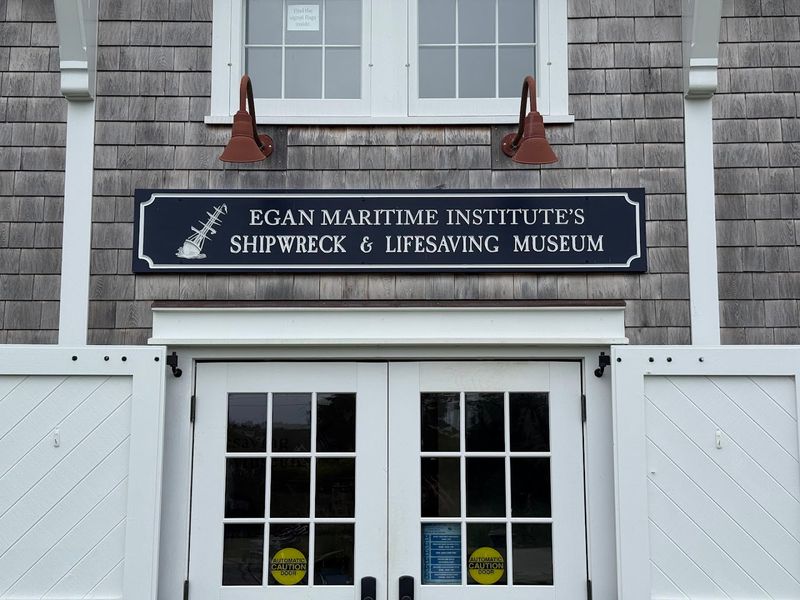
The museum is open Monday through Friday from 10 AM to 5 PM, and on Saturday from 10 AM to 2 PM. It is closed on Sundays, so that is worth factoring into any Nantucket itinerary.
Admission is reasonably priced and covers both the guided tour and access to the documentary films, making it strong value for the depth of experience it delivers.
The building is compact, with two to three main rooms, so first-time visitors should not expect a sprawling institution. What it lacks in square footage it makes up for in the quality and specificity of what it presents.
A visit typically runs between 45 minutes and an hour and a half depending on how much time is spent with the films and the guided tour.
The museum can be reached at 158 Polpis Rd, Nantucket, MA 02554, and more information is available at eganmaritime.org. For anyone visiting the island and looking for something that goes beyond the shops and beaches, this museum offers a genuinely different and memorable way to spend a few hours.
Where the Story Begins: Address and Location
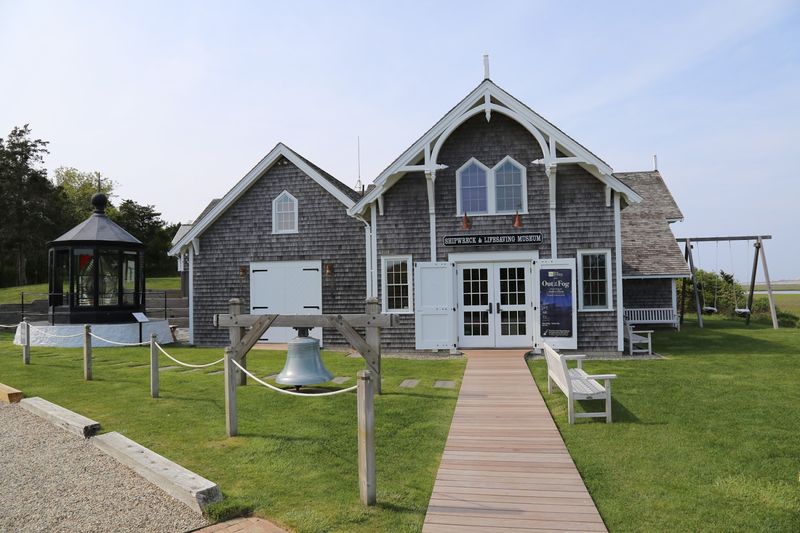
Tucked along the Polpis Road bike path at 158 Polpis Rd, Nantucket, MA 02554, the Nantucket Shipwreck and Life Saving Museum sits at a quiet but historically loaded stretch of the island. The building itself fits right into the landscape, modest from the outside but packed with history once you step through the door.
The museum is operated under the Egan Maritime Institute, and its location along the Polpis Road corridor makes it accessible both by bike and by car. For those without wheels, a free shuttle runs directly from the Visitors Center on Franklin Street in town, making the trip easy for anyone staying in the center of Nantucket.
The museum is open Monday through Friday from 10 AM to 5 PM, and Saturday from 10 AM to 2 PM. It is closed on Sundays.
That schedule makes it a solid weekday option, and a great rainy-day destination that actually delivers on its promise.
Share this story