North Carolina has a well-earned reputation for stunning natural beauty, but some of its most magical green spaces are hiding in plain sight. Tucked behind college campuses, historic estates, and riverside woodlands are gardens so peaceful and picturesque they feel like scenes from a storybook.
Whether you love formal flower beds, wild woodland trails, or quiet benches beside a koi pond, the Tar Heel State has a garden that will make your heart slow down in the best possible way. Pack your walking shoes and get ready to wander.
Coker Arboretum — Chapel Hill, North Carolina
Hidden inside a bustling university campus, Coker Arboretum has been quietly charming visitors since 1903, and it shows absolutely no signs of slowing down. The five-acre space feels like a world apart, where flowering trees arch overhead and seasonal blooms pop up like colorful surprises around every bend.
It is the kind of place where students eat lunch on the grass while visitors wander around wondering how they never heard of it before.
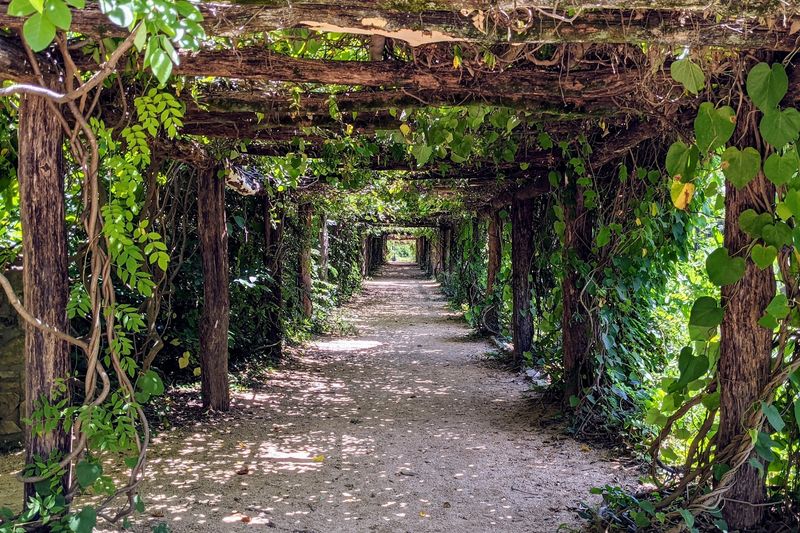
The vine-covered arbor is especially photogenic and earns its fair share of admiring glances throughout the year. Spring brings an explosion of color from flowering cherries, magnolias, and perennials that transform the garden into something almost too pretty to be real.
Admission is free, which makes the whole experience feel like finding a twenty-dollar bill in an old jacket pocket.
Families, couples, and solo explorers all find something worth lingering over here. The winding paths are easy to navigate, and the garden is compact enough that you can see everything without exhausting yourself.
If you are ever passing through Chapel Hill, carve out at least an hour and let this little gem work its quiet magic on you.
Elizabethan Gardens — Manteo, North Carolina
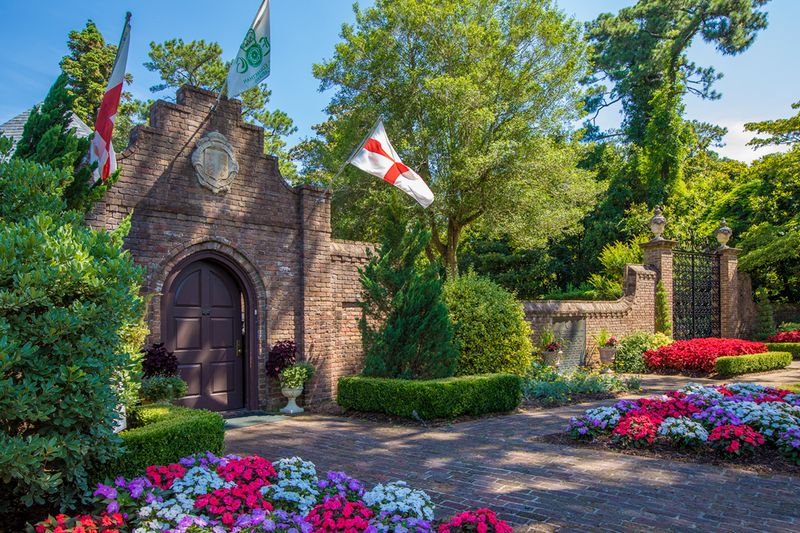
Step through the gates of Elizabethan Gardens and you might genuinely forget what century you are standing in. Inspired by the grand gardens of Queen Elizabeth I’s era, this Roanoke Island treasure blends formal pathways, marble statuary, and richly planted flower beds into a setting that feels theatrical in the best possible way.
The whole place carries an air of quiet drama, like a stage set that nature decided to make permanent.
Fountains catch the light while climbing roses and seasonal plantings fill the air with color and fragrance. The garden sits near the site of the famous Lost Colony, adding a layer of genuine historical intrigue to an already atmospheric visit.
History buffs and garden lovers end up equally captivated, which is a neat trick not many places can pull off.
The staff takes obvious pride in keeping every corner beautifully maintained, and it shows in every carefully trimmed hedge and well-placed urn. Visiting during the tulip season in spring or the holiday light display in winter offers two very different but equally rewarding experiences.
Elizabethan Gardens earns its spot on this list without breaking a sweat.
Paul J. Ciener Botanical Garden — Kernersville, North Carolina
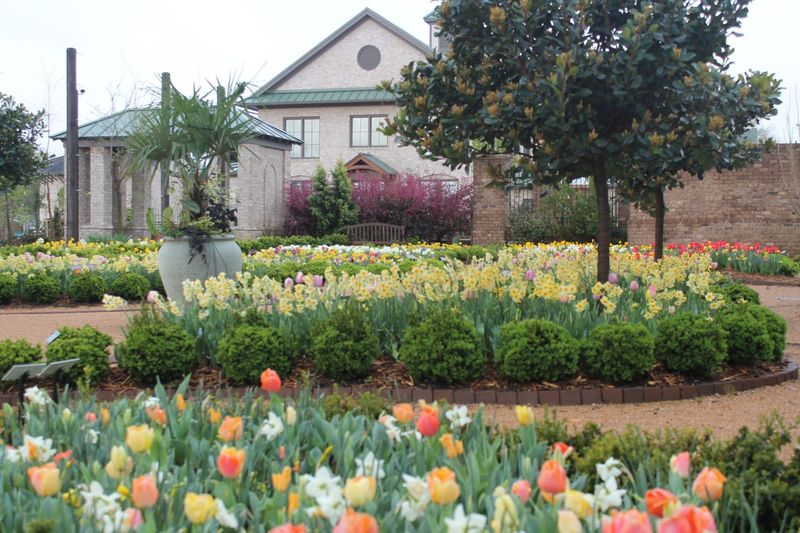
Kernersville might not be the first place that comes to mind when you think about world-class botanical gardens, but that is exactly what makes Paul J. Ciener Botanical Garden such a rewarding discovery.
The design draws heavily from European garden traditions, giving the whole space a polished, intentional feel that surprises first-time visitors. Elegant planting beds, water features, and sculpted pathways come together in a way that feels both refined and genuinely relaxing.
Seasonal displays keep the garden looking fresh no matter when you visit, from cheerful spring bulbs to rich autumn foliage. Water features add a soothing soundtrack to every stroll, and the overall layout encourages you to slow your pace and actually pay attention to what is growing around you.
It is the kind of garden that rewards curiosity.
Because it sits in a smaller city, crowds are rarely an issue, which means you can enjoy the whole experience without navigating around tour groups or fighting for a good photo spot. Admission is free, the parking is easy, and the garden staff is genuinely welcoming.
Paul J. Ciener Botanical Garden is one of those places you visit once and immediately start recommending to everyone you know.
Reynolda Gardens — Winston-Salem, North Carolina
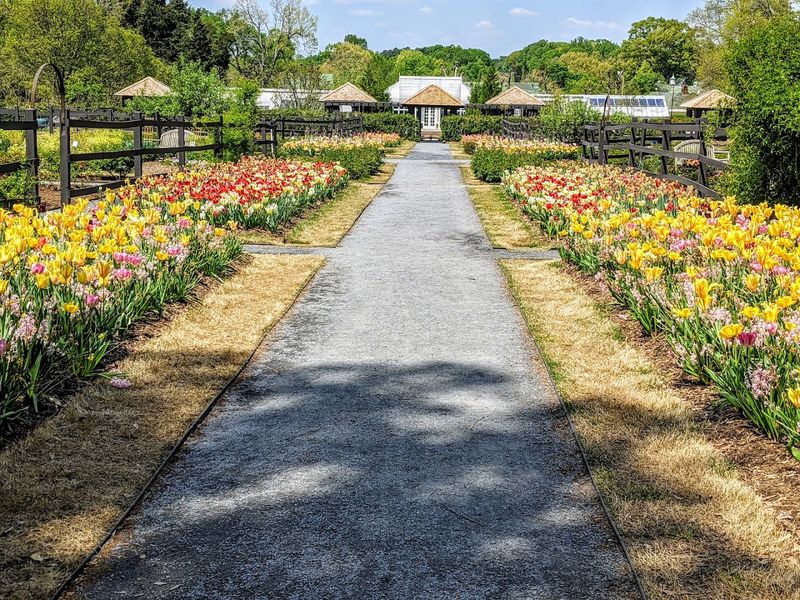
There is something quietly impressive about walking through a garden that was once the private retreat of one of America’s most powerful industrial families. Reynolda Gardens, originally part of the vast Reynolds tobacco estate, has been thoughtfully preserved and opened to the public as a free-admission green space that punches well above its weight.
The combination of formal gardens and natural woodland trails gives the property a layered quality that keeps visits interesting from start to finish.
Restored historic greenhouses anchor the formal garden area, while winding paths lead outward into shadier, more natural sections of the grounds. Mature trees provide generous canopy cover, making this an especially pleasant destination during the warmer months when shade is genuinely appreciated.
The transition between the manicured and the wild feels intentional and satisfying.
Reynolda Gardens connects directly to Reynolda House Museum of American Art, so culture lovers can pair a garden stroll with a museum visit in the same afternoon. The overall atmosphere is unhurried and welcoming, attracting everyone from local joggers to out-of-town visitors seeking a peaceful break.
If Winston-Salem is on your itinerary, skipping Reynolda Gardens would be a genuine mistake you would likely regret.
Sarah P. Duke Gardens — Durham, North Carolina
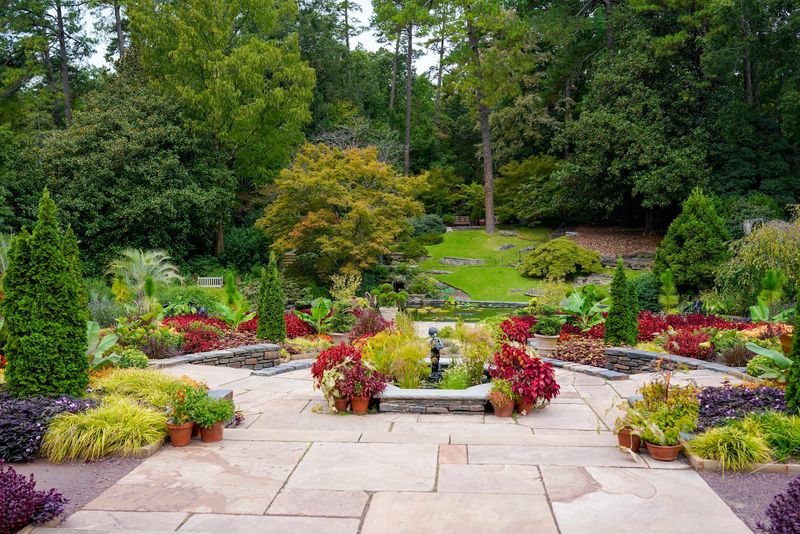
Fifty-five acres sounds like a lot until you actually start exploring Sarah P. Duke Gardens and realize you keep finding corners you somehow missed on the last visit.
That sense of endless discovery is part of what makes this Durham landmark so beloved by locals and so surprising to first-time visitors. Koi ponds shimmer beneath stone bridges, themed garden rooms reveal themselves one by one, and the overall scale of the place quietly earns your respect.
The Blomquist Garden of Native Plants is a particular standout, showcasing the remarkable variety of flora that calls North Carolina home. Seasonal changes keep the mood shifting throughout the year, from the soft pinks of spring cherry blossoms to the warm golds of autumn foliage.
Even on a grey winter day, the bones of the garden remain striking.
Admission is free, and the gardens are open year-round, making them an easy and rewarding destination for spontaneous visits. Families enjoy the accessible paths and open lawn areas, while serious plant enthusiasts could spend hours studying the labeled collections.
Sarah P. Duke Gardens manages the impressive feat of feeling both grand and intimate at the same time, which is no small accomplishment for a public garden of any size.
Airlie Gardens — Wilmington, North Carolina
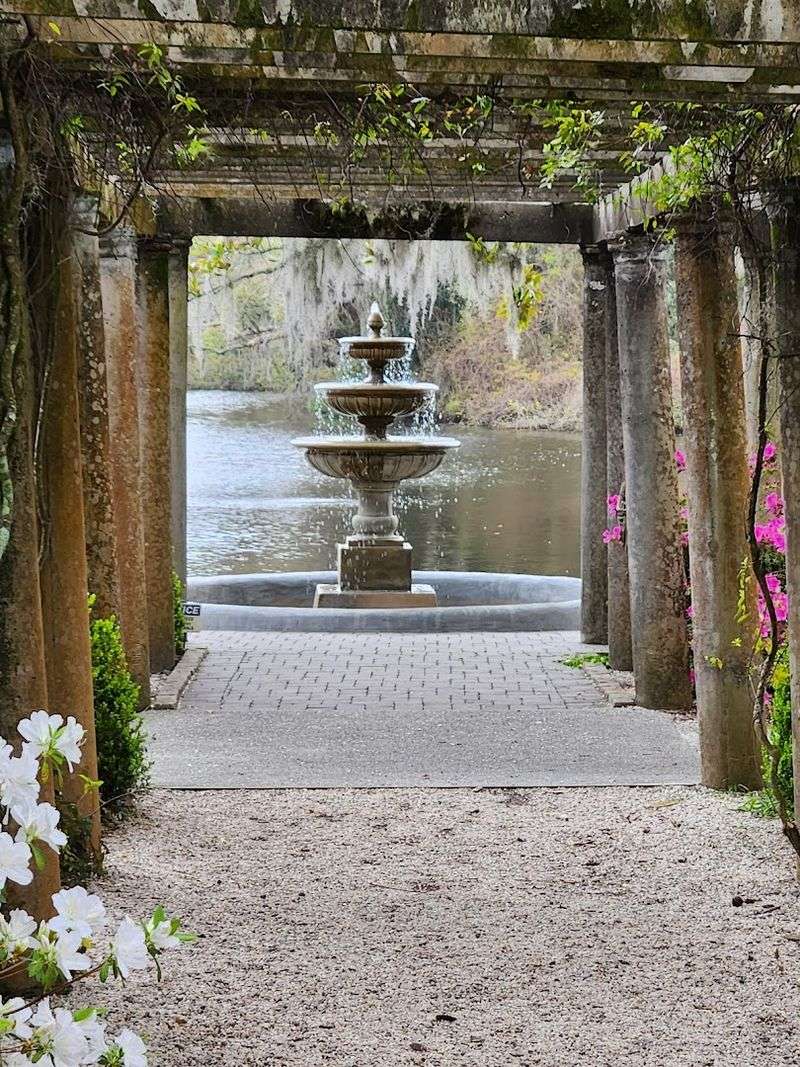
Walking beneath the ancient live oaks at Airlie Gardens feels like entering a place that time decided to treat with extra care. These trees, some of which have been standing since the 1800s, create a canopy so dramatic that first-time visitors often stop mid-path just to stare upward in quiet amazement.
Spanish moss drifts from every branch, adding that unmistakable coastal Carolina atmosphere that no photograph ever quite captures accurately.
The garden dates back to 1886 and covers 67 acres of lakes, walking paths, and vibrant Southern plantings that peak spectacularly during azalea season in spring. Hidden benches tucked beside the water offer perfect spots for reading, reflecting, or simply watching the light change across the lake’s surface.
There is a gentle, unhurried quality to Airlie that feels genuinely restorative.
The famous Airlie Oak, believed to be over 400 years old, deserves a long, respectful look all on its own. Seasonal events and art installations add extra reasons to visit throughout the year, ensuring the experience stays fresh across multiple trips.
Airlie Gardens is not just a pretty place to walk through; it is the kind of destination that lingers pleasantly in your memory long after you have gone home.
North Carolina Botanical Garden — Chapel Hill, North Carolina
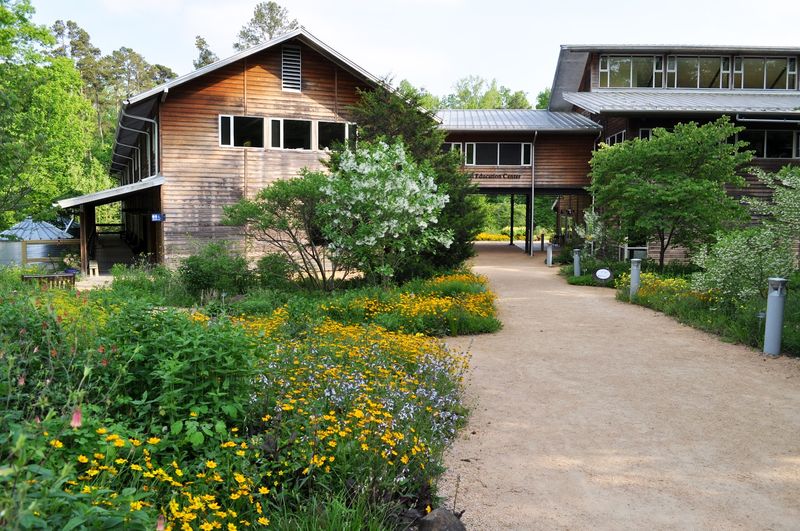
Most botanical gardens announce themselves with grand gates and manicured symmetry, but the North Carolina Botanical Garden takes a refreshingly different approach. The focus here is squarely on native plants and natural ecosystems, which means the landscape feels less like a curated display and more like a genuinely wild and living place.
Woodland trails thread through habitats that range from mountain cove forests to coastal plain communities, all packed into one surprisingly diverse property.
Wildflower meadows burst into color during spring and summer, attracting pollinators by the thousands and offering visitors a front-row seat to one of nature’s most cheerful performances. Educational signage throughout the garden makes it easy to learn as you walk, turning a casual stroll into something genuinely informative without ever feeling like a lecture.
Kids who claim to find nature boring tend to change their tune fairly quickly once they spot a butterfly landing on a passionflower.
The garden also houses an impressive carnivorous plant collection that draws fascinated visitors of all ages. Admission is free, and the relaxed atmosphere welcomes everyone from serious botanists to families out for a Sunday wander.
The North Carolina Botanical Garden proves that the most beautiful gardens do not always need to be the most formal ones.
Sandhills Horticultural Gardens — Pinehurst, North Carolina
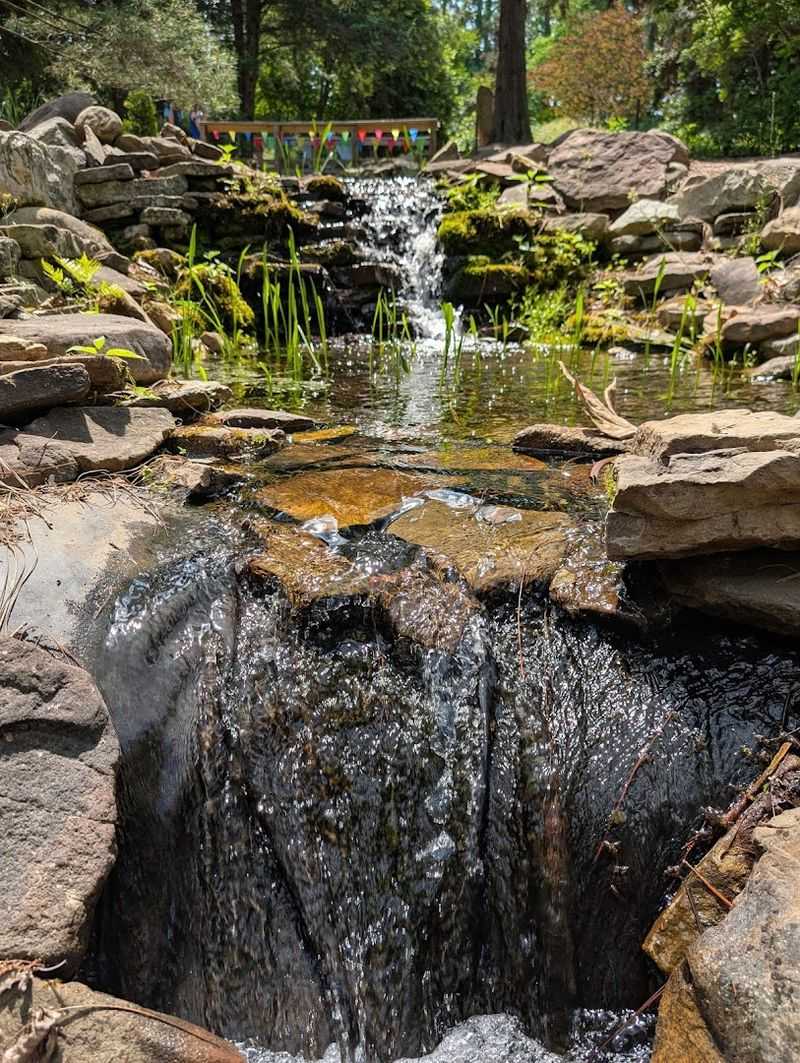
Tucked onto the campus of Sandhills Community College, these gardens have been quietly impressing visitors for decades while somehow remaining one of the state’s best-kept botanical secrets. The property spans over 30 acres and is divided into distinct themed sections, each with its own personality and planting style.
Moving from one section to the next feels a bit like flipping through the pages of a very well-illustrated garden design book.
The water garden is a genuine highlight, with lily pads floating across calm ponds and the occasional frog making an unscheduled but welcome appearance. A conifer garden, a rose garden, and a holly collection round out a lineup that manages to feel both educational and simply beautiful at the same time.
Plant enthusiasts will find plenty of labeled specimens to study, while casual visitors can just enjoy the scenery without feeling any pressure to take notes.
Because the garden is maintained in part by horticulture students, it carries an energy of ongoing care and genuine investment that is easy to feel as you walk through. Admission is free, the grounds are well-maintained, and the crowds are almost never overwhelming.
Sandhills Horticultural Gardens rewards the curious traveler who is willing to look just slightly off the beaten path.
Juniper Level Botanic Garden — Raleigh, North Carolina
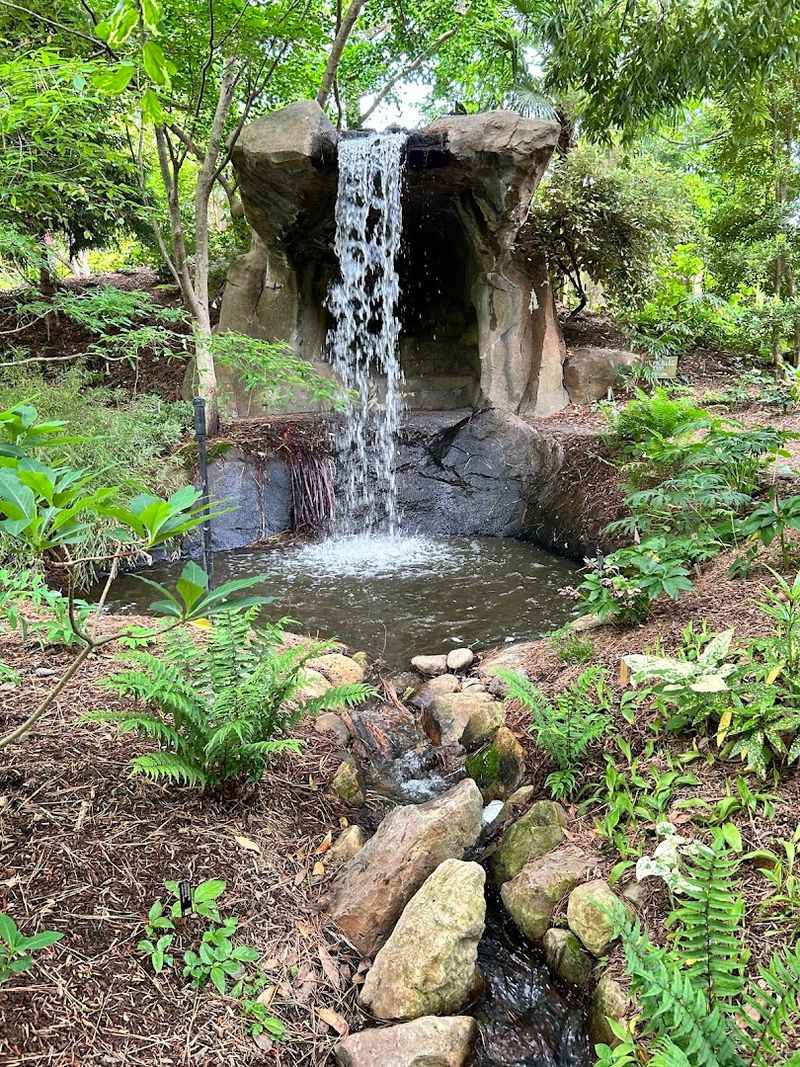
Juniper Level Botanic Garden operates on its own delightfully eccentric schedule, opening to the public only during select weekends throughout the year, which makes getting inside feel like a small but satisfying victory. The garden is attached to Plant Delights Nursery, one of the most respected specialty plant nurseries in the country, and that horticultural pedigree shows in every square foot of the grounds.
Rare and unusual plants that you will not find in any ordinary garden center grow here in cheerful abundance.
The layout rewards slow, exploratory wandering rather than a quick loop around the perimeter. Around nearly every corner waits something unexpected, whether it is a sculptural agave the size of a small car or a ground cover you have genuinely never encountered before.
Serious plant collectors make pilgrimages here specifically to see species they have only ever read about in catalogs.
The atmosphere is relaxed and unpretentious despite the impressive botanical depth on display, and the staff is happy to answer questions with real enthusiasm. Checking the garden’s website for open dates before planning a visit is essential, since the limited schedule fills up quickly.
Juniper Level Botanic Garden is the kind of place that turns casual garden fans into lifelong plant obsessives, and it does so without any apparent effort.
Cape Fear Botanical Garden — Fayetteville, North Carolina
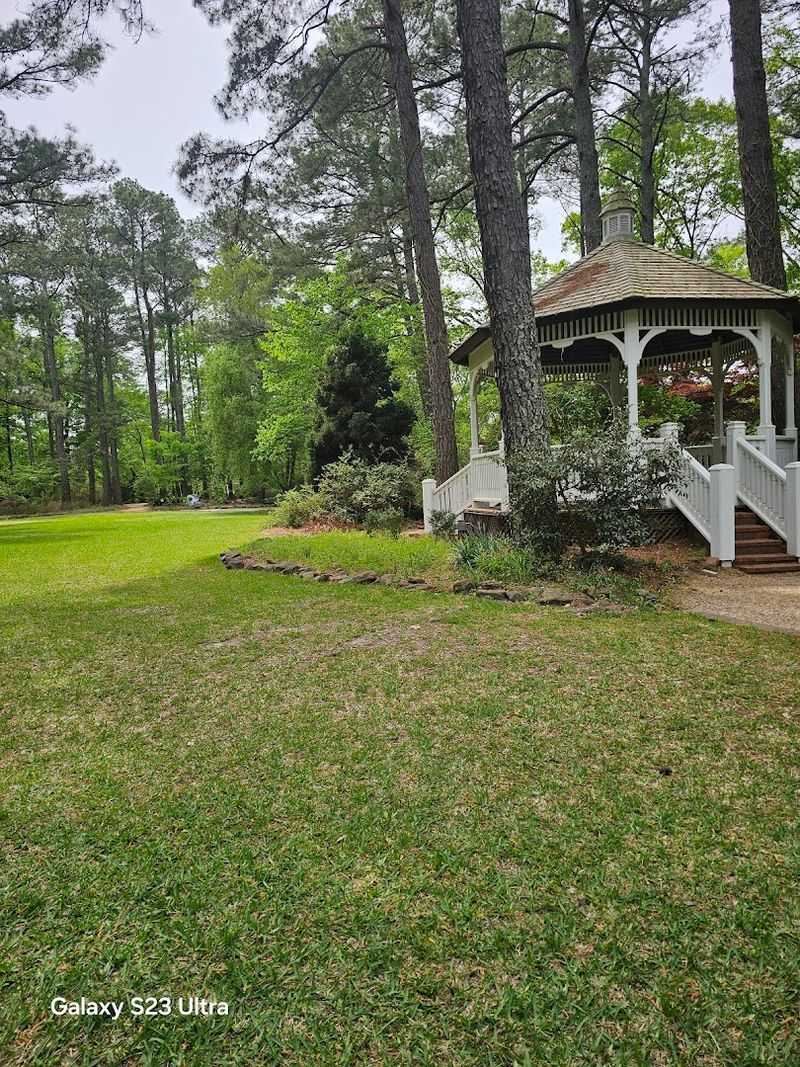
Eighty acres of gardens, woodlands, and riverside scenery make Cape Fear Botanical Garden one of the most generously sized hidden gems in the entire state. The garden sits alongside the Cape Fear River, and that proximity to moving water gives the whole property a freshness and energy that purely inland gardens sometimes lack.
Formal cultivated areas give way to natural ravines where unusual plants grow in the cool, shaded conditions they clearly prefer.
The ravine garden is particularly special, featuring ferns, trilliums, and other moisture-loving species tucked into a landscape that feels genuinely wild despite being carefully tended. Seasonal highlights include spring bulbs, summer perennials, and fall foliage that transforms the woodland sections into something worth a second visit just on its own.
Birders also appreciate the property, since the mix of habitats attracts a satisfying variety of species throughout the year.
The garden hosts a popular camellia collection and a heritage rose garden that longtime visitors return to specifically every season. Admission is reasonably priced, and the grounds are large enough that even busy weekend days rarely feel crowded.
Cape Fear Botanical Garden sits in a city that travelers often pass through without stopping, which makes discovering it feel like a genuinely well-earned reward for those who do pause.
Daniel Stowe Botanical Garden — Belmont, North Carolina
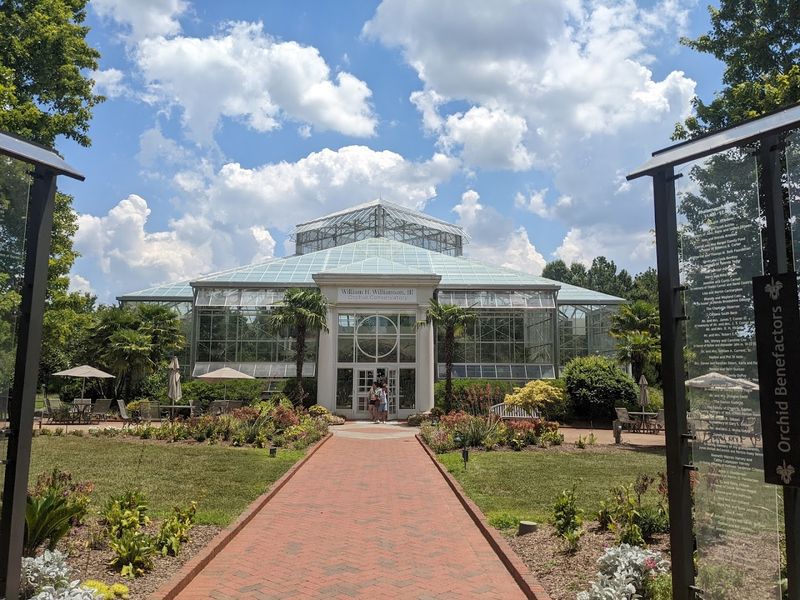
Few gardens in the Southeast make quite the dramatic first impression that Daniel Stowe Botanical Garden delivers the moment you come around the first bend in the path. Grand fountains catch the sunlight, formal garden rooms unfold one after another, and the overall level of design and maintenance communicates that someone here genuinely cares about getting every detail right.
The place has a celebratory quality, as if the garden itself is always in the middle of putting on a show.
The Orchid Conservatory houses an impressive rotating collection of tropical blooms that provides a lush, warm escape during cooler months when the outdoor sections are resting between seasons. Children’s programming and interactive garden features make this one of the more family-friendly destinations on the list, keeping younger visitors engaged rather than restless.
The Canal Garden, with its long reflecting pools and symmetrical plantings, is especially popular with photographers chasing that perfect symmetrical shot.
Seasonal festivals and events keep the calendar interesting throughout the year, and the holiday lights display draws visitors from across the region every December. Located just outside Charlotte near Lake Wylie, the garden is easy to reach and well worth the trip from anywhere in the surrounding area.
Daniel Stowe Botanical Garden delivers a full-scale, fairy-tale garden experience that leaves visitors already planning their next visit before they have even reached the parking lot.
Share this story