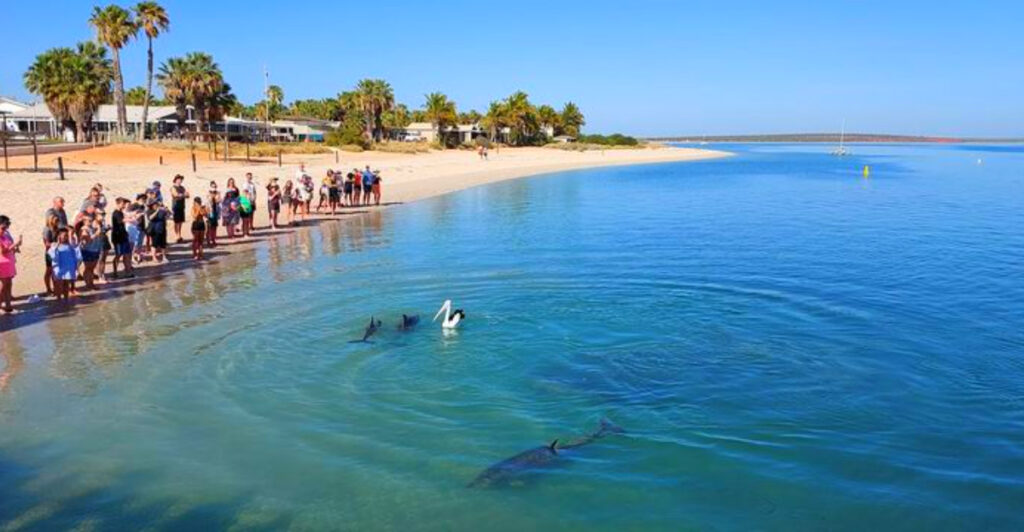
Somewhere out there, a dolphin is leaping out of the ocean for absolutely no reason other than because it can. Wild dolphins are among the most intelligent and playful animals on the planet, and spotting them in their natural environment is one of those experiences that genuinely stops you in your tracks.
Unlike aquarium visits or staged encounters, seeing dolphins in the wild means observing real behavior, real pods, and real moments that no script could ever produce. The good news is that you do not need to travel to one single magical spot, because dolphins live across the globe, from freezing Scottish firths to warm tropical lagoons.
This article covers 15 of the best places on Earth where wild dolphins regularly show up, what makes each location special, and what you should know before you go.
1. Kaikōura, Canterbury Region, New Zealand
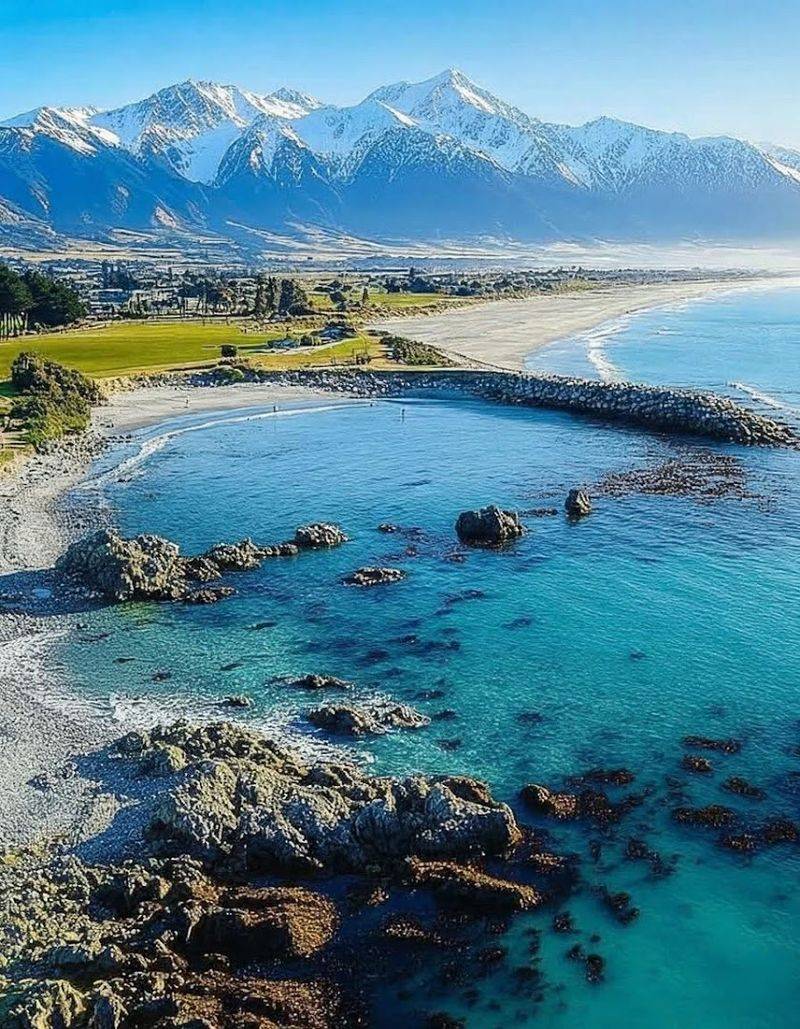
Kaikoura has a geographic secret that most coastal towns would envy: a deep underwater canyon sits just offshore, pulling cold, nutrient-rich water to the surface and turning this stretch of New Zealand coastline into a year-round marine buffet.
Dusky dolphins are the headline act here, and they are not shy about it. These acrobatic animals regularly form pods of hundreds, launching themselves into the air in synchronized leaps that seem almost choreographed.
Four dolphin species have been recorded in Kaikoura’s waters, including the rare Hector’s dolphin. Boat tours operate throughout the year, with the calmest conditions typically found between October and April.
The backdrop of the Kaikoura Ranges rising sharply from the coast makes every sighting feel like it belongs on a nature documentary. Bring a camera with a fast shutter speed.
2. Moray Firth, Scottish Highlands, Scotland, United Kingdom
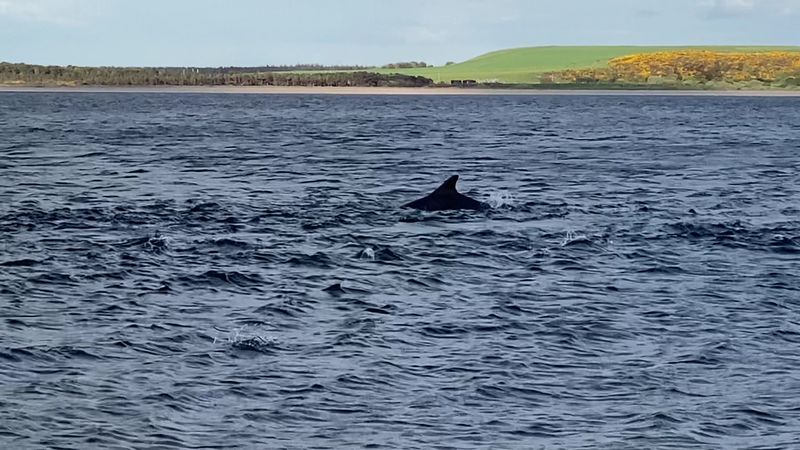
Scotland is not the first country most people picture when thinking about wild dolphins, but the Moray Firth has been quietly hosting one of the United Kingdom’s most important bottlenose dolphin populations for decades.
Chanonry Point, a narrow headland near the village of Fortrose, is considered one of the best land-based dolphin watching spots in all of Europe. At the right tidal stage, dolphins regularly appear just meters from shore while chasing salmon moving through the narrow channel.
The resident population numbers around 200 individuals, and researchers have been tracking and naming them for years. Several well-known dolphins like Charlie and Scoopy have fan followings among regular visitors.
No boat required, no ticket needed. Just park at Chanonry Point, find a good spot on the shingle beach, and wait.
Patience here is almost always rewarded.
3. Sarasota Bay, Sarasota, Florida, United States
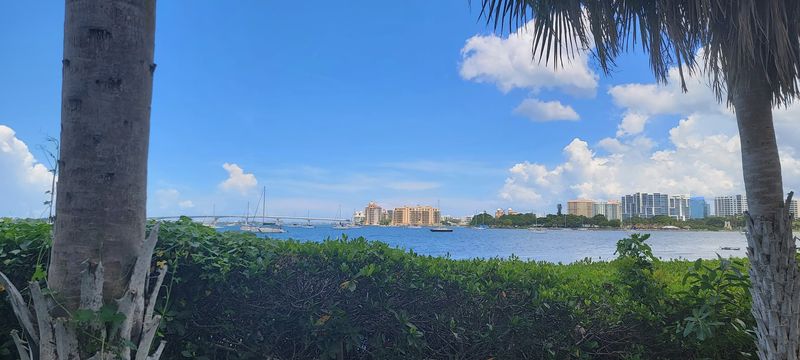
The bottlenose dolphins of Sarasota Bay are arguably the most scientifically studied wild dolphin population on the planet, with the Sarasota Dolphin Research Program tracking individual animals and family lines since 1970.
That makes this Florida bay genuinely unique. Researchers know the names, ages, social relationships, and health histories of dolphins whose grandparents were also studied here.
Some family lines have been documented across five generations.
For visitors, Sarasota Bay offers calm, protected waters where dolphins are frequently visible from kayaks, paddleboards, and boat tours. The bay’s warm temperature makes sightings possible in every season, though summer months tend to produce the most active behavior.
Dolphins here are often seen feeding cooperatively, a technique called strand feeding where they push fish onto muddy banks. It is a rarely documented behavior, and Sarasota is one of the best places to observe it.
4. Doubtful Sound, Fiordland, New Zealand
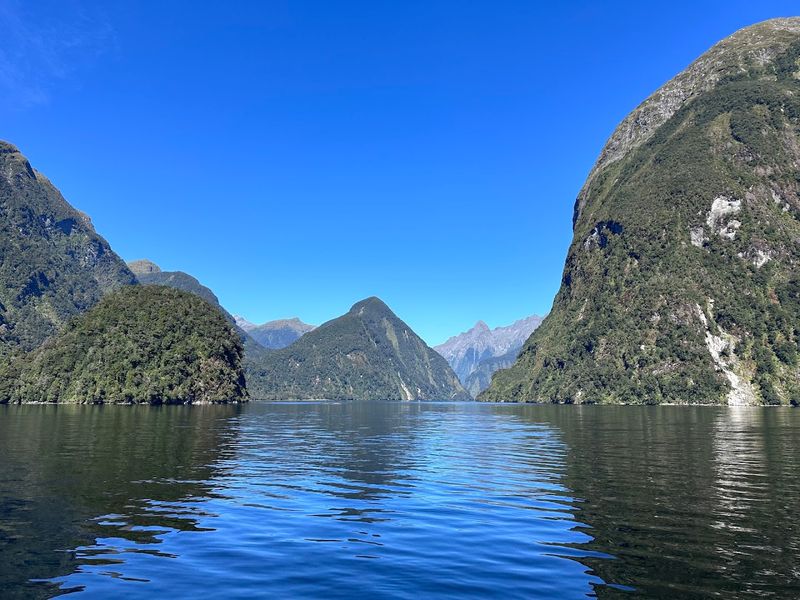
Getting to Doubtful Sound requires a boat across Lake Manapouri, a bus over a mountain pass, and then another boat into the fiord. That level of effort keeps crowds away, which is precisely why the dolphins here seem so unbothered by human visitors.
A resident pod of around 60 bottlenose dolphins calls this remote fiord home year-round. Because the population is small and isolated, researchers consider it genetically distinct from other New Zealand dolphin groups.
The towering walls of Fiordland rise straight from the water on both sides, creating a narrow, cathedral-like corridor that makes dolphin sightings feel almost surreal. Overnight cruises give the best chance of multiple encounters.
Doubtful Sound receives over seven meters of rainfall annually, which keeps the landscape dramatically lush and adds a freshwater layer on top of the fiord that affects dolphin behavior in fascinating ways.
5. Azores Archipelago, Portugal
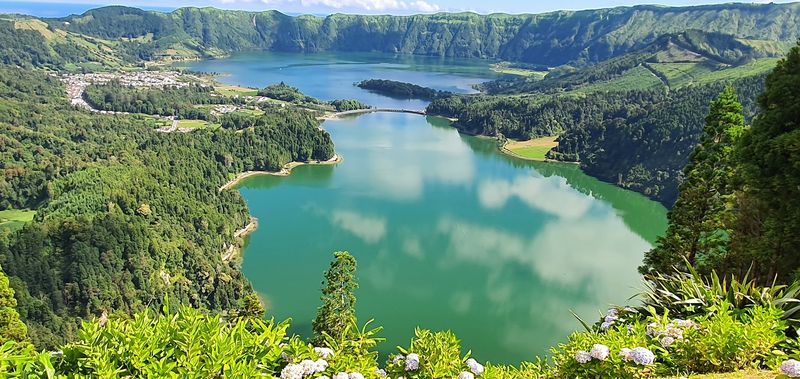
Nine volcanic islands dropped in the middle of the Atlantic Ocean, thousands of kilometers from the nearest continent, and the dolphins still found them. The Azores attract more than 20 species of cetaceans, making this Portuguese archipelago one of the richest marine wildlife zones in the entire world.
Common dolphins, bottlenose dolphins, Risso’s dolphins, and Atlantic spotted dolphins are all resident or regular visitors. The deep, clear Atlantic water around islands like Pico and Sao Miguel creates ideal conditions for year-round sightings.
Traditional land-based lookout towers called vigia, originally built by whalers to scan for sperm whales, are now used by guides to spot dolphin pods and radio their location to boats below. It is a clever piece of local history repurposed beautifully.
May through September offers the calmest seas and most consistent sightings, though dolphins appear in the Azores during every month of the year.
6. Bimini, Bahamas
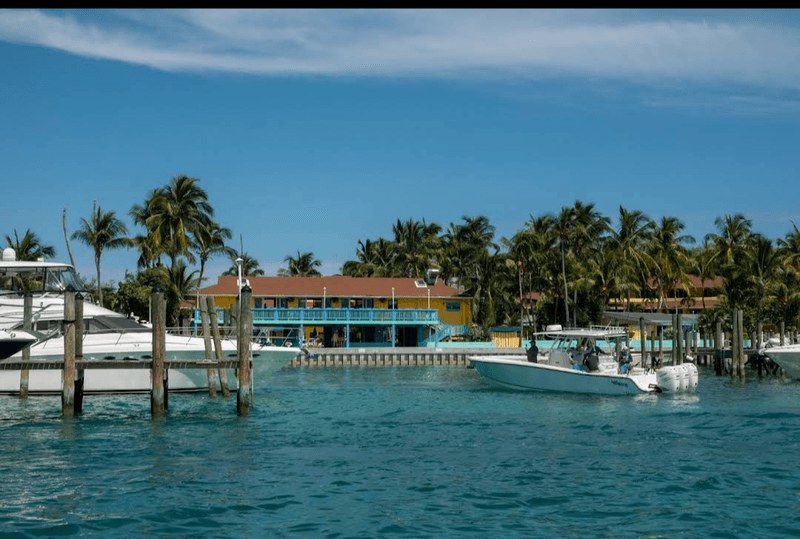
Bimini has earned the nickname the Dolphin Capital of the World, and the Atlantic spotted dolphins that patrol its shallow sandbanks have done nothing to argue with that title.
The water around North Bimini is so clear and so shallow that dolphins moving across the white sandy seafloor are visible from the surface without any equipment. Atlantic spotted dolphins in this area are known for their curiosity, frequently approaching boats and snorkelers on their own initiative.
The best window for encounters runs from April through September, when calmer seas and warmer water bring dolphins closer to the island’s western coast. Several research organizations have been studying this specific dolphin community for over 30 years.
What makes Bimini especially appealing is the accessibility. The islands sit only 80 kilometers from Miami, making a dolphin-focused day trip or weekend excursion genuinely practical for visitors based in South Florida.
7. Monkey Mia, Shark Bay, Western Australia, Australia
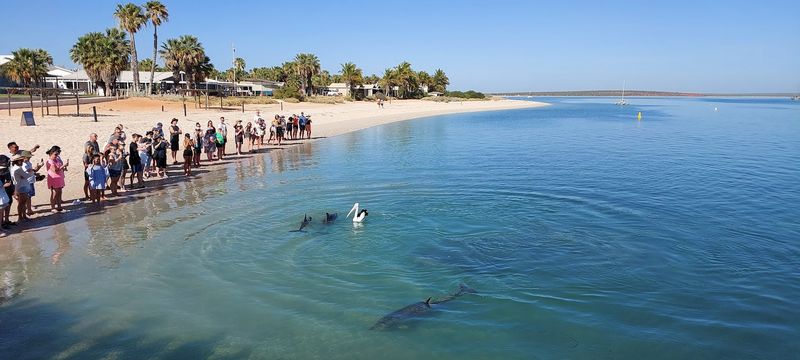
Few places on Earth can claim what Monkey Mia has quietly been doing for over 50 years: welcoming wild bottlenose dolphins to its shoreline on a near-daily basis, completely on their own terms.
A small group of female dolphins and their calves have been visiting this stretch of beach in Shark Bay since the 1960s, making it one of the longest-running wild dolphin interactions ever recorded.
The site sits within a UNESCO World Heritage Area, and rangers carefully manage every morning visit to ensure the dolphins are never overfed or disrupted. Visitors wade into shallow water while trained staff control the interaction.
Monkey Mia is not a performance. These are genuinely free animals choosing to show up, which makes every single visit feel like a privilege rather than a tourist attraction.
8. Laguna, Santa Catarina, Brazil
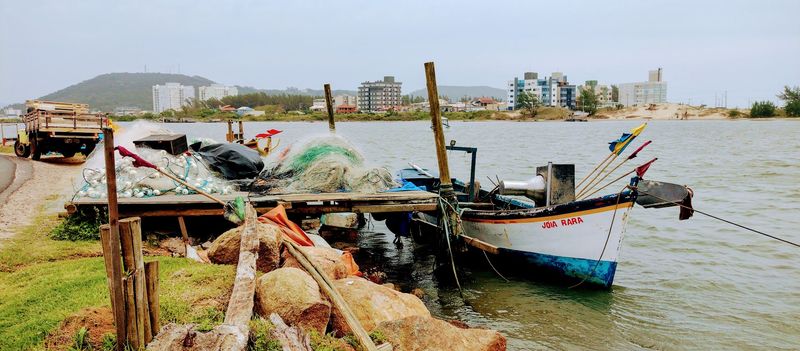
No other dolphin story in the world reads quite like the one happening every day in the coastal town of Laguna, where wild bottlenose dolphins and local fishermen have maintained a working partnership that researchers have traced back to at least 1847.
The dolphins herd schools of mullet toward the shore, then give a specific signal, usually a distinctive dive, that tells the fishermen exactly when to cast their nets. Both species benefit from the arrangement, and the behavior has been passed down through dolphin generations just as it has through human ones.
Scientists from the Federal University of Santa Catarina have studied this interaction extensively and confirmed it as a genuine example of cooperative foraging between two different species. It is not trained behavior.
The dolphins choose to participate.
Watching it happen from the shoreline is free, requires no booking, and remains one of the most genuinely astonishing natural behaviors observable anywhere on Earth.
9. Cardigan Bay, Ceredigion, Wales, United Kingdom
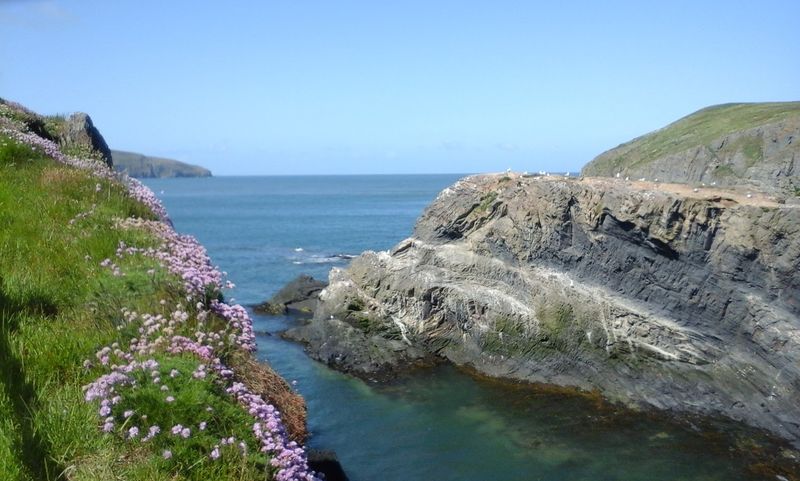
Wales does not always get the marine wildlife credit it deserves, but Cardigan Bay holds one of the largest resident bottlenose dolphin populations in the whole of Europe, with estimates suggesting over 250 individuals call this stretch of coastline home.
New Quay, a small harbor town in Ceredigion, is considered the best base for dolphin watching in the bay. Boat trips depart regularly during the warmer months, and dolphins are frequently spotted from the harbor walls without any effort at all.
The bay is a designated Special Area of Conservation, which means its marine environment is legally protected. That protection has helped stabilize dolphin numbers over recent decades.
Common dolphins and harbor porpoises also appear regularly alongside the resident bottlenose population. The dramatic sea cliffs, sheltered coves, and relatively calm inshore waters make Cardigan Bay one of the most rewarding wildlife destinations in the British Isles.
10. Sataya Reef, Red Sea, Egypt
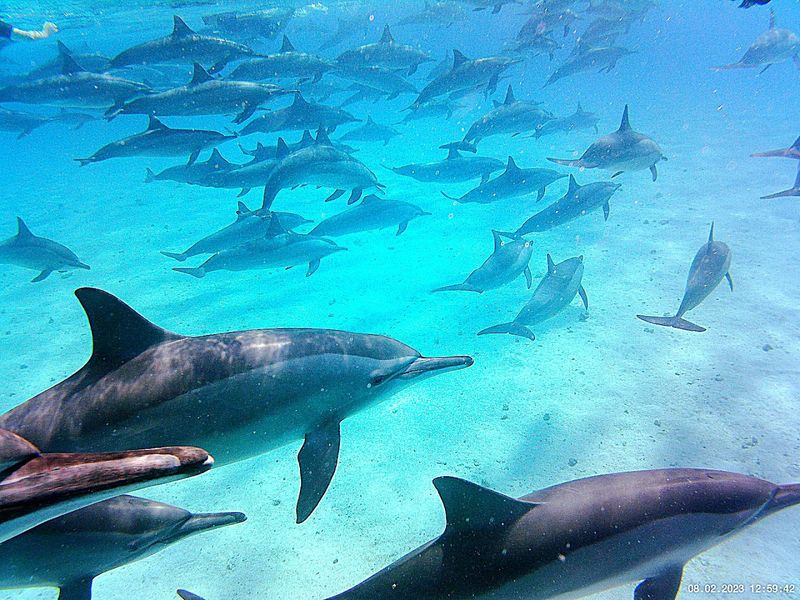
Sataya Reef goes by a second name that tells you everything you need to know: Dolphin House. This crescent-shaped reef in the southern Egyptian Red Sea regularly hosts groups of 50 to 100 spinner dolphins resting and socializing in its sheltered lagoon.
Spinner dolphins use the lagoon as a daytime resting area after spending nights feeding in deeper water offshore. That predictable behavior makes Sataya one of the most reliably productive dolphin watching locations anywhere in the world.
The reef itself is also exceptional. Vibrant coral walls drop sharply into deep blue water, and the visibility often exceeds 30 meters.
Dolphins here are accustomed to snorkelers and will frequently pass within arm’s reach without altering their course.
Sataya is typically reached by liveaboard boat from Marsa Alam or Hamata, with trips running from October through May when Red Sea conditions are most favorable for both dolphins and visitors.
11. Dana Point, California, United States
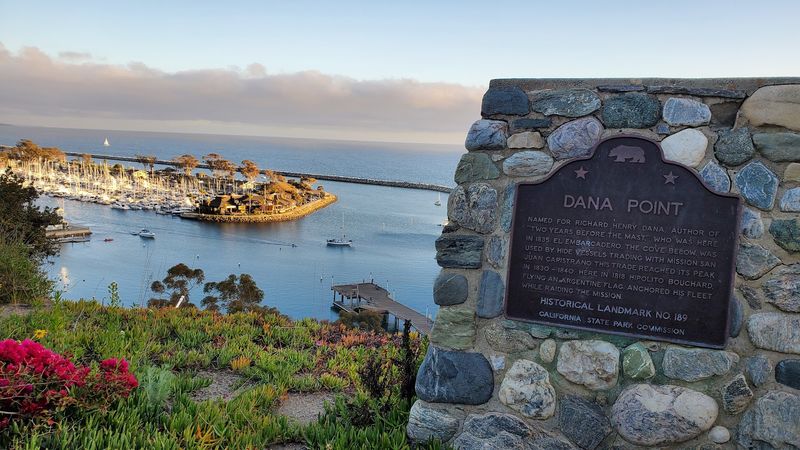
Dana Point did not give itself the title Dolphin and Whale Watching Capital of the World by accident. The waters off this small Orange County harbor consistently produce some of the most dramatic dolphin encounters found anywhere along the Pacific coast.
Common dolphins are the main event, and they occasionally form superpods numbering in the thousands, creating what local guides call a dolphin stampede as the animals race across the surface in a rolling, churning mass. It is one of the more jaw-dropping things the ocean produces on a regular basis.
Pacific white-sided dolphins, Risso’s dolphins, and bottlenose dolphins also appear regularly, and the area sits within a migratory corridor used by gray whales and blue whales seasonally.
Boat tours operate year-round from Dana Point Harbor, with summer and fall typically offering the highest concentration of dolphin activity. Several operators run daily trips with naturalists onboard.
12. Lovina Beach, Bali, Indonesia
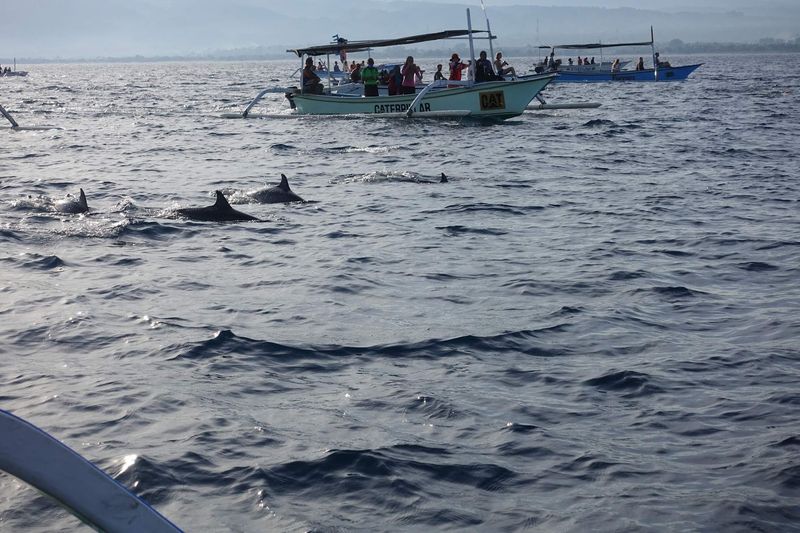
While Bali’s southern coast deals with surf and crowds, the northern shoreline near Lovina operates at a completely different pace, and the dolphins there seem to appreciate it.
Spinner dolphins are the resident species here, and they are most active in the hours just after sunrise when local fishermen in traditional outrigger boats head out to observe them. The calm, protected waters of the Bali Sea make early morning viewing conditions particularly good.
Lovina is a straightforward and affordable destination by Bali standards. Most hotels along this stretch of coast can arrange dolphin trips that depart before dawn, putting visitors on the water just as the dolphins become most visible.
Unlike many popular wildlife spots, Lovina has not yet been overtaken by large commercial tourism infrastructure. The experience still feels genuinely local, which adds a different kind of charm that the south of the island largely no longer offers.
13. Fernando de Noronha, Pernambuco, Brazil
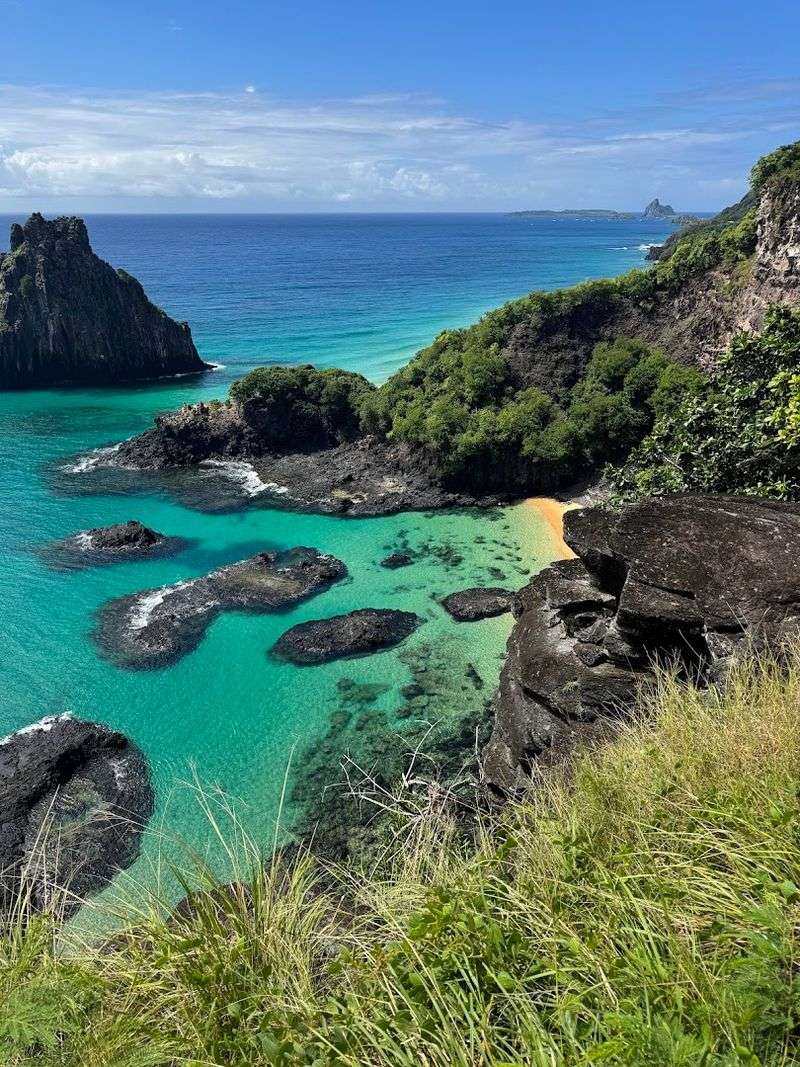
Fernando de Noronha is the kind of place that makes you wonder how it exists. This remote Brazilian archipelago, located 350 kilometers off the northeast coast, is a UNESCO World Heritage Site with strict visitor limits designed to protect its extraordinary ecosystem.
Baia dos Golfinhos, which translates directly as Dolphin Bay, earns its name every single morning when groups of up to 1,400 spinner dolphins enter the bay to rest after nighttime feeding runs. The numbers alone make it one of the largest predictable dolphin gatherings on the planet.
Swimming with the dolphins in the bay is prohibited to protect their resting behavior, but viewing from the clifftop lookout above the bay is both free and spectacular. The perspective from above gives a rare aerial view of dolphins moving in large coordinated groups through crystal-clear water.
Daily visitor numbers to the archipelago are capped, so booking accommodation well in advance is essential.
14. Dingle Peninsula, County Kerry, Ireland
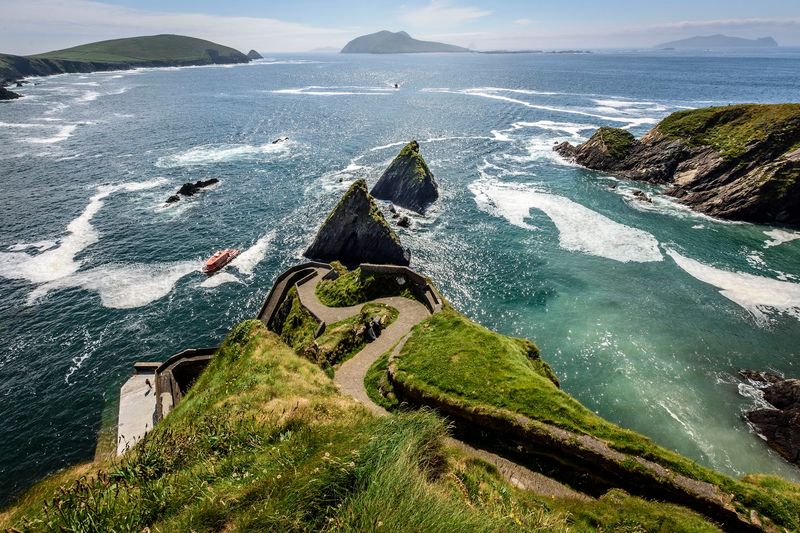
Ireland has exactly one famous solo dolphin, and his name is Fungie. For over 37 years, a wild bottlenose dolphin lived in Dingle Harbour and became the town’s most celebrated resident before disappearing in 2020.
His legacy, however, put Dingle permanently on the map for dolphin enthusiasts worldwide.
The waters surrounding the Dingle Peninsula still support a healthy population of bottlenose dolphins, and regular boat tours from Dingle Harbour continue to produce reliable sightings. Common dolphins also appear frequently offshore, particularly during summer months.
The peninsula itself is one of Ireland’s most scenically dramatic coastlines, with cliffs, sea stacks, and sweeping Atlantic views framing every outing. The combination of accessible wildlife and genuinely wild landscape makes the area hard to beat.
Tours operate from spring through early autumn, and local skippers have detailed knowledge of where dolphins are most consistently found along this stretch of the Kerry coast.
15. Zanzibar Channel, Zanzibar, Tanzania
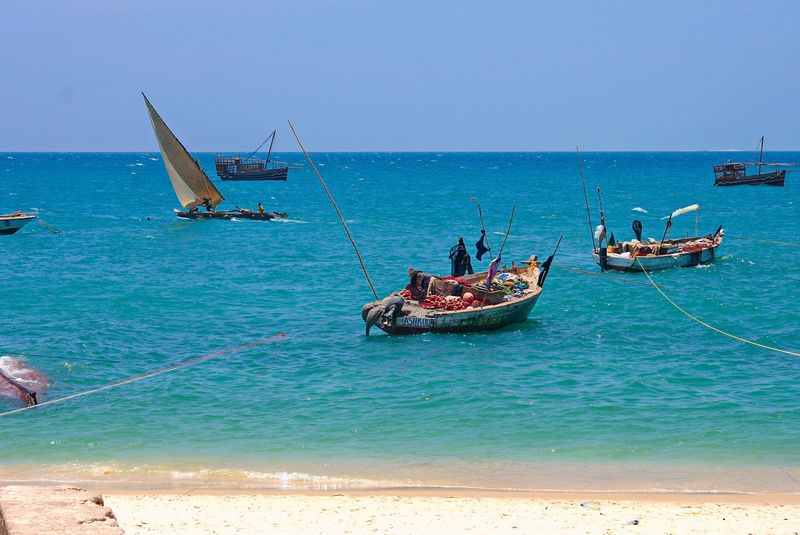
The Zanzibar Channel sits between the island of Zanzibar and the Tanzanian mainland, and its warm, shallow tropical waters support resident populations of both bottlenose and Indo-Pacific humpback dolphins throughout the year.
Kizimkazi, a small fishing village on Zanzibar’s southern tip, has become the main departure point for dolphin tours. Local fishermen turned guides operate wooden dhow boats from the beach, offering an experience that feels connected to the island’s maritime traditions rather than detached from them.
Bottlenose dolphins in the channel tend to move in pods of 20 to 100 individuals, and sightings are particularly consistent during the calmer dry seasons between June and October, and again from January through February.
Zanzibar adds a cultural dimension that purely wildlife-focused destinations rarely offer. Ancient Stone Town, coral reef snorkeling, and one of the most historically layered islands in East Africa all sit within easy reach of the dolphin grounds.
Share this story