There is a place in Ohio where you can stand beside a waterfall, peer into a cave, and watch crystal-clear water bubble up from the earth, all within a single afternoon hike. The trails wind through towering trees that have been growing for four centuries, past limestone cliffs and a beaver dam that feels almost too perfect to be real.
Glen Helen Nature Preserve in Yellow Springs, Ohio, is the kind of place that makes you put your phone in your pocket and just look around. Whether you are a seasoned hiker or someone who just wants a quiet escape from the everyday grind, this preserve delivers something genuinely surprising at nearly every turn.
Keep reading to find out exactly what makes this 1,000-acre outdoor wonder worth the trip.
The Story Behind Glen Helen
Not every nature preserve comes with a backstory this good. Glen Helen was gifted to Antioch College in 1929 by Hugh Taylor Birch, who named it after his daughter Helen.
That single act of generosity created one of Ohio’s most beloved outdoor spaces, now spanning roughly 1,000 acres of old-growth forest, gorges, and wetlands.
The preserve sits at 405 Corry St, Yellow Springs, OH 45387, right on the edge of a charming small town that adds even more character to the visit.
Over the decades, the Glen has been carefully maintained by volunteers, staff, and conservation-minded community members who clearly love this land.
The result is a place that feels both wild and well cared for, with trails that have welcomed hikers since the early 20th century. History walks right alongside you here, literally beneath your boots with every step.
The Trail Network That Keeps Surprising You
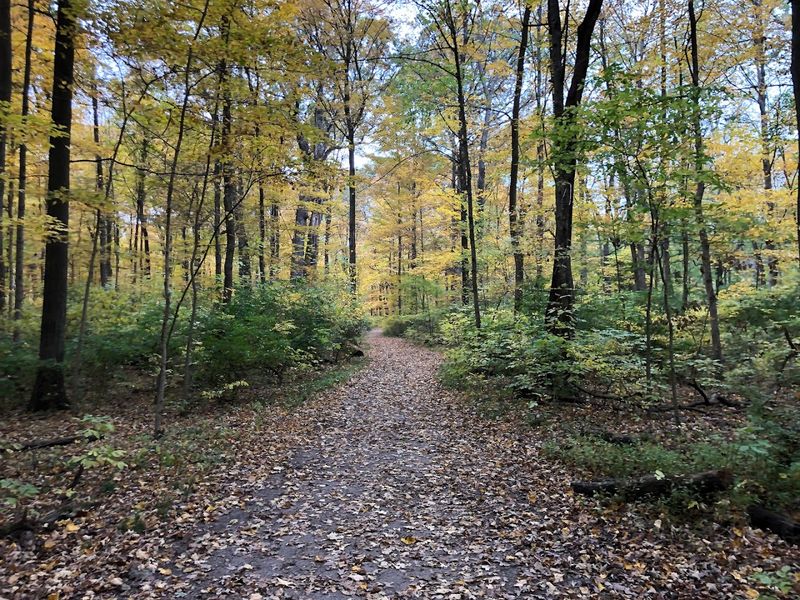
Most people show up expecting a quick one-mile loop and leave two hours later wondering where the time went. Glen Helen has more than 25 named trails that weave through forests, along creek banks, and over rocky ridgelines.
The network connects to John Bryan State Park as well, which means ambitious hikers can piece together routes stretching up to 13 miles if they want a serious challenge.
Trail difficulty ranges from easy, flat stretches perfect for families to rocky, uneven paths that will test your footing and your calves. One important heads-up: trail signage can be inconsistent, so downloading the official trail map from the Glen Helen website before you arrive is genuinely good advice.
The variety keeps repeat visitors coming back season after season, because no two hikes through the Glen feel exactly the same.
The Cascades Waterfall
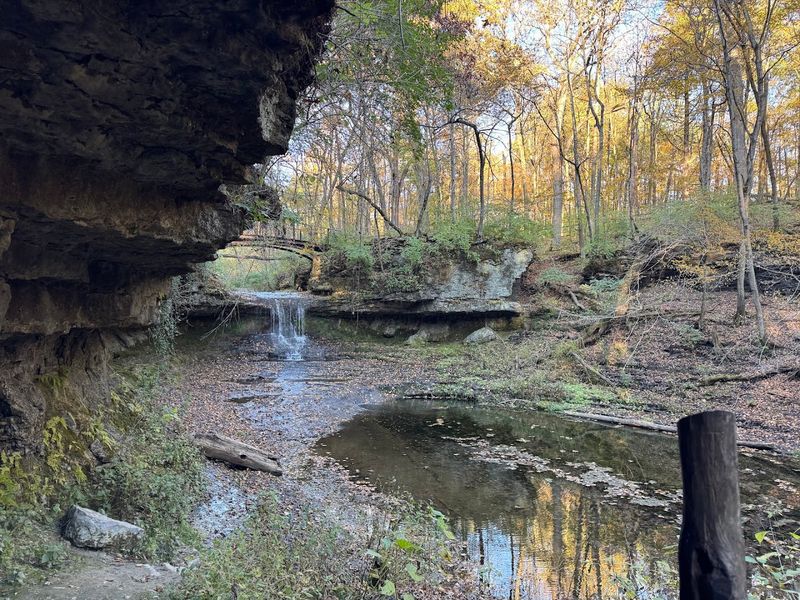
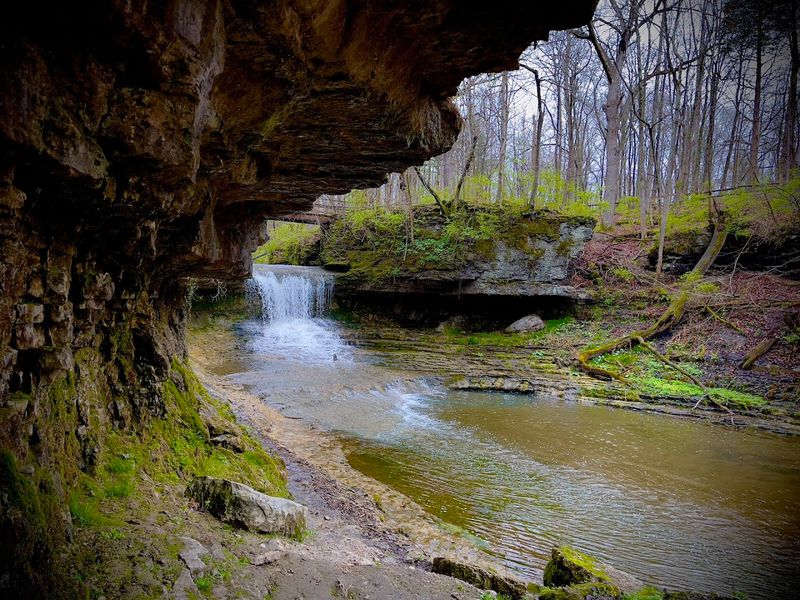
Few things reset your brain faster than standing a few feet from falling water. The Cascades waterfall is one of Glen Helen’s most photographed features, and it earns every snapshot.
Water tumbles over layered limestone shelves in a series of small but genuinely beautiful drops, creating that soft rushing sound that makes everything feel calmer instantly.
The area around the falls is shaded and cool even on warm summer days, which makes it a popular rest stop for hikers mid-trail. The rocks nearby are slippery, so solid footwear is a real necessity rather than just a polite suggestion.
In autumn, the falls take on an extra layer of drama as orange and gold leaves drift past the water. Photographers especially love the morning light here, when the sun angles through the canopy and turns the whole scene into something worth framing.
The Yellow Spring Itself
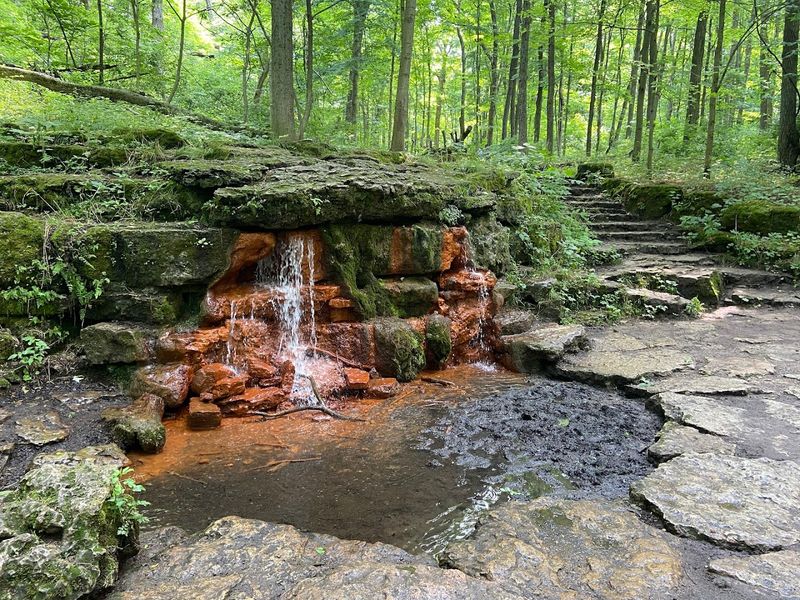
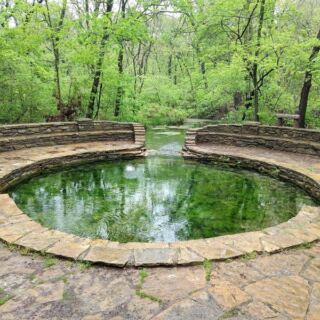
The town of Yellow Springs did not get its name by accident. The actual Yellow Spring sits within the preserve, and it is one of those natural features that stops you mid-stride the first time you see it.
Iron-rich water seeps up from the ground and flows over rocks stained a vivid yellow-orange, creating a color contrast that looks almost painted. Native Americans and early European settlers both recognized this spring as something special, and it has been drawing curious visitors ever since.
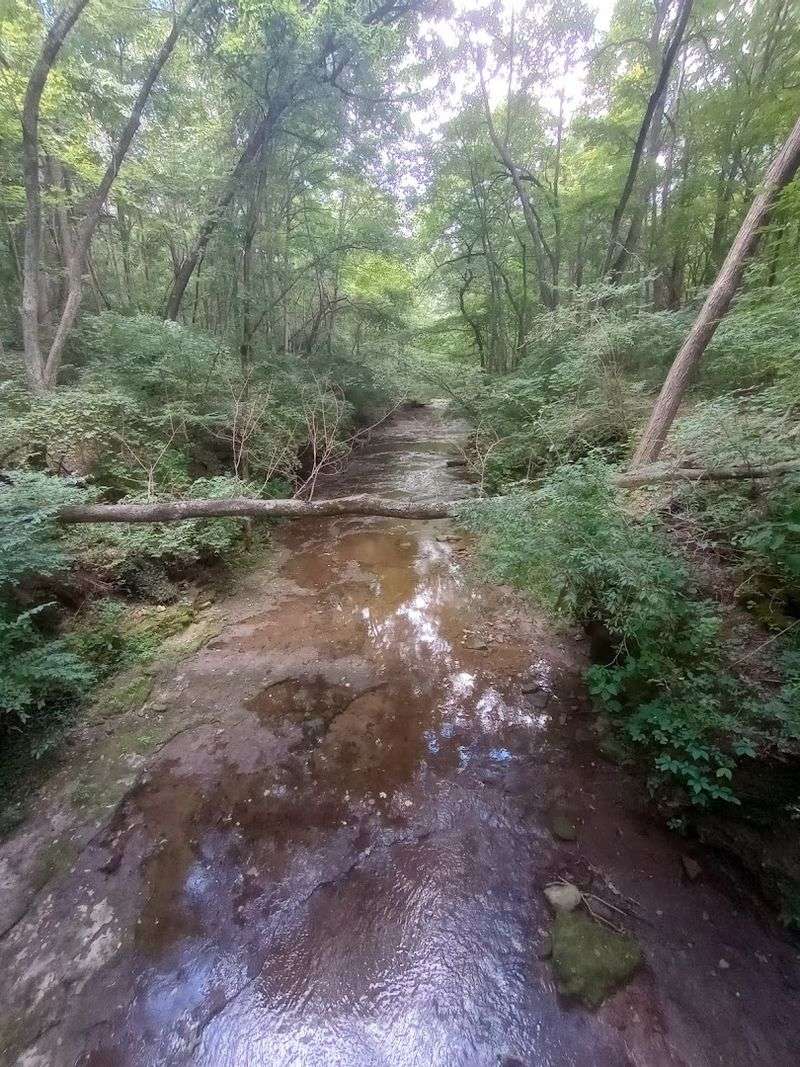
The spring feeds into Birch Creek, which runs through much of the preserve and adds a constant soundtrack of gentle moving water to your hike.
Standing next to it, you get a real sense of just how long this landscape has been doing its thing, completely unbothered by the world outside. It is one of those small natural details that quietly becomes the highlight of the whole visit.
Limestone Caves and Rock Formations
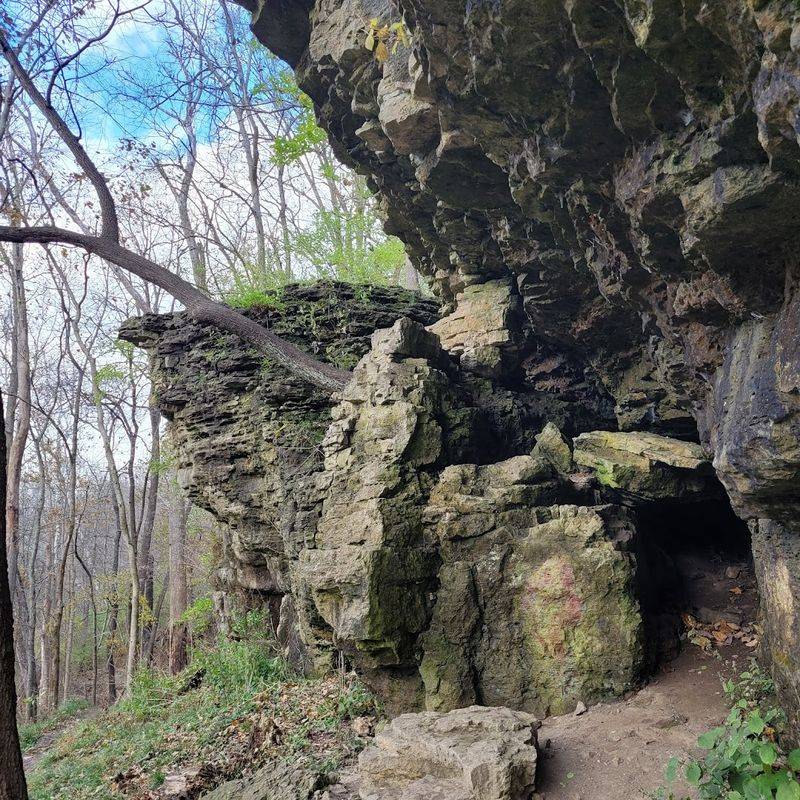
Geology gets genuinely exciting when you are standing in front of a cave carved by thousands of years of water moving through rock. Glen Helen has several small caves and dramatic dolomite limestone formations tucked along its trails.
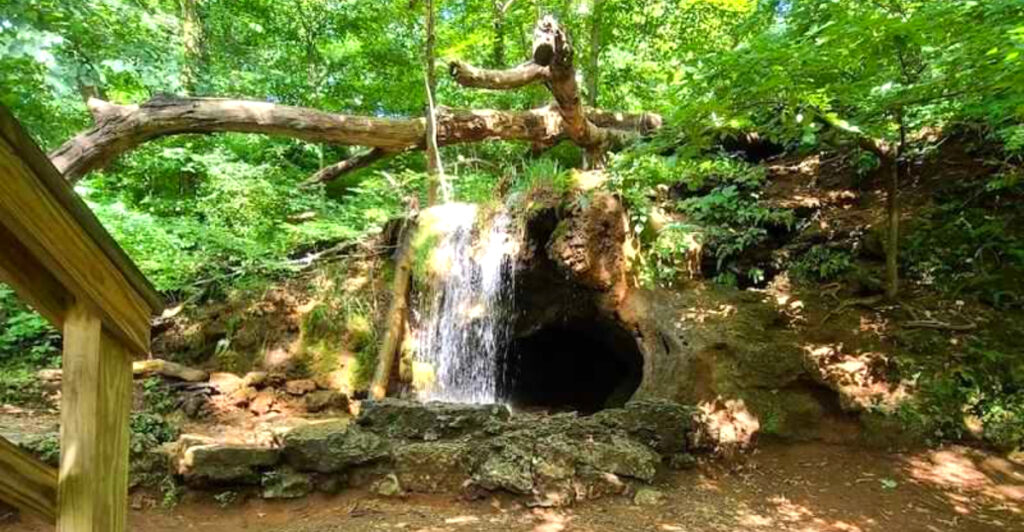
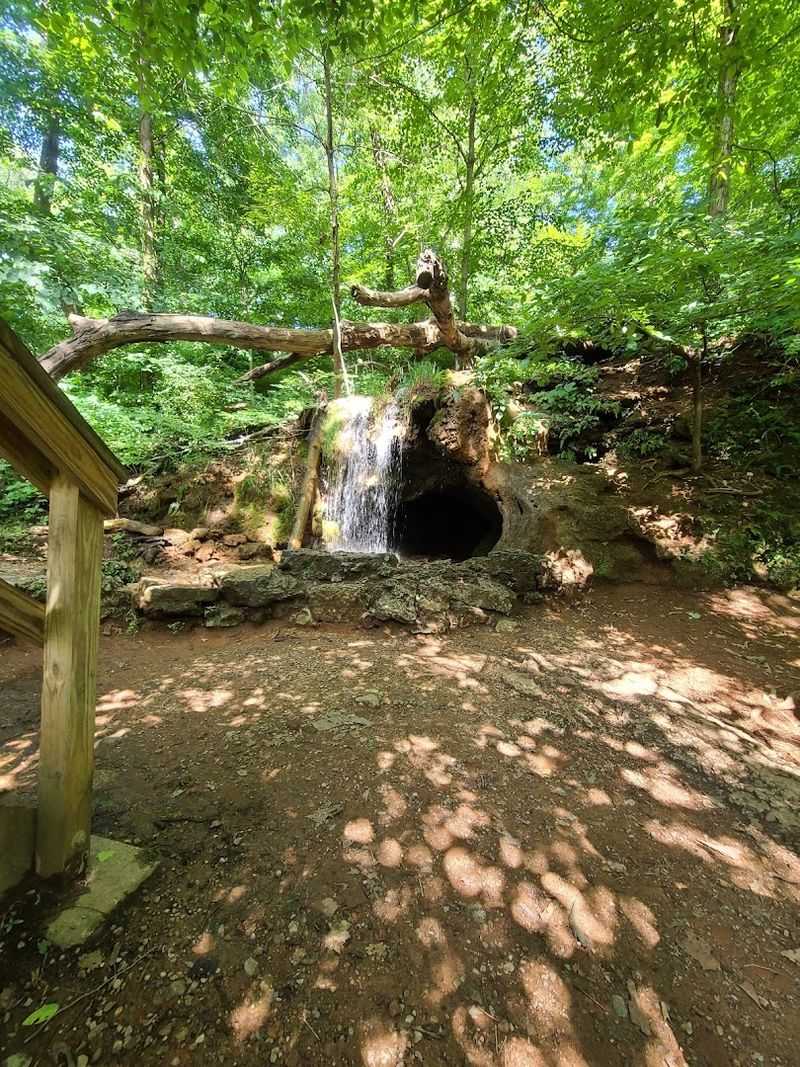
One particularly memorable spot features a waterfall running directly over a shallow cave opening, creating a curtain of water that frames the dark rock behind it. It is the kind of thing you stumble upon and immediately want to show someone.
The limestone gorges throughout the preserve also reveal millions of years of geological history in their layered walls, which is something you rarely get to see so clearly at eye level.
Rock climbers and curious scramblers will find plenty of formations worth exploring, though staying on marked trails protects both you and the fragile ecosystem around these formations. The geology alone makes Glen Helen worth visiting even before you factor in the trees and water.
The Ancient Trees
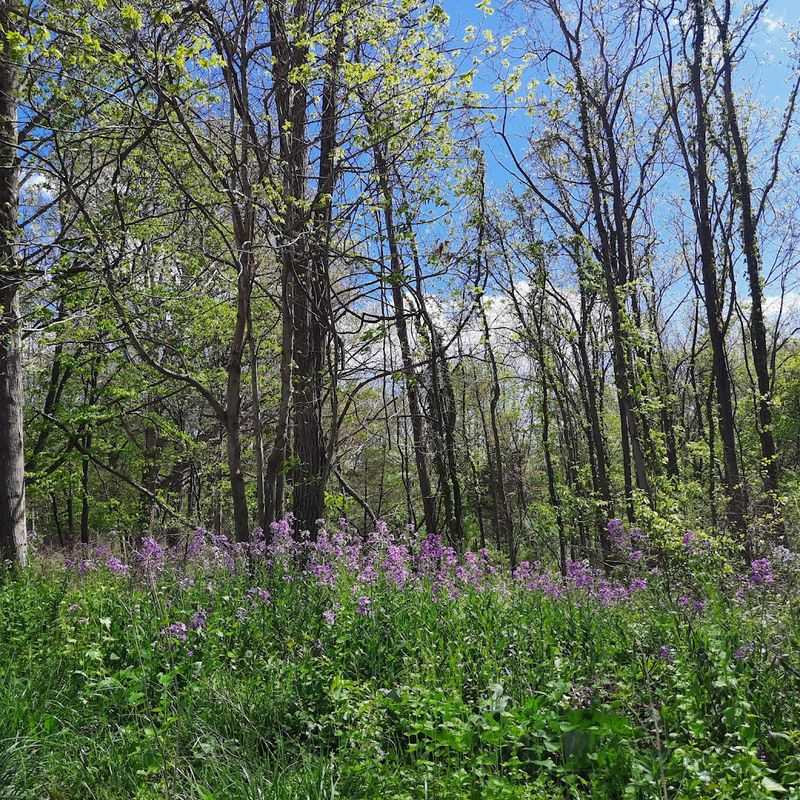
Some of the trees in Glen Helen were already mature when the first European settlers arrived in Ohio. The preserve protects a remarkable collection of old-growth forest, including trees estimated to be around 400 years old.
Walking beneath them feels different from a typical hike through younger woods. The trunks are massive, the canopy is dense, and the whole forest has a settled, ancient quality that younger forests simply do not have.
Birch, oak, sycamore, and tulip poplar all grow here in impressive numbers, and the understory fills in beautifully with wildflowers each spring. Trilliums, Virginia bluebells, and trout lilies carpet the forest floor in April and May, turning the Glen into a wildflower showcase that draws photographers from across the region.
Even in winter, when the leaves are gone, the bare silhouettes of these enormous trees against a gray sky have a stark and genuinely moving beauty worth experiencing at least once.
The Beaver Dam
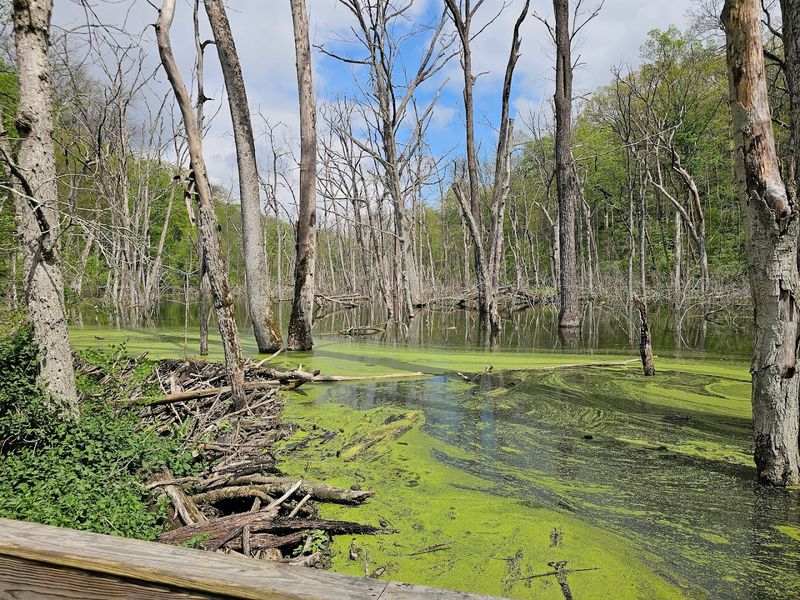
Not many hiking trails end with a legitimate wildlife engineering marvel, but Glen Helen’s does. The beaver dam near the end of the main loop trail is a genuine crowd-pleaser, especially for kids who have never seen one up close.
The beavers have transformed a section of the preserve into a thriving marsh, raising the water level and creating habitat for frogs, turtles, herons, and a surprising variety of waterfowl.
The dam itself is impressive in the way that only animal-built structures can be: messy, functional, and completely adapted to its environment. Standing on the nearby bank and watching the still water stretch out through the cattails is one of the quieter, more contemplative moments the Glen offers.
Early morning visits give you the best chance of spotting actual beavers at work, since they are most active around dawn and dusk. This wetland section adds real ecological variety to a trail that already has plenty going for it.
The Raptor Center
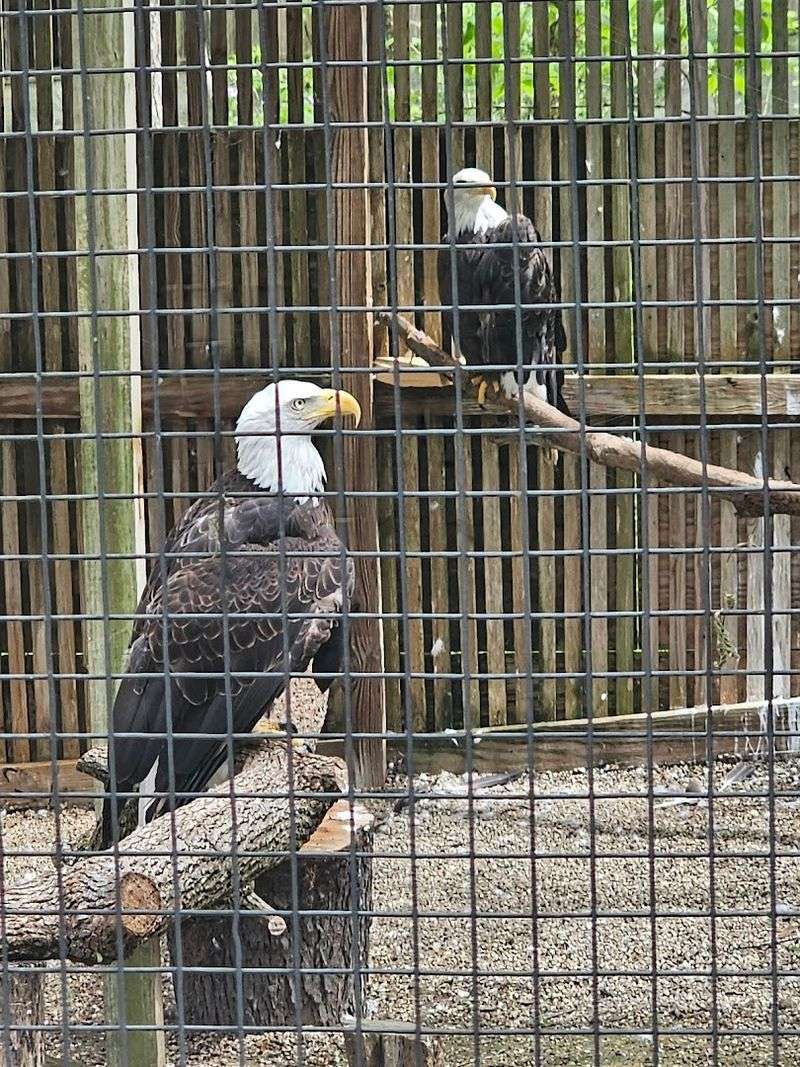
Right on the preserve grounds, the Glen Helen Raptor Center runs one of the more compelling wildlife experiences in this part of Ohio. The center rehabilitates injured birds of prey and houses around a dozen raptors in outdoor enclosures that visitors can walk through.
Great horned owls, red-tailed hawks, barred owls, and American kestrels are among the residents, each with a short posted explanation of why it was brought in for care.
The up-close views are remarkable. Seeing a great horned owl at arm’s length, studying you with those enormous yellow eyes, is not something you forget quickly.
The center is also an important educational resource, giving visitors real context about the challenges wild raptors face and what conservation efforts actually look like in practice. It is worth budgeting at least 20 to 30 extra minutes for this stop, and it tends to be the part of the visit that younger guests talk about most on the drive home.
What to Expect on the Trail: Difficulty and Terrain
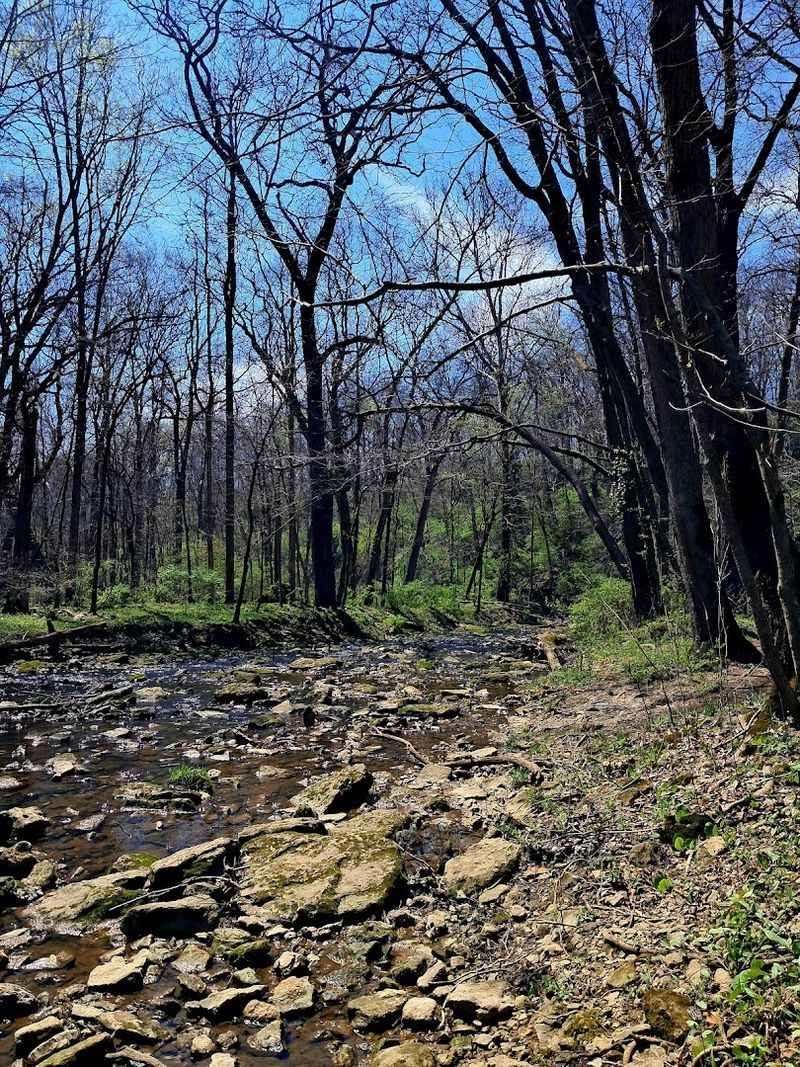
A fair warning before you lace up: Glen Helen is not a flat, paved walking path. The main trailhead begins with a significant stone staircase, more than 100 steps, that descends into the gorge below the parking area.
It is well-built and safe, but anyone with mobility challenges should be aware of this before committing to the trail. Beyond the stairs, the terrain varies from smooth dirt paths to rocky creek crossings and root-covered slopes.
Hiking boots with solid ankle support are genuinely recommended, not just as a precaution but as a practical necessity on the more rugged sections. The overall difficulty sits at a moderate level, challenging enough to feel like real exercise but manageable for most reasonably fit visitors.
Families with older kids tend to handle it well, and dogs on leashes are welcome on the trails. Just pack water, wear layers, and give yourself more time than you think you will need.
Seasonal Highlights Throughout the Year
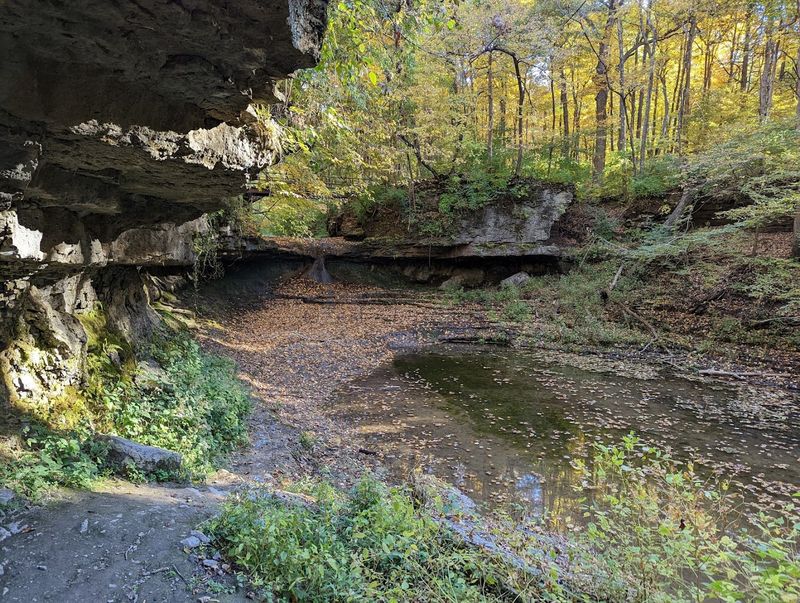
Every season in the Glen delivers something worth showing up for. Spring brings an explosion of wildflowers and the return of migratory birds, filling the forest with color and sound after the long Ohio winter.
Summer keeps the trails shaded and cool, with the creek running clear and the trees at their fullest. It is genuinely one of the better places in the region to escape summer heat without air conditioning.
Fall is when the Glen becomes almost impossibly beautiful. The combination of old-growth hardwoods, the winding creek, and the limestone gorge walls creates an autumn color display that rivals anything in New England.
Winter strips away the leaves and reveals the bare bones of the landscape, including rock formations and creek channels that stay hidden the rest of the year. A light snowfall transforms the whole preserve into something quiet and almost otherworldly, making the off-season worth exploring too.
Parking, Fees, and Getting There
Getting to Glen Helen is straightforward. The main entrance and parking lot are at 405 Corry St, Yellow Springs, OH 45387, just one block from the town’s historic downtown area.
Parking costs $10, which goes directly toward supporting the preserve and the Raptor Center. It is a reasonable trade-off for what you get in return, though a few visitors find it steep for a shorter visit.
An alternative option exists for those who prefer to skip the fee: free parking is available at the nearby community center, and you can access the preserve via the Little Miami Scenic Trail, which connects directly to the Glen’s trail system.
Restrooms are available at the trailhead headquarters building, though it is worth confirming they are open before you arrive, as they have occasionally been closed for private events. The preserve website at glenhelen.org has current hours and event information worth checking before your trip.
Exploring Yellow Springs After Your Hike
The hike earns the meal, and Yellow Springs delivers on that front. The town sits just steps from the preserve entrance and packs a remarkable amount of character into a few walkable blocks.
Independent restaurants, coffee shops, bookstores, art galleries, and quirky gift shops line the main street, giving the whole place a creative, laid-back energy that feels genuinely unlike most Ohio towns.
Grab a post-hike meal at one of the local spots and you will quickly understand why people drive from Columbus, Dayton, and Cincinnati just to spend an afternoon here.
The town has a long history of arts and counterculture, rooted in its connection to Antioch College, and that spirit is still very much alive in the murals, the music, and the conversations you overhear at the coffee counter. Pairing a morning hike at Glen Helen with an afternoon in Yellow Springs makes for a near-perfect Ohio day trip.
Share this story