There is a road in Colorado that most tourists never find on their maps, yet locals treat it like a closely guarded secret worth protecting. It cuts through a narrow canyon carved by millions of years of geology, passes the ghost of a gold rush era, and delivers views that make you pull over just to stare.
The route is not paved in the way you might expect, and that roughness is actually part of the appeal. From its winding creek crossings to its towering rock walls, this drive rewards anyone willing to take it slowly and pay attention.
By the time you reach the end, you will understand why people who have driven it once tend to come back every single year to do it all over again.
What Phantom Canyon Road Actually Is
Not every road earns the word spectacular, but Phantom Canyon Road in Fremont and Teller Counties, Colorado, makes a strong case for it every single mile.
The road follows the old route of the Florence and Cripple Creek Railroad, a narrow-gauge line that once hauled gold ore out of the mountains during the late 1800s.
Today, that rail bed has been converted into a gravel road stretching roughly 36 miles between the town of Florence to the south and Victor to the north, passing through some of the most dramatic canyon scenery in the entire state.
What makes it different from a typical scenic byway is the sense of history baked into every curve. You are not just driving through a canyon; you are tracing the path of an industry that once shaped an entire region of Colorado.
Finding the Road: Location and Access Points
The southern entrance to Phantom Canyon Road sits just outside Florence, Colorado, a small city located in Fremont County along U.S. Highway 50, roughly 40 miles west of Pueblo.
The road is managed by the Bureau of Land Management and is generally open to high-clearance vehicles, though passenger cars with decent ground clearance can often handle it in dry conditions.
The northern end connects near Victor, a historic mining town in Teller County that sits just a few miles from Cripple Creek.
Getting there from Colorado Springs takes about an hour heading south and west, making it a very doable day trip for Front Range residents and visitors alike.
One practical note: the road is not recommended for large RVs or vehicles towing trailers, since the canyon narrows dramatically in several sections and leaves very little room for maneuvering.
The Gold Rush History Behind Every Curve
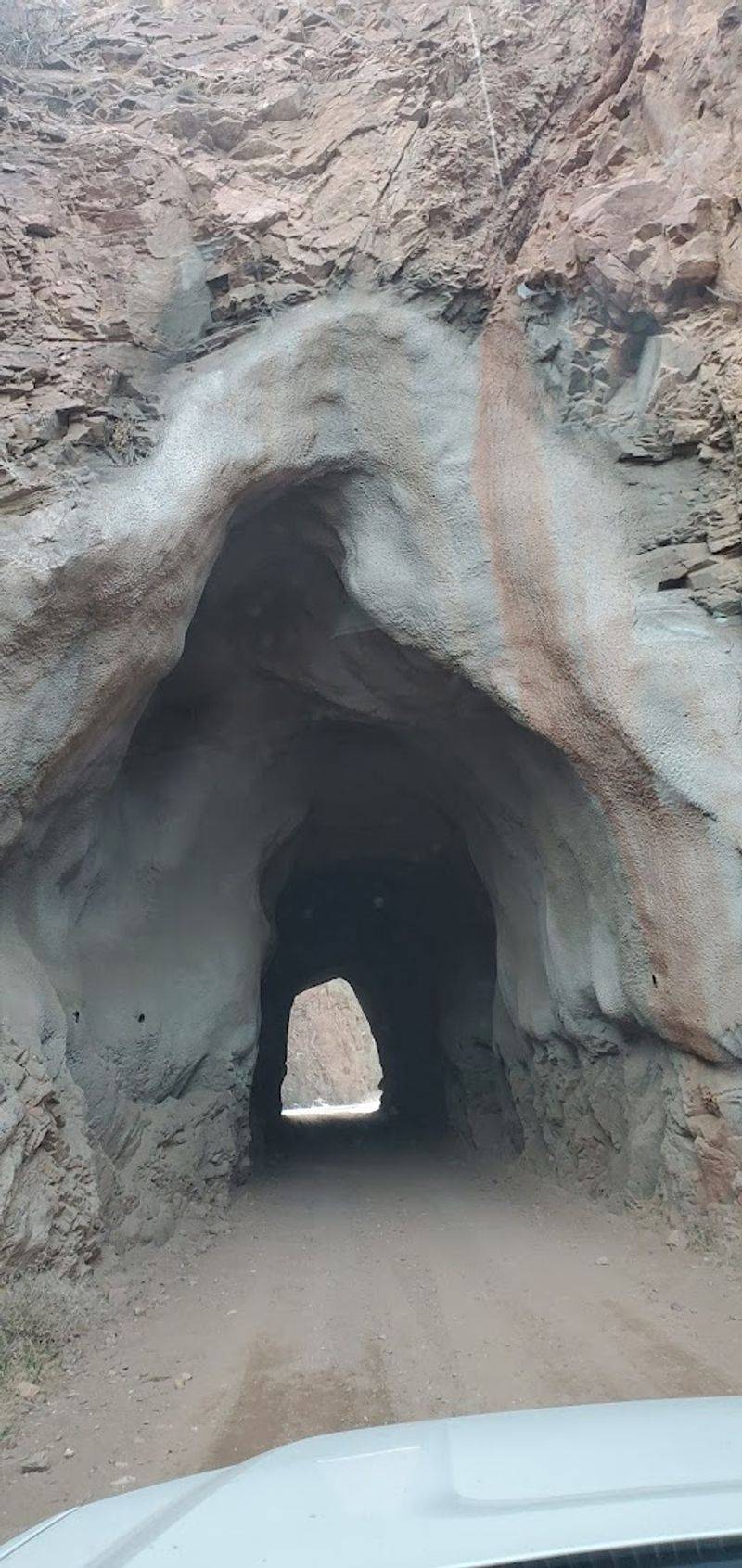
Back in the 1890s, the Cripple Creek Mining District was producing more gold than almost anywhere else in the world, and getting that ore to market required serious infrastructure.
The Florence and Cripple Creek Railroad solved that problem by threading a narrow-gauge rail line directly through the canyon, a feat of engineering that took years to complete and required blasting through solid rock in multiple places.
At its peak, the railroad carried passengers, supplies, and ore along this exact route, connecting the booming mountain mines to the refineries and markets below.
The railroad ceased operations in 1912, but the roadbed it left behind became the foundation for the road that drivers travel today.
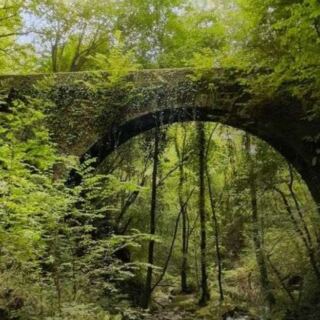
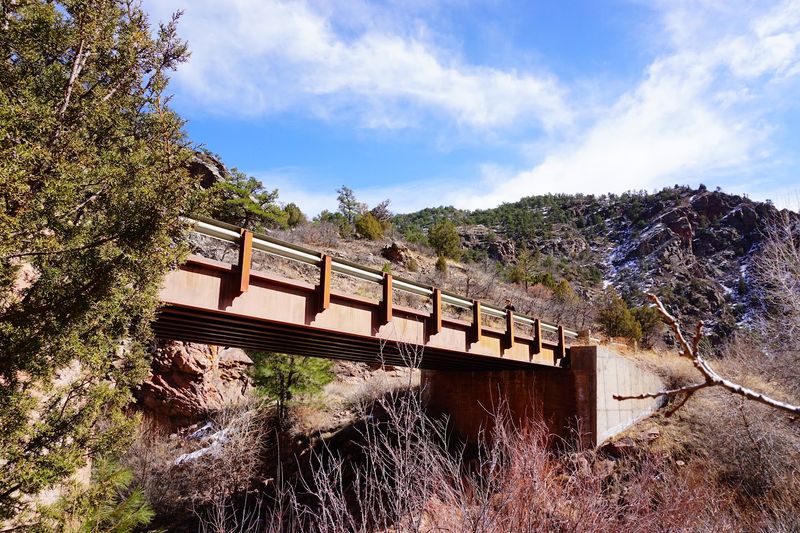
Old stone bridge abutments, tunnel remnants, and graded curves in the terrain all serve as quiet reminders that this canyon was once a highway of a very different kind.
The Canyon Walls That Will Stop You in Your Tracks
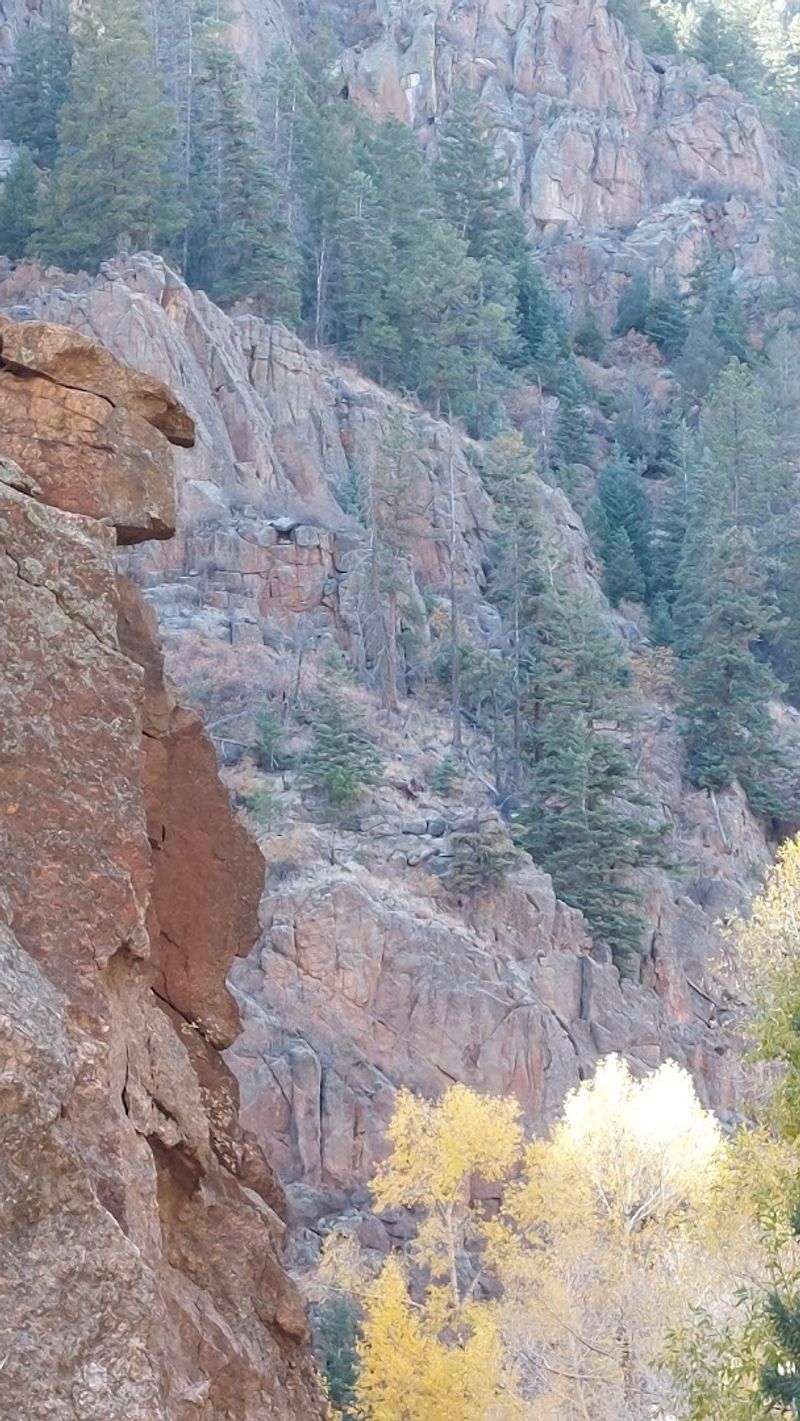
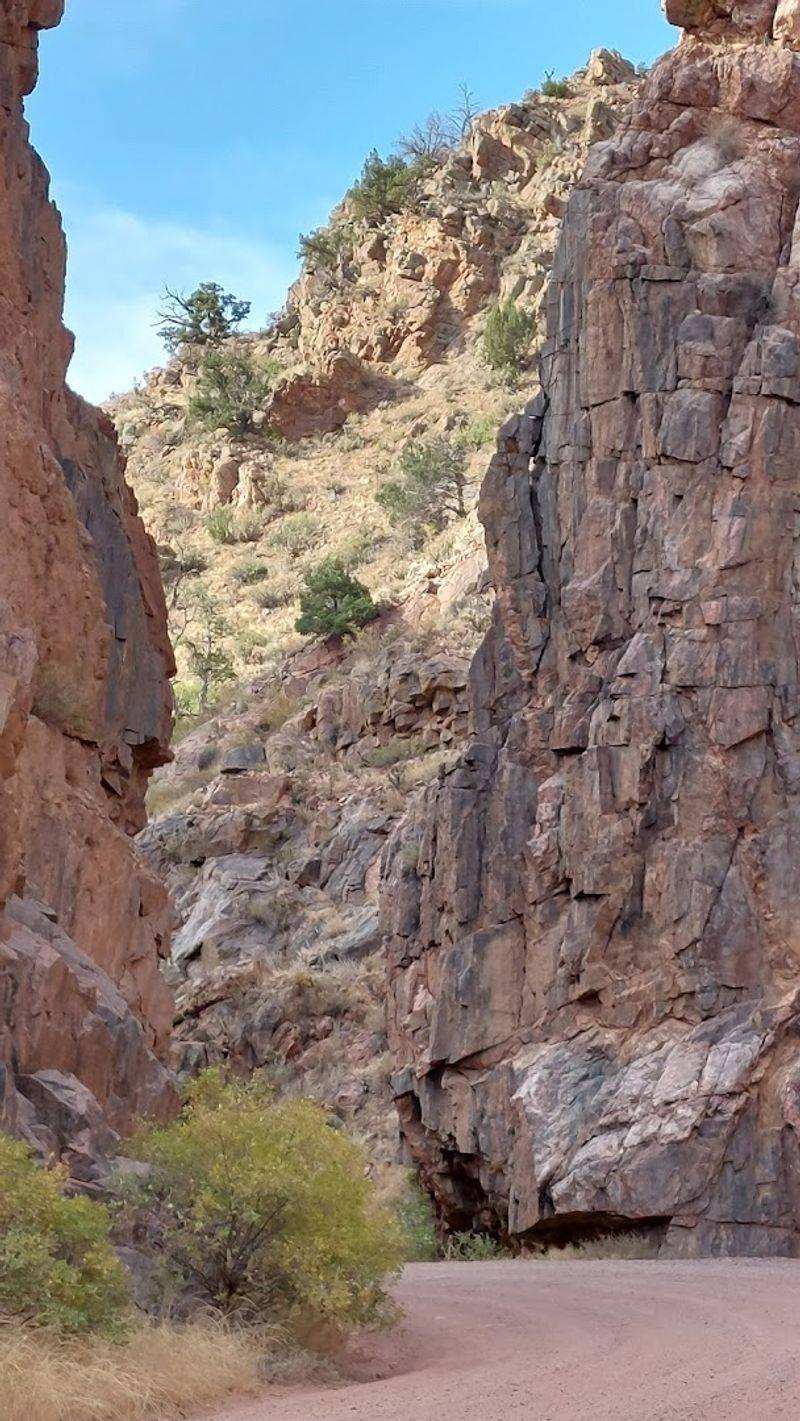
Few things in Colorado prepare you for the sheer verticality of the canyon walls that close in around you as you drive deeper into Phantom Canyon.
The rock formations rise hundreds of feet above the road in places, with layers of granite, sandstone, and volcanic material stacked in colors ranging from deep rust red to pale cream to dark charcoal gray.
At certain points, the canyon narrows so tightly that the sky above you shrinks to a thin strip of blue, and the temperature drops noticeably as sunlight struggles to reach the canyon floor.
I pulled over three times in the first five miles just to look up and take it all in, which is not something I typically do on a road trip.
The walls have a raw, unfinished quality that makes you feel genuinely small in a way that is more exciting than unsettling.
Eightmile Creek and the Road That Follows It
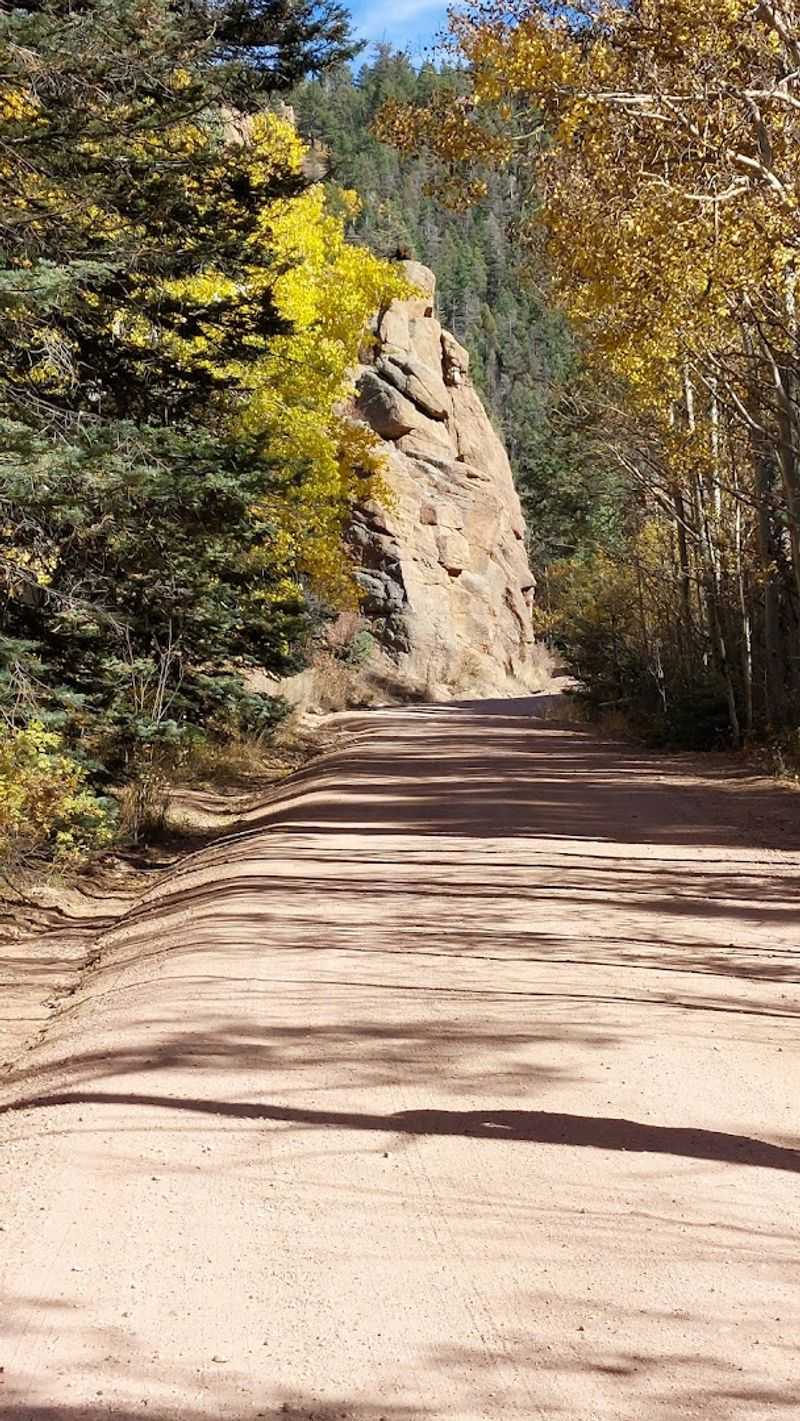
For most of its length, Phantom Canyon Road runs right alongside Eightmile Creek, a lively little waterway that carved this canyon over thousands of years and still flows through it today.
The creek crosses the road multiple times, and while most crossings are manageable, heavy rain or spring snowmelt can make certain sections impassable, so checking conditions before you go is always a smart move.
In summer, the creek runs clear and shallow, and you can hear it rushing over smooth stones even with your windows rolled up.
During fall, the cottonwood and willow trees that line the creek banks turn brilliant shades of gold and yellow, which creates a color contrast against the dark canyon walls that honestly looks a little unreal.
The creek adds a constant soundtrack to the drive that makes the whole experience feel more like a nature walk than a road trip.
Wildlife You Might Spot Along the Way
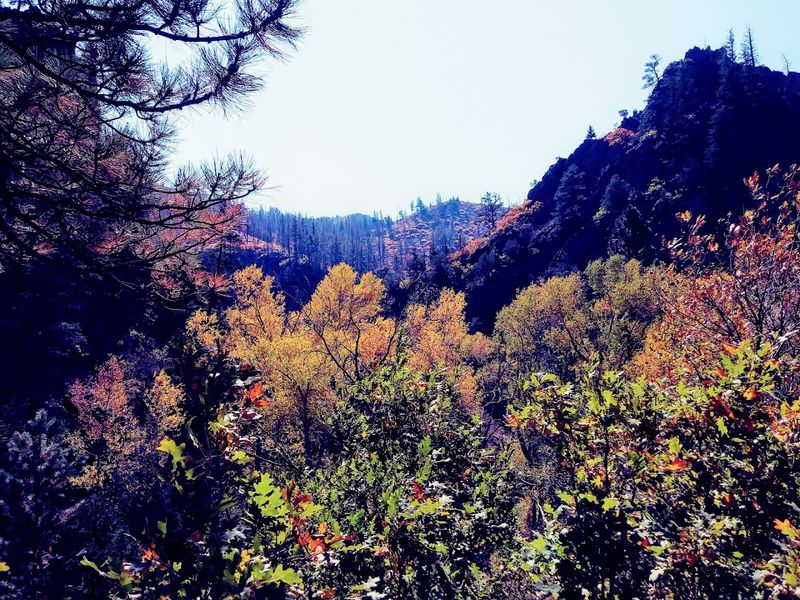
The canyon functions as a natural wildlife corridor, and the variety of animals that call it home makes every drive feel a little unpredictable in the best possible way.
Mule deer are probably the most common sighting, and they tend to appear near the creek banks in the early morning and late afternoon hours when the light is low and golden.
Raptors are a frequent presence overhead, with red-tailed hawks and golden eagles using the canyon’s thermal currents to ride the air effortlessly above the road.
Black bears have been spotted in the canyon as well, particularly in late summer when the scrub oak and berry bushes are producing fruit.
Wild turkeys, foxes, and various species of lizards round out the canyon’s resident population, and keeping your eyes open while driving slowly pays off more often than you might expect.
The Tunnels: A Feature You Will Not Find Everywhere
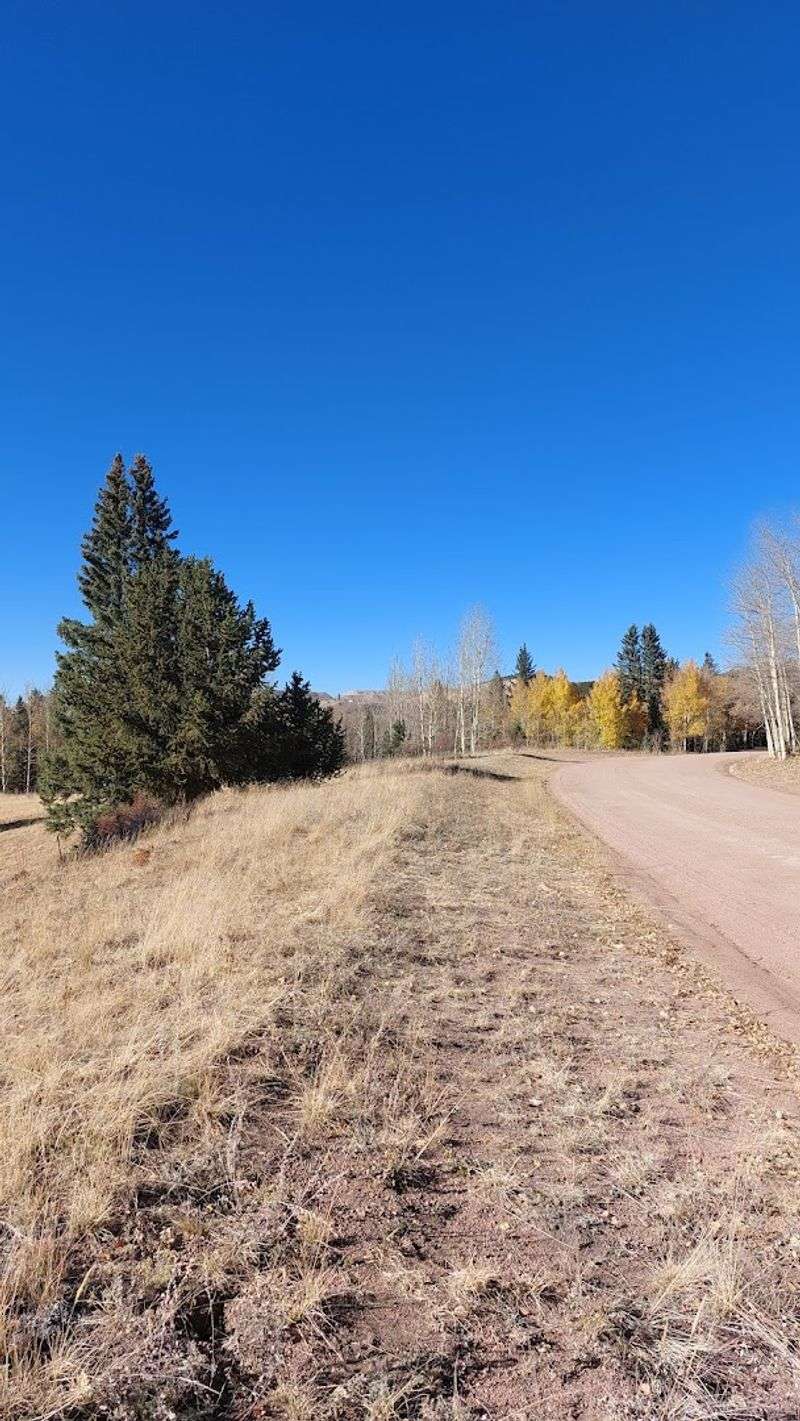
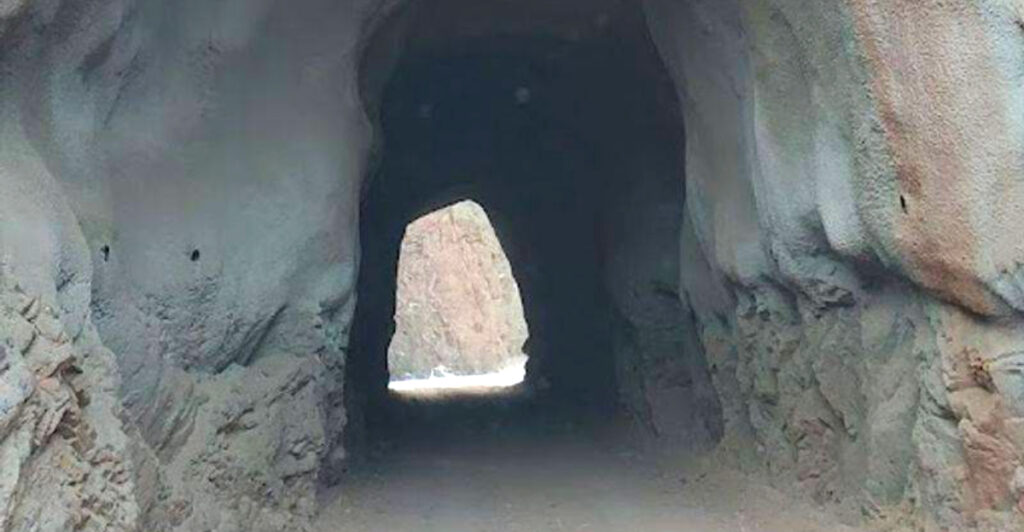
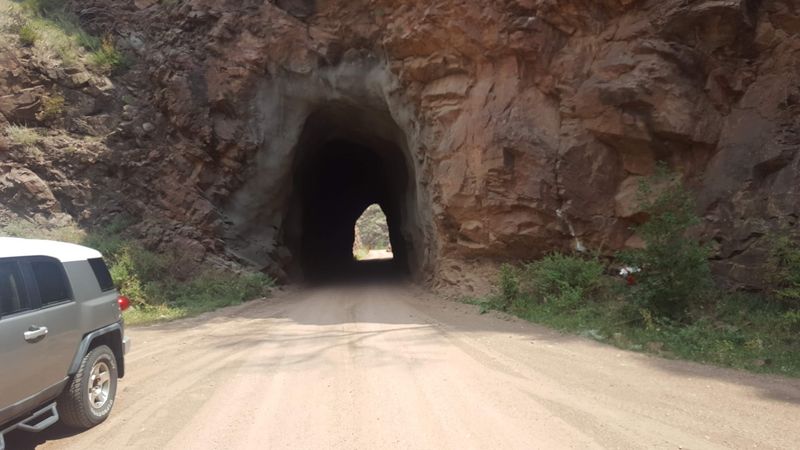
One of the most memorable features of the drive is the pair of hand-cut stone tunnels that the old railroad builders carved directly through solid rock to keep the rail line on grade.
These tunnels are narrow enough that only one vehicle can pass through at a time, which means you need to slow down, check for oncoming traffic, and proceed carefully.
The stone archways framing the tunnel entrances are original railroad construction from the late 1800s, and they have held up remarkably well considering their age and the conditions they endure every winter.
The tunnels are short, but the experience of driving through rock that was hand-blasted over a century ago adds a layer of adventure to the trip that most paved scenic byways simply cannot offer.
Stopping just outside the tunnel to look back at the canyon framed in the arch is a photo opportunity that most people regret skipping.
Best Time of Year to Make the Drive
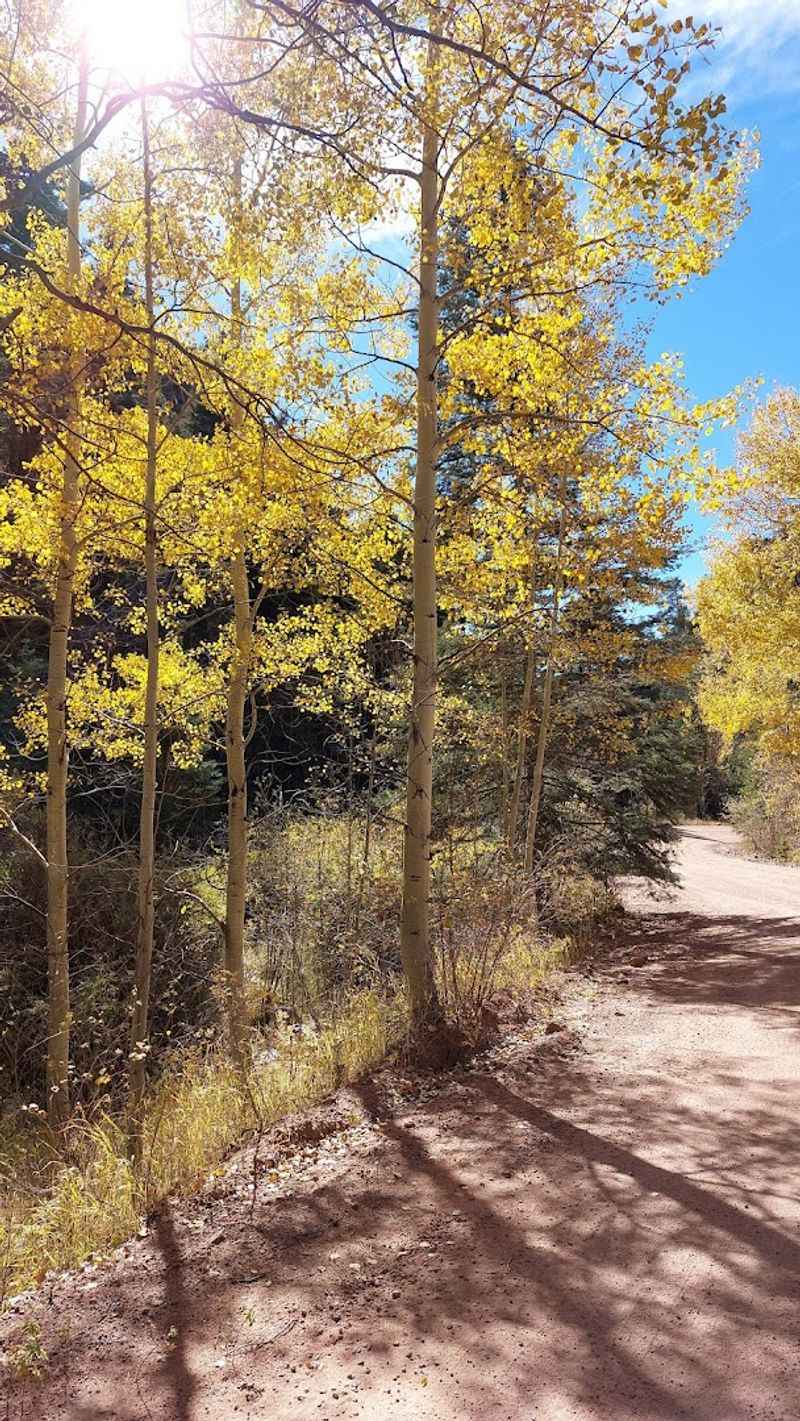
Timing your visit to Phantom Canyon Road makes a real difference in what you experience, since the canyon changes dramatically with the seasons.
Late September through mid-October is widely considered the best window for the drive, when the cottonwoods along Eightmile Creek turn gold and the air carries that crisp, clean mountain edge that Colorado falls are known for.
Summer visits work well too, especially in June and July before the afternoon monsoon season brings daily thunderstorms that can make the gravel road slick and the creek crossings unpredictable.
Spring can be beautiful, with wildflowers poking up along the canyon floor, but snowmelt runoff sometimes closes sections of the road through April and even into May.
Winter is generally not recommended, as snow and ice on the gravel surface create serious traction problems, and the road may be closed entirely during heavy snow events.
What Kind of Vehicle You Actually Need
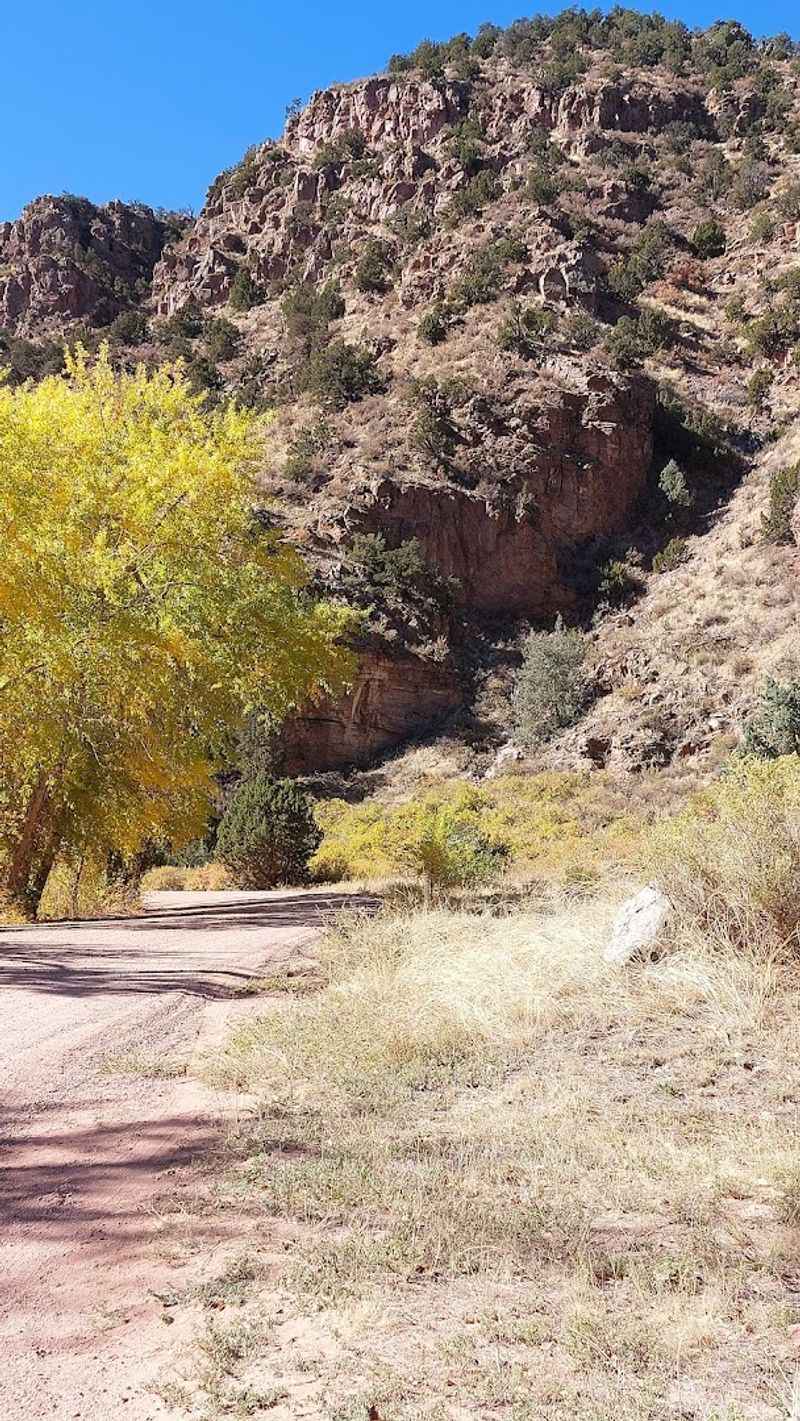
The question of what vehicle to bring comes up every time someone mentions Phantom Canyon Road, and the honest answer depends heavily on recent weather and road conditions.
A high-clearance SUV or truck is the safest choice year-round, since the gravel surface can develop ruts, washboards, and loose sections after rain or heavy use.
Many drivers in standard passenger cars complete the drive without incident during dry summer months, but the risk of scraping the undercarriage or getting stuck in a soft creek crossing is real enough to factor into your planning.
Four-wheel drive is not strictly required in good conditions, but having it available gives you a meaningful safety margin if conditions change mid-drive.
Checking the Bureau of Land Management website or calling the Canon City BLM field office before your trip is the single best way to get current road condition updates before committing to the route.
Victor and Cripple Creek: Where the Road Takes You
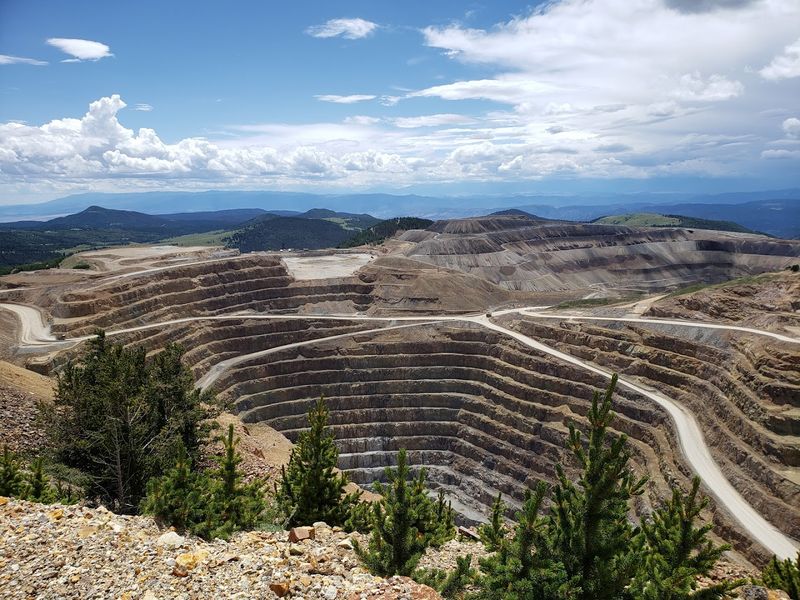
Reaching the northern end of Phantom Canyon Road drops you right into the heart of Colorado’s most storied gold mining district, which means the drive itself is really just the beginning of the adventure.
Victor is a small, quiet town with well-preserved Victorian-era architecture that gives it the feel of a place that time treated gently rather than forgot entirely.
The town has a genuine history that goes deeper than its appearance, since at one point in the early 1900s it had a population of over 18,000 people and was considered one of the most important cities in Colorado.
Just a few miles from Victor, Cripple Creek offers the Mollie Kathleen Gold Mine tour, where visitors can descend 1,000 feet underground to see what gold mining actually looked like in the 1890s.
Pairing the canyon drive with a stop in both towns turns a single road trip into a genuinely full day of Colorado history.
Photography Tips for Capturing the Canyon Right
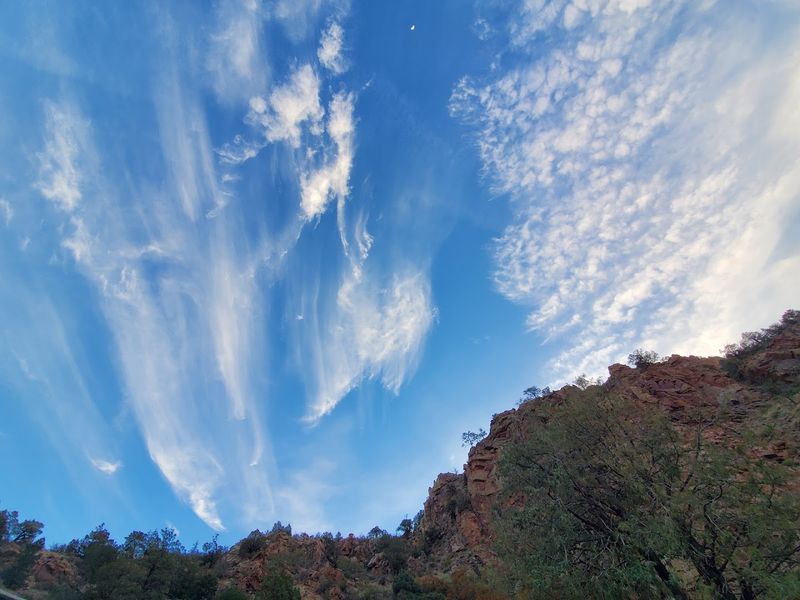
The canyon’s deep walls and narrow profile create some tricky lighting conditions that catch photographers off guard if they are not prepared for them.
Midday light is the hardest to work with, since the high sun creates harsh shadows inside the canyon and blows out the bright patches of sky visible above the walls.
Early morning and late afternoon are far more rewarding, when lower-angle light filters into the canyon at a slant and gives the rock faces a warm, dimensional glow that photographs beautifully.
A wide-angle lens helps capture the full scale of the canyon walls in relation to the road below, while a longer focal length works well for isolating details like the tunnel archways or the creek reflections.
Pulling off the road completely before stopping to shoot is important both for safety and for getting a stable, unhurried composition without worrying about other vehicles coming around a blind curve.
Why This Road Deserves More Attention Than It Gets
Colorado has no shortage of famous scenic drives, from Trail Ridge Road to the San Juan Skyway, and that abundance of options is probably why Phantom Canyon Road stays off most visitors’ radar.
The road does not appear on the state’s official Scenic and Historic Byways list, which means it misses out on the marketing and signage that funnel tourists toward more well-known routes.
That oversight is genuinely puzzling, because the combination of railroad history, dramatic geology, wildlife, fall color, and adventure-ready terrain puts it on par with roads that attract thousands of visitors every season.
For anyone willing to swap a smooth paved highway for 36 miles of gravel, history, and canyon scenery, the reward is a Colorado experience that feels personal and unhurried in a way that crowded national park roads rarely do.
Roads like this one are why some people keep coming back to Colorado long after they have checked off the famous stops.
Share this story