This longtime Pennsylvania flea market has been a weekend destination since 1980, bringing together hundreds of vendors selling antiques, collectibles, handmade crafts, fresh produce, baked goods, and local honey. Every Saturday and Sunday, shoppers arrive early hoping to score unique finds before they’re gone.
Whether you’re searching for vintage treasures, stocking up on local products, or simply browsing, no two visits are the same. Keep reading to discover what makes this market a favorite stop for collectors, bargain hunters, and families alike.
Where the Market Calls Home
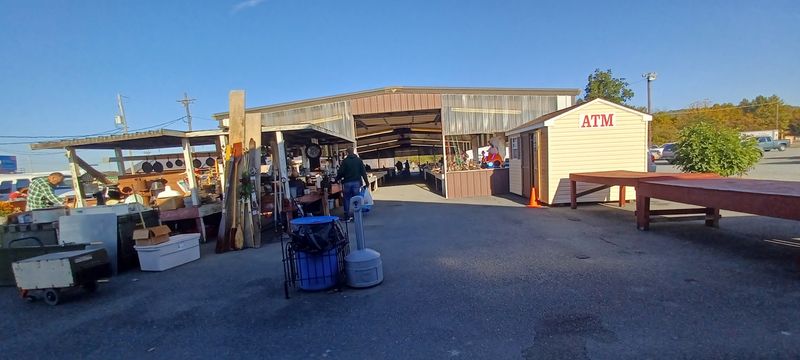
The address is 1380 PA-100, Barto, PA 19504, and the setting is exactly what you would picture when you imagine a classic Pennsylvania countryside market. Barto is a small community in Washington Township, Berks County, tucked among rolling farmland and quiet back roads. The market sits right along Route 100, making it easy to spot as you drive through the area.
Getting there from Philadelphia takes roughly an hour, and visitors from New Jersey or New York have been known to make the trip regularly. The surrounding scenery adds a relaxed, unhurried quality to the whole experience. There is something genuinely refreshing about shopping outdoors with open sky above you and fresh country air around you.
The phone number on file is 610-845-7091, and the official website at jakesfleamarket.com has useful details for planning your visit. This is not a strip mall pop-up; it is a well-established destination with deep roots in the local community.
Four Decades and Still Going Strong
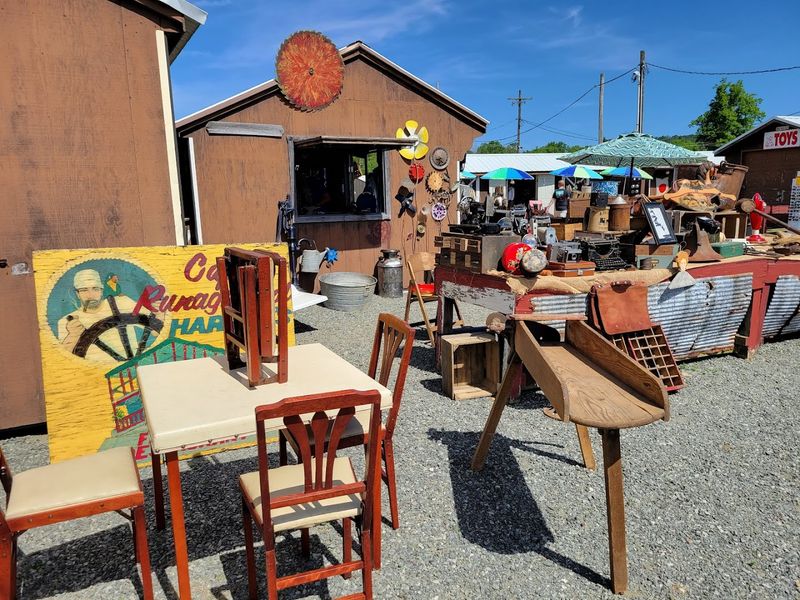
Jake’s Flea Market opened in 1980, which means it has been running for well over four decades. That kind of staying power does not happen by accident. Markets that survive that long tend to earn their reputation through consistent quality, loyal vendors, and a community that keeps coming back season after season.
The market operates from April through December, which gives it a generous run across the warmer and cooler months. Rain or shine, the market opens its doors, and the covered pavilions mean shoppers are not completely at the mercy of unpredictable Pennsylvania weather. That commitment to showing up regardless of the forecast says a lot about the culture of the place.
Over the years, the vendor mix has evolved while keeping its old-school character intact. Regular vendors build relationships with returning customers, and new faces keep the inventory fresh. That combination of familiarity and surprise is a big part of why people keep returning year after year.
The Hours That Reward the Early Riser
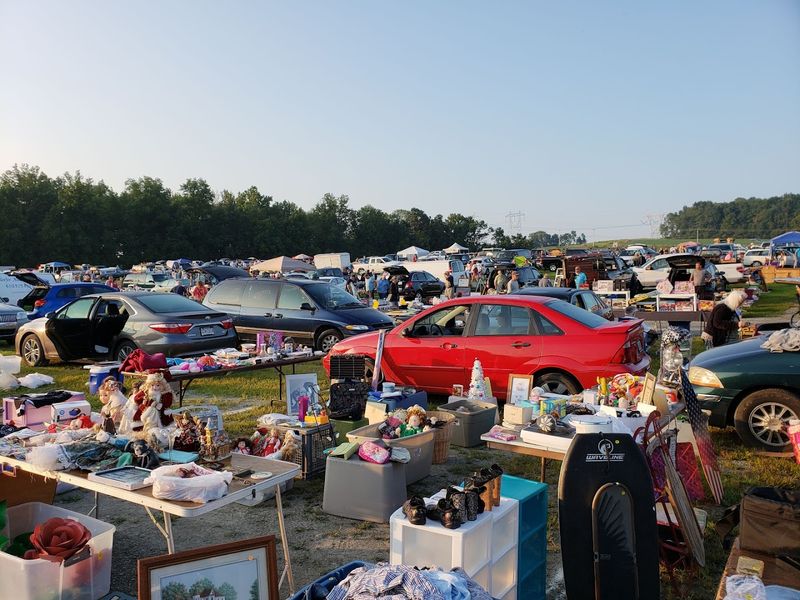
The market opens at 6:00 AM on both Saturdays and Sundays and closes at 1:00 PM. That seven-hour window sounds generous, but experienced visitors will tell you the real action happens in the first few hours. Many vendors begin packing up well before noon, and some are completely gone by 11:30 AM.
Arriving early is not just a suggestion; it is practically a strategy. The best items disappear fast, and the most enthusiastic shoppers are often already circling tables before the sun clears the tree line. Some dedicated regulars show up before the official opening time just to get a first look.
If you arrive around 9:30 AM or later, you will still find plenty to browse, but the selection thins noticeably as the morning progresses. Plan your morning around an early arrival, bring cash, and give yourself at least two to three hours to explore properly. The reward for waking up early here is very real.
What You Might Actually Find Here
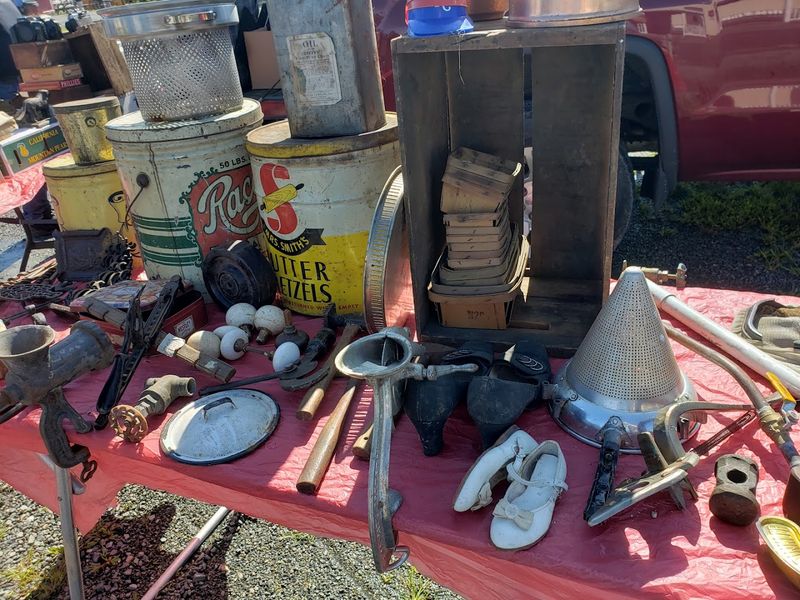
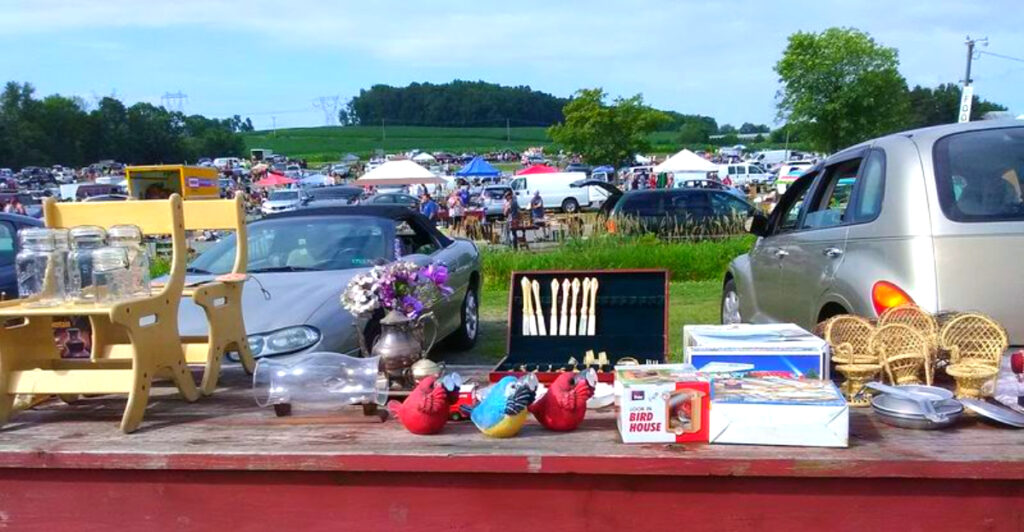
The range of items at this market is genuinely hard to summarize in a single sentence. Antiques and collectibles span from pre-1800s pieces all the way to modern-day finds. On any given weekend, a single walk through the grounds might take you past vintage bicycles, pinball machines, old soda machines, train sets, musical instruments, and stacks of vinyl records.
Furniture shows up regularly, as do tools, kitchen appliances, handmade jewelry, and original artwork. Advertising memorabilia from decades past tends to attract serious collectors. Vintage vehicles occasionally appear, which always draws a crowd. Toys from various eras are scattered across tables in a way that sparks genuine nostalgia.
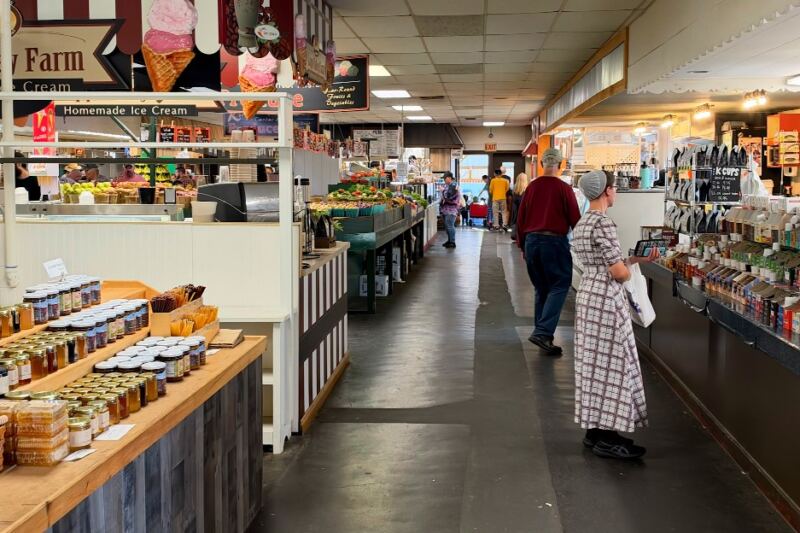
Then there are the handmade and artisan items: sculptures, woven goods, and crafts that feel personal rather than mass-produced. Fresh produce, local honey, and home-baked treats round out the inventory in a way that makes the market feel like a genuine community gathering. You genuinely never know what will be waiting on the next table.
The Art of the Deal at Jake’s
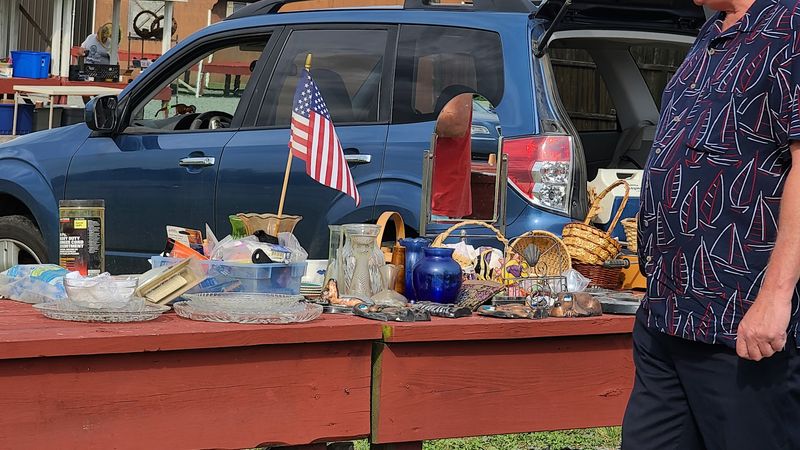
Pricing at this market is often described as old-school, and that is meant as a compliment. Many vendors price their items with room for negotiation built right in. Haggling is not just accepted here; it is part of the culture. Polite, friendly bargaining is the norm, and most vendors genuinely enjoy the back-and-forth.
That said, not every vendor operates the same way. Some price items at firm market value and prefer not to negotiate. Reading the situation before launching into a counteroffer is a good habit. A friendly greeting and genuine interest in the item usually set the right tone for any conversation about price.
Bringing cash is strongly recommended, since not all vendors accept cards. An ATM is available on-site, which is a helpful backup. The vendors who do negotiate tend to reward buyers who are respectful, enthusiastic, and prepared. The best deals often go to the people who arrive early, stay curious, and treat sellers like the knowledgeable people they usually are.
The Treasure Barn and Its Rotating Shows
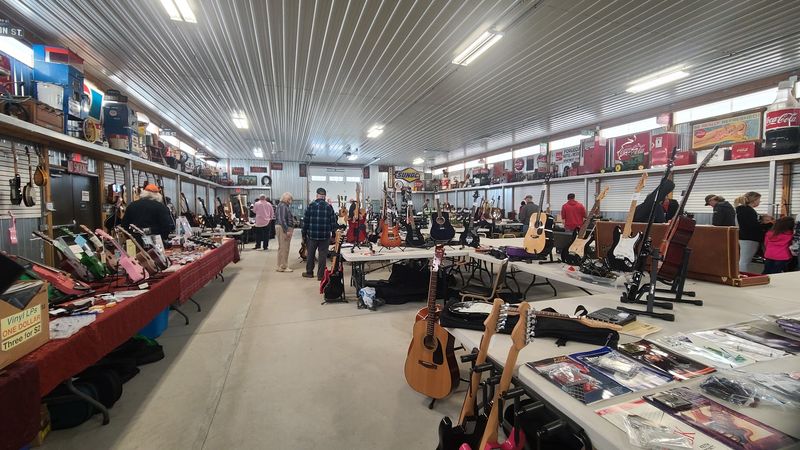
One of the more distinctive features of this market is the Treasure Barn, an indoor section that operates on a rotating themed show format. Sunday tends to be the day when the Treasure Barn is most active, with curated displays that shift based on a specific theme or category of collectibles. It adds a layer of intentional curation that sets it apart from the general outdoor tables.
The outdoor vendor spaces follow an anything-goes approach, which creates a wonderfully unpredictable browsing experience. The Treasure Barn, by contrast, offers something more organized and focused for collectors who have a specific area of interest. The two formats complement each other well and give the market a dual personality.
Checking the market’s website or social media before your visit can give you a heads-up on what theme the Treasure Barn is featuring that particular weekend. For serious collectors, planning a trip around a relevant theme could make the difference between a good visit and a genuinely memorable one.
Food That Makes the Morning Even Better
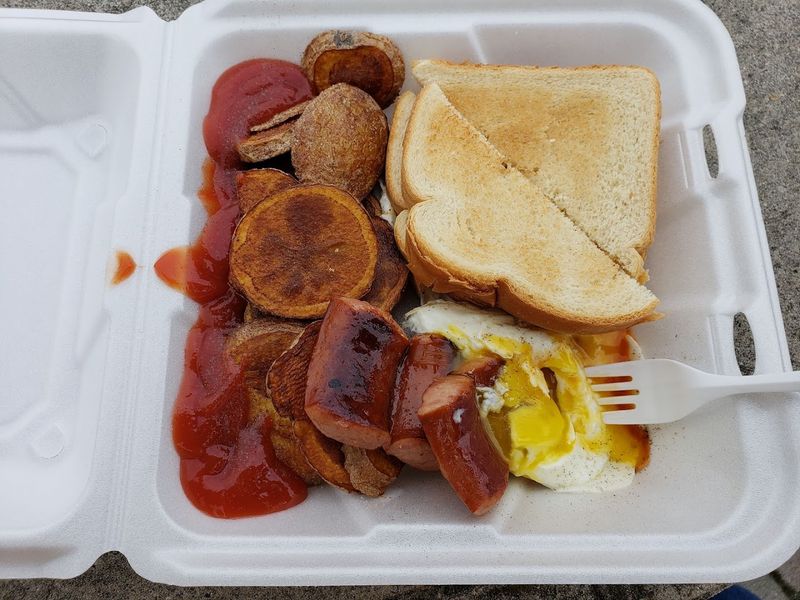
Shopping on an empty stomach is a rookie mistake, and fortunately, this market has solid food options to keep you energized. Approved food vendors set up alongside the merchandise tables, and the breakfast sandwich from the food stand has developed a reputation that goes well beyond the market itself. Regulars have admitted they sometimes make the trip just for that sandwich.
Beyond breakfast fare, the food options include sandwiches and other snacks that keep you fueled through a long morning of browsing. Fresh produce vendors add a farmers market quality to the experience, and local honey and home-baked goods make for easy, meaningful gifts to bring home.
There are rest benches scattered throughout the market, which makes it easy to sit down, eat, and recharge before heading back out to browse. The combination of food, seating, and fresh air gives the whole experience a relaxed, unhurried pace that feels more like a community event than a commercial transaction. Good food always makes good shopping better.
A Family Outing That Actually Works for Everyone

Markets like this one can be hit or miss for families with kids, but this particular spot tends to land in the hit column. The open outdoor layout gives children room to move around without the claustrophobic feeling of a crowded indoor space. The sheer variety of items on display keeps curious kids engaged in a way that few shopping experiences manage.
Vintage toys, colorful artwork, unusual gadgets, and the general carnival-like energy of the market tend to hold young attention spans surprisingly well. Parents can browse at a comfortable pace while kids explore alongside them. The atmosphere is relaxed and welcoming rather than high-pressure.
Rest benches placed throughout the grounds are useful for families who need a quick break between laps. The food vendors make it easy to grab a snack without leaving the property. For a low-cost, entertaining Saturday or Sunday morning that the whole family can enjoy together, this market checks a lot of boxes that more conventional outings simply do not.
Parking, Pavilions, and Practical Logistics
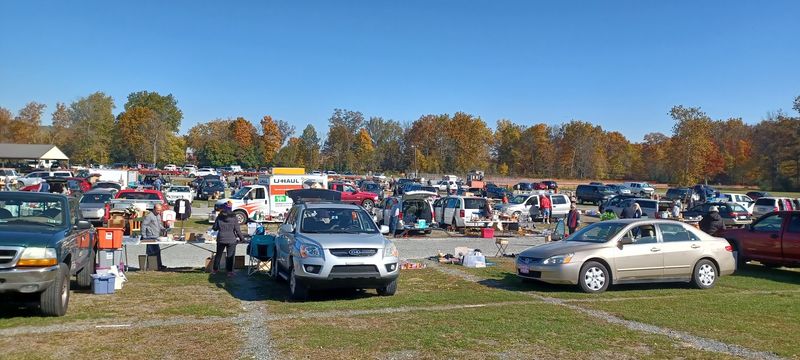
One of the more pleasant surprises about this market is that parking is free. The lot is large, though it fills quickly on busy weekends, particularly Sundays. The practical advice passed around among regulars is to drive as far into the lot as possible rather than circling the entrance rows. Turnover is constant, and spots open up regularly as early shoppers leave.
Covered pavilions provide shade and shelter across portions of the market, which is a meaningful amenity when summer heat or unexpected rain arrives. The market runs rain or shine, and the pavilion coverage means a light drizzle does not have to derail your plans. Indoor restrooms are available on-site, which is a detail that matters more than it might seem on a long morning of browsing.
An ATM is located on the grounds for those who arrive without enough cash. The overall infrastructure is well thought out for a market of this size and age. Everything you need for a comfortable visit has been accounted for, which lets you focus entirely on the hunt.
Sundays vs. Saturdays: Which Day Wins
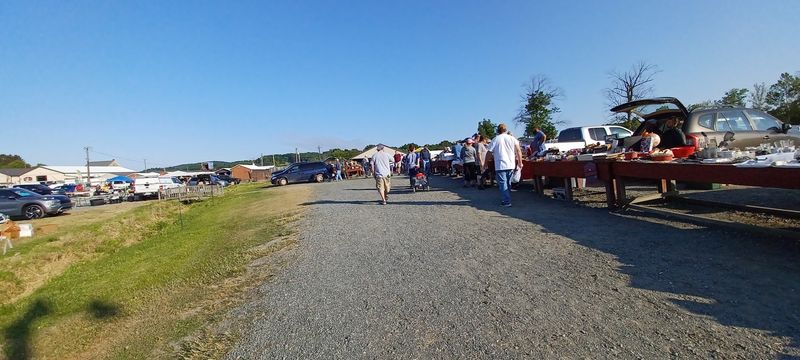
Both days offer a great market experience, but Sundays tend to draw the larger crowds and the more active vendor turnout. The Treasure Barn runs its rotating themed shows primarily on Sundays, which adds an extra draw for collectors and enthusiasts. If you want the fullest possible experience with the most vendors and the most energy, Sunday is your day.
Saturdays offer a slightly quieter atmosphere, which some shoppers genuinely prefer. The browsing pace is more relaxed, and you may find it easier to have longer conversations with vendors without feeling rushed. For people who dislike crowds, a Saturday visit might actually yield a more enjoyable experience even if the selection is somewhat smaller.
Regardless of which day you choose, the golden rule remains the same: arrive early. The market peaks in energy and inventory between 6:00 AM and 9:00 AM, and by 11:00 AM, the crowd begins to thin as vendors pack up. Whichever day you pick, the early bird absolutely gets the best finds here.
Tips from Regulars Who Know the Grounds
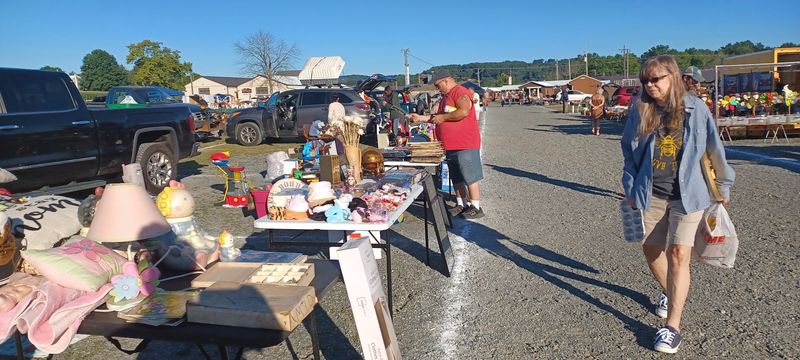
People who visit this market regularly have developed a clear set of habits that make their trips more productive. Arriving before 8:00 AM is the most consistent piece of advice shared among seasoned visitors. The freshest inventory, the most vendor energy, and the best negotiating opportunities all cluster in that early window before the casual crowd arrives.
Bringing cash in small denominations makes transactions smoother and negotiating easier. Many vendors prefer cash, and having exact change or small bills signals that you are a prepared and serious buyer. A reusable bag or small cart is worth bringing along, especially if you plan to pick up produce or bulkier finds.
Wearing comfortable shoes is not optional; the grounds are large and the surfaces vary. Taking a full lap before buying anything gives you a mental map of the inventory and helps you prioritize. The market rewards patience and curiosity in equal measure, and the visitors who slow down and look carefully are almost always the ones who walk away with the best stories.
Why People Keep Coming Back Season After Season
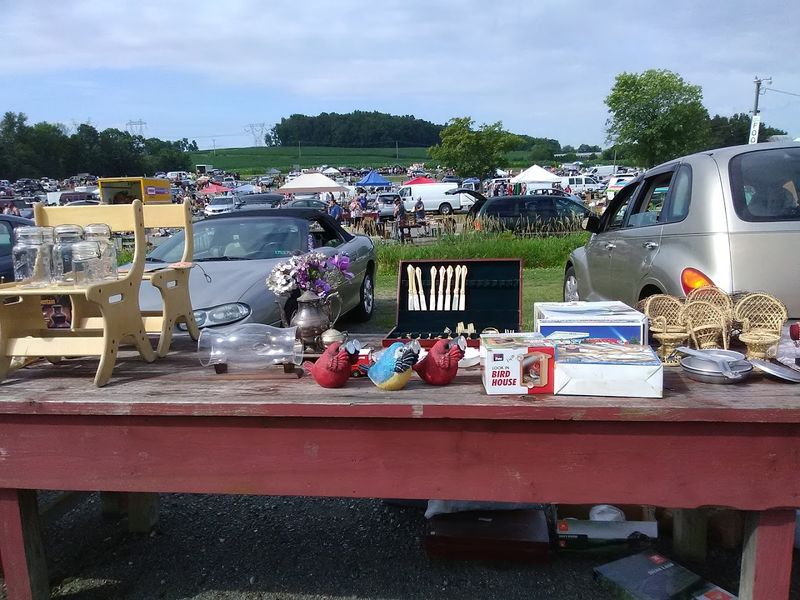
A market that has been operating since 1980 and still earns a 4.5-star rating across more than 1,300 reviews is doing something consistently right. The combination of rotating inventory, loyal vendors, family-friendly atmosphere, and genuine bargain potential creates a recipe that is hard to replicate. Every visit feels different because the merchandise is always changing.
The social element matters too. Conversations with vendors tend to be warm and unhurried. Many sellers have deep knowledge about the items they bring, and those exchanges often turn a simple purchase into a small education. The community feel of the market is something that distinguishes it from online shopping in a way that is hard to put into words but easy to feel.
From April through December, this market gives shoppers a reason to get outside, explore, and connect with a tradition that has quietly anchored this corner of Berks County for generations. Once you visit, the urge to return tends to arrive faster than you might expect.
Share this story