Most people think of botanical gardens as grand, ticketed affairs with manicured hedgerows and gift shops at every turn. But tucked inside a working university campus in northern Delaware, there is a sprawling green world that most locals have never even heard of, let alone visited. Free to enter every single day of the year, this 15-acre botanical collection holds over 3,000 plant taxa, a butterfly trail, test gardens recognized by national horticultural societies, and enough seasonal variety to reward every return visit. What makes it even more surprising is that it shares a parking lot with a beloved creamery, meaning your botanical adventure could end with a scoop of fresh ice cream.
Keep reading to find out why this place deserves a permanent spot on your weekend list.
Where the Garden Actually Lives on Campus
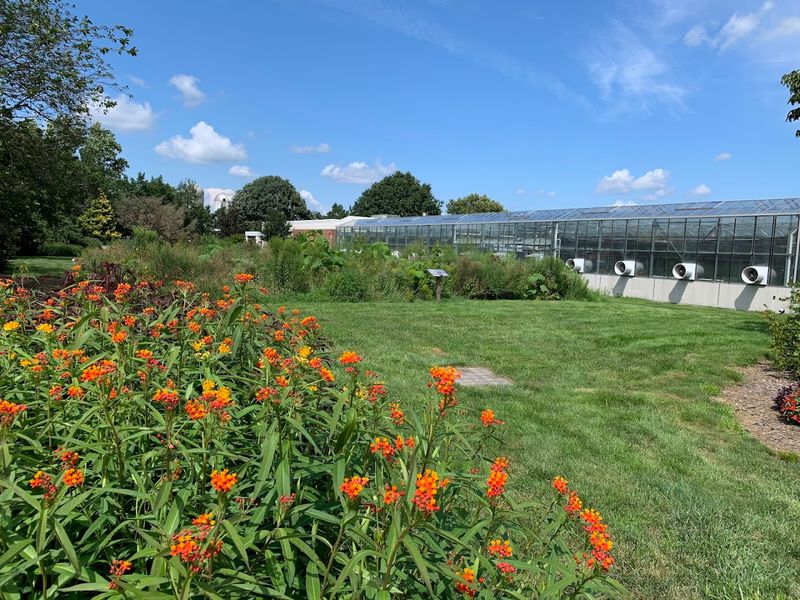
The University of Delaware Botanic Gardens sits at 211 Roger Martin Lane, Newark, Delaware 19713, tucked onto the university’s South Campus in a spot that many students walk past without a second glance.
Newark is a lively college town in New Castle County, just a short drive from Wilmington and close to the Pennsylvania and Maryland state borders. The garden spans 15 acres and is open 24 hours a day, every day of the year, with no admission fee to walk the outdoor grounds.
Metered parking is available on site, and visitors pay through an app with instructions posted on lot signs. A typical 30-minute visit costs around $1.50, which is a small price for access to one of Delaware’s most quietly impressive green spaces.
The garden’s address is easy to find on any map, and once you arrive, a downloadable self-guided tour map from the official website makes navigating the spread of distinct garden zones surprisingly straightforward.
A Living Laboratory With Roots in the 1950s
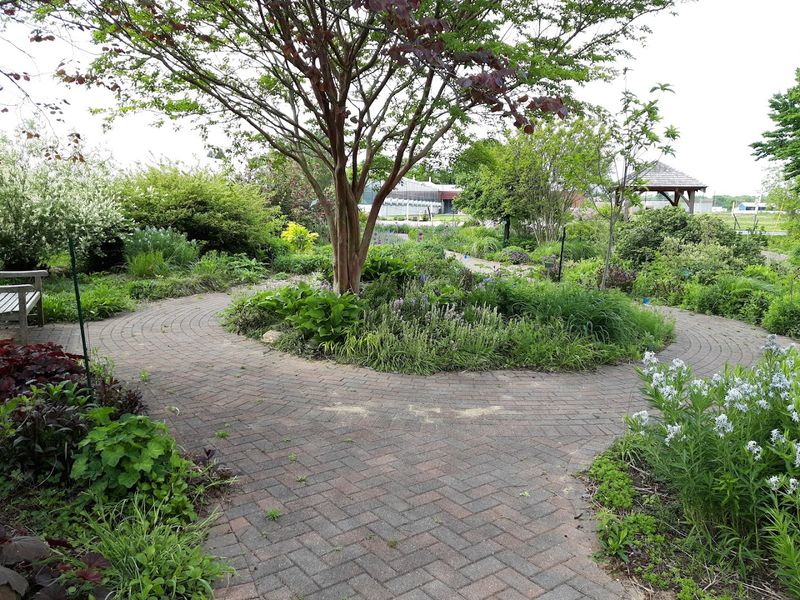
Long before the formal name was ever printed on a sign, this garden started quietly, with a few thoughtful plantings around a building then called Agriculture Hall in the late 1950s.
That building is now known as Townsend Hall, and those early plantings grew into something far more ambitious over the following decades. The official name, University of Delaware Botanic Gardens, was adopted in 1992, the same year the Herbaceous Garden was added to the collection.
One of the most historically significant sections, the Emily B. Clark Garden, was established in 1973 thanks to a donation from Emily Clark Diffenback, and it remains a cornerstone of the entire collection today. The garden operates under the University’s College of Agriculture and Natural Resources, functioning as a living classroom for students in plant biology, horticulture, landscape design, and entomology.
Knowing this history makes every tree and shrub feel less like decoration and more like a chapter in an ongoing scientific story that has been quietly unfolding for more than six decades.
The Emily B. Clark Garden and Its Year-Round Appeal
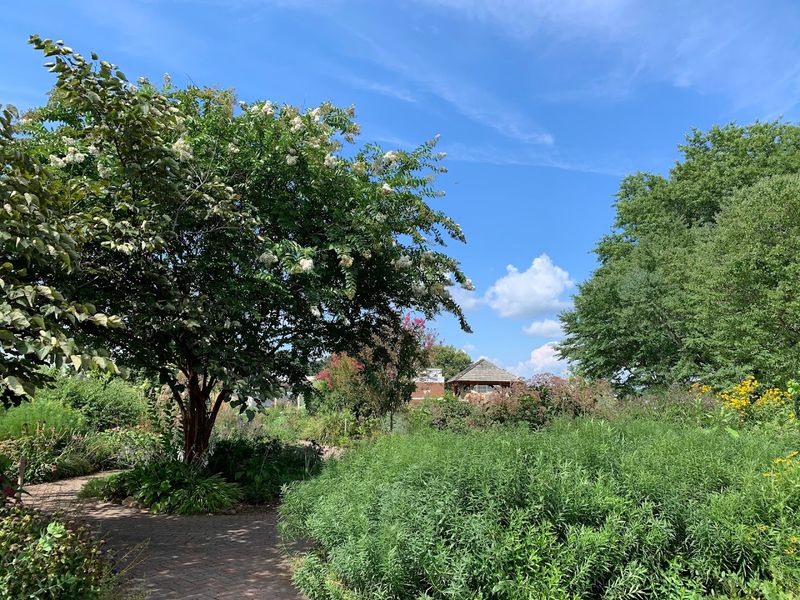
There is something almost theatrical about the Emily B. Clark Garden, because it never fully goes quiet, no matter the season.
Conifers hold their deep green through the coldest months, while broadleaf evergreens add texture and structure when most other plants have gone bare. Come spring and summer, deciduous flowering trees and shrubs put on a show that shifts week by week, making repeat visits genuinely rewarding rather than repetitive.
The garden is also designated as a test arboretum by the American Holly Society, which means it serves a real scientific purpose beyond simply looking beautiful. Researchers and horticulture professionals use the collection to evaluate how different holly varieties perform in the Mid-Atlantic climate.
Historically significant plantings are scattered throughout, and many of them carry labels that explain their origins and importance. For anyone curious about what a well-chosen plant collection actually looks like across all four seasons, this garden makes a compelling case without ever needing to raise its voice.
The Lepidoptera Trail That Buzzes With Life
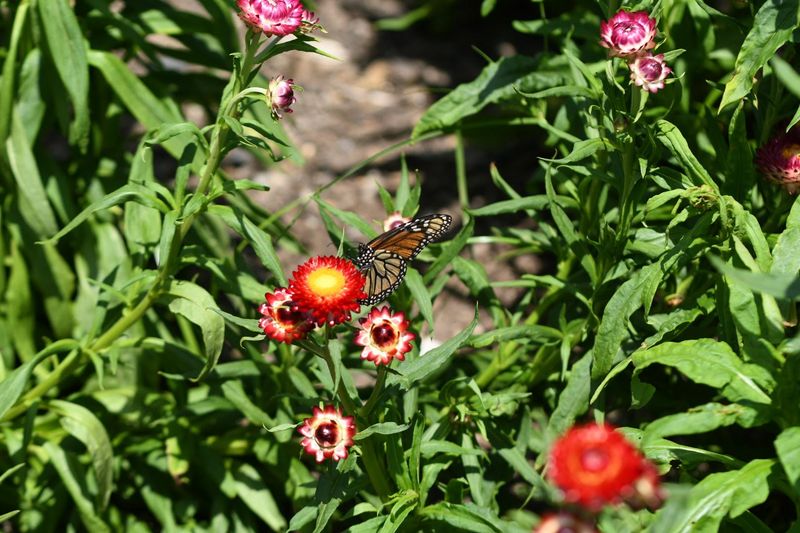
Ask any regular visitor which part of the gardens stops them in their tracks, and the Lepidoptera Trail comes up almost every time.
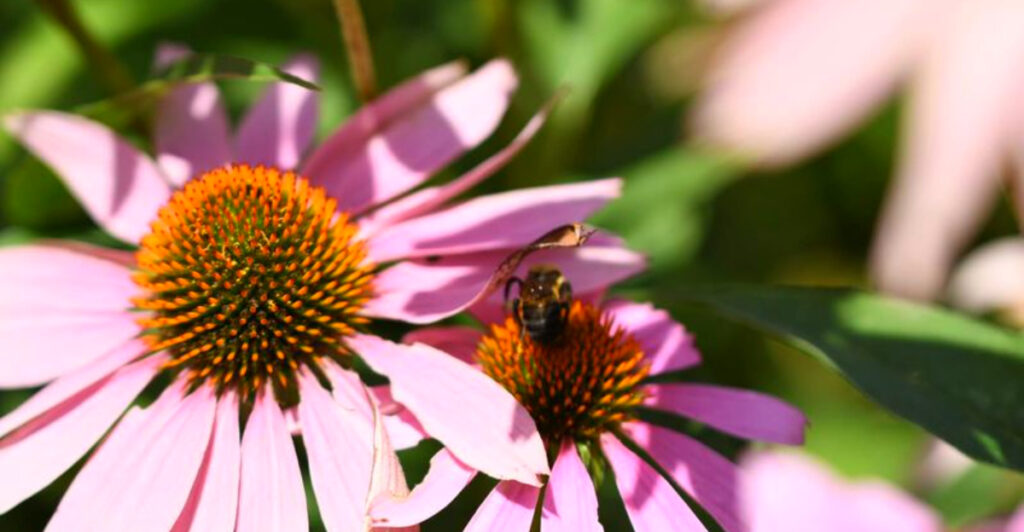
Introduced in the 2000s, the trail was designed specifically to support butterflies, moths, and skippers by planting the native species these insects depend on for food and reproduction. Milkweed varieties appear in impressive numbers along the path, drawing attention from anyone who knows just how critical that plant is for monarch butterfly populations.
Informative placards identify host plants for specific caterpillar species, making the trail genuinely educational rather than just decorative. Even on days when the winged visitors are scarce, the plant labels and design of the trail give you plenty to read and think about.
Photographers especially love this section, since the combination of native blooms and visiting insects creates close-up opportunities that are hard to replicate anywhere else in the region. The trail alone is worth the trip, and the ice cream shop nearby makes a perfect reward for the walk back.
More Than 3,000 Plant Taxa in One Place
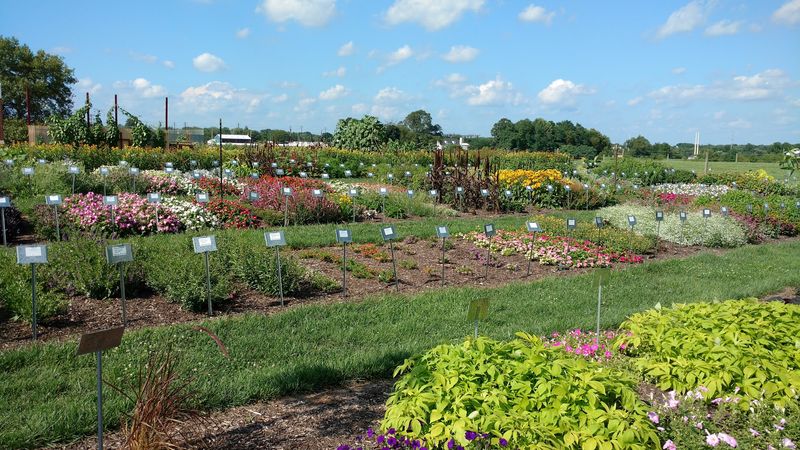
Numbers do not always tell the full story, but in this case they are genuinely jaw-dropping: the University of Delaware Botanic Gardens holds over 3,000 different taxa, meaning distinct species and cultivars, along with nearly 3,000 individual trees and shrubs.
These plants represent temperate species from across the globe, making the collection far more internationally diverse than its modest campus setting might suggest. Key genera emphasized throughout the gardens include holly, maple, magnolia, oak, and viburnum, each represented by multiple varieties that highlight the range of forms a single plant group can take.
The collection also includes both native and non-native plants, giving visitors a rare side-by-side comparison of what grows naturally in the region versus what has been introduced from elsewhere. A dedicated wildflower area adds a softer, meadow-like contrast to the more structured garden zones.
For plant enthusiasts, horticulture students, or anyone who just enjoys discovering that there are seventeen different kinds of oak in one park, this breadth of collection makes every single path worth exploring.
The Worrilow Hall Gardens and Their Woody Wonders
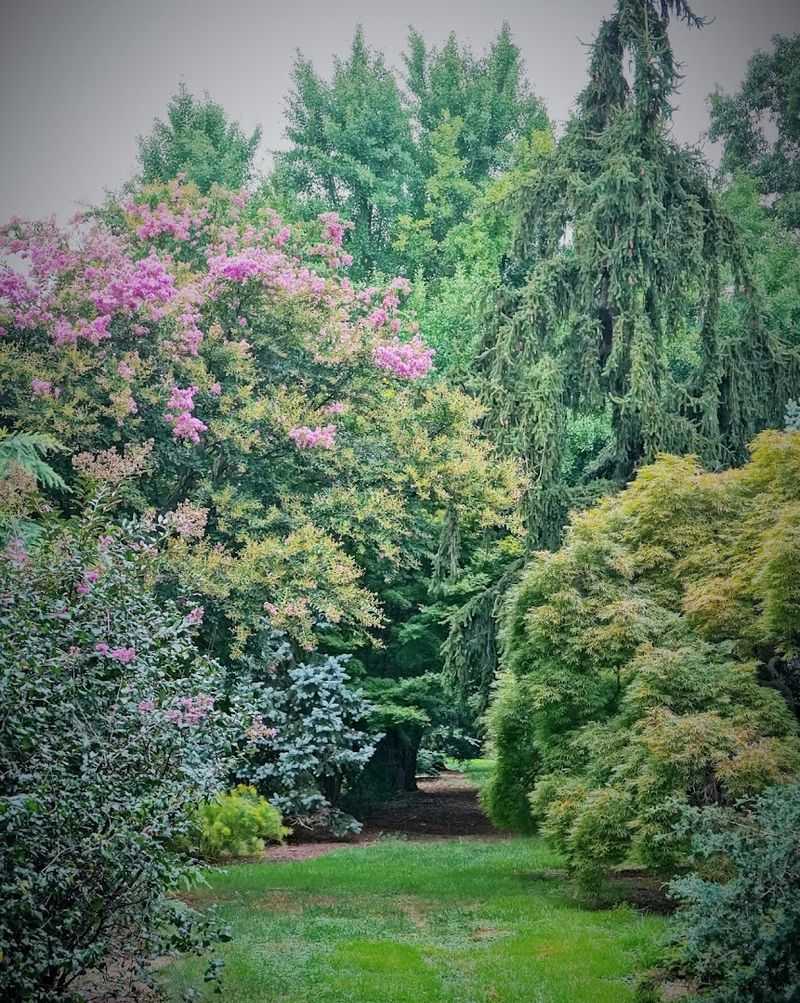
Tucked near Worrilow Hall, one section of the gardens reads almost like a field guide to some of the most underappreciated woody plants in temperate horticulture.
Viburnums, witch hazels, winter hazels, hornbeams, and oaks fill this area with a variety that rewards slow, attentive walking rather than a quick pass-through. Witch hazels are especially worth catching in late winter or very early spring, when their spidery yellow or orange flowers appear on bare branches at a time when almost nothing else is blooming anywhere nearby.
Winter hazels offer a similar early-season payoff, with delicate pendulous flowers that most casual gardeners have never encountered. The hornbeam and oak collections give the area a sturdier, more architectural feel, with bark textures and branching patterns that look striking even without a single leaf attached.
This section rewards visitors who slow down and actually look, rather than just stroll. The variety here quietly proves that the most interesting plants are often the ones that never make it onto a greeting card.
The Charles Dunham Garden’s Asiatic Character
Not every corner of these gardens follows the same design logic, and that variety is part of what keeps the whole experience interesting.
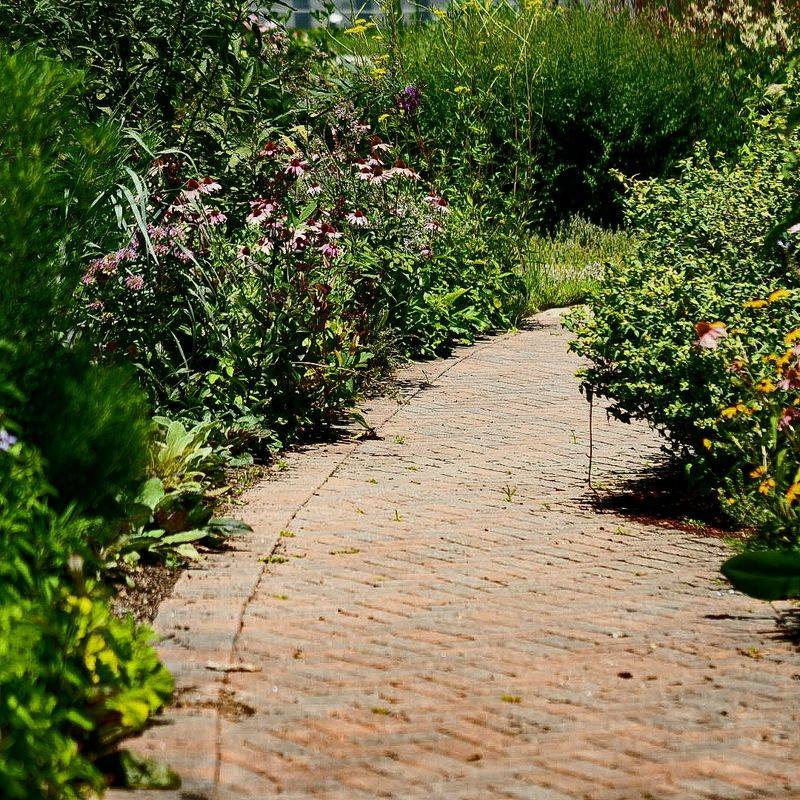
The Charles Dunham Garden takes a distinctly different approach, drawing on an Asiatic theme through its selection of flowering shrubs and herbaceous ground covers. The planting palette here feels more curated and intimate than some of the larger collection areas, with layers of texture that change noticeably through the growing season.
Ground covers fill the spaces between shrubs in ways that feel intentional rather than accidental, giving the garden a finished quality that some other sections lack. The Asiatic influence shows up in plant choices that might be unfamiliar to casual visitors but are well-documented in the garden’s labeling system.
This is one of the quieter corners of the property, which makes it a particularly good spot for anyone who wants a few minutes of genuine calm away from the more trafficked paths. The contrast with the surrounding campus makes it feel like a small world entirely its own.
What a Self-Guided Tour Actually Looks Like Here
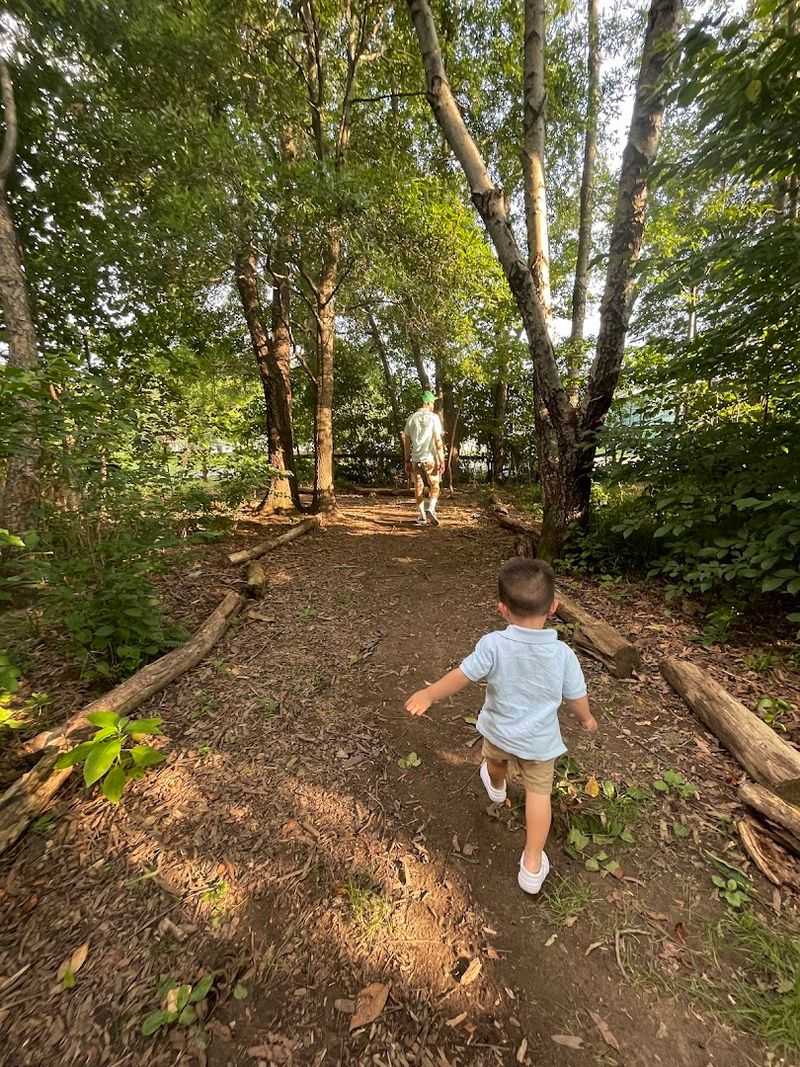
There are no ticket booths, no timed entry windows, and no roped-off sections demanding a premium upgrade. The self-guided tour experience here is refreshingly low-pressure.
A downloadable map is available on the official website at canr.udel.edu/udbg, and printing it before you arrive is genuinely recommended because on-site signage can be inconsistent, especially if you are new to the property. The map breaks the gardens into distinct zones, making it easy to prioritize which areas matter most to you based on your interests.
Paths range from mowed grass to brick walkways and sidewalks, so comfortable shoes are a practical choice rather than just a suggestion. Leashed pets are welcome throughout the outdoor areas, which makes this a solid option for a dog-friendly afternoon outing.
Group visits can be arranged through the garden office with guided tours available for a fee. For solo visitors or small groups, the self-guided format gives you the freedom to linger as long as you like in whichever corner catches your attention first.
AG Day and the Annual Plant Sale Worth Planning Around

Two events on the University of Delaware Botanic Gardens calendar tend to draw visitors who would not otherwise make the trip: AG Day and the annual plant sale.
AG Day is a campus-wide celebration hosted by the College of Agriculture and Natural Resources, and the botanic gardens play a central role in the festivities. It draws families, students, and community members for a day of hands-on agricultural activities, demonstrations, and general outdoor fun that feels genuinely festive rather than forced.
The plant sale is its own kind of event, beloved by gardening enthusiasts who show up specifically for the unusual varieties that rarely appear at standard nurseries. Past sales have featured pepper cultivars with names most shoppers have never encountered, alongside ornamental plants curated by people who clearly know their subject matter deeply.
Staff and volunteers at the sale are consistently described as knowledgeable and enthusiastic, which transforms the shopping experience into something closer to a conversation with experts. Planning a visit around either event adds a social dimension that a solo stroll simply cannot replicate.
Photography Opportunities That Serious Shooters Love
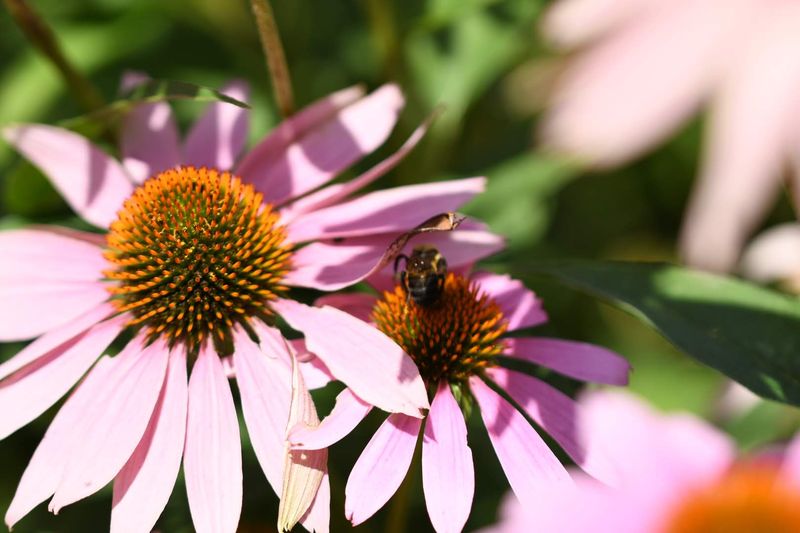
The gardens attract a steady stream of photographers, and it is easy to understand why once you see the variety of subjects packed into 15 acres.
Macro photographers in particular find the Lepidoptera Trail irresistible, with native blooms hosting bees, skippers, and the occasional butterfly at close enough range to fill a frame without a telephoto lens. The labeled plant specimens also give photographers useful context for captioning their work, which matters more than it might seem for anyone sharing images with an audience.
Early morning light hits the garden’s open areas beautifully, and the combination of structured garden beds and wilder naturalistic plantings gives photographers a range of compositional options within a small geographic footprint. Evening visits have also produced striking results, particularly in summer when long golden light stretches across the grass paths between garden zones.
The garden’s free admission and 24-hour access make it easy to return repeatedly until the conditions are exactly right, which is a luxury that paid botanical attractions rarely offer their visitors.
The Creamery Next Door and Other Practical Perks

One detail that comes up in nearly every conversation about visiting this garden is the proximity of the University of Delaware Creamery, which shares the same parking area.
The creamery produces its own ice cream using milk from the university’s dairy program, and the flavors rotate regularly with a focus on quality ingredients. After 30 to 45 minutes walking garden paths, a stop there feels less like an indulgence and more like a logical conclusion to the outing.
The garden itself has no cafe, gift shop, or indoor visitor center open to the general public, so arriving with water and snacks is a smart move for longer visits. Restroom access may be limited depending on the time of day and which campus buildings are open.
The combination of free garden admission, metered parking at a low hourly rate, and a creamery within easy walking distance makes this one of the more economical half-day outings available in northern Delaware. The garden and the ice cream together cost less than most museum tickets in the region.
Share this story