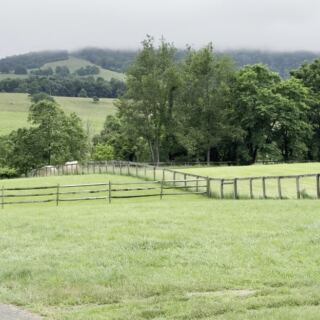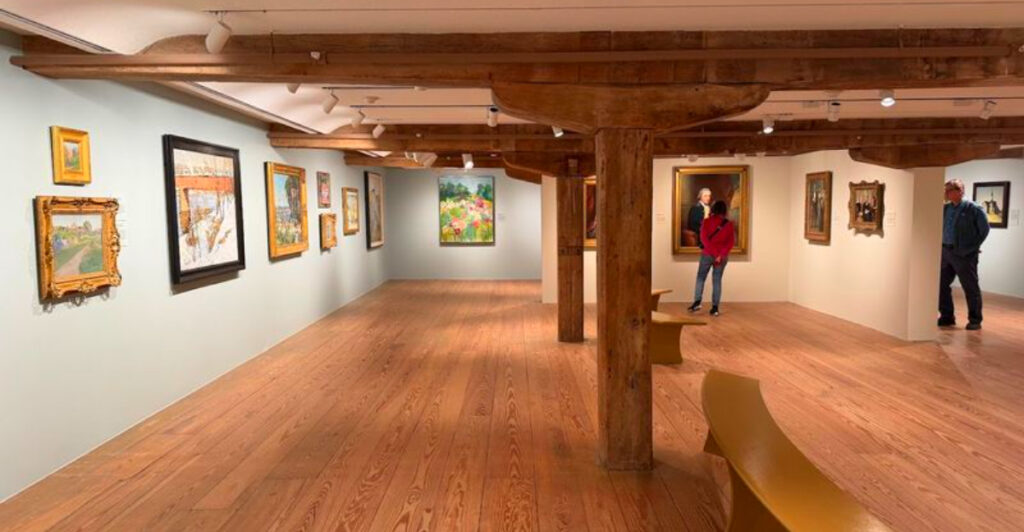
There is a place in southeastern Pennsylvania where a 19th-century gristmill sits beside a winding river, and inside its walls hang some of the most beloved American paintings ever made. Three generations of one family poured their creative lives into this valley, and the museum built to honor them has become one of the most quietly powerful art destinations in the country. The building itself is part of the story, a converted 1864 mill with floor-to-ceiling windows that frame the Brandywine River like a living painting. Art lovers, history fans, and curious day-trippers all find something here that stays with them long after they leave.
Whether you have heard of the Wyeth family your whole life or are just discovering them now, this place has a way of pulling you in and making you want to know more. Read on to find out exactly what makes this museum so special and why so many people keep coming back.
A Gristmill Turned Gallery: The Story Behind the Building
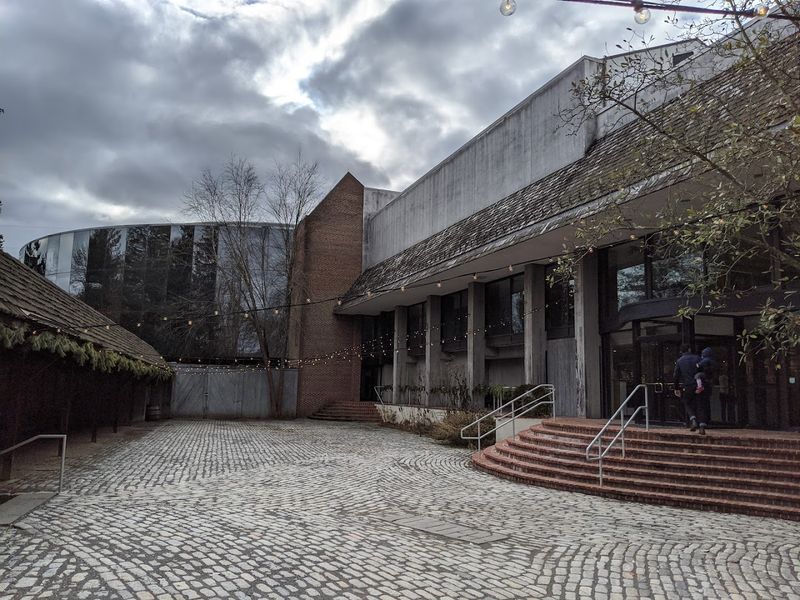
Not many art museums can trace their walls back to the Civil War era, but this one can. The Brandywine Museum of Art is housed in a renovated 1864 gristmill at 1 Hoffmans Mill Rd, Chadds Ford, PA 19317, right along U.S. Route 1 in Chester County, Pennsylvania.
The original stone mill structure was carefully preserved and expanded over the decades, keeping its rustic character while making room for world-class galleries. Cylindrical glass towers were added to the building, giving it a look that feels both historic and modern at the same time.
The museum first opened its doors in 1971 under the name Brandywine River Museum, and it operates as part of the Brandywine Conservancy and Museum of Art. That organization is dedicated to protecting the natural and cultural landscape of the region. The building itself earns admiration before you even see a single painting inside.
Three Generations of Genius: The Wyeth Family Legacy
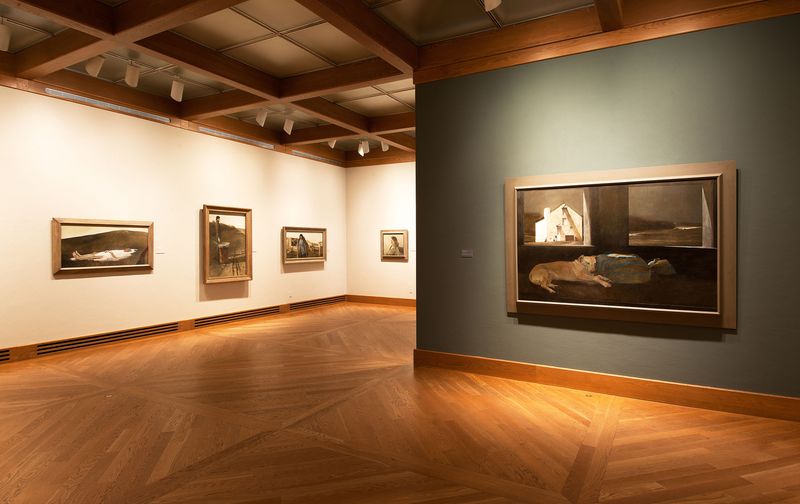
Few artistic families in American history have left a mark as deep as the Wyeths. N.C. Wyeth was the patriarch, a celebrated illustrator whose vivid, dramatic paintings brought classic books like Treasure Island and Robin Hood to life for millions of readers in the early 20th century.
His son Andrew Wyeth became one of the most recognized American realist painters of the 20th century, known for quiet, emotionally rich scenes of rural Pennsylvania and Maine. Andrew’s son Jamie Wyeth carried the tradition forward as a contemporary realist, painting everything from portraits to animals with striking detail and personality.
The museum holds a deep collection from all three, and spending time with their work in one building makes the artistic conversation between them feel almost tangible. You can see how each generation absorbed and then reshaped what came before, which is a rare and genuinely moving experience to witness.
What the River Sees: Views That Rival the Art
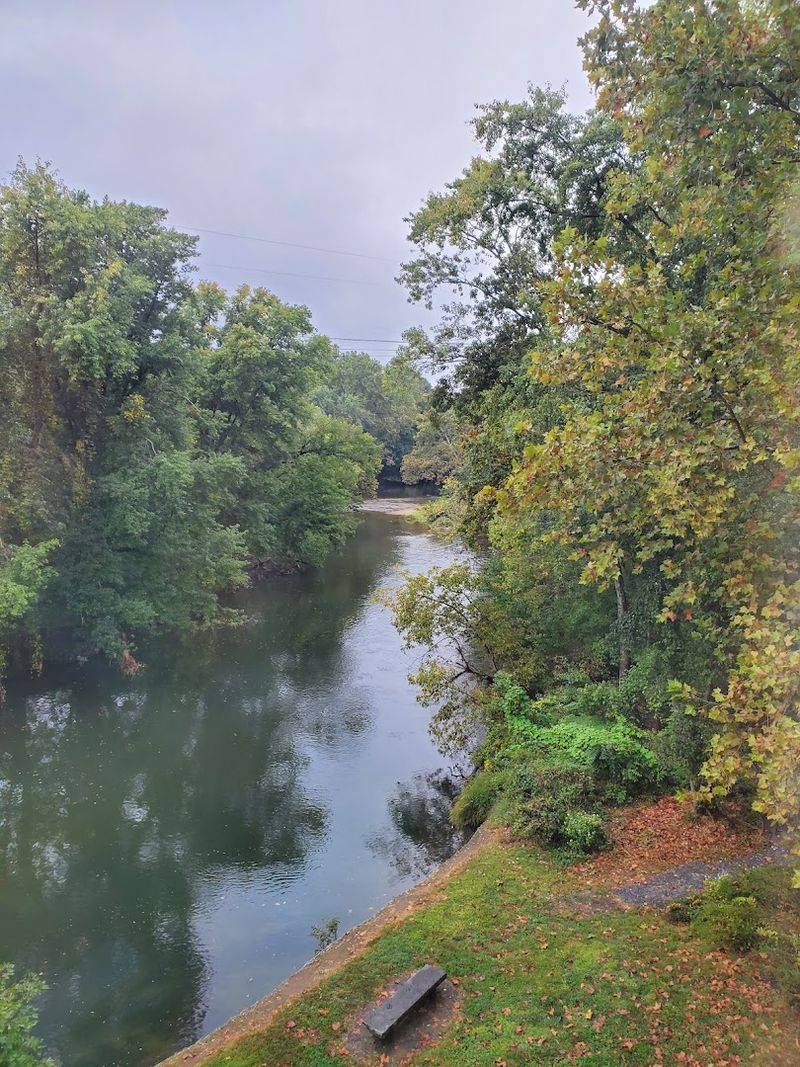
The third floor of this museum holds a surprise that has nothing to do with paint or canvas. Floor-to-ceiling windows on the upper level open up to a sweeping view of the Brandywine River and the forested valley beyond, and on a clear day, it genuinely stops people mid-step.
The museum was designed with this connection to nature in mind. Art and landscape are treated as partners here, not separate experiences, which makes sense given that so many of the paintings inside were inspired by the very scenery visible through those windows.
The river below moves quietly past the stone foundation of the old mill, and the tree line changes with every season, offering a different kind of beauty depending on when you visit. Many people report that they stood at those windows longer than they expected. The view earns its own kind of appreciation, and it sets the tone for everything else you see inside.
N.C. Wyeth’s House and Studio: A Rare Look Behind the Canvas
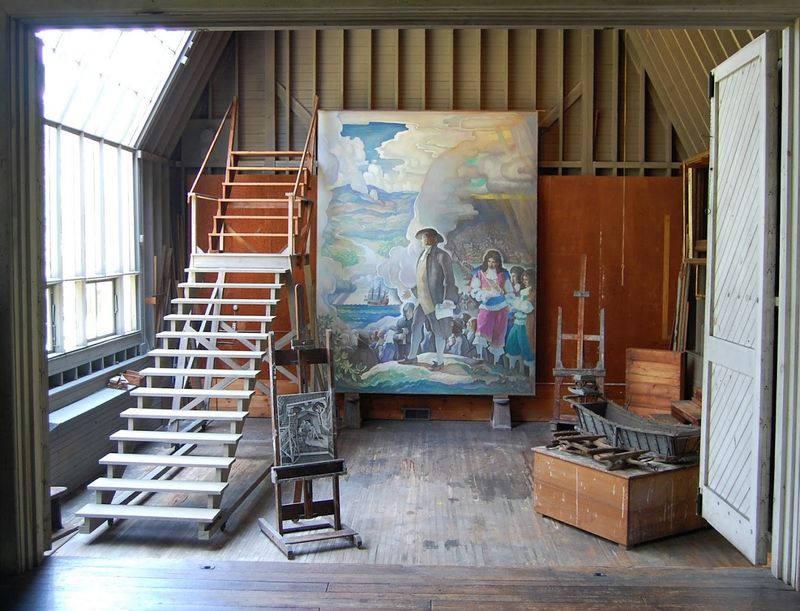
One of the most memorable parts of a visit here does not happen inside the museum building at all. Guided tours take visitors to N.C. Wyeth’s House and Studio, which sits just a short distance away and has been preserved to reflect how it looked when the artist was actively working there.
The studio is a large, dramatic space with a north-facing skylight that floods the room with the kind of soft, even light that painters prize. Costumes, props, and reference objects that N.C. used for his illustrations are still present, and the scale of the room helps explain the monumental quality of his paintings.
The house itself gives a sense of the family life that shaped Andrew and the next generation. Docents share stories about N.C.’s personality, his working methods, and his relationships with his children that you simply cannot get from reading a museum label. Tours must be booked in advance and are genuinely worth the extra planning.
Andrew Wyeth’s Studio and Kuerner Farm: Where the Paintings Were Born
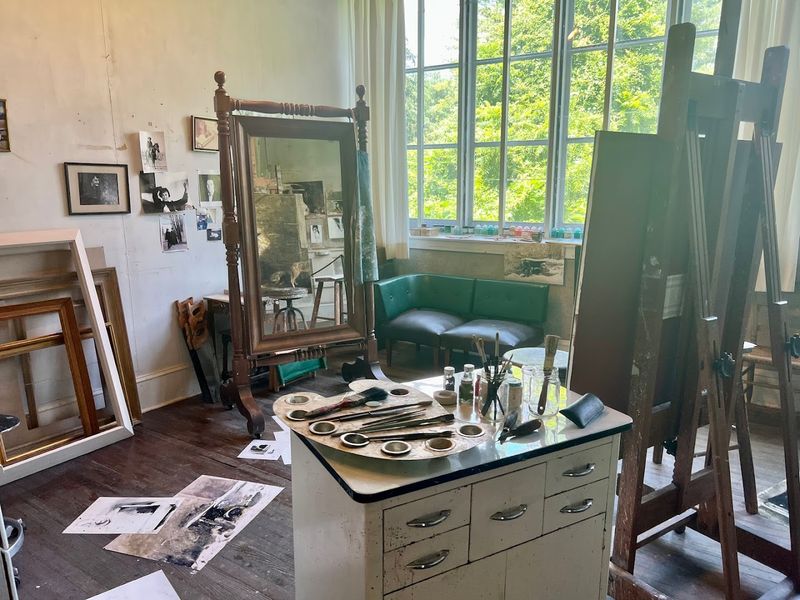
Andrew Wyeth spent decades painting the same landscapes and the same farm, and seeing those places in person changes how you understand his work. The museum offers guided tours of Andrew Wyeth’s Studio and nearby Kuerner Farm, both of which appear repeatedly throughout his most famous paintings.
Kuerner Farm was owned by a neighboring family and became a central subject in Andrew’s art for over 70 years. The rolling fields, stone buildings, and quiet atmosphere of the property carry a weight that photographs cannot fully capture. Standing there, you start to understand why he returned again and again.
Andrew’s studio is equally compelling, a spare, working space that reflects his focused and disciplined approach to painting. The museum’s guided tours of these properties are led by knowledgeable docents who bring personal details and historical context that make the experience feel far more intimate than a typical museum tour. Plan ahead, because these tours fill up quickly.
The Heritage Collection: American Art Beyond the Wyeths
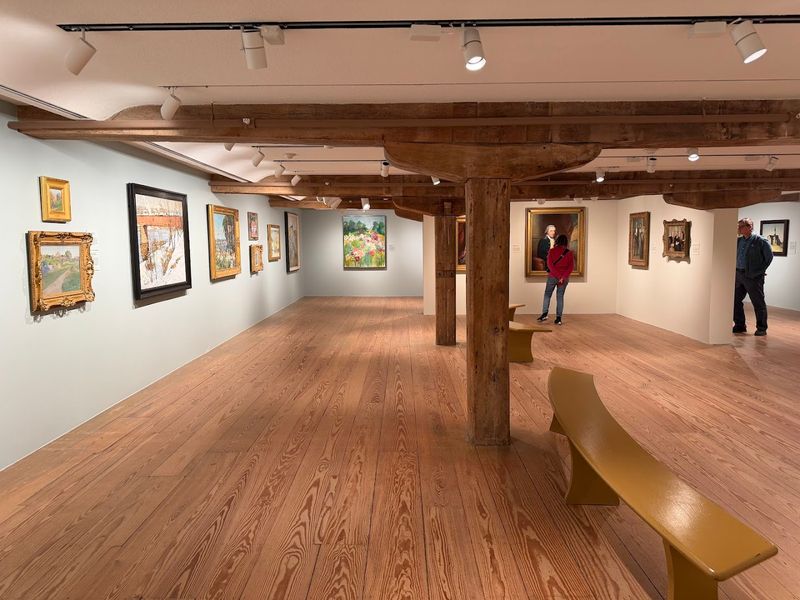
The Wyeth family is the headline act, but the supporting cast here is genuinely impressive. The museum’s Heritage Collection spans a wide range of American art, with a particular focus on the Brandywine Valley and the artists who were drawn to its landscapes and light.
Howard Pyle, widely considered the father of American illustration, is represented here with work that helped define the visual language of adventure stories and historical scenes for generations of readers and artists. Jasper Francis Cropsey and Harvey Dunn are among the other notable names whose paintings fill out the collection.
Nineteenth and 20th-century landscape paintings, portraits, and still life works sit alongside examples of American illustration that remind you how seriously that art form was once taken. The curation feels thoughtful and generous, giving each piece room to breathe. Visitors who come only for the Wyeths often leave talking about something else they discovered in these galleries.
Wildflower Gardens and River Trails: Art Meets the Outdoors
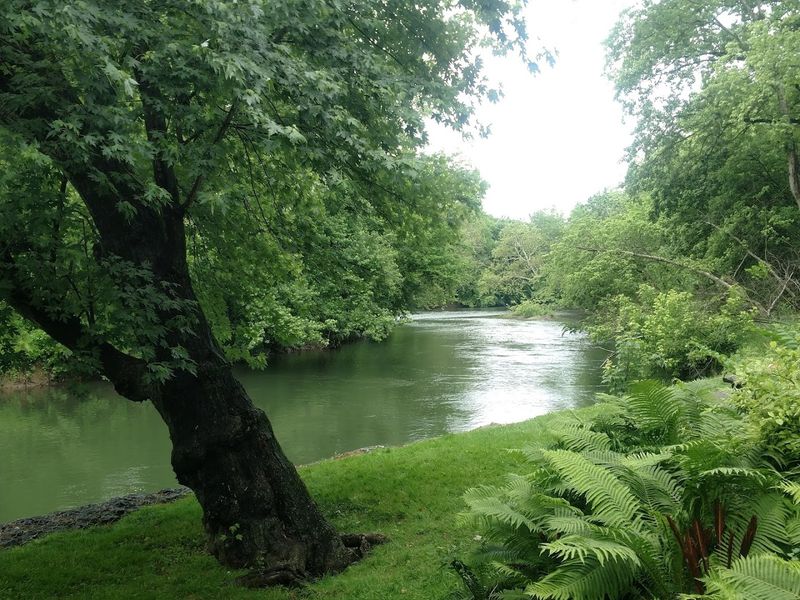
The experience here extends well past the gallery walls. Since 1974, the museum has maintained wildflower and native plant gardens on its grounds, and they have grown into one of the most peaceful outdoor spaces in the region.
A walking trail winds through the gardens and along the bank of the Brandywine River, offering a chance to slow down and take in the same natural world that inspired so many of the paintings inside. The path is easy to walk and accessible to most visitors, making it a natural extension of the museum experience rather than a detour from it.
The gardens are planted with species native to the Brandywine Valley, which means they support local wildlife and change beautifully through the seasons. Spring brings wildflowers in waves of color, summer fills the paths with green, and autumn turns the whole landscape golden. The outdoor space ties the museum’s mission of connecting art and nature into something you can actually walk through.
The Millstone Cafe: Good Food With a Great View
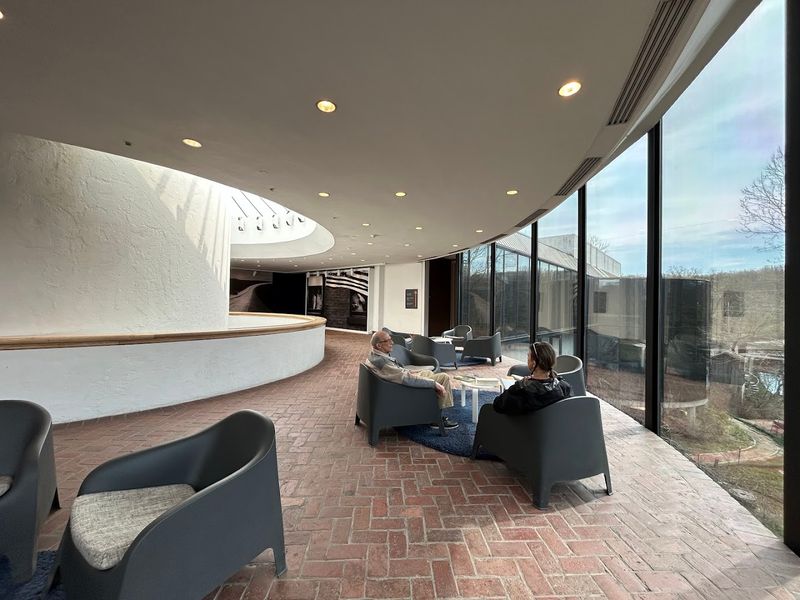
A museum visit that includes a good meal is always a better one, and the Millstone Cafe earns its reputation without any help from the art on the walls. The cafe sits on the first level of the museum and looks out over the river and surrounding woods through generous windows that make every table feel like a scenic seat.
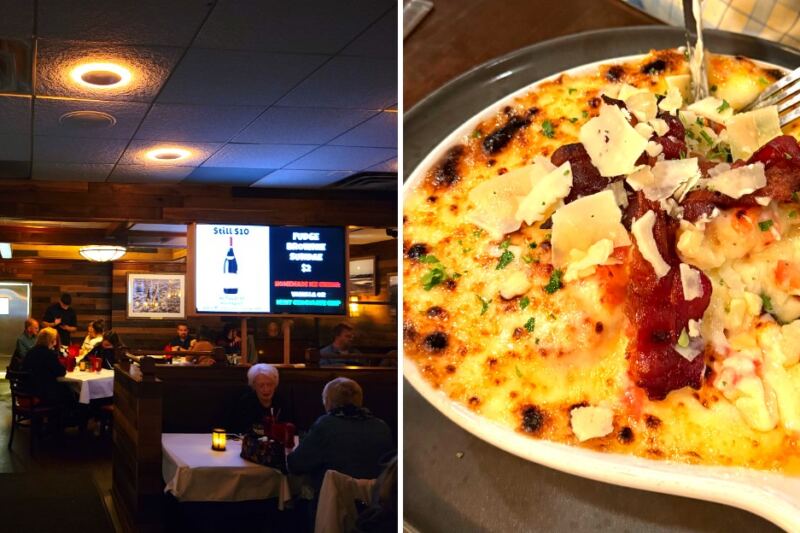
The menu leans toward fresh, well-made dishes that feel appropriate for a relaxed midday break. The crab cake sandwich has developed a loyal following among regular visitors, and the fig and pear grilled cheese is the kind of creative combination that makes you glad you did not just grab a vending machine snack.
Group tours can pre-order meals, which the staff arranges with care and efficiency. The cafe staff are consistently described as warm and attentive, adding to the overall sense that this museum takes hospitality as seriously as it takes art. It is a genuinely pleasant place to pause.
Holiday Magic: The Famous Christmas Train Display
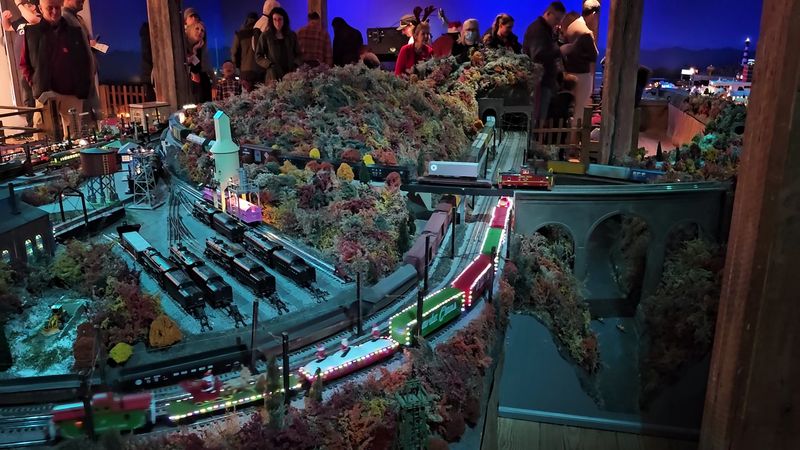
Every year around the holidays, the museum transforms one of its rooms into something that has become a tradition for families across the region. The Christmas train display is a sprawling, intricately detailed model railroad setup that fills the space with motion, light, sound, and the kind of craftsmanship that takes your breath away when you first walk in.
Children and adults react the same way, with wide eyes and the urge to lean in closer to catch every tiny detail. Miniature landscapes, working signals, and carefully placed figures create a world within a world that rewards slow, careful looking.
The holiday season also brings decorated Christmas trees adorned with handmade ornaments crafted from natural materials found outdoors, which adds a creative, nature-connected twist to the festive atmosphere. The museum’s holiday programming is one of the most popular times to visit, and tickets can sell out. If you plan to go during December, booking early is strongly advised.
Free First Sundays and Family Programs: Art for Everyone
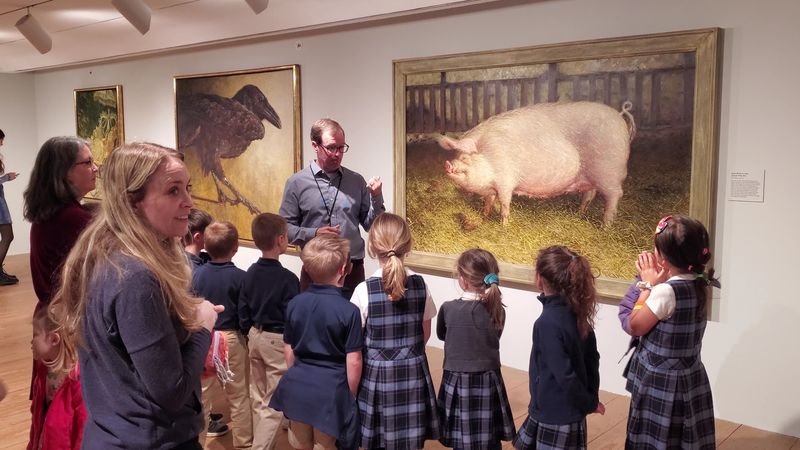
Art museums can feel intimidating to first-time visitors, especially families with young children, but this one works hard to make sure everyone feels welcome. The museum offers a pay-what-you-like pricing model on the first Sunday of each month, lowering the barrier for families and individuals who want to explore without a fixed admission cost.
Family art programs are scheduled regularly, giving younger visitors hands-on creative experiences that connect to the collections on display. These programs are designed to be engaging rather than instructional in a stiff way, and children tend to respond with genuine enthusiasm.
The museum also offers docent-led tours that are available for groups of various sizes, and the guides are praised for making the stories behind the art accessible and entertaining for people of all ages and backgrounds. The overall atmosphere is welcoming rather than hushed and formal, which is one of the reasons so many visitors return year after year and bring new people with them.
The Gift Shop and What to Take Home
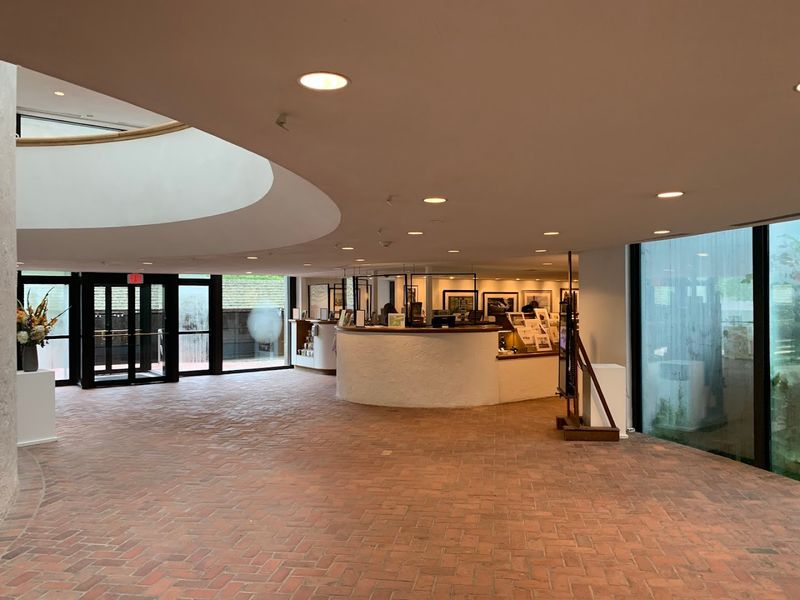
A well-stocked museum gift shop is one of life’s reliable pleasures, and this one delivers. The shop carries a thoughtful selection of art prints, books, and reproductions tied to the Wyeth collection and other works in the museum, making it easy to bring a piece of the experience home with you.
Handcrafted items and locally made goods sit alongside more traditional museum merchandise, and the pricing is generally fair. One detail that has earned genuine affection from visitors is the selection of small enamel pins, including animal-themed designs, available at prices that feel almost too reasonable for the quality.
The staff in the shop are described as helpful and knowledgeable, often pointing visitors toward items they might not have noticed on their own. Whether you are shopping for yourself or looking for a gift for someone who loves American art and Pennsylvania history, the shop gives you options that feel personal rather than generic. It is worth saving a few minutes for before you leave.
Planning Your Visit: Hours, Tips, and What to Know Before You Go
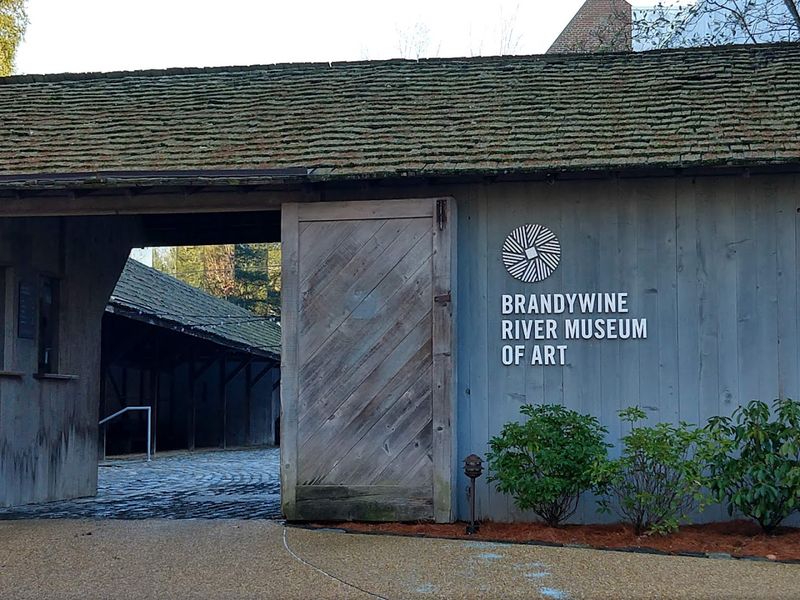
The museum is open Thursday through Monday from 9:30 AM to 4:30 PM and is closed on Tuesdays and Wednesdays. Admission pricing varies, and military discounts are available at the front desk, where staff are known for being helpful and genuinely informative about how to make the most of your time there.
Free parking is available on site, which is a small but appreciated detail for a destination that draws visitors from across the region. The museum is also conveniently located near other popular attractions, including Longwood Gardens and the Battle of Brandywine Visitor Center, making it easy to build a full day around the area.
For studio tours, advance booking is essential since spots fill quickly, especially on weekends. You can reach the museum at +1 610-388-2700 or visit brandywine.org/museum for current schedules and ticket information. A visit here rewards those who plan ahead and take their time once they arrive.
Share this story