Indiana does not always get credit for its natural wonders, but tucked away in Owen County, there is a place that stops people mid-scroll when they see photos of it. A wide, powerful cascade rolls over ancient limestone ledges, and it holds the title of the largest waterfall in Indiana by volume of water.
The recreation area surrounding it offers far more than just a quick photo stop. There is a historic covered bridge, a network of easy trails, two separate falls to explore, and enough open space to make an afternoon feel genuinely unhurried.
Whether you are a longtime Hoosier or just passing through on a road trip, this spot deserves a real look. Keep reading to find out everything worth knowing before your visit, from the best time to go to the small details that make this place stand out from every other state park in the region.
The Record-Breaking Waterfall That Defines the Park
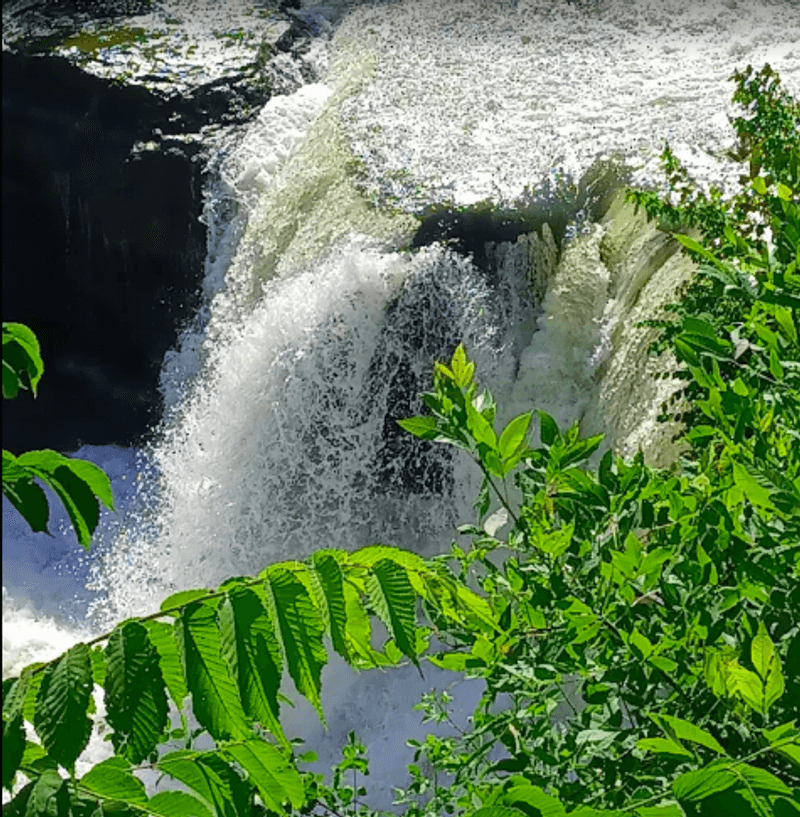
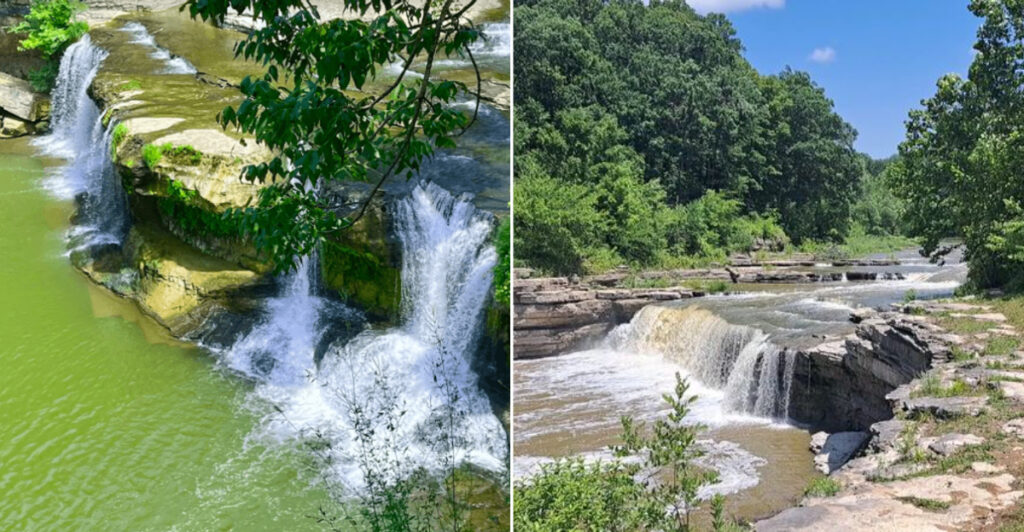
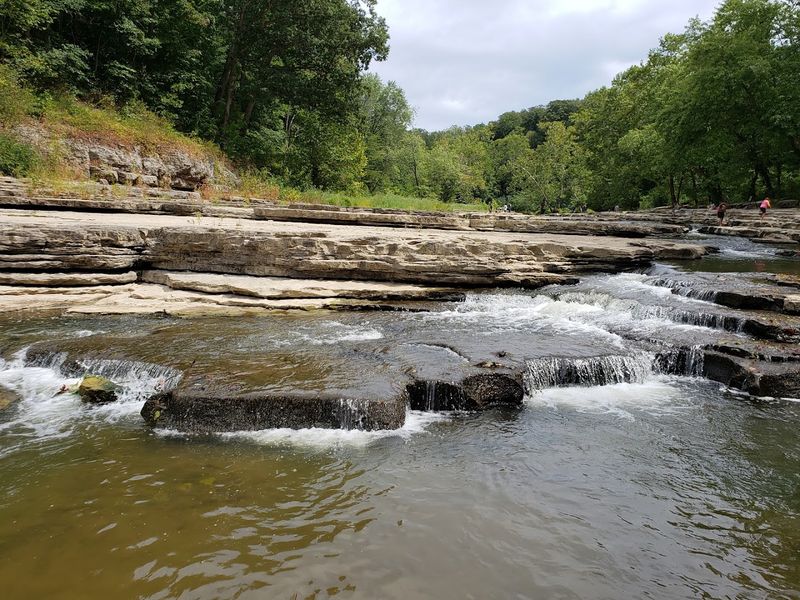
Cataract Falls holds the distinction of being the largest waterfall in Indiana when measured by the volume of water flowing over it. The falls are formed by Mill Creek, which drops over a series of natural limestone ledges in two separate stages known as the upper falls and the lower falls.
The upper falls is the more dramatic of the two, with water spreading wide across the rock face and creating a broad curtain effect that is especially striking after periods of heavy rain. The sheer width of the flow is what earns it the volume record, rather than an exceptional vertical drop.
After a good rainfall, the power of the water increases noticeably, and the roar of the cascade carries well beyond the viewing areas. Even during drier stretches, the falls remain active and worth seeing.
This is not a seasonal trickle but a consistently flowing natural feature that delivers a reliable show year-round.
Upper Falls Versus Lower Falls: What to Expect at Each
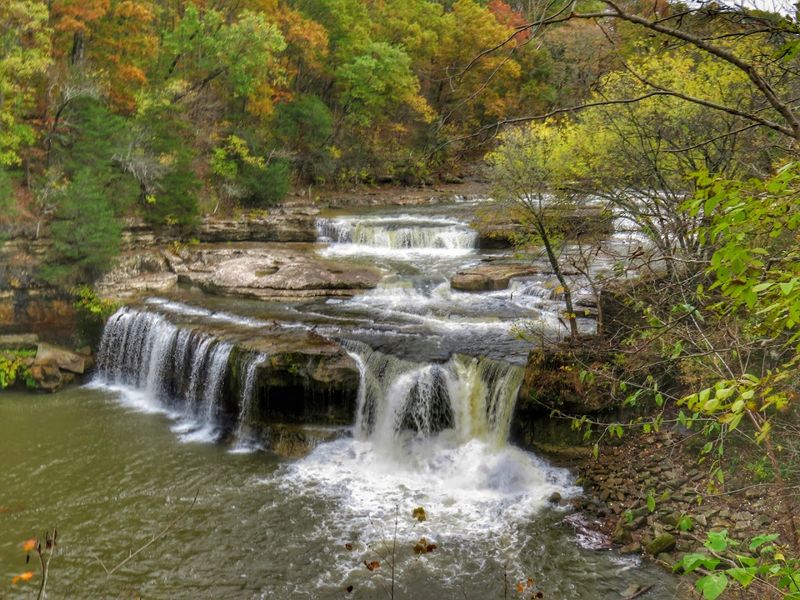
The two sections of Cataract Falls each offer a different kind of experience, and most people who visit agree that both are worth seeing rather than choosing just one. The upper falls is the showstopper, with its wide horizontal spread across the limestone shelf creating a broad, rushing flow that photographs exceptionally well from the viewing areas.
The lower falls is quieter and more compact, but it has its own appeal. The setting around the lower section includes restroom facilities, picnic tables, and a playground, which makes it a natural gathering point for families.
The trail that connects the two falls is well-maintained, shaded, and short enough that even younger children handle it without any trouble.
Boardwalks at key points along the route make it easy to get a clear view of the water without scrambling down rocky banks. The whole loop from upper to lower and back takes most people well under an hour to complete comfortably.
The Historic Covered Bridge That Adds a Storybook Touch
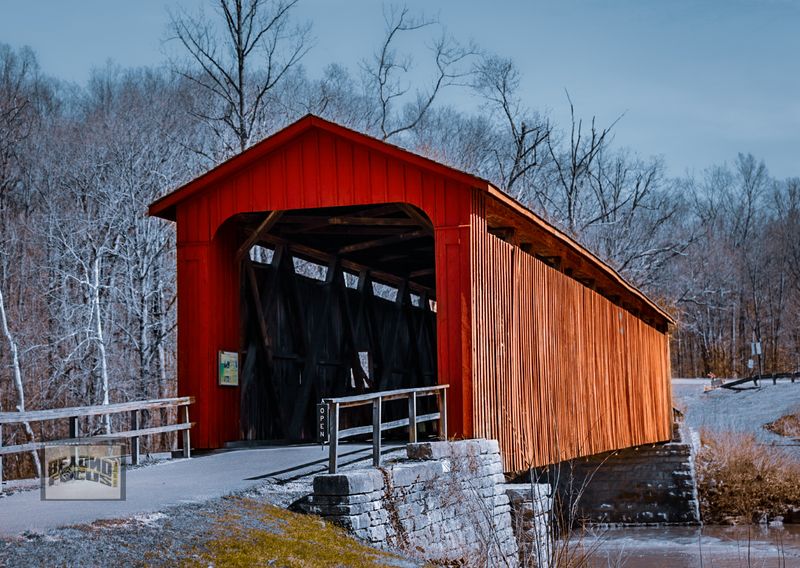
A short distance from the falls stands one of Owen County’s historic covered bridges, and it adds a layer of character to the visit that goes beyond the waterfall itself. Covered bridges of this type were once common across Indiana, built with wooden roofs to protect the structural timbers from weathering and extend the life of the crossing.
The bridge near Cataract Falls has become one of the more photographed structures in the county, and it draws visitors who are specifically interested in Indiana’s covered bridge heritage. Owen County is actually known for having a notable collection of these bridges, and this one fits naturally into the landscape surrounding the recreation area.
Walking across the bridge gives a direct connection to the history of rural Indiana, when structures like this were the lifelines of farming communities. It is a detail that elevates the overall visit and gives the park a sense of place that goes deeper than a typical state recreation area.
Trails That Work for Every Fitness Level
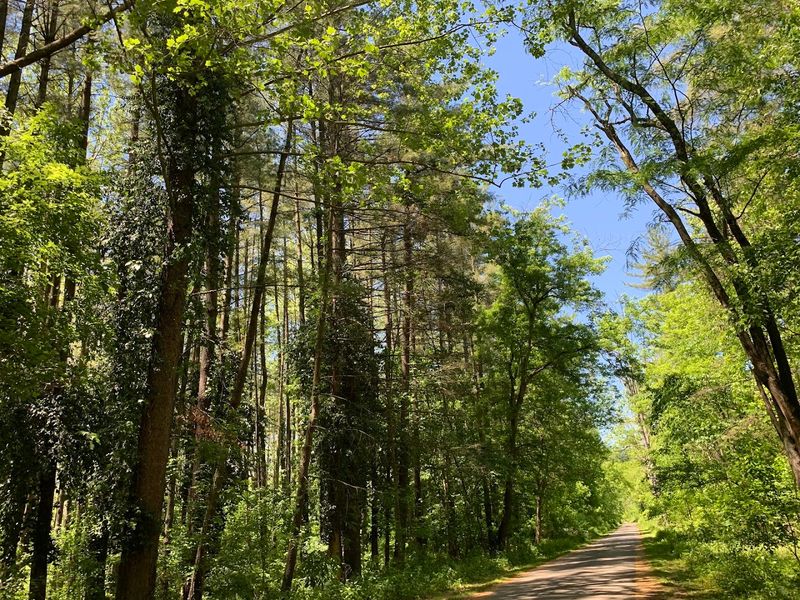
One of the most consistent things people say about Cataract Falls is how accessible the trails are. The path connecting the upper and lower falls is relatively flat, well-worn, and shaded by a canopy of mature trees that keeps the walk comfortable during warmer months.
It is not a strenuous hike, and that is genuinely part of its appeal.
Families with strollers, older adults, and people who are not regular hikers all navigate the trails without difficulty. The boardwalk sections provide stable footing near the water’s edge, and the overall trail network is short enough that visitors can cover the main highlights without committing to a half-day outdoor excursion.
For those who want more time on the trail, there are additional paths that extend into the surrounding landscape and offer a quieter, more wooded experience away from the falls. The combination of easy access and natural beauty makes this one of the more welcoming state recreation areas in the region for casual outdoor enthusiasts.
Picnic Areas That Make Lingering Easy
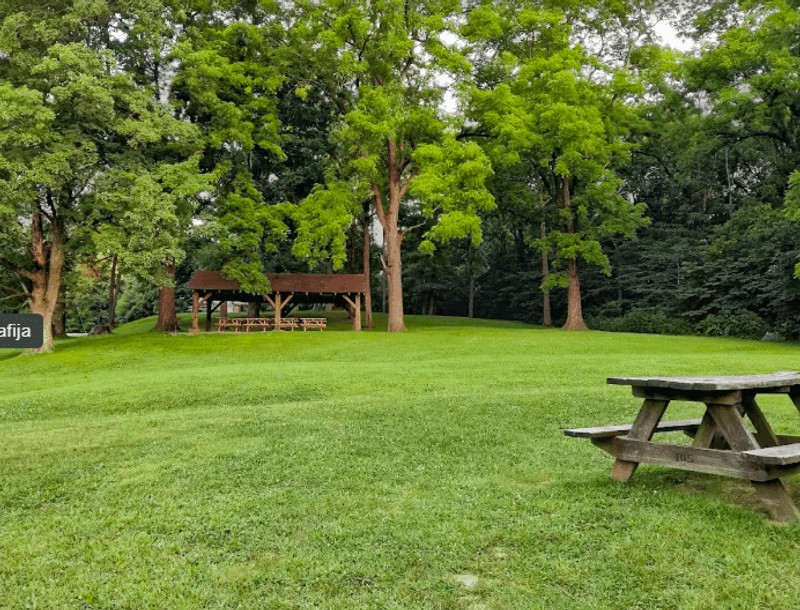
The recreation area is set up with picnicking in mind, and the lower falls area in particular has a cluster of picnic tables positioned within easy reach of both the water and the playground. The layout makes it a natural choice for families who want to combine a nature walk with a relaxed outdoor meal.
The tables are spread out enough that groups have their own space without feeling crowded, and the surrounding trees provide a reasonable amount of natural cover. It is the kind of spot where an afternoon can stretch out comfortably without any particular agenda beyond enjoying the setting.
Bringing your own food and spending a couple of hours at the tables after walking the trail is a popular approach, and the park’s hours allow plenty of time to do that without rushing. The combination of accessible trails, the falls, the covered bridge, and a proper picnic area makes Cataract Falls a complete half-day outing rather than just a brief roadside stop.
Wildlife Along the Creek and Forest Edge
The habitat around Cataract Falls supports a range of wildlife, and the transition between the creek, the forest floor, and the open meadow areas creates conditions where different species can be spotted throughout a single visit. The shaded trail between the falls is a particularly good corridor for wildlife movement.
White-tailed deer are common in the surrounding woodland, and bird activity is consistent along the creek, especially in the early morning hours when the park first opens. The mix of moving water, tree cover, and low foot traffic in certain sections of the trail makes the area a reasonable spot for casual wildlife observation.
Bringing a pair of binoculars adds value to the visit if wildlife is a priority, though the trails are short enough that even without them, there are regular opportunities to spot something unexpected. The park does not bill itself as a dedicated wildlife destination, but the natural setting delivers encounters that add texture to what might otherwise be a straightforward waterfall visit.
What the Park Looks Like in Each Season
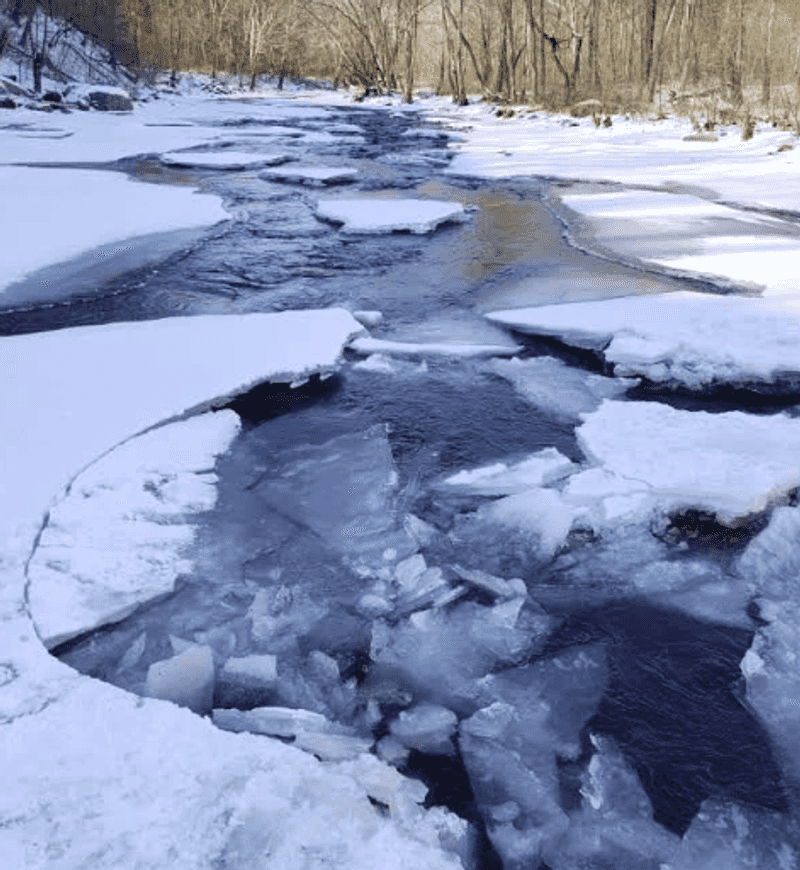
Cataract Falls has a different personality depending on the time of year, and each season brings a legitimate reason to visit. Spring tends to produce the highest water volume as snowmelt and seasonal rain push Mill Creek to its fullest, making the falls particularly active and wide during those months.
Autumn turns the surrounding forest into a display of orange, red, and gold foliage that frames the falls and the covered bridge with striking color. Winter visits are possible and have their own quiet appeal, with ice forming along the edges of the falls and snow covering the limestone ledges in a way that transforms the familiar landscape into something almost unrecognizable.
Summer brings the most foot traffic but also the most comfortable trail conditions, with the tree canopy providing shade along the path between the falls. The park’s year-round hours mean there is no wrong time to visit, and returning across multiple seasons reveals how much variety exists within a single location.
How to Make the Most of Your Visit
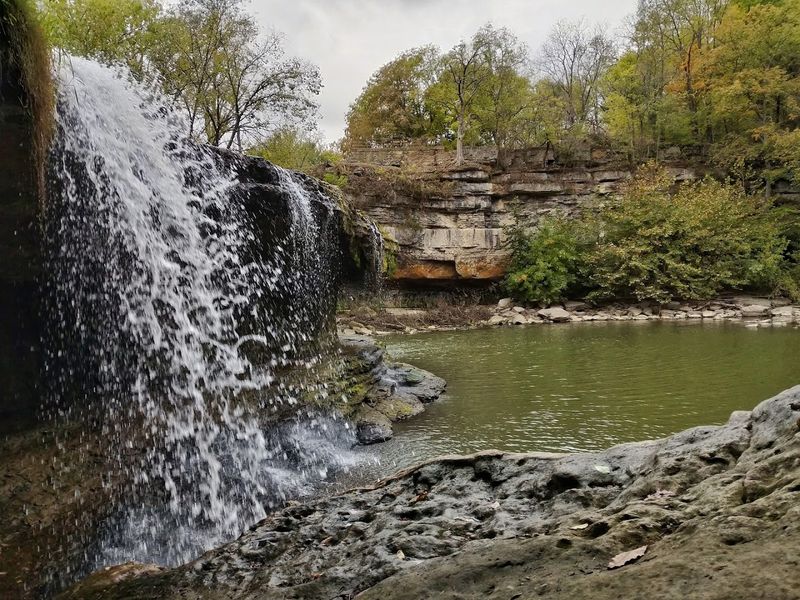
Getting the most out of a trip to Cataract Falls comes down to a few practical choices that make a real difference in the experience. Visiting after a period of rain is the single best way to see the falls at their most impressive, since the volume of water flowing over the limestone increases dramatically following wet weather.
Arriving earlier in the day gives you the falls and the trail with fewer other people around, which makes the walk more relaxed and the photography easier. The park opens at 6 AM, which means early risers have a genuine advantage during peak months when the area draws more visitors.
Wearing shoes with some grip is a practical precaution, particularly near the upper falls where the viewing areas can hold moisture and become slippery. Bringing water, sunscreen during summer, and a light layer for cooler months rounds out the preparation.
The park is free to enter, which removes the usual barrier that keeps people from making a spontaneous stop.
The Covered Bridge Trail Connection
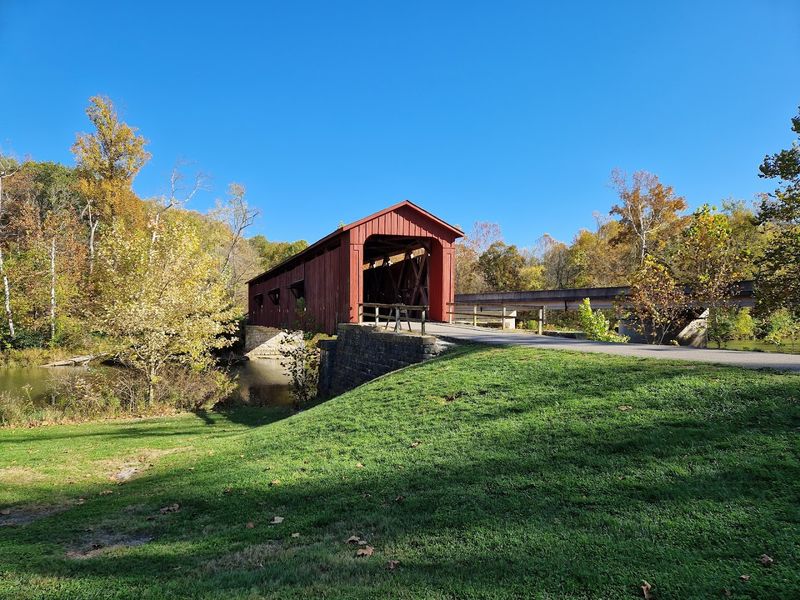
Owen County has a well-documented covered bridge heritage, and the bridge near Cataract Falls sits within a broader trail and driving tour that connects several of these historic structures across the county. For visitors who have an interest in rural Indiana history, the park serves as a natural starting point for a longer exploration of the area.
The county maintains information about covered bridge tours, and combining a visit to Cataract Falls with stops at other bridges in Owen County turns a single-destination trip into a fuller regional outing. The distances between bridges are manageable by car, and the rural roads that connect them pass through some of the most attractive countryside in west-central Indiana.
Even for visitors with no particular interest in bridges as a category, the one near the falls is worth a walk-through on its own terms. The wooden construction, the filtered light coming through the gaps in the siding, and the way it frames the creek below make it a photogenic stop that adds genuine value to the overall visit.
Dog-Friendly Policies That Welcome Four-Legged Visitors
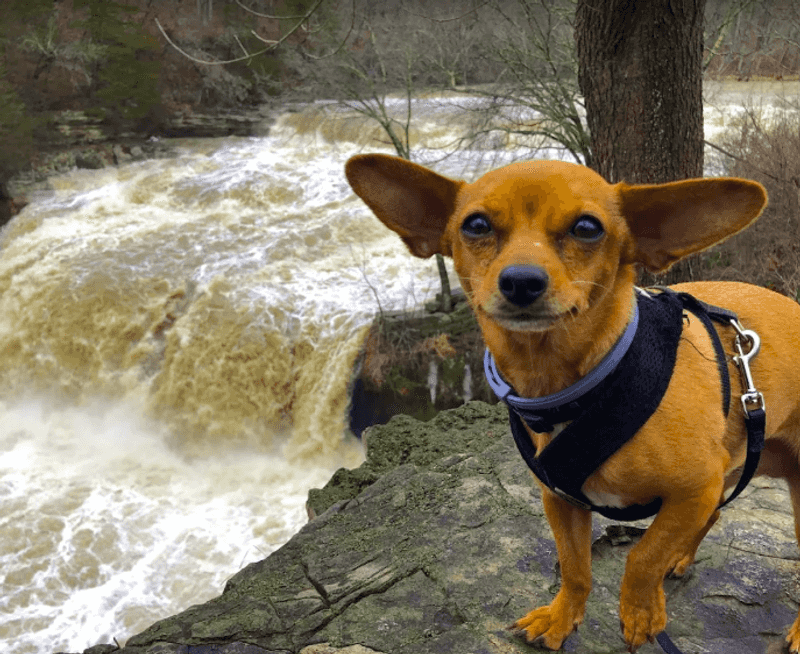
Cataract Falls State Recreation Area is dog-friendly, and the trails are open to leashed pets throughout the park. This makes it a practical destination for pet owners who want to include their dogs in a day trip without having to leave them behind or find alternative arrangements.
The trail between the upper and lower falls is easy enough that most dogs handle it without any trouble, and the presence of the creek provides natural opportunities for dogs to cool down during warmer months. Keeping dogs on a leash is a firm requirement, both for the safety of other visitors and to protect the wildlife that uses the same corridor.
Bringing water for your dog is a good habit on any trail visit, even on short routes like this one. The park’s relaxed, open atmosphere makes it a comfortable outing for dogs that are accustomed to being around other people and animals.
It is a small but meaningful detail that broadens the appeal of the park beyond just human visitors.
Photography Opportunities Throughout the Park
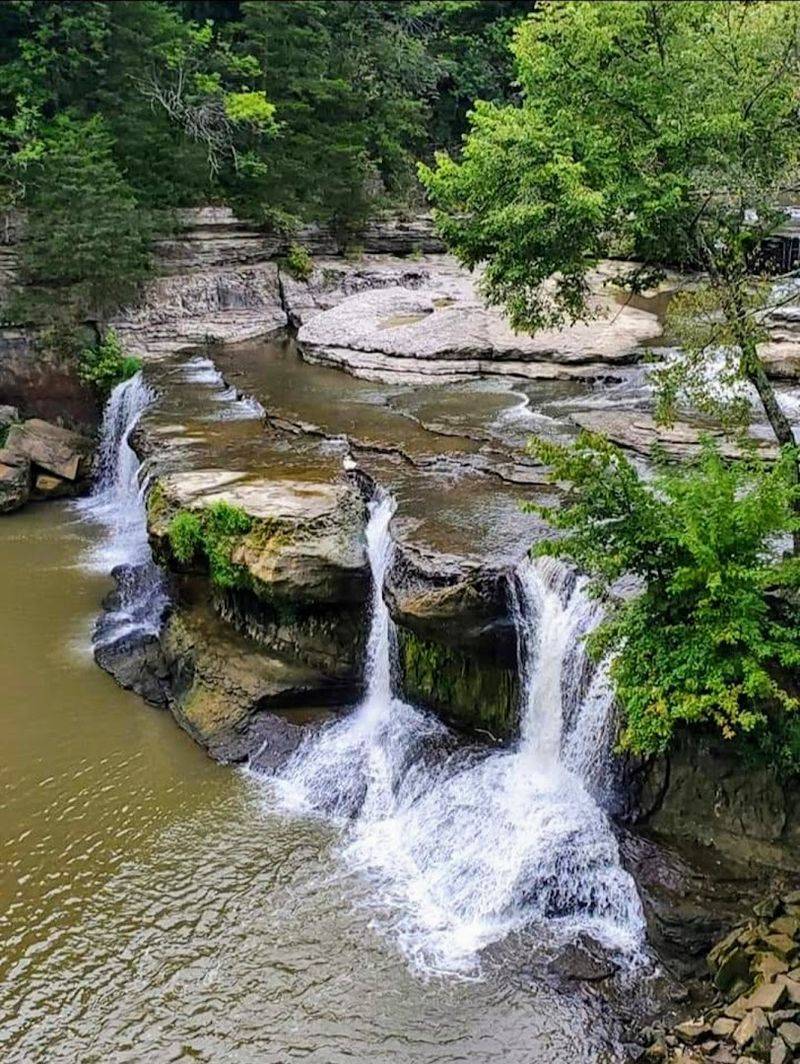
Cataract Falls is consistently cited as one of the better photography locations in Indiana, and the reasons are straightforward. The wide horizontal spread of the upper falls creates a composition that works well in both landscape and portrait orientations, and the limestone ledges add texture and foreground interest to the frame.
The covered bridge is a separate subject entirely, with its wooden structure and filtered interior light offering a completely different kind of shot from the open waterfall scenes. Autumn provides the most visually layered conditions, when the foliage color, the moving water, and the bridge combine into a single frame that represents the full character of the park.
Early morning light is softer and more flattering than midday sun, and the lower foot traffic at that hour means fewer people moving through the frame. Overcast days are actually well-suited for waterfall photography, since the diffused light reduces harsh shadows and lets the texture of the water show through more clearly in the final image.
Why This Place Keeps Drawing People Back
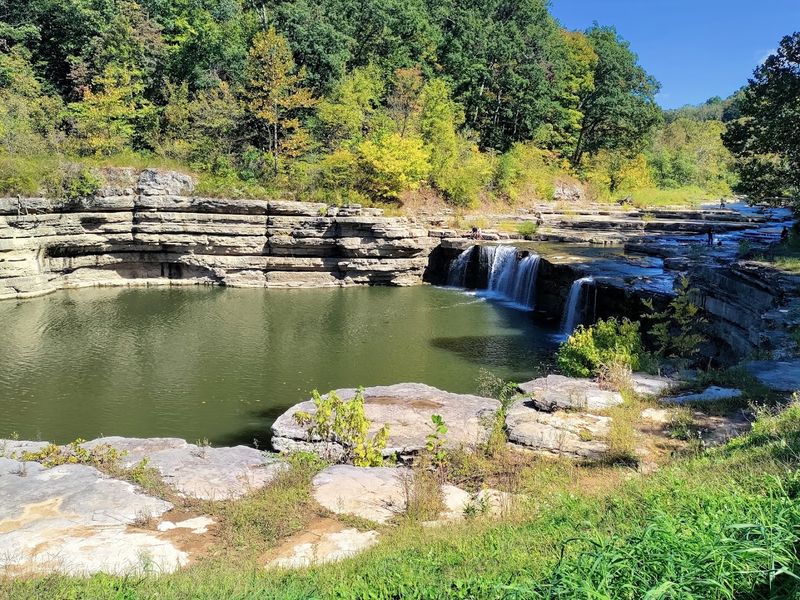
There is something about Cataract Falls that makes repeat visits feel natural rather than redundant. The falls change with the seasons and with the rainfall, so no two trips look exactly the same.
A visit in early spring after snowmelt looks nothing like a late summer afternoon when the creek runs lower and the light comes through the canopy at a different angle.
The combination of features available in one compact area is also a factor. The two falls, the covered bridge, the fishing, the picnic space, and the easy trails all sit within a short distance of each other, which means the park delivers a full experience without requiring a full day of effort.
Located just 30 miles west of Indianapolis, Cataract Falls is close enough to the city to work as a weekday escape, not just a weekend destination. For a state that sometimes gets overlooked on national lists of natural attractions, this recreation area makes a convincing argument that Indiana has more to offer than most people realize.
Where Exactly You Will Find This Place
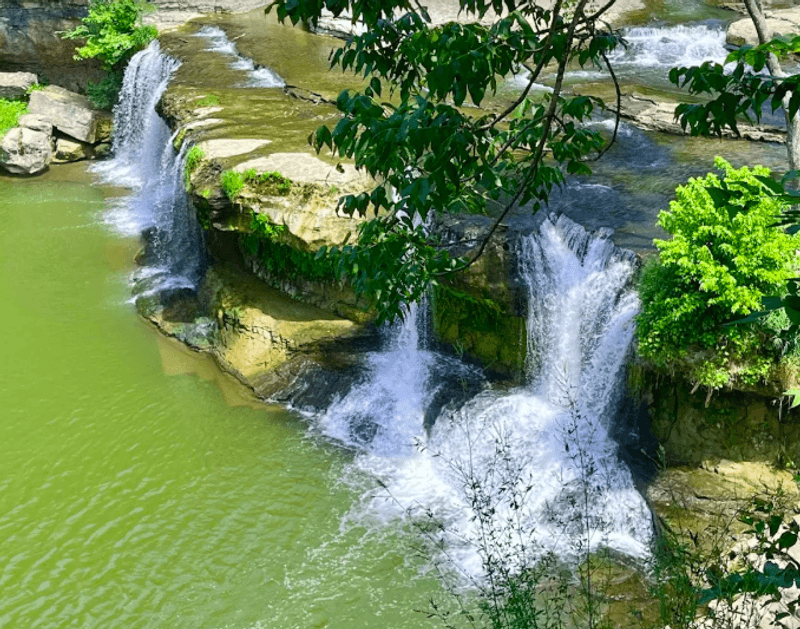
Cataract Falls State Recreation Area sits at 2605 N Cataract Rd, Spencer, IN 47460, in Owen County in west-central Indiana. The drive out to the park takes visitors along winding rural roads that cut through farmland and forest, and the change in scenery happens gradually as the terrain shifts toward the Mill Creek valley.
Spencer is the nearest town, and the park is roughly 30 miles west of Indianapolis, making it a very manageable day trip from the city. The area is managed as part of the Indiana Department of Natural Resources, and it operates daily from 6 AM to 9 PM throughout the week.
There is an entrance gate where staff can answer questions and provide basic information about the layout of the park. Parking is available near both the upper and lower falls, which means you do not need to commit to a long walk just to reach the main attractions.
Share this story