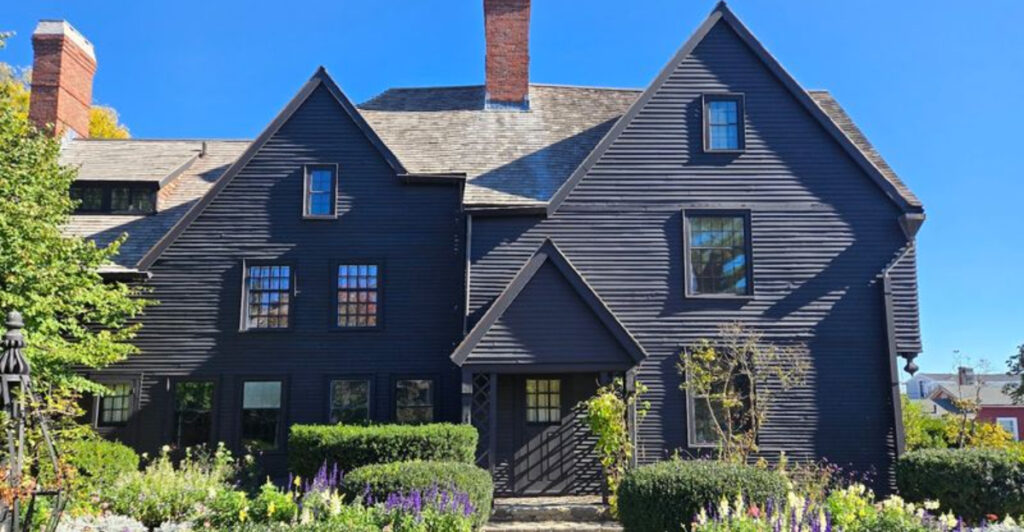
Salem, Massachusetts is famous for many things, but one of its most compelling stories has nothing to do with witch trials. Along the waterfront sits a 17th-century mansion so dramatic in its architecture and history that it captured the imagination of one of America’s greatest writers and became the setting for a celebrated Gothic novel.
Built in 1668, this timber-framed home with its distinctive peaked rooflines has stood through centuries of change, surviving fires, renovations, and the passage of time with remarkable grace. The connection between the real house and Nathaniel Hawthorne’s 1851 novel “The House of the Seven Gables” turns a history tour into a literary adventure that keeps curious readers and history enthusiasts coming back year after year.
The Turner Family and Three Generations of Ambition
The story of this mansion begins long before Hawthorne ever set foot in Salem. Captain John Turner built the original structure in 1668, and over the next several decades his descendants expanded and modified the home to reflect their growing wealth and ambitions.
By the time John Turner III inherited the property in the early 18th century, the house had accumulated several of its famous gables, each addition telling a chapter of the family’s rise and eventual fall. The Turners were prominent merchants tied to Salem’s profitable maritime trade, and the house reflected that status in every carved beam and imported furnishing.
When the family’s fortune declined, the house changed hands and eventually passed to the Ingersoll family. It was Susanna Ingersoll, a cousin of Nathaniel Hawthorne, who gave the young writer access to the home and its stories, planting the seeds of what would become his most architecturally inspired novel.
How Nathaniel Hawthorne Turned a Real House Into a Gothic Masterpiece
Nathaniel Hawthorne did not simply visit the house and take notes. His relationship with it was personal, layered, and complicated by his own family history in Salem, including his ancestor’s role as a judge during the witch trials of 1692.
Published in 1851, “The House of the Seven Gables” wove together themes of inherited guilt, family curses, and the weight of the past pressing down on the present. Hawthorne used the real mansion as a blueprint for his fictional Pyncheon house, borrowing its architecture, its atmosphere, and its sense of accumulated history to build a story that still resonates with readers today.
What makes the novel so enduring is that Hawthorne was not writing a straightforward ghost story. He was exploring how the sins of one generation can quietly shape the lives of those who come after, and the house itself, with its many additions and hidden spaces, became the perfect physical metaphor for that idea.
The Secret Staircase That Steals Every Tour
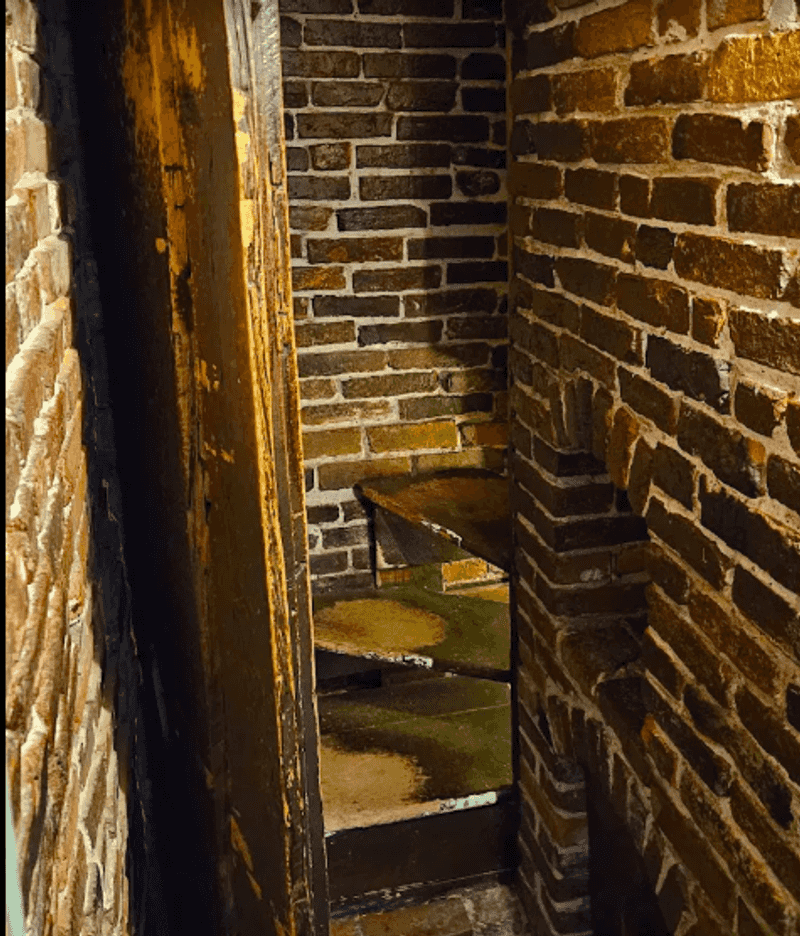
Of all the features that make the guided tour memorable, the secret staircase consistently earns the most enthusiasm from those who walk through it. Tucked behind a fireplace and barely wide enough for one person at a time, the hidden passage winds upward through the interior walls of the house to reach the attic.
The staircase was not built for dramatic effect. Historians believe it served a practical purpose, possibly allowing residents to move discreetly between floors during a time when the house was frequently modified and expanded.
Whatever its original function, it has become the undisputed highlight of the tour experience.
The low ceilings and uneven floorboards throughout the house add to the atmosphere, and the narrow staircase amplifies that feeling of being genuinely inside a piece of living history. The gift shop even sells t-shirts that read “I survived the secret staircase,” which tells you everything about how much this feature has captured the collective imagination of everyone who visits.
A Guided Tour Worth Every Minute
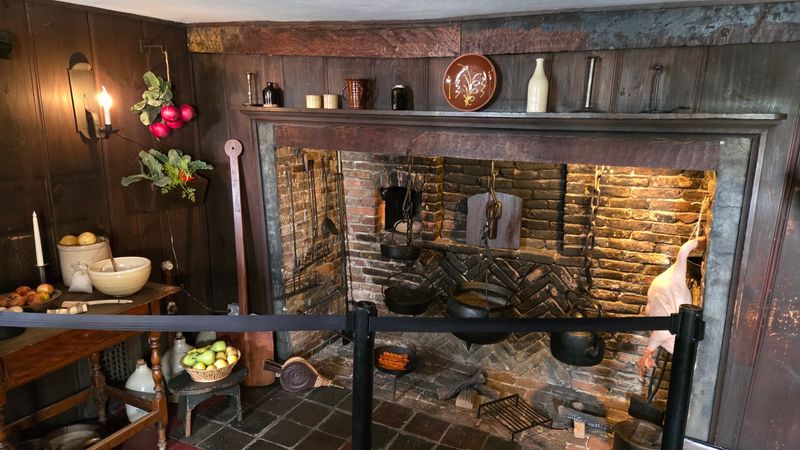
The guided tours at the House of the Seven Gables run throughout the day during operating hours, and they cover far more ground than most visitors expect. Each guide brings a distinct approach to the material, blending the real history of the Turner and Ingersoll families with the literary story Hawthorne built around them.
Tours move through the low-ceilinged rooms of the mansion, pausing at period-accurate furnishings and architectural details that help paint a picture of what daily life looked like in 17th and 18th century Salem. The guides field questions with genuine enthusiasm, and the information they provide on Hawthorne’s lineage and creative process adds a literary dimension that goes well beyond a standard house tour.
Booking tickets in advance is strongly recommended, especially during peak season in October when Salem becomes one of the most visited destinations on the East Coast. Parking is included with a tour ticket, and guests can arrive up to 20 minutes before their scheduled tour time.
The Hawthorne Birthplace: A Bonus You Did Not Expect
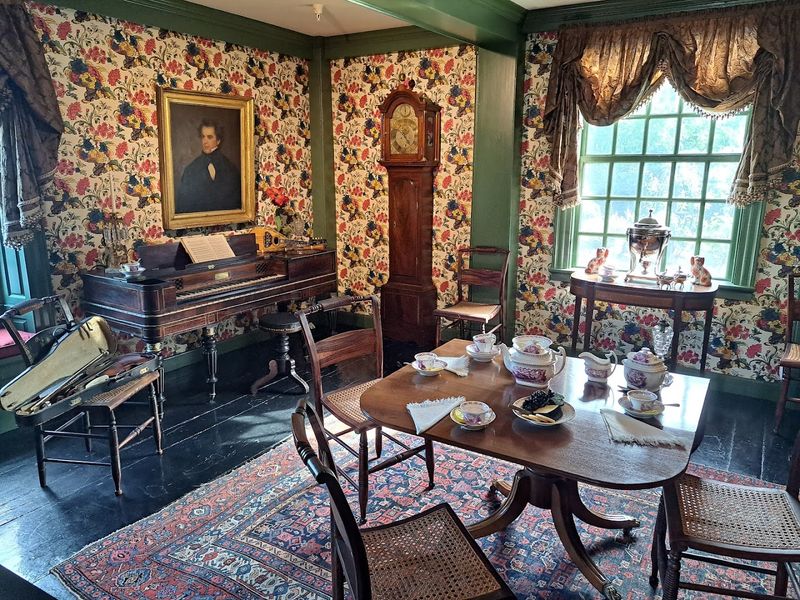
Most people come to the property for the main mansion, but the Nathaniel Hawthorne birthplace quietly earns its place as one of the most fascinating stops on the grounds. The modest wooden structure was moved to the property from its original Union Street location and meticulously restored to reflect the period when Hawthorne was born there in 1804.
The interior displays authentic period furniture and personal items connected to the Hawthorne family, giving the birthplace a more intimate feel than the grand mansion next door. It is a self-guided experience, which allows guests to move at their own pace through the small rooms and take in the details without the structure of a formal tour.
For anyone with a genuine interest in American literary history, standing in the room where one of the country’s most celebrated authors entered the world is a surprisingly moving experience. The birthplace rounds out the visit in a way that makes the entire property feel like a complete story rather than a single chapter.
Waterfront Gardens and Grounds Worth Lingering In
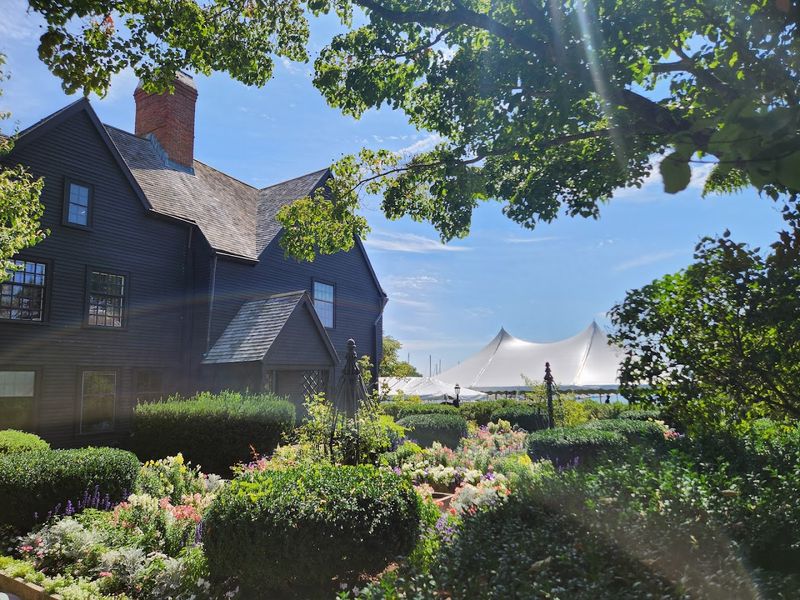
Even without a tour ticket, the grounds of the House of the Seven Gables are worth a visit on their own. A grounds-only ticket grants access to the waterfront gardens, the cobblestone paths, the gift shop, and several of the outlying buildings on the property.
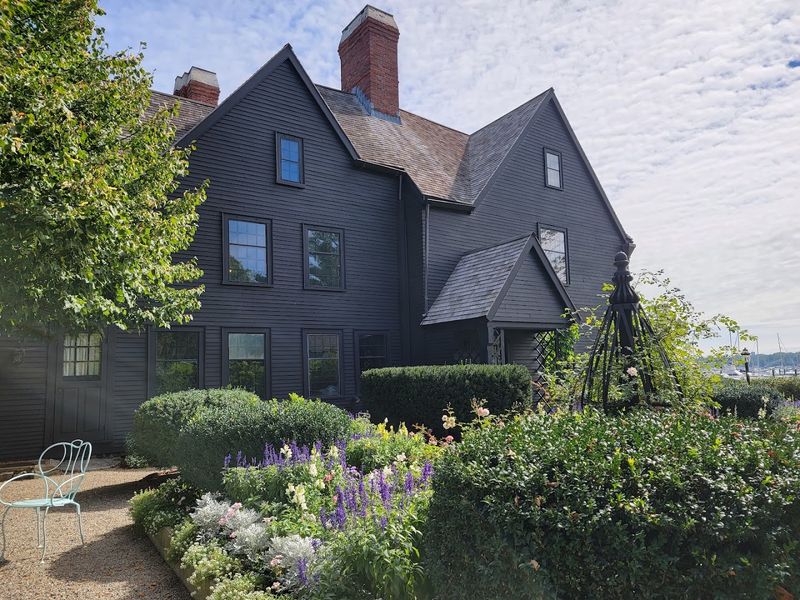
The garden area sits directly along Salem Harbor, offering unobstructed views of the water that shift in character depending on the season. In summer, the greenery is at its fullest, and the harbor provides a breezy backdrop for anyone looking to take a break from the bustle of downtown Salem.
In autumn, the changing foliage and the dark silhouette of the mansion create a combination that photographers and history enthusiasts both appreciate.
Benches are positioned throughout the grounds, making it easy to sit and absorb the setting without feeling rushed. The property has also hosted weddings along the waterfront, using the harbor views and garden backdrop as a natural setting that requires very little additional decoration to feel complete.
The Architecture Behind the Name
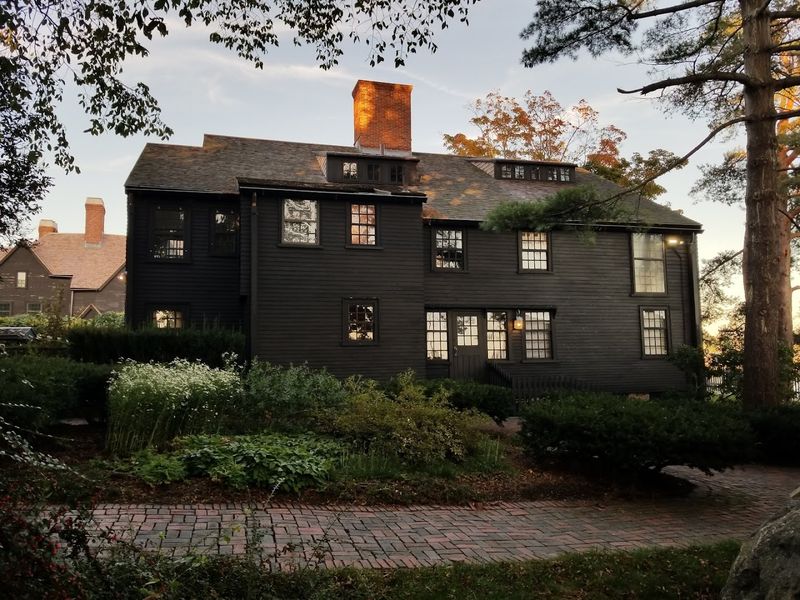
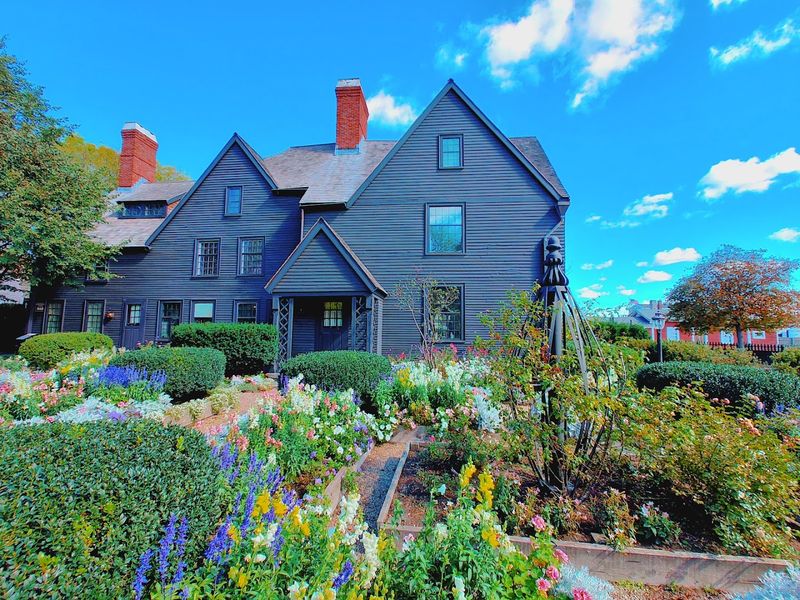
Not everyone who visits knows what a gable actually is before they arrive, but the house makes the answer immediately obvious. A gable is the triangular section of wall at the end of a pitched roof, and this mansion has seven of them, each one representing a different phase of the home’s construction and expansion over the decades.
The original 1668 structure had far fewer gables than the house displays today. As the Turner family grew wealthier and expanded the property, new sections were added, each bringing its own roofline and architectural personality.
The result is a building that looks like it grew organically over time, because it did.
The dark wooden shingles that cover the exterior give the mansion its brooding, dramatic appearance, which made it such a natural fit for Hawthorne’s Gothic novel. The combination of irregular rooflines, asymmetrical windows, and weathered wood creates a visual character that no modern reproduction could replicate, and it remains one of the most photographed buildings in all of New England.
Salem Beyond October: Why Off-Peak Visits Have Real Advantages
Salem’s Halloween season is legendary, and the House of the Seven Gables draws significant crowds throughout October. Tours sell out quickly, parking becomes competitive, and the surrounding streets fill with visitors from across the country.
For those who prefer a quieter experience, September and the spring months offer a noticeably different atmosphere.
In September, the gardens are still in bloom and tour groups tend to be smaller, which means more time to ask questions and move through the rooms at a comfortable pace. Spring visits bring a freshness to the grounds that contrasts nicely with the mansion’s centuries-old character.
Winter is also a legitimate option for the historically curious. The house operates year-round, and the off-season brings a stillness to the property that feels appropriate given its age and its literary themes.
The waterfront in winter has a particular clarity that makes the harbor views from the upper rooms of the mansion feel almost painterly in their composition.
The Gift Shop: More Than a Souvenir Stop
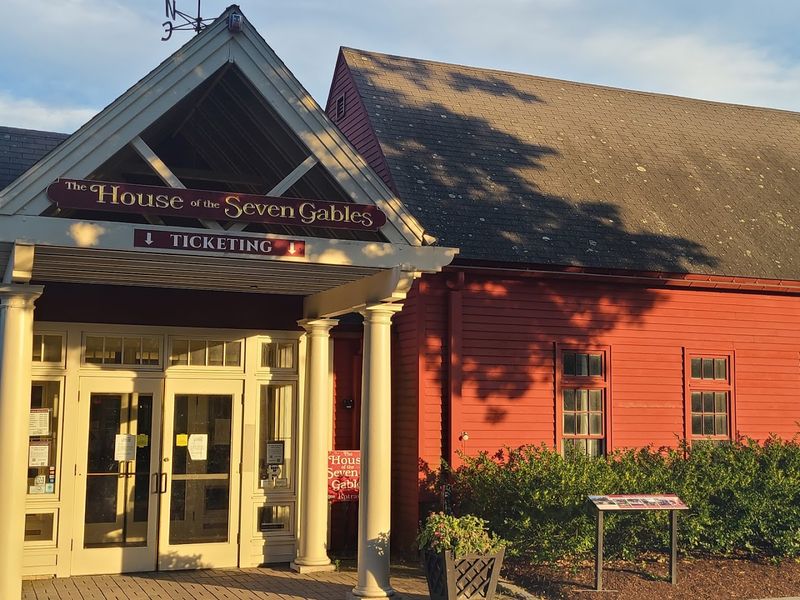
Gift shops at historic sites can feel like an afterthought, but the one at the House of the Seven Gables earns genuine attention. The selection leans heavily into the property’s literary identity, with copies of Hawthorne’s novels, books on Salem history, and a range of locally inspired merchandise that reflects the character of the destination rather than generic tourist fare.
The famous “I survived the secret staircase” t-shirts have become something of a cult item among repeat visitors, and they represent the kind of playful self-awareness that makes the gift shop feel connected to the actual experience of touring the house.
Grounds ticket holders have access to the gift shop even without a full tour, which makes it a worthwhile stop for those who arrive when interior tours are already booked. The shop also carries games and educational materials tied to Salem’s history, giving it enough range to appeal to both adults and younger visitors who want something more engaging than a standard postcard.
Planning Your Visit: What to Know Before You Go
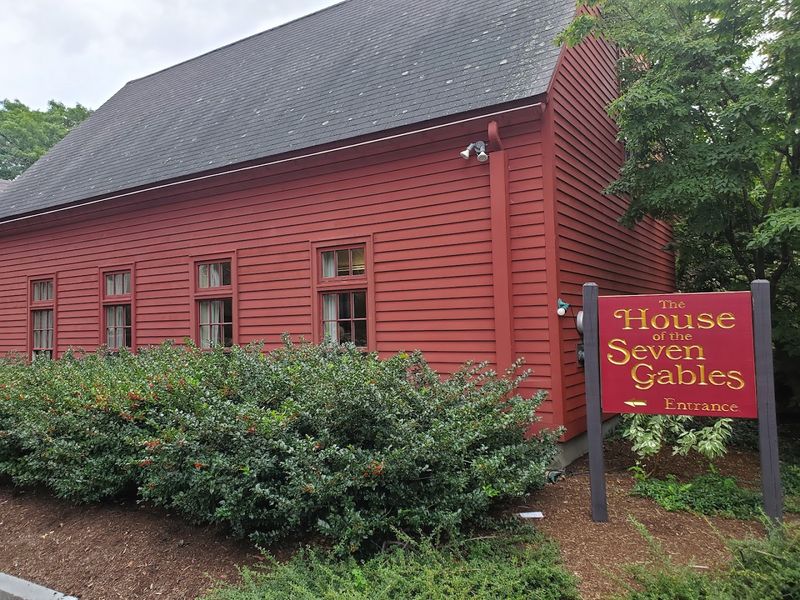
A few practical details can make the difference between a smooth visit and a frustrating one. The House of the Seven Gables is open daily from 10 AM to 5 PM, and tour tickets should be reserved in advance during peak season, particularly in October when Salem’s tourism reaches its annual peak.
Parking is included with a tour ticket, and guests can use the lot starting 20 minutes before their scheduled tour time. The lot remains available for up to an hour after the tour ends, giving visitors plenty of time to explore the grounds and browse the gift shop without feeling rushed back to their car.
The property is about a 20-minute walk from downtown Salem, which makes it a natural extension of a broader Salem itinerary rather than a detour. Seniors receive a discounted admission rate, and the grounds-only ticket at a reduced price offers a genuinely worthwhile alternative for those who cannot access the interior tour due to the narrow stairs and low ceilings throughout the mansion.
Where History and Literature Share an Address
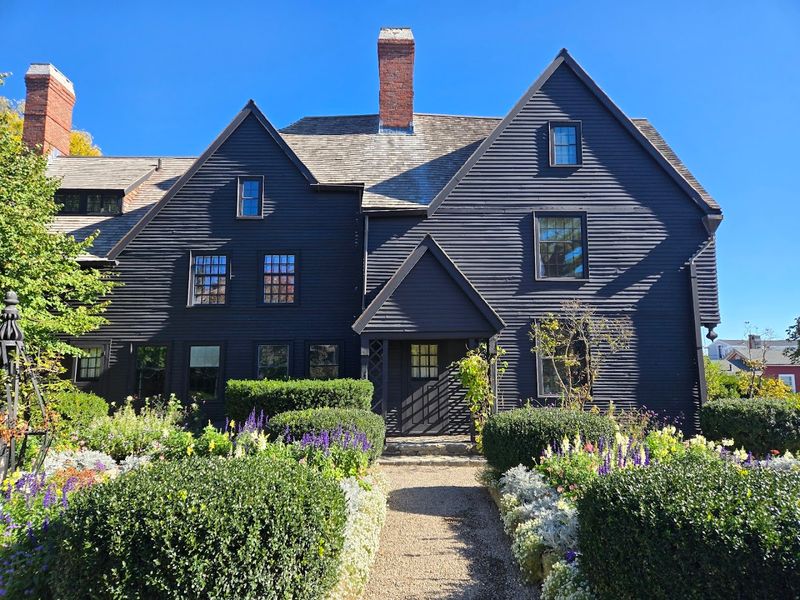
At 115 Derby St, Salem, MA 01970, the House of the Seven Gables stands as one of the oldest surviving wooden mansions in New England. Built in 1668 for Captain John Turner, this timber-framed structure sits right on the Salem waterfront, giving it a dramatic setting that feels almost too cinematic to be real.
The house is open Tuesday through Sunday from 10 AM to 5 PM, and it operates year-round, which makes it a solid destination no matter what season brings you to Salem. The property is managed as a nonprofit museum and social services center, which means your admission ticket does more than just get you through the door.
Part of what makes this address so compelling is how much it packs into a single visit: the main mansion, the Nathaniel Hawthorne birthplace, waterfront gardens, and a well-stocked gift shop all share the same grounds along the Salem Harbor shoreline.
Share this story