Sometimes the best decision you can make is a bold one, like packing up and starting fresh somewhere entirely new. Europe has quietly become one of the top destinations for Americans craving a different pace of life, lower costs, or simply a change of scenery.
From sun-drenched Mediterranean coastlines to digitally savvy Baltic capitals, the continent offers something for nearly every lifestyle and budget. Whether you are retired, working remotely, or just ready for an adventure, these 15 destinations might be exactly what you have been looking for.
Lisbon, Portugal
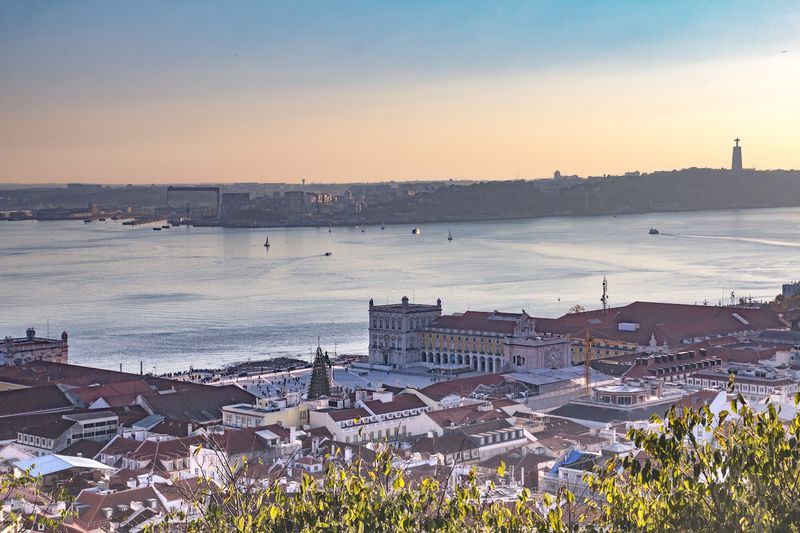
Lisbon has a way of making you feel like you have always belonged there. The city wraps around seven hills overlooking the Tagus River, offering jaw-dropping views at almost every turn.
Trams clatter through cobblestone streets lined with azulejo-tiled buildings, and the whole place feels like a postcard that somehow also has great Wi-Fi.
For Americans, Portugal stands out because of its D7 Passive Income Visa, which makes residency surprisingly achievable. The cost of living is significantly lower than most Western European capitals, and healthcare quality is genuinely impressive.
Lisbon also has a thriving expat community, so finding your footing socially is much easier than you might expect.
The food scene alone could seal the deal. Fresh seafood, pasteis de nata from a corner bakery, and local wine that costs almost nothing make daily life feel indulgent without the guilt.
English is widely spoken, especially among younger locals, which reduces the language barrier considerably. Mild winters and warm summers mean you rarely need to think too hard about what to wear.
Lisbon is not just a city to visit; it is a city to live in.
Porto, Portugal
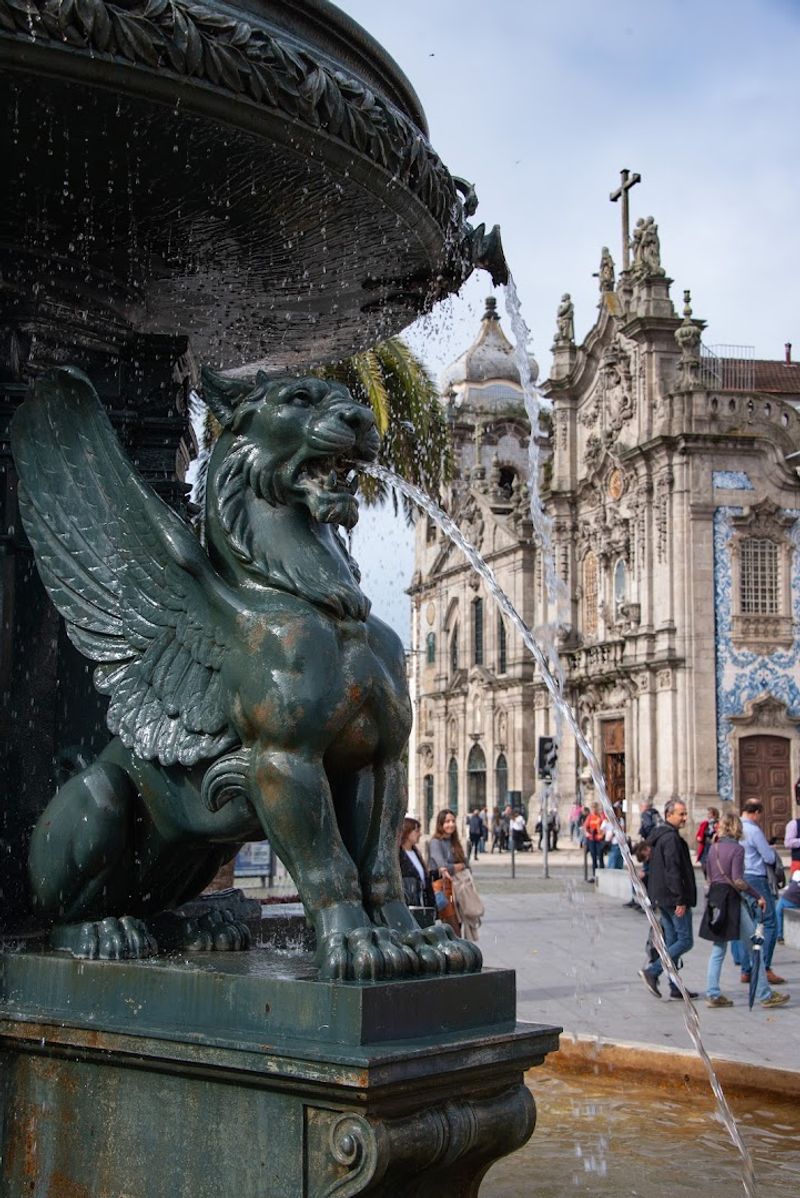
Porto smells like toasted almonds and river water, and that combination is oddly perfect. Perched above the Douro River, this northern Portuguese city has a rougher, more authentic edge than Lisbon, and many expats prefer it for exactly that reason.
The architecture is stunning, the food is hearty, and the people are famously warm.
Affordability is one of Porto’s biggest selling points. Rent, groceries, and dining out cost noticeably less than in Lisbon, making your budget stretch further without sacrificing quality.
The city also has excellent public transportation, a growing tech and startup scene, and reliable healthcare facilities. Remote workers especially love the combination of reliable internet and a relaxed work environment.
Port wine, of course, is practically a local currency here. The wine caves of Vila Nova de Gaia, just across the river, offer tastings that feel like a ritual rather than a tourist trap.
Porto’s international airport connects you to the rest of Europe easily, which matters when you still want to hop around. Smaller than Lisbon but never dull, Porto rewards the curious and the patient alike.
It is the kind of city that grows on you quietly, then suddenly becomes home.
Valencia, Spain
Valencia is the city that Madrid and Barcelona forgot to brag about, and that is honestly a gift for the people who discover it. Located on Spain’s eastern coast, it offers Mediterranean beaches, a buzzing food market, and a cost of living that makes big-city expats do a double take.
It is modern and historic at the same time, somehow pulling both off effortlessly.
The famous Mercado Central is worth visiting just to understand what fresh produce is supposed to look like. Valencia is also the birthplace of paella, a fact locals will remind you of with great enthusiasm.
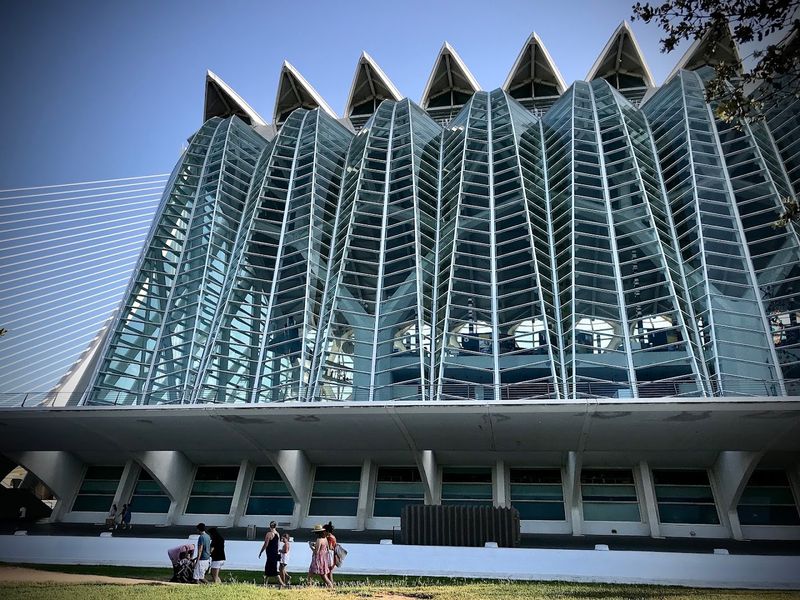
Beyond food, the city boasts excellent public transit, a strong cycling culture, and the jaw-dropping City of Arts and Sciences complex that feels like it landed from the future.
Spain’s Non-Lucrative Visa is a common route for Americans who want to live here without working locally. Valencia’s expat community has grown steadily, meaning you will find English-speaking groups, social clubs, and established networks fairly quickly.
Summers are hot but beautiful, winters are mild, and the city hosts La Tomatina and Las Fallas festivals that are absolutely unforgettable. Valencia does not just offer a fresh start; it offers a genuinely fun one.
Malaga, Spain
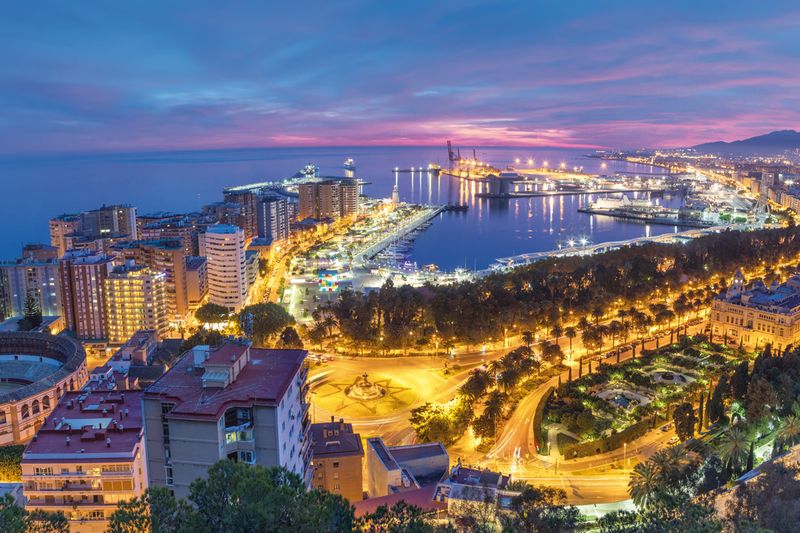
Over 300 days of sunshine a year is not a marketing slogan in Malaga; it is just Tuesday. Situated on Spain’s Costa del Sol, this Andalusian city has transformed from a package-holiday hotspot into a genuinely sophisticated place to live.
It is also the birthplace of Pablo Picasso, which gives it serious cultural credibility beyond the beach towel crowd.
Healthcare in Malaga is excellent, and the city’s international airport connects directly to major American hubs, making visits back home manageable. The cost of living sits comfortably below Madrid and Barcelona, and the rental market, while competitive, still offers good value compared to US cities.
Retirees flock here for the climate and the pace, while remote workers appreciate the growing coworking infrastructure.
The city center blends Moorish architecture with buzzing tapas bars and a genuinely lively arts scene. The Pompidou Centre Malaga and the Carmen Thyssen Museum have elevated the cultural landscape considerably.
Neighborhoods like El Palo and Pedregalejo offer a more local, residential feel away from the tourist core. Malaga rewards those who look past the beachfront and actually settle in.
Warm, welcoming, and wonderfully unpretentious, it has quietly become one of Spain’s most livable cities.
Alicante, Spain
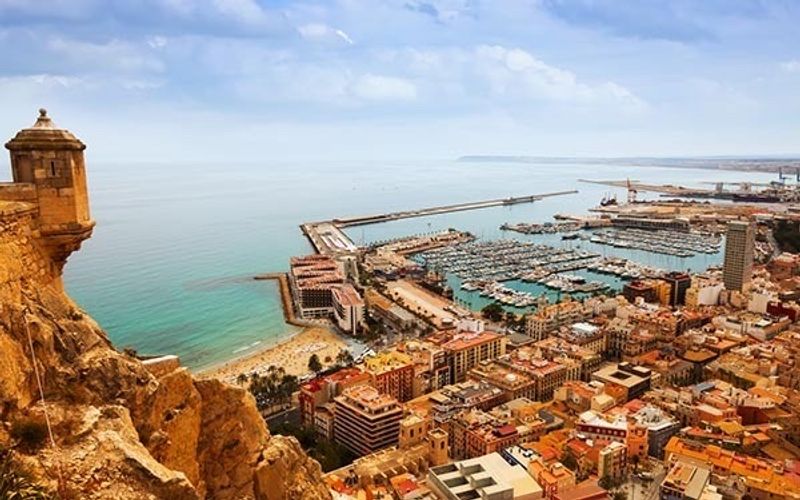
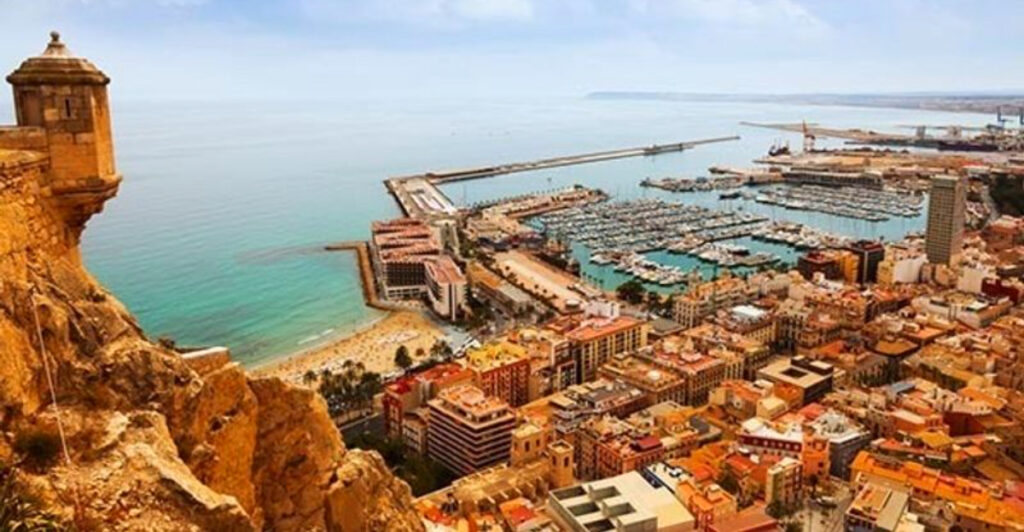
Alicante sits beneath a dramatic hilltop castle and in front of a sparkling blue sea, which is a pretty solid setup for everyday life. Located on Spain’s southeastern coast, it consistently ranks among the most affordable cities in the country while offering a quality of life that punches well above its price tag.
Many expats describe it as the place they stumbled upon and never left.
The city’s beaches are genuinely beautiful, and the Explanada de Espana promenade is one of the most pleasant evening walks in all of Spain. Walkability is a real strength here; most daily errands and social activities can be handled on foot or by bike.
Alicante’s international airport offers direct routes across Europe, keeping your travel options open.
Grocery costs are impressively low, and the local market culture means fresh food is always nearby. The expat community is large and established, particularly among British and Northern European residents, which means support networks exist for newcomers.
Spain’s residency visa options apply here just as they do elsewhere in the country. Summers are genuinely hot, so an air-conditioned apartment is worth budgeting for.
Alicante is the kind of place where slowing down feels like an upgrade rather than a compromise.
Florence, Italy
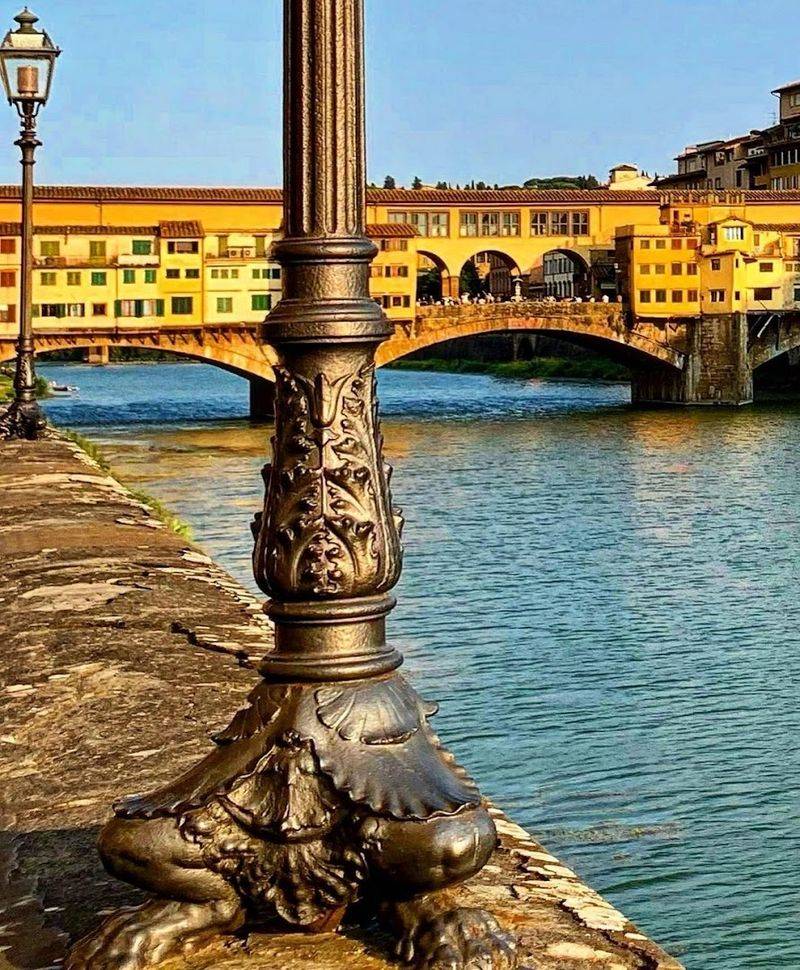
Living in Florence means your daily commute might take you past the Uffizi Gallery, which is either inspiring or deeply unfair depending on your mood. The city is a living museum, but it is also a real, functioning place where people buy groceries, argue about football, and take long lunches as a matter of principle.
That combination of beauty and normalcy is what makes it magnetic.
Italy’s Elective Residency Visa suits retirees and financially independent individuals well, requiring proof of passive income rather than local employment. Florence offers world-class healthcare, a strong English-speaking expat scene, and excellent rail connections to Rome, Venice, and beyond.
The Tuscany region surrounding the city adds countryside escapes within easy reach.
Food in Florence is an experience that never gets old. From bistecca alla Fiorentina to ribollita soup, the local cuisine is deeply satisfying and tied to centuries of tradition.
Language can be a barrier since English proficiency varies more here than in Portugal or Spain, so picking up basic Italian goes a long way socially. The cost of living is higher than southern Italy but still lower than comparable American cities.
Florence is not cheap, but it is worth every euro for those who truly value culture and beauty in their daily surroundings.
Lecce, Italy
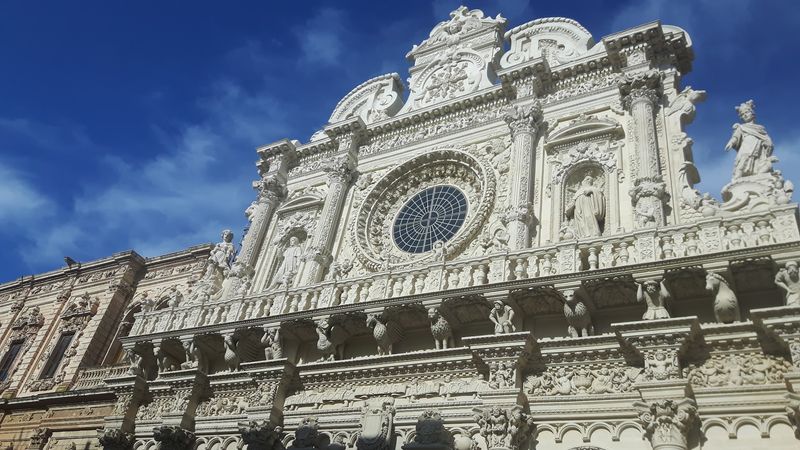
Lecce is what happens when an entire city is carved out of honey-colored stone and then left to age gracefully for 2,000 years. Located at the heel of Italy’s boot in the Puglia region, it earns its nickname, the Florence of the South, through sheer architectural drama.
Elaborate Baroque churches line streets narrow enough to touch both walls simultaneously.
The cost of living here is among the lowest in Western Europe, which makes it an extraordinary value proposition for Americans. Rent for a spacious apartment in the historic center can be a fraction of what you would pay in Rome or Florence.
Fresh produce, local olive oil, and Puglian wine cost almost nothing at the weekly markets, and the food quality is exceptional.
Puglia’s summers are scorching but beautiful, and the nearby Adriatic and Ionian coastlines offer relief just a short drive away. The expat community in Lecce is smaller than in larger Italian cities, which means you will integrate more closely with local life.
That is either a feature or a challenge depending on your personality. Italian language skills become more important here than in more tourist-heavy cities.
For those willing to embrace a slower, more immersive lifestyle, Lecce offers something genuinely rare: extraordinary beauty at an honest price.
Athens, Greece
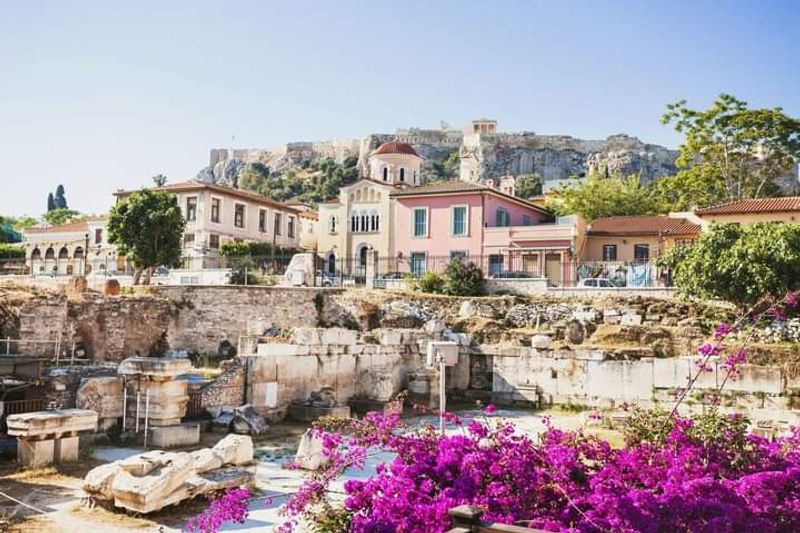
Waking up to a view of the Acropolis never becomes ordinary, no matter how long you live in Athens. Greece’s capital is a city of contradictions in the best possible way: ancient and chaotic, frustrating and irresistible, rough around the edges yet deeply hospitable.
Americans who settle here often describe it as the most unexpectedly livable city they have ever encountered.
Greece introduced its Digital Nomad Visa and has various residency pathways, including the Golden Visa program for property investors, making it more accessible to Americans than it once was. The cost of living is genuinely affordable by European standards, particularly for housing, food, and dining out.
Healthcare has improved significantly in recent years, and private medical facilities are excellent.
Athens neighborhoods each have their own personality. Koukaki offers a bohemian, laid-back vibe; Kolonaki is upscale and polished; Exarchia is gritty and creative.
The food culture is spectacular, built around olive oil, fresh vegetables, grilled meats, and seafood that arrives at your table the same day it left the water. Summers are intensely hot, so many residents escape to the islands.
The Greek social culture, built on long dinners and extended family gatherings, has a warmth that draws people in and keeps them there longer than planned.
Chania, Crete, Greece
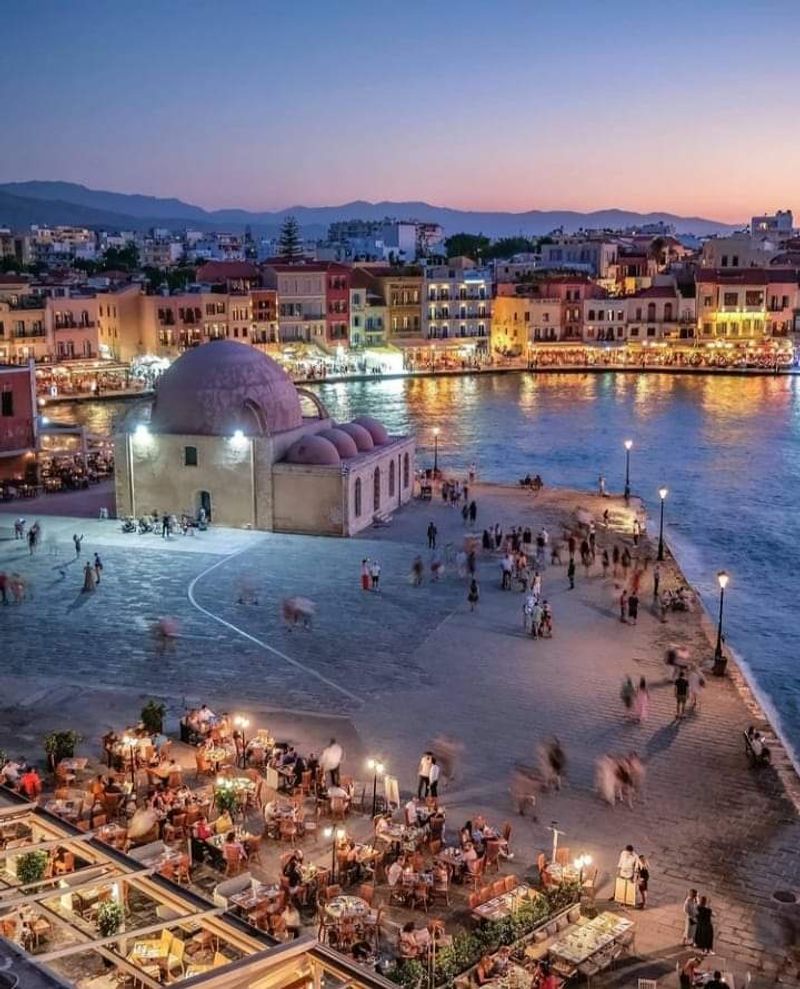
Chania’s Venetian harbor is the kind of place that makes you wonder why you ever lived anywhere else. Located on the northwestern coast of Crete, Greece’s largest island, Chania combines crystal-clear water, mountain scenery, and a food culture built entirely around what is fresh, local, and seasonal.
The pace of life here is not slow; it is deliberate, and that distinction matters.
Crete has a long history of welcoming outsiders, and the island’s expat community, particularly retirees from the UK, Germany, and increasingly the US, has created a comfortable infrastructure for newcomers. English is widely spoken in Chania, especially in the hospitality and service sectors.
Healthcare access on the island has improved, though major medical procedures may still require travel to Athens.
Housing costs are considerably lower than on the mainland, and a comfortable rental with outdoor space is achievable on a moderate budget. The local markets overflow with Cretan olive oil, fresh cheese, herbs, and vegetables that form the backbone of the Mediterranean diet.
Winters are mild by most standards but quieter, as the tourist economy winds down. That off-season stillness is actually something many long-term residents treasure.
Chania is the kind of island destination that stops being a vacation and starts being a life.
Split, Croatia
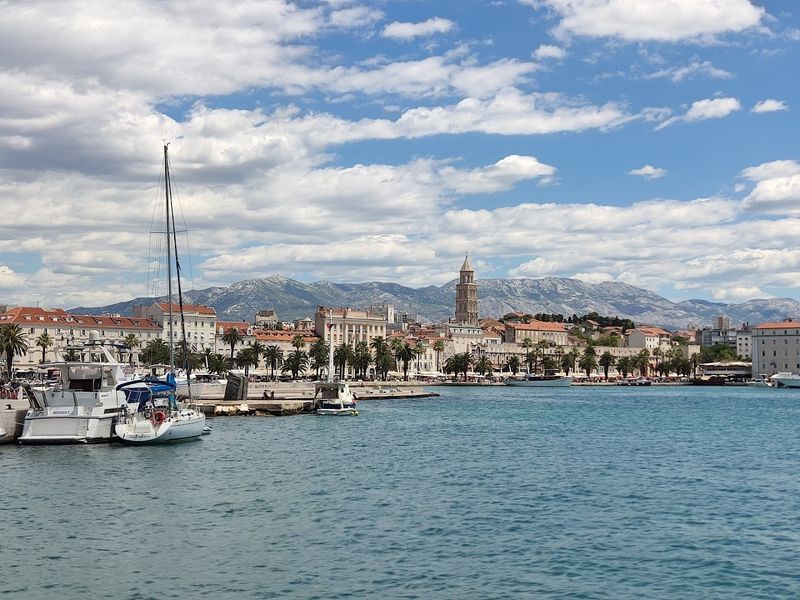
Split is the only city in the world where people live, shop, and run businesses inside a Roman emperor’s palace, and somehow that is just a normal Tuesday. Diocletian’s Palace, built in the 4th century, forms the living heart of the city, its ancient walls enclosing apartments, restaurants, and bars.
History is not something Split puts in a museum; it is something Split lives in daily.
Croatia has become increasingly attractive to Americans, partly due to its Digital Nomad Visa, which allows remote workers to stay for up to a year without establishing formal residency. The cost of living is lower than most Western European countries, and the Adriatic coastline provides a quality of life that feels genuinely luxurious without the matching price tag.
The local kuna has been replaced by the euro following Croatia’s 2023 EU entry, simplifying finances for European travelers.
Summers in Split are lively to the point of overwhelming, as tourists flood the old town. Many expats prefer the shoulder seasons, spring and autumn, when the city returns to its residents and the light turns golden over the harbor.
Seafood is the culinary backbone here, fresh, simple, and exceptional. Split rewards those who look beyond the Instagram highlights and settle into the rhythm of a city that has been doing things its own way for nearly two millennia.
Ljubljana, Slovenia
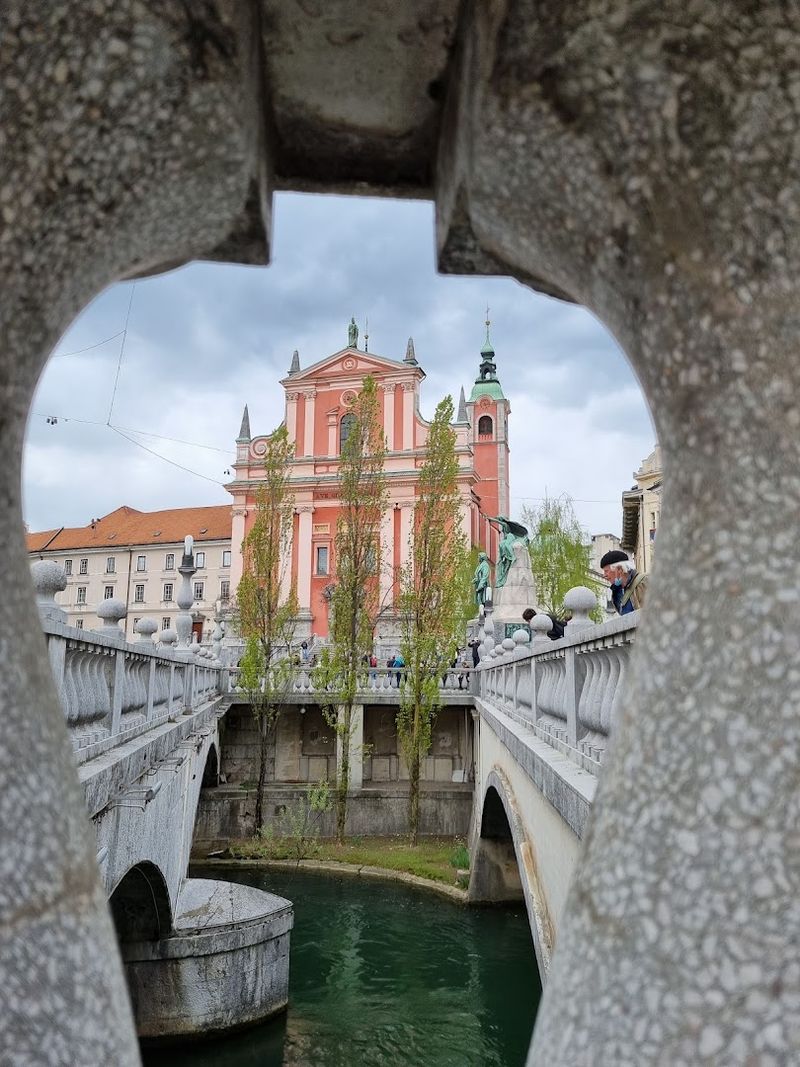
Ljubljana might be the most pleasant surprise in all of Europe for Americans who stumble across it. Slovenia’s compact capital sits between the Alps and the Adriatic, offering mountain scenery, riverside cafes, and a quality of life that consistently ranks among the best on the continent.
The city is clean, safe, and walkable in a way that feels almost utopian.
The historic center is car-free, which means the cobblestone streets belong to cyclists, pedestrians, and cafe-goers rather than traffic. Ljubljana Castle watches over everything from its hilltop perch, and the Ljubljanica River winds through the city in a way that makes every stroll feel scenic.
The city is small enough to know your neighborhood baker but large enough to offer genuine cultural programming, galleries, and nightlife.
Slovenia uses the euro and is a full EU member, which matters for residency planning. The cost of living is moderate, higher than the Balkans but lower than Western Europe, and the healthcare system is reliable and well-regarded.
English proficiency among younger Slovenians is excellent. The country as a whole is extraordinarily green; Lake Bled and Triglav National Park are just an hour away.
For Americans who want European quality of life without the chaos of a major capital, Ljubljana is a seriously compelling answer.
Tallinn, Estonia
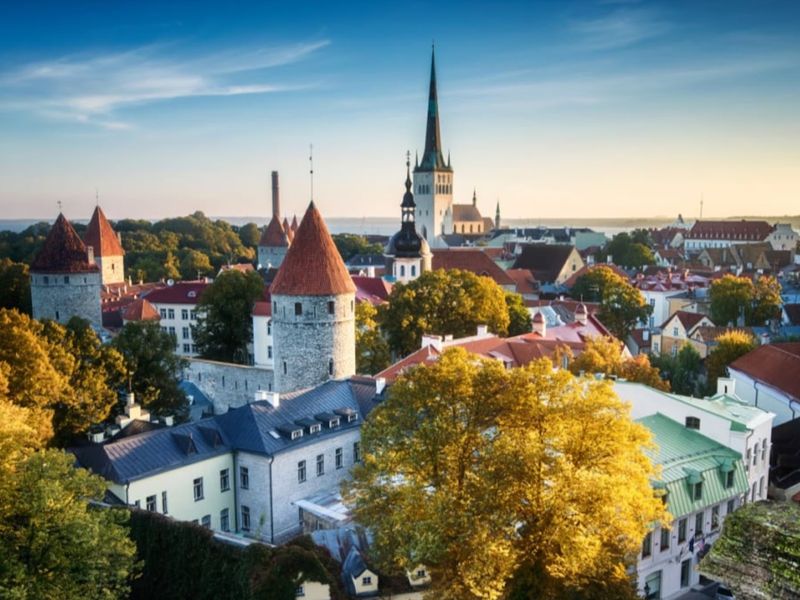
Tallinn is the only medieval city in Europe where you can file your taxes digitally in under five minutes, which tells you everything about how Estonia thinks. The country pioneered e-residency, a program that lets entrepreneurs set up EU-based businesses entirely online, and Tallinn has become a magnet for tech professionals and digital nomads who want a European base with genuine infrastructure.
The old town is a UNESCO World Heritage Site, a beautifully preserved jumble of Gothic spires, merchant houses, and city walls that look exactly like a fairytale set but actually function as a living neighborhood. Beyond the medieval core, Tallinn has a thriving startup scene, excellent broadband, and a growing community of international residents drawn by the city’s forward-thinking digital culture.
Estonia’s climate is a real consideration; winters are cold and dark, with limited daylight in December and January. That said, the city handles winter beautifully, with Christmas markets, cozy cafes, and a cultural scene that ramps up precisely when the temperature drops.
The cost of living is lower than in Western Europe, and the country’s flat income tax and business-friendly environment attract entrepreneurially minded Americans. Tallinn is not for everyone, but for the right person, it feels like the future arrived early and set up shop in a very pretty castle town.
Dublin, Ireland
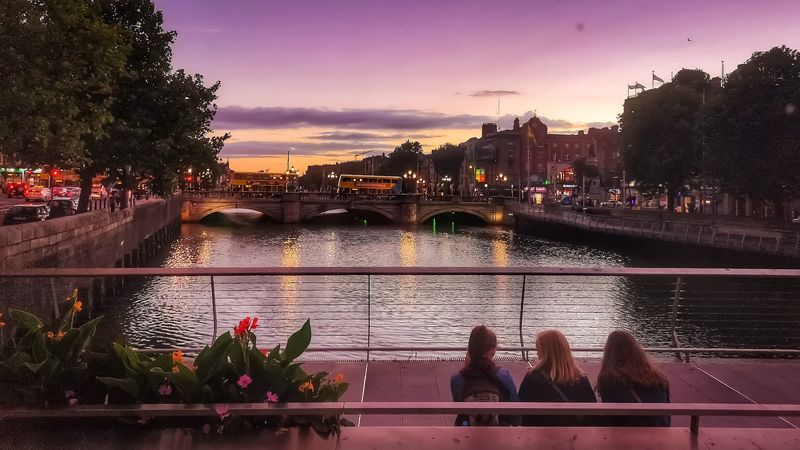
There is a reason so many Americans feel an almost magnetic pull toward Dublin, and it goes beyond the fact that roughly 33 million Americans claim Irish ancestry. The city is genuinely welcoming, culturally familiar, and English-speaking, which removes one of the biggest friction points of relocating abroad.
Fitting in socially happens faster here than almost anywhere else in Europe.
Ireland’s economy is strong and growing, with major US tech and pharmaceutical companies maintaining significant European headquarters in Dublin. That means the job market for English-speaking professionals is robust, and the city has a cosmopolitan, international energy that keeps it dynamic.
The pub culture is legendary, but it is also genuinely communal; pubs function as living rooms for the neighborhood, not just drinking venues.
The honest downside is cost. Dublin is one of the more expensive cities in Europe, with housing costs that rival major American metros.
Renting in the city center requires a solid budget, and many expats choose to live in surrounding suburbs or towns connected by rail. Healthcare through the public system can involve waiting periods, making private insurance worth considering.
Rainy, mild winters are the norm, so pack accordingly. For Americans who want cultural ease and strong employment prospects, Dublin delivers on both counts, just bring your umbrella and your credit card.
Riga, Latvia
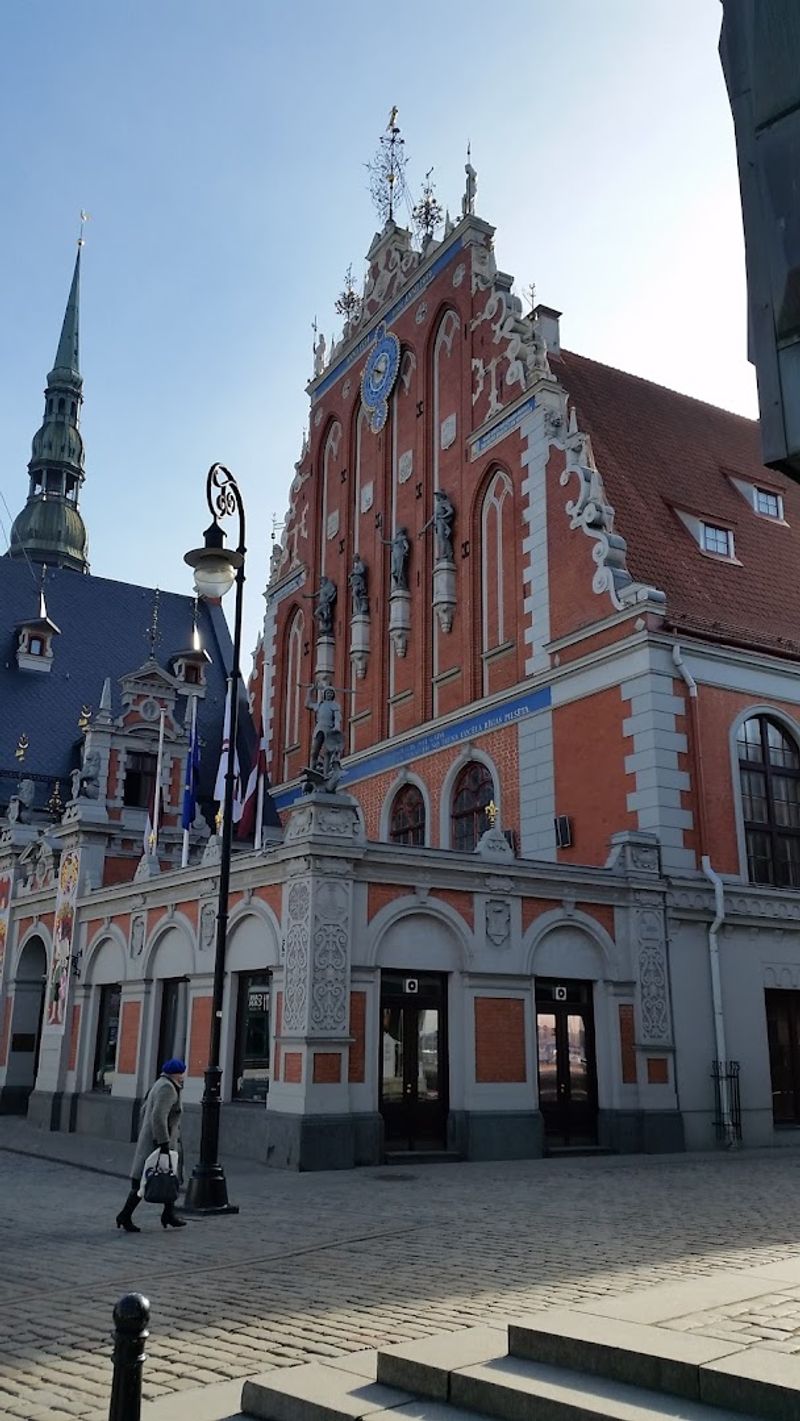
Riga owns one of the largest collections of Art Nouveau architecture in the world, and walking through its historic streets feels like stepping inside a design museum that forgot to charge admission. Latvia’s capital sits on the Baltic Sea coast, blending Central European elegance with a distinctly Baltic identity that is proud, creative, and quietly confident.
It is one of Europe’s most underrated cities, and long may that remain true.
For Americans considering relocation, Riga offers genuine affordability by European standards. Rent, food, and transportation costs are noticeably lower than in Western Europe, and the city provides a high standard of living without demanding a high income to sustain it.
Latvia is a full EU member, which matters for those pursuing longer-term residency or business establishment.
The city has a growing digital and creative economy, attracting younger professionals and entrepreneurs from across Europe and beyond. English is widely spoken, particularly among the under-40 population, making daily navigation manageable.
Latvia’s winters are genuinely cold and long, which is worth factoring into any decision. The summer months, however, are spectacular, with long daylight hours and a lively outdoor culture that transforms the city entirely.
Riga suits those who appreciate understated sophistication, real affordability, and the satisfaction of living somewhere most people have not yet figured out.
Malta (Valletta and Surrounding Areas)
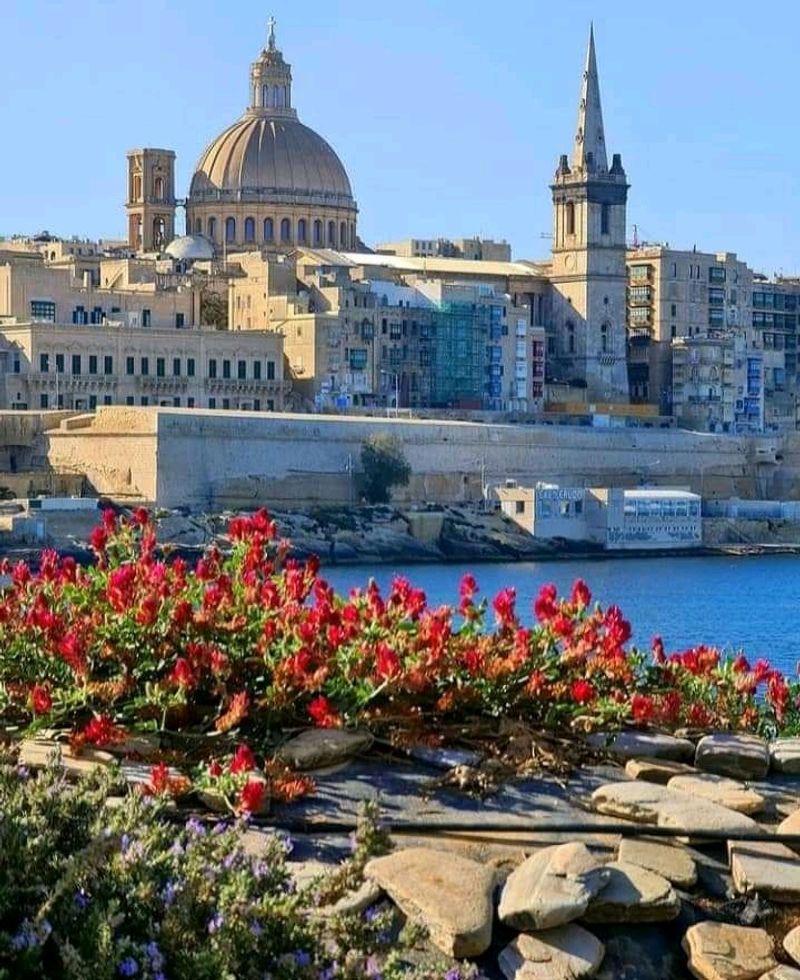
Malta is essentially a sun-soaked Mediterranean island where the official language is English, the driving is on the left, and the history stretches back over 7,000 years, which is a combination that does not exist anywhere else on Earth. This tiny island nation sits between Sicily and North Africa, punching well above its geographic weight in terms of lifestyle, culture, and international connectivity.
For Americans, the English language advantage is enormous. Every government form, road sign, and hospital instruction is available in English, removing the administrative friction that makes relocation stressful in non-English-speaking countries.
Malta also offers the Malta Permanent Residence Programme, a residency pathway that attracts retirees and high-net-worth individuals seeking Mediterranean living with EU access.
The capital Valletta is a UNESCO World Heritage Site, a compact baroque city of grand churches, harbor views, and some of the best restaurant dining in the Mediterranean. Healthcare is solid, with both public and private options available.
The island is small, roughly 27 kilometers long, so a car opens up access to beaches, ancient temples, and quieter villages. Summers are hot and busy with tourists; winters are mild and peaceful.
The cost of living is moderate, higher than Eastern Europe but lower than Western capitals. Malta offers something genuinely rare: a fresh start with a familiar language in an unfamiliar and beautiful place.
Share this story