Radio used to be a place where a song could come out of nowhere and become part of your week, your commute, and eventually your memory. From the mid-1970s through the early 1980s, FM stations built entire identities around polished, melodic tracks that rewarded repeated listening. These were songs with real arrangements, thoughtful lyrics, and performances that held up over time. But as formats shifted and playlists narrowed, dozens of genuinely great songs quietly disappeared from rotation.
Some of them charted high, won awards, or sold millions of copies, yet today they are almost impossible to find on mainstream radio. What follows is a look at fifteen tracks that earned their place in radio history and still have plenty to offer modern listeners. Each one represents a specific moment in pop culture when craft and melody were taken seriously, and each one is long overdue for a second round of attention.
1. Baker Street, Gerry Rafferty
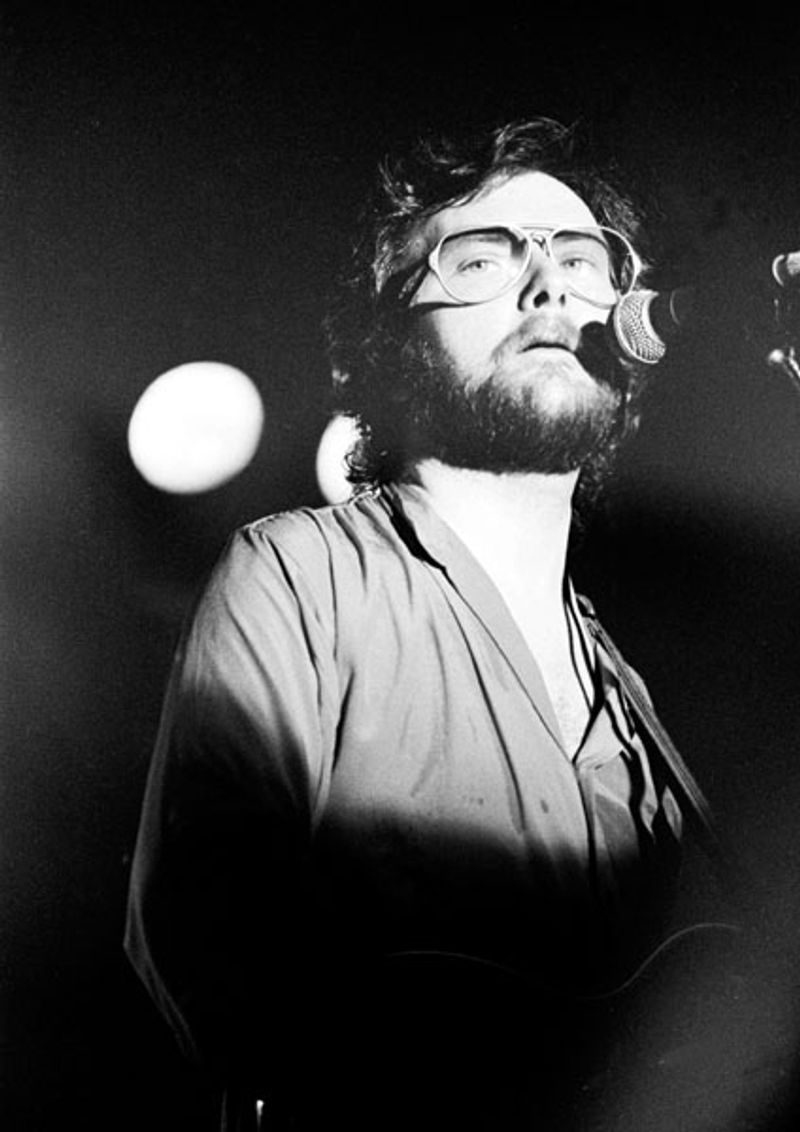
Released in January 1978, this track arrived at a moment when FM radio was actively seeking songs with cinematic ambition, and it delivered immediately. The saxophone riff, performed by session musician Raphael Ravenscroft, became one of the most recognized instrumental hooks in pop history.
Rafferty wrote the song based on his experiences living in London during a difficult period in his career. The lyrics describe a man stuck in a cycle he cannot seem to break, which gave the track emotional weight beyond typical radio fare.
It peaked at number two on the Billboard Hot 100 and spent weeks on adult contemporary charts across North America and Europe. The production, handled by Rafferty himself alongside Hugh Murphy, was layered and precise. Classic hits stations still occasionally play it, but not nearly enough given its enduring quality.
2. Summer Breeze, Seals & Crofts
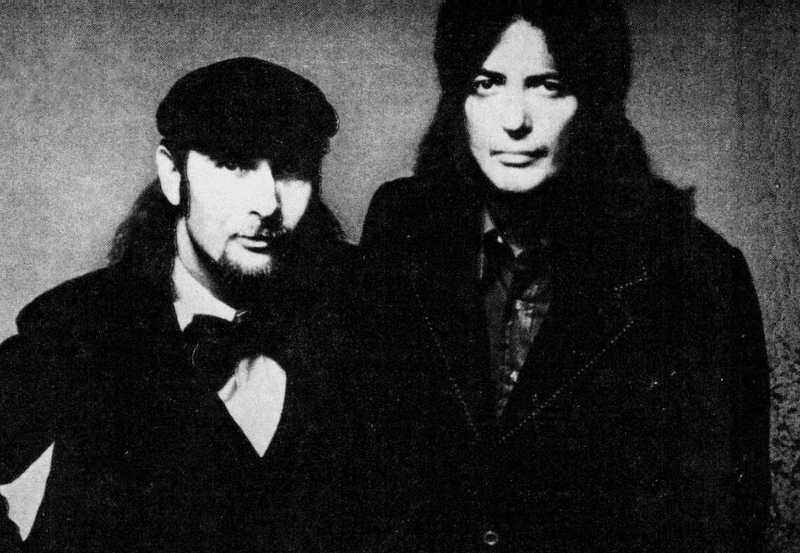
Seals and Crofts released this track in 1972 as part of their album of the same name, and radio stations embraced it almost immediately. The song built its reputation on acoustic guitar work and close vocal harmonies that were carefully arranged rather than casually assembled.
Jim Seals and Dash Crofts had both been working musicians for over a decade before this hit, and that experience showed in how confidently the track was constructed. It reached number six on the Billboard Hot 100 and became a defining song of the early soft rock movement.
The duo was known for incorporating their Baha’i faith into their personal lives, though their music focused on broadly relatable themes. Isley Brothers recorded a well-known version in 1974. The original still holds up as a precise, well-crafted piece of early 1970s pop songwriting.
3. Ventura Highway, America
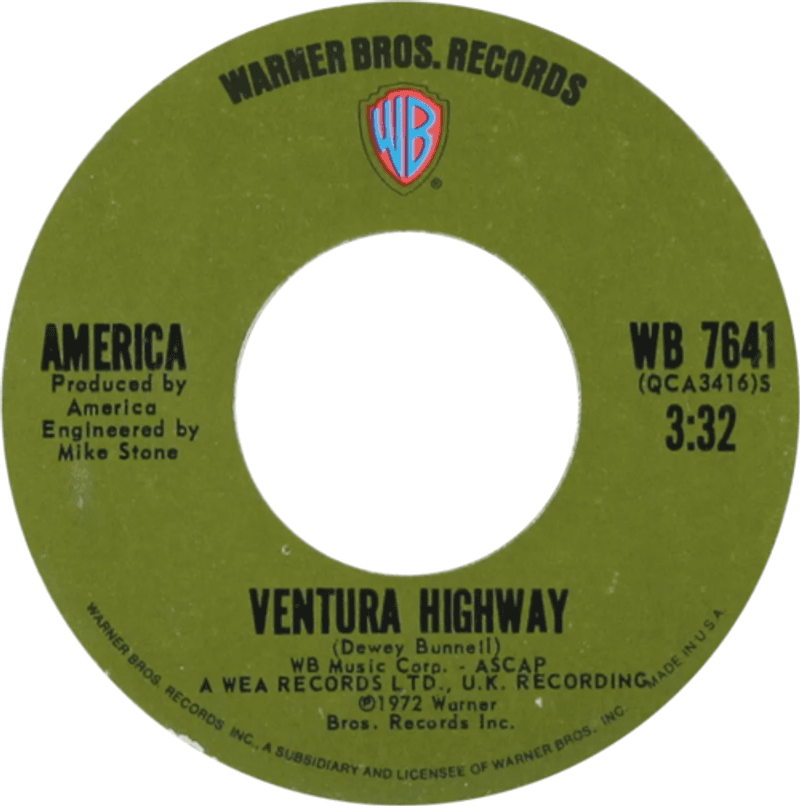
America formed in London in 1970, which makes it slightly ironic that their music became so closely associated with the California landscape. Ventura Highway, released in 1972, drew on images of the American West that the band members had absorbed more from media than from direct experience.
Dewey Bunnell wrote the song, and its layered acoustic guitar arrangement became a template for the soft rock sound that would dominate radio through the mid-1970s. The track reached number eight on the Billboard Hot 100 and received heavy rotation on FM stations across the country.
The band worked with producer George Martin, who had recently finished his long run with the Beatles, giving the recordings a polished quality that set them apart from similar acts. Ventura Highway remains one of the cleaner examples of early-decade melodic rock, constructed with real attention to vocal arrangement and instrumental balance.
4. Midnight Blue, Melissa Manchester
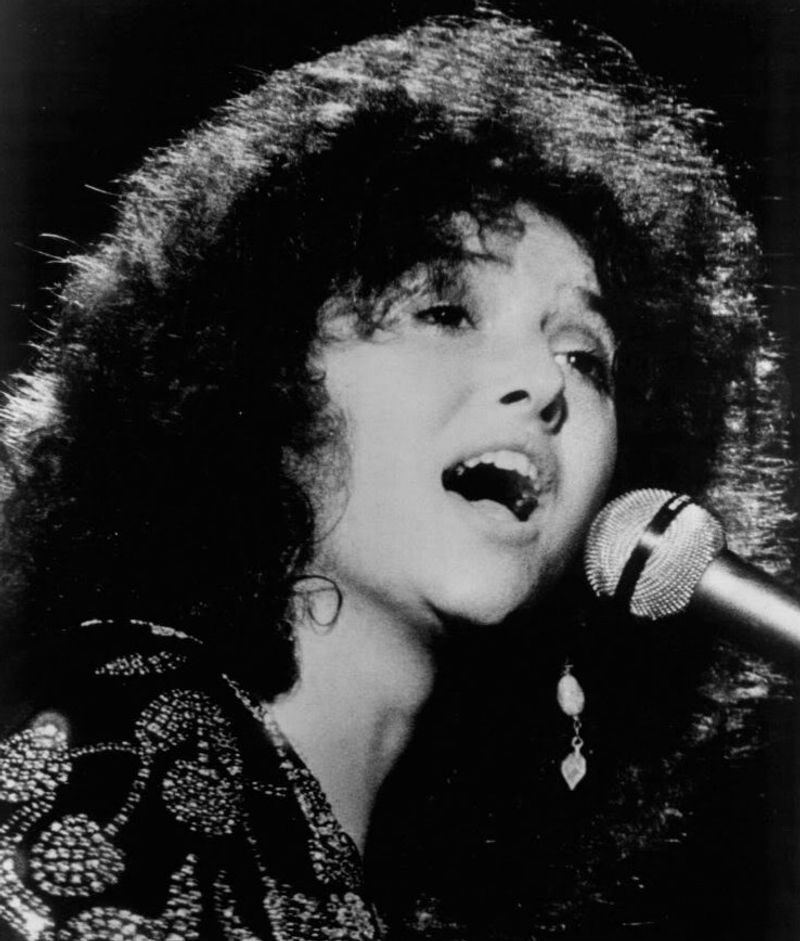
Melissa Manchester had been writing songs professionally since her early twenties, contributing to other artists before launching her own recording career. Midnight Blue, released in 1975, became her breakthrough hit and demonstrated a vocal control that set her apart from many of her contemporaries.
The song was co-written by Manchester and Carole Bayer Sager, who was already an established figure in the songwriting world. It reached number six on the Billboard Hot 100 and became a regular presence on adult contemporary stations throughout the mid-1970s.
Manchester had trained at the High School of Music and Art in New York before studying at New York University, and that formal background gave her recordings a precision that casual listeners could feel even if they could not identify it. The track remains one of the stronger ballads of its decade, built on a melody that rewards close attention rather than background listening.
5. Ride Captain Ride, Blues Image
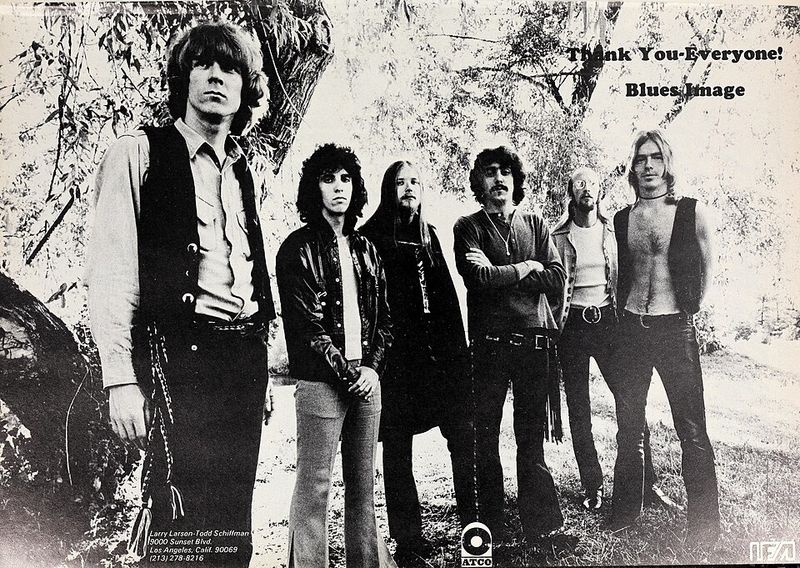
Blues Image formed in Tampa, Florida in the late 1960s and spent several years building a regional following before Ride Captain Ride brought them national attention in 1970. The song combined organ-driven rock with a chorus built for radio, and stations responded accordingly.
It reached number four on the Billboard Hot 100, which was a significant achievement for a band that had not yet released a full album with wide distribution. The lyrics describe a group of people setting out on a journey with seventy-three men, a number that has been interpreted in various ways over the years without any definitive explanation from the band.
Despite its chart success, Blues Image broke up shortly after the song peaked, which limited their ability to build on the momentum. The track still turns up in film soundtracks and television occasionally, but it is largely absent from classic hits playlists that should have room for it.
6. I’d Really Love to See You Tonight, England Dan & John Ford Coley
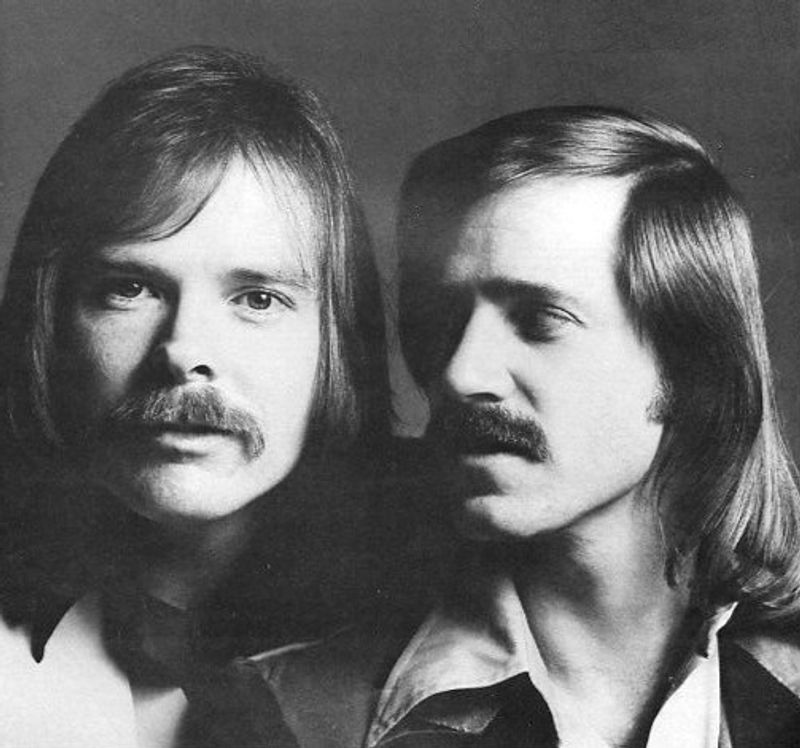
Dan Seals and John Ford Coley had been performing together since the early 1970s before this track gave them their commercial breakthrough in 1976. The song was written by Parker McGee and recorded with a production style that prioritized clean vocals over elaborate instrumentation.
It reached number two on the Billboard Hot 100 and topped the adult contemporary chart, making it one of the defining soft rock hits of its year. The conversational quality of the lyrics, which describe a man calling an ex-partner without romantic expectations, gave the track a relatable honesty that connected with a broad audience.
The duo released several more charting singles after this, but none matched the cultural footprint of this particular recording. Dan Seals later had a successful country music career under the name Dan Seals. The original track still sounds well-suited to the kind of late-night radio programming that has largely disappeared from the dial.
7. Magnet and Steel, Walter Egan
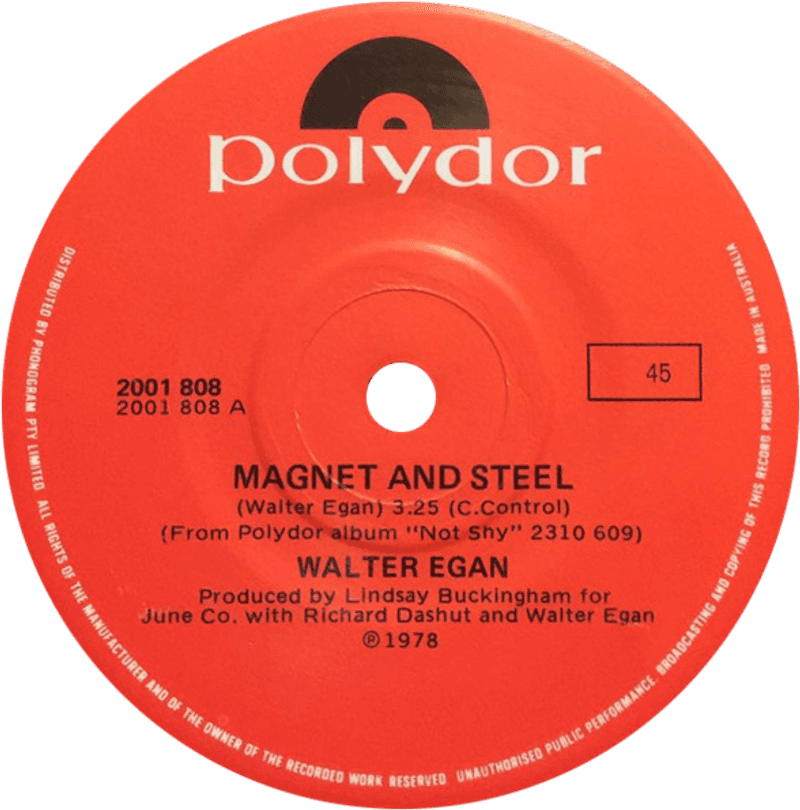
Walter Egan had been writing and recording music in the Los Angeles area for several years before this track connected him with two of the most prominent figures in late-1970s rock. Lindsey Buckingham and Stevie Nicks, both members of Fleetwood Mac at the height of their commercial success, contributed production and backing vocals to the recording.
The song reached number eight on the Billboard Hot 100 in 1978, benefiting from the association with Fleetwood Mac’s audience as well as its own considerable strengths as a pop track. Egan wrote the song with Nicks in mind, and her presence on the recording added a layer of credibility that helped it stand out from similar California rock releases of the period.
Despite the high-profile connections and solid chart performance, Egan never achieved a comparable follow-up hit. Magnet and Steel remains a well-constructed example of the California rock sound at its most commercially polished, and it is consistently underrepresented on classic hits formats.
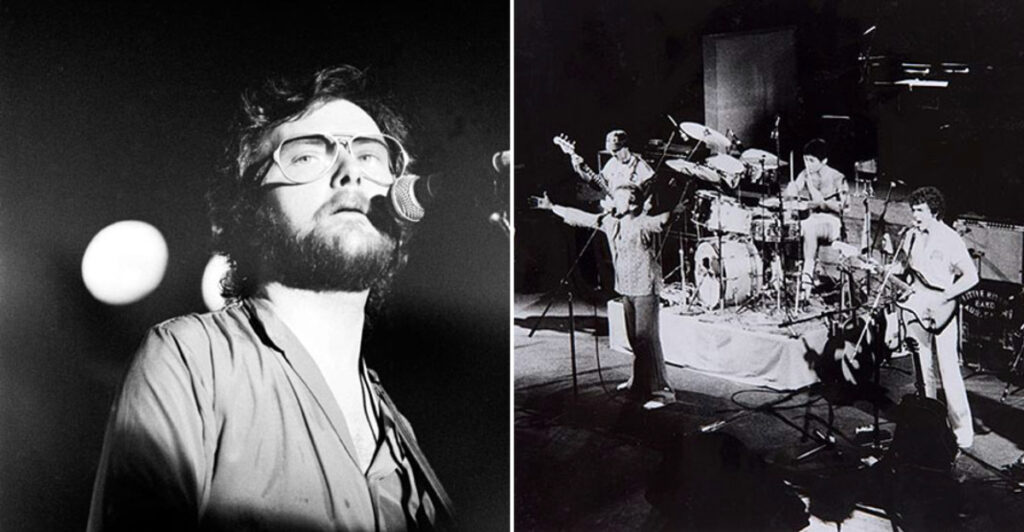
8. Reminiscing, Little River Band
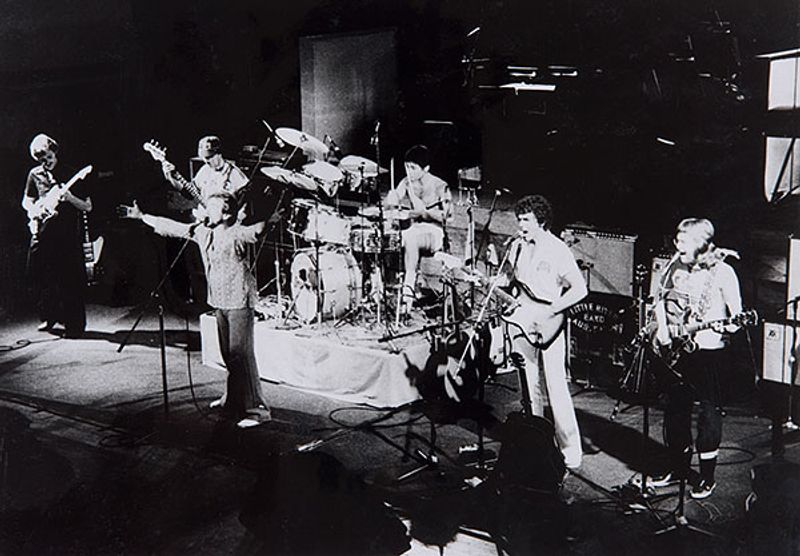
Little River Band formed in Melbourne, Australia in 1975 and became one of the few Australian acts to achieve consistent commercial success in the United States before the broader wave of Australian artists arrived in the early 1980s. Reminiscing, released in 1978, became their highest-charting single on the Billboard Hot 100, reaching number three.
The song was written by guitarist Graeham Goble and built around a premise of two people recalling their shared history through specific songs and artists. It name-checks Glenn Miller and other period references, which gave it an intergenerational appeal that most contemporary pop songs avoided.
The production was handled by John Boylan, who had previously worked with Linda Ronstadt, and the result was a recording with a clarity and warmth that translated well across different radio formats. The track still earns recognition when played, but it appears far less often than its chart history would suggest it deserves.
9. Driver’s Seat, Sniff ‘n’ the Tears
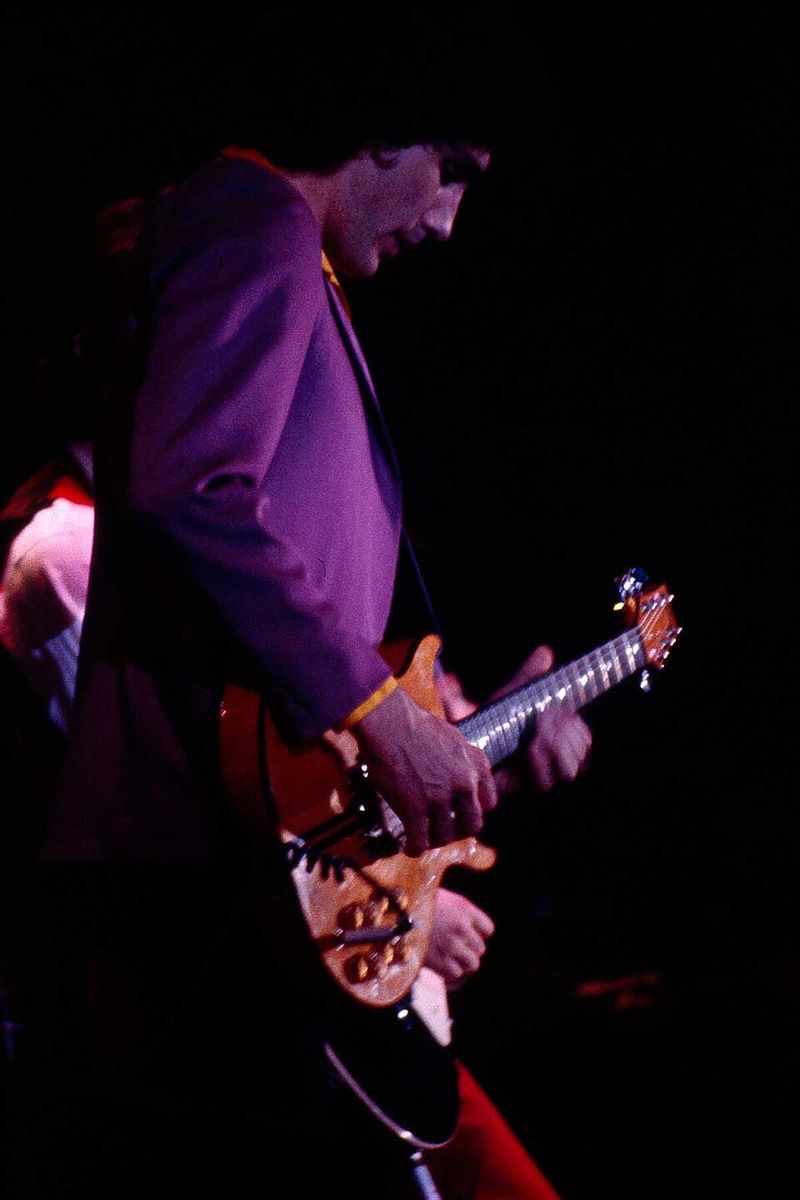
British band Sniff n the Tears released this track in 1978, and it found its way onto American radio in 1979 after being picked up by a Los Angeles station whose listeners responded strongly enough to push it onto the national charts. It reached number fifteen on the Billboard Hot 100, a respectable position for a relatively unknown British act with limited promotional resources in the United States.
Paul Roberts, the band’s lead vocalist and primary songwriter, built the track around a straightforward rhythmic structure that sat somewhere between late-period rock and the emerging new wave sound. That positioning gave it broader radio appeal than most acts in either category.
The song has appeared in numerous film and television productions over the decades, which has kept it in circulation among certain audiences. However, classic hits radio has never fully adopted it, despite the fact that its sound fits comfortably alongside other tracks from the same period that receive regular airplay.
10. Year of the Cat, Al Stewart

Al Stewart had been recording albums in Britain since the late 1960s, building a reputation as a thoughtful songwriter with an interest in history and literature. Year of the Cat, released in 1976, was the track that finally gave him a significant American audience, reaching number eight on the Billboard Hot 100.
The song was recorded with producer Alan Parsons, who brought a meticulous approach to the studio work and helped create a recording that stood out for its careful layering of instruments and vocals. The saxophone solo, performed by Phil Kenzie, gave the track a distinctive quality that separated it from most album-oriented rock of the period.
Stewart based the title and certain lyrical elements on a poem by British comedian and writer Dave Allen, though the final narrative took on a life of its own. The song remains one of the more intellectually ambitious pop hits of the 1970s and still sounds genuinely distinctive when heard alongside its contemporaries.
11. How Long, Ace
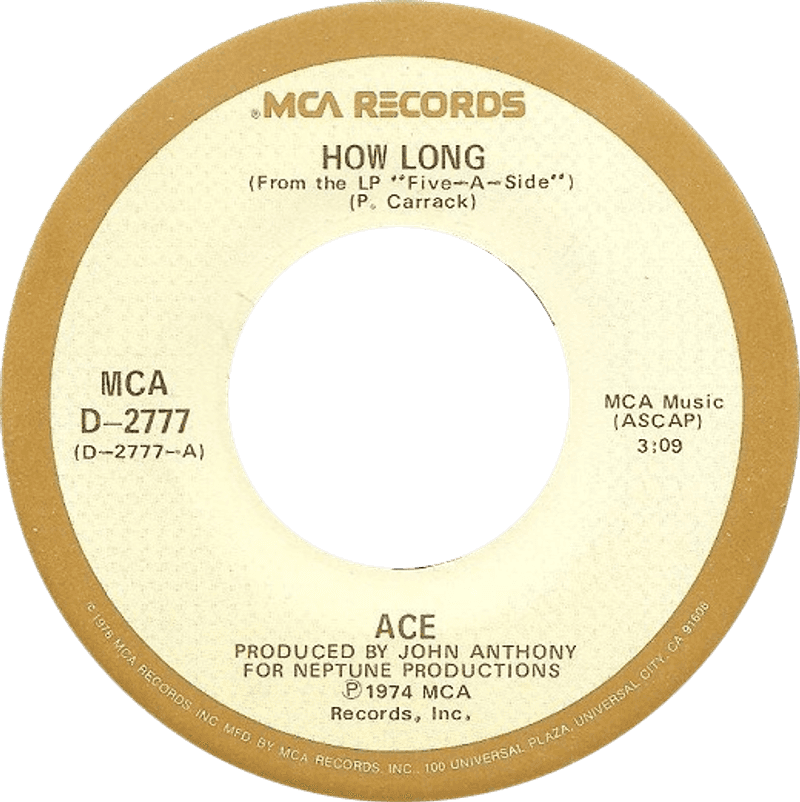
Ace formed in Britain in the early 1970s and occupied a space between pub rock and mainstream pop that gave them a sound grounded in rhythm and blues without being strictly categorized by it. How Long was released in 1974 and reached number three on the Billboard Hot 100 in early 1975, making it a more significant American hit than many people now realize.
Paul Carrack wrote and sang the lead vocal on the track. He would later become a sought-after session musician and go on to sing lead on hits for Squeeze and Mike and the Mechanics, which gives How Long an interesting place in the broader story of British pop.
The song was built on a groove that owed more to soul and funk than to rock, which gave it crossover appeal across different radio formats. Ace broke up in 1977 without replicating the commercial success of this track, but How Long remains a well-constructed piece of mid-decade pop that deserves more consistent airplay.
12. Lonely People, America
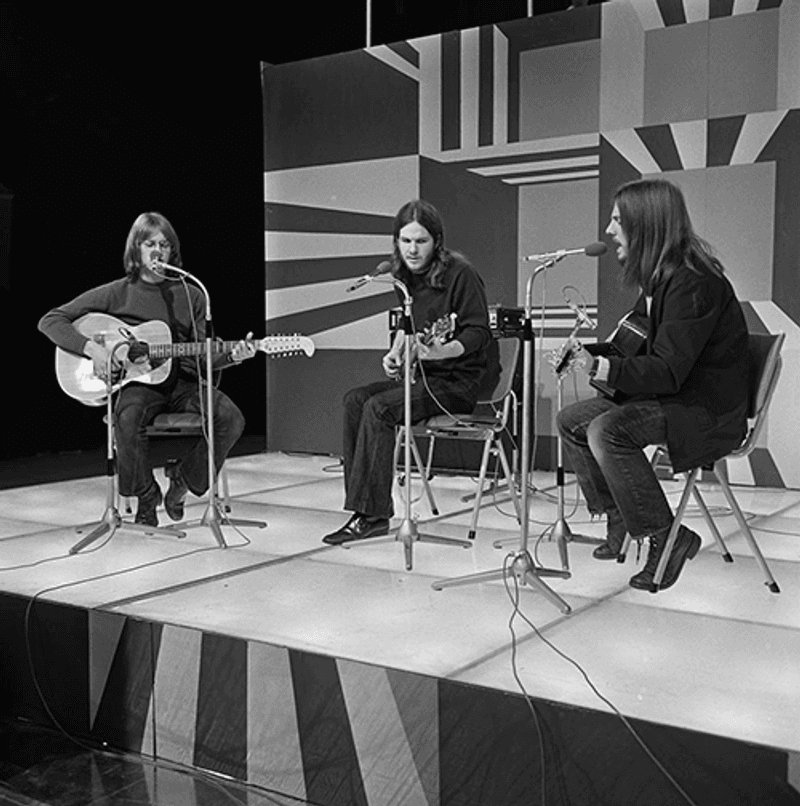
America recorded Lonely People for their 1974 album Holiday, and the track reached number five on the Billboard Hot 100 early in 1975. The song was written by Dan Peek and his wife Catherine, making it one of the few America tracks not primarily attributed to Dewey Bunnell or Gerry Beckley.
The lyrics addressed feelings of isolation with a message of encouragement, which gave the song a broadly accessible quality that worked across different listener demographics. Radio programmers at the time responded to that accessibility, placing it in regular rotation alongside the band’s other hits from the same period.
America was still working with producer George Martin at this point, and the recording reflected his preference for clean, well-organized arrangements that let the vocals carry the emotional content. The track is not as frequently cited as Ventura Highway or A Horse With No Name, but it represents the band at a moment of genuine creative confidence.
13. Fooled Around and Fell in Love, Elvin Bishop
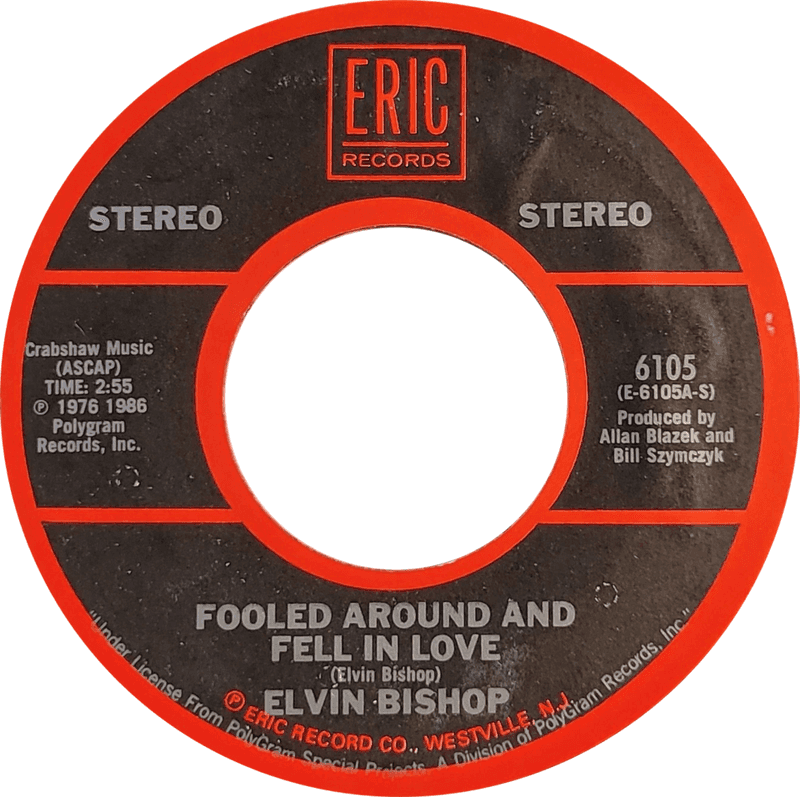
Elvin Bishop had been a working musician since his time with the Paul Butterfield Blues Band in the 1960s, but this 1976 release gave him his only top-ten pop hit. The key factor was the lead vocal performance by Mickey Thomas, who would later front Jefferson Starship during their most commercially successful period in the early 1980s.
The song reached number three on the Billboard Hot 100 and received heavy rotation across multiple radio formats, appealing to rock, pop, and soul audiences simultaneously. That crossover quality was relatively rare for a track rooted in Southern rock, which tended to have a more defined and limited audience at the time.
Bishop wrote the song from the perspective of a confirmed bachelor unexpectedly changed by a relationship, a narrative that gave it an emotional accessibility without requiring elaborate production. The recording was straightforward and confident, and it still sounds like a track that belongs in regular rotation rather than occasional rediscovery.
Share this story