New Hampshire has a way of making summer feel like a reward. The state packs an incredible variety of landscapes into a relatively small area, from mountain peaks that rise above the clouds to sandy beaches where families set up camp for the whole day. You get historic port cities, crystal-clear lakes, covered bridges, and scenic drives that make you pull over every five minutes just to stare. The best part?
Most of these places are easy to reach, family-friendly, and genuinely worth the trip. Whether you are planning a weekend getaway or a full summer vacation, New Hampshire delivers the kind of beauty that does not require a filter. This list covers 10 of the state’s most stunning summer destinations, each with something different to offer. Keep reading, because a couple of these spots might just surprise you with how much they pack into a single visit.
1. White Mountains
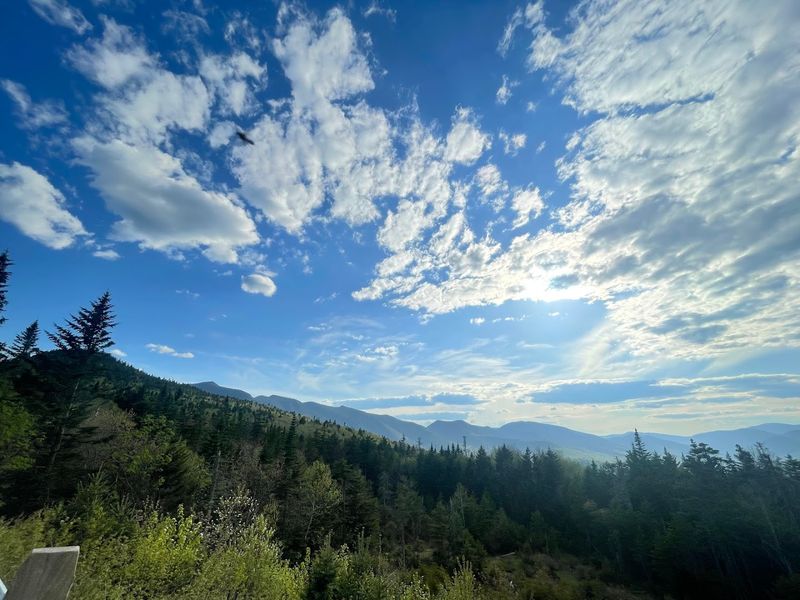
Few places in the northeastern United States can match what the White Mountains deliver in summer. This massive region covers roughly 1,200 square miles and anchors the northern half of New Hampshire with a collection of peaks, valleys, and forests that keep outdoor enthusiasts busy for weeks.
The White Mountain National Forest alone contains over 1,200 miles of maintained hiking trails, ranging from short nature walks to serious multi-day routes. Waterfalls are scattered throughout the area, with spots like Arethusa Falls and Glen Ellis Falls drawing steady crowds of photographers and day-hikers.
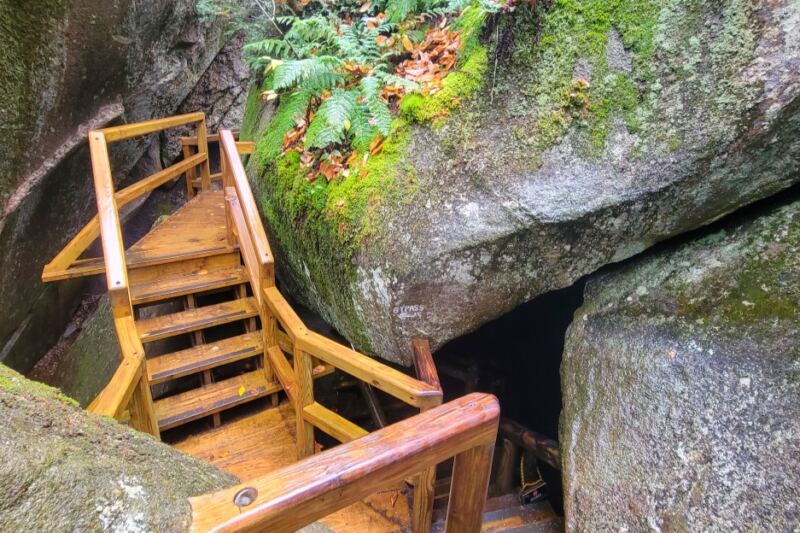
Beyond hiking, the region offers mountain biking, ziplining, and scenic drives that pass through covered bridges and classic New England villages. The Flume Gorge in Franconia Notch is a top-rated attraction, featuring a natural gorge carved through granite with boardwalks that wind past waterfalls and pools.
Families will find no shortage of things to do, and solo travelers can disappear into the backcountry for days. The White Mountains are not just a destination; they are a full-on summer adventure waiting to happen.
2. Lake Winnipesaukee
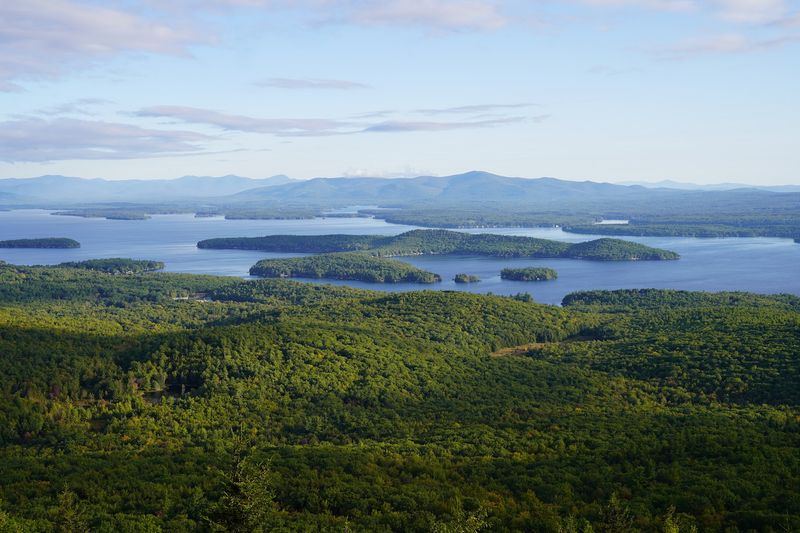
New Hampshire’s largest lake covers 72 square miles and holds 274 islands, which means you could spend an entire summer exploring it and still find a new cove you have never seen before. Lake Winnipesaukee has been a top vacation destination in the region for well over a century, and it still earns that reputation every July.
The towns surrounding the lake each bring something different to the table. Wolfeboro bills itself as the oldest summer resort town in America, with a charming downtown full of shops and waterfront dining. Meredith offers marinas, galleries, and easy access to the lake by kayak or motorboat.
Weirs Beach is the liveliest spot on the shoreline, featuring a boardwalk, a public beach with clear water, and an arcade strip that families have been visiting for generations. Water activities here range from casual paddleboarding to full-day fishing charters targeting bass and trout.
The mountain backdrop visible from the water adds a dimension that most lakes simply cannot offer. This is one of those places where a single afternoon on the water turns into a three-day stay without you even noticing.
3. Franconia Notch State Park
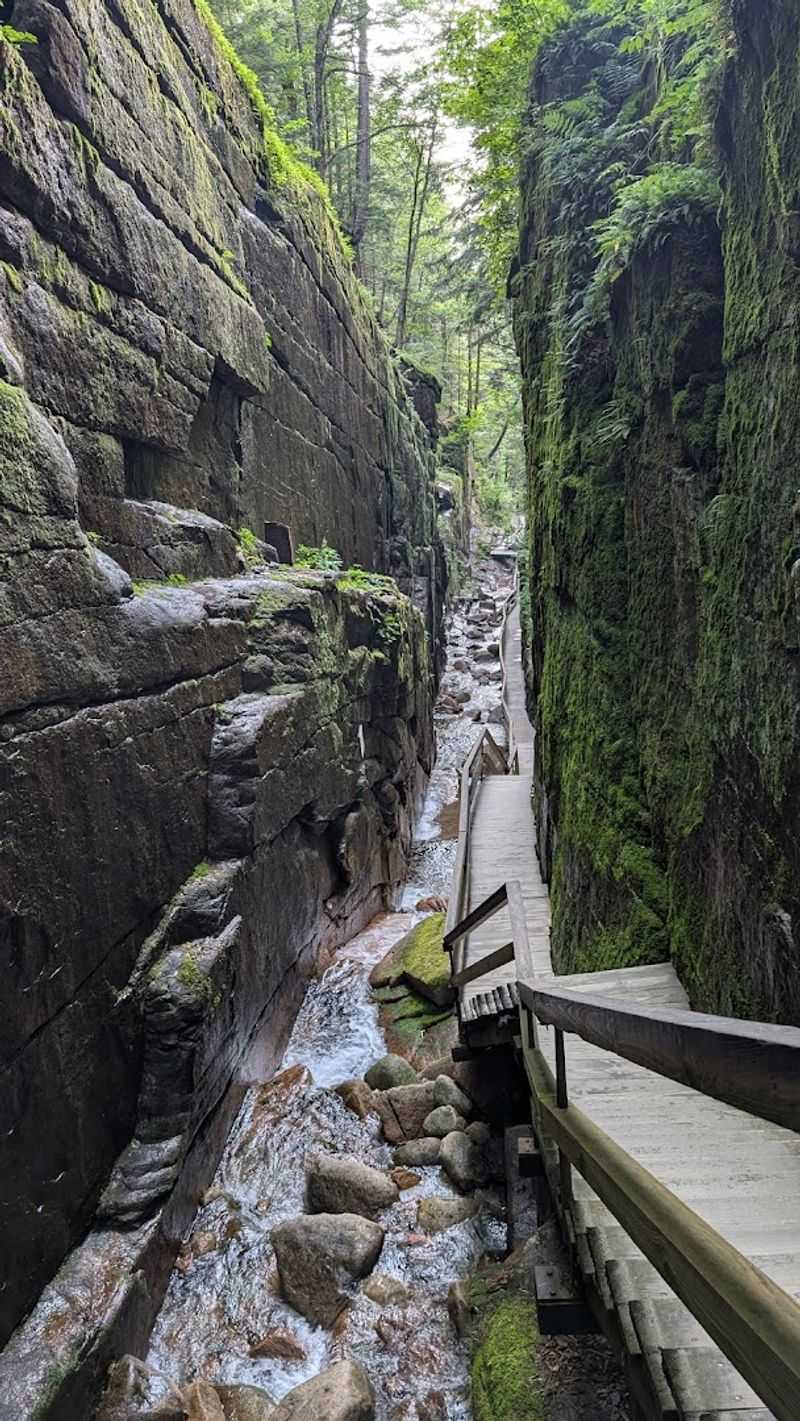
Carved between the Kinsman and Franconia mountain ranges, this state park is one of the most visited natural areas in all of New England, and it earns every single one of those visits. The park stretches about eight miles through a dramatic mountain pass, packing an impressive number of landmarks into a relatively narrow corridor.
The Flume Gorge is the headline attraction, a natural granite gorge that stretches 800 feet with walls rising up to 90 feet on either side. A system of boardwalks and stairways guides visitors through the gorge and past two covered bridges, making it accessible to most fitness levels.
Echo Lake Beach offers a refreshing swim in a mountain-fed lake with views of Cannon Mountain rising directly behind it. The Cannon Mountain Aerial Tramway carries passengers to the 4,080-foot summit, where panoramic views stretch into Vermont, Maine, and Canada on clear days.
Hikers have a wide selection of trails to choose from, including the famous Franconia Ridge Loop, which covers about eight miles and passes over three peaks above 4,000 feet. The park is well-maintained and easy to navigate, making it a reliable choice for any summer itinerary.
4. Kancamagus Highway
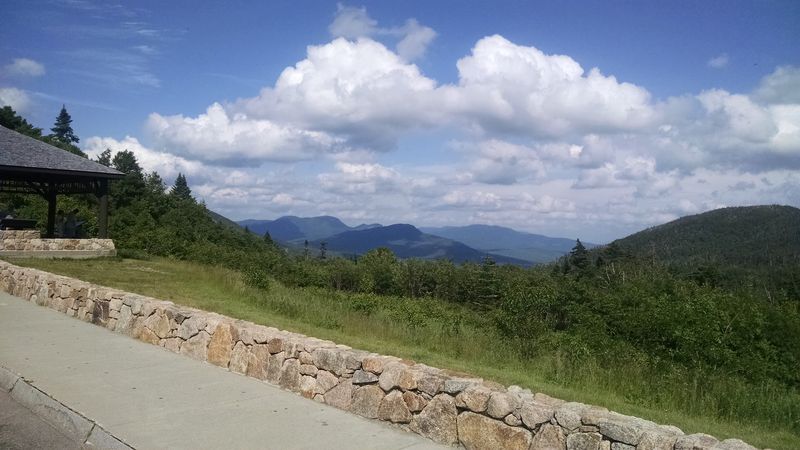
Nicknamed “the Kanc” by locals who have driven it enough times to earn abbreviation rights, this 34.5-mile National Scenic Byway between Lincoln and Conway is widely considered one of the best road trips in New England. The highway crosses through the White Mountain National Forest without a single traffic light along its entire length.
Summer is a particularly good time to drive it because the forest is fully leafed out and the mountain streams are running at manageable levels, making the swimming holes genuinely enjoyable. Lower Falls and Sabbaday Falls are two of the most popular stops, both offering natural pools where visitors wade in and cool off.
The highway has multiple scenic overlooks where you can pull off and take in views of the surrounding peaks and valleys. Trailheads are positioned along the route, giving hikers direct access to the national forest without needing to drive to a separate parking area.
Picnic areas are well-placed throughout the drive, and the whole experience feels unhurried and easy. Pack a cooler, download a good playlist, and give yourself at least half a day to do this one properly.
5. Mount Washington
At 6,288 feet, Mount Washington holds the title of the highest peak in the northeastern United States, and it takes that title seriously. The summit has recorded some of the most extreme weather conditions ever measured on Earth, including a wind speed of 231 miles per hour that stood as the world record for decades.
Reaching the top is half the adventure. The Mount Washington Auto Road is an eight-mile toll road that drivers can tackle themselves, earning a bumper sticker that reads “This Car Climbed Mt. Washington” as a badge of honor. The historic Cog Railway, operating since 1869, offers an alternative for those who prefer to let someone else handle the driving.
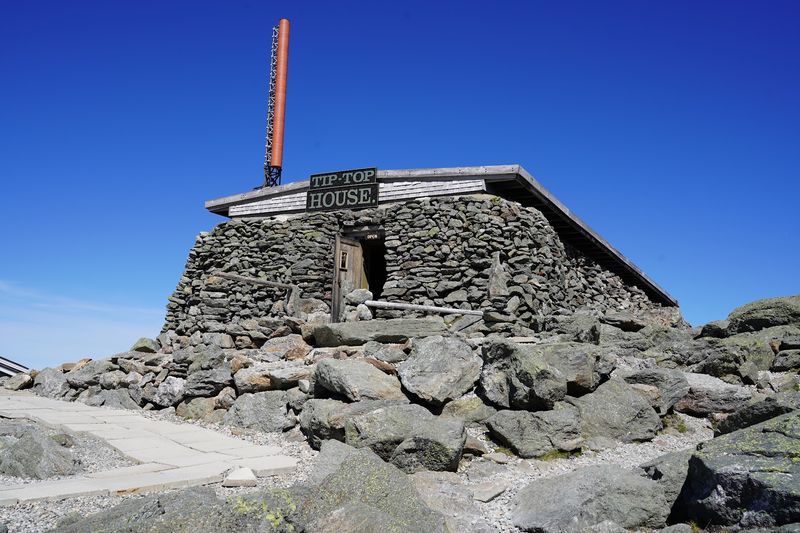
The summit itself has a visitor center, a museum, and the famous Tip Top House, a stone building that served as a hotel in the 1800s. On clear days, the views stretch into five states and Canada.
Hikers have access to numerous trails approaching from different directions, with varying difficulty levels. The Presidential Range surrounding the mountain adds even more terrain to explore, making this area a reliable destination for anyone who takes summer hiking seriously.
6. Portsmouth
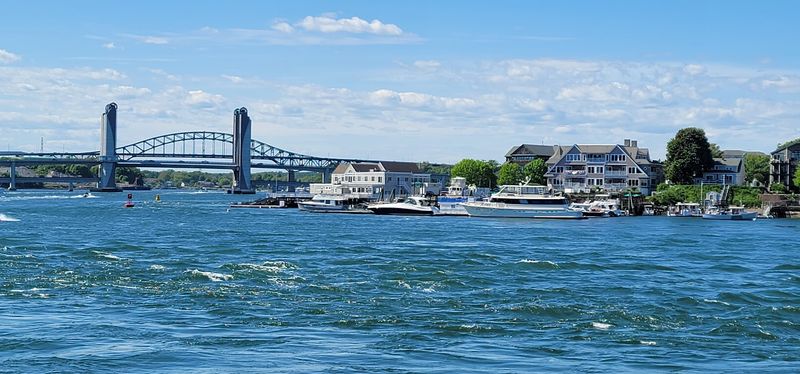
Portsmouth might be New Hampshire’s only coastal city, but it punches well above its weight class when it comes to things to see and do. Founded in 1623, it ranks among the oldest cities in the United States, and its downtown still carries that history in the form of well-preserved colonial architecture and brick-lined streets.
The city is compact enough to explore entirely on foot, which makes it ideal for a full day of wandering. Prescott Park sits right on the waterfront and hosts free outdoor concerts and a summer-long floral display that draws visitors throughout the season.
Strawbery Banke Museum covers 10 acres of original neighborhood buildings dating back to the 1600s, offering a genuinely interesting look at how the city evolved over four centuries. The working waterfront along the Piscataqua River adds an active, real-world energy that you do not always find in heavily touristed historic areas.
Several beaches are within easy driving distance, including Hampton Beach, Wallis Sands, and Jenness State Beach. Portsmouth works well as a base for exploring the seacoast region, and it rewards visitors who take the time to get off the main street and explore the quieter neighborhoods.
7. Hampton Beach
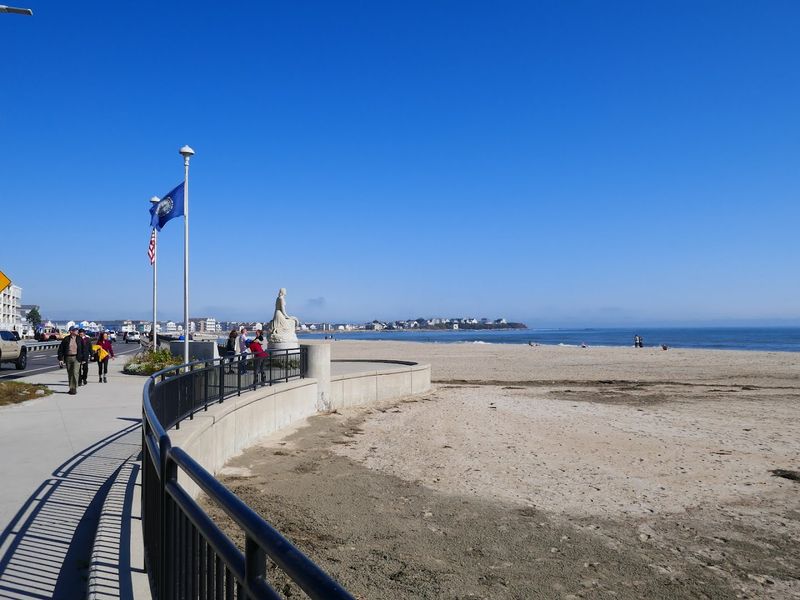
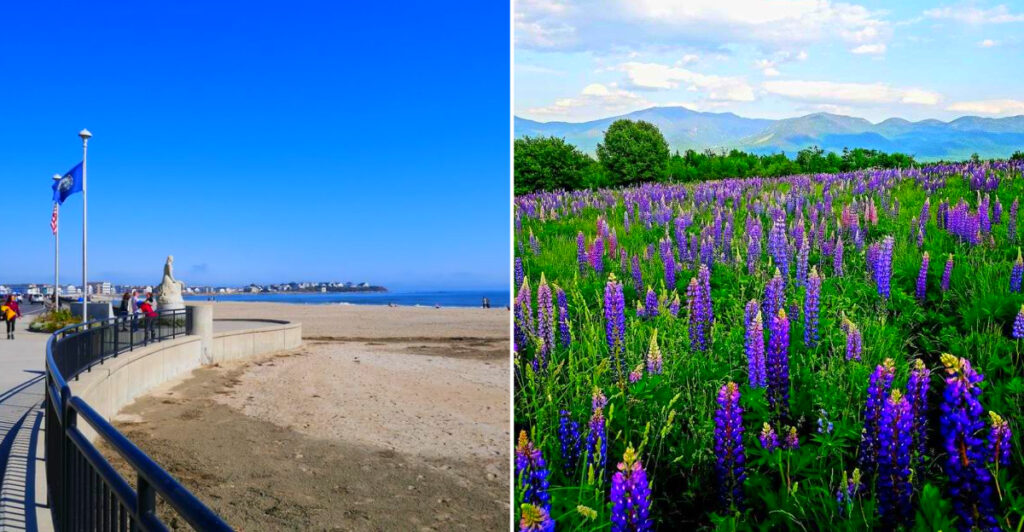
New Hampshire’s coastline is only 18 miles long, which makes it easy to underestimate. Hampton Beach makes the most of every inch, packing a full-scale beach resort experience into a stretch of sand that draws more than a million visitors every summer.
The wide sandy beach is the main draw, but the boardwalk running parallel to it adds a layer of activity that keeps things lively well into the evening. Shops, food stands, and entertainment venues line the strip, giving families plenty of options beyond just swimming and sunbathing.
One of the most distinctive annual events here is the Hampton Beach Master Sand Sculpting Classic, held in June. Professional sculptors spend days constructing massive, detailed structures from sand, and the finished pieces attract large crowds before the tide eventually reclaims them.
Parking can be challenging on peak summer weekends, so arriving early or using the shuttle services from nearby lots is a smart move. The beach itself is well-maintained with lifeguards on duty throughout the season, making it a practical and enjoyable choice for families with young children.
8. Lake Sunapee
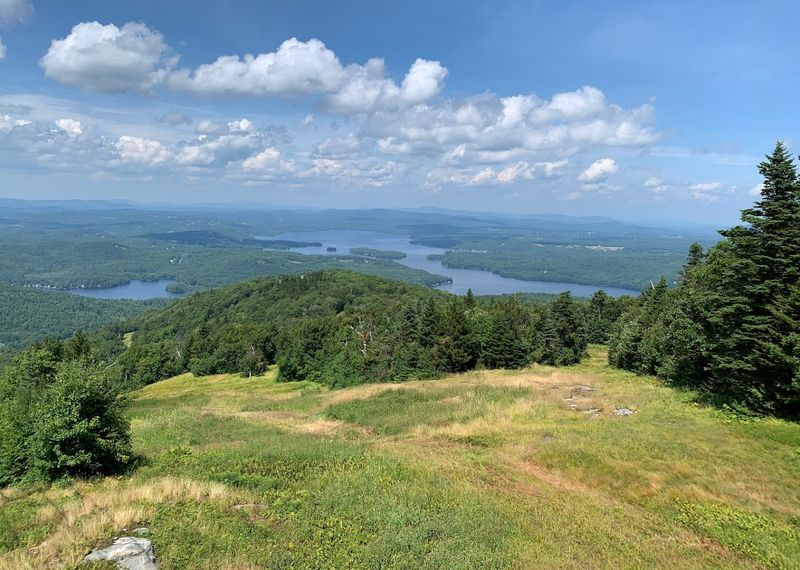
About an hour west of Concord, Lake Sunapee occupies a quieter corner of New Hampshire that many visitors overlook in favor of the more famous Winnipesaukee. That is genuinely their loss, because Sunapee delivers comparable scenery with considerably fewer crowds and a pace that actually allows you to relax.
The lake covers about 4,000 acres and sits at an elevation of 1,091 feet, giving it water temperatures that stay refreshingly cool even in the height of summer. Swimming, kayaking, paddleboarding, and boating are all popular, and the lake’s clarity makes it especially appealing for those who prefer their water on the transparent side.
Mount Sunapee Resort, which operates as a ski area in winter, reinvents itself completely for summer visitors. The resort offers chairlift rides to the summit, a zip line tour, and an aerial adventure course, making it a solid half-day activity for families or groups looking for something more active.
The surrounding towns of New London and Sunapee have a genuine small-town character, with local shops, summer theater, and farmers markets that reflect the community rather than just cater to tourists. Lake Sunapee is the kind of place that earns repeat visits.
9. Squam Lake
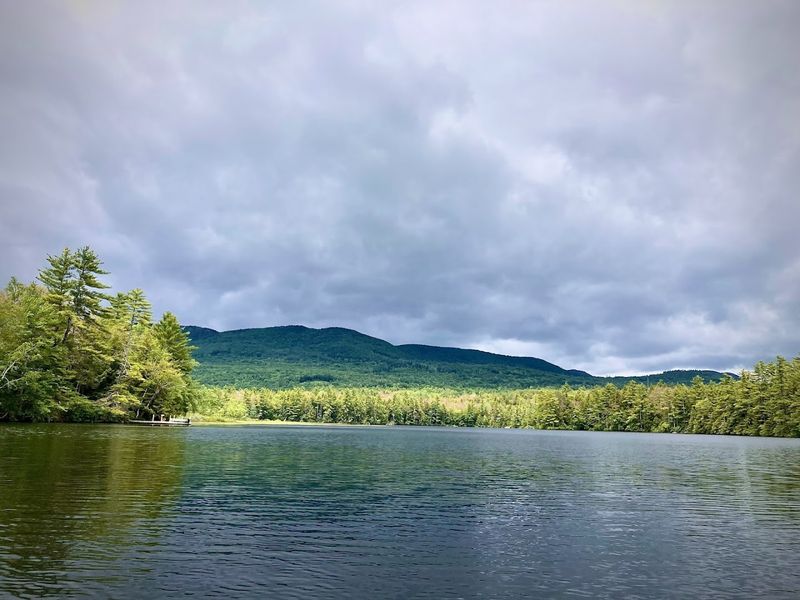
In 1981, a film crew chose Squam Lake as the backdrop for “On Golden Pond,” and it is not hard to understand why. The lake has a natural quality that feels genuinely untouched, with forested shorelines, dozens of small islands, and water clear enough to see the bottom in the shallows.
Unlike the more developed lakes in the state, Squam has maintained a low-key atmosphere that prioritizes conservation over commercial development. There are no boardwalks or amusement strips here. The experience is fundamentally about the water, the wildlife, and the quiet.
Kayaking and canoeing are the preferred ways to explore, and paddlers can spend hours weaving between islands and poking into secluded inlets. Common loons nest on the lake every summer, and spotting one is practically guaranteed if you head out early in the morning.
The Squam Lakes Natural Science Center offers guided pontoon boat cruises that focus on wildlife observation, covering topics like nesting birds, aquatic plants, and local ecology. It is an excellent option for families with curious kids. Squam Lake rewards visitors who are willing to slow down and pay attention to what is already there.
10. Sugar Hill
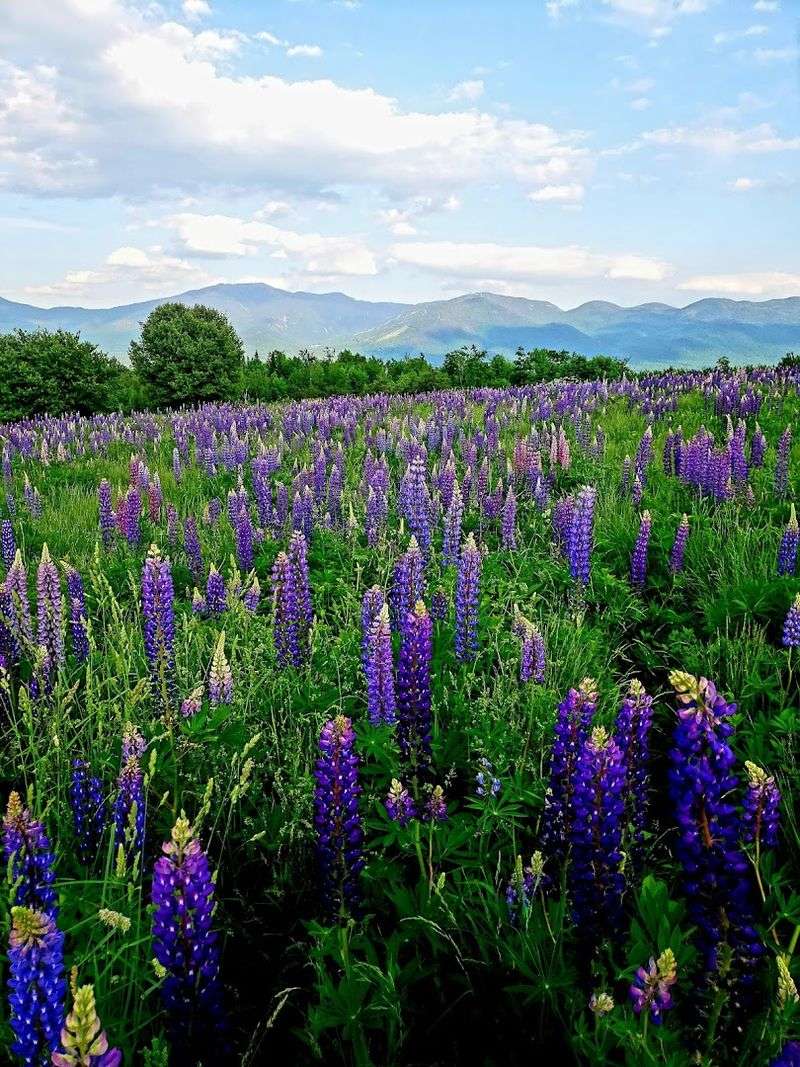
Every June, something remarkable happens in this small hilltop village of about 500 residents. The fields and roadsides surrounding Sugar Hill fill up with thousands of lupine plants in full bloom, creating a display of pink, purple, and blue wildflowers that covers entire hillsides and draws visitors from across the region.
Sugar Hill has fully embraced this annual event with the Lupine Festival, a multi-day celebration that includes garden tours, art shows, and guided walks through the blooming fields. The festival draws photographers, painters, and casual visitors who simply want to walk through something that looks like it belongs on a postcard.
Beyond the lupines, the village sits at an elevation that provides some of the best views of the Franconia Range available from any road in the state. Scenic drives through the area pass working farms, historic inns, and open meadows that frame the mountains perfectly.
The Harman’s Cheese and Country Store, which has operated in Sugar Hill since 1932, is worth a stop for local products and a genuine taste of old New Hampshire. Sugar Hill is a small place, but it delivers an outsized experience, particularly for anyone who visits during peak lupine season in mid-June.
Share this story