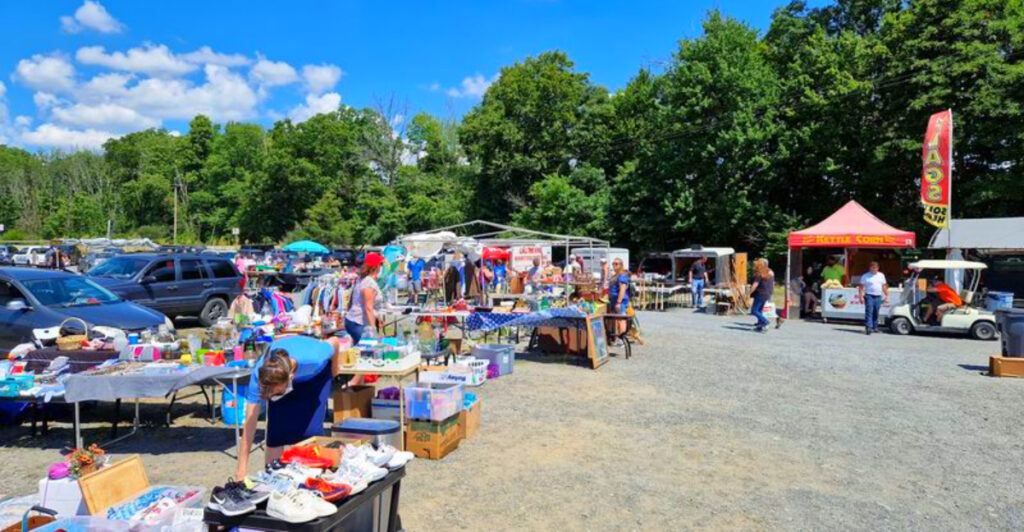
Weekend treasure hunting has been a tradition at this Pocono Mountains marketplace since 1976. Nearly 300 vendors fill the grounds with antiques, collectibles, fresh produce, handmade crafts, home décor, specialty foods, and unexpected finds that change from week to week.
It is the kind of place where you might leave with vintage glassware, locally made jams, handcrafted furniture, and a few things you never planned to buy. Add in classic market food like kettle corn and breakfast sandwiches, and it is easy to see why shoppers make the trip weekend after weekend. Keep reading to discover what makes this longtime Pennsylvania market such a favorite.
A Historic Spot With Deep Pocono Roots
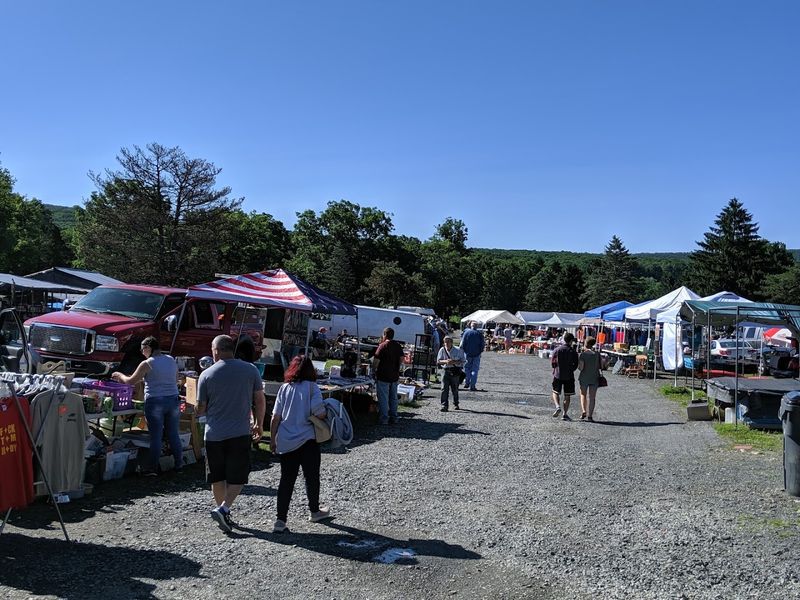
Before the vendor tents went up and the shoppers started arriving on Saturday mornings, this land had a very different purpose. Blue Ridge Flea Market at 648 State Route 115, Saylorsburg, PA 18353, sits on the former grounds of the Blue Ridge Drive-In Theater, a piece of local history that gives the property a certain nostalgic weight before you even browse a single booth.
The market opened in 1976, making it one of Pennsylvania’s oldest and largest flea markets still in operation. Nearly five decades of weekends have shaped it into something that feels genuinely rooted in the community rather than manufactured for tourists.
The Pocono Mountain foothills surrounding the site give it a natural backdrop that most shopping experiences simply cannot offer. There is something grounding about browsing vintage goods with tree-covered ridgelines in the distance. That combination of history, landscape, and local culture is what sets this market apart from a standard retail strip, and it rewards you more the longer you stay.
The Layout and Scale That Will Surprise You
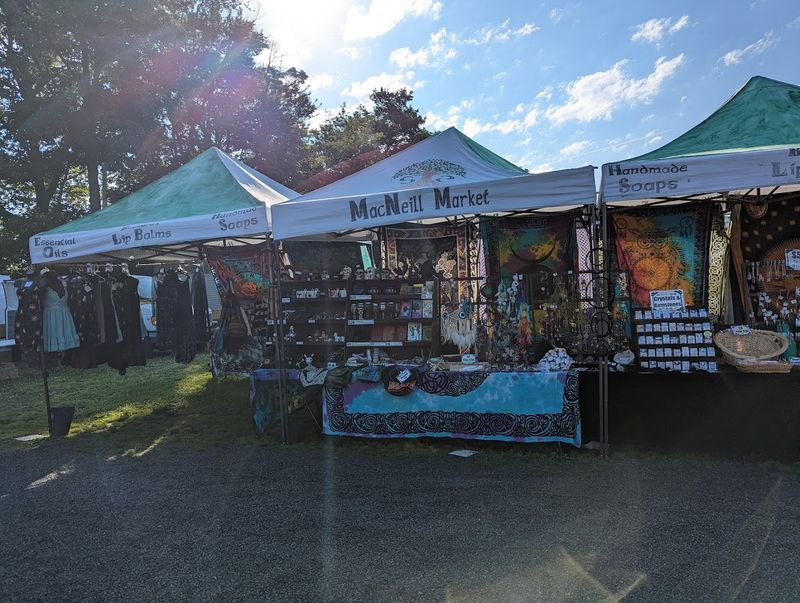
Most people pull up expecting a modest weekend sale and leave genuinely impressed by how much ground there is to cover. With close to 300 vendors spread across the property, this market has real scale, the kind that means you can spend two or three hours here and still feel like you missed something worth circling back to.
The layout is open-air, which gives the whole experience a relaxed, unhurried pace. Rows of booths stretch in multiple directions, and the mix of permanent vendors alongside rotating weekend sellers keeps the floor plan feeling fresh rather than predictable.
Arriving early pays off in a practical sense, as the most popular spots fill up and some vendors begin packing down before the 3:00 PM closing time on busy days. The market runs every Saturday and Sunday from 6:30 AM to 3:00 PM, from the first Saturday in April through the last full weekend in October. Planning your visit around a clear morning gives you the full experience.
Antiques and Vintage Finds That Reward Patient Shoppers
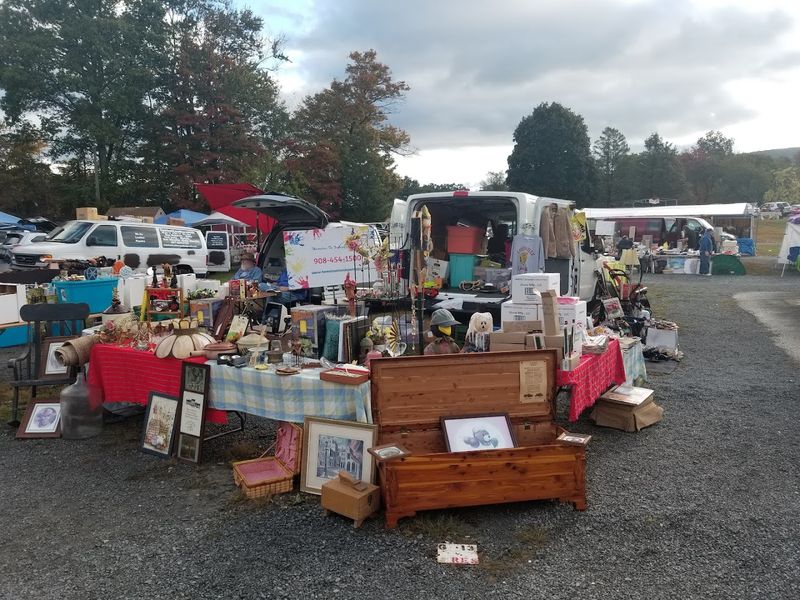
Antique hunters tend to use words like “patient” and “persistent,” and both qualities pay off here. The selection of vintage and antique goods at this market is genuinely broad, covering everything from antique English transferware and vintage china to silverware, skeleton keys, and old chandelier crystals.
Advertising memorabilia and nostalgic Americana pieces show up regularly, the kind of items that collectors drive hours to find at specialty shops but sometimes discover here for a fraction of the price. Furniture, vintage toys, and old comics round out the antique offerings in ways that appeal to a wide range of collecting interests.
Because the vendor lineup rotates, the inventory shifts from weekend to weekend. Something that was not there last month might be waiting for you this visit, which is exactly what keeps serious collectors coming back on a regular schedule. The thrill is not just in the purchase but in the hunt itself, and this market keeps that feeling alive every single weekend through the fall season.
Crafts and Handmade Goods Worth Slowing Down For
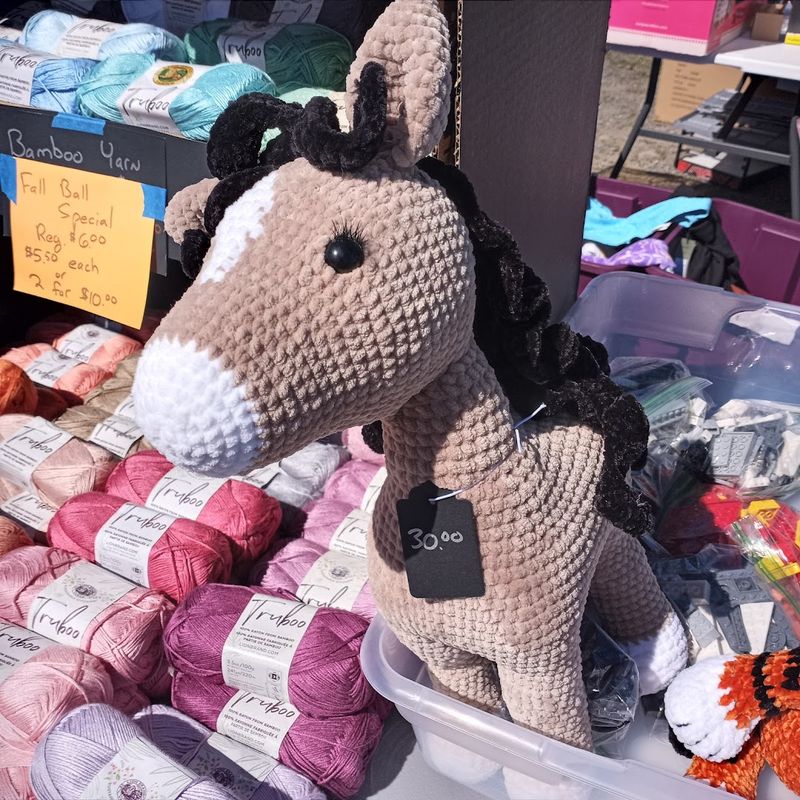
Not everything at this market has a past life. Alongside the vintage finds, a solid selection of handmade and artisan goods fills the booths, offering something for shoppers who prefer new craftsmanship over old curiosities. One vendor that regulars specifically mention is the birdhouse maker, whose woodworking is detailed and priced fairly for the quality on display.
Handmade jewelry, decorative items, and curios also appear throughout the market, often made by local craftspeople who show up weekend after weekend. These are not mass-produced pieces you can find at any big-box store. They carry the personality of the person who made them, which gives them a different kind of value.
Browsing the craft booths at a slower pace tends to spark conversations with the makers themselves, and those exchanges are often the most memorable part of a visit. Finding out the story behind a hand-turned wooden bowl or a piece of locally made jewelry adds a layer to the purchase that no online shopping cart can replicate.
The Pocono Pickle Guy Is a Market Legend
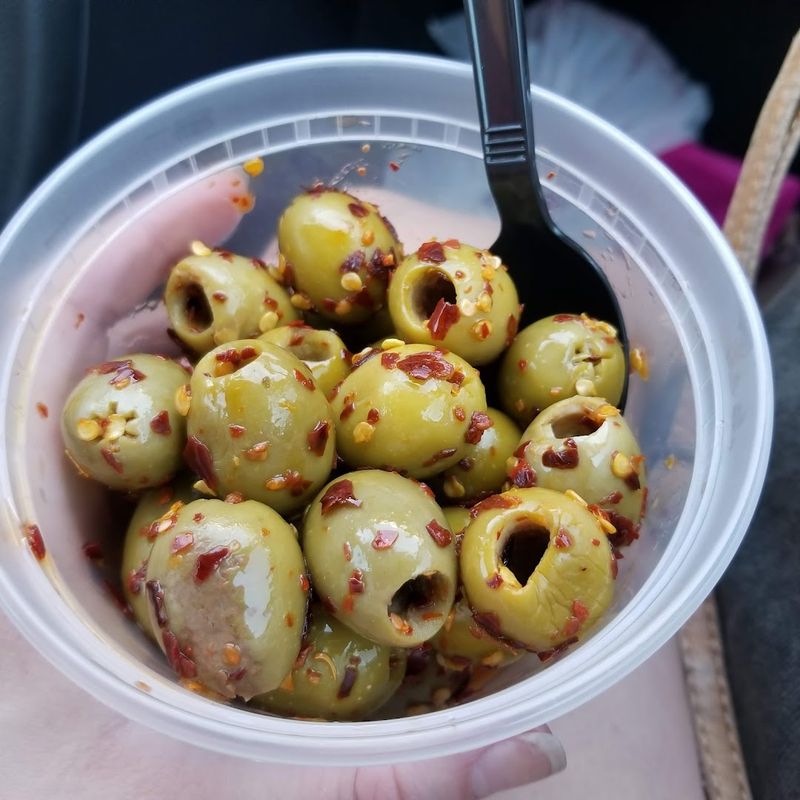
Ask almost anyone who has visited this market more than once about their favorite vendor, and a specific name comes up with remarkable consistency. The Pocono Pickle Guy has built a following that is, by any reasonable measure, devoted. People plan entire trips around stopping at his booth, and the spicy olives in particular have developed something close to a cult reputation.
The appeal is straightforward: the products are bold, flavorful, and unlike what you find in a grocery store. Shoppers who grab the smallest jar often return within the same visit to upgrade to a larger size, which is a reliable sign that the product delivers on its reputation.
This kind of specialty vendor is exactly what elevates a flea market beyond a simple resale event. When one booth becomes a destination in itself, it says something about the quality of what is being offered. The Pocono Pickle Guy earns his legendary status one jar at a time, and his booth is worth finding early before the crowds settle in.
Fresh Produce and Everyday Finds Mixed Right In
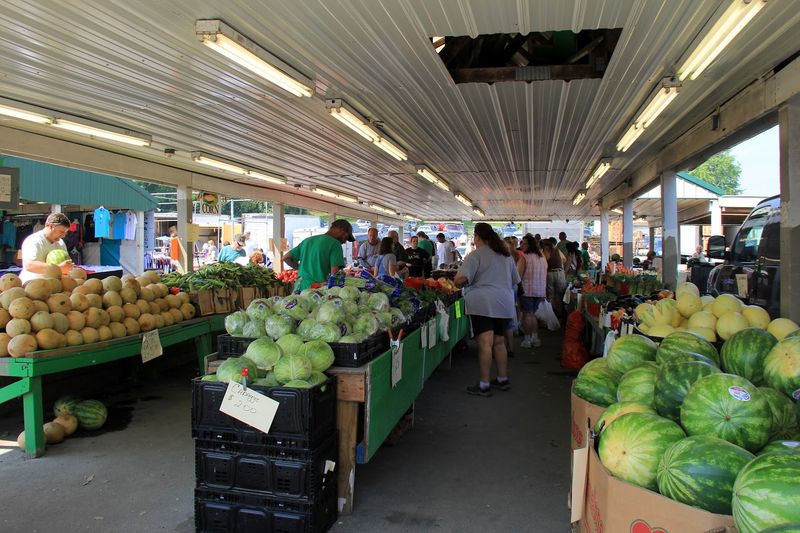
One of the more practical surprises at this market is the presence of fresh local produce alongside the antiques and collectibles. Vendors selling seasonal fruits and vegetables appear throughout the warmer months, giving the market a farmers-market quality that shoppers who are not antique hunters can genuinely appreciate.
Tools, bicycles, outdoor equipment, and everyday household items also fill a significant portion of the booths. These are the kinds of finds that do not get the same attention as vintage china or handmade crafts, but they represent real value for shoppers who need functional items rather than decorative ones.
New merchandise appears alongside used goods, which broadens the appeal considerably. Someone looking for a specific tool might find it here for less than a hardware store price, while a neighbor browsing the next booth is hunting for a mid-century lamp. That mix of the practical and the collectible is part of what makes the market feel genuinely inclusive rather than narrowly focused on one type of shopper.
The Treasure Hunt Factor That Keeps People Returning
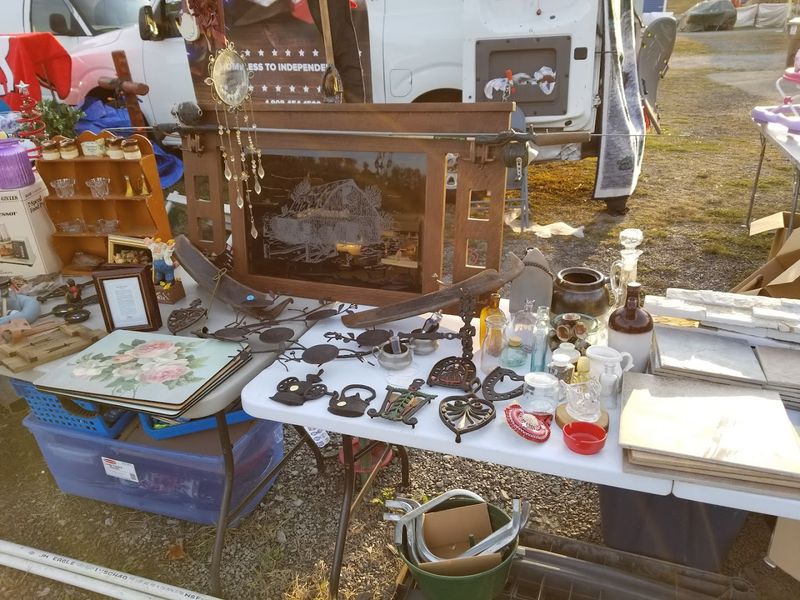
There is a specific kind of excitement that comes from not knowing what you will find, and this market delivers that feeling reliably. The inventory shifts from weekend to weekend as vendors rotate in and out, which means the market never quite looks the same twice. Regular visitors describe the experience as a treasure hunt, and that framing is accurate rather than promotional.
Past finds that shoppers have brought home include vintage chandelier crystals, antique silverware sets, old advertising signs, and pieces of antique English transferware that would not look out of place in a serious collection. None of these were guaranteed to be there on any given weekend, which is precisely the point.
The unpredictability is the feature, not a flaw. Markets with fixed, permanent inventory eventually feel familiar and easy to skip. A market where the floor plan changes every week gives you a reason to show up again, and again, and again. That rotating freshness is one of the most compelling reasons this place has maintained its following for nearly five decades.
Getting There and Knowing When to Show Up
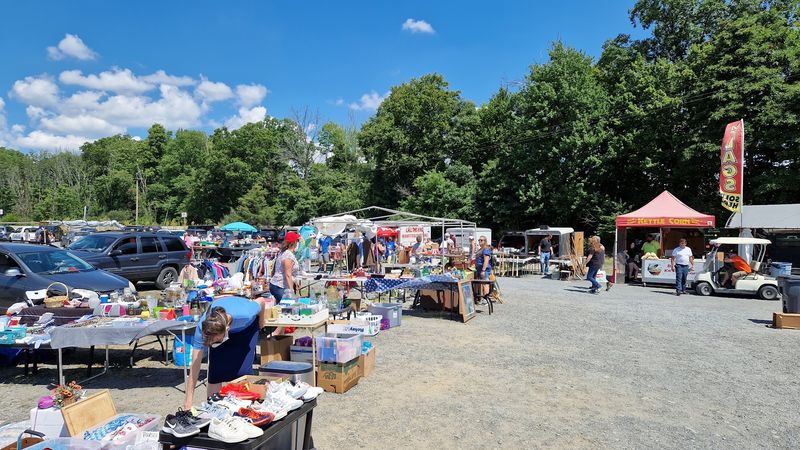
Accessibility is one of this market’s quiet advantages. The location just off Routes 115 and 33 in Saylorsburg makes it reachable from a wide range of starting points, including various Pocono Mountain resort areas, the Lehigh Valley, and destinations in New Jersey and New York. The drive through the Pocono foothills is pleasant enough to count as part of the experience.
Parking is free, which matters more than it might seem when you are factoring in a full morning of shopping. The lot fills up quickly on busy weekends, particularly around holiday Saturdays, so arriving closer to the 6:30 AM opening gives you better parking and first access to the most popular vendors before items sell.
The market runs weather permitting, so checking conditions before you head out is worth the thirty seconds it takes. Rainy weekends can mean fewer vendors or a shortened day, and confirming with the market directly at 570-801-2401 before a long drive is a smart move during uncertain weather windows.
What Vendors Experience on the Seller Side
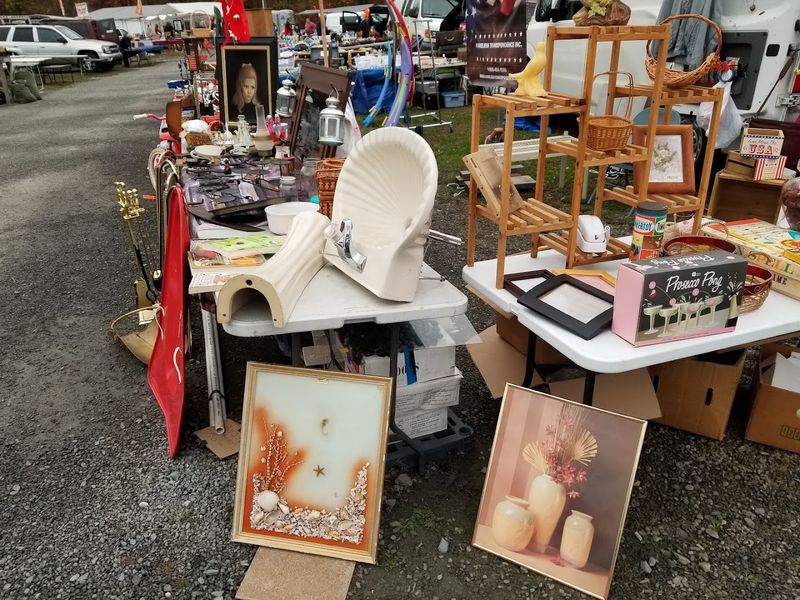
The market draws a loyal base of sellers as well as shoppers, and the vendor side of the experience tells its own story about why this place has lasted nearly fifty years. A daily vendor fee of around twenty-five dollars keeps the barrier to entry low, which allows a wide range of sellers to participate without needing to move large volumes just to cover costs.
Vendors selling everything from trees and shrubs to handmade crafts and collectibles have reported strong sales days, particularly during June and July when foot traffic peaks. The combination of local shoppers and visitors from the greater Pocono resort area creates a customer base that is both consistent and varied.
The market’s reputation for being well-organized and maintained also benefits sellers, since shoppers who trust the environment tend to browse longer and spend more. Clean facilities and a clear layout signal that the operation is managed with care, which reflects positively on every vendor who sets up a table here each weekend.
Why This Market Has Earned Its Long-Standing Reputation
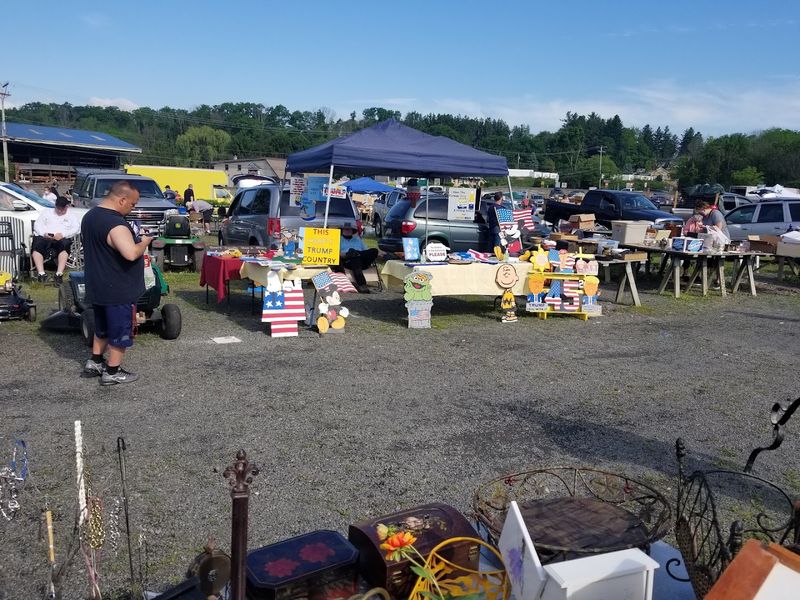
Markets that open in 1976 and are still drawing hundreds of shoppers every weekend nearly five decades later are not accidents. They survive because they offer something consistent enough to trust and varied enough to stay interesting. This market has both qualities working in its favor, and the 4.4-star rating across nearly 1,400 reviews reflects a customer base that keeps coming back and keeps recommending it to others.
The mix of antiques, crafts, fresh produce, specialty food vendors, and rotating collectibles creates an experience that appeals to a genuinely broad audience. Families, collectors, casual browsers, and dedicated deal-hunters all find reasons to show up, and the free parking and accessible location remove the friction that keeps some people from visiting outdoor markets in the first place.
From its origins on the former Blue Ridge Drive-In Theater property to its current status as one of Pennsylvania’s most established flea markets, this Saylorsburg institution has built its reputation one Saturday morning at a time. That kind of longevity is earned, not given, and it shows in every corner of the market.
Share this story