North Carolina is filled with breathtaking gardens, but some of its most enchanting green spaces remain surprisingly overlooked. Hidden behind historic estates, tucked into college campuses, or nestled along quiet woodland trails, these gardens invite visitors to slow down, wander winding paths, and discover beauty around every corner.
Whether you’re chasing spring blooms or a peaceful afternoon outdoors, these destinations feel like stepping into another world.
Coker Arboretum — Chapel Hill, North Carolina
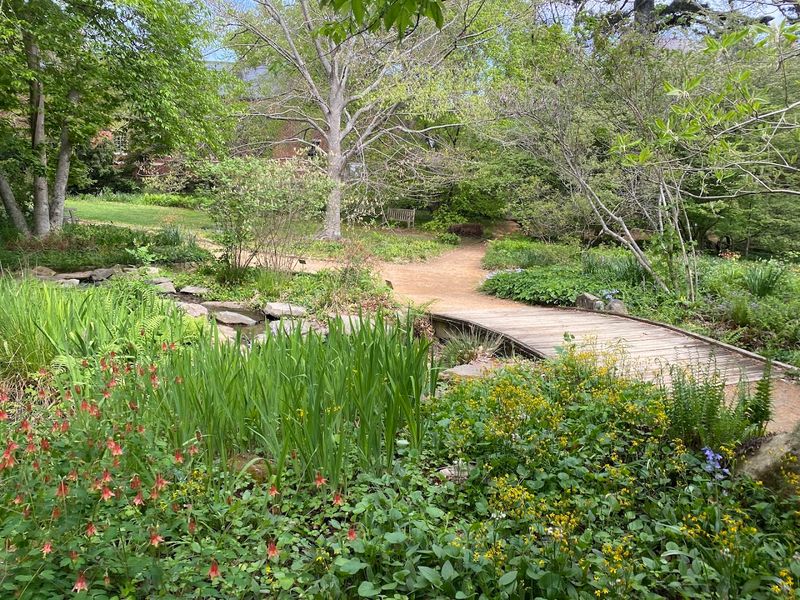
Since 1903, students rushing between classes have had the option to slow down and wander through one of the oldest living plant collections in North Carolina. Coker Arboretum sits right on the University of North Carolina campus, yet somehow manages to feel like a quiet world completely separate from campus life.
The contrast between the surrounding academic buzz and the garden’s calm is part of what makes it so special.
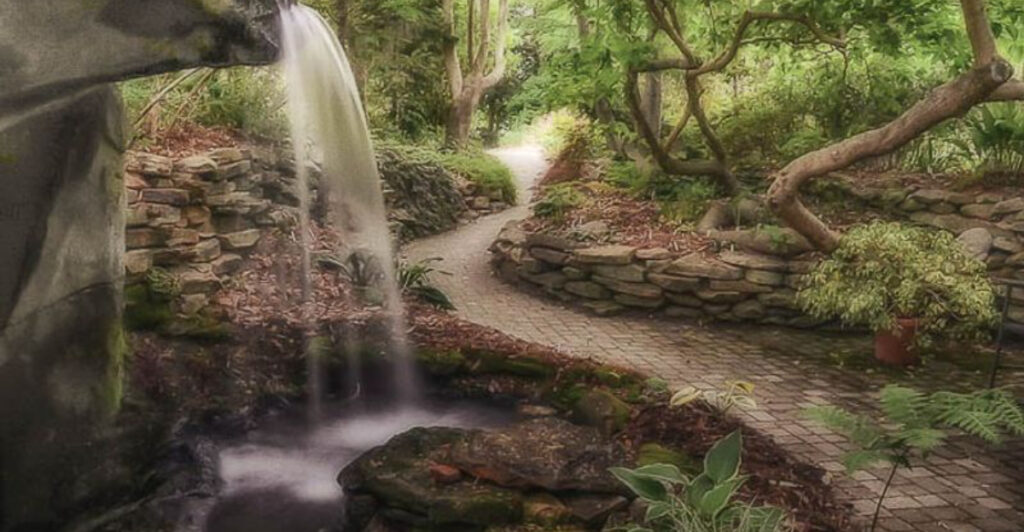
Brick pathways curl beneath towering trees, past flowering shrubs and carefully tended seasonal beds. Every turn reveals something new, whether it’s a burst of spring color or the rich golden tones of a fall afternoon.
The garden spans about five acres, which is small enough to explore in an hour but detailed enough to reward multiple visits.
Families, students, and curious visitors all share the space comfortably. Admission is free, which makes it an easy stop for anyone exploring the Chapel Hill area.
If you visit in April, the wisteria and flowering trees put on a show that honestly feels unfair to miss.
Elizabethan Gardens — Manteo, North Carolina
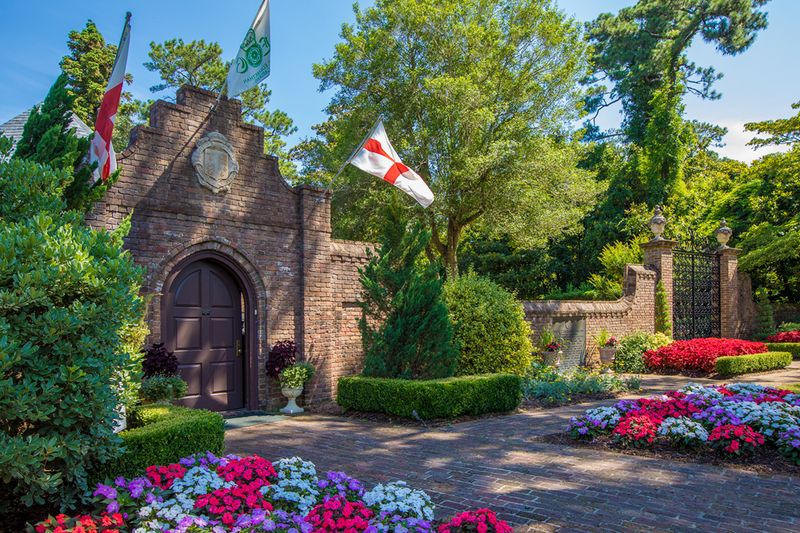
Somewhere between a history lesson and a daydream, the Elizabethan Gardens in Manteo occupy a truly one-of-a-kind spot on North Carolina’s Outer Banks. Opened in 1960 as a tribute to the early English settlers of the Lost Colony, the garden blends formal 16th-century design with the lush, coastal energy of the surrounding landscape.
Standing here, it’s easy to imagine what the first English settlers may have seen when they arrived on Roanoke Island.
Stately fountains anchor the central spaces, while climbing roses, sculpted hedges, and vibrant flower beds fill the surrounding areas with color. A 16th-century stone gatehouse imported from England greets visitors at the entrance, setting the mood before you even step inside.
Shaded walkways offer relief on warm days, and benches are tucked throughout the grounds for anyone who wants to sit and soak it all in.
The garden is open year-round, with seasonal blooms ensuring there’s always something worth seeing. Spring brings tulips and pansies, while summer fills the beds with bold, tropical color.
The combination of history and horticulture here is genuinely hard to find anywhere else in the state.
Paul J. Ciener Botanical Garden — Kernersville, North Carolina
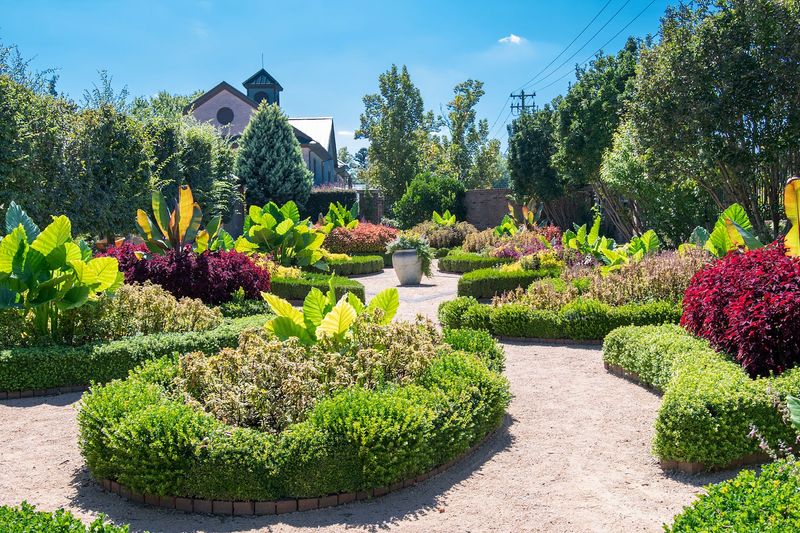
Not every remarkable garden sits in a major city, and the Paul J. Ciener Botanical Garden in Kernersville is proof of that.
Tucked into a small Piedmont town between Greensboro and Winston-Salem, this garden punches well above its weight with European-inspired design, vibrant seasonal plantings, and a level of care that makes every visit feel polished. First-time visitors are often caught off guard by just how much beauty fits into this space.
Elegant fountains serve as focal points throughout the garden, drawing the eye and creating a sense of structure among the colorful beds. Manicured hedges frame pathways that meander past perennials, roses, ornamental grasses, and flowering trees.
The garden changes with every season, so returning visitors always find something fresh to discover.
Community events, educational programs, and seasonal festivals bring the garden to life beyond its plantings. Admission is free, which makes it an accessible outing for families, garden enthusiasts, or anyone looking for a calm afternoon outside.
The Ciener Garden is the kind of place that reminds you that extraordinary things sometimes hide in the most unexpected towns.
Reynolda Gardens — Winston-Salem, North Carolina
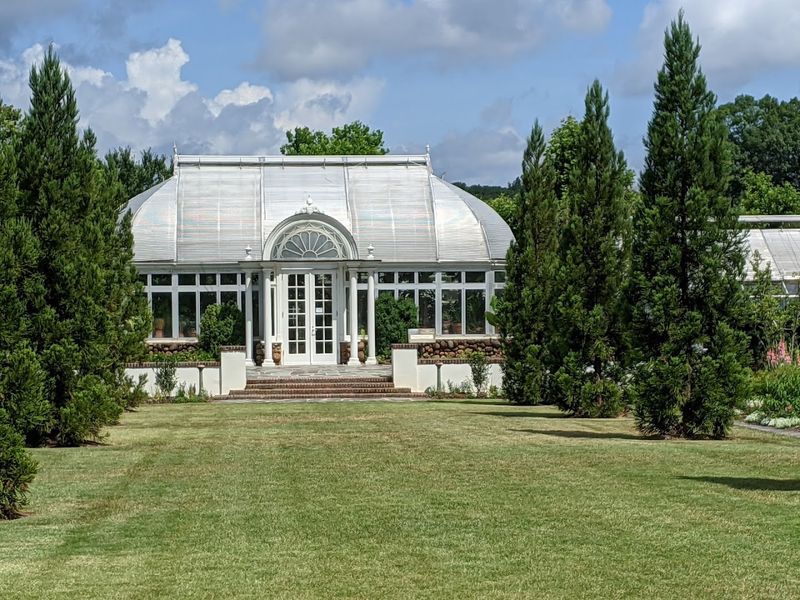
Few gardens in North Carolina carry as much history as Reynolda Gardens, originally designed as part of the grand country estate built by R.J. Reynolds in the early 1900s.
The formal gardens, working greenhouses, and surrounding woodlands were created to supply the estate with fresh produce, flowers, and plants year-round. Today, visitors can walk those same grounds and feel the quiet grandeur that the Reynolds family once enjoyed every day.
Restored greenhouses anchor the heart of the property, filled with herbs, vegetables, and specialty plants that reflect the garden’s agricultural roots. Beyond them, formal flower gardens explode with color in spring and summer, while wooded trails wind through more than 100 surrounding acres.
The contrast between the manicured gardens and the wilder woodland sections gives Reynolda a satisfying variety that most gardens simply can’t match.
Because the garden sits adjacent to Reynolda Village, a charming collection of shops and restaurants, a visit here pairs naturally with a meal or a browse through local boutiques. Admission to the gardens is free.
Whether you’re a history lover, a plant enthusiast, or just someone who needs a long, restorative walk, Reynolda delivers on every front.
Sarah P. Duke Gardens — Durham, North Carolina
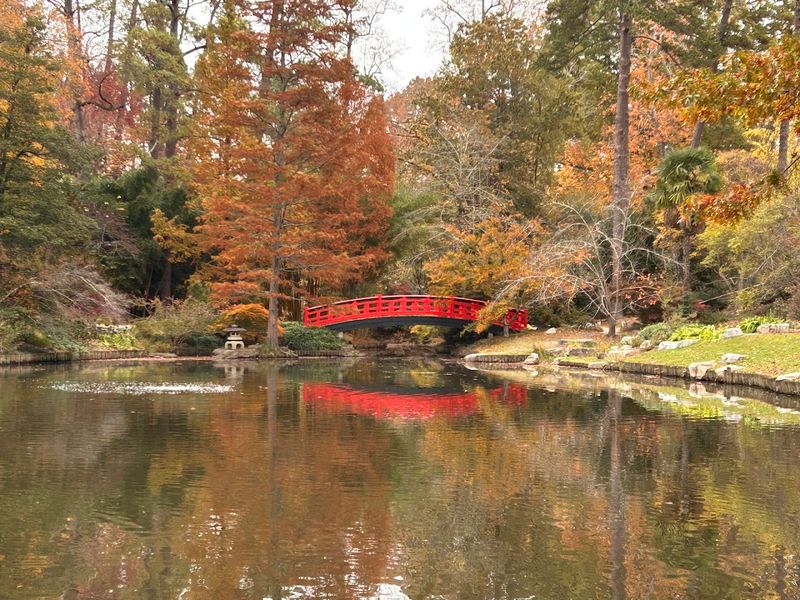
Yes, Sarah P. Duke Gardens is one of the most visited gardens in the entire southeastern United States, but hear this out before you skip it for something less crowded.
The garden spans 55 acres on the Duke University campus, and most visitors barely scratch the surface of what’s actually here. Venture past the main terraced gardens and you’ll find secluded corners that feel genuinely private, even on a busy weekend afternoon.
Koi ponds shimmer beneath stone bridges, woodland paths disappear into shaded groves, and tucked-away garden rooms reward visitors who are willing to wander without a map. The H.L.
Blomquist Garden of Native Plants alone could occupy an hour, with its wildflower meadows and naturalistic plantings that feel worlds apart from the formal terraces nearby.
Spring is the undisputed peak season, when thousands of tulips, wisteria, and flowering trees transform the main gardens into something almost impossibly colorful. But fall visits have their own quiet charm, and winter reveals the elegant bones of the landscape in ways that blooms sometimes hide.
Admission is free, and the garden is open every day of the year. Few free experiences in North Carolina offer this much to explore.
Airlie Gardens — Wilmington, North Carolina
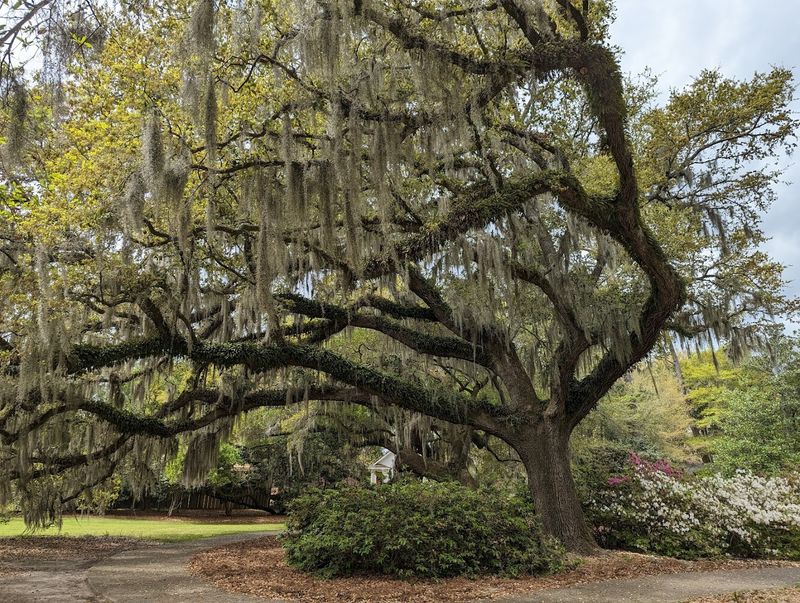
The oldest thing at Airlie Gardens isn’t a building or a fountain. It’s a tree.
The Airlie Oak, estimated to be over 500 years old, stands near the entrance like a silent guardian, its massive limbs stretching wide enough to shade an entire gathering. That single tree sets the tone for everything that follows inside this extraordinary coastal garden.
Established in 1886, Airlie spreads across 67 acres of live oaks, lakes, and seasonal garden displays just minutes from downtown Wilmington. Spanish moss drapes dramatically from nearly every branch, creating that classic lowcountry atmosphere that photographers absolutely love.
Hidden pathways lead to quiet garden rooms, waterside benches, and unexpected sculptures tucked among the plantings.
Spring azalea season is the garden’s most famous moment, when thousands of azaleas burst into color along the lakeshores and beneath the ancient oaks. The effect is genuinely jaw-dropping, and it draws visitors from across the region every year.
But summer brings butterfly gardens and water lilies, and fall offers its own mellow beauty. Airlie charges a modest admission fee that varies by season.
For anyone visiting the Wilmington area, skipping Airlie Gardens would be a decision worth regretting.
North Carolina Botanical Garden — Chapel Hill, North Carolina
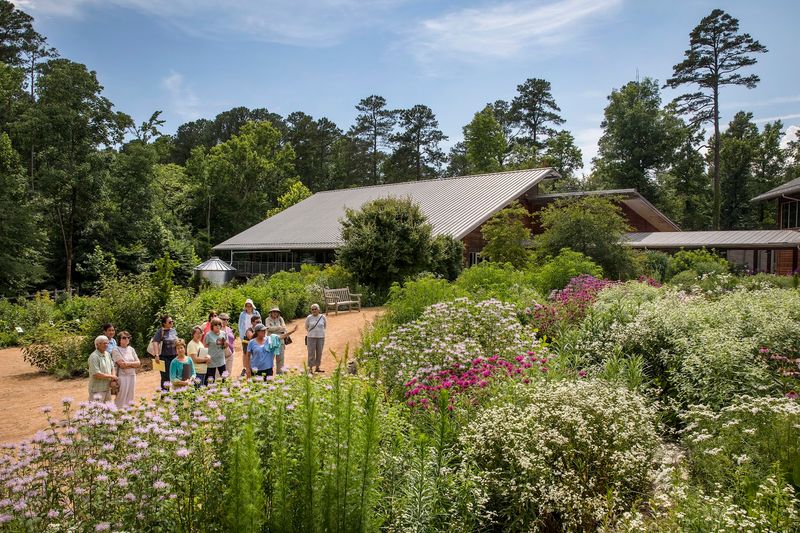
Carnivorous plants growing wild along a shaded trail might sound like something from a science fiction story, but at the North Carolina Botanical Garden in Chapel Hill, it’s just a Tuesday afternoon. This garden takes a fundamentally different approach from most botanical spaces by focusing exclusively on plants native to the southeastern United States.
The result feels less like a curated display and more like a guided walk through the state’s own wild landscapes.
Woodland trails wind through different ecological communities, from piedmont forests to mountain cove habitats, giving visitors a sense of how varied North Carolina’s natural environment truly is. The carnivorous plant section alone is worth the trip, featuring Venus flytraps, pitcher plants, and sundews thriving in their natural bog conditions.
Wildflower meadows burst into color in spring and early summer, attracting pollinators that make the whole area feel alive.
Admission is free, which makes the garden an easy choice for families, school groups, and curious visitors of all ages. Educational programs and guided walks are available throughout the year.
For anyone who wants to understand North Carolina’s natural heritage rather than just admire pretty flowers, this garden offers an experience that’s both educational and genuinely beautiful.
Sandhills Horticultural Gardens — Pinehurst, North Carolina

Hidden on a community college campus in the heart of golf country, the Sandhills Horticultural Gardens might be the most underrated garden destination in all of North Carolina. Most visitors driving through Pinehurst are focused on the famous golf courses, completely unaware that a stunning 30-acre botanical garden sits just down the road.
Their loss is your gain, because this garden almost never feels crowded.
The grounds are divided into a series of themed gardens, each with its own distinct character. The Ebersole Holly Garden contains one of the largest holly collections in the Southeast, while the Japanese garden offers stone lanterns, koi ponds, and carefully raked gravel that invite a slower, more contemplative pace.
A conifer garden, rose garden, and sensory garden round out the collection, giving visitors plenty of variety across a single visit.
Students from the college’s horticultural program maintain the gardens, which means the plantings are always well tended and frequently refreshed with new ideas. Admission is free and the gardens are open year-round.
Combining a visit here with a stroll through the charming village of Pinehurst makes for a genuinely lovely day in the North Carolina Sandhills region.
Juniper Level Botanic Garden — Raleigh, North Carolina
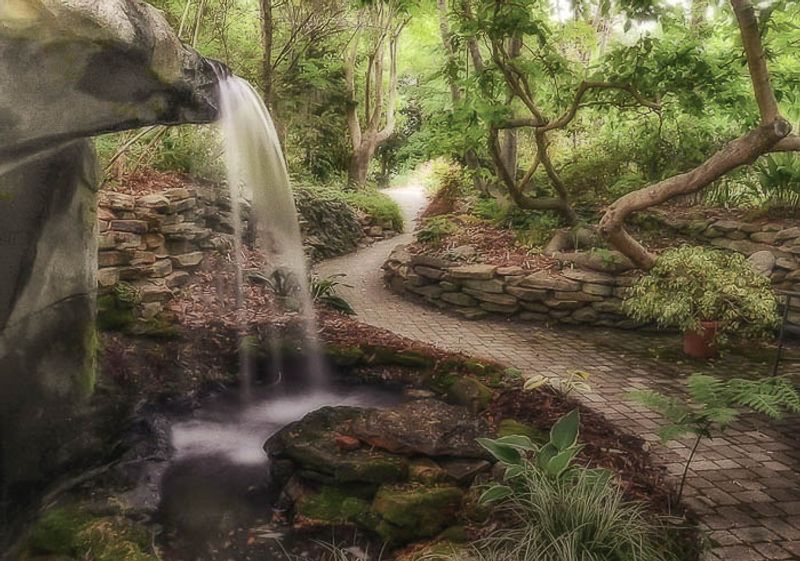
Getting into Juniper Level Botanic Garden requires a little planning, and honestly, that’s part of what makes it feel so special. Open to the public only during select weekends and special events throughout the year, this private garden near Raleigh has developed a devoted following among serious plant collectors and enthusiastic amateurs alike.
The limited access creates a sense of occasion that most gardens simply can’t replicate.
What awaits inside is nothing short of extraordinary. Over 25,000 plants from around the world grow across more than six acres of densely planted beds, winding paths, and interconnected garden rooms.
Rare agaves sit alongside unusual perennials, tropical specimens, and plants you won’t find anywhere else in North Carolina. The sheer density of planting here is both overwhelming and thrilling, like flipping through the world’s most ambitious plant catalog in real life.
The garden is connected to Plant Delights Nursery, which offers mail-order plants to gardeners nationwide and sells during open weekends. Serious gardeners often leave with armloads of unusual specimens to try at home.
Check the official website for upcoming open dates before planning a visit. When those gates open, the experience is absolutely worth the scheduling effort.
Cape Fear Botanical Garden — Fayetteville, North Carolina
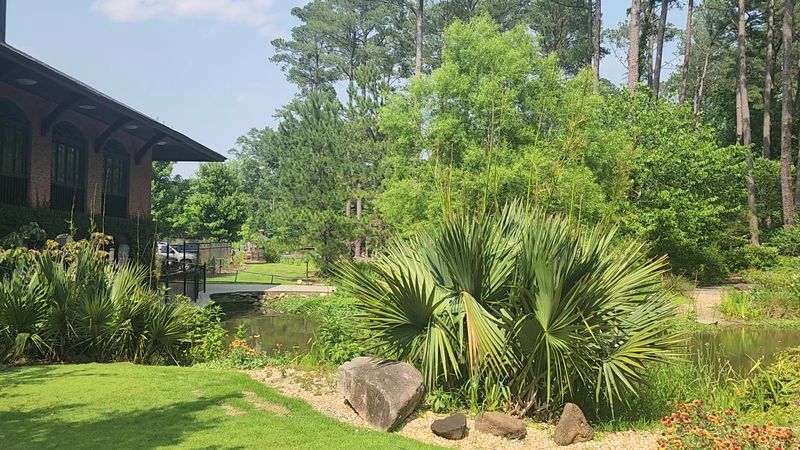
Bordering the Cape Fear River on the edge of Fayetteville, this 80-acre garden manages to feel like two completely different places depending on where you wander. The cultivated sections offer manicured camellia collections, a fragrance garden, and a children’s garden full of interactive features that younger visitors genuinely love.
Wander a little further and the landscape shifts into natural woodland, with trails dipping through ravines and along the riverbank where wildlife sightings are common.
The camellia collection is a particular highlight, featuring hundreds of varieties that bloom from fall through early spring, long after most other garden flowers have called it a season. Great blue herons, wood ducks, and box turtles are regular residents along the river trails, giving the garden a wilder dimension that sets it apart from purely ornamental spaces.
The contrast between the formal gardens and the natural areas keeps every visit interesting.
Admission is reasonably priced, and the garden offers a range of events, classes, and seasonal festivals throughout the year. A garden center on site sells plants, gifts, and supplies for visitors who want to bring a little of the Cape Fear magic home.
For Fayetteville locals and out-of-town visitors alike, this garden consistently surprises people who weren’t expecting much.
Daniel Stowe Botanical Garden — Belmont, North Carolina
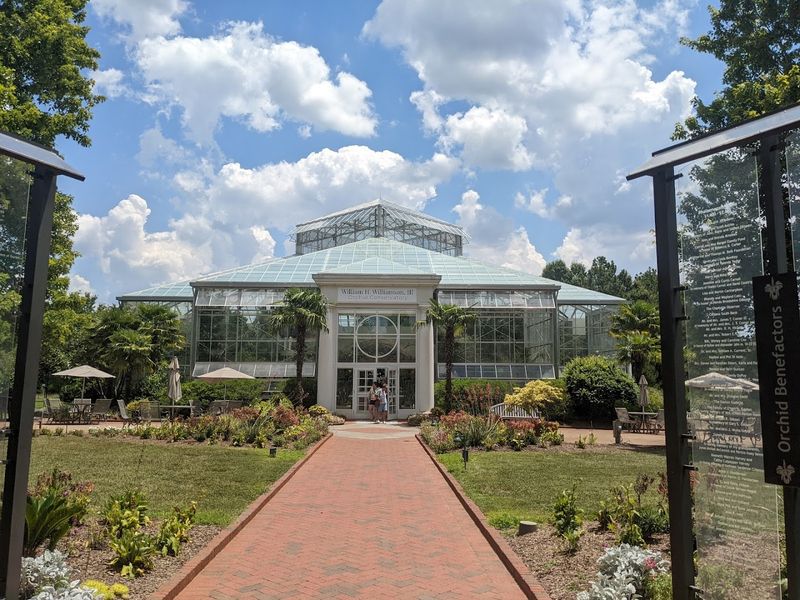
Pulling into Daniel Stowe Botanical Garden for the first time, most visitors stop in their tracks before they even reach the entrance. The sight of formal fountains, perfectly trimmed hedges, and a sparkling glass conservatory rising against the backdrop of Lake Wylie is the kind of view that makes people immediately reach for their cameras.
Located in Belmont just southwest of Charlotte, this garden carries the elegance of a grand Southern estate without any of the stuffiness.
Inside the conservatory, tropical plants and orchid displays create a lush, humid world that feels dramatically different from the manicured outdoor gardens. The Canal Garden, with its long reflecting pools and symmetrical plantings, offers one of the most photogenic stretches of any garden in the state.
Woodland trails lead down toward Lake Wylie, where the pace slows and the views open up beautifully.
Seasonal events at Daniel Stowe are genuinely spectacular. The holiday lights display draws enormous crowds each winter, transforming the garden into a glittering wonderland after dark.
Spring and summer bring peak blooms and outdoor concerts. Admission fees apply, but the quality of the experience justifies every penny.
For anyone based in the Charlotte metro area, this garden should already be a regular destination.
Share this story