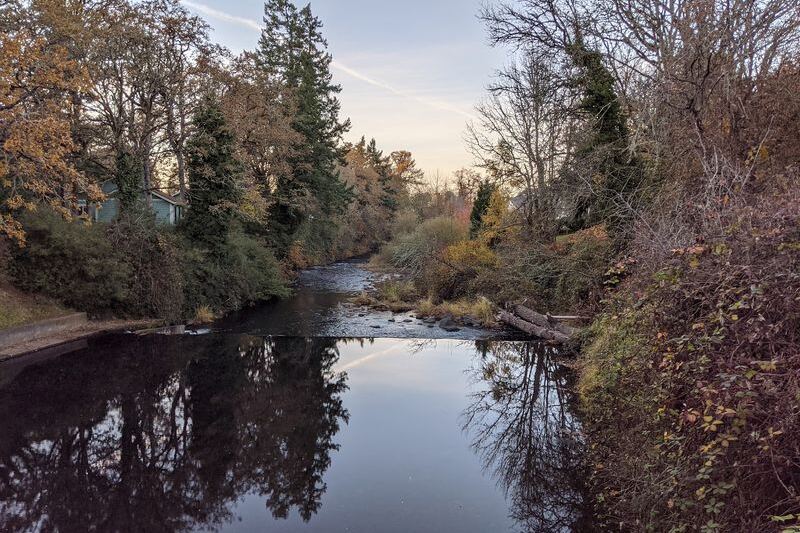
There is a place in Oregon where you can wander through 80 acres of breathtaking gardens, spot hidden artwork in tall grass, and watch ducks soak up the afternoon sun, all without paying an entry fee on certain days. Tucked in the heart of the Willamette Valley, this botanical wonderland pulls in visitors from across the Pacific Northwest and beyond.
It has a Frank Lloyd Wright-designed hotel on the grounds, a tram that circles the property, and seasonal displays that shift dramatically from one month to the next. Whether you are a plant lover, a casual walker, or just someone looking for a genuinely peaceful afternoon outdoors, this place delivers something real and memorable.
Where It All Begins: Address, Location, and What to Expect on Arrival
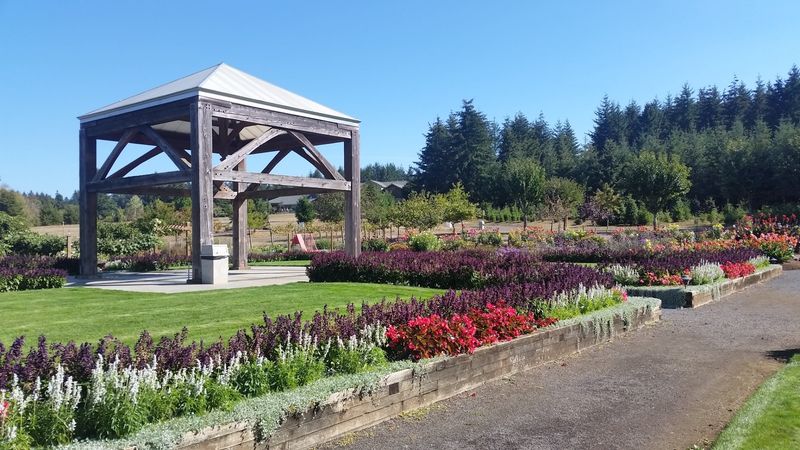
The Oregon Garden sits at 879 W Main St, Silverton, OR 97381, a small and charming town nestled in the Willamette Valley about an hour south of Portland. Getting there is straightforward, and the parking situation is genuinely refreshing since the lot is large and free, so you do not need to circle around hunting for a spot.
The visitor center greets you right at the entrance and gives you a solid overview of the property before you head out. Staff members are friendly and ready to answer questions, which makes first-time visitors feel comfortable rather than overwhelmed.
You can pick up a map, browse a small shop, and get your bearings before choosing which part of the garden to explore first.
The garden opened in 1999 and has grown into one of Oregon’s most beloved botanical destinations. It spans around 80 acres and features more than 20 specialty gardens connected by a network of well-maintained paths.
The grounds are clean, thoughtfully designed, and clearly cared for by a dedicated team. Restrooms are available throughout the property, which is a practical detail that makes longer visits much more enjoyable.
A Garden That Changes Every Season

One of the most talked-about qualities of this place is how dramatically it transforms throughout the year. Spring brings an explosion of early-season bulbs, including daffodils that push through the soil before the weather fully warms up.
The grounds feel fresh and energetic during those months, with new colors appearing almost weekly.
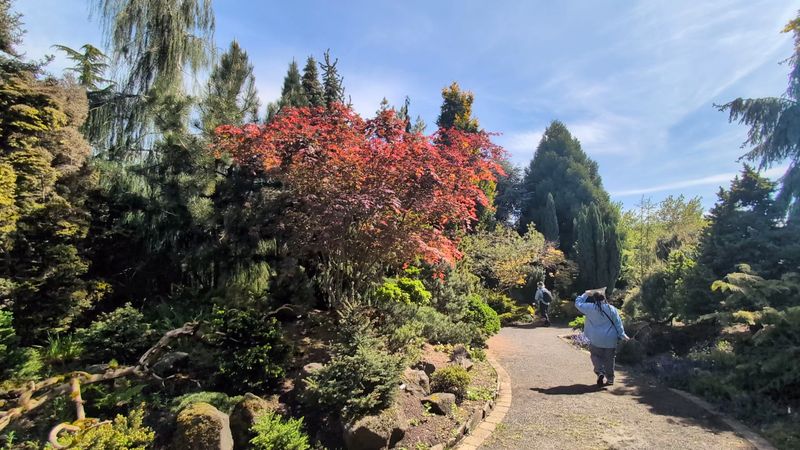
Summer fills the garden with lush greenery, bold perennials, and the kind of saturated color that makes every photo look professionally taken. Autumn is a showstopper in its own right, particularly when the Pacific Sunset maple trees shift into their full fall palette of gold, orange, and deep red.
The visual contrast against the evergreens is genuinely striking.
Winter is quieter but far from empty. The conifer garden holds its structure beautifully through the cold months, offering a calm and meditative atmosphere that frequent visitors seem to appreciate deeply.
Many locals who have been coming here for years specifically recommend off-peak visits for the added serenity and the chance to enjoy the grounds without crowds. Each season offers something distinct, which is exactly why some people visit three or four times a year without ever feeling like they are seeing the same place twice.
The Tram Ride: A Moving Tour Worth Taking
Not everyone realizes the garden offers a tram ride, and that is honestly a missed opportunity for anyone who skips it. The tour runs about 20 to 30 minutes, circles the major sections of the property, and is led by enthusiastic guides who clearly know their stuff.
The tram runs every 30 minutes, so you rarely have to wait long.
Guides share history and plant information along the route in a way that feels conversational rather than like a lecture. First-time visitors often find the tram ride useful as an orientation tool since it helps you identify which areas you want to spend more time exploring on foot afterward.
The ride itself is smooth and relaxed, passing through wetlands, specialty gardens, and tree-lined stretches that give you a sense of the overall layout.
Tram tickets are available at the entrance and are reasonably priced as an add-on to general admission. The experience works well for all ages, including older visitors or anyone who prefers not to walk the full perimeter trail.
Even if you plan to walk the entire property yourself, the tram offers a completely different perspective and a few details you might otherwise miss entirely.
The Frank Lloyd Wright Connection
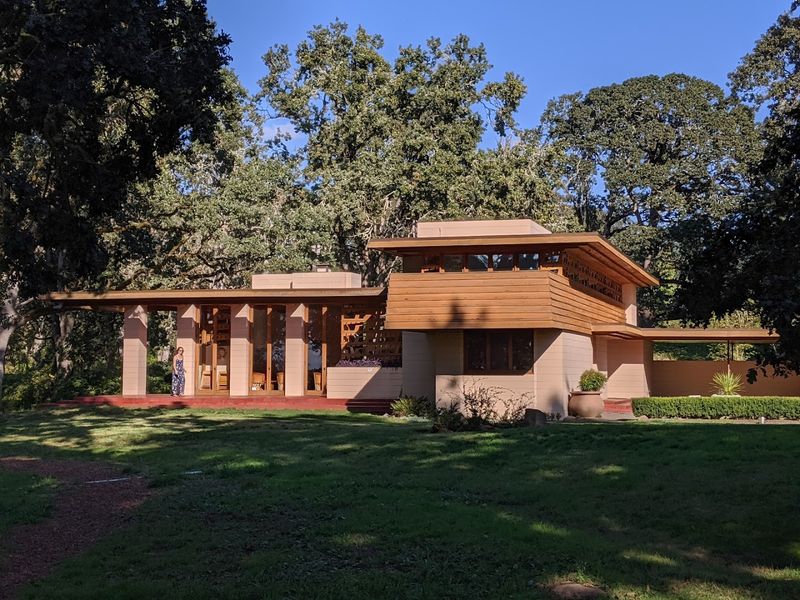
Tucked within the garden grounds is something that genuinely surprises first-time visitors: a house designed by Frank Lloyd Wright. The Gordon House, as it is called, is the only Frank Lloyd Wright-designed structure in the Pacific Northwest that is open to the public.
It was originally built in 1964 and relocated to the garden in 2001 to save it from being torn down.
The house follows Wright’s Usonian style, which was his approach to creating affordable, functional homes for middle-class American families. The design is low to the ground, deeply connected to its natural surroundings, and filled with the kind of thoughtful spatial details that Wright was known for.
Tours of the interior are available and give visitors a genuine sense of how the space was intended to be lived in.
Architecture enthusiasts tend to spend a solid chunk of their visit here, but even casual visitors find it fascinating. The contrast between the organic garden setting and the precise geometric lines of the house creates an interesting visual tension that is hard to look away from.
It is one of those unexpected additions that elevates the whole visit from a pleasant garden walk to something with real cultural and historical substance.
Wildlife, Water Features, and Wetland Trails

The wetland section of the garden is a genuine highlight that often gets overshadowed by the more manicured specialty gardens. A network of trails winds through this area, offering close-up views of native plants, small water features, and wildlife that moves through the space with complete ease.
Ducks are a common sight, and bird watchers consistently find the area worth their time.
The perimeter trail measures about 1.5 miles and is easily walkable for most visitors. However, many people end up covering closer to five miles once they start exploring every side path and tucked-away corner the property has to offer.
Hidden benches are scattered throughout the wetlands, set into private nooks that feel like personal discoveries rather than planned amenities.
Water features appear in multiple areas of the garden beyond just the wetlands, adding a consistent background soundtrack of moving water that makes the whole experience feel more immersive. The A-Mazing Water Garden is one of the more interactive features on the property and draws particular attention from younger visitors.
Wildlife sightings are not guaranteed, but they happen often enough that keeping your eyes open as you walk is genuinely rewarding rather than just hopeful.
Art Hidden in Plain Sight
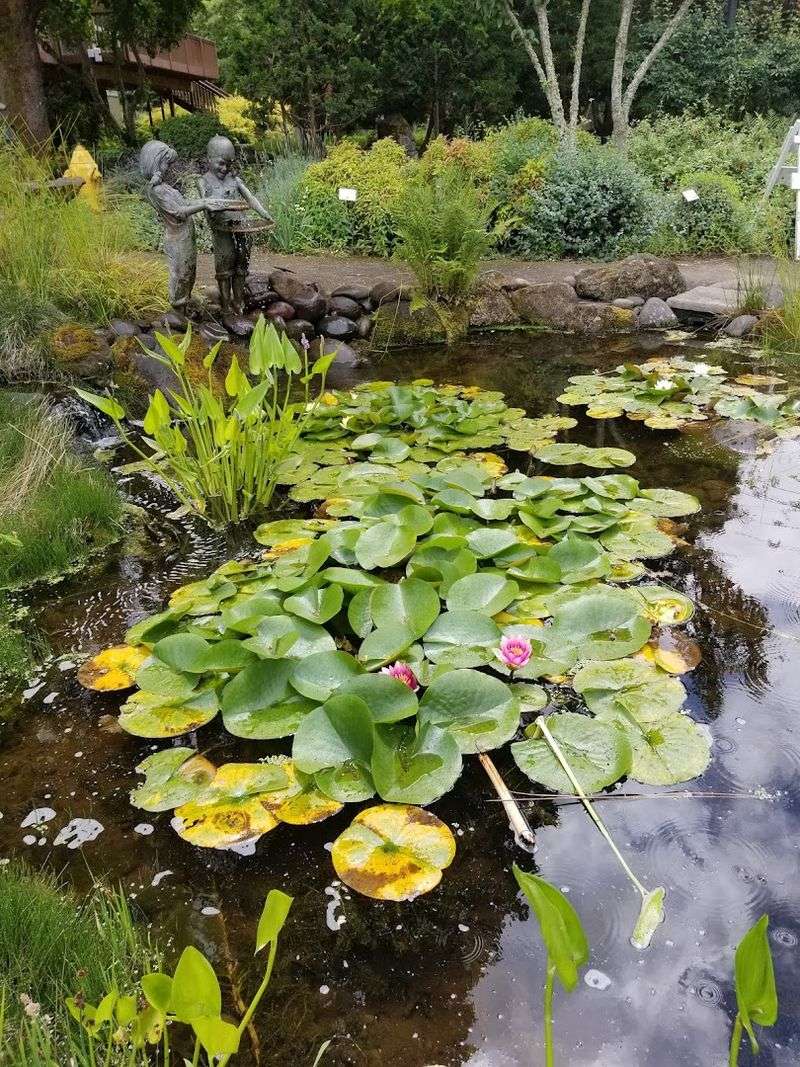
One of the more delightful surprises the garden holds is the art woven throughout the grounds. Sculptures and installations are placed throughout the property in ways that feel organic rather than staged, tucked into tall grass, positioned near water features, or anchored at the end of a path where you almost stumble upon them unexpectedly.
The art changes periodically, and some pieces are available for purchase, ranging from smaller works to large-scale sculptures that would make a statement in any outdoor space. The variety of styles and materials means there is usually something that catches your eye regardless of your personal taste.
Prices vary widely, so it is worth stopping to look even if buying is not on your agenda.
What makes the art program here feel special is that it never competes with the garden itself. The pieces are integrated thoughtfully, so discovering one feels like a reward for paying attention rather than a distraction from the natural surroundings.
Several visitors have described the experience of finding a sculpture in an unexpected spot as one of their favorite moments from the visit, and that reaction makes complete sense once you have walked the grounds yourself and felt that same small jolt of pleasant surprise.
A Dog-Friendly Space That Welcomes the Whole Family
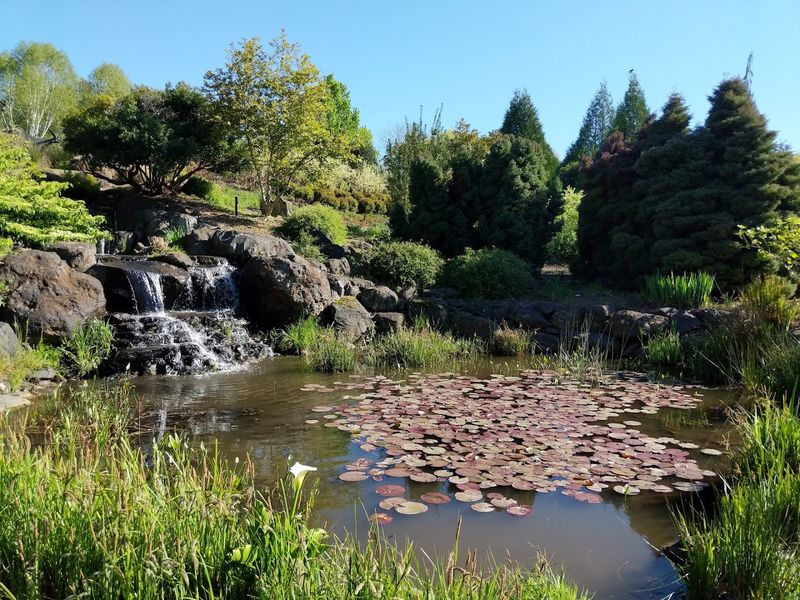
Bringing the dog along is not just allowed here, it is actively encouraged. The trails are wide enough for leashed dogs to walk comfortably alongside their owners, and the overall atmosphere is relaxed enough that even reactive or excitable dogs tend to settle down quickly once they start sniffing around the garden beds.
The kids’ play area is a thoughtful addition that gives younger visitors a space to burn off energy between sections of the garden. Families with a mix of ages tend to do well here because the pace is entirely self-directed and there is no pressure to rush through anything.
Picnics are also welcome, and bringing your own food adds a casual, unhurried quality to the visit that feels very much in keeping with the garden’s overall spirit.
Benches are placed generously throughout the property, so adults who need a rest can sit and enjoy the surroundings while kids or dogs explore nearby. The accessible design of the paths also means the garden works well for visitors with mobility considerations, with minimal steep inclines and plenty of shade along most routes.
It is genuinely one of those rare outdoor spaces where the whole group, regardless of age or energy level, tends to leave happy.
The Nursery and Gift Shop: More Than Just Souvenirs

Before you head home, the nursery and gift shop near the entrance deserves more than a quick glance. The plant selection leans heavily toward Oregon natives and garden-friendly species that are well-suited to the Pacific Northwest climate.
Prices are competitive, and the quality of the plants is noticeably good, likely because they are cared for by people who genuinely know what they are doing.
Ferns, perennials, shrubs, and seasonal plants rotate through the nursery depending on the time of year, so repeat visitors often find something new worth taking home. The gift shop carries garden-themed items, local products, and a selection of books that cover everything from plant identification to landscape design.
It is the kind of shop where you go in for one thing and come out with three.
Staff in the nursery area are knowledgeable and happy to offer planting advice without making you feel pressured to buy anything. That low-key, helpful approach extends across the whole property and reflects the general culture of the place.
Even if you are not a gardener yourself, browsing the nursery at the end of a long walk through the grounds has a satisfying quality, like a final chapter that ties the whole experience together neatly.
Holiday Lights and Seasonal Events

December brings a completely different energy to the garden in the form of a well-organized holiday light display. The lights are arranged thoughtfully across the grounds, and the overall atmosphere feels festive without tipping into sensory overload.
Families, couples, and groups of friends all show up for the evening events, and the crowd tends to be cheerful and easygoing.
The Christmas-themed exhibits are designed to work for all ages, so younger children are just as engaged as adults. The familiar garden paths take on a completely different character at night under the glow of the lights, and the effect is genuinely pretty rather than just functional.
It is a seasonal tradition that many Oregon families return to year after year.
Beyond the December events, the garden hosts a variety of programming throughout the year, including art shows, plant sales, and educational workshops. The event calendar is worth checking before your visit since some experiences require advance registration or have limited capacity.
The garden’s active programming schedule is one of the reasons it maintains such a loyal local following, giving regulars a reason to come back regularly rather than treating it as a one-time destination.
Practical Tips for Getting the Most Out of Your Visit

The garden is open most days from 9 AM to 6 PM on weekdays and until 4 PM on weekends, so planning your arrival early gives you the most flexibility. Admission fees apply for general entry, but checking the website at oregongarden.org before your visit is the best way to confirm current pricing and any special events that might affect hours or access.
Comfortable walking shoes are a practical necessity since you will likely cover more ground than you expect. Bringing water is also smart, especially during summer visits when the sun hits the more open sections of the garden directly.
A light layer is useful in the morning during spring and fall when temperatures in Silverton can be cooler than expected.
The garden’s phone number is 503-874-4294 if you want to call ahead with specific questions, and the staff are genuinely helpful over the phone. Parking is free and plentiful, and tickets do not need to be purchased in advance for general admission visits.
Silverton itself is a charming town worth exploring after your garden visit, with local shops and cafes that round out a full day trip nicely. The whole experience, from arrival to departure, tends to leave people planning their next visit before they have even reached the parking lot.
Share this story