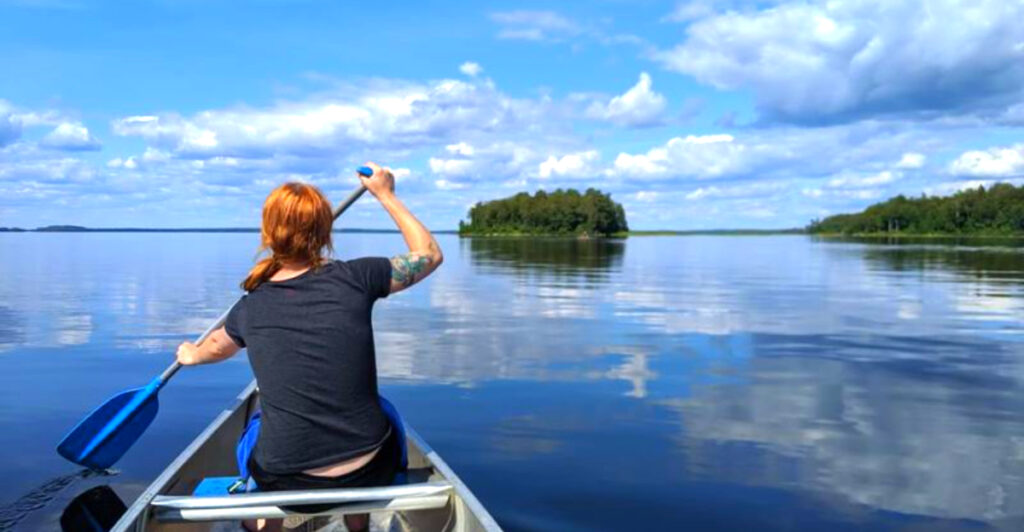
Northern Europe has a habit of quietly outdoing itself. One bend in the road reveals a lake wrapped in forests, the next brings a tiny fishing village, and suddenly your carefully planned schedule disappears because someone spotted a dock perfect for a picnic. The famous fjords and capital cities usually steal the headlines, but far from those busy routes are lake regions where locals spend their summers, hikers linger for an extra day, and photographers keep convincing themselves that “just one more picture” really will be the last.
Some of these lakes stretch so far they almost resemble inland seas. Others hide between rolling hills, islands, and centuries-old villages where life moves at a pleasantly sensible pace. A few are surrounded by castles, others by national parks, and several are famous for traditions that have changed very little over generations. None rely on giant crowds to make an impression.
Ready to swap packed viewpoints for peaceful shorelines and discover corners of Europe that many travelers drive right past? These twelve lake regions prove that Northern Europe’s greatest water views often come with fewer tour buses, shorter queues, and far better stories to bring home.
1. Lake Saimaa, Finland
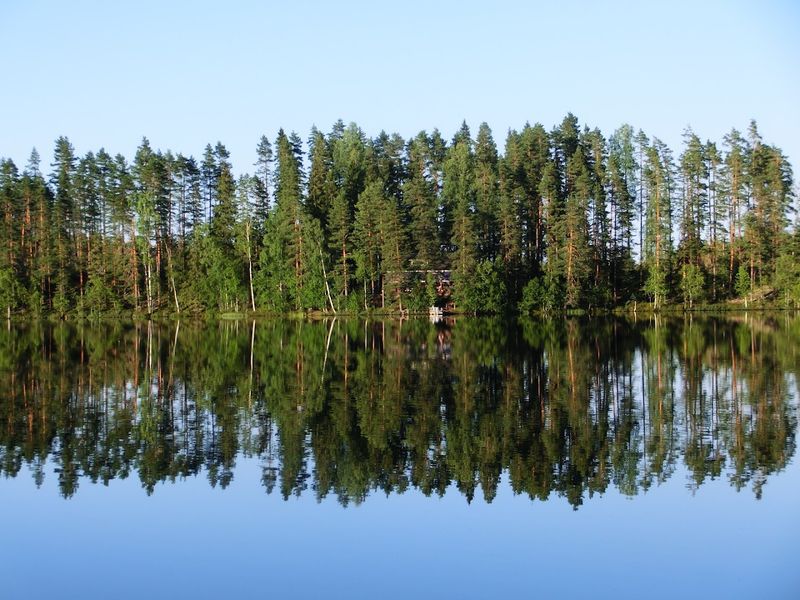
Five thousand islands tend to complicate navigation in the best possible way. Lake Saimaa is Finland’s largest lake and one of Europe’s most intricate freshwater systems, covering roughly 4,400 square kilometers through a maze of channels, bays, and wooded islands. Every turn seems to reveal another tiny harbor, lakeside cabin, or stretch of untouched shoreline, making it easy to understand why Finns have treasured this region for generations.
Rather than focusing on a single destination, visitors often explore the lake by ferry, canoe, bicycle, or scenic road trip. Towns such as Savonlinna provide a natural base, combining historic streets with easy access to the surrounding waterways. The famous Olavinlinna Castle, built during the fifteenth century, rises directly from the water and hosts an internationally respected opera festival each summer, giving the region an extra layer of cultural appeal.
Nature remains the real star. Lake Saimaa is home to the endangered Saimaa ringed seal, one of the world’s rarest seal species found nowhere else. Careful conservation efforts help protect its habitat, and responsible wildlife excursions occasionally offer respectful viewing opportunities. Hiking trails weave through nearby Linnansaari National Park, while quiet coves invite paddlers to explore at their own pace.
2. Lake Vänern, Sweden
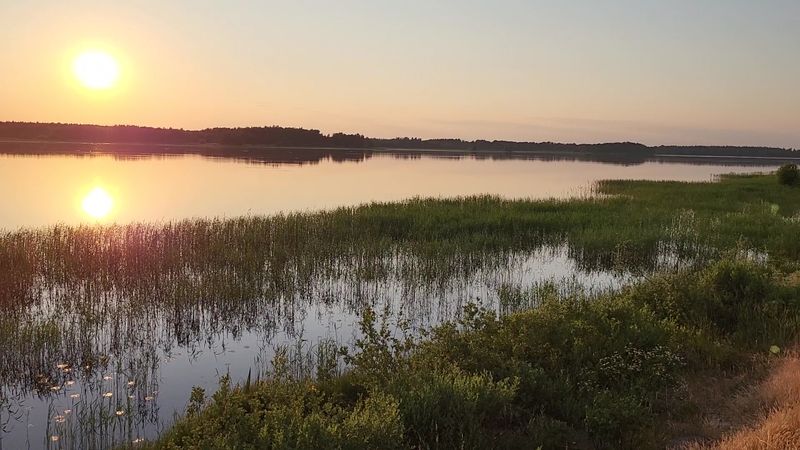
Calling this Sweden’s largest lake almost undersells the achievement. Lake Vänern ranks among Europe’s biggest freshwater lakes, spanning more than 5,500 square kilometers and offering such an expansive horizon that first-time visitors often mistake it for the sea.
Its enormous size creates remarkable variety. Sandy beaches appear along one shore, rocky cliffs dominate another, while broad agricultural landscapes gradually transition into protected forests. Charming towns including Lidköping, Karlstad, and Mariestad provide excellent starting points for exploring different corners of the lake, each offering its own historic districts, waterfront promenades, and local attractions.
The surrounding region rewards travelers who enjoy moving at an unhurried pace. Cycling routes connect villages and nature reserves, while ferries reach islands such as Lurö, home to one of Sweden’s oldest inhabited island communities. History lovers can explore medieval churches, manor houses, and castles that quietly overlook the shoreline without competing for attention.
3. Lake Inari, Finland
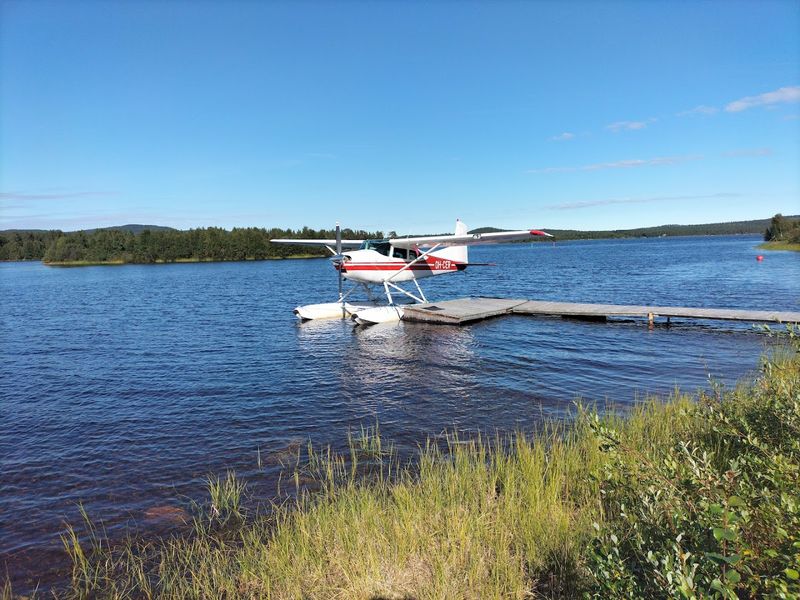
Silence earns top billing long before any guidebook arrives. Far above the Arctic Circle, Lake Inari offers one of Finland’s most remarkable landscapes, where nearly 3,300 islands scatter across an immense expanse of water surrounded by northern wilderness.
This lake holds deep cultural significance for the Indigenous Sámi people, whose traditions remain closely connected to the surrounding land and waterways. Museums and cultural centers in nearby Inari introduce visitors to Sámi history, handicrafts, language, and seasonal traditions without reducing them to simple tourist attractions.
Exploring the lake often means embracing flexibility. Boat tours weave between islands that contain ancient sacred sites, historic cabins, and quiet picnic areas. Hiking trails nearby range from gentle forest walks to longer wilderness routes, while winter transforms the lake into a completely different landscape for snow-based activities.
4. Lake Mjøsa, Norway
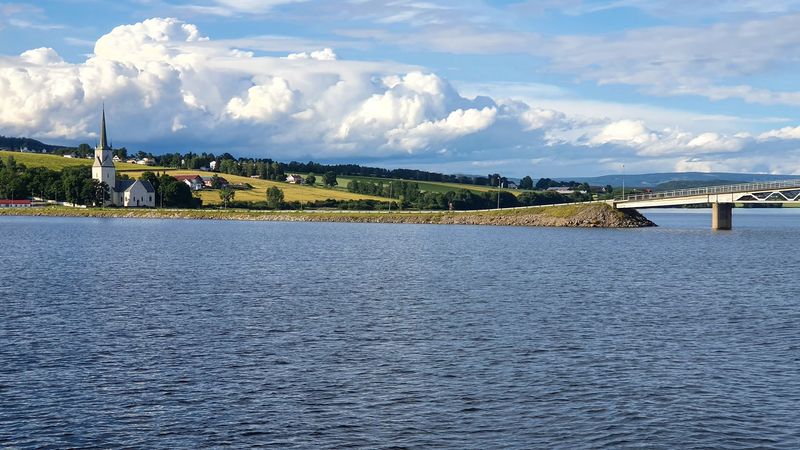
Norway’s largest lake by surface area somehow manages to stay remarkably understated despite its impressive credentials. Stretching over 100 kilometers through southeastern Norway, Lake Mjøsa links several attractive towns while offering scenery that deserves far more international attention.
The lake has long served as an important transportation route, and that heritage continues through the beautifully restored paddle steamer Skibladner, often described as the world’s oldest operating paddle steamer. A cruise aboard this historic vessel offers an enjoyable way to experience the shoreline while connecting visitors with more than a century of Norwegian travel history.
Around the lake, the towns of Hamar, Gjøvik, and Lillehammer each contribute something different. Hamar combines modern architecture with medieval history, Gjøvik showcases traditional industry and lakeside recreation, while Lillehammer brings Olympic history, museums, and easy access to mountain excursions.
Outdoor activities naturally fit into the experience without overwhelming it. Beaches, cycling routes, hiking trails, and family-friendly parks create opportunities for relaxed exploration. Add historic farms, galleries, and regional restaurants serving local ingredients, and Lake Mjøsa becomes a destination that quietly rewards curiosity instead of demanding attention.
5. Lake Peipus, Estonia
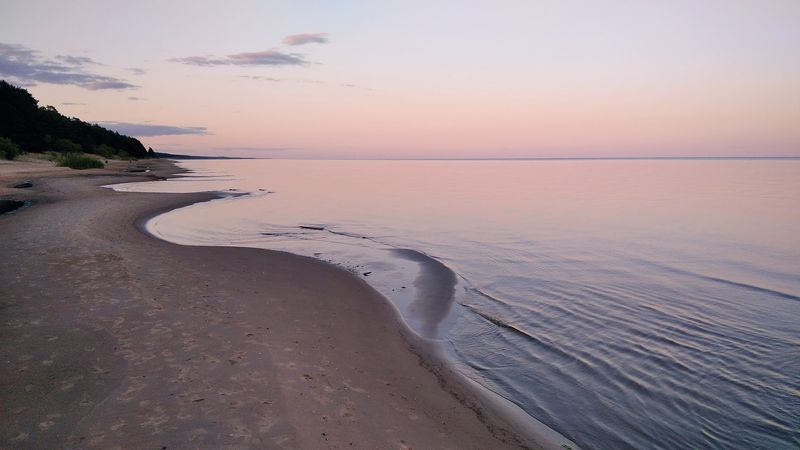
Sometimes a border creates two countries but one remarkable landscape. Lake Peipus sits between Estonia and Russia, ranking among Europe’s largest lakes while maintaining a distinctly peaceful atmosphere along its Estonian shoreline.
Generations of Old Believers settled in villages here centuries ago, bringing unique architecture, religious traditions, and famous onion farming that continues today. Driving through villages such as Kolkja and Kasepää introduces travelers to colorful wooden homes, family museums, and roadside stalls selling local produce during harvest season.
The lake itself changes character throughout the year. Summer attracts swimmers, cyclists, birdwatchers, and anglers, while winter has traditionally supported ice fishing when conditions safely allow. Nature reserves nearby protect wetlands that welcome large numbers of migratory birds, making the region especially rewarding during spring and autumn.
Instead of flashy attractions, Lake Peipus offers authenticity through everyday life. Visitors discover traditional cafés, small cultural festivals, handcrafted goods, and welcoming communities that happily share stories about a region many international travelers never think to explore.
6. Lake Päijänne, Finland
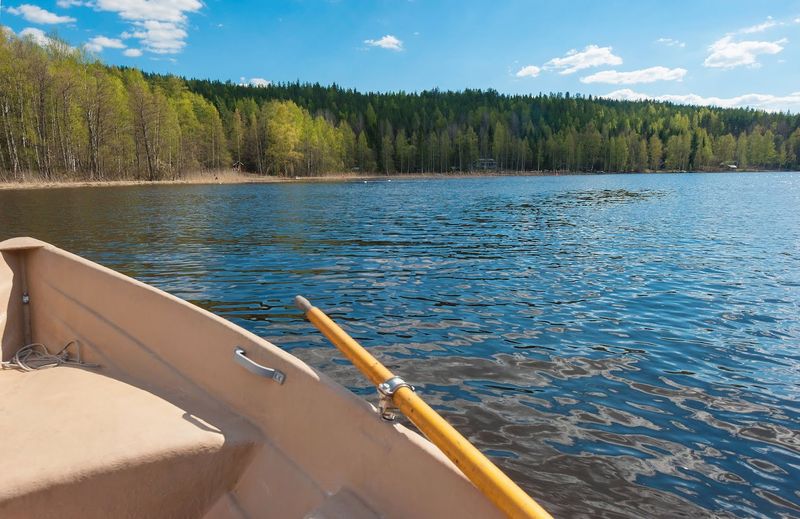
One glance at the map reveals a lake that seems determined to invent new shorelines every few kilometers. Lake Päijänne forms Finland’s second largest lake and stretches through central Finland with hundreds of islands, sheltered bays, and forested peninsulas.
Much of the region centers around Päijänne National Park, where marked boating routes, hiking trails, and camping areas encourage visitors to experience the landscape responsibly. The park’s islands vary dramatically in size, allowing both short day trips and longer outdoor adventures depending on individual preferences.
Nearby towns such as Jyväskylä combine modern Finnish design with lakeside recreation. Museums dedicated to architect Alvar Aalto, waterfront walking paths, and seasonal events create a pleasant balance between cultural experiences and outdoor activities.
Local life revolves naturally around the water. Marinas, guesthouses, family-owned cafés, and public saunas welcome visitors throughout the warmer months. Rather than racing through attractions, many travelers find themselves happily adopting the local rhythm, discovering that an afternoon spent exploring one quiet island can easily become the highlight of an entire journey.
7. Lake Femunden, Norway
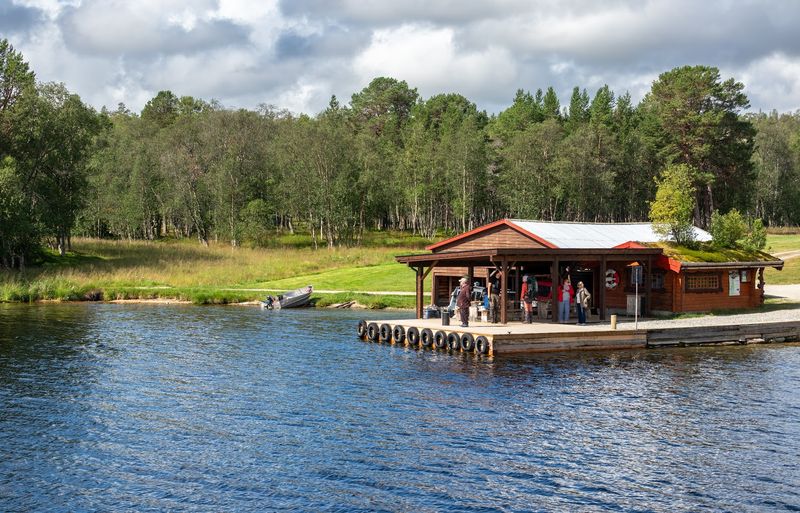
Crowds rarely manage to find this corner of Norway, and that is very much part of its charm. Lake Femunden lies near the Swedish border within one of the country’s largest wilderness regions, offering remarkable opportunities for outdoor exploration without constant company.
Femundsmarka National Park surrounds much of the lake, protecting extensive forests, rivers, and mountain landscapes that have changed little over time. Canoeing ranks among the most popular activities, allowing visitors to follow traditional travel routes used for generations through interconnected waterways.
Wildlife remains another major attraction. Moose, reindeer, numerous bird species, and other native animals inhabit the surrounding forests, making patience more valuable than speed. Well-marked hiking trails accommodate different experience levels, while mountain cabins provide practical overnight options for longer adventures.
Even the villages nearby embrace simplicity. Local museums explain the area’s history of fishing and forestry, while small accommodations focus on comfort rather than luxury. Lake Femunden reminds travelers that memorable destinations do not always require famous landmarks, only remarkable landscapes and enough time to appreciate them.
8. Lake Bolmen, Sweden
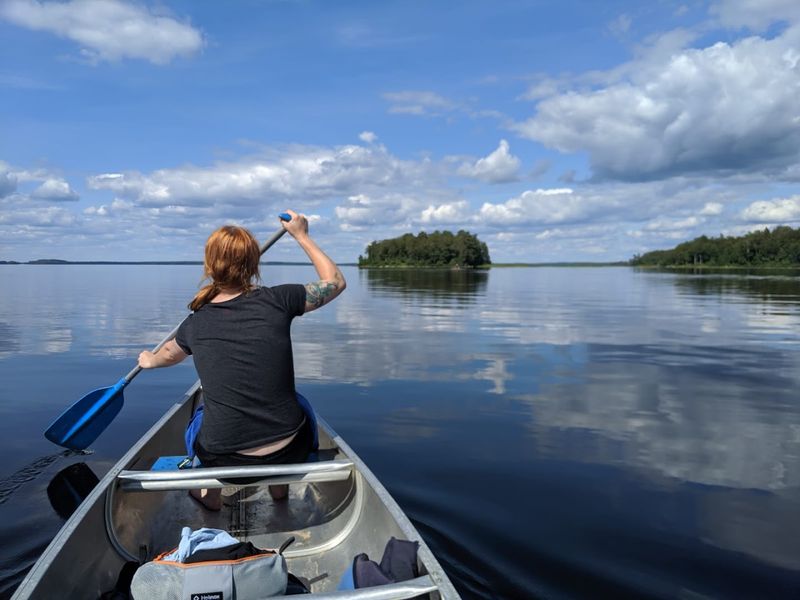
Big enough to disappear into yet peaceful enough to slow your schedule, Lake Bolmen offers an appealing alternative to Sweden’s better-known vacation areas. Located in Småland, this large lake contains more than 300 islands and extensive stretches of protected shoreline.
The region encourages active exploration without demanding expert skills. Cycling routes circle parts of the lake, hiking trails cross forests and nature reserves, and numerous public access points make kayaking and boating straightforward for visitors. Families especially appreciate the relaxed atmosphere and easy access to outdoor recreation.
History quietly accompanies the scenery. Small churches, traditional farms, and local museums reflect centuries of rural life, while nearby villages provide cafés, bakeries, and seasonal markets that reward unhurried exploration. Birdwatchers frequently visit during migration periods, thanks to the lake’s diverse habitats.
One pleasant surprise comes from how uncrowded everything remains. Even during summer, visitors often find quiet picnic spots and peaceful walking trails with little effort. Lake Bolmen proves that sharing space with nature does not always require sharing it with hundreds of other tourists.
9. Lake Oulujärvi, Finland
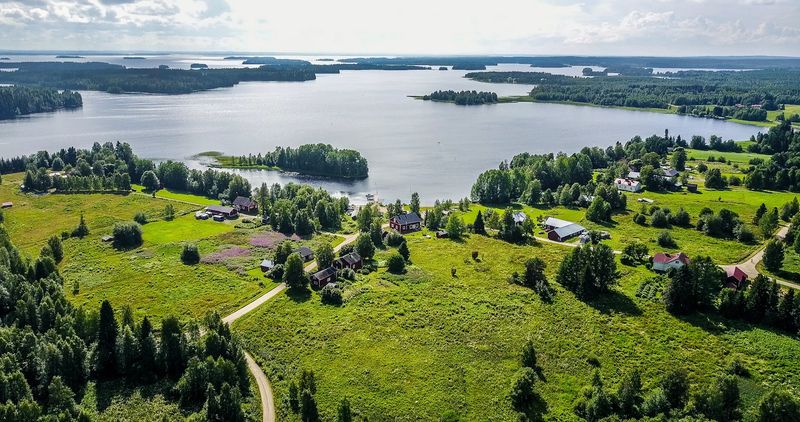
Locals have a wonderfully confident nickname for this place. Lake Oulujärvi is often called the “Sea of Kainuu” because its broad open waters create views that seem far larger than an inland lake should reasonably produce.
The shoreline alternates between sandy beaches, pine forests, and welcoming villages that celebrate outdoor life without unnecessary fuss. Manamansalo Island serves as one of the region’s most popular destinations, offering hiking trails, beaches, and campgrounds connected by scenic roads.
Fishing, boating, cycling, and paddling naturally dominate many itineraries, but cultural attractions deserve attention too. Regional museums, art exhibitions, and seasonal festivals introduce visitors to Kainuu’s traditions while supporting local communities throughout the year.
Travelers looking for quiet evenings rather than packed schedules often discover Lake Oulujärvi suits them perfectly. Comfortable cabins, lakeside accommodations, and family-run businesses provide practical bases for exploring one of Finland’s most overlooked lake regions.
10. Lake Snåsavatnet, Norway
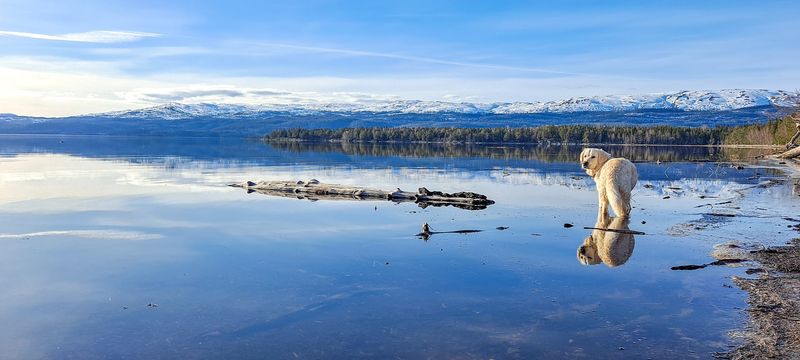
Maps rarely highlight this Norwegian lake, which is exactly why it deserves more attention. Lake Snåsavatnet stretches through Trøndelag County, offering calm waters framed by rolling hills, forests, and traditional farming landscapes.
The surrounding communities place strong emphasis on outdoor recreation and local heritage. Walking trails, cycling routes, and easy lake access encourage visitors to explore at their own pace, while cultural centers explain regional history stretching back thousands of years.
Fishing has shaped local life for generations, and the lake remains well known for trout and Arctic char. Nearby nature reserves support birdlife throughout the seasons, creating rewarding opportunities for wildlife enthusiasts who enjoy quieter destinations.
Rather than chasing headline attractions, Snåsavatnet succeeds through consistency. Friendly villages, scenic drives, historic churches, and peaceful waterfronts combine into an experience that feels genuinely local instead of carefully staged for tourism.
11. Lake Razna, Latvia
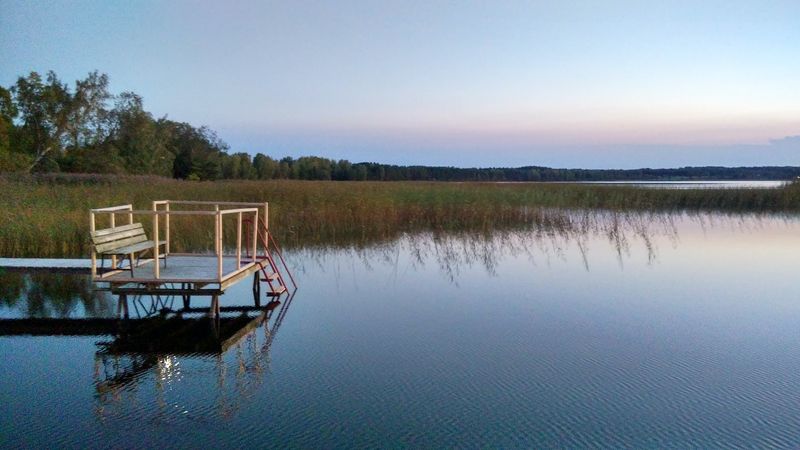
A national park built around a lake already sounds like a promising holiday plan. Lake Rāzna, often called Latvia’s second largest lake, anchors Rāzna National Park in the country’s eastern Latgale region, where forests, rolling hills, and traditional villages create an inviting landscape.
Outdoor recreation takes center stage throughout the warmer months. Visitors enjoy swimming, boating, cycling, hiking, and exploring smaller lakes scattered across the park. Observation towers and nature trails provide excellent opportunities to appreciate the region’s varied ecosystems.
The cultural side proves equally rewarding. Historic churches, local craft workshops, and family-owned guesthouses introduce travelers to Latgale’s distinct traditions and hospitality. Regional museums explain local history while seasonal events celebrate music, food, and handicrafts.
Unlike many heavily promoted destinations, Lake Rāzna still feels pleasantly undiscovered. That means shorter waits, quieter beaches, and more opportunities to enjoy conversations with local residents who genuinely appreciate visitors taking an interest in their region.
12. Lake Vanajavesi, Finland
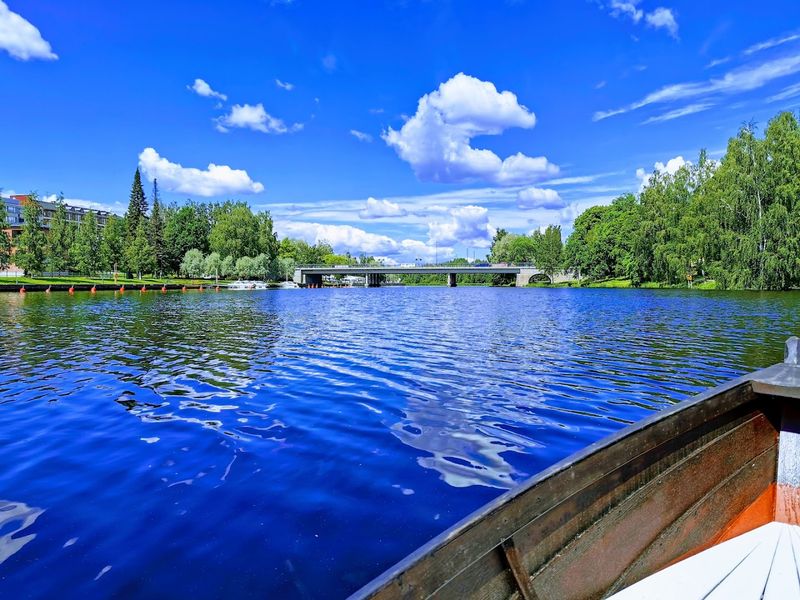
History has been keeping this shoreline busy for centuries. Lake Vanajavesi winds through southern Finland near Hämeenlinna, connecting beautiful waterways with one of the country’s best preserved medieval castles.
Häme Castle immediately attracts attention, standing as one of Finland’s most important historic landmarks. Museums, walking paths, parks, and lakeside cafés surround the fortress, making it easy to spend an entire day exploring the town before heading back onto the water.
The lake also supports an impressive network of boating routes, cycling paths, and nature areas. Bird reserves attract wildlife enthusiasts, while nearby forests provide accessible hiking opportunities suitable for families and casual walkers alike.
Perhaps the greatest strength of Lake Vanajavesi lies in its balance. History, outdoor recreation, small-town charm, and comfortable visitor facilities all work together without competing for attention. Travelers searching for Northern Europe beyond the familiar postcard locations often finish their visit wondering why this remarkable lake region remains one of Finland’s best kept travel secrets.
Share this story